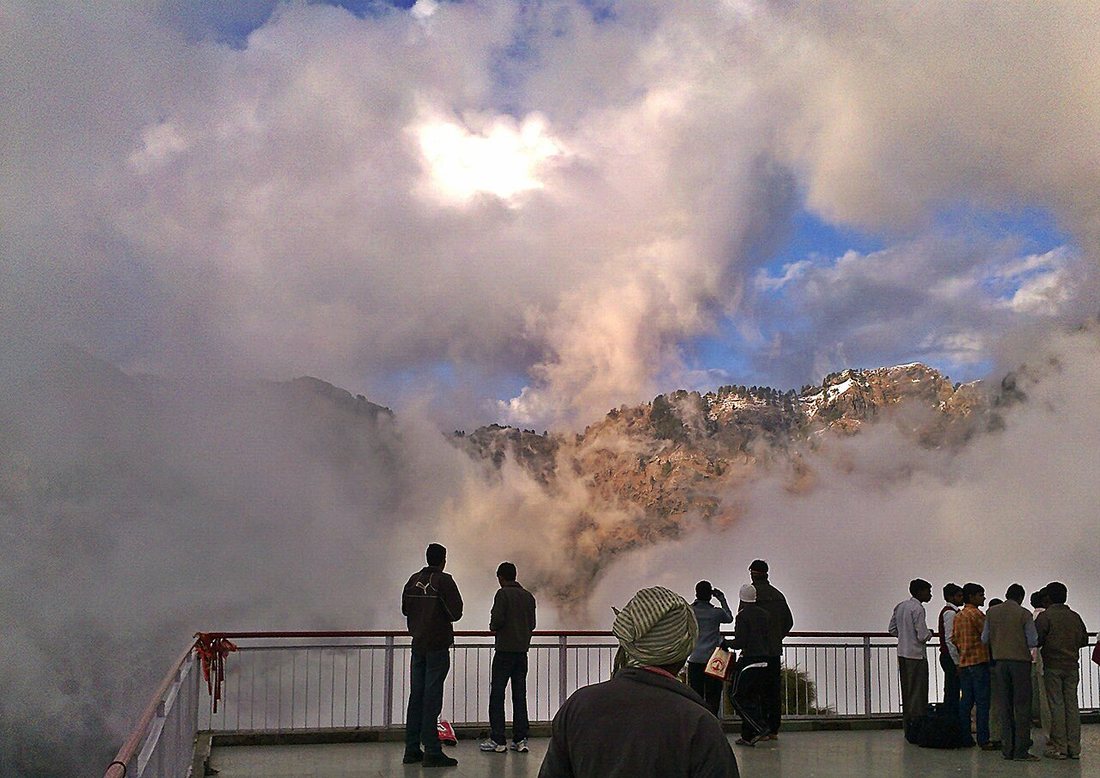
Step out onto Katra’s floodlit Main Bazaar at three in the morning and you immediately feel why millions of devotees return to these Shivalik foothills decade after decade. Red embroidered chunri headbands catch the warm glow of roadside prasad counters stacking dry coconuts, puffed makhana, and sweet rock sugar; pilgrims clip crisp plastic RFID cards around their necks while cool hill drafts drift straight down from the three dark crests of the Trikuta Mountains rising behind town. Within ten minutes you pass beneath the arched gate of Darshani Deodi, step onto clean stone tiles, and join a steady living stream murmuring Jai Mata Di! upward toward the Holy Cave at 1,585 metres (5,200 feet).
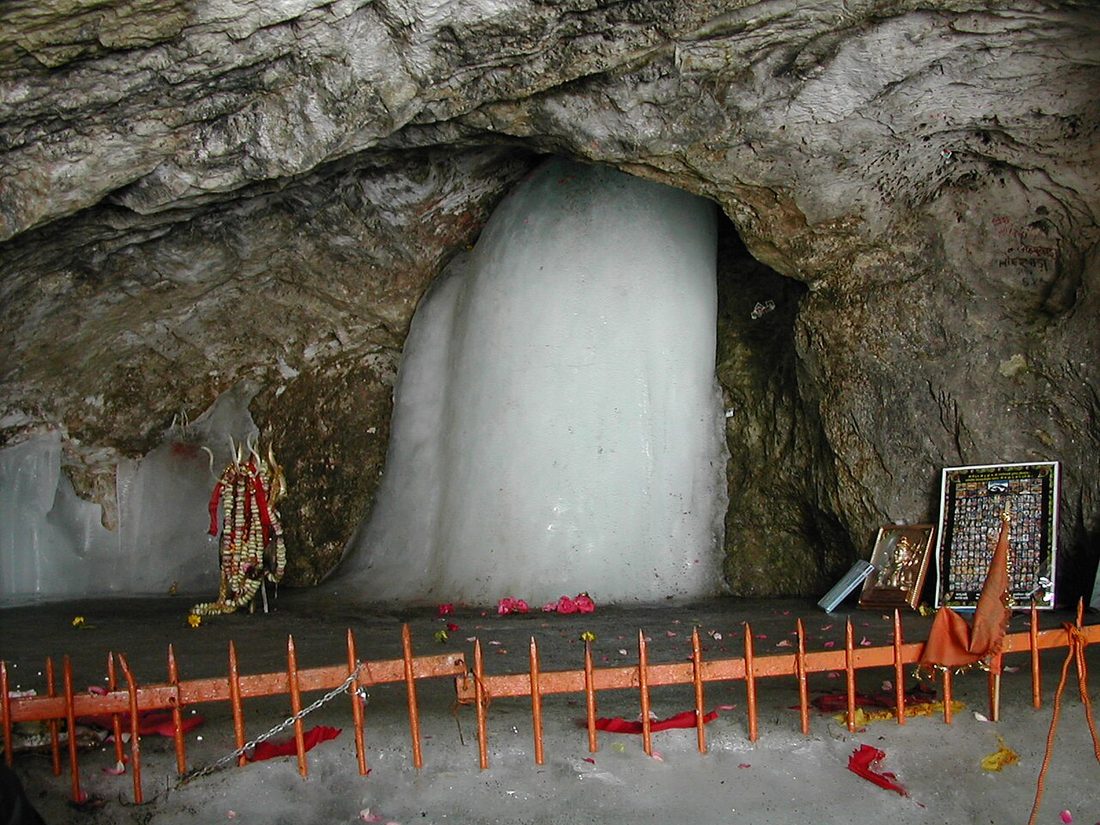
Unlike Kashmir’s seasonal summer pilgrimage to Shri Amarnath Cave, Mata Vaishno Devi Bhawan remains open 365 days a year—and thanks to direct Vande Bharat trains terminating right inside Katra, the wide mule-free Tarakote pedestrian walkway, Himkoti electric battery cars, Sanjichhat helicopter hops, and the three-minute Bhairavnath passenger ropeway, pilgrims of virtually every age and knee strength can complete darshan safely when they understand how the Shrine Board systems actually work.
Million-Year Geology, Three Sacred Pindis & the Legend of Trikuta
Geological studies estimate that the natural limestone cavern tucked into the rocky folds of Trikuta is roughly one million years old. While the Rig Veda mentions the three-peaked Trikuta range, the Mahabharata offers the earliest famed textual invocation of the Mother Goddess here: before the Kurukshetra battle, Arjuna prays to Jambookatak Chityaishu Nityam Sannihitalaye—“She who forever dwells upon the mountain slopes of Jamboo.” Local tradition holds that the five Pandavas built the earliest stone shrines at Kol Kandoli and Bhawan in gratitude, and centuries later the tenth Sikh Guru, Guru Gobind Singh Ji, documented walking to the cave along the historic Purmandal footpath.
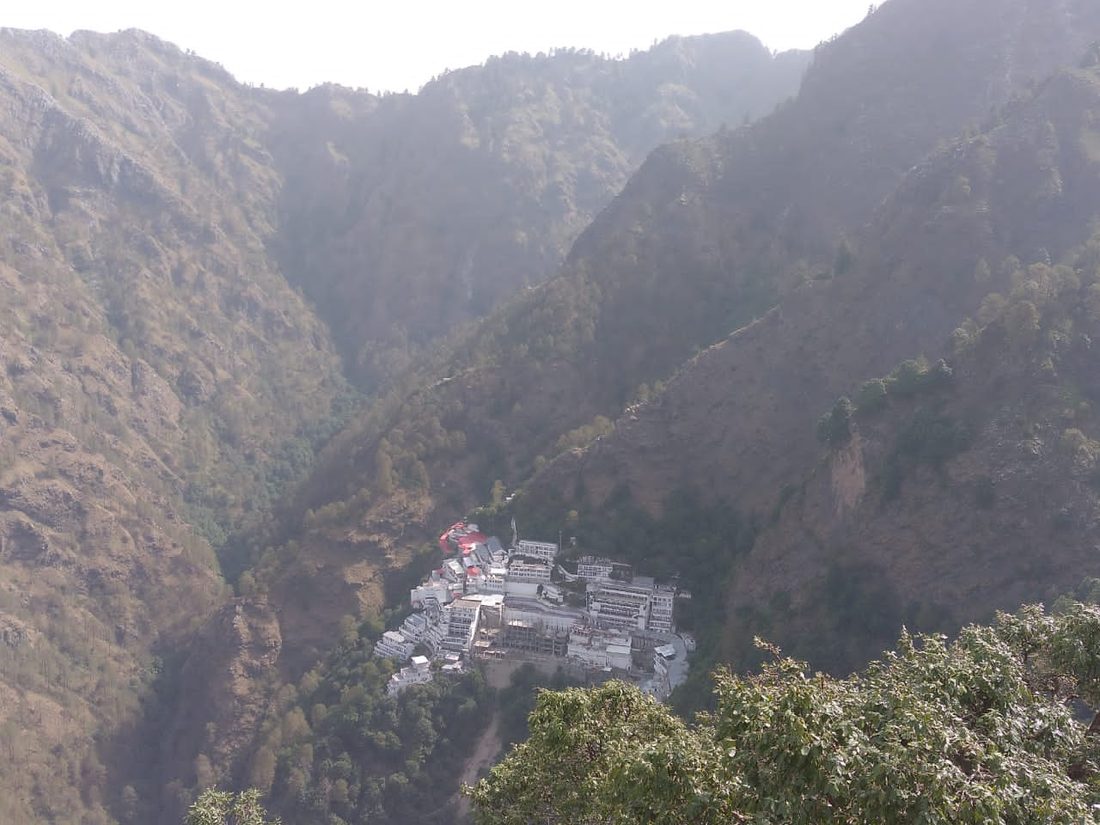
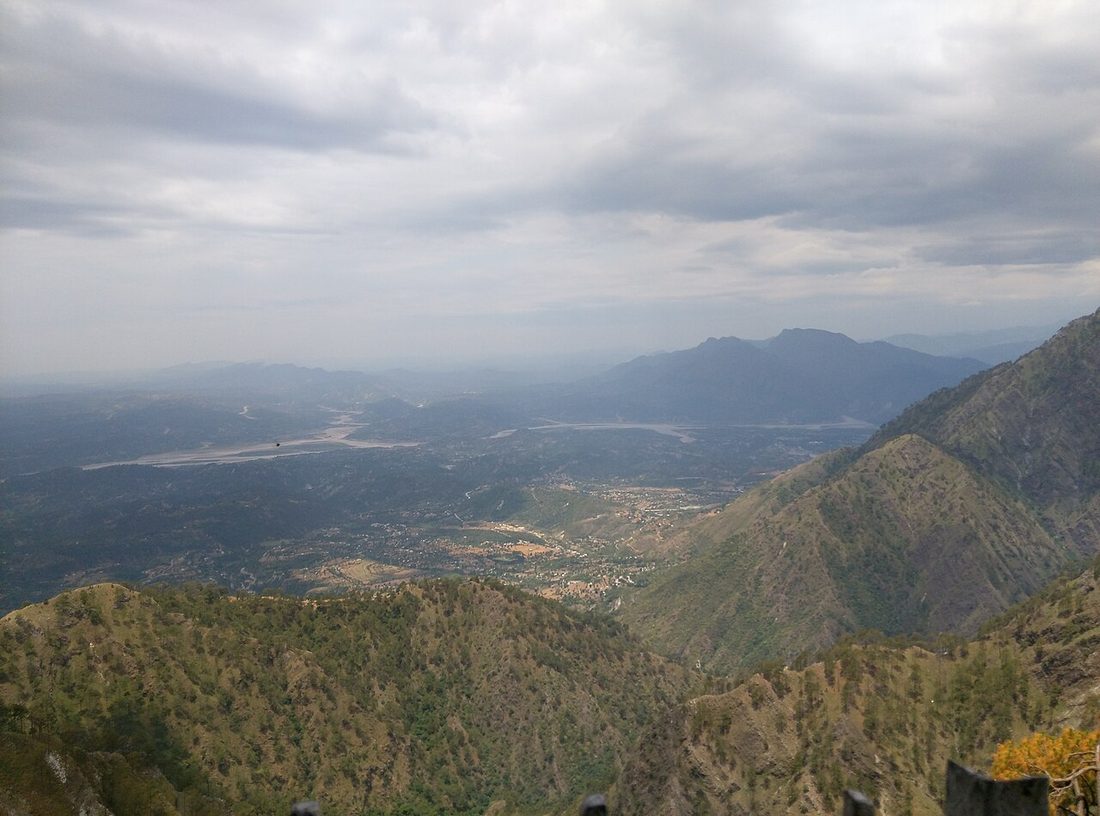
Revered among India’s supreme Shakti Peeths—linked across regional accounts with Mata Sati’s skull and the natural blessing-hand limestone relief (Varad Hast) inside the old cave—the Shrine’s living legend centers on young Vaishnavi, born in southern India to devout Ratnakar through the combined cosmic energy of Mahakali, Mahalakshmi, and Mahasaraswati. Seeking higher truth, Vaishnavi met Lord Rama during his forest exile; unable to merge with her during that era, Rama promised union in Kaliyuga as Kalki and asked her to meditate in the Trikuta hills to relieve human suffering.
When Tantric sage Gorakhnath dispatched his disciple Bhairon Nath to verify Vaishnavi’s spiritual power, Bhairon grew obsessed with her beauty and pursued her uphill. Fleeing upward to avoid conflict, Mata paused to strike water with an arrow at Ban Ganga, left her footprints upon rock at Charan Paduka, and meditated unseen for nine months inside the womb-shaped cavern (Garbh Joon) at Ardhkuwari before blasting through the back rock wall toward Bhawan. When Bhairon forced his way to the cave entrance, Mata assumed the fierce form of Kali and severed his head—which flew two kilometres uphill to Bhairon Ghati. Repenting in his final breath, Bhairon begged forgiveness; compassionate Mata granted him eternal grace, decreeing that no pilgrimage to Vaishno Devi stands complete until the devotee also bows at Bhairavnath Temple. Inside the sanctum today, pilgrims worship not carved statues, but three naturally formed rock projections—the sacred Pindis representing Maha Kali (left), Maha Lakshmi (center), and Maha Saraswati (right).
Getting to Katra & the Mandatory Free RFID Yatra Card
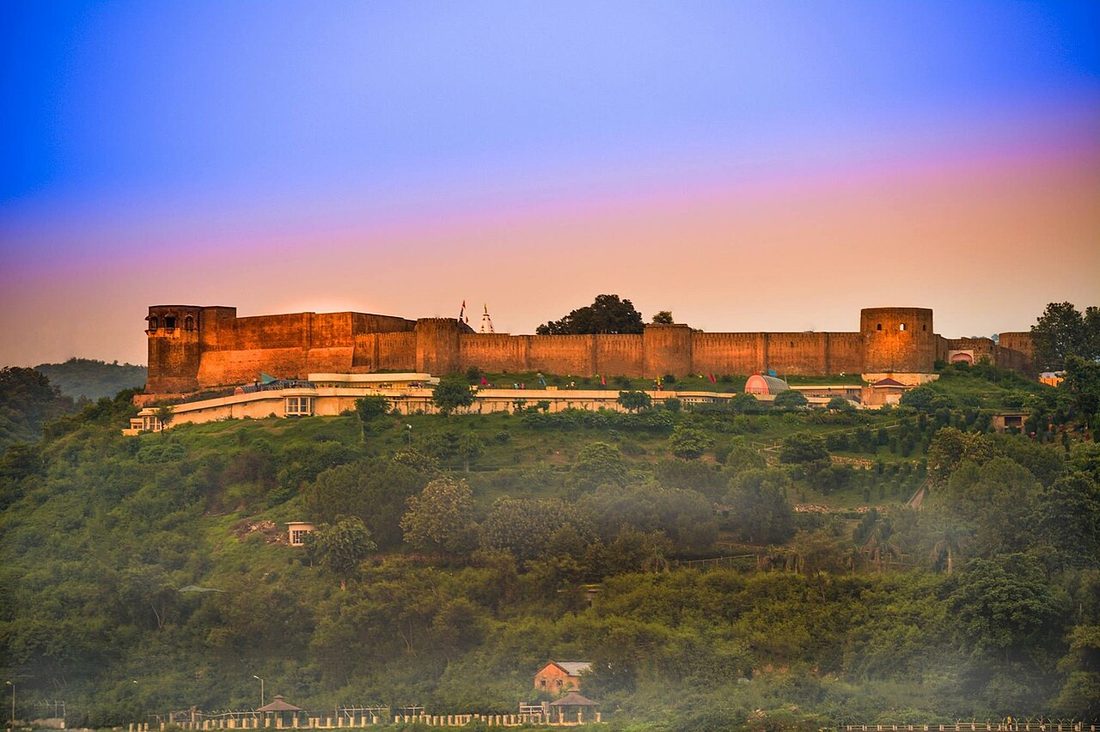
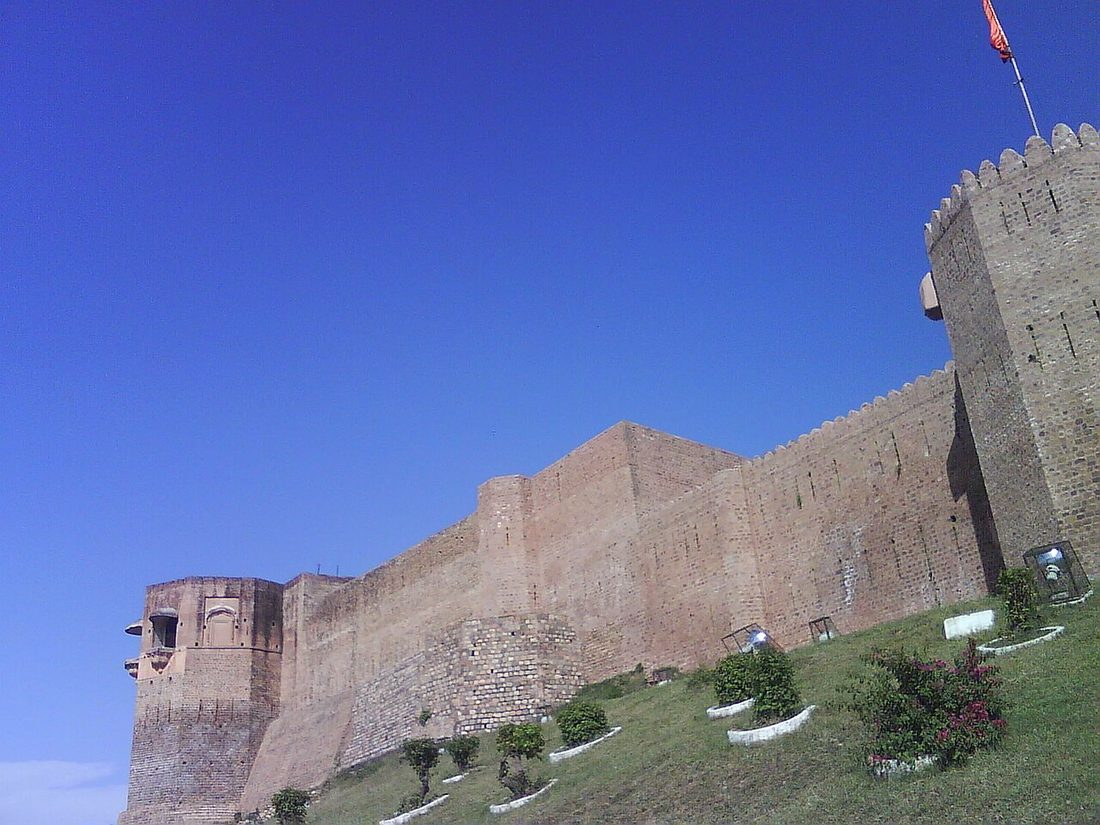
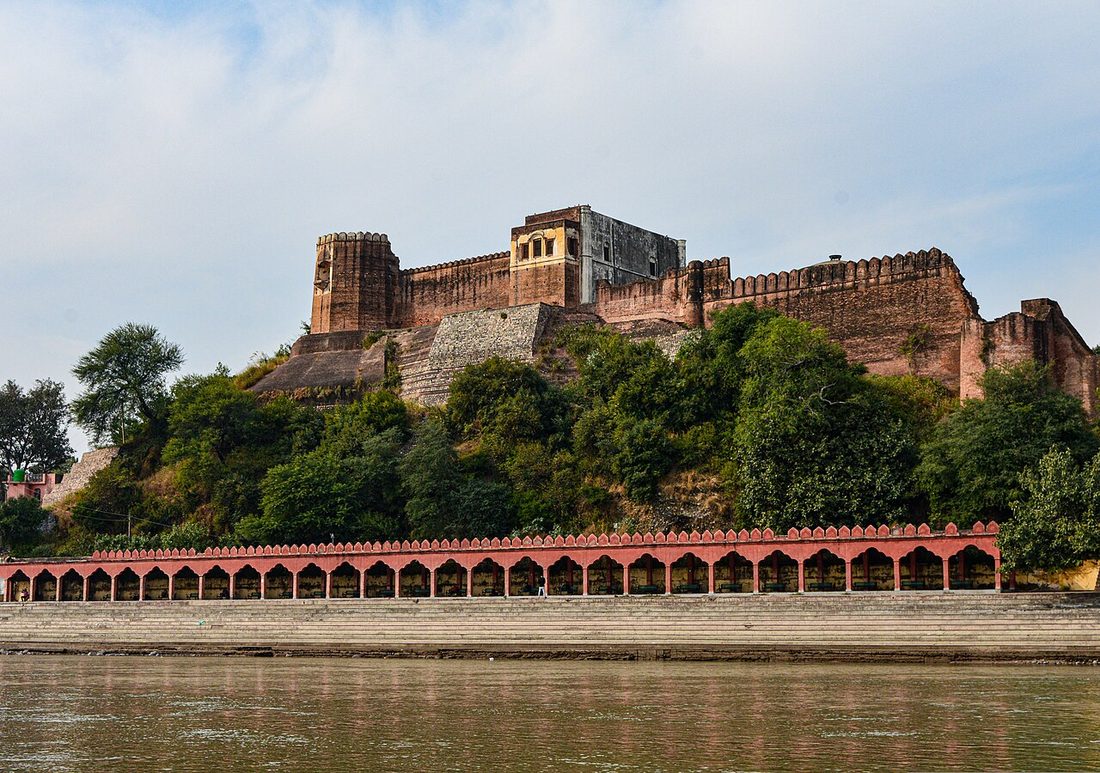
Reaching Katra (754 m / 2,475 ft) in Reasi district has never been simpler. Trains—including fast daytime Vande Bharat Express services from New Delhi—pull directly into Shri Mata Vaishno Devi Katra Railway Station (SVDK) barely 1.5 kilometres from Main Bazaar. Air travelers fly into Jammu Airport (IXJ), 50 kilometres south; private cabs take roughly 1 hour 20 minutes via the Kunjwani–Domel bypass and the cool riverside Shivalik gorge at Jhajjar Kotli (passing a routine police security checkpost entering Katra). Many families arriving through Jammu begin with a quiet hour at Bahu Fort & Bawe Wali Mata Temple towering above the Tawi River before driving north.
Before taking a single step onto the hill, every pilgrim—walking, pony-riding, or flying by helicopter—must collect the free, mandatory RFID Yatra Card issued by the Shri Mata Vaishno Devi Shrine Board (SMVDSB). Pre-register online at maavaishnodevi.org using Aadhaar or Passport details, or walk up in person at dedicated RFID counters at Katra Main Bus Stand, SVDK Railway Station, Niharika Complex, or Katra Helipad. Two strict rules catch newcomers off guard: first, you must pass the starting Ban Ganga or Tarakote scanning gate within 6 hours of RFID issuance; second, wear the lanyard visibly the entire trip and return your RFID card at the exit counter upon descending so the tracking system logs you out cleanly without penalty.
Tarakote Marg vs. Old Ban Ganga Track, Battery Cars & Chopper
Choosing the right uphill combination turns a grueling trek into an uplifting mountain walk. Here is an honest side-by-side breakdown of every ascent option in 2026:
| Ascent / Descent Option | Distance & Duration | Key Waypoints Covered | Field Trade-Offs & Best For |
|---|---|---|---|
| Tarakote Marg (New Foot Track) | 7 km to Ardhkuwari (~13.5 km total to Bhawan); 4.5–6 hrs | Tarakote Gate → Gulshan Langar → Ardhkuwari → Himkoti → Bhawan | Zero ponies or mules! Cleanest tiles, gentle slope, drinking water ATMs, wide canopies; best for all walkers |
| Old Traditional Ban Ganga Track | ~12–13 km total (with steep stair shortcuts); 4–6 hrs | Ban Ganga (1 km) → Charan Paduka (2.5 km) → Ardhkuwari (6 km) → Sanjichhat (9.5 km) | Rich historic stops & endless shops, but crowded with ponies, palkis & steep stairs; best if riding pony/palki |
| Himkoti Electric Battery Car | 6.5 km (Ardhkuwari ↔ Bhawan); ~20 mins | Connects Ardhkuwari directly to Bhawan along scenic upper flat ledge | Essential relief for elders/weak knees; book online 30–60 days early on SMVDSB portal (sells out fast) |
| Helicopter (Katra ↔ Sanjichhat) | 8 min flight + 2.5 km gentle walk/buggy to Bhawan | Katra Helipad → Sanjichhat Helipad (9.5 km mark) → Bhawan | Includes priority Darshan queue access; book strictly via official portal, keep weather buffer for mountain mist |
| Bhairavnath Passenger Ropeway | 3 min aerial cable car (Bhawan ↔ Bhairon Ghati) | Skips the punishing 2.5 km vertical climb above Bhawan | ~₹100 round-trip; runs daytime hours (~8:30 AM–6:30 PM); spares tired knees after Bhawan darshan |
If you are fit enough to walk, take Tarakote Marg going up (enjoying spotless mule-free views and free hot tea and dal-rice at Gulshan Langar halfway up!), then return down via the traditional Ban Ganga path if you wish to touch Charan Paduka and dip tired ankles at Ban Ganga on your way home. Travelers seeking minimum walking—especially senior parents or families tight on leave—can reserve our seamlessly arranged Mata Vaishno Devi Darshan by Helicopter & Jammu Heritage Tour or classic Mata Vaishno Devi Yatra & Katra Pilgrimage Package.
Katra’s bus-stand lanes attract slick unauthorized agents promising “confirmed VIP helicopter tickets” or “instant battery-car seats” at inflated cash markups. Never hand money to street touts! Official Sanjichhat helicopter tickets, Himkoti battery cars, Atka Aarti passes, and SMVDSB Shrine Board rooms at Bhawan (Kalika, Vaishnavi, Parvati Bhawans) open strictly online at maavaishnodevi.org—typically 60 days ahead of travel—and require matching passenger government ID at check-in.
Navigating Ardhkuwari Garbh Joon, Bhawan Lockers & Bhairon Ghati
Roughly halfway up at the 6-kilometre junction sits Ardhkuwari (Adhkuwari), where both Tarakote Marg and the old Ban Ganga path merge. The narrow natural rock crawl through the Garbh Joon cave—symbolizing spiritual rebirth—operates strictly by numbered group slips issued free at the counter. During weekends, summer school holidays, and Navratri, wait times can stretch four to eight hours. Veteran Katra regulars use a simple trick: grab your Ardhkuwari group slip when walking UP, check the digital waiting screen, and if the queue exceeds three hours, head straight up to Bhawan for Mata’s darshan first—then drop back to Ardhkuwari on your descent just as your group number flashes live!
At Bhawan itself, Shrine Board discipline keeps the complex remarkably clean and secure. Before entering the darshan queue corridor, deposit ALL mobile phones, smartwatches, cameras, power banks, leather belts, leather wallets, and large backpacks at the free, numbered SMVDSB Cloakroom Lockers (carry only a small pouch with your RFID card, ID, and minimal offering cash—and remember leather shoes stay locked outside too). Bathing ghats with warm water in winter sit right beside the lockers. On busy days, pilgrims pass smoothly through the wide modern marble approach tunnels to view the three natural Pindis inside the illuminated old sanctum; during quieter winter weekdays (typically mid-January through February), the Shrine Board occasionally opens access through the original narrow natural cave mouth—an extraordinary grace if your dates align.
Once you collect your silver-foil coin prasad outside Bhawan, do NOT skip the final 2.5 kilometres to Bhairavnath Temple (2,018 m). Walk straight over to the sleek SMVDSB Passenger Ropeway station beside Bhawan—within three minutes the cabin glides quietly over pine ravines straight to Bhairon Ghati, leaving barely a hundred tiled steps to complete your yatra with jaw-dropping panoramas down across Katra’s rooftops. Just note that the cable car operates during daylight hours (roughly 8:30 AM to 6:30 PM, weather permitting)—if your darshan finishes at midnight, either rest overnight in a Shrine Board dormitory (clean free blankets are issued against refundable deposit!) or hike up early at dawn.
Between April and September, climbing under Katra’s midday sun drains energy twice as fast. Starting uphill at 3:00 AM–4:30 AM (or 9:00 PM for an overnight climb) keeps temperatures pleasantly cool, reduces queue congestion at Bhawan between 7:00 AM and 10:00 AM, and lets you catch the Bhairavnath ropeway right as morning counters open. Eat confidently at official SMVDSB Bhojanalayas at Tarakote, Ardhkuwari, Sanjichhat, and Bhawan—every kitchen serves spotless, fixed-price vegetarian food prepared strictly without onion or garlic, including hot rajma chawal, kadhi, sambhar-dosa, and ginger tea at honest nominal prices.
Katra Town, Dogra Flavors & Nearby Jammu–Reasi Sacred Detours
Back down in Katra town, remember that the entire municipal boundary is respected as a strictly vegetarian, alcohol-free sanctuary zone—nearly every restaurant cooks sattvic meals free of onion and garlic. After resting sore calves at your Katra hotel or Shrine Board Sarai (Niharika, Shakti Bhawan, Ashirwad), wander the bazaar for famous Dogra street snacks: sizzling Kaladi Kulcha (dense handmade highland cheese pan-seared in its own butterfat until crispy gold and tucked into toasted bread with tangy chutney), sweet-sour pumpkin ambal, and gift boxes of dry apples, Kashmiri walnuts, and saffron-dusted walnut fudge.
If you have one extra day based in Katra before moving on, Reasi and Udhampur districts hide extraordinary Shivalik heritage sites barely 30 to 90 minutes from your hotel porch:
- Baba Dhansar (17 km / 35 mins from Katra): A lush forest ravine near Karua Jheel where multiple silver waterfalls spill beside a natural cave Shiva lingam—linked naturally in our Baba Dhansar forest shrine guide.
- Dera Baba Banda Bahadur (30 km / 55 mins): Perched dramatically over the rushing Chenab River, this 300-year-old historic Sikh Gurudwara preserves the weapons and legacy of warrior-saint Baba Banda Singh Bahadur—explore our Dera Baba Banda guide.
- Shiv Khori Cave Shrine (80 km / 2.5 hrs): A thrilling 150-metre-long natural stalactite cave housing a four-foot Swayambhu Shiva Lingam in Reasi hills—easily covered as a single-day addition via our Shiv Khori & Baba Dhansar Yatra Package.
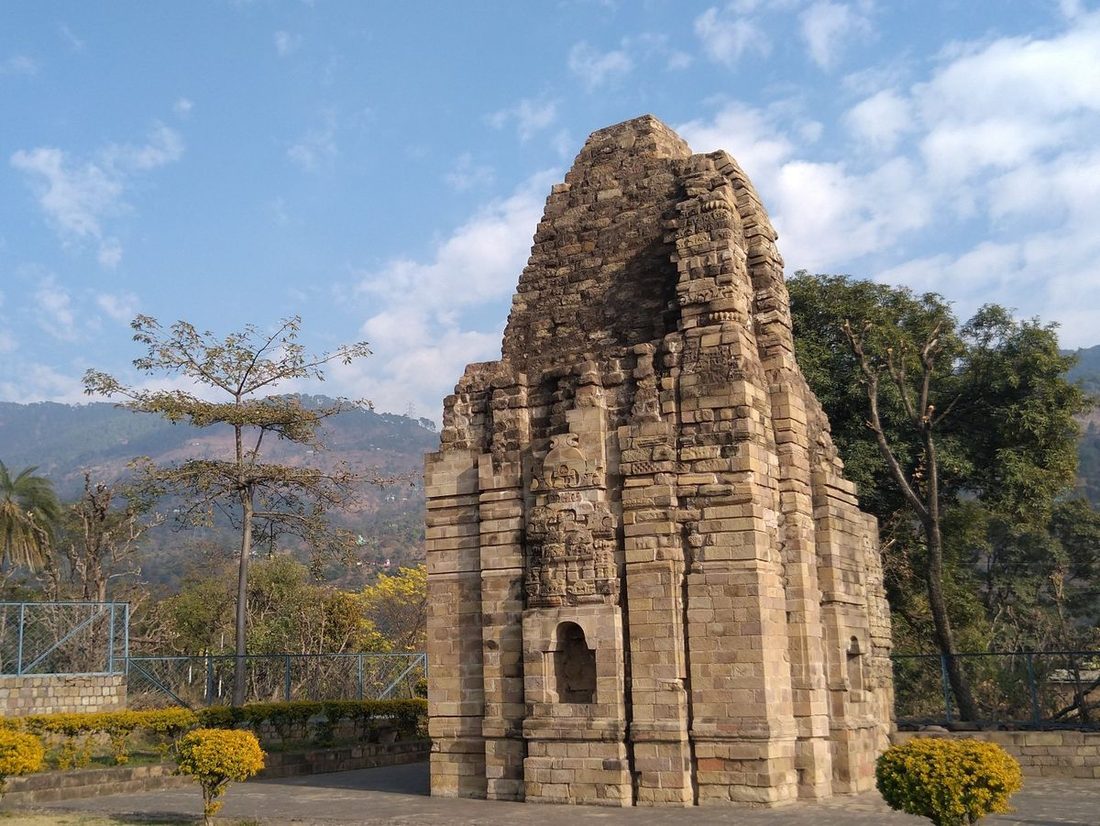
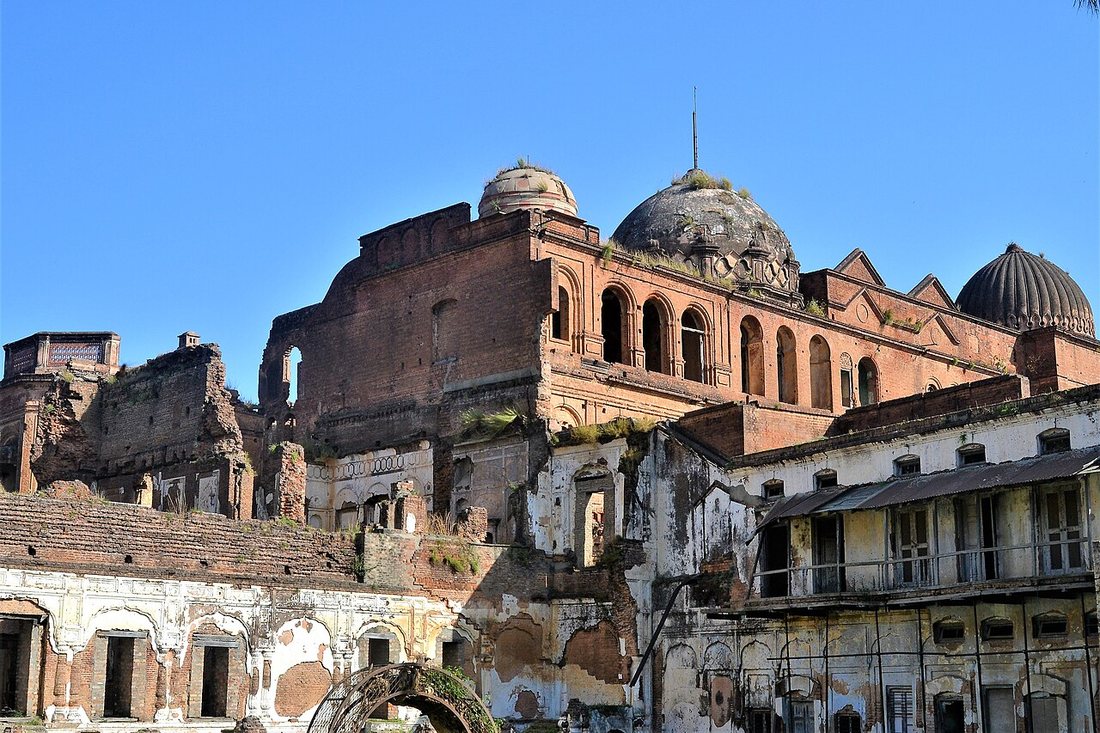
- Udhampur, Krimchi Temples & Mansar Lake: History lovers looping east via Udhampur can walk among the exquisite 8th-century sandstone shikhara spires of the Krimchi Pandava Temples, feed sacred carp at Mansar Lake, or visit riverside Akhnoor Fort on the way back toward Jammu Airport.
Extending Your Pilgrimage North: Patnitop, Ramban & Kashmir Valley
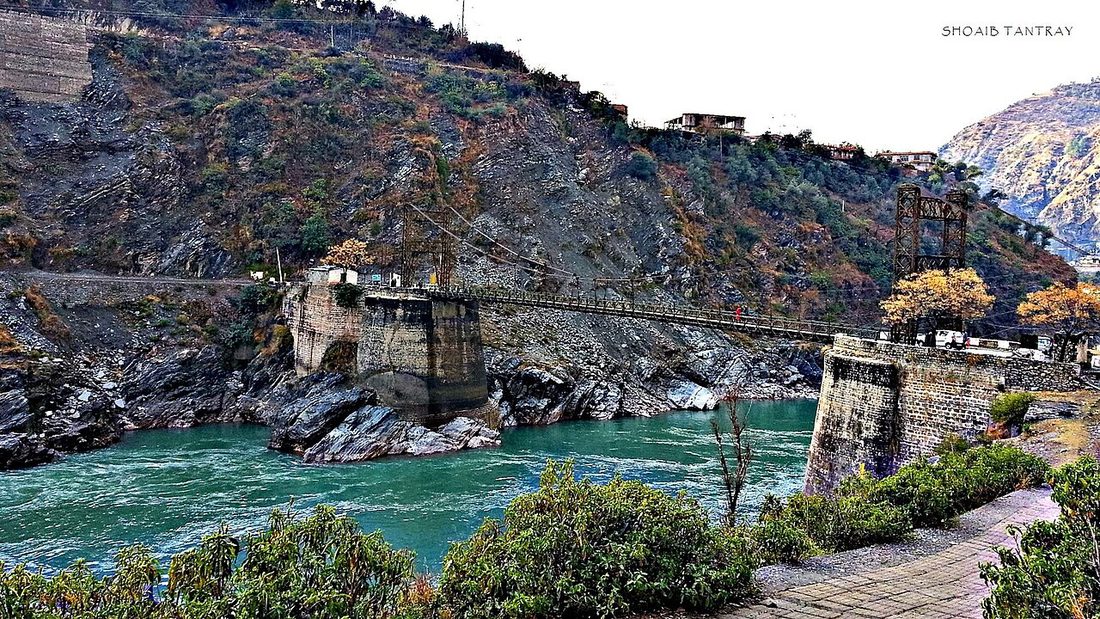
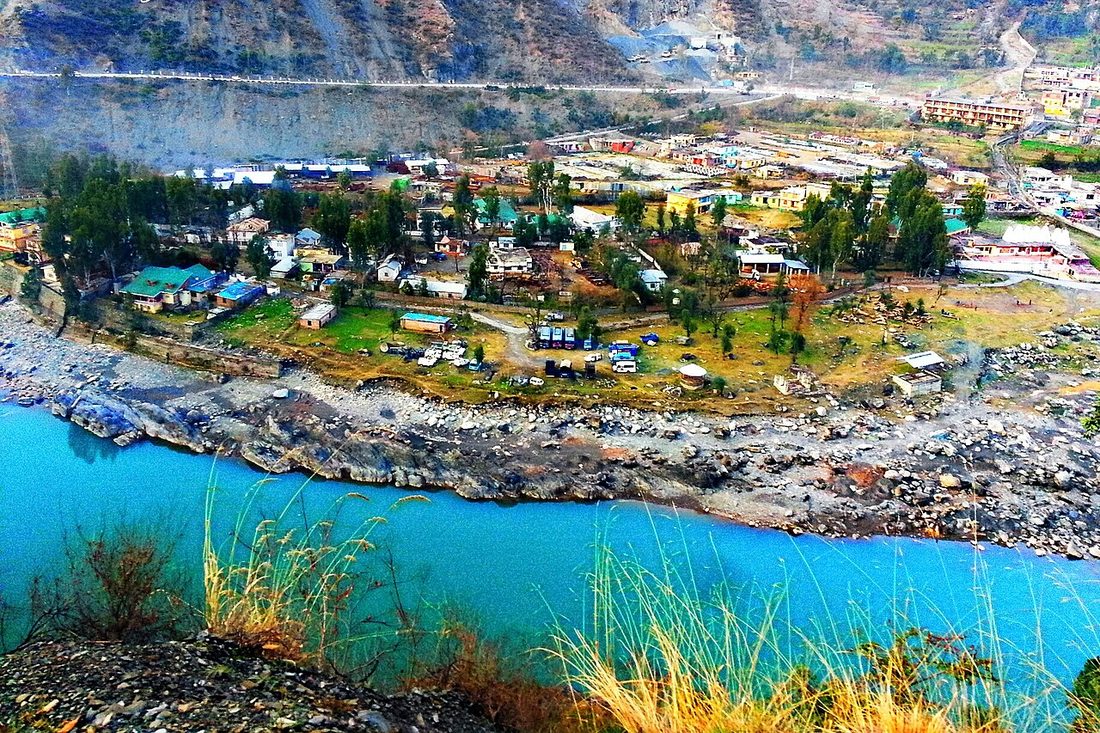
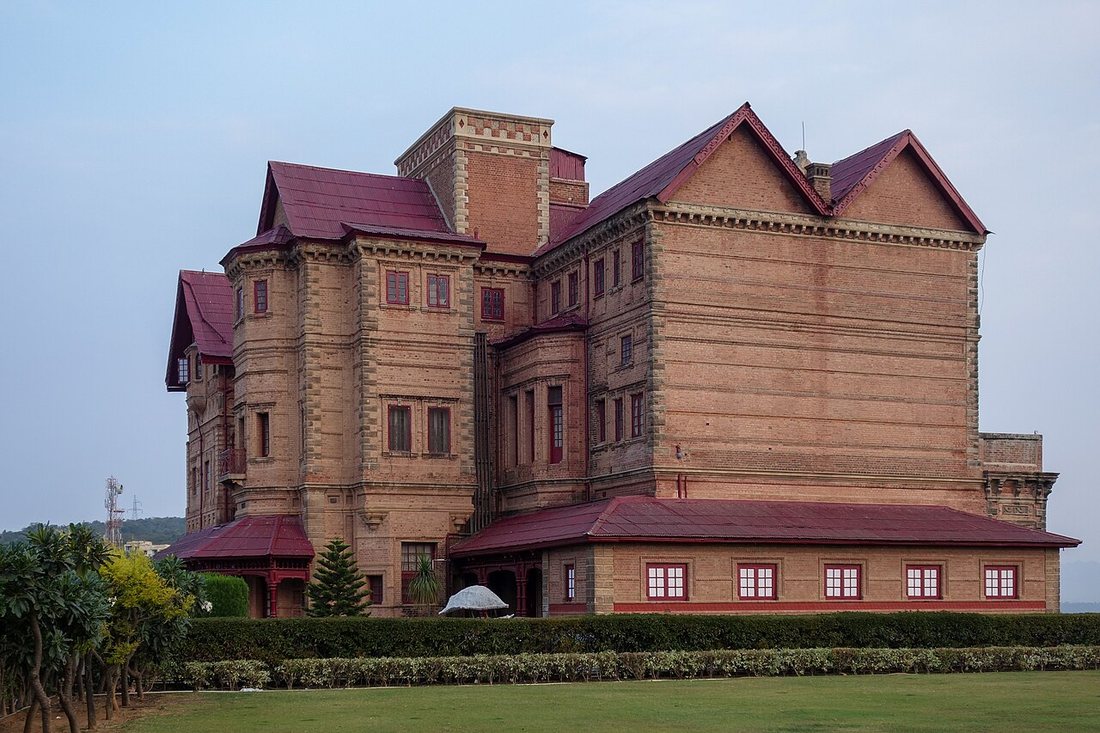
One of India’s favorite multi-generational holiday arcs begins right here at Katra. Once your family finishes Vaishno Devi darshan, instead of flying straight home, roll north up the scenic NH44 mountain expressway—winding past the cool deodar plateau of Patnitop (85 km / 2.5 hrs from Katra), across dramatic bridges spanning the turquoise Chenab River gorge through Ramban, and right through the Navayug Tunnel straight into Kashmir’s emerald meadows and Srinagar’s tranquil Dal Lake houseboats!
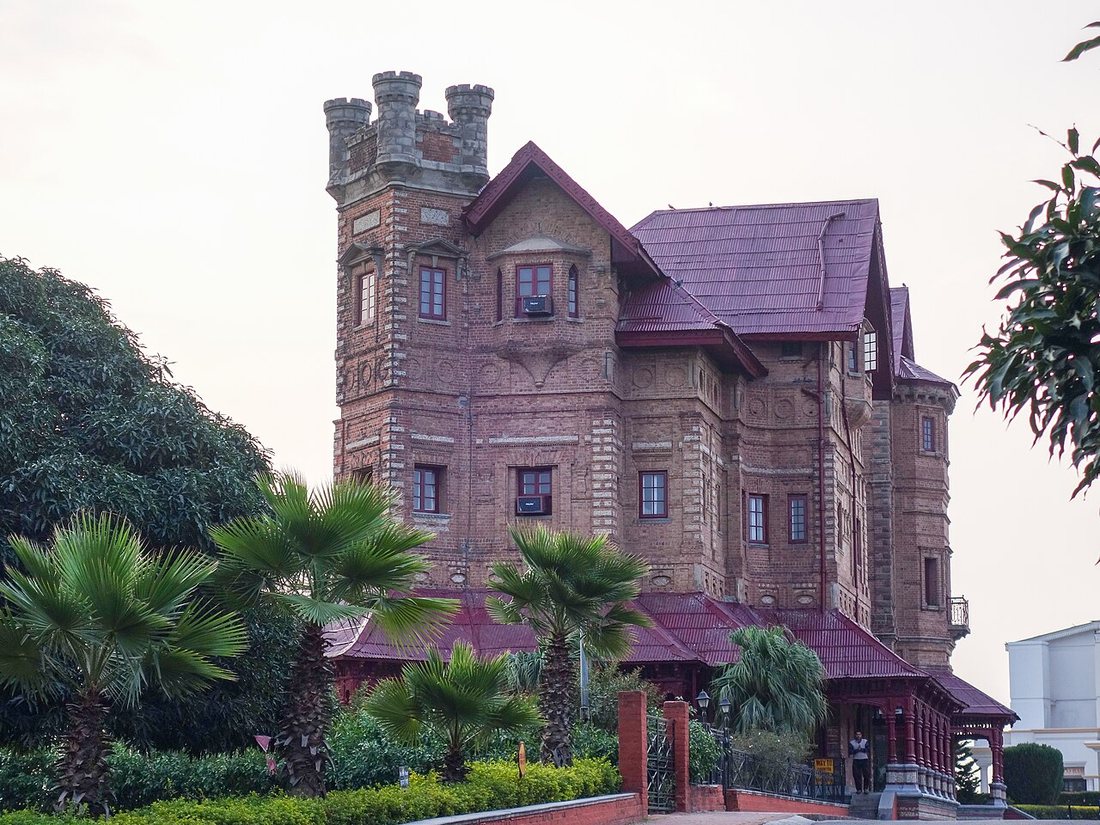
Combine Mata Vaishno Devi Darshan with Kashmir Valley
Start with comfortable Katra darshan and Patnitop pines, then glide north into Srinagar houseboats, Gulmarg, and Pahalgam in one private-cab route.
Seasons on the Trikuta Hills & Final Practical Checklist
Although Vaishno Devi welcomes devotees every day of the year, crowds and clothing shift significantly across seasons (check wider regional swings in our month-by-month Jammu & Kashmir weather guide). March to June brings pleasant mountain breezes but peak summer school-holiday crowds (book Katra hotels and battery cars early!). July to early September delivers lush rain-washed valleys and noticeably shorter darshan lines—pack light waterproof raincoats and monitor landslide advisories on the old track. Late September to November (especially during glowing Sharad Navratri illuminations) offers crisp sky visibility and festive floral temple decor. December to February turns Bhawan chilly (0°C–6°C at night) with occasional magical January snowfall dusting Sanjichhat and Bhairon Ghati—pack proper thermal innerwear, wool caps, and non-slip walking shoes.
Keep two final practical habits in mind: bring a postpaid mobile SIM (Jio, Airtel, or BSNL—prepaid SIMs from outside J&K drop dead upon crossing Lakhanpur or landing in Jammu!) and reserve verified properties through our curated Jammu & Kashmir hotels guide. Whether you plan a focused 3-day Katra yatra or our classic Unforgettable Jammu, Katra, Patnitop & Kashmir Valley 8-Day Tour, start shaping your dates on Kashmir i Tour’s official home portal or contact our local travel desk for verified Katra airport transfers, hotel bookings, and private family vehicles.
Frequently Asked Questions about Mata Vaishno Devi & Katra — Trikuta Hills Pilgrimage, Bhawan Trek & Helicopter Guide
Recommended Itineraries Including Mata Vaishno Devi & Katra — Trikuta Hills Pilgrimage, Bhawan Trek & Helicopter Guide
Every route below can be customized from Srinagar, Jammu, or Leh with private cabs and verified local stays.
Mata Vaishno Devi Yatra & Katra Pilgrimage Package (3N/4D)
4 Days • 3 Nights • ₹12,500
Mata Vaishno Devi Darshan by Helicopter & Jammu Heritage Tour (2N/3D)
3 Days • 2 Nights • ₹19,999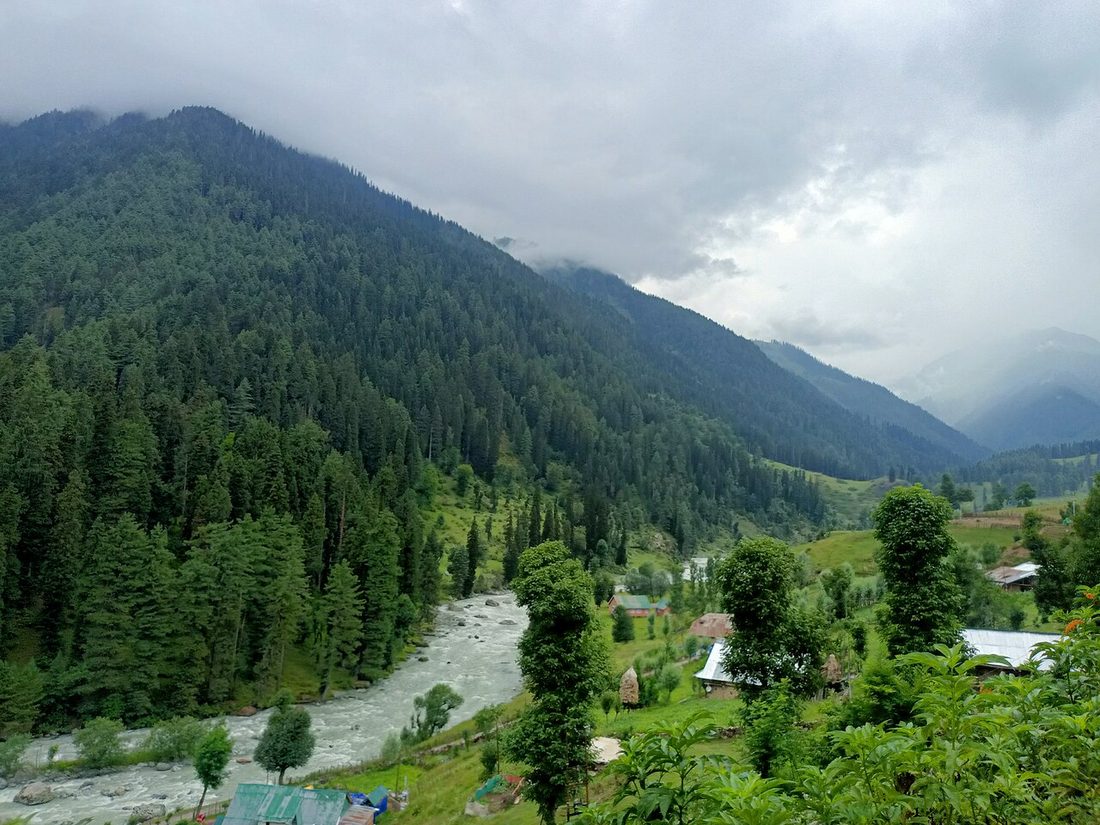
Grand Kashmir Valley & Mata Vaishno Devi Combined Tour (8N/9D)
9 Days • 8 Nights • ₹33,500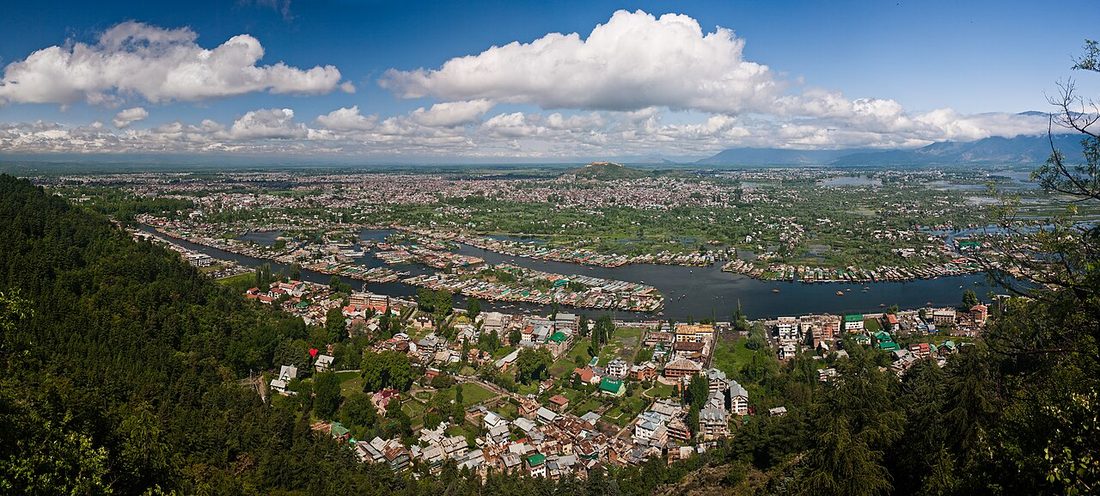
Unforgettable Jammu, Katra, Patnitop & Kashmir Valley Tour (7N/8D)
8 Days • 7 Nights • ₹29,999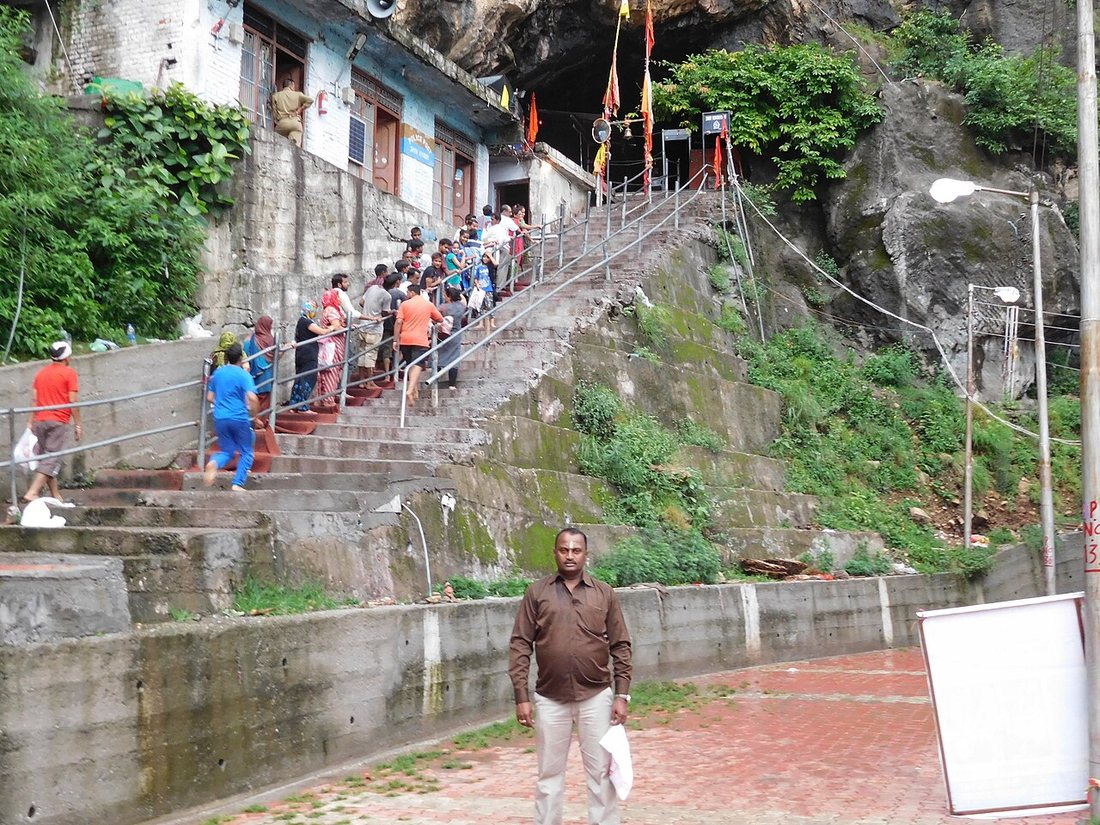
Shiv Khori Cave Shrine, Baba Dhansar & Katra Pilgrimage Tour (2N/3D)
3 Days • 2 Nights • ₹10,999Explore Nearby & Connected Destinations
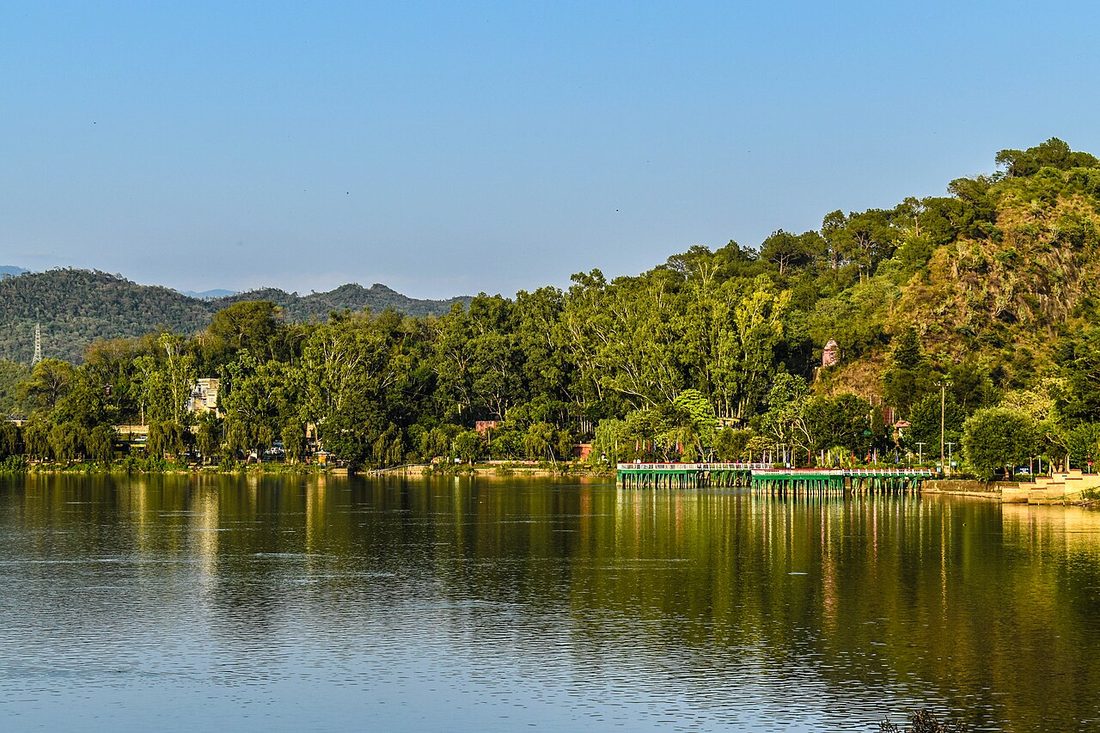
Baba Dhansar Temple — Karua Jheel Waterfalls, Cave Shrine & Reasi Forest Trail
Jammu Region →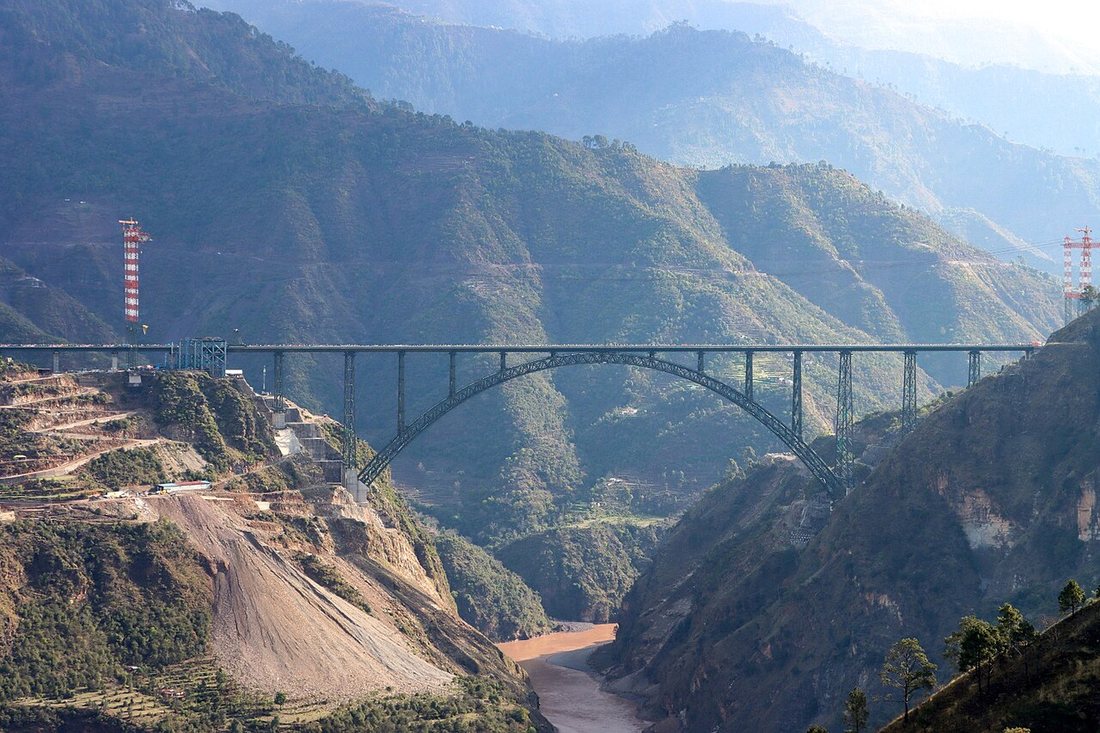
Dera Baba Banda Bahadur — 300-Year-Old Sikh Gurudwara Above the Chenab River
Jammu Region →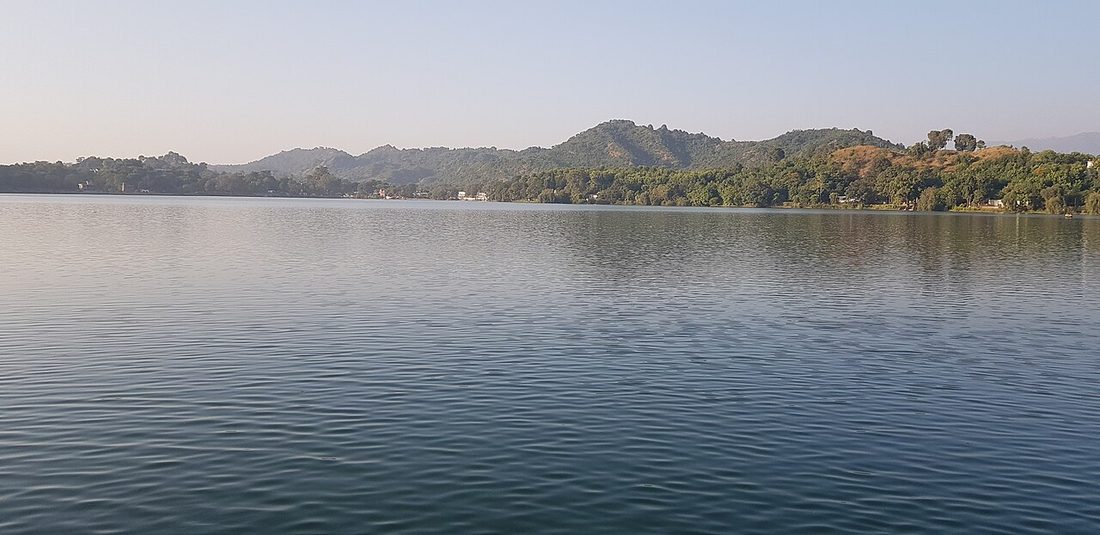
Jhajjar Kotli — Crystal Shivalik Stream, Picnic Riverside & Katra Highway Halt
Jammu Region →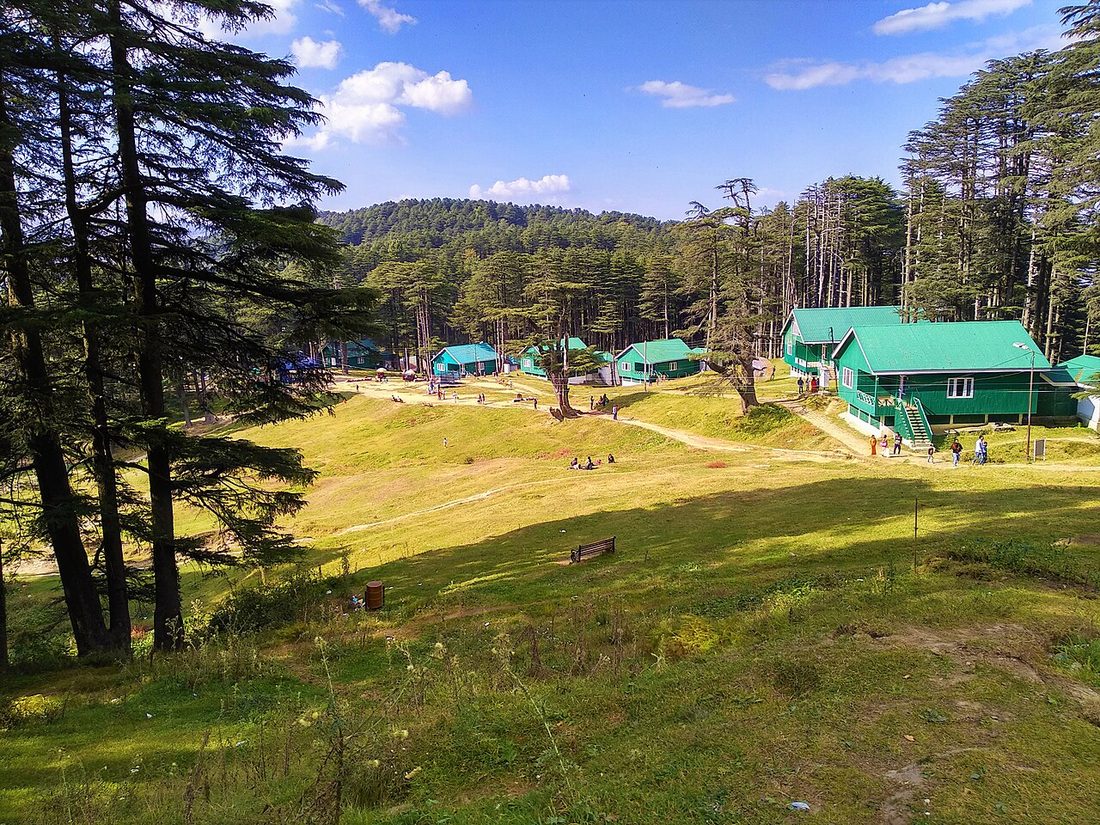
Patnitop — Deodar Pine Plateau, Nathatop Ridge & Jammu’s Classic Hill Station
Jammu Region →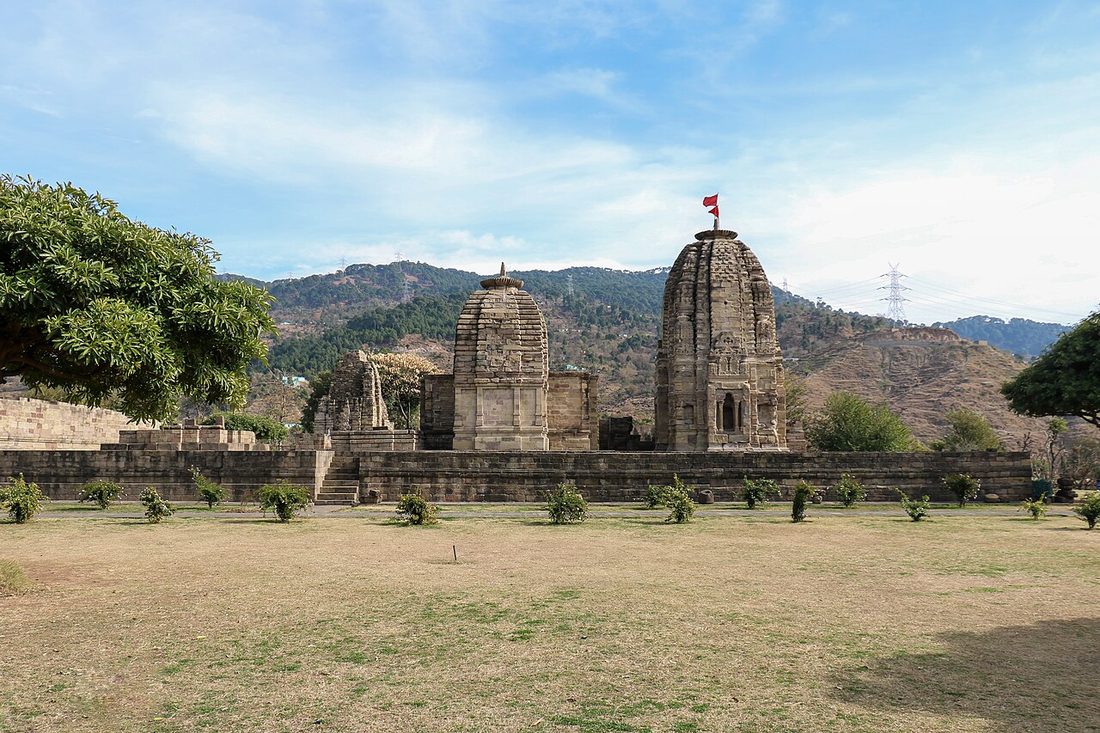
Udhampur — Krimchi Pandava Temples, Devika River & Shivalik Foothills
Jammu Region →