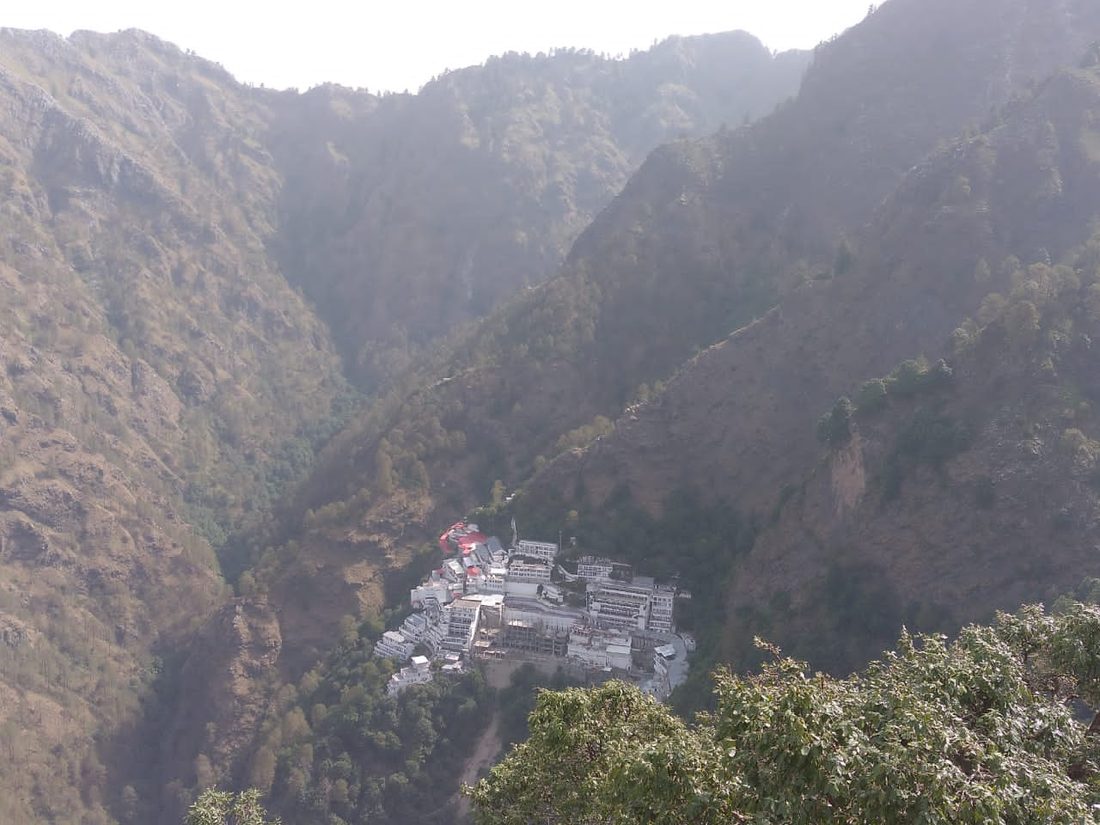

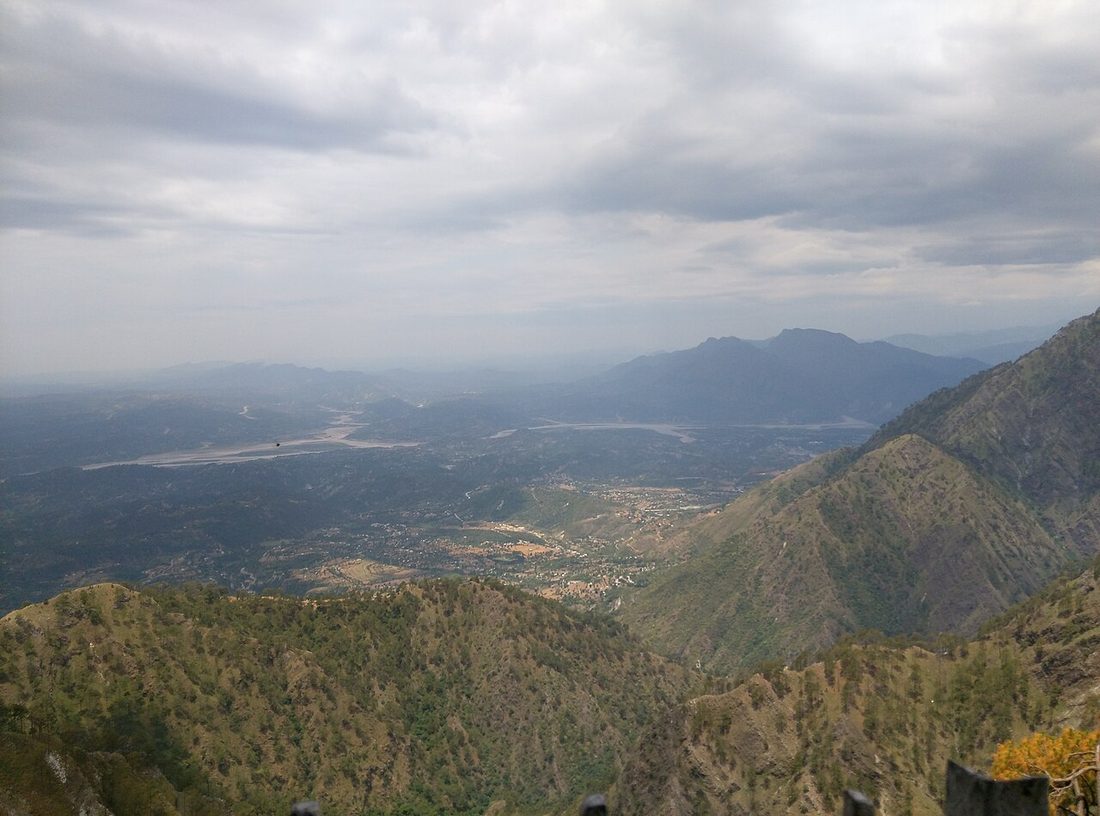
Somewhere around 3:15 AM on the paved walkway above Banganga, the floodlights along Trikuta Mountain look like a glowing ribbon stitched straight into the black sky. Thousands of devotees—grandmothers leaning on bamboo staffs, college friends carrying marigold garlands, barefoot farmers chanting Jai Mata Di in rhythmic waves—climb shoulder to shoulder toward the limestone recess holding the three natural pindis of Maha Kali, Maha Lakshmi, and Maha Saraswati. Few pilgrimages anywhere in India carry the unmistakable physical camaraderie of walking up to Mata Vaishno Devi & Katra on your own two feet.
Too many hurried weekend schedules compress this entire journey into an exhausting thirty-six-hour rail turnaround: stumble off an overnight Delhi Rajdhani at dawn, march 26 kilometers up and down Trikuta without sleep, and collapse straight back onto a night train. Our value-driven 3-night, 4-day Mata Vaishno Devi Yatra & Katra Pilgrimage Package gives the shrine the unhurried devotion it deserves—then rewards tired ankles on Day 3 with cedar forests up at Patnitop and ancient Dogra sacred gems across Reasi, Udhampur, and Jammu city before your smooth Day 4 departure.
Every pilgrimage begins at Katra’s official Shrine Board Yatra Registration Counters—located at Katra Bus Stand, Katra Railway Station (SVDK), Niharika Bhawan, or Jammu Airport—where every pilgrim collects a free, mandatory RFID Yatra Access Card against original government photo ID. Once clipped around your neck, your RFID card logs your entry past Darshani Deodi at Banganga (you must cross the gate within six hours of issuance) and tracks real-time crowd safety all the way to Bhawan at 5,200 feet.
Understanding each stage of the ascent lets families pace tea breaks, choose the smoother pedestrian corridor, and avoid bottleneck fatigue:
| Trek Milestone | Distance from Banganga | Typical Walking Time | What to Expect & Practical Advice |
|---|---|---|---|
| Banganga (Darshani Deodi) | 0 km | Start point | RFID scan & baggage X-ray; fixed-rate pony, pithu & palki hiring stand |
| Charan Paduka Temple | 1.5 km (Old Track) | 35 – 45 min | Steep early incline; sacred footprints shrine & brisk tea stalls |
| Tarakote Marg (Alternate) | 7 km (Balini → Adhkuwari) | 2 – 2.5 hrs | Wide, gentle pony-free walkway with shaded benches & clean langars |
| Ardhkuwari (Garbh Joon Cave) | 6 km | 2.5 – 3 hrs | Halfway rest plaza; battery cars to Bhawan depart from Himkoti just ahead |
| Sanjichhat Ridge | 9.5 km | 4 – 4.5 hrs | Highest point on foot trail; cool wind, Shrine Board dispensary & helipad |
| Bhawan Sanctum | 13 km | 5 – 6 hrs | Free cloakrooms for leather/phones, bathing ghats & main cave queue |
| Bhairavnath Temple | +1.5 km above Bhawan | 3-min Ropeway or 1 hr walk | Traditional yatra completion; board passenger cable car from Bhawan |
Reaching the marble courtyard at Bhawan (5,200 ft) brings a sudden rush of relief, yet first-time pilgrims often lose forty precious minutes backtracking because they walk into the darshan line carrying restricted items. Before approaching the main barricades, head straight to the complimentary Shrine Board cloakrooms near Gate 3 or Parvati Bhawan to deposit mobile phones, smartwatches, cameras, leather belts, wallets, tobacco, and metal coins—you receive a barcoded receipt and may carry only dry coconut, sacred chunri, cash notes in cloth pockets, and temple offerings inside the sanctum. Hot-water bathing ghats and clean waiting dormitories sit adjacent to the lockers if you prefer to freshen up before stepping into the darshan corridor.
Devotees often ask whether they will crawl through the ancient narrow limestone mouth of the Old Cave. In practical terms, the Shrine Board keeps the original natural cavern open only during the leanest winter weeks—typically mid-January through mid-February—when daily footfall dips below ten thousand yatris. Through the remaining ten months, smooth marble-floored man-made entry and exit tunnels channel devotees safely past the three sacred pindis without dangerous bottlenecks, cutting standard wait times to roughly forty-five minutes on regular weekdays and two to three hours on peak Saturdays or Navratri mornings. Once you exit with sacred coin-prasad in hand, eat warmly at official Shrine Board Bhojanalayas (famous for clean, subsidized plates of rajma chawal, kadhi chawal, and fresh rotis) before riding the glass-walled passenger ropeway three minutes uphill to Bhairavnath Temple—finishing the pilgrimage according to centuries-old Dogra tradition while gazing down over Katra’s sparkling evening lights.
If you are walking with parents or small kids, skip the steep, pony-crowded Charan Paduka steps and take the modern Tarakote Marg branching right past Banganga—zero mule traffic, tiled anti-slip gradient, mist fans in summer, and free community bhandaras along the slope. Also note that entering the narrow natural Garbh Joon cave at Ardhkuwari requires a numbered waiting slip whose wait stretches 6 to 14 hours during Navratri and June vacations; most day-return yatris offer prayers respectfully outside Ardhkuwari’s outer mandap and keep moving smoothly toward Bhawan.
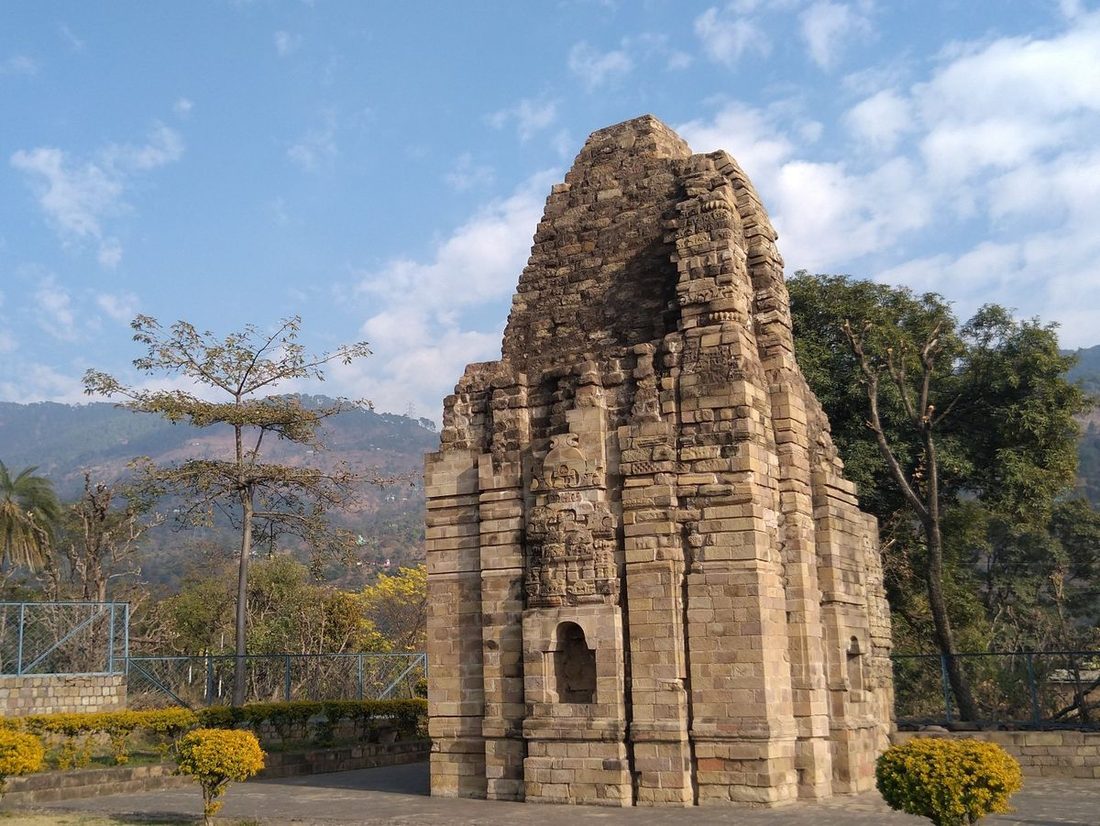
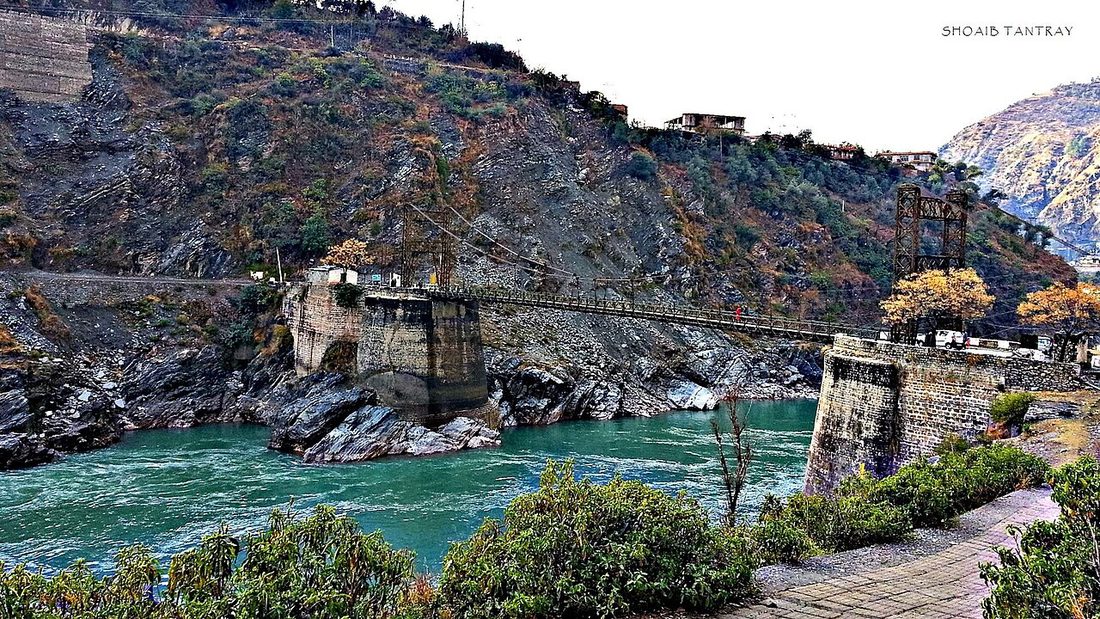
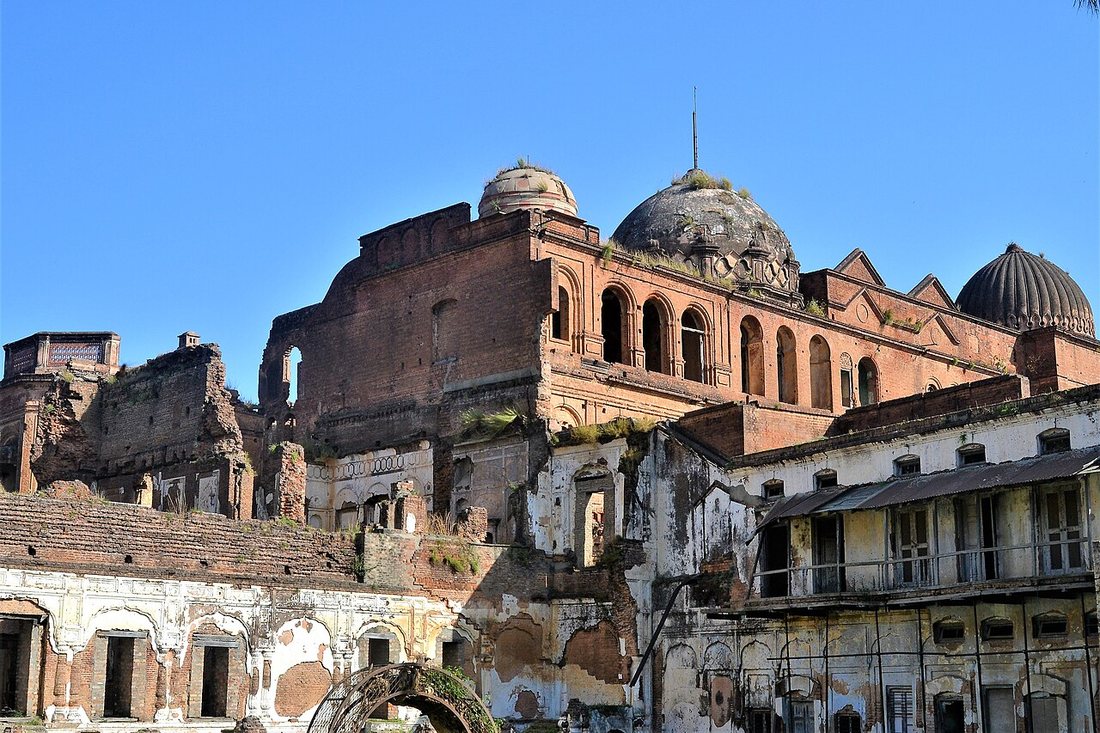
Most pilgrims rush past Jammu’s Shivalik foothills with blinds drawn, completely missing centuries-old stone sanctuaries standing minutes off the highway. Driving up from Jammu on Day 1, pause briefly beside the clear turquoise pools of Jhajjar Kotli—a breezy boulder stream where local Dogra families brew roadside masala chai beneath banyan shade. Even closer to Katra along the Reasi valley sit two remarkable spiritual excursions our drivers gladly incorporate on Day 3 morning before or alongside your Patnitop run:
After walking twenty-six kilometers across Trikuta Mountain on Day 2, waking up stiff is practically a rite of passage. Climbing eighty kilometers north through Udhampur and Kud into Patnitop at 2,024 meters drops summer air temperature by ten full degrees. Stop in Kud town along the climb to grab warm paper cones of sweet, crumbly Kud patisa and crispy local kaladi kulcha—pan-seared Dogra artisanal mountain cheese pressed inside toasted buns with tangy onion-tamarind relish.
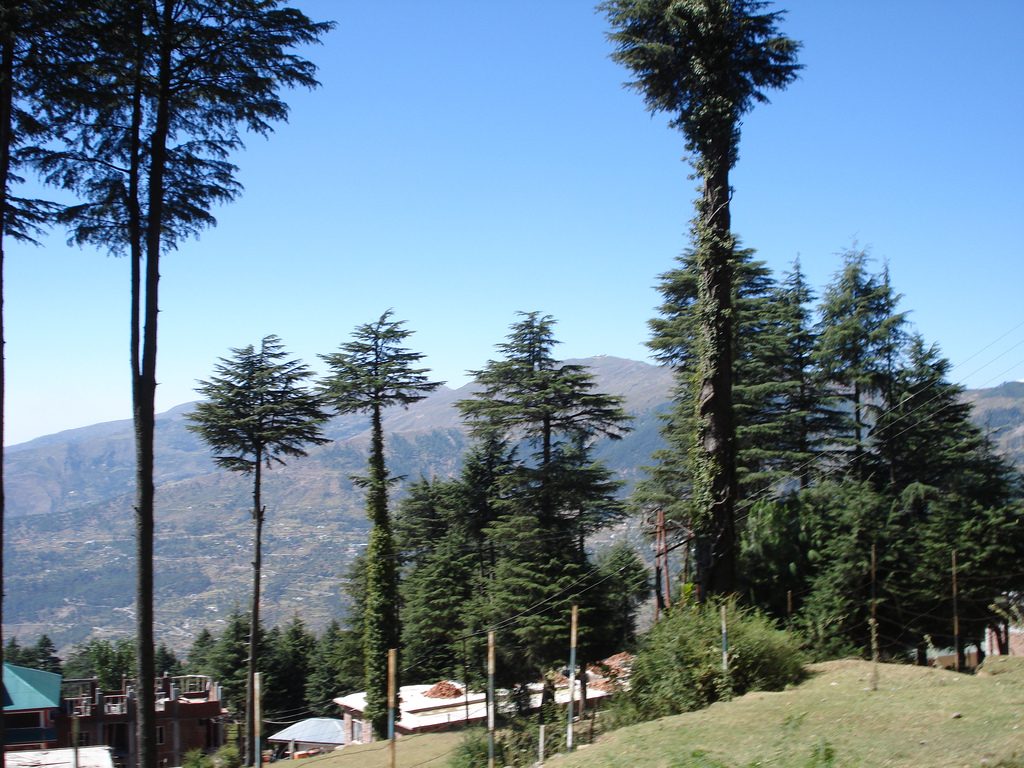
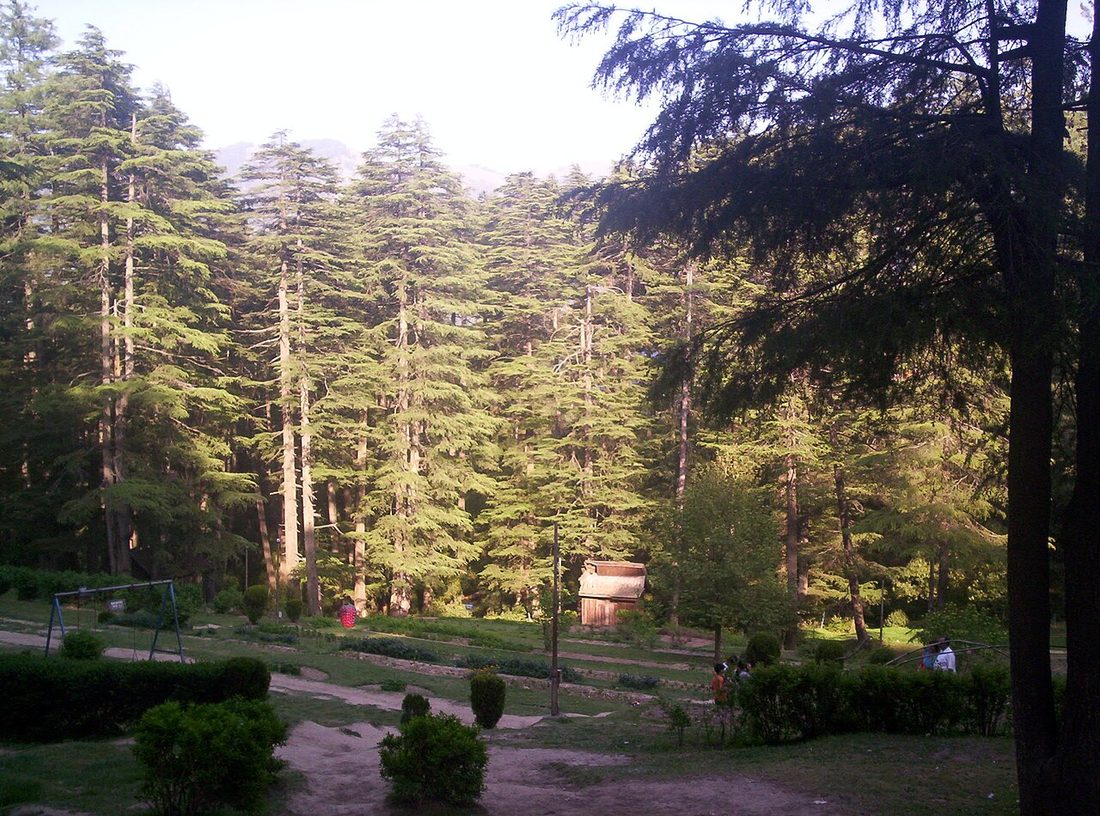
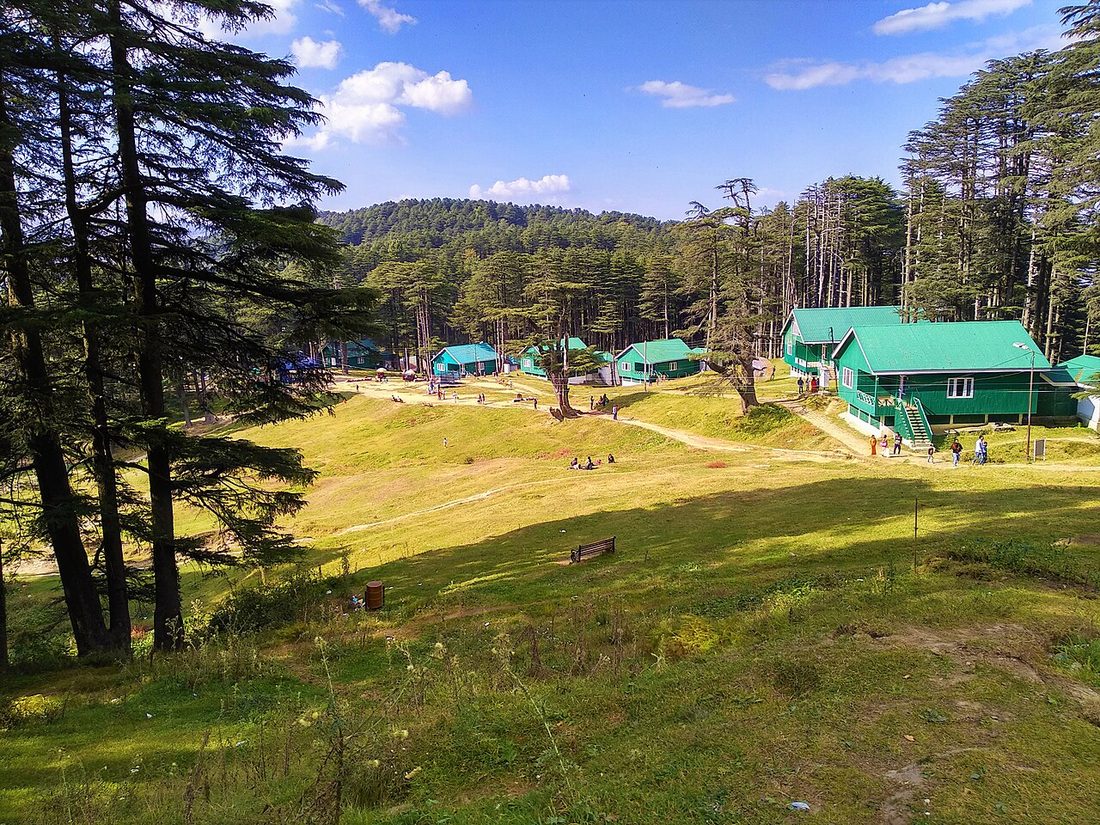
Up on Patnitop’s broad cedar saddle, you don’t need strenuous hiking to feel restored. Stroll across the soft grass of Patnitop Park, listen to wind sigh through hundred-year-old deodars around the ancient wooden Nag Temple, or let kids ride ponies gently around the meadow rim while you sip hot cardamom tea facing the snow-streaked Pir Panjal horizon.
Switch to our 2N/3D Vaishno Devi Darshan by Helicopter package with Katra–Sanjichhat flight guidance and priority Bhawan access.
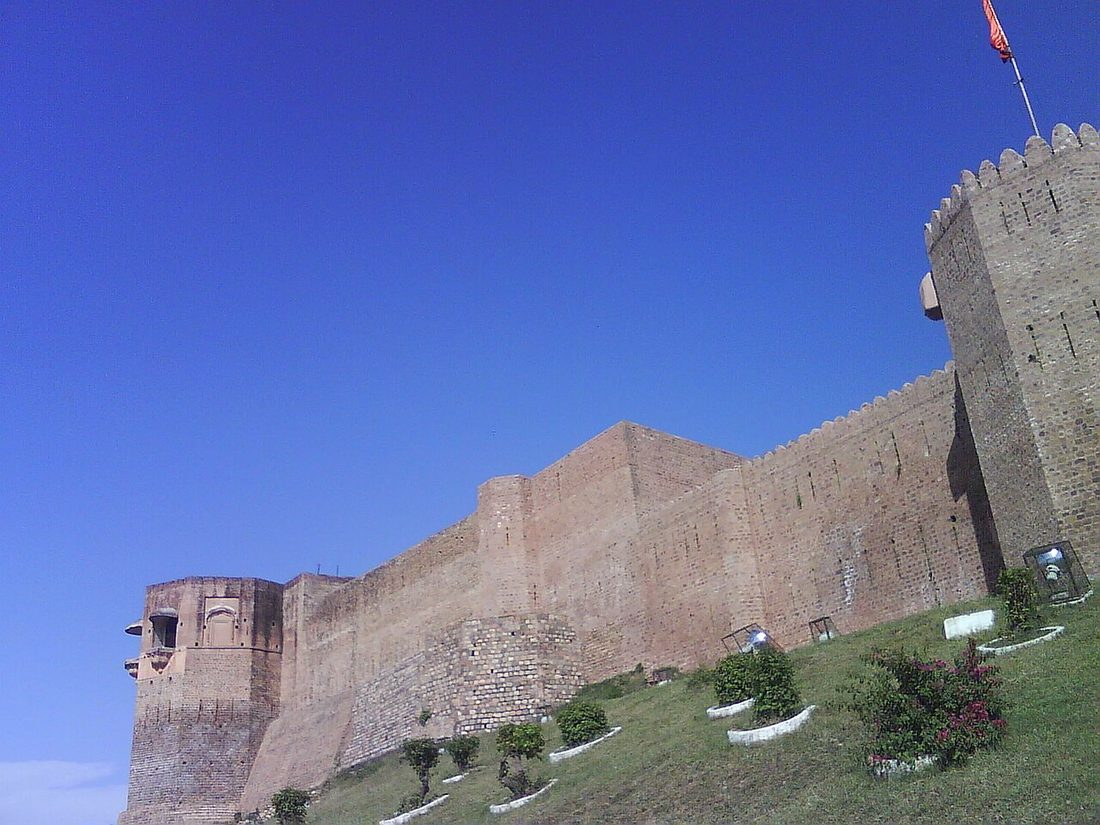
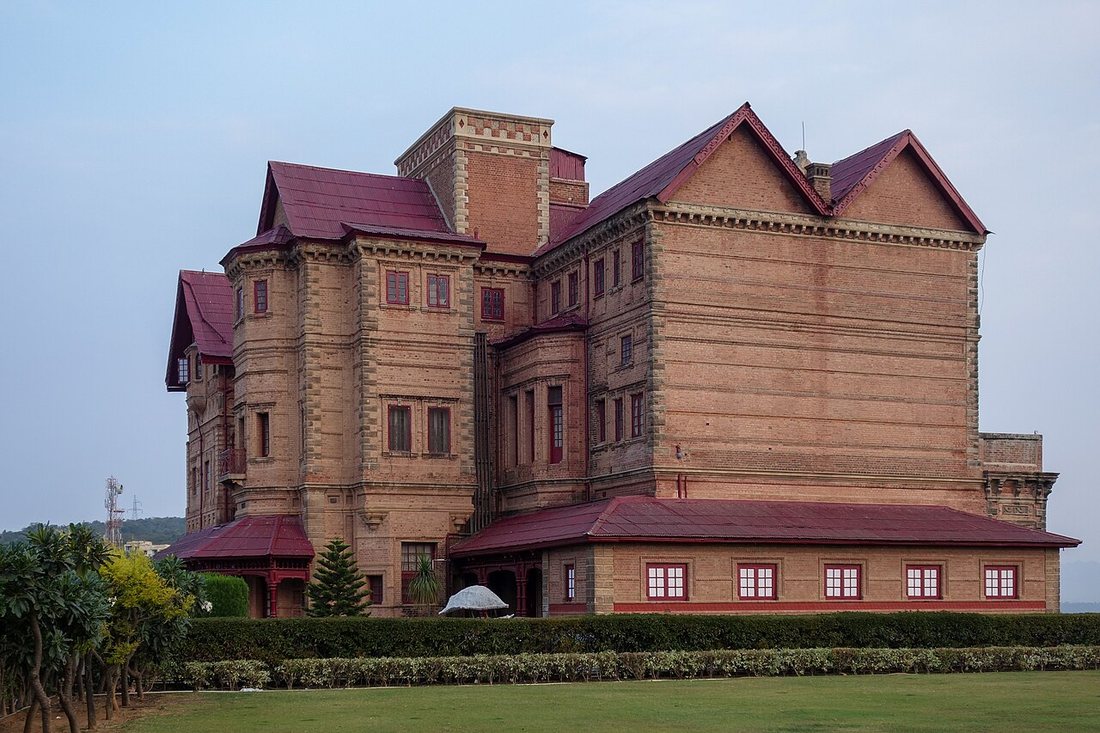
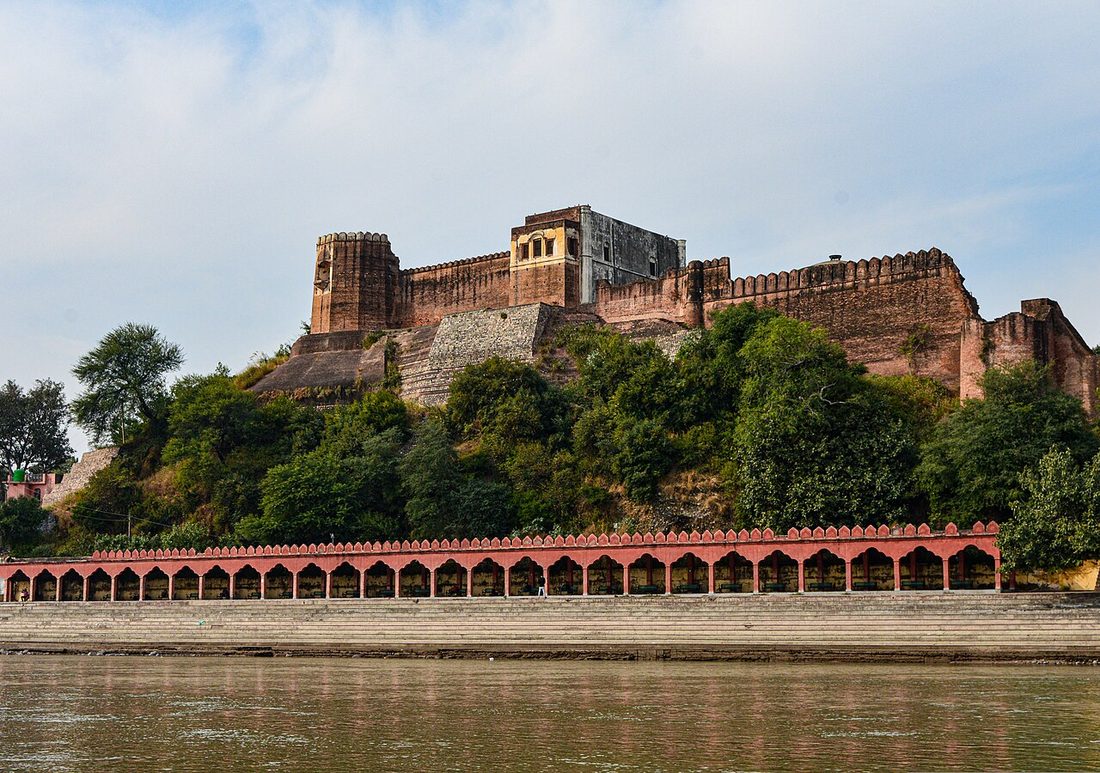
Before boarding your evening train or flight home on Day 4, Jammu city rewards a slow half-day loop that honors its nickname—the City of Temples. Start at Kand Kandoli Temple near Nagrota (traditionally considered the first spiritual halt of Mata Vaishno Devi along the old royal road), then cross above the Tawi River to the towering sandstone walls of Bahu Fort, guarding the sacred Bawe Wali Mata Kali temple and the terraced Mughal-style fish aquarium gardens of Bagh-e-Bahu. Downtown, step inside the gold-plated spires of Raghunath Temple—built by Maharaja Gulab Singh and Maharaja Ranbir Singh in the mid-1800s—and pick up fragrant Jammu Rajma, crispy sund panjiri, and dry walnuts in Raghunath Bazaar. History buffs with an extra afternoon can even request an optional detour west to 18th-century Akhnoor Fort standing proudly above the swift blue Chenab where Harappan archaeological strata meet Dogra royal coronations.
Many North Indian travelers automatically book tickets to Jammu Tawi, forgetting that the sleek Vande Bharat Express and Shri Shakti Express from New Delhi run straight into Shri Mata Vaishno Devi Katra (SVDK) station—cutting 90 minutes of road transfer on arrival day. Whether you detrain at Katra SVDK, Jammu Tawi, or land at Jammu Airport, our verified hotels (Verified Hotels & Houseboats) and private cabs synchronize directly with your arrival platform or terminal gate.
Footwear makes or breaks a 26-kilometer mountain round trip. Leave brand-new stiff sneakers and slippery rubber flip-flops at home; wear broken-in cushioned running shoes with thick cotton or merino socks, and slip a light crepe knee-support wrap into your daypack for the downhill return (descending Trikuta’s tiled incline jars knees far harder than walking uphill). Even during sweltering June afternoons in Katra, night air along Sanjichhat ridge drops surprisingly crisp—a compact windcheater or thin fleece weighs almost nothing yet keeps chills away while queuing at Bhawan. From late November to March, pack thermal innerwear, woollen caps, and gloves since Bhawan and Patnitop regularly wake to white winter frost and drifting snow.
Vaishno Devi remains open 365 days a year—see our Best Time to Visit Kashmir Month-by-Month Guide for crowd calendars around Chaitra and Shardiya Navratri, summer school breaks, and winter snowfall at Bhawan. Devotees wanting to add the natural stalagmite Shiva cave nearby can pair this trip with our Shiv Khori Cave Shrine & Baba Dhansar Tour (2N/3D), while families wishing to drive onward into Srinagar, Gulmarg, and Pahalgam can compare our 7N/8D Jammu–Patnitop–Kashmir Tour or our 8N/9D Grand Kashmir & Vaishno Devi Combined Tour. Browse all routes on All Kashmir & Ladakh Tour Packages and Kashmir, Jammu & Ladakh Destination Guides, or tailor train/flight timings directly with our Customize Your Trip Desk and Kashmir Tour Packages.
We offer special tiered group tariffs for couples, families, and ski/travel groups from 02 Pax up to 14+ Pax with Deluxe centrally heated hotels & houseboats:
| PACKAGES | 02 PAX | 04 PAX | 06 PAX | 08 PAX | 10 PAX | 12 PAX | 14 PAX | EXTRA BED |
|---|---|---|---|---|---|---|---|---|
| DELUXE / BUDGET PACKAGE |
What's covered in your package
What's not included
Senior Kashmir Tour Consultant • +91- 9103232574 | Srinagar Office
Tailored Winter & Year-Round Departures from the United States (USD), Europe/UK (EUR/GBP) & Middle East / GCC (AED/SAR/OMR/QAR): Every itinerary on our New Year's Kashmir Tours & Kashmir Tour Packages portal can be customized with centrally heated Gulmarg & Pahalgam resorts, heritage Nigeen & Dal Lake houseboats, 4x4 snow-chain transfers during Chillai Kalan, 100% Zabiha Halal Kashmiri Wazwan alongside pure vegetarian/Jain kitchens, and private Toyota Innova Crysta / Force Urbania chauffeurs.
Direct GI-Tagged Kashmiri Export Assistance (USA CBP/FDA, EU REX/UK DCTS & GCC SFDA/ESMA): Travellers and boutique buyers can pair their holiday with verified Srinagar artisan studio visits for Pampore Mongra Saffron (ISO 3632), Changthangi Pashmina & Kani Shawls (CDI QR SFAL), Hand-Knotted Qaleen Silk Carpets, White Acacia Solai Honey, and Kiln-Seasoned Walnut Woodcraft shipped with insured air freight to New York, San Francisco, London, Frankfurt, Paris, Zurich, Dubai, Riyadh, Muscat & Doha. Read our 2026–2027 New Year's Kashmir Tours Complete Guide or browse all 139 Travel & Export Guides.
Read our local field guides for every stop on this itinerary before you pack:
Well-organized trip with comfortable centrally heated hotels, friendly local driver, and smooth sightseeing across Srinagar, Gulmarg & Pahalgam.
Rahul Sharma — New DelhiThe luxury houseboat stay, sunset Shikara ride, and Gulmarg Gondola & skiing arrangements were seamless. Highly recommended!
Priya Verma — AhmedabadClean hotels, heated rooms, and 24/7 trip support from Ms. Hina Beigh and the Kashmir i Tour team throughout our vacation.
Arjun Patel — PuneGet a customized itinerary & best hotel/houseboat rates from our Srinagar travel team.