
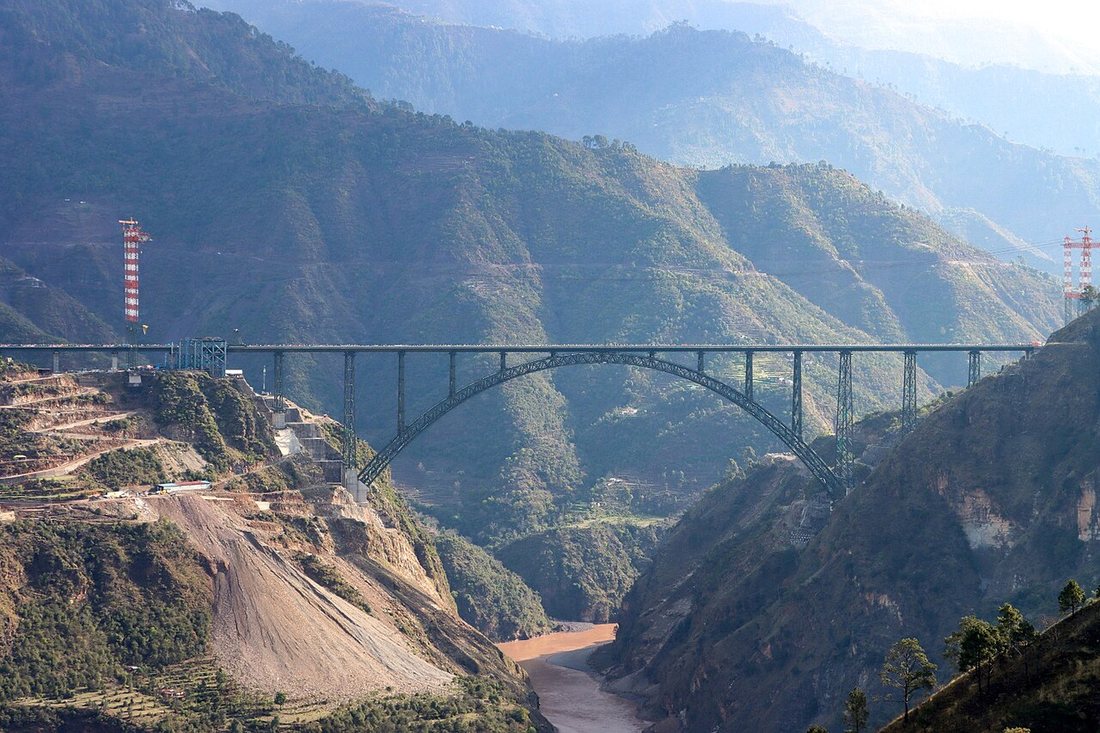
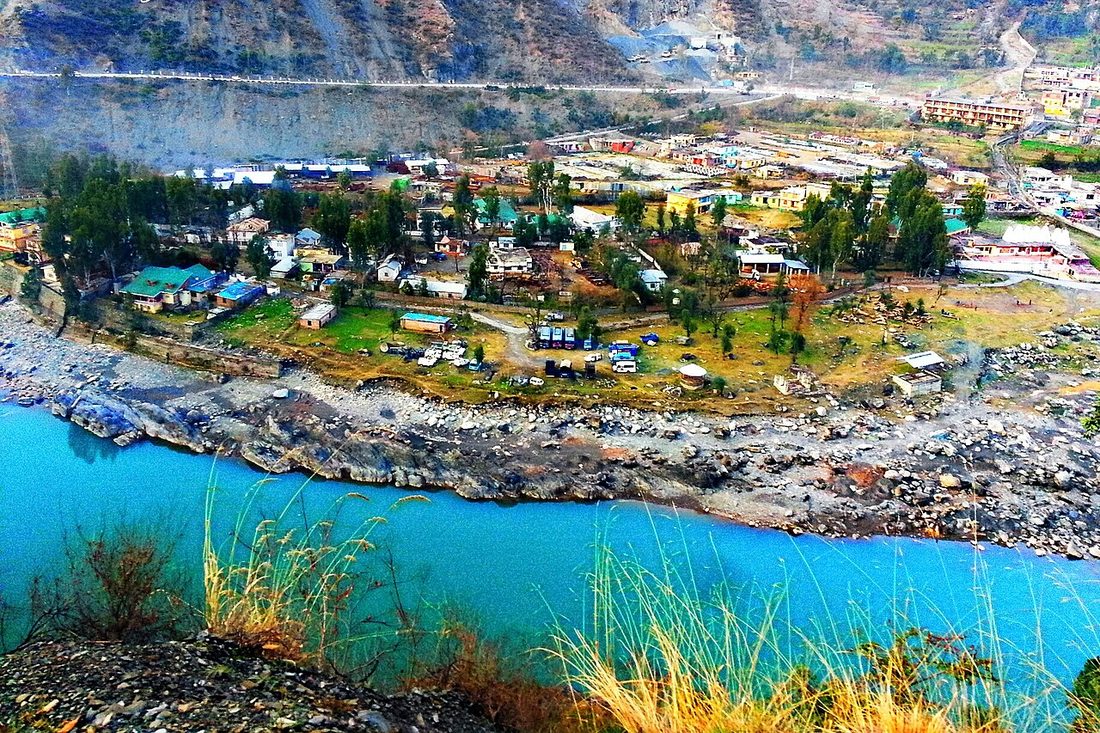
Roughly eleven kilometers past the waterfalls of Karua, the road toward Reasi narrows onto a wooded bluff and drops you straight into living eighteenth-century frontier history. Far below the stone terrace, the slate-green Chenab River churns out of the Himalayan gorges with a low rumble you can feel through the soles of your bare feet on the marble courtyard. Rising cleanly above that bend stand the whitewashed domes and saffron Nishan Sahib of Dera Baba Banda Bahadur—a three-hundred-year-old sanctuary honoring the Dogra-born ascetic who became Guru Gobind Singh Ji’s foremost saint-soldier.
What moves travelers most on their first morning here is the silence. While Katra buzzes round the clock with helicopter choppers, loudspeaker announcements, and tourist buses, Dera Baba Banda sits tucked inside quiet Reasi hills where woodsmoke from the community kitchen drifts gently across chir pines and wild olive shrubs. Sikh sangat arriving from Amritsar, Ludhiana, and Jammu sit shoulder to shoulder on woven floor mats alongside Dogra Hindu villagers and local Muslim neighbors, sharing hot dal and freshly rolled rotis before stepping inside to bow before relics that date back over three centuries.
Who Was Baba Banda Singh Bahadur—and Why Reasi?
Many north Indian travelers know Baba Banda Singh Bahadur primarily from his dramatic military campaigns in Punjab—the storming of Sirhind in 1710, the abolition of oppressive zamindari land estates, and his fearless martyrdom in Delhi in 1716. Fewer realize he was a son of these very Jammu hills. Born Lachhman Dev in 1670 to a Rajput farming family in Rajouri (not far west of Reasi across the Pir Panjal foothills), he spent his youth hunting and riding through forested mountain tracks until an incident involving a pregnant doe shattered his appetite for bloodshed. Struck with remorse, he renounced home, walked south across India as an ascetic named Madho Das Bairagi, and established a hermitage beside the Godavari River at Nanded.
In 1708, Guru Gobind Singh Ji arrived at Nanded and transformed the hermit into Banda Singh Bahadur—commissioning him to march north, confront imperial tyranny in Punjab, and protect ordinary cultivators. During strategic retreats and mountain stays along the northern rim of his campaigns, Banda Singh Bahadur established his dera (spiritual encampment and refuge) right here above the Chenab in Reasi tehsil—historically part of undivided Udhampur district before Reasi became a full administrative district in 2007.
Over three centuries, generations of custodians—tracing direct lineage to Banda Bahadur’s family and spiritual followers—protected this hilltop enclave. Even in periods of regional turmoil, the shrine remained an open sanctuary where faith boundaries softened completely around reverence for courage, humility, and shared bread.
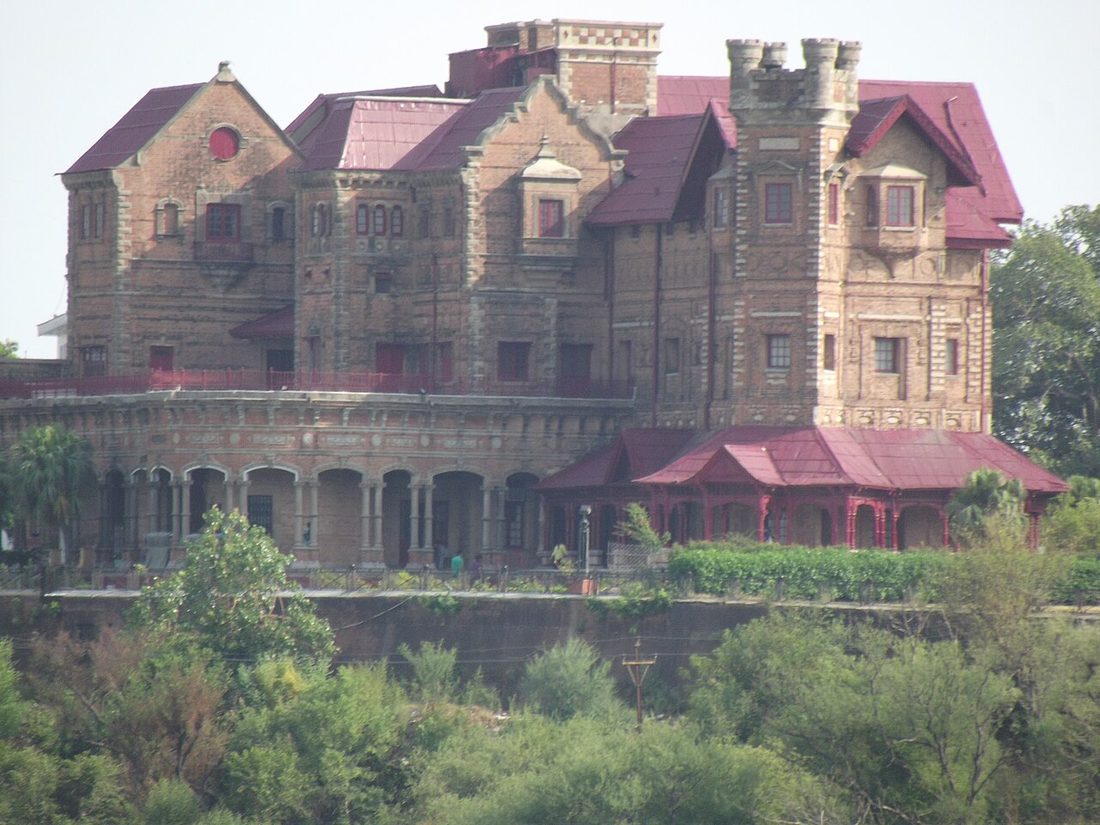
Inside the Gurudwara: Samadhi, Sacred Relics & Martial Artifacts
Approaching from the parking courtyard, visitors remove footwear at the manned shoe counter, tie a clean head covering (fresh orange and white cloth rumals are freely available at the gate if you did not bring a scarf), and rinse their hands and feet in the cool stone trough fed by hill water. Inside the main Darbar Sahib, verses from the Sri Guru Granth Sahib resonate softly against the murmur of the river canyon outside.
Alongside the primary prayer hall, devotees queue calmly to view the historic treasures that make Dera Baba Banda irreplaceable in Sikh and Dogra heritage:
- The Samadhi & Sacred Ashes: The memorial sanctum within the complex preserves the revered ashes of Baba Banda Singh Bahadur—a focal point of quiet contemplation for pilgrims who travel hundreds of miles from Punjab and Delhi specifically to pay respects here.
- The Arrow Gifted by Guru Gobind Singh Ji: Before sending Banda Singh Bahadur north from Nanded, the Tenth Guru bestowed five arrows from his own quiver as emblems of spiritual authority and blessing. One revered arrow is preserved on display within the shrine’s relic enclosure.
- Banda Bahadur’s Massive Battle Sword & Weapons: Behind protective glass rest historic iron armaments attributed to Banda Bahadur’s era—most strikingly a heavy broadsword whose sheer weight and blade length remind every visitor that eighteenth-century Himalayan warfare demanded extraordinary physical endurance.
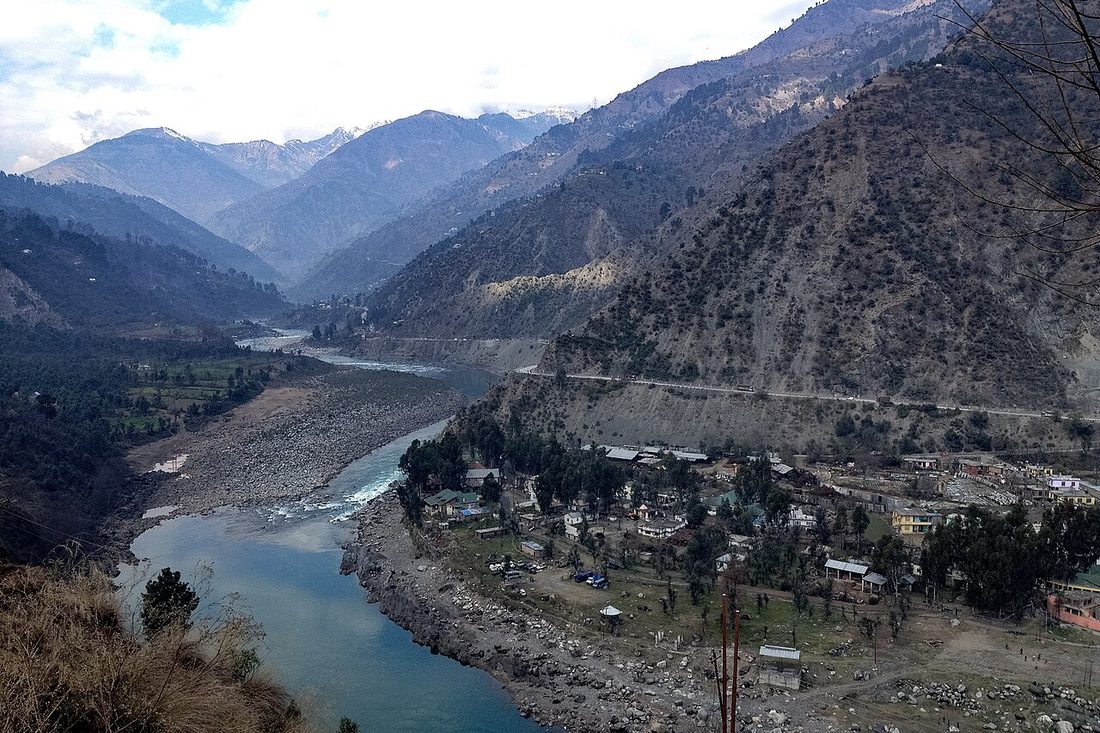
- Riverside Viewing Terrace: Step out onto the southern stone verandah after darshan. Below you, the Chenab bends sharply between terraced pebble shoals and forested slopes, catching bright afternoon sun against the dark slate water.
Cover your head before stepping past the outer stone gateway, keep tobacco, alcohol, or leather belts with religious restrictions respectfully away from the sanctum, and always ask the granthi or sevadar before taking photographs inside the relic chamber—wide shots of the courtyard and river view are generally welcomed, whereas close-up flash photography of the Guru Granth Sahib or historic weapons is discouraged.
Langar Hospitality & Interfaith Harmony
If there is one universal rule I give travelers riding with me along the Katra–Reasi circuit, it is simple: never skip langar at Dera Baba Banda. Served continuously through the day inside a spotless, breezy dining hall, the free community meal usually features slow-simmered black urad or yellow chana dal, seasonal spiced vegetables, crisp hot wheat rotis brushed lightly with ghee, tangy pickle, and occasionally sweet semolina karah prasad or rice kheer.
Notice the crowd sitting on the long cotton pangat runners beside you. You will see turbaned Sikh farmers from Gurdaspur breaking bread right next to Hindu pilgrims fresh from Mata Vaishno Devi Bhawan in Katra, college students from Jammu University, and local Gujjar shepherds walking down from higher Reasi pastures. Nobody asks your surname, hometown, or creed. Drop a voluntary offering in the golak box if you wish, or lend ten minutes to washing stainless-steel plates alongside local volunteers—it leaves a deeper imprint than any souvenir bought at a highway emporium.
The Three-Day Baisakhi Mela in Mid-April
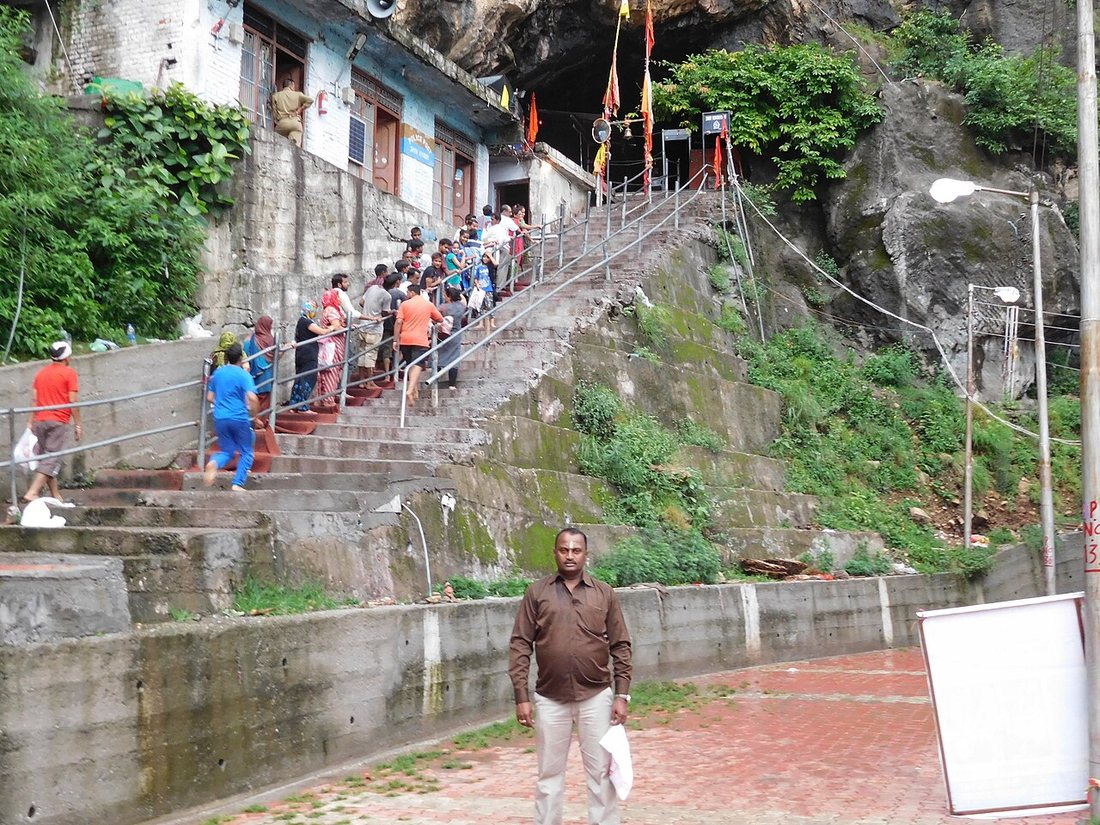
Every April around Baisakhi (Vaishakhi, typically April 13–15), the sleepy spur above the Chenab transforms into one of Jammu province’s grandest annual fairs. More than 30,000 devotees converge over three spirited days from Punjab, Haryana, Himachal Pradesh, Chandigarh, and every corner of Jammu and Kashmir.
Dawn breaks to continuous Akhand Path recitations and soulful shabad kirtan sung by visiting ragi jathas. By mid-morning, open clearings burst into rhythmic applause as traditional Gatka martial artists whirl wooden staves, chakrams, and curved blades in choreographed displays echoing Banda Bahadur’s Khalsa legacy. Meanwhile, hillside lanes fill with rustic fairground stalls selling hand-hammered iron karas, brass kitchenware, brightly dyed phulkari dupattas, sweet puffed-rice laddoos, and chilled rose sherbet.
A serious safety word for Baisakhi visitors: many devotees walk down toward the pebble banks of the Chenab to splash glacial water on their faces or take a ritual dip. Treat the Chenab with utmost respect. Upstream hydroelectric releases at Salal Dam can raise water levels abruptly, and the mid-channel undercurrent runs icy and dangerously swift even when the edges look placid. Stay strictly on shallow gravel margins away from deep eddies.
Road Routes, Cab Fares & Reaching Dera Baba Banda
Well-surfaced mountain roads connect the shrine cleanly to Katra, Reasi town, Udhampur, and Jammu city. Here is how each gateway stacks up on the ground:
- From Katra (26–30 km | 50–65 Minutes): Follow the scenic Katra–Reasi road westward past Baba Dhansar Temple’s waterfalls at Karua (15 km). Roughly 11–13 km beyond Karua, a clearly signed link road turns down toward the Gurudwara overlooking the river. Private round-trip sedan taxis from Katra cost roughly ₹1,400–₹1,800 (often ₹1,800–₹2,200 when combining both Baba Dhansar and Dera Baba Banda in one unhurried half-day). Frequent Jammu–Reasi and Katra–Reasi minibuses also run hourly from Katra Bus Stand.
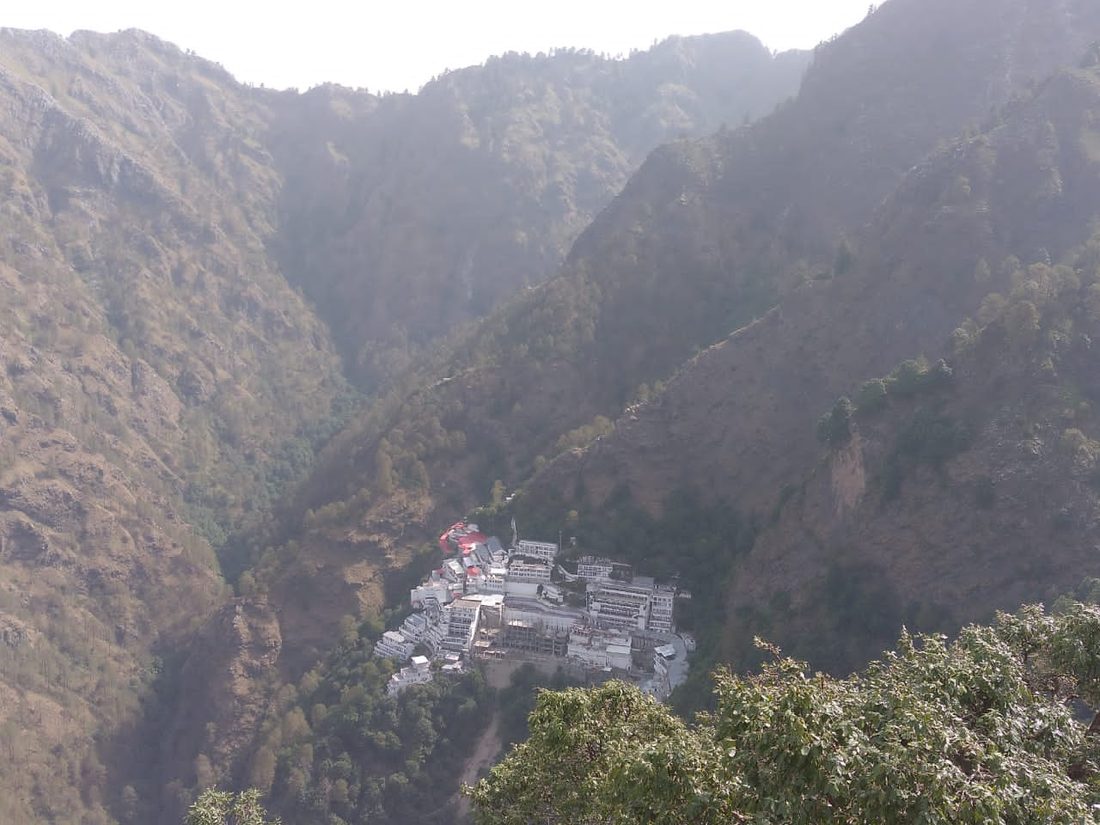
- From Jammu Airport / Jammu Tawi Railway Station (74–75 km | 2 – 2.5 Hours): Drive north on NH-44 via Nagrota and pause for tea along the crystal pebble brook of Jhajjar Kotli before branching up through Katra onto the Reasi highway. Alternatively, board a direct express train to Shri Mata Vaishno Devi Katra station (SVDK) to skip the lower Jammu highway traffic altogether.
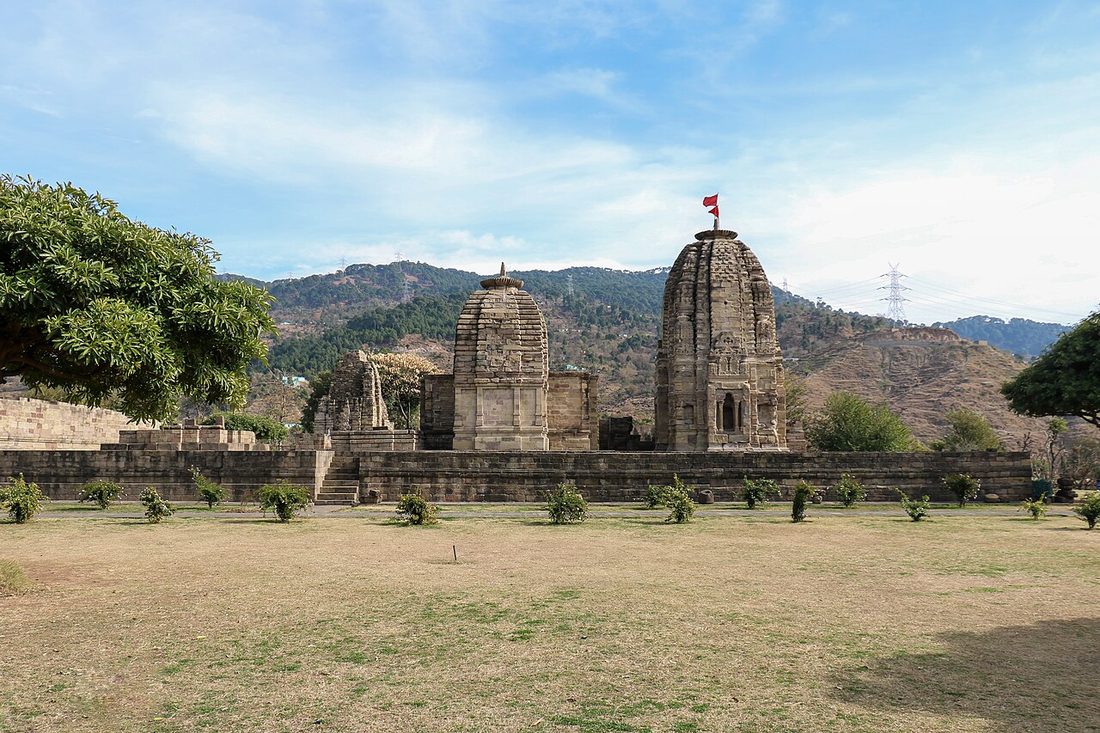
- From Reasi Town & Bhimgarh Fort (10–12 km | 25 Minutes): If you are staying in Reasi or visiting the towering hill citadel of Bhimgarh Fort (also called Reasi Fort, built by Maharaja Rishipal Rana and strengthened by General Zorawar Singh) and the nearby Salal Dam viewpoint, Dera Baba Banda lies barely twenty-five minutes back toward Katra.
Pairing Dera Baba Banda with Nearby Jammu & Kashmir Routes
Dera Baba Banda rewards slow planning. Instead of racing out and back in two hours, use the comparison matrix below to stitch it seamlessly into either a one-day Reasi heritage circuit or a multi-day northward road trip across the Pir Panjal range.
| Nearby Stop | Road Distance from Gurudwara | Elevation | Key Experience | Recommended Visit Window |
|---|---|---|---|---|
| Baba Dhansar (Karua) | 12 km east | 690 m | Karua Jheel emerald spring, forest cascades & Shiva cave | Morning 7:30–10:00 AM before excursion vans arrive |
| Bhimgarh Fort & Reasi | 11 km west | 590 m | Dogra stone hill fortress, cannons & Chenab valley panoramas | Late afternoon 3:30–5:30 PM for warm golden-hour light |
| Shiv Khori Cave (Ransoo) | 54 km northwest | 1,050 m | 200-meter limestone tunnel housing self-manifested Shivlingam | Early morning start from Katra; hit Dera Baba Banda on return |
| Udhampur & Krimchi | 65 km east | 756 m | 8th-century stone Pandava temples & Devika heritage town | Ideal stop when routing onward toward Patnitop or Srinagar |
| Patnitop & Ramban | 105–135 km northeast | 2,024 m (Patnitop) | Deodar forest plateau, Nathatop views & NH-44 Chenab canyon | Overnight cool-air break before entering Kashmir Valley |
Many pilgrims book our dedicated Shiv Khori, Baba Dhansar & Katra 3-day pilgrimage route and ask our drivers to weave Dera Baba Banda Bahadur directly into the afternoon return from Ransoo—it sits almost squarely along the same highway, adding scarcely twenty minutes of detour while doubling the cultural depth of the day. If you are short on time and flying in for helicopter darshan through our Vaishno Devi Helicopter & Jammu Heritage package, Dera Baba Banda fits effortlessly into your second morning before an evening departure out of Jammu.
Travelers pushing north toward Srinagar can transition from Reasi and Katra onto NH-44 via Udhampur’s ancient Shivalik foothills, pause overnight among the towering pines of Patnitop hill station, and descend past the dramatic rock cliffs of Ramban along the Chenab gorge before emerging into the Kashmir Valley. Our Kashmir Valley & Mata Vaishno Devi 9-day itinerary and Jammu, Katra, Patnitop & Kashmir 8-day tour handle every inter-regional cab permit cleanly so you never switch vehicles mid-highway.
Add Dera Baba Banda to Your Katra & Reasi Pilgrimage
Let our local ground desk coordinate one private cab for Vaishno Devi transfers, Baba Dhansar, Dera Baba Banda Bahadur, and Shiv Khori—zero surge surprises or parking hassles.
Best Months to Visit & Climate on the Chenab Bluff
At 520 meters elevation, Dera Baba Banda shares the mild subtropical-foothill climate of lower Reasi rather than the freezing winters of upper Kashmir:
- October to Mid-April (Prime Season): Crisp, sunlit skies with daytime highs hovering between 17°C and 28°C. December and January mornings bring light valley mist off the Chenab (6°C–9°C), so toss a warm sweater or wool shawl in your daypack. April crowns this window with the colorful Baisakhi fair.
- May to June (Hot Foothill Summer): Afternoons regularly cross 36°C–40°C along the rocky Reasi slopes. Plan an early 7:00 AM exit from Katra, finish darshan and courtyard viewing by 10:30 AM, enjoy cool indoor langar, and head back before peak glare.
- July to September (Monsoon Greens): Rainstorms turn the surrounding hills lush emerald and swell the Chenab into a thunderous chocolate-grey torrent. Check Katra–Reasi road clearance after overnight downpours because minor shale slides sometimes slow traffic for an hour near steep hillside cuttings. For cross-regional seasonal planning, compare Jammu foothill weather with valley months in our month-by-month Jammu & Kashmir travel guide.
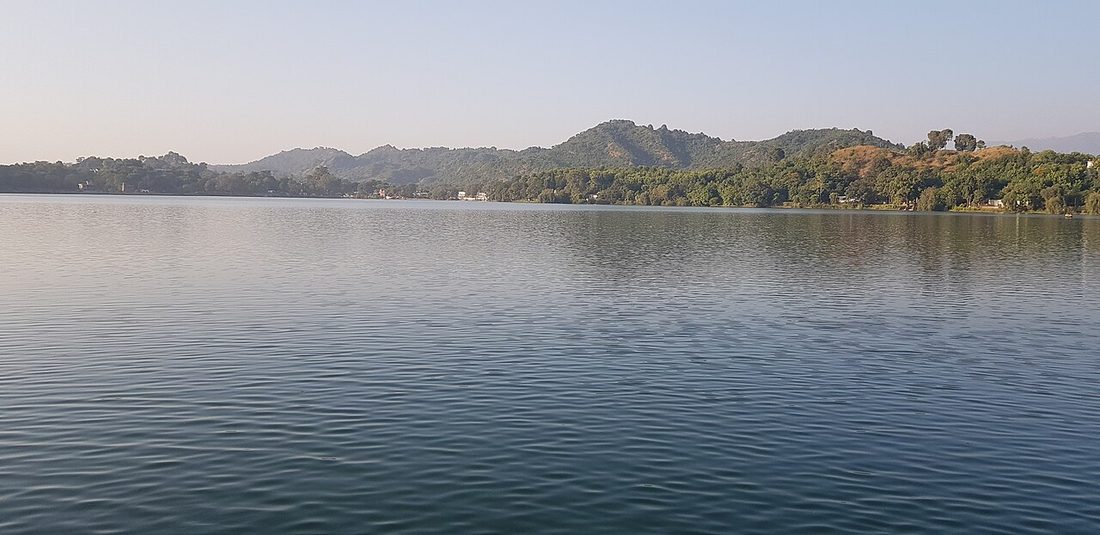
Where to Stay, Local Food & Practical Travel Notes
Simple pilgrim sarai (rest-house) rooms operate inside the Gurudwara precincts primarily for devotees traveling long distances for Baisakhi or spiritual retreats; rooms are clean and modest, offered on voluntary donation with priority for overnight Sikh yatris. Most leisure families, however, stay comfortably in Katra—where modern three- and four-star hotels offer heated rooms, secure parking, and reliable Wi-Fi—and make Dera Baba Banda a relaxed half-day road excursion. You can check vetted stays across Katra, Jammu, and Srinagar on our verified Jammu & Kashmir hotels page.
Beyond the wonderfully filling Gurudwara langar, keep cash in small ₹100 and ₹500 notes for Reasi roadside treats: crisp kalari cheese sandwiches toasted on iron tawas near Reasi bus stand, sweet Dogri patisa (flaky gram-flour fudge sold in Katra and Jammu), and freshly pressed sugarcane juice with ginger and black salt along the spring road. Mobile networks (Jio and Airtel 4G/5G, both prepaid and postpaid in Jammu region—unlike restricted prepaid SIMs from outside the union territory) hold steady through Katra and Reasi, though indoor signal dips slightly down in the river gorge.
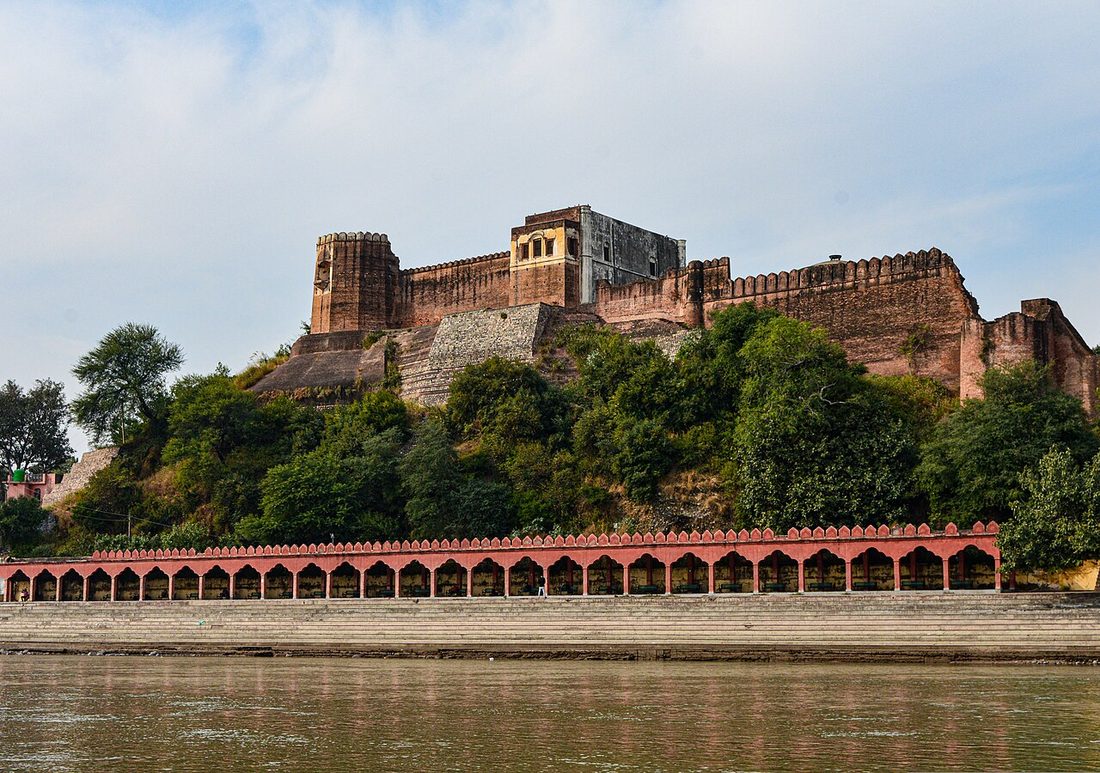
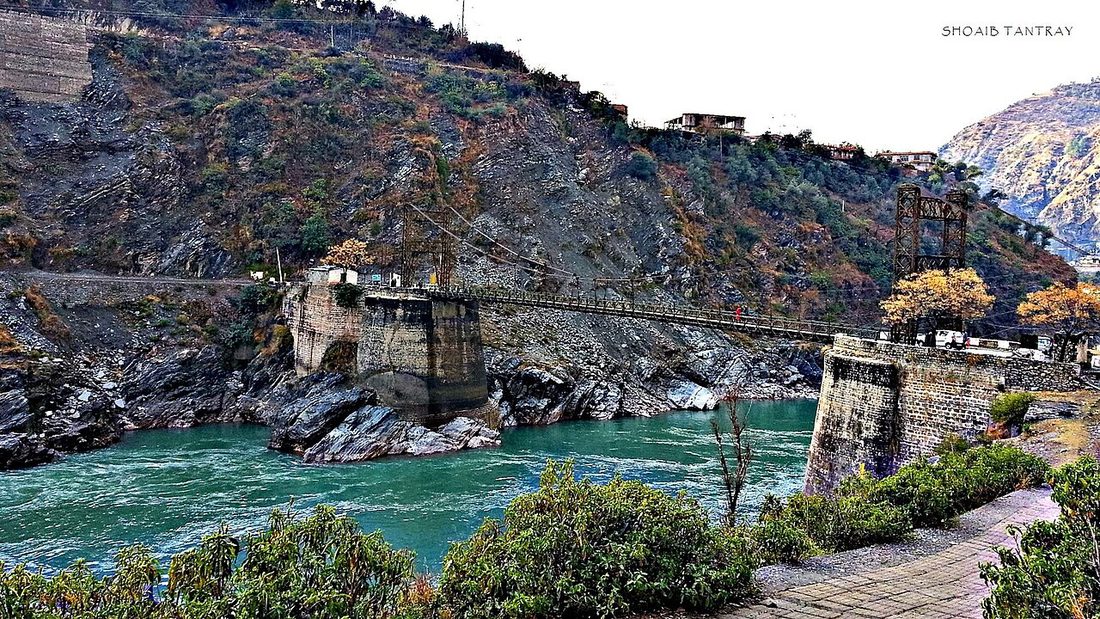
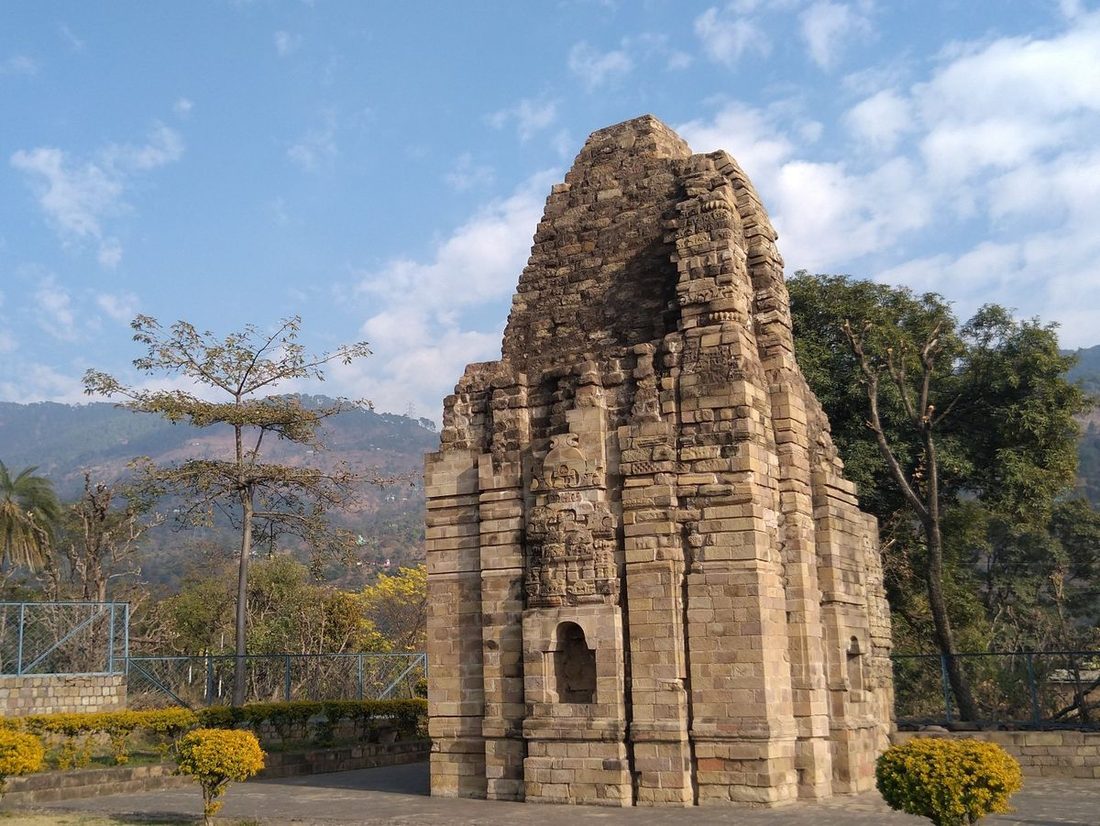
When combining Baba Dhansar and Dera Baba Banda in one morning, drive straight to Dera Baba Banda first at 7:30 AM while sunlight hits the Chenab gorge directly from the east, attend morning darshan, have early lunch at the langar hall around 11:30 AM, and then stop at Baba Dhansar on the drive back—by noon Karua’s shaded waterfall ravine stays refreshingly cool even on hot spring days.
Continue Exploring Jammu, Kashmir & Ladakh
Dera Baba Banda Bahadur offers an unforgettable counterpoint to Jammu’s busy temple highways—three hundred years of living Sikh valor suspended silently above one of the Himalaya’s mightiest rivers. Start mapping your broader trip from the Kashmir i Tour homepage, browse every regional guide inside our full Kashmir, Jammu & Ladakh destination index, compare all forty customizable routes in our complete tour packages collection, or reach out directly to our local Srinagar and Jammu trip desk to pair Reasi’s historic shrines with Patnitop, Pahalgam, or Dal Lake in one smooth itinerary.
Frequently Asked Questions about Dera Baba Banda Bahadur — 300-Year-Old Sikh Gurudwara Above the Chenab River
Recommended Itineraries Including Dera Baba Banda Bahadur — 300-Year-Old Sikh Gurudwara Above the Chenab River
Every route below can be customized from Srinagar, Jammu, or Leh with private cabs and verified local stays.
Shiv Khori Cave Shrine, Baba Dhansar & Katra Pilgrimage Tour (2N/3D)
3 Days • 2 Nights • ₹10,999
Mata Vaishno Devi Yatra & Katra Pilgrimage Package (3N/4D)
4 Days • 3 Nights • ₹12,500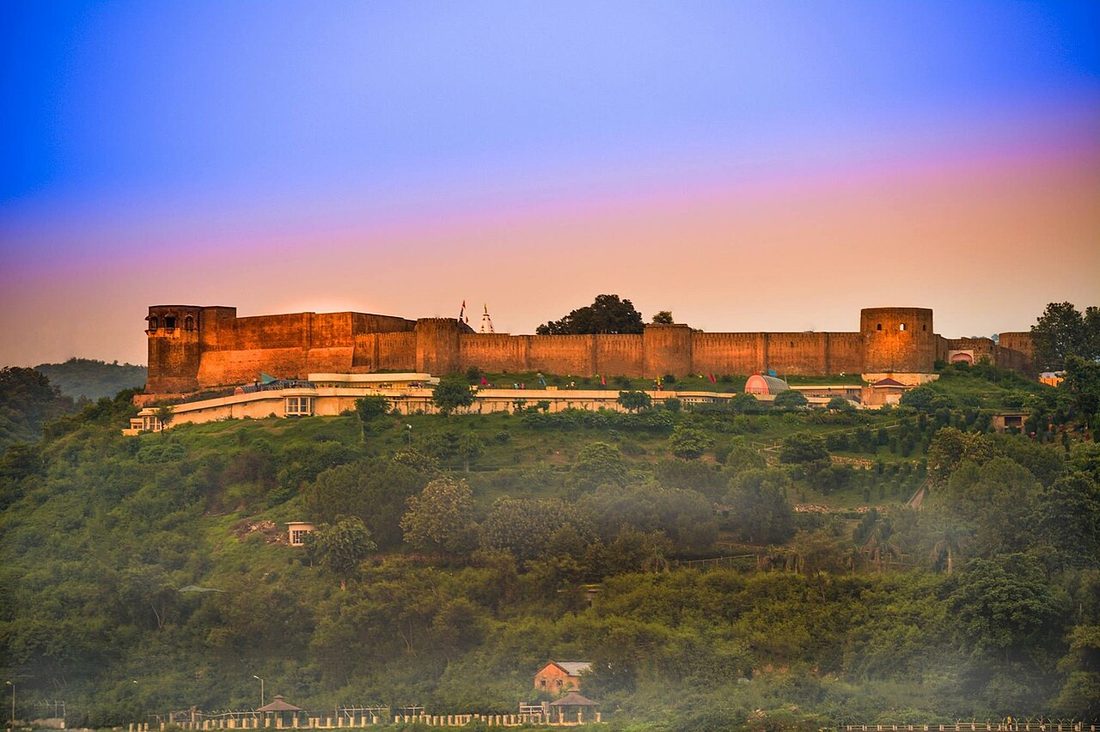
Mata Vaishno Devi Darshan by Helicopter & Jammu Heritage Tour (2N/3D)
3 Days • 2 Nights • ₹19,999
Grand Kashmir Valley & Mata Vaishno Devi Combined Tour (8N/9D)
9 Days • 8 Nights • ₹33,500
Unforgettable Jammu, Katra, Patnitop & Kashmir Valley Tour (7N/8D)
8 Days • 7 Nights • ₹29,999Explore Nearby & Connected Destinations
Baba Dhansar Temple — Karua Jheel Waterfalls, Cave Shrine & Reasi Forest Trail
Jammu Region →
Mata Vaishno Devi & Katra — Trikuta Hills Pilgrimage, Bhawan Trek & Helicopter Guide
Jammu Region →
Jhajjar Kotli — Crystal Shivalik Stream, Picnic Riverside & Katra Highway Halt
Jammu Region →
Udhampur — Krimchi Pandava Temples, Devika River & Shivalik Foothills
Jammu Region →
Patnitop — Deodar Pine Plateau, Nathatop Ridge & Jammu’s Classic Hill Station
Jammu Region →