
Nine out of ten travellers pass Udhampur without ever shifting out of fourth gear. Some see only the sweeping four-lane NH-44 bypass skirting its western rim on the climb toward Patnitop’s deodar ridge; others hear the station announcement at Martyr Captain Tushar Mahajan (Udhampur / MCTM) Railway Station right before rolling onward to Katra for Mata Vaishno Devi. Pause for just twenty-four hours in Jammu division’s second-largest city, however, and an entirely unexpected layer of Himalayan antiquity unfolds.
Resting at a breezy 756 metres amid green Shivalik undulations—66 kilometres north of Jammu Airport and headquarters to the Indian Army’s Northern Command—Udhampur was named after Raja Udham Singh, eldest son of Maharaja Gulab Singh. Centuries before Dogra palaces ever rose here, the 7th-century Nilamata Purana revered this exact valley as Devika Nagari. Within a forty-kilometre radius of town stand towering 8th-century sandstone Nagara shrines untouched by bus crowds, an enigmatic river that flows beneath its own sandy bed, miniature-painted 19th-century hill forts, high cedar pastures at Pancheri, and the true culinary birthplace of Jammu’s beloved molten cheese snack: kaladi.
Krimchi (Kiramchi) Pandava Temples: Eighth-Century Stonework Without Crowds
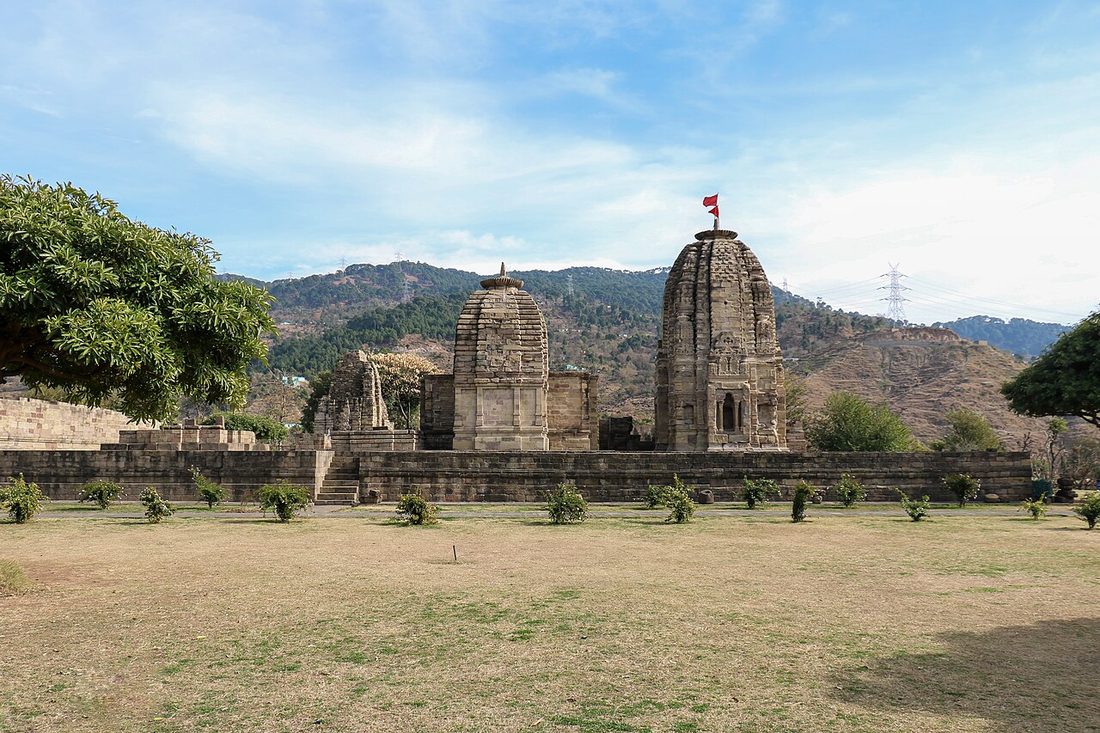
Drive just 12 kilometres north of Udhampur town along a narrow winding lane beside terraced wheat fields, and seven pale-ochre sandstone towers suddenly break the horizon atop a quiet grassy bluff overlooking the Birunala stream. These are the Krimchi Temples—locally celebrated as the Pandava Temples—an Archaeological Survey of India (ASI) complex dating largely to the 8th and 9th centuries CE and representing the oldest surviving temple group in the Jammu region.
Walk across the manicured lawns in early morning slant light and study the tallest main shrine, whose curvilinear shikhara climbs roughly fifty feet into the air. Unlike the Greco-Buddhist pediment gables of Kashmir Valley’s Martand Sun Temple, Krimchi displays classic North Indian Nagara architecture infused with distinct mountain sensibilities—deep recessed niches, fluted stone amalakas crowning the spires, projecting trefoil arches, and finely chiseled floral bands framing hollow garbhagrihas dedicated to Lord Shiva, Ganesha, and Parvati. Regional legend links the site to Raja Kichaka and the Pandava brothers pausing here during their exile. Even on bright winter weekends, you often share the entire 1,200-year-old hilltop with nothing louder than woodpeckers and a handful of local joggers.
The Subterranean Devika River & Living Myth of Devika Nagari
Down inside old Udhampur town runs one of northern India’s strangest hydrological and spiritual landmarks: the Devika River, locally venerated as Gupt Ganga (the Hidden Ganga) and elder sister to the sacred river of the plains. According to the Nilamata Purana composed by sage Nila Muni, Goddess Parvati manifested herself physically as the Devika on Maha Shivaratri to bless the ancient land of Madra Desha lying between the Ravi and Chenab rivers. Traditional scriptures hold that merely touching or bathing in Devika’s waters grants spiritual merit without elaborate ritual.
What makes a visit to the historic Devika Ghats genuinely startling today is watching geography echo legend: across much of its sandy Udhampur channel, the river literally vanishes underground beneath pale river silt. Walk onto the damp riverbed near the ancient Shiva shrines lining the ghats, scoop barely a foot into the clean sand with your hands, and cold, crystal-clear spring water immediately wells upward to fill the hollow! During Baisakhi and Shivaratri, the ghats come alive with folk fairs, oil lamps, and traditional Dogra singing.
Beyond Town: Babore Ruins, Ramnagar Sheesh Mahal & Mansar Loop
If Krimchi sparks your curiosity for unsung heritage, carve out a single rewarding loop day east and south of Udhampur covering three remarkable historic stops that almost zero mainstream tour packages ever mention:
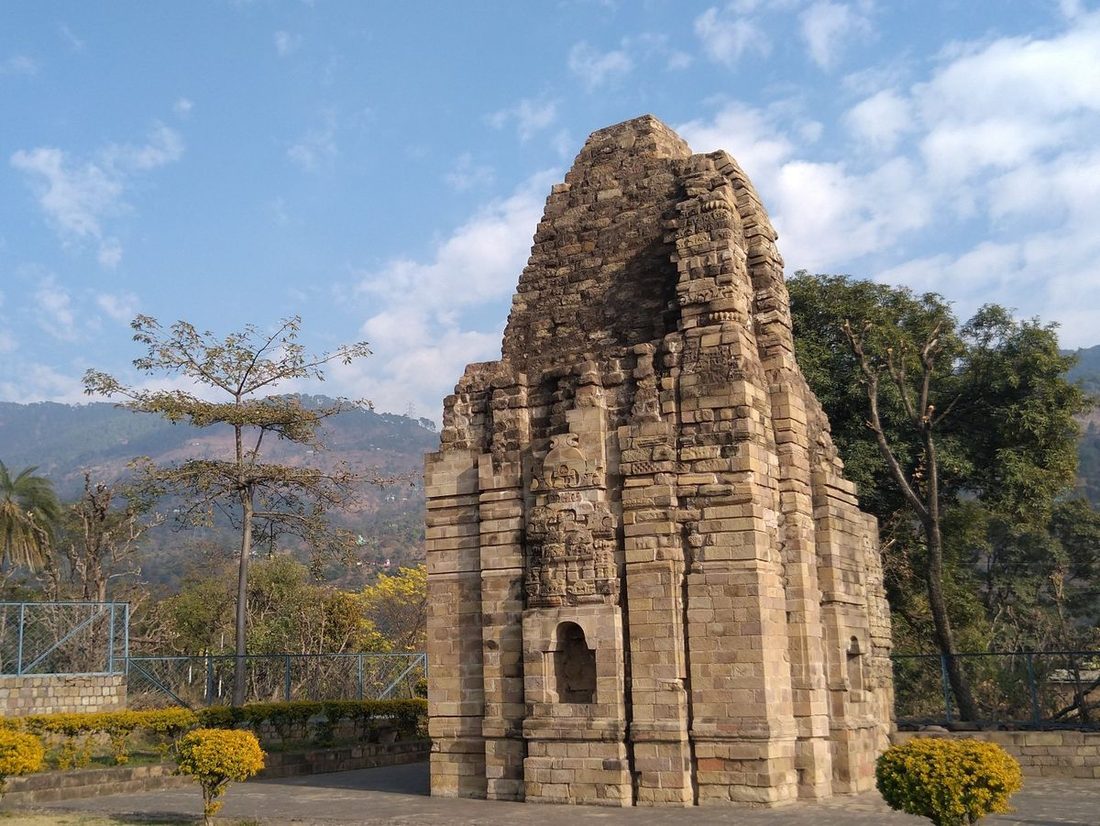
- Babore (Babour) Group of Temples (Manwal, ~32 km): Lying off the scenic Dhar–Udhampur highway near Manwal, Babore marks the ancient 10th–11th century capital of Babapura. Six monumental stone shrines—including Dera Temple, Kala Dera I & II, Devi Bhagwati, and Nand Babore—feature massive monolithic sandstone columns, deeply carved lintels depicting river goddesses Ganga and Yamuna, and ruined mandapas whose scale stops history buffs in their tracks.
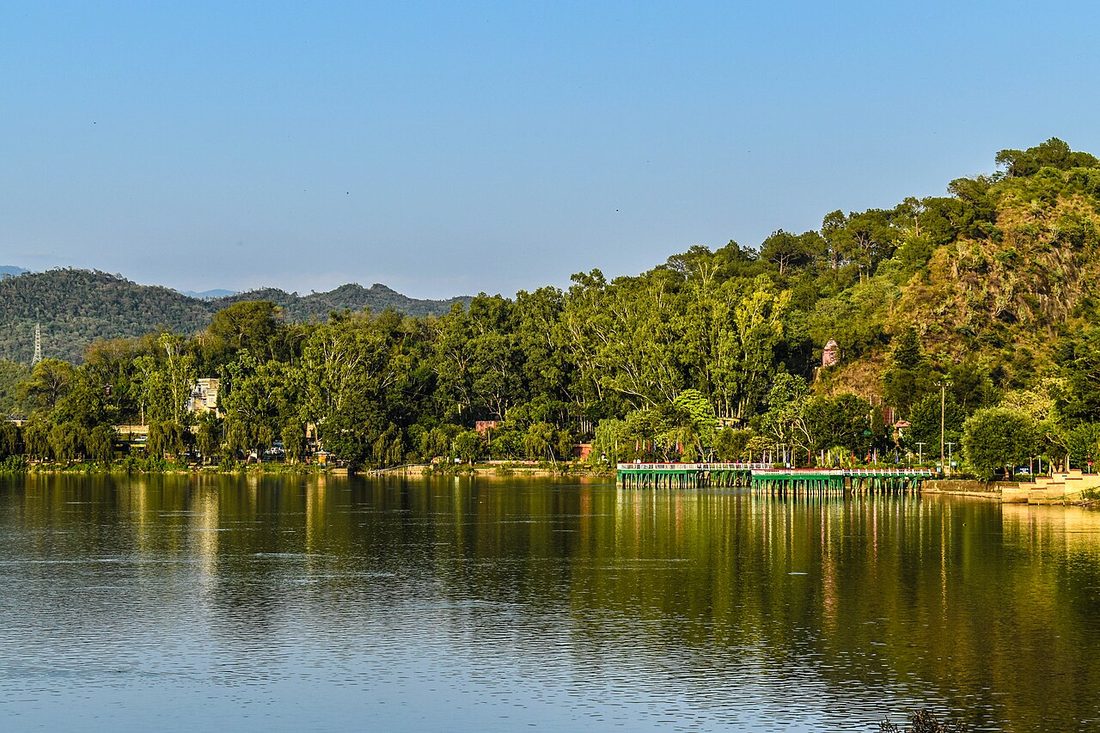
- Mansar Lake Extension (15 km beyond Babore): Just fifteen minutes south of Babore sits serene, forest-ringed Mansar Lake, a Ramsar wetland sacred to Sheshnag where giant carp and freshwater turtles glide fearlessly right up to the stone steps to be fed flour pellets. Pairing Babore Temples with a relaxed lakeside lunch at Mansar builds an effortless half-day circuit.
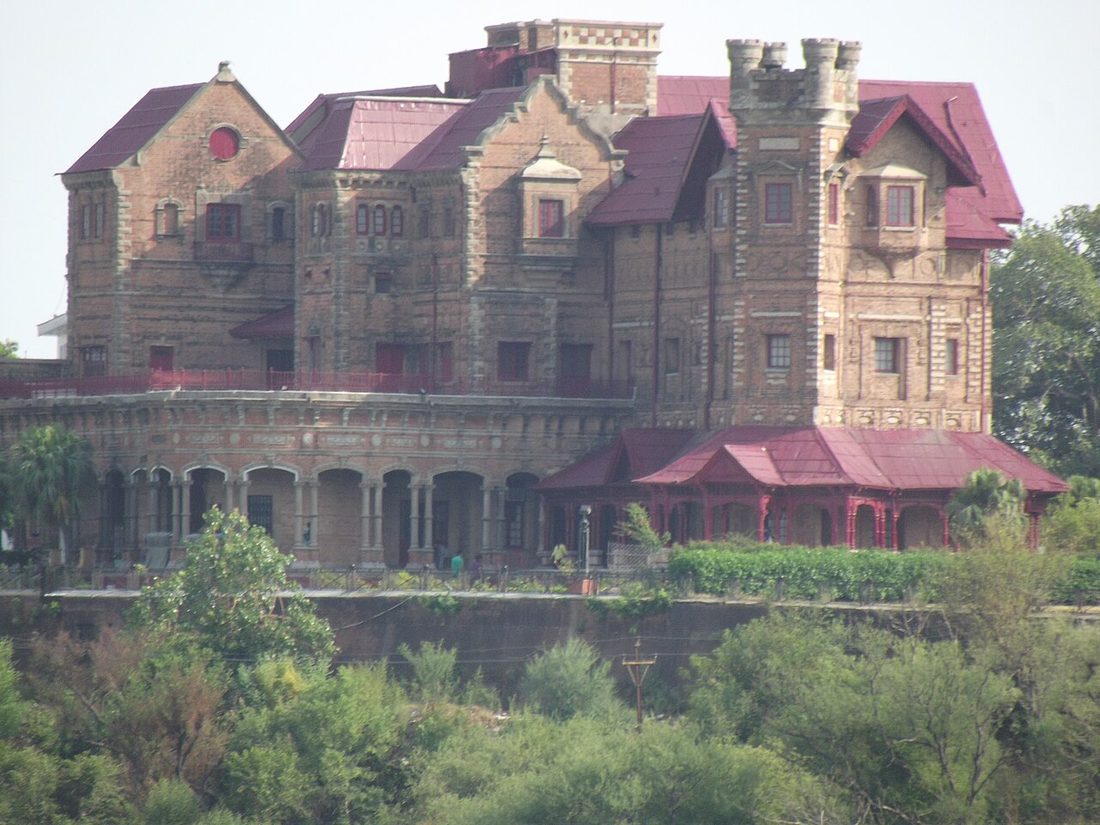
- Ramnagar Fort & Sheesh Mahal (40 km east of Udhampur): Built originally by the Bandral rulers and strengthened in the 1820s by Raja Suchet Singh (brother of Maharaja Gulab Singh), the imposing quadrangular sandstone fortress of Ramnagar Fort rises dramatically beside a deep seasonal moat. Five minutes away hides its true artistic jewel: the Sheesh Mahal (Palace of Mirrors) alongside Nawa Mahal and Purana Mahal. Step inside its surviving painted chambers to see vivid 19th-century Pahari-Dogra wall murals illustrating Krishna-leela episodes, Ramayana scenes, hunting parties, and royal durbars—fragile painted heritage maintained under ASI care.
Visit the Krimchi Pandava Temples between 7:30 AM and 10:00 AM—both for golden photography light across the honey sandstone and to avoid midday Shivalik heat between April and September. If adding Ramnagar Fort and Sheesh Mahal, double-check local ASI caretaker hours (typically 9:00 AM to 5:00 PM) and carry ₹500 cash for small village tea stalls; ATM coverage thins fast once you turn off the main Udhampur–Dhar highway.
High-Country Udhampur: Pancheri, Sudh Mahadev, Mantalai & Patnitop
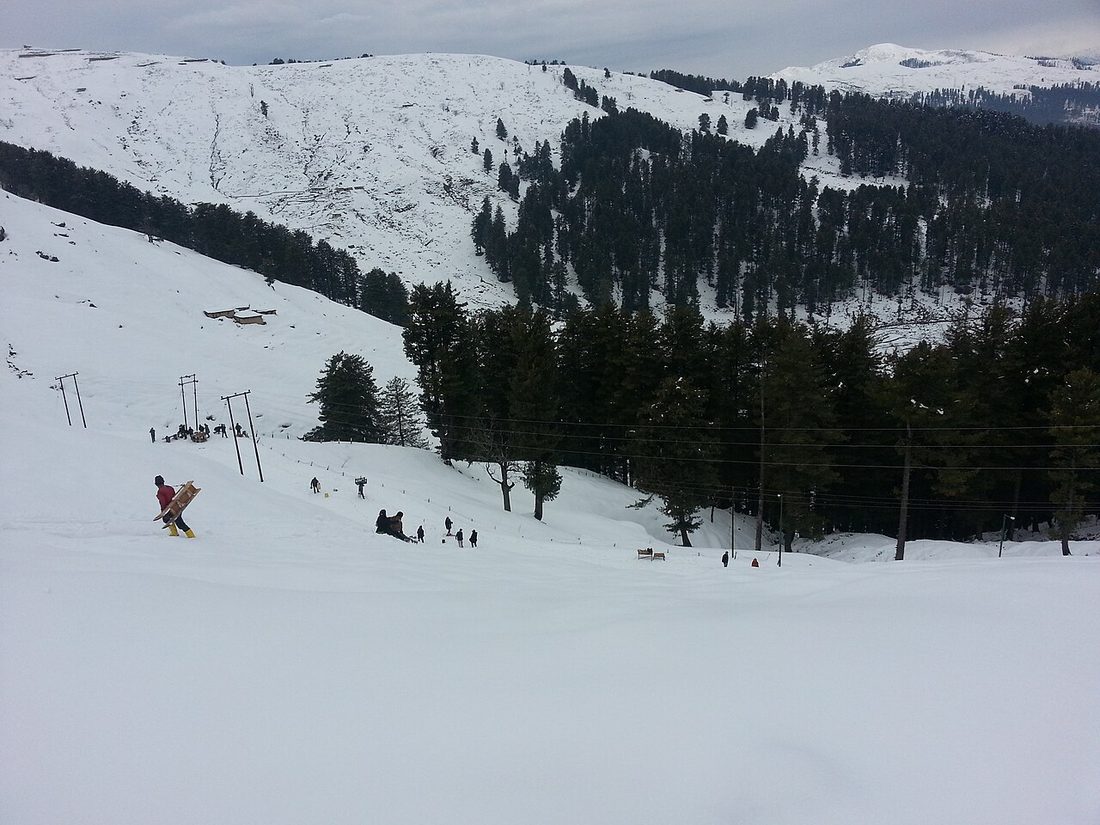
Here is a geographical quirk few visitors realise: Udhampur district is not merely warm Shivalik foothills—it climbs straight up past 2,000 metres into dense pine-and-deodar mountains! Both Kud and Jammu’s signature hill resort of Patnitop actually lie within Udhampur district boundaries, flanked by three much quieter forested sanctuaries worth knowing:
- Sudh Mahadev & Mantalai (50–55 km via Chenani): Branching east from Chenani into peaceful cedar ravines, Sudh Mahadev is one of Jammu’s oldest Shiva shrines, famous for a massive broken black-marble trishul (trident) embedded beside the sanctum, a sacred natural Shiva lingam, and the perennial underground Papnashni Bowli spring. Five kilometres farther up the wooded valley lies Mantalai, revered in myth as the sacred site linked to Goddess Parvati’s childhood and divine wedding, now also home to a sprawling yoga and mountain wellness centre.
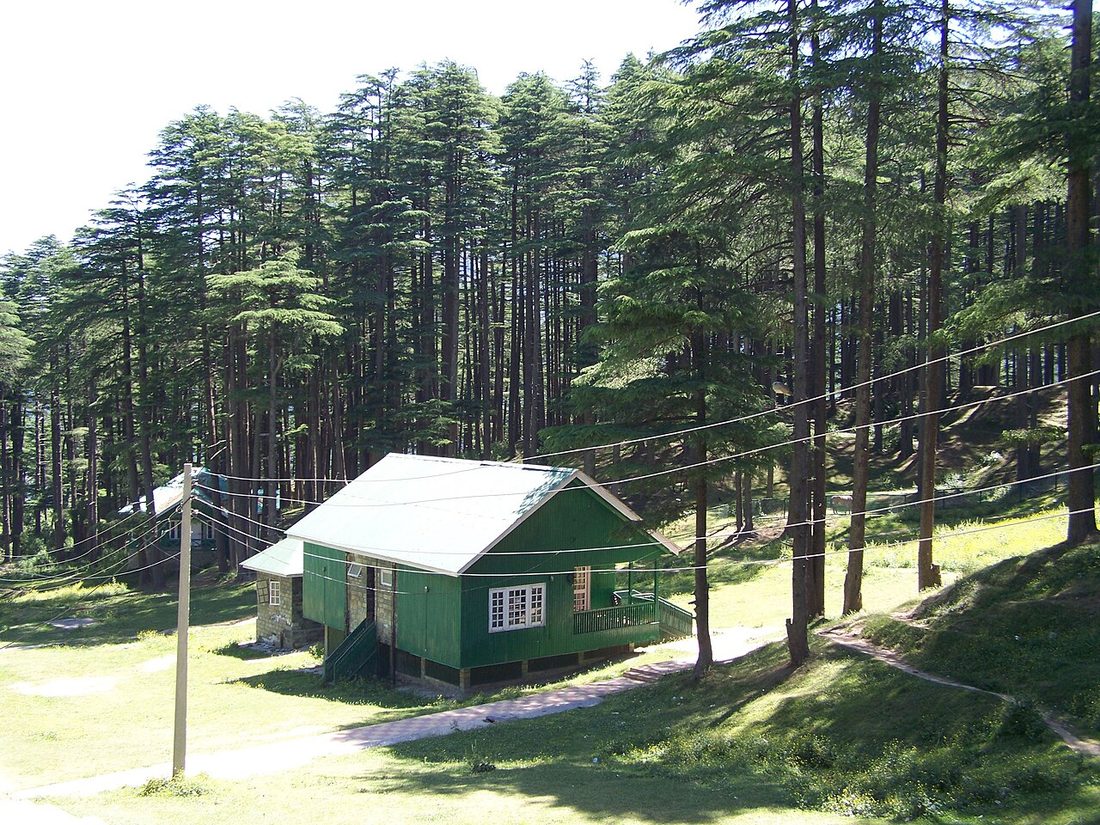
- Pancheri & Sankri Meadows (40 km north via Krimchi): Keep climbing past Krimchi’s stone temples onto winding forest switchbacks, and you emerge onto the breezy pine slopes of Pancheri (1,400–2,000 m), anchored by the revered hilltop Shankari Devta shrine, wooden JKTDC huts, and sweeping ridge walks toward Kainth Gali and Lander—utterly uncrowded even in June!
- Kud, Patnitop & Sanasar Circuit (37–67 km north): From Udhampur’s railhead, a ninety-minute taxi ride lifts you directly into Kud’s sweet bazaar, Patnitop’s deodar groves, and twenty kilometres farther into Sanasar’s paragliding saucer meadow.
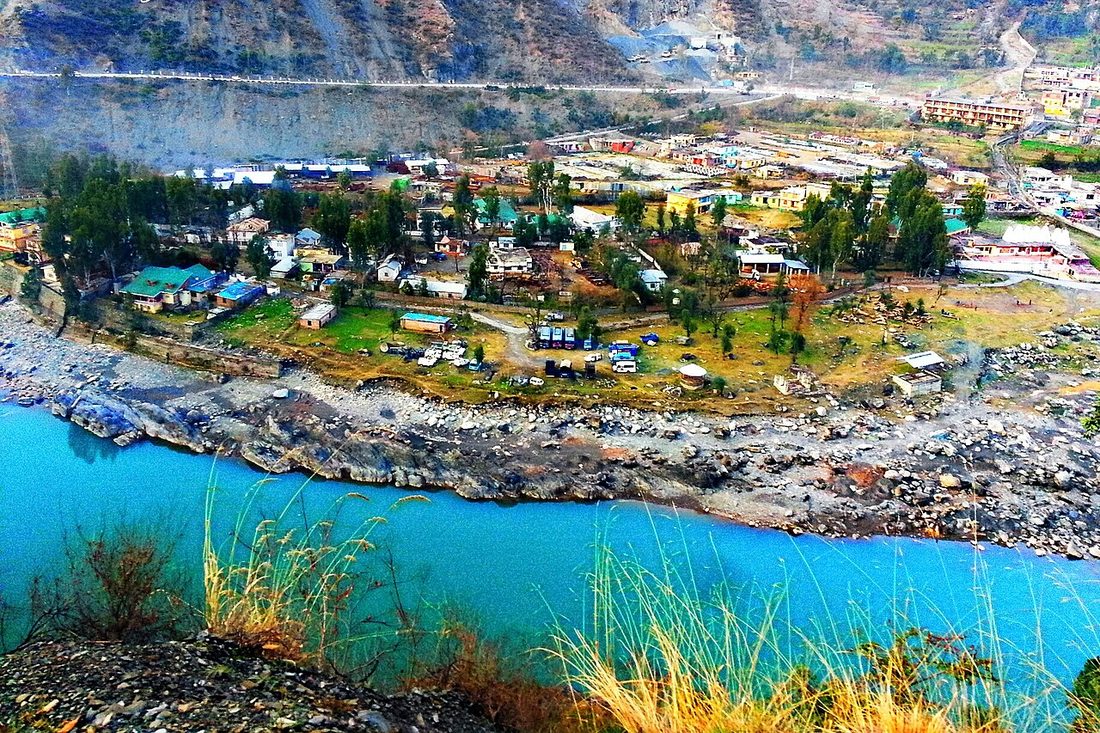
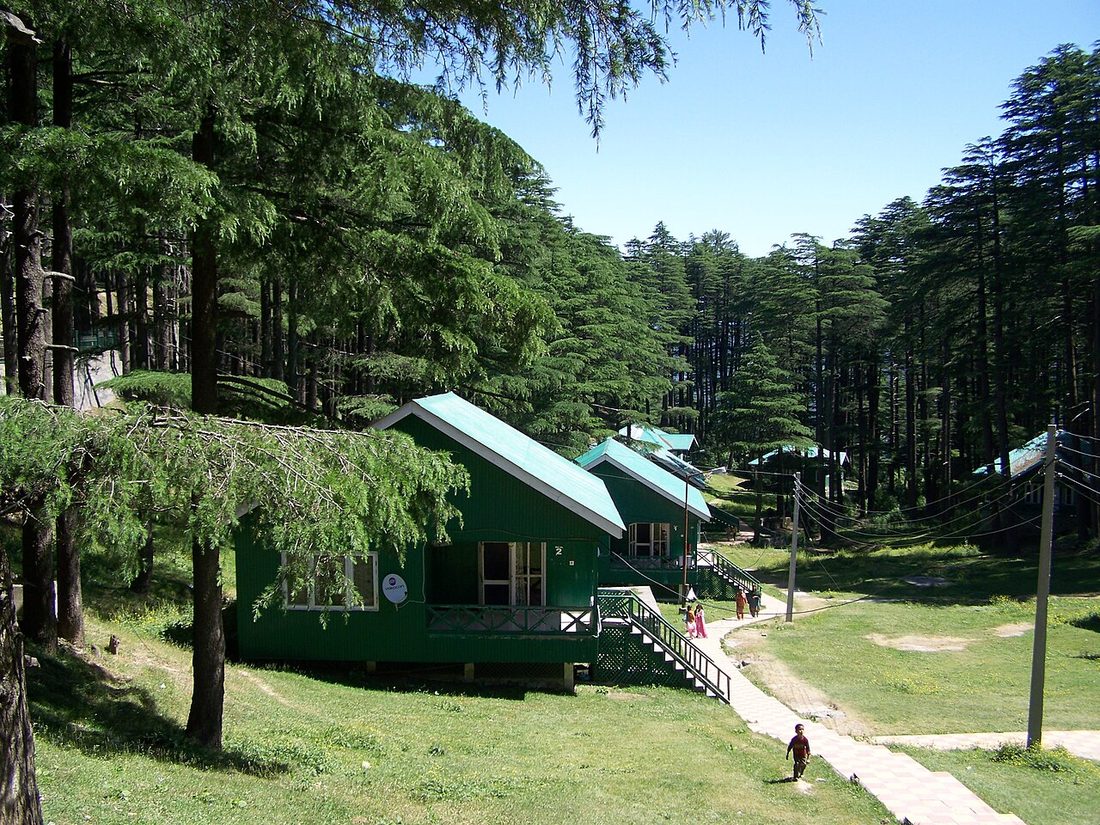
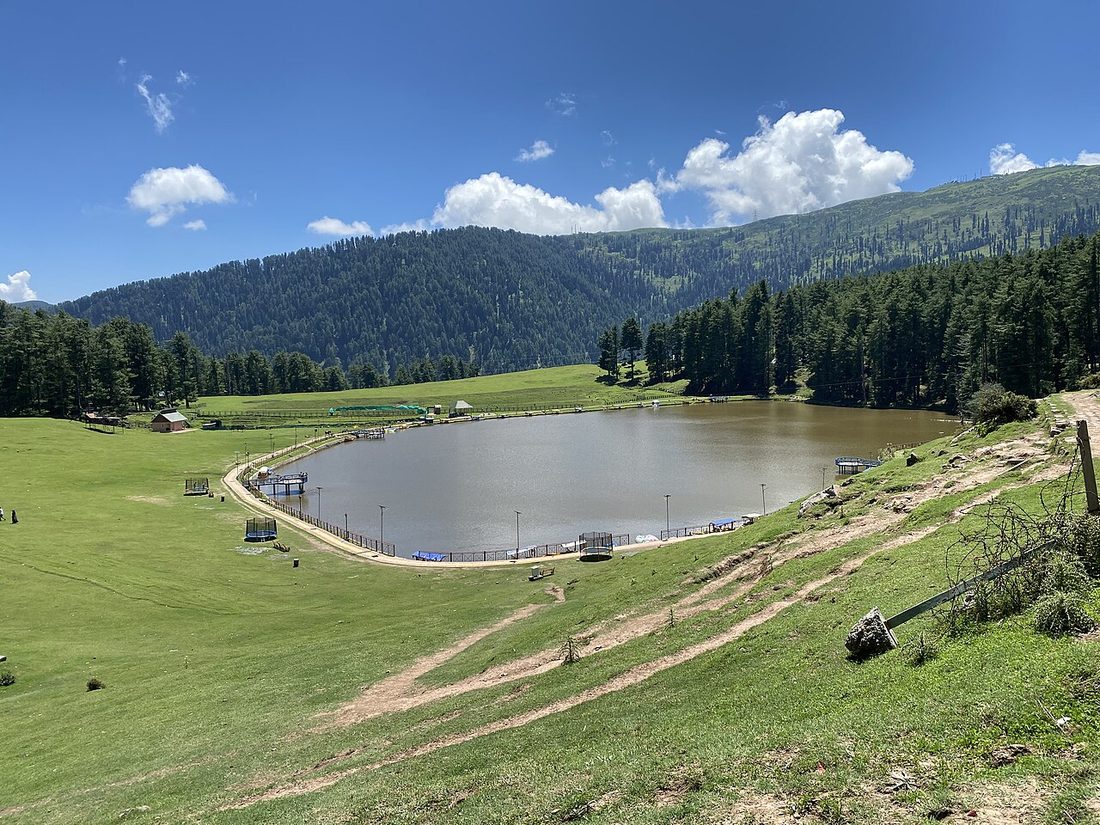
Udhampur Heritage & Foothills Circuit Planner (2026)
Use Udhampur town as a compact 1-night anchor between Jammu/Katra and the upper hills. Here is how each spoke fits cleanly into half-day or full-day drives.
| Site / Excursion | Distance from Udhampur | Time Needed | Key Focus & Best Window |
|---|---|---|---|
| Krimchi Pandava Temples | 12 km north | 1.5 – 2 hrs | 8th–9th c. ASI Nagara sandstone shrines; visit 7:30–10:00 AM year-round. |
| Devika Ghats & Old Bazar | In town (2–3 km) | 1.5 hrs | Subterranean Gupt Ganga riverbed, Shiva shrines, Gole Market & kaladi kulcha. |
| Babore Temples & Mansar Lake | 32 – 47 km south | 4 – 5 hrs | 10th c. ruined stone temples + sacred Ramsar wetland; Oct–Apr ideal. |
| Ramnagar Fort & Sheesh Mahal | 40 km east | Half day | 19th c. Dogra fortress & Pahari miniature murals; avoid peak summer noon. |
| Pancheri & Shankari Devta | 40 km north (via Krimchi) | Half / Full day | Cool pine hills, forest trails & zero tourist congestion; Mar–Nov. |
| Sudh Mahadev & Mantalai | 50 – 55 km northeast | Half / Full day | Ancient Shiva shrine, black-marble trishul & cedar wellness hills; Apr–Nov. |
Bazaars, Local Strolls & Eating Real Kaladi Kulcha in Its Heartland
Back inside town after your heritage loops, take an unhurried evening stroll past Gole Market, Main Bazar, Salain Talab, Jakhani Park, and Ramnagar Chowk. Do not leave town without sitting on a plastic stool beside a sizzling tawa at Ramnagar Chowk or Main Bazar for two legendary local street plates:
First, authentic Udhampur kaladi kulcha. While Jammu city popularised the snack, traditional milk-rich kaladi rounds originate right in Udhampur’s Ramnagar and Chenani hills. Watch the vendor fry the pale ivory cheese disc purely in its own butterfat until crisp amber outside and stringy warm inside, slip it into a butter-toasted kulcha loaded with spicy green-chilli walnut/anardana chutney and crunchy raw onions, and take one bite while scorching hot. Follow it with a leaf-bowl of tangy kachalu chaat—boiled mountain taro slices tossed with black salt, roasted cumin, red chilli, and sharp local sour citrus (khatta) juice—an Udhampur favourite found all around Ramnagar Chowk and Devika Road.
Foothill Shrines & Sacred Trails Around Udhampur
Outside the major pilgrimage circuit of Katra, Udhampur district’s forested ridges shelter a remarkably intimate web of regional Dogra shrines that draw generations of local families during Navratri and spring harvests while staying delightfully calm on regular weekdays:
- Chountra Mata & Pingla Mata Shrines: Reached via scenic terraced hill roads winding through Ramnagar and Majalta blocks, Pingla Devi (inside a dramatic natural hill cave) and hilltop Chountra Devi offer sweeping views over rolling Shivalik valleys alongside rustic village chai stops and quiet stone steps where local devotees tie red sacred threads to ancient banyan and peepal trees.
- Kansar Devta, Deva Mayi Maa & Shiv Parvati Cave Shrine: Tucked across the wooded hamlets of Latti, Moungri, and Chenani lie centuries-old folk shrines such as Kansar Devta, Deva Mayi Maa Temple, and the tranquil Shiv Parvati Cave near Moungri—places where brass temple bells echo cleanly through pine ravines with zero commercial clutter.
A Ready-to-Drive 36-Hour Udhampur Heritage & Hills Playbook
Wondering how to fold Udhampur into an existing Katra or Patnitop holiday without feeling rushed? Follow this time-tested 36-hour sequence that our Jammu–Srinagar route desk regularly builds for architecture-loving families:
- Day 1 Morning (Arrival & Krimchi Sandstone Glow): Step off an early train at Martyr Captain Tushar Mahajan (Udhampur) station or drive 90 minutes north from Jammu Airport. Drop bags at your hotel near Dhar Road and head straight out to the Krimchi Pandava Temples by 8:30 AM before Shivalik warmth builds. Spend ninety unhurried minutes examining the 8th-century shikharas and Birunala valley views.
- Day 1 Midday to Afternoon (Devika Ghats & Old Town Flavours): Return to town, pause along the sandy channel of the Devika Ghats to see the subterranean spring water rise beneath the sand, and eat a proper local lunch of sizzling kaladi kulcha and spicy kachalu chaat around Ramnagar Chowk and Main Bazar.
- Day 1 Late Afternoon (Babore Ruins & Mansar Sunset Loop): Drive south on the Dhar Road around 2:30 PM to walk the colossal monolithic pillars of the Babore Group of Temples near Manwal, then continue fifteen minutes to Mansar Lake for golden-hour reflections and tea along the lakeside walkway before returning to Udhampur for the night.
- Day 2 Morning (Ramnagar Sheesh Mahal OR Climb to Sudh Mahadev & Patnitop): Choose your direction based on season: from October to March, drive east to inspect Ramnagar Fort and the painted miniature chambers of Sheesh Mahal; from April to September, push north via Chenani to visit Sudh Mahadev and Mantalai before sleeping amid cool deodars up at Patnitop or Pancheri.
Why Udhampur Is Jammu’s Smartest Rail & Pilgrim Transit Hub
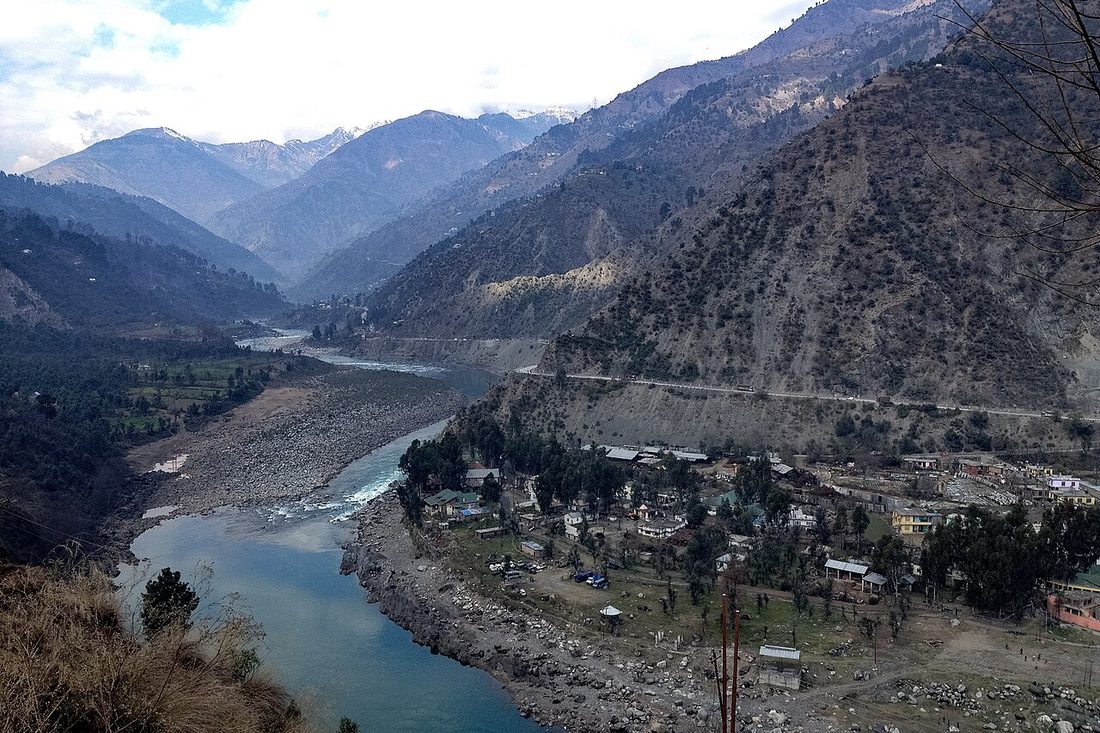
Beyond heritage sites, Udhampur makes rock-solid logistical sense. Thanks to the modern Udhampur–Katra railway link and express trains from Delhi, Ahmedabad, Mumbai, and Pune terminating at MCTM Udhampur and Shri Mata Vaishno Devi Katra, arriving by overnight train puts you just 40 km (one hour) from Katra’s Trikuta trails, 30 km (40 minutes) from Jhajjar Kotli’s crystal picnic stream, 47 km (90 minutes) from Patnitop, and 82 km south of Ramban’s Chenab gorge. Pilgrims combining Vaishno Devi with regional shrines also branch easily west into Reasi toward Dera Baba Banda Bahadur Gurudwara and our Shiv Khori Cave Shrine yatra circuit.
Because Udhampur sits at 756 metres, May and June afternoons grow hot (34°C–38°C)—if travelling in peak summer, sightsee Krimchi and Babore before 10:30 AM and spend your nights up in Patnitop or Pancheri. From October through April, Udhampur enjoys crisp sunny afternoons (16°C–25°C) and chilly evenings ideal for fort and temple walks. Clean business hotels line the Dhar Road and NH-44 approach (see vetted options on our regional hotels directory), ATMs and hospitals are plentiful, and postpaid Jio/Airtel 5G works seamlessly everywhere in town.
Ready to stop treating Udhampur as a highway sign? Tuck a heritage day here right alongside a Mata Vaishno Devi pilgrimage package or extend it northward into our 8-day Katra, Patnitop, and Kashmir Valley road tour. Explore all 29 Jammu, Kashmir, and Ladakh destinations and 40 customizable tour packages on Kashmir i Tour, or write to our local Srinagar & Jammu trip desk to add a custom Krimchi–Ramnagar–Patnitop heritage day to your itinerary.
Pair Vaishno Devi Darshan with Udhampur Heritage & Patnitop Hills
Arriving at Udhampur or Katra station? Our private cab circuits combine Trikuta darshan, Krimchi temples, Patnitop cedar ridges, and Kashmir Valley seamlessly.
Frequently Asked Questions about Udhampur — Krimchi Pandava Temples, Devika River & Shivalik Foothills
Recommended Itineraries Including Udhampur — Krimchi Pandava Temples, Devika River & Shivalik Foothills
Every route below can be customized from Srinagar, Jammu, or Leh with private cabs and verified local stays.
Mata Vaishno Devi Yatra & Katra Pilgrimage Package (3N/4D)
4 Days • 3 Nights • ₹12,500
Mata Vaishno Devi Darshan by Helicopter & Jammu Heritage Tour (2N/3D)
3 Days • 2 Nights • ₹19,999
Grand Kashmir Valley & Mata Vaishno Devi Combined Tour (8N/9D)
9 Days • 8 Nights • ₹33,500
Unforgettable Jammu, Katra, Patnitop & Kashmir Valley Tour (7N/8D)
8 Days • 7 Nights • ₹29,999
Shiv Khori Cave Shrine, Baba Dhansar & Katra Pilgrimage Tour (2N/3D)
3 Days • 2 Nights • ₹10,999Explore Nearby & Connected Destinations
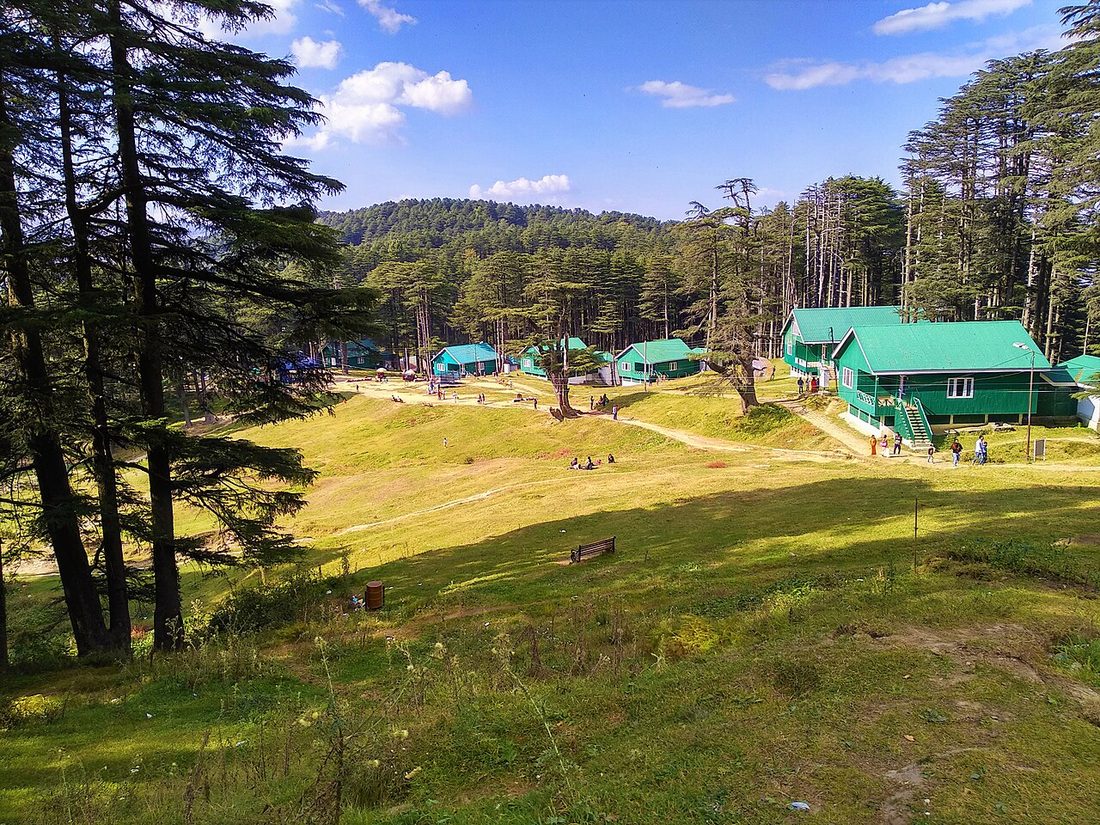
Patnitop — Deodar Pine Plateau, Nathatop Ridge & Jammu’s Classic Hill Station
Jammu Region →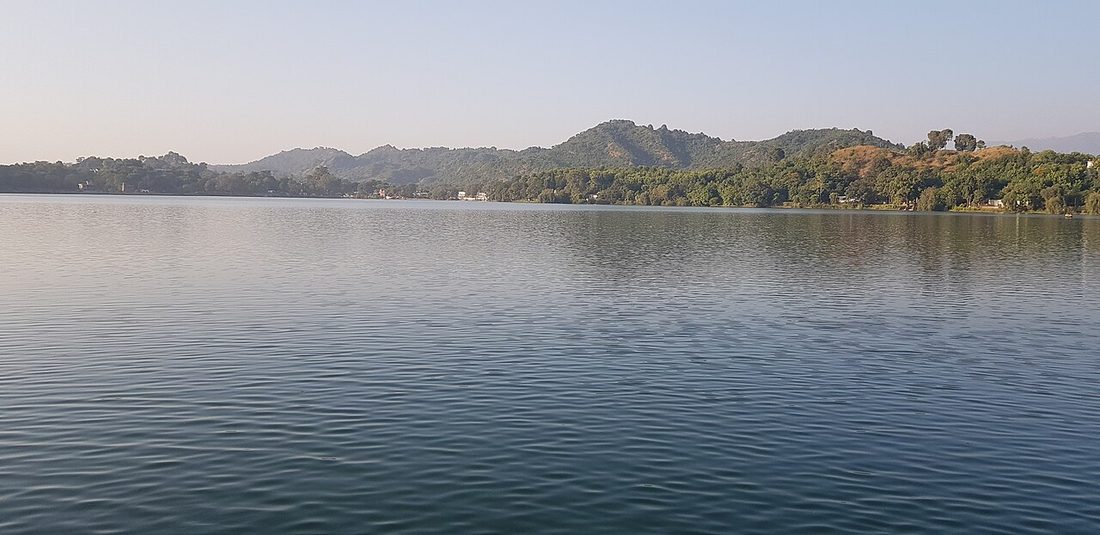
Jhajjar Kotli — Crystal Shivalik Stream, Picnic Riverside & Katra Highway Halt
Jammu Region →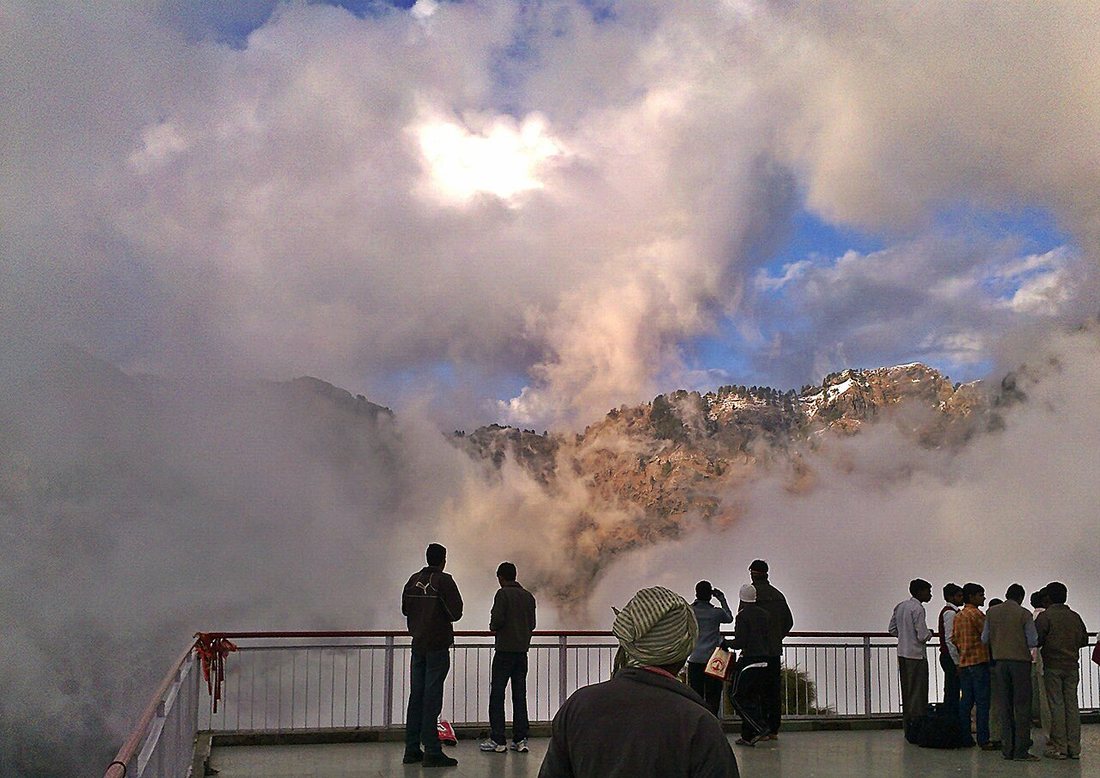
Mata Vaishno Devi & Katra — Trikuta Hills Pilgrimage, Bhawan Trek & Helicopter Guide
Jammu Region →
Ramban — Chenab River Gorge, NH-44 Highway Hub & Gateway Between Jammu & Kashmir
Jammu Region →
Sanasar — Cup-Shaped Alpine Meadow, Paragliding Ridges & Shank Pal Trek
Jammu Region →