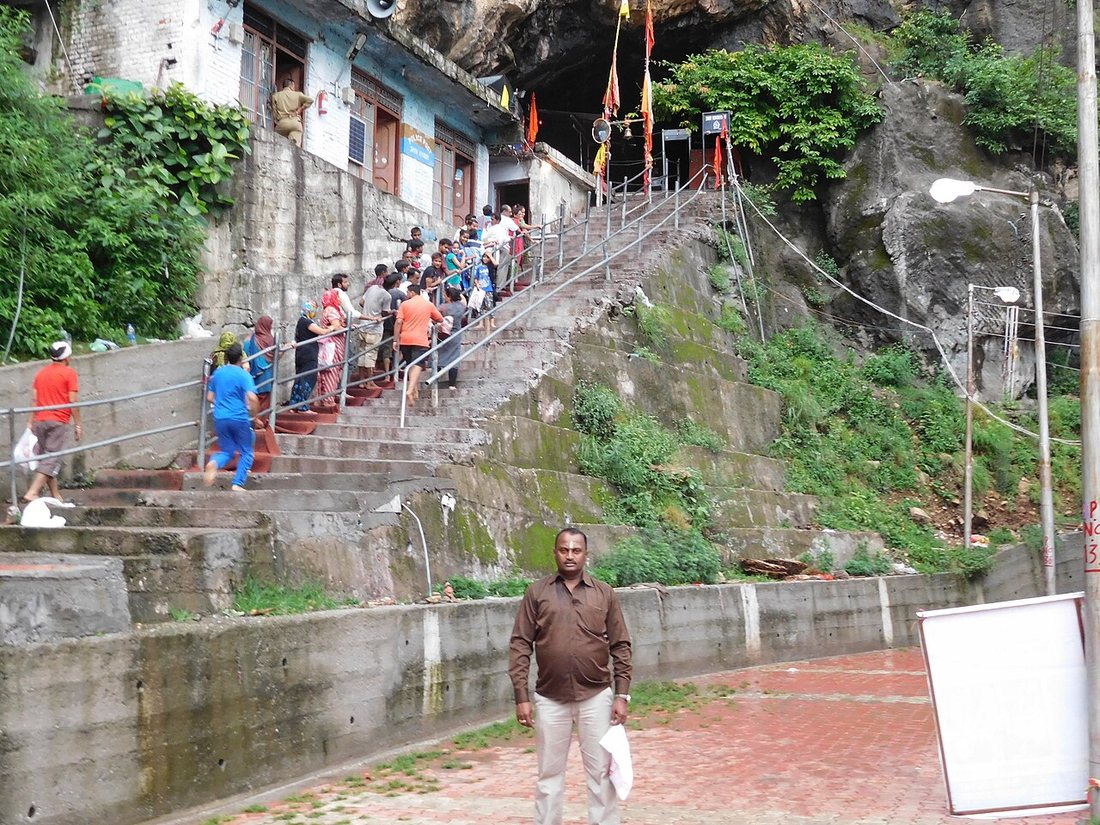

Most pilgrims rushing through Jammu Tawi railway station have one address on their minds: Katra and the twelve-kilometer uphill climb to Bhawan. Yet eighty kilometers west of Katra, tucked behind terraced Reasi ridges where limestone cliffs sweat mineral water all year long, lies a shrine that even seasoned North Indian travelers often miss on their first visit. Shiv Khori—literally “Shiva’s Cave” in the local Dogri tongue—is not a brick-and-marble complex erected by royal patronage. It is a natural karst tunnel stretching roughly 150 meters deep into a Shivalik hillside, terminating in a vaulted inner sanctum where a four-foot self-manifested stalagmite Shivling stands perpetually slick under a slow, milky drip of lime-rich groundwater.
I have driven pilgrims out of Katra before sunrise on this Reasi–Pouni road more times than I can count, and the quiet contrast always catches families off guard. Where the main Banganga corridor hums with twenty-four-hour loudspeaker chants, the three-kilometer pedestrian track climbing out of Ransoo village smells of wet limestone, wild fig leaves, and woodsmoke from tiny tea stalls boiling ginger chai. Over two nights and three carefully paced days, this pilgrimage circuit pairs Shiv Khori with the spring-fed cascades of Baba Dhansar Temple, uses Katra in the Trikuta foothills as an easy, well-serviced hotel base, and wraps up with Jammu’s Dogra shrines, riverside bastions, and bazaar kitchens before dropping you smoothly at the airport or train platform.
Some first-timers ask whether they should sleep overnight at Ransoo rather than returning to Katra after darshan. Having inspected guesthouses along the Ransoo bazaar stretch over the last decade, my honest advice for families and senior citizens is straightforward: stay both nights in Katra. Ransoo has a handful of basic dharamshalas and budget lodges useful mainly during Maha Shivratri melas, whereas Katra sits only 75 to 80 kilometers away—about two hours fifteen minutes each way by private SUV—and gives you reliable hot water, elevator-equipped properties from our verified hotels and stays network, clean pure-vegetarian dining halls, and medical clinics if an elderly parent feels fatigued after the walk.
Anchoring in Katra also makes arrival day effortless. From Jammu Airport (Satwari) or Jammu Tawi railway station, the four-lane highway climbs past Nagrota’s cantonment gates and drops through the pebble-strewn creek bed of Jhajjar Kotli, a classic roadside break where drivers pull over for piping hot rajma chawal plated with pomegranate-seed anardana chutney. By the time your vehicle climbs the final bends into Katra, you have covered just 46 kilometers in ninety minutes—leaving the late afternoon free to browse the walnut and dry-fruit stalls along Main Bazaar, buy prasad, and turn in early before the morning run to Ransoo.
Leaving Katra by 6:30 AM beats both the midday sun in Reasi’s lower river valleys and the midday coach queues coming up from Jammu. The road hugs the Ban Ganga flank past Nomain, bends left toward Reasi, and climbs above turquoise stretches of the Chenab drainage before cutting through Pouni and Bharakh toward Ransoo. Right near Karua village—fifteen kilometers west of Katra—we pause at Baba Dhansar, where a two-hundred-meter paved descent through shaded banyan and pipal canopies opens onto Karua Jheel and a curtain of spring waterfalls plunging over moss-green rock steps beside a tiny cave Shivling. Local legend links the spring to the sage Dhansar, son of the serpent deity Vasuki, and bathing in the designated side pools beneath the falls is considered deeply auspicious while the pond itself remains strictly off-limits for swimming.
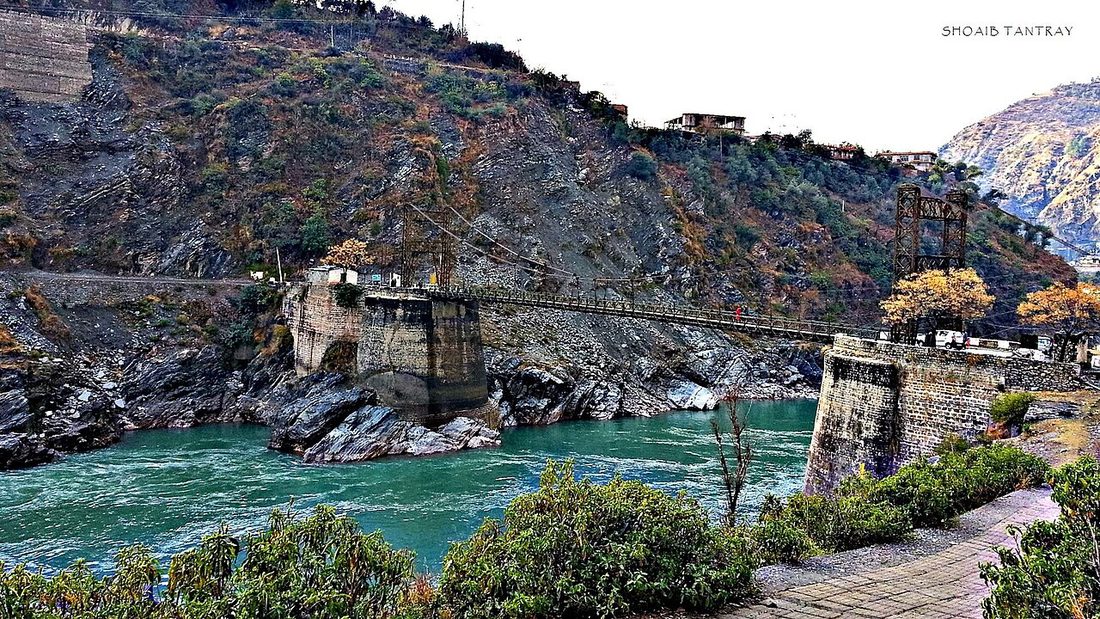
At Ransoo base camp, motor vehicles stop at the designated parking yard and pilgrims switch to foot, registered pony, or four-bearer palki. The Shrine Board has transformed the three-kilometer path into a clean, sheltered concrete walkway with tiled resting benches, filtered water kiosks, and scenic overlooks above the ravine. Unlike steep stone steps at older hill temples, this track rises at a steady, forgiving gradient; fit adults cover it in 55 to 70 minutes, while seniors moving gently with walking sticks take closer to 95 minutes.
Entry to Shiv Khori starts through a wide thirty-foot outer chamber spacious enough to hold nearly three hundred devotees at once. Inside, Shrine Board electricians keep concealed warm lamps glowing along the damp karst ceiling so pilgrims can pick out naturally formed mineral reliefs revered locally as Parvati, Ganesha, Kartikeya, Nandi, and the coiled hood of Sheshnag. In the older era, devotees had to crawl sideways through a narrow fissure to reach the inner sanctum; today, a safer artificial access passage built beside the original tunnel lets visitors of all ages walk upright to the four-foot Swayambhu Lingam before exiting cleanly along a one-way loop. Keep your camera and leather belt locked at the official shoe-and-baggage counter near the cave entrance—photography inside the sanctum is strictly barred.
Always check the laminated Shri Shiv Khori Shrine Board rate board beside the Ransoo Darshani Gate before hiring a pony or pithoo—standard return tariffs sit around ₹600–₹800 for a pony and ₹2,200–₹2,800 for a four-man palki depending on pilgrim weight. Wear slip-on shoes with thick rubber socks inside your daypack: stone floors inside the cave stay wet year-round from mineral seepage, and slippery bare soles slow down the darshan line.
Planning pilgrimage days around honest mountain clock-times—not optimistic highway map apps—prevents exhaustion. Reasi district’s hill roads have crisp tarmac in most sections, yet single-lane twists near Pouni and convoy slowdowns around Bharakh add twenty minutes during festival weeks. Here is the exact route profile we run across all three days:
| Day & Leg | Road Distance | Typical Drive / Walk | Key Stops & Elevation Notes |
|---|---|---|---|
| Day 1: Jammu → Jhajjar Kotli → Katra | 46 km | 1.5 hrs drive | Nagrota Bypass, Jhajjar Kotli stream halt, Katra hotel check-in (875 m) |
| Day 2: Katra → Baba Dhansar → Ransoo → Katra | 155 km round trip | 4.5 hrs drive + 2.5 hrs walk | Karua Jheel falls (15 km), optional Dera Baba Banda turnoff, 6 km return trail to Shiv Khori (1,100 m) |
| Day 3: Katra → Jammu Heritage → Airport/Station | 58 km incl. city loop | 2 hrs drive + 3.5 hrs sightseeing | Raghunath Temple, Amar Mahal Palace, Jamwant (Peer Kho) Cave, Bahu Fort & Bagh-e-Bahu |
One advantage of traveling in an exclusive private vehicle rather than a rigid shared bus is room for quiet heritage stops that never make crowded package brochures. On the afternoon drive back from Ransoo toward Katra—provided you complete Shiv Khori darshan before 1:30 PM—your driver can detour sixteen kilometers toward Dera Baba Banda Bahadur, a three-century-old Sikh gurudwara perched dramatically above a horseshoe bend of the Chenab where Guru Gobind Singh’s celebrated warrior-general lived and meditated. Inside the peaceful courtyard rest historic swords, arrows, and a quiet langar hall serving warm dal and rotis to travelers of every faith.
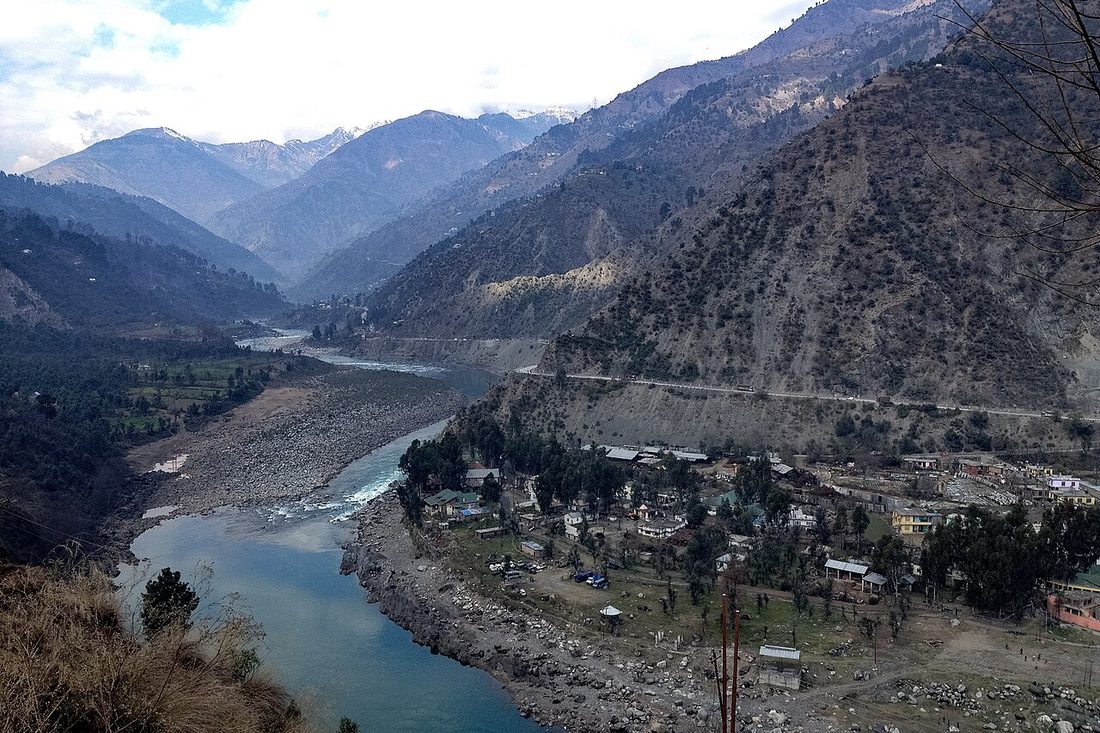
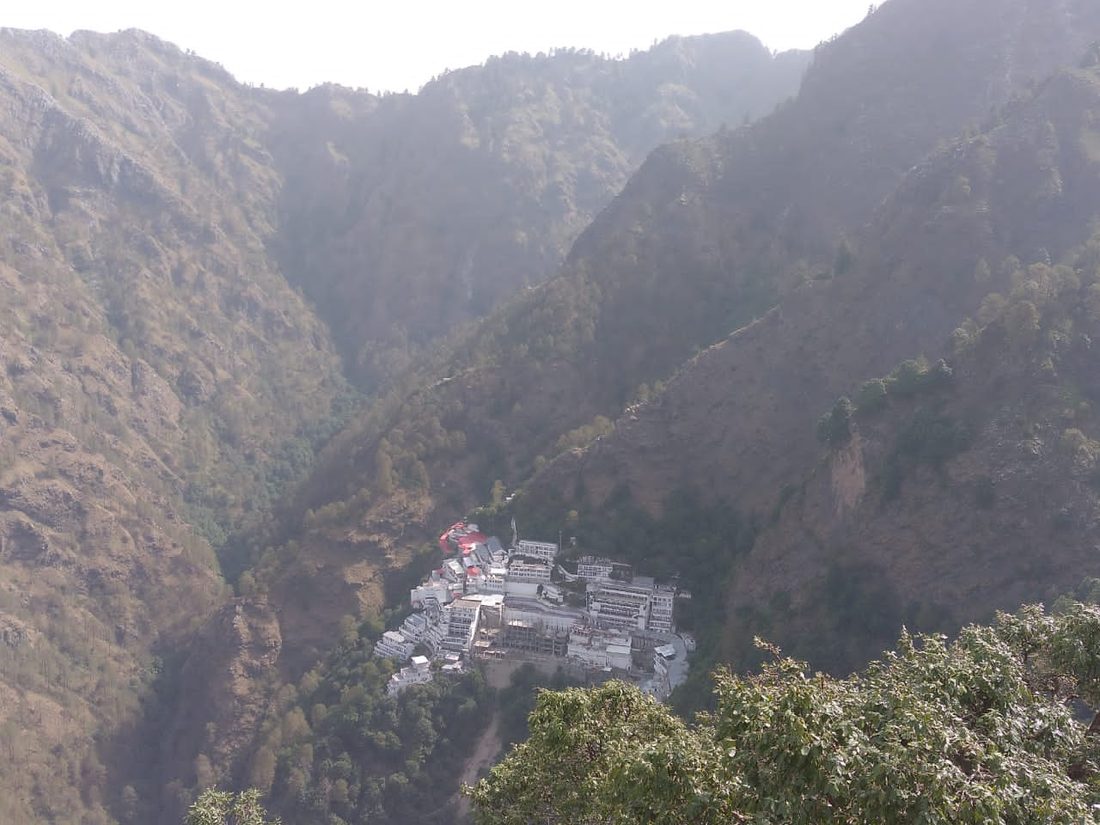
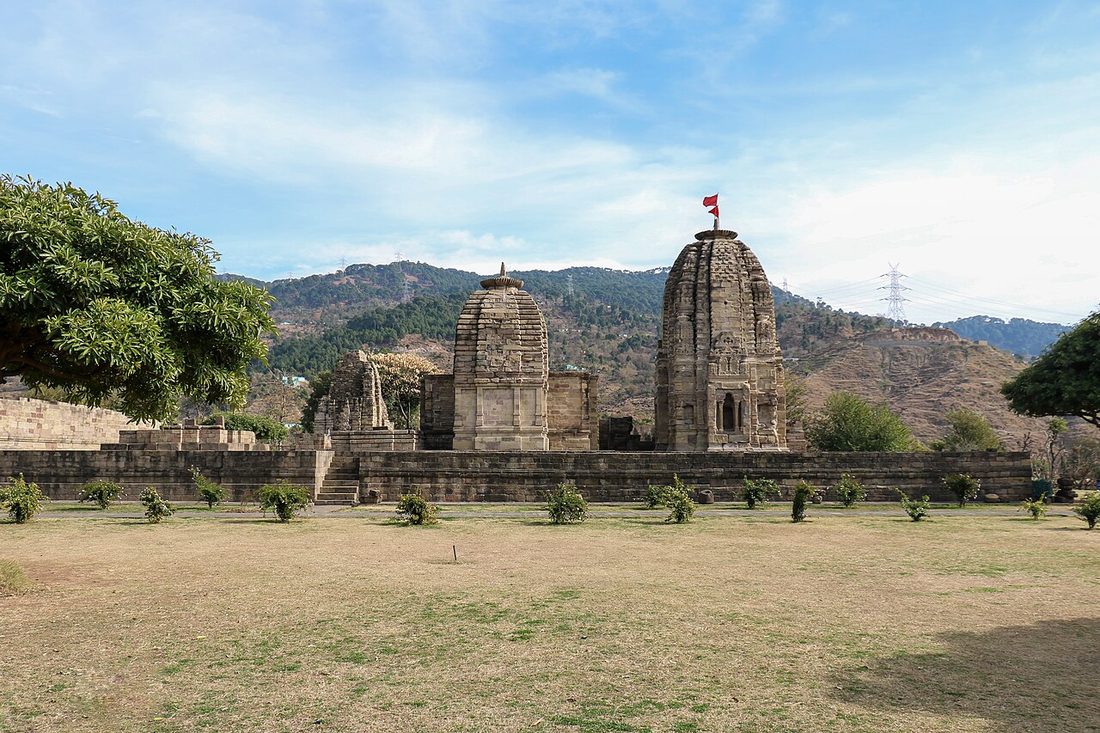
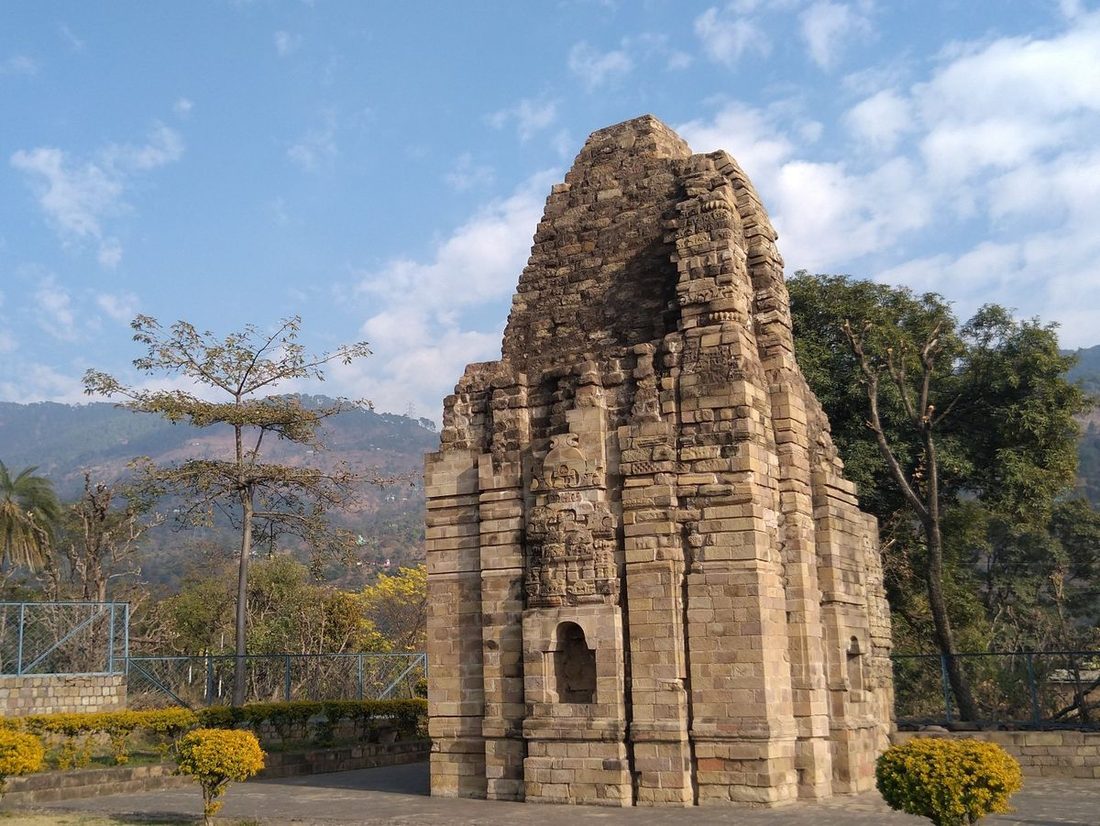
Travelers arriving with an extra spare day—or heading onward up the highway toward Kashmir—frequently link this circuit with Udhampur’s 8th-century Krimchi Pandava Temples, seven fluted sandstone Nagara shrines standing along a quiet stream twelve kilometers off the highway, or push forty kilometers higher into the fragrant cedar woods of Patnitop hill station. If your family wants Vaishno Devi darshan included alongside Shiv Khori, our desk routinely merges this route into the Mata Vaishno Devi Yatra Package (3N/4D) or fast-tracks elderly pilgrims using our Vaishno Devi Helicopter Darshan itinerary.
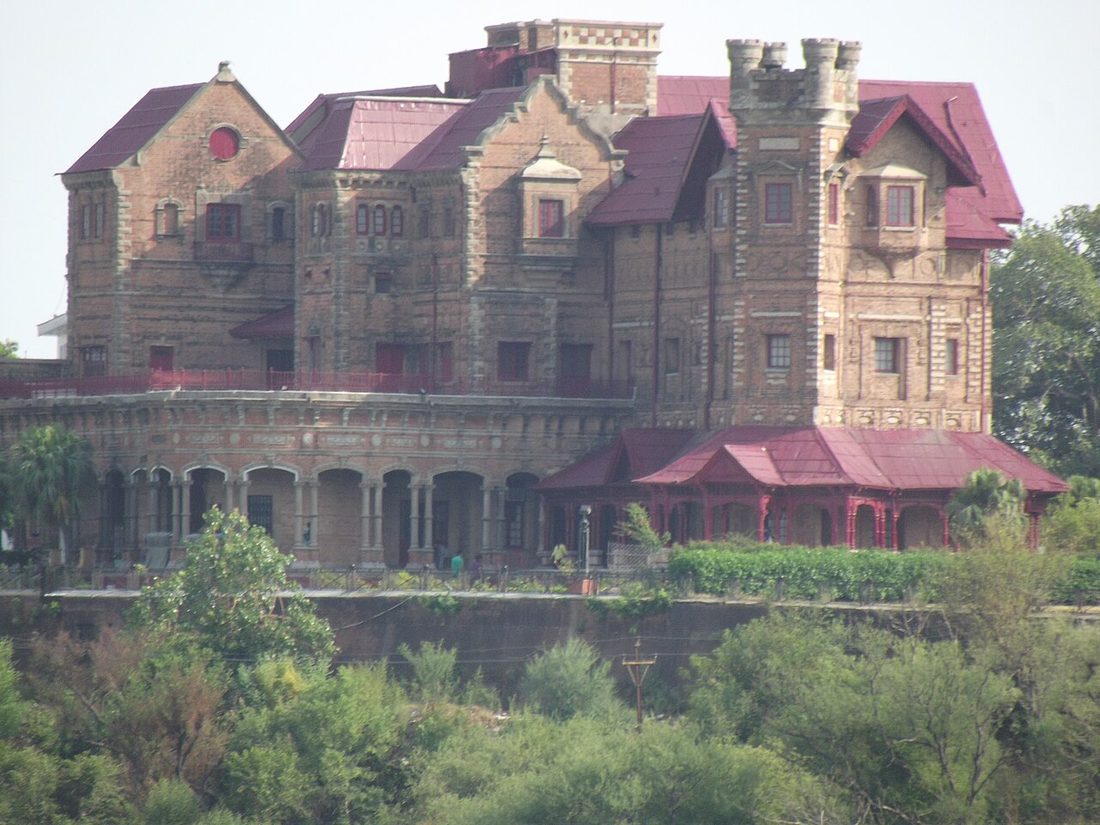
Do not book a noon flight out of Jammu if you can grab a 5:30 PM departure or an overnight train instead—Jammu city deserves a proper half-day rather than a rushed airport sprint. After an unhurried breakfast in Katra, we descend to the Tawi valley by 10:00 AM. First up is the sprawling red-sandstone Amar Mahal (Raja Karan Singh Palace) overlooking the river gorge, built in French château style in the late nineteenth century and now housing miniature Pahari Kangra paintings, a royal library, and Maharaja Hari Singh’s famed 120-kilogram gold throne.
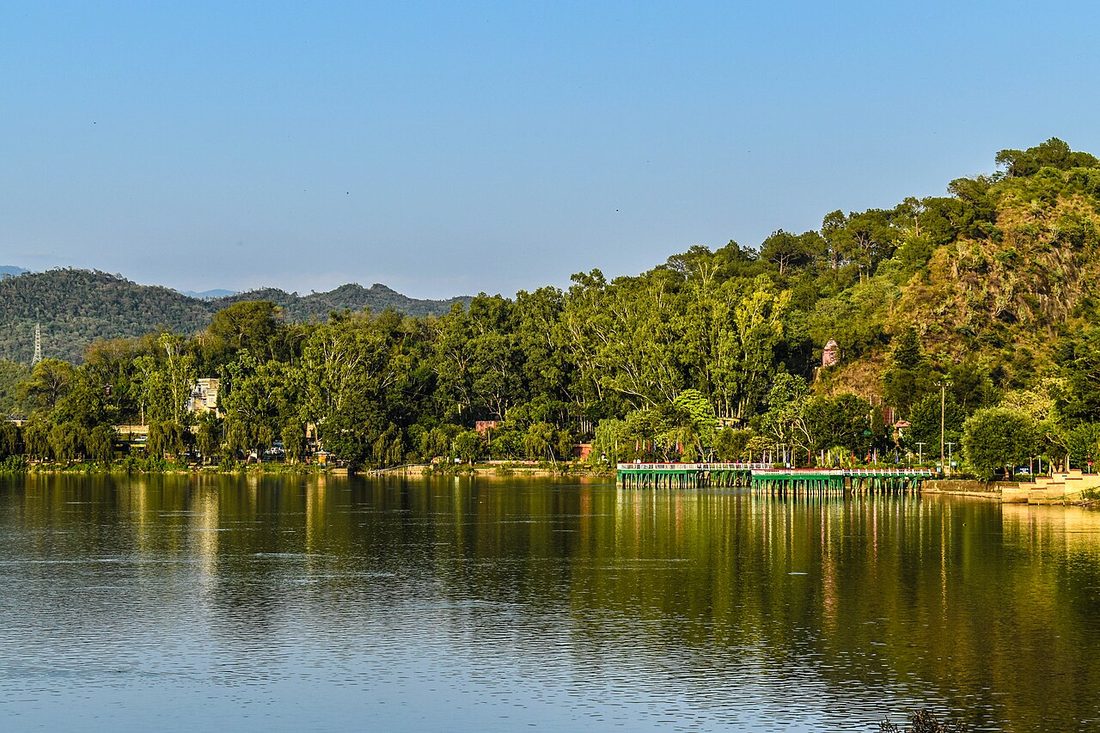
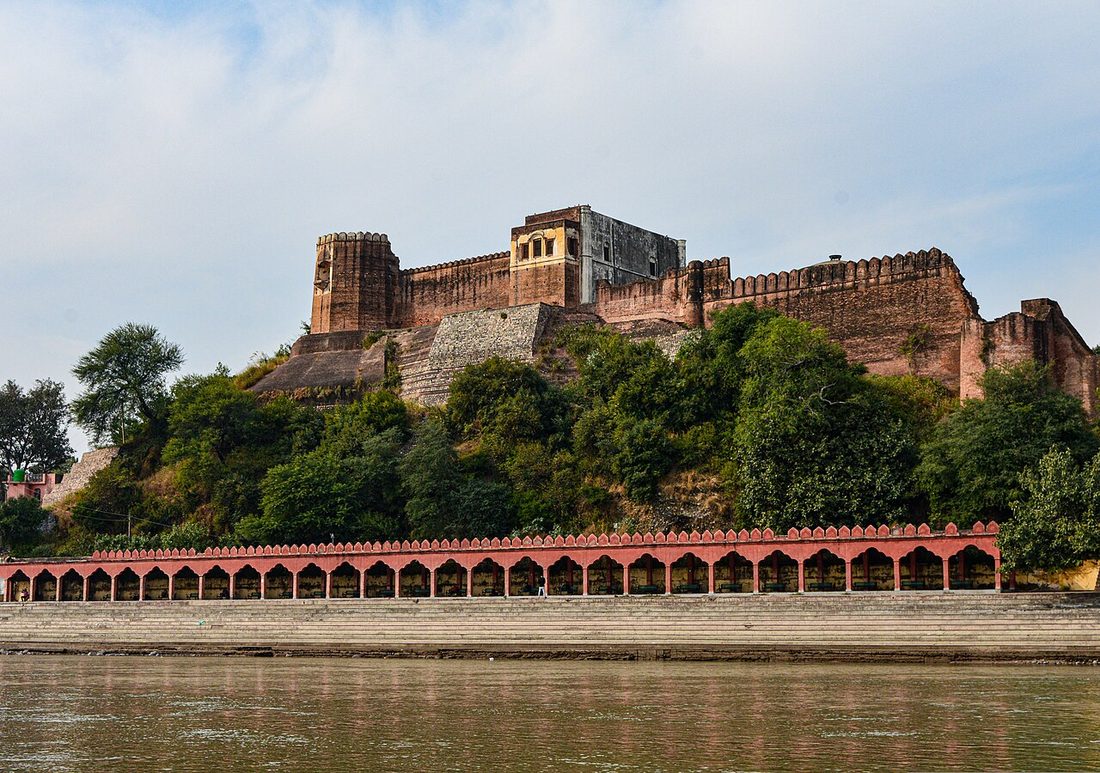
From there we weave down into Old Jammu’s vibrant Raghunath Temple complex, begun by Maharaja Gulab Singh in 1835 and completed by Maharaja Ranbir Singh, where gilded spires shelter dozens of inner shrines dedicated to Ramayana deities and sacred shaligrams brought from the Gandaki River. Five minutes down Circular Road lies Peer Kho (Jamwant Cave), an ancient limestone cavern tucked beside the Tawi cliffs linked in folklore to the Ramayana bear-king Jambavan and medieval Nath yogis. Before heading toward the station or airport, we cross the Tawi bridge up to Bahu Fort—one of Jammu’s oldest stone bastions, sheltering the revered Bawe Wali Mata (Mahakali) temple—and take twenty unhurried minutes strolling the terraced fountains of Bagh-e-Bahu below its sandstone ramparts.
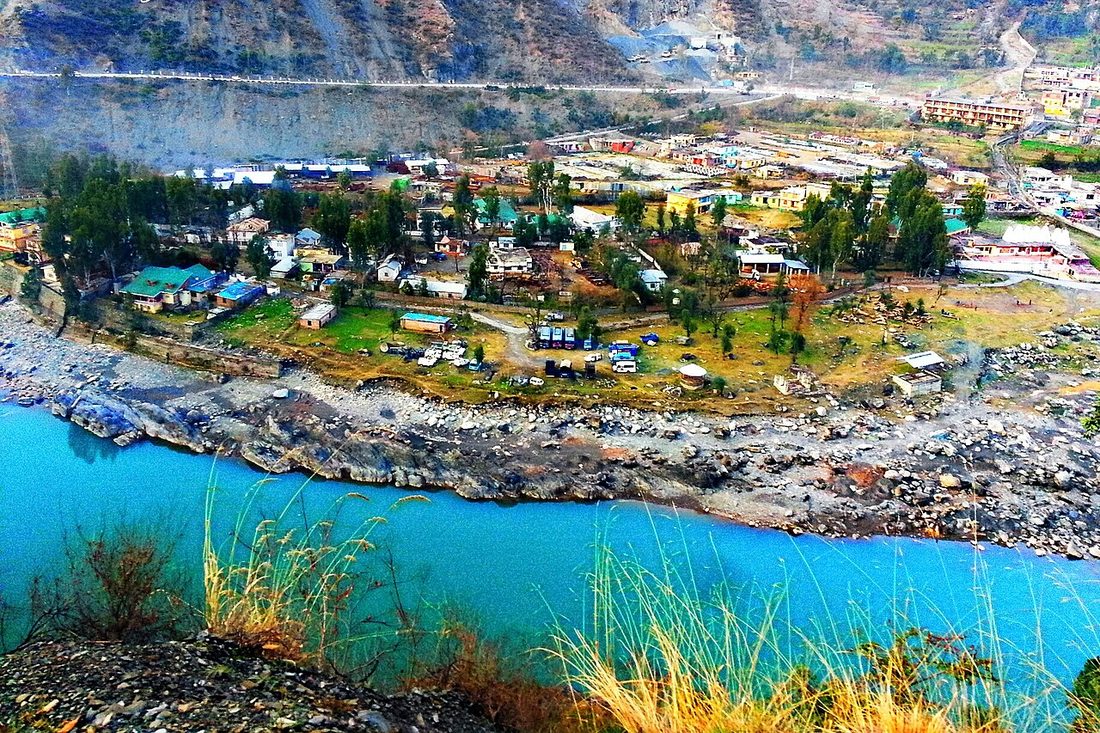
Because Shiv Khori sits at a modest 1,100 meters in Jammu’s lower Shivaliks, the shrine stays accessible twelve months a year—unlike high-altitude Kashmir shrines such as Shri Amarnath Cave, which opens only in July and August. Still, timing makes a dramatic difference to walking comfort. October through March brings crisp mornings (6°C to 14°C in Katra) and sunlit afternoon walks where you barely break a sweat on the Ransoo ramp. April through early June gets warm by 11:00 AM (reaching 34°C–37°C in Reasi), making our 6:30 AM departure out of Katra essential. July and August cloak the hills around Baba Dhansar in roaring emerald waterfalls, though monsoon showers can trigger short boulder clearances near Pouni—always keep a light folding poncho in your daypack. For wider regional weather planning across Jammu and Kashmir, check our month-by-month Kashmir and Jammu weather guide.
Katra is strictly vegetarian (no meat, eggs, or alcohol anywhere inside municipal limits), and the simple thalis—chana madra, yellow dal, fresh tandoori roti, and sweet rajma—hit the spot after walking six kilometers. Once you reach Jammu on Day 3, ask your driver to pause near Raghunath Bazaar or Parade Ground for sizzling tawa-fried Dogra kaladi kulcha (stretched Himalayan mozzarella melted inside a toasted bun with mint chutney) and a clay cup of thick sund panjiri or spiced lassi before your flight.
Extend this pilgrimage straight across Banihal into Dal Lake, Gulmarg, and Pahalgam on our 8-day combined Jammu–Kashmir circuit.
At ₹10,999 per person on double sharing, this 2N/3D package keeps your pilgrimage completely predictable: private Dzire, Ertiga, or Innova transport straight from Jammu arrival through Jammu departure, two nights in a clean Katra hotel with breakfast and dinner, tolls, state entry taxes, parking, and driver allowances. Families comparing wider regional options can browse our official Kashmir & Jammu Tour Packages homepage or review our 2026 booking and transport guide. Traveling with senior parents who need palki pre-coordination, or hoping to merge Shiv Khori into our Grand Kashmir & Mata Vaishno Devi 9-Day Tour? Message our Srinagar–Jammu custom trip desk and we will build the exact pacing around your train or flight timings.
We offer special tiered group tariffs for couples, families, and ski/travel groups from 02 Pax up to 14+ Pax with Deluxe centrally heated hotels & houseboats:
| PACKAGES | 02 PAX | 04 PAX | 06 PAX | 08 PAX | 10 PAX | 12 PAX | 14 PAX | EXTRA BED |
|---|---|---|---|---|---|---|---|---|
| DELUXE / BUDGET PACKAGE |
What's covered in your package
What's not included
Senior Kashmir Tour Consultant • +91- 9103232574 | Srinagar Office
Tailored Winter & Year-Round Departures from the United States (USD), Europe/UK (EUR/GBP) & Middle East / GCC (AED/SAR/OMR/QAR): Every itinerary on our New Year's Kashmir Tours & Kashmir Tour Packages portal can be customized with centrally heated Gulmarg & Pahalgam resorts, heritage Nigeen & Dal Lake houseboats, 4x4 snow-chain transfers during Chillai Kalan, 100% Zabiha Halal Kashmiri Wazwan alongside pure vegetarian/Jain kitchens, and private Toyota Innova Crysta / Force Urbania chauffeurs.
Direct GI-Tagged Kashmiri Export Assistance (USA CBP/FDA, EU REX/UK DCTS & GCC SFDA/ESMA): Travellers and boutique buyers can pair their holiday with verified Srinagar artisan studio visits for Pampore Mongra Saffron (ISO 3632), Changthangi Pashmina & Kani Shawls (CDI QR SFAL), Hand-Knotted Qaleen Silk Carpets, White Acacia Solai Honey, and Kiln-Seasoned Walnut Woodcraft shipped with insured air freight to New York, San Francisco, London, Frankfurt, Paris, Zurich, Dubai, Riyadh, Muscat & Doha. Read our 2026–2027 New Year's Kashmir Tours Complete Guide or browse all 139 Travel & Export Guides.
Read our local field guides for every stop on this itinerary before you pack:
Well-organized trip with comfortable centrally heated hotels, friendly local driver, and smooth sightseeing across Srinagar, Gulmarg & Pahalgam.
Rahul Sharma — New DelhiThe luxury houseboat stay, sunset Shikara ride, and Gulmarg Gondola & skiing arrangements were seamless. Highly recommended!
Priya Verma — AhmedabadClean hotels, heated rooms, and 24/7 trip support from Ms. Hina Beigh and the Kashmir i Tour team throughout our vacation.
Arjun Patel — PuneGet a customized itinerary & best hotel/houseboat rates from our Srinagar travel team.