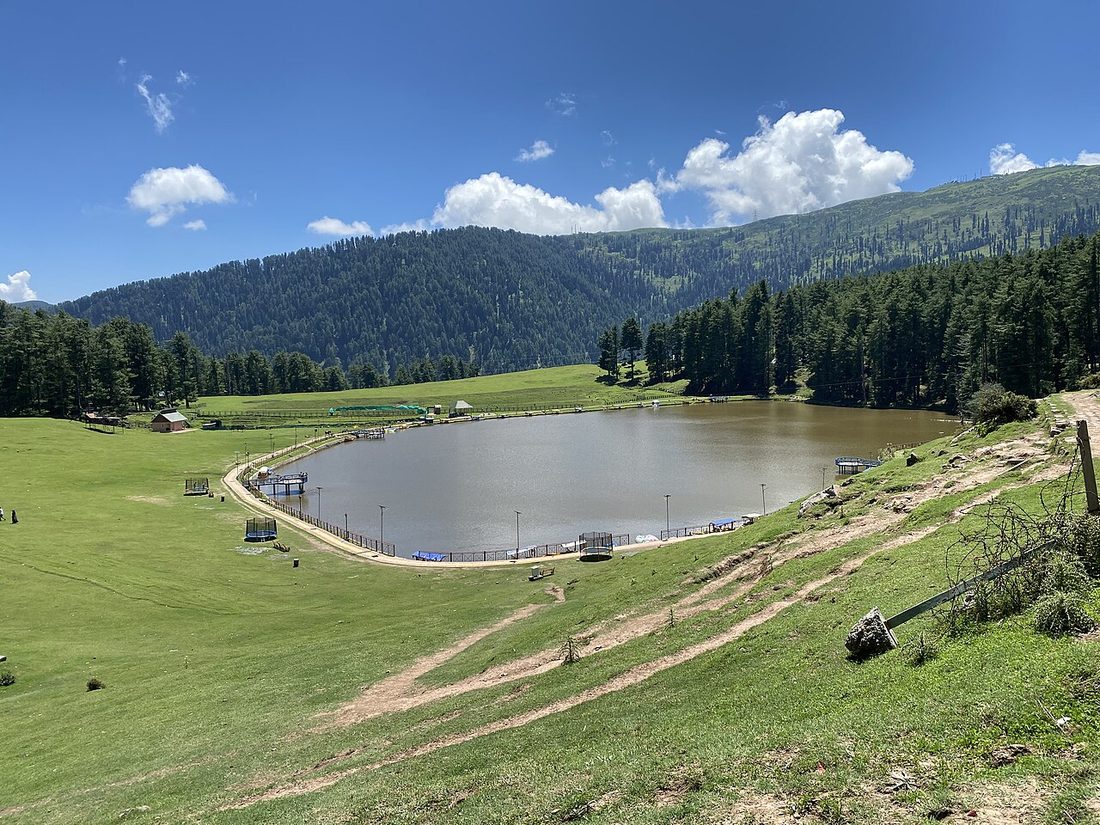
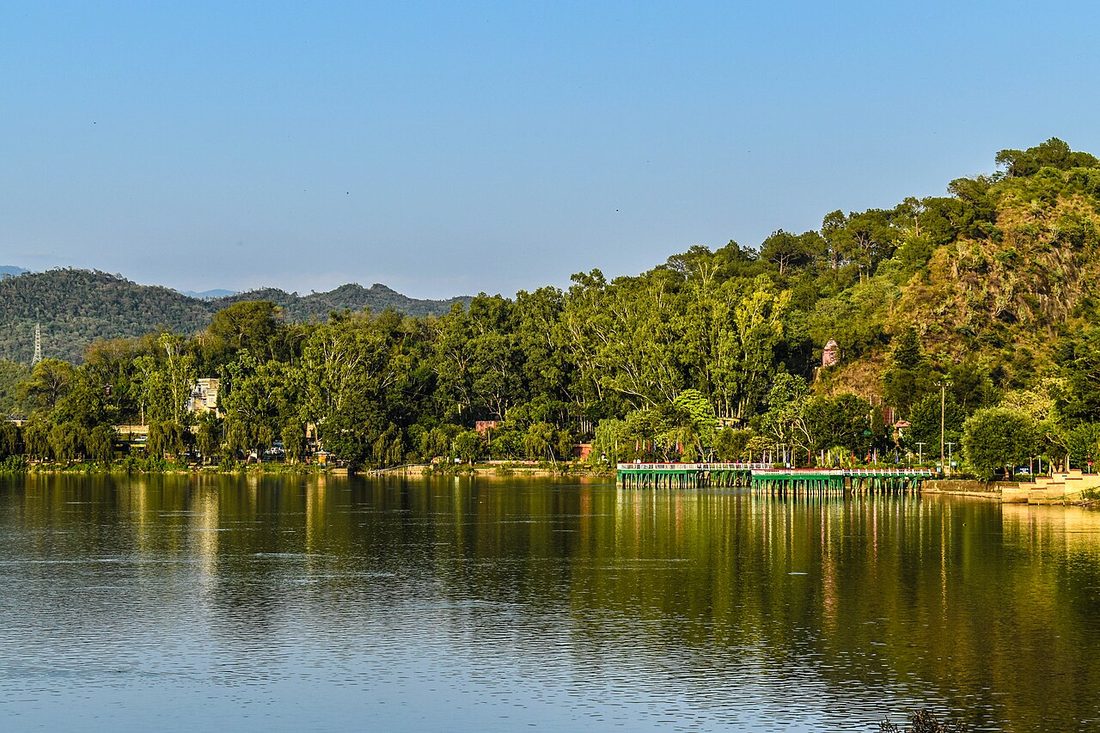
Leave the jostling prasad alleys of Katra behind at seven in the morning, steer west onto the Reasi highway, and within twenty-five minutes the noise of pilgrims and honking tempos drops away completely. Around the fifteen-kilometer marker near the quiet hamlet of Karua, the road hugs a wooded ravine where the air turns noticeably cooler. Even before you step out of the cab, a steady, rushing hush rises from below the parapet wall. That sound is Karua’s subterranean spring breaking straight out of fractured Shivalik limestone to feed the waterfalls and cave sanctum of Baba Dhansar.
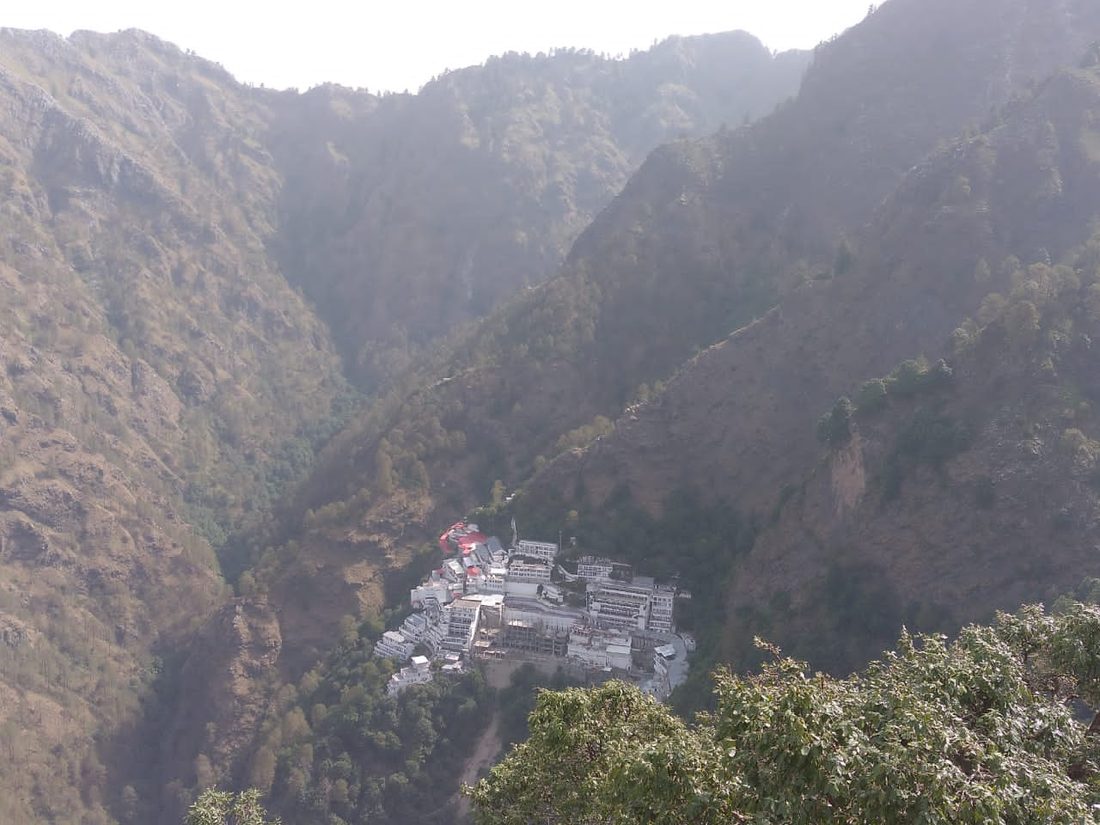
Most travelers arrive in Jammu with one fixed itinerary in mind: climb the Trikuta trail to Mata Vaishno Devi Bhawan in Katra, descend stiff-legged the next morning, and rush straight back to the railway station. Having driven pilgrims across these foothill roads for more than a decade, I always tell families who have even four spare hours in Katra to spend a morning at Baba Dhansar. It requires no grueling uphill climb, costs almost nothing to reach, and offers a side of Jammu’s forested hills—damp ferns, mossy rock overhangs, brass temple bells muffled by falling water—that you never encounter inside Katra’s concrete bazaar.
Why Baba Dhansar Feels Different from Every Other Shrine Around Katra
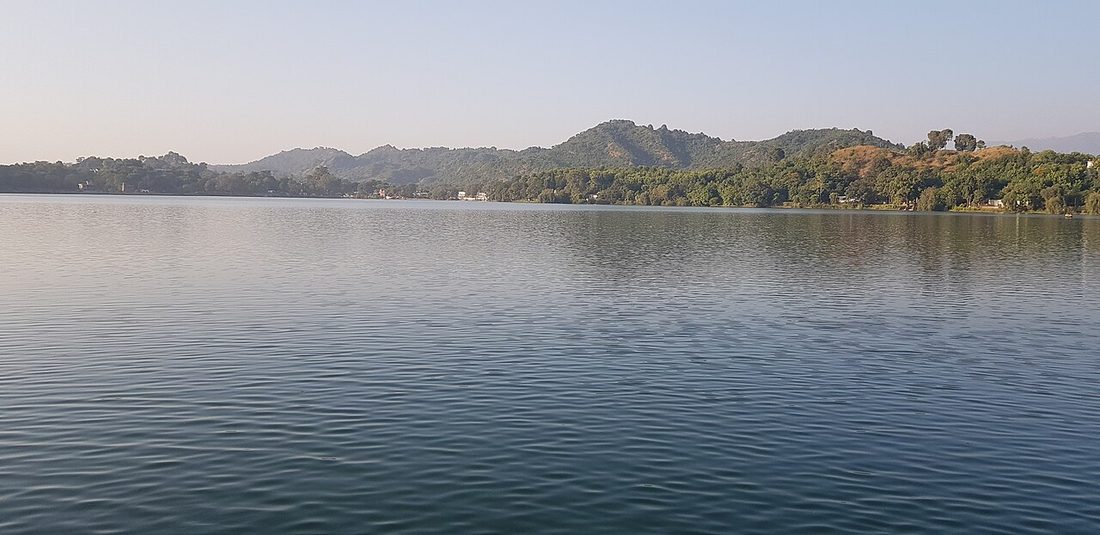
At 690 meters above sea level, Karua village sits in a crumpled crease of the lower Shivalik hills where underground karst channels collect monsoon rain and winter recharge from the higher ridges around Trikuta and Reasi. Instead of emerging as a trickle, the water bursts out in force, pooling first inside the emerald basin of Karua Jheel before spilling over stepped rock shelves in silver ribbons that eventually drain into the Banganga rivulet and join the Chenab River further downstream.
Walk two hundred meters down the stone-flagged trail from the roadside parking apron and the temperature drops four or five degrees under a canopy of banyan, wild fig, tun, and jamun trees. Sunlight cuts through the leaves in narrow shafts, catching fine spray thrown up by the cascades. Where larger pilgrimage centers run on loudspeaker announcements and steel queue barricades, Baba Dhansar keeps an older, quieter village rhythm. Local Dogri families show up early with brass lotas of milk and marigold petals; elderly pujaris sweep wet fallen leaves off the temple courtyard; and monkeys perch silently on the iron railings, waiting for anyone careless enough to walk past with an open polythene bag of roasted chickpeas.
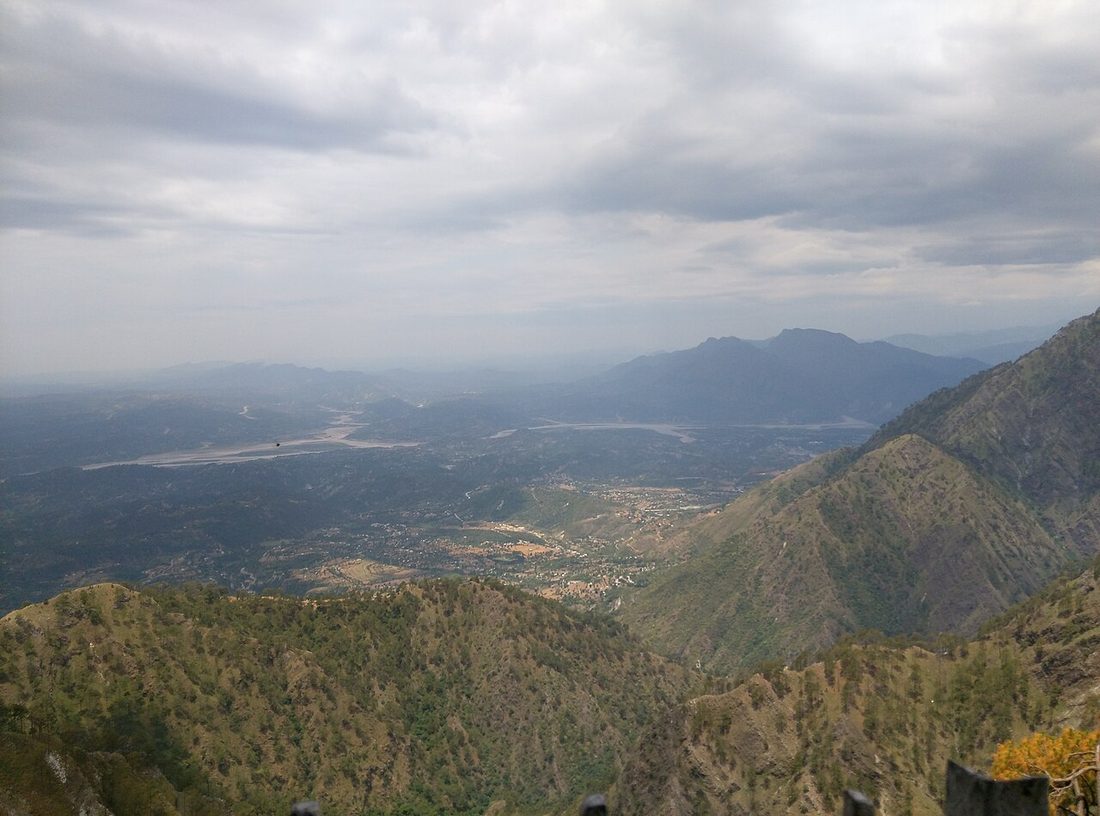
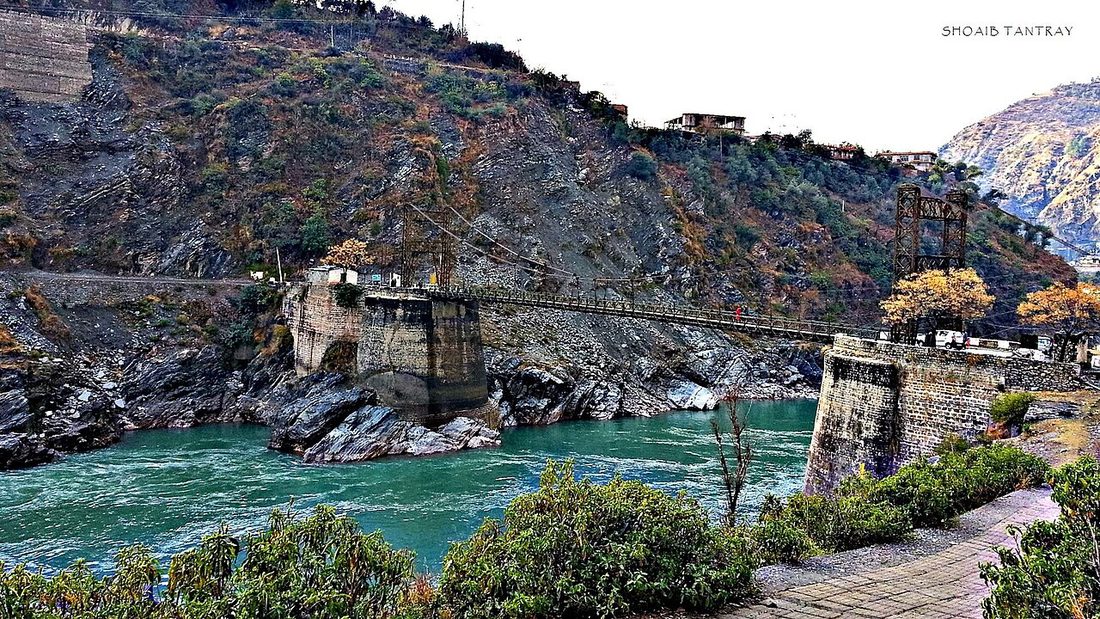
The Legend of Sheshnag, Baba Dhansar, and the Karua Cave
Ask any tea-stall owner near the Karua gate about the shrine’s origins and the story always begins far north in the Kashmir Valley. According to regional oral tradition passed down across Dogra and Kashmiri folklore, when Lord Shiva departed for the high glacial recess of Amarnath to reveal the secret of immortality to Goddess Parvati, he left his cosmic serpent companion, Sheshnag, behind near Anantnag so no mortal or creature could eavesdrop on the discourse.
Sheshnag eventually assumed human form and fathered several sons in the Himalayan foothills. One of them, Dhansar, renounced worldly pursuits early in life and settled into solitary meditation beneath the cool limestone overhangs of Karua. Villagers revered the austere saint, turning to him whenever drought or trouble struck the Reasi tract. Tradition holds that when a tyrannical demon began terrorizing Karua and surrounding hamlets, the frightened locals ran to Baba Dhansar’s forest clearing. Unable to subdue the creature alone, the ascetic invoked Lord Shiva, who manifested at Karua to vanquish the demon and bless the grove permanently.
Inside the dark, damp cave niche tucked just beside the main waterfall terrace, devotees bow before a naturally formed Shivlingam sculpted over centuries by lime-rich water seepage. What draws quiet astonishment from first-time visitors is the unbroken drip falling from the cavern ceiling directly onto the crown of the Lingam—steady through blistering May afternoons as well as damp August storms. Alongside the main Shiva sanctum stands the dedicated shrine honoring Baba Dhansar himself, marked by scarlet flags, iron tridents, and the lingering scent of camphor mixed with wet earth.
Walking the Trail: Karua Jheel, Waterfall Steps & Cave Etiquette
First-time visitors sometimes get confused by conflicting distance notes online—some boards mention a one-kilometer approach while drivers say it is just a two-hundred-meter walk. Here is the exact ground reality so you can plan comfortably for senior citizens or children:
- Roadhead to Main Shrine (200–300 meters): Most private cabs and Katra taxis drop passengers directly at the dedicated Baba Dhansar parking bay right off the Katra–Reasi road. From this gate, a paved, railing-lined stone walkway descends roughly 200 to 300 meters through shaded woodland straight to Karua Jheel, the viewing steps, and the cave shrine. If you park higher up near the main Karua village junction during crowded Maha Shivratri days when police restrict private vehicles, the total walk stretches closer to 900 meters or 1 km each way.
- Footwear & Grip: The stone steps stay permanently misted by waterfall spray, and monsoon algae can make smooth flagstones slick. Wear rubber-soled walking shoes or strapped sandals with decent tread—leave flat leather chappals in the car. Shoe stands operate right outside the temple courtyard for a nominal ₹10–₹20 token fee.
- Karua Jheel Rules (No Bathing): The upper emerald pool known as Karua Jheel is strictly protected as a sacred spring reservoir. Dipping feet, swimming, washing clothes, or tossing plastic wrappers into the pond is completely forbidden—and local caretakers enforce this politely but firmly. If pilgrims wish to take a ceremonial splash or cool off in the fresh spring runoff, designated downstream water points and shallow rocky streams below the main cascade are used instead.
- Macaque Management: Bold rhesus monkeys patrol the stone balustrades along the forest path. Never swing plastic carry bags filled with bananas, prasad sweets, or coconut halves in plain sight; tuck offerings inside a zipped backpack or cloth sling until you reach the temple veranda.
Reach the Karua parking area before 8:30 AM if you want photographs of the tiered waterfalls without crowds blocking the concrete footbridges. Between 10:30 AM and 3:00 PM, excursion vans returning from Shiv Khori and Vaishno Devi fill the narrow walkway, and waiting time inside the small Shiva cave sanctum stretches from two minutes to twenty-five minutes.
Maha Shivratri Mela & the Traditional Karua Dangal
For eleven months of the year, Baba Dhansar feels like a restorative woodland retreat. During Maha Shivratri (late February or early March), the entire hillside wakes up in an explosion of color, drumbeats, and Dogri folk energy. Devotees from Reasi, Katra, Udhampur, Pouni, and Jammu city arrive before dawn to pour milk and bel leaves over the natural Shivlingam, turning the forest ravine into a ringing amphitheater of conch shells and devotional chants.
What sets the Baba Dhansar Shivratri festival apart is its hugely popular annual Dangal—traditional Indian mud-pit wrestling bouts staged on open ground near Karua. Muscular pehalwans travel not only from across Jammu and Kashmir but also from Punjab, Haryana, and Himachal Pradesh to compete for cash purses, brass maces (gurj), and local bragging rights. Thousands of spectators pack the terraced slopes above the wrestling pit, cheering every takedown while eating freshly fried samosas, spicy chickpeas, and sweet jalebis cooked over crackling wood fires. If your travel dates coincide with Shivratri, keep an extra two hours in hand for road diversions and parking bottlenecks near Karua village.
How to Reach Baba Dhansar & Navigating Local Transport
Getting to Baba Dhansar is refreshingly straightforward because the shrine sits right beside a well-paved regional highway connecting Katra with Reasi district headquarters. Still, choosing the right transport makes a major difference in comfort and waiting charges.
From Katra (15 km | 25–35 Minutes)
Katra is the natural base. Local auto-rickshaws and union taxis wait near the Katra Fountain Chowk, Bus Stand, and Railway Station. A dedicated return taxi (Dzire or Etios) for Baba Dhansar alone generally quotes ₹900–₹1,200 including ninety minutes of waiting time; a larger Innova runs ₹1,500–₹1,800. Auto-rickshaws quote ₹500–₹700 round-trip, though an enclosed car is far more comfortable during rainy July afternoons or crisp January mornings. Budget travelers can also board frequent local minibuses plying the Katra–Reasi route from Katra Bus Stand (₹30–₹40 per seat) and ask the conductor to drop them right at the Baba Dhansar gate.
From Jammu Airport & Jammu Tawi Railway Station (62–65 km | 1 hr 45 mins – 2 hrs)
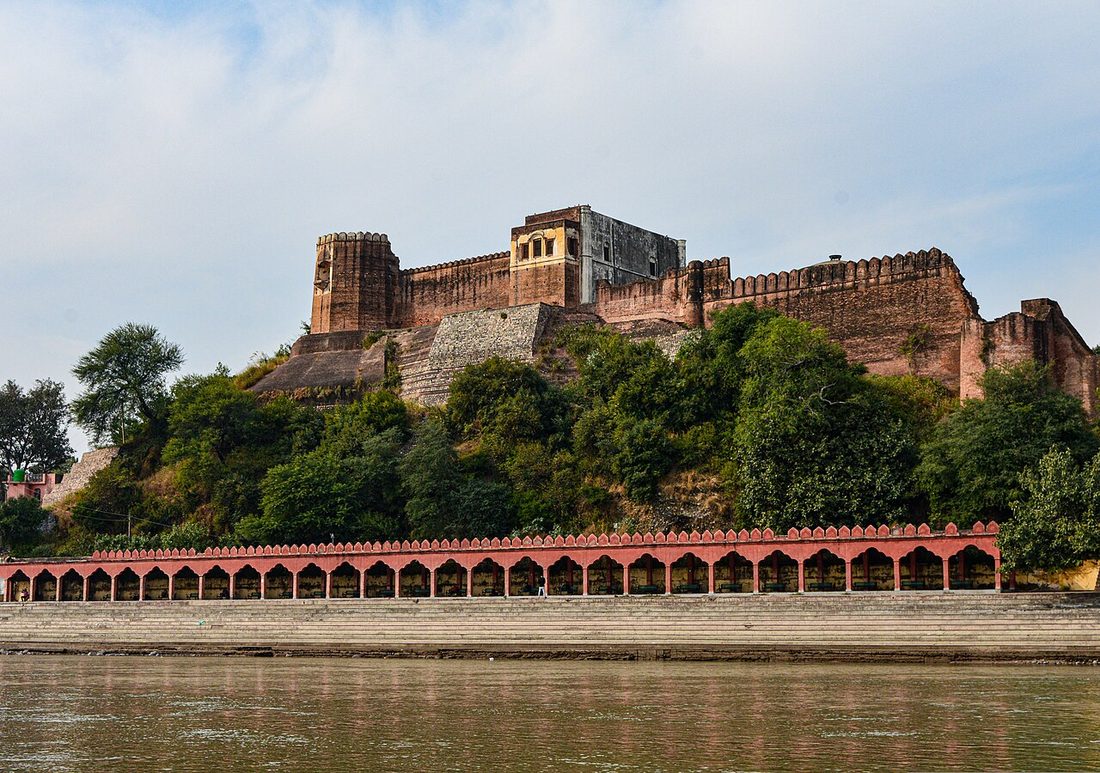
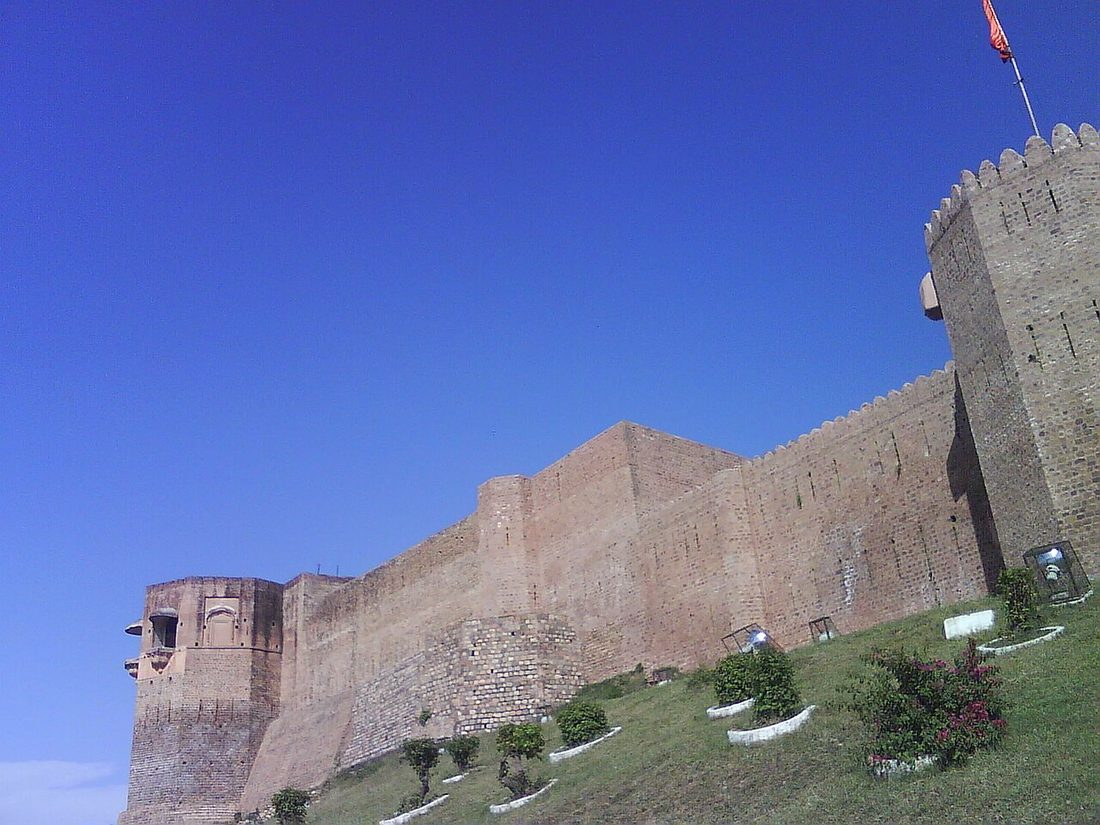
Fly into Jammu Satwari Airport (IXJ) or detrain at Jammu Tawi—or take the Vande Bharat / express rail link directly to Shri Mata Vaishno Devi Katra station (SVDK), which cuts your road transfer down to fifteen kilometers. Driving from Jammu city via Nagrota and the riverside picnic halt of Jhajjar Kotli takes you through twin highway tunnels and pine-scented cuttings before turning west past Katra toward Karua. Travelers staying in Jammu city frequently start the morning with a heritage walk around Bahu Fort and Mahamaya woods before climbing into the Katra–Reasi foothills.
Building the Perfect Katra–Reasi Circuit Around Baba Dhansar
Because Baba Dhansar itself takes roughly 90 minutes to two hours to explore unhurriedly, smart travelers rarely drive out just for a single stop. The Katra–Reasi–Ransoo corridor packs three iconic spiritual and riverside landmarks along one sweeping mountain road, making it effortless to craft either a relaxed half-day outing or a full-day loop.
| Circuit Stop | Distance from Katra | Typical Drive Time | Walking Effort | Best Pairing Strategy |
|---|---|---|---|---|
| Baba Dhansar (Karua) | 15 km (west) | 30 mins | 200–300 m gentle stepped forest path | Start here by 8:00 AM while waterfalls are quiet and misty. |
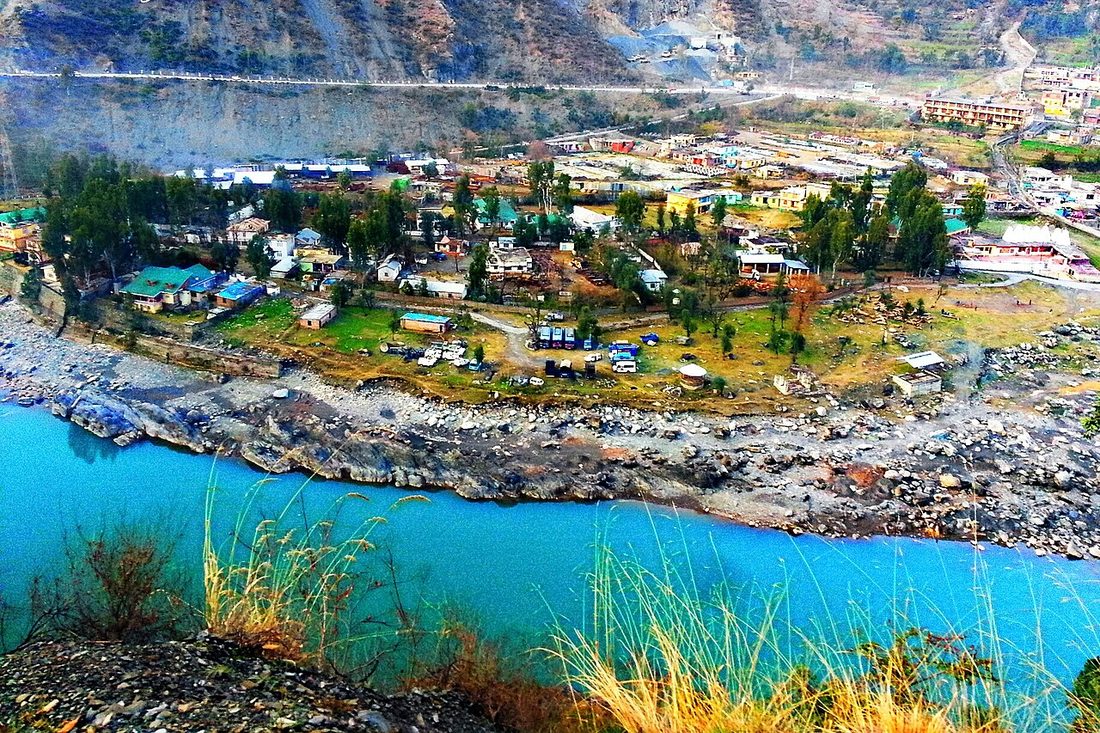
| Dera Baba Banda Bahadur | 26–30 km (west) | 50–60 mins | Short stone steps into riverside Gurudwara | Continue 13 km past Karua for hot langar above the Chenab. |
| Shiv Khori Cave (Ransoo) | 80 km (via Reasi) | 2.5–3 hrs | 3.5 km paved uphill trek (ponies/palkis available) | Full-day loop: Shiv Khori first at 7 AM, Baba Dhansar on return. |
| Jhajjar Kotli Stream | 29 km (south) | 45 mins | Flat riverside pebble banks | Ideal midday tea & foot-soak stop driving back toward Jammu. |
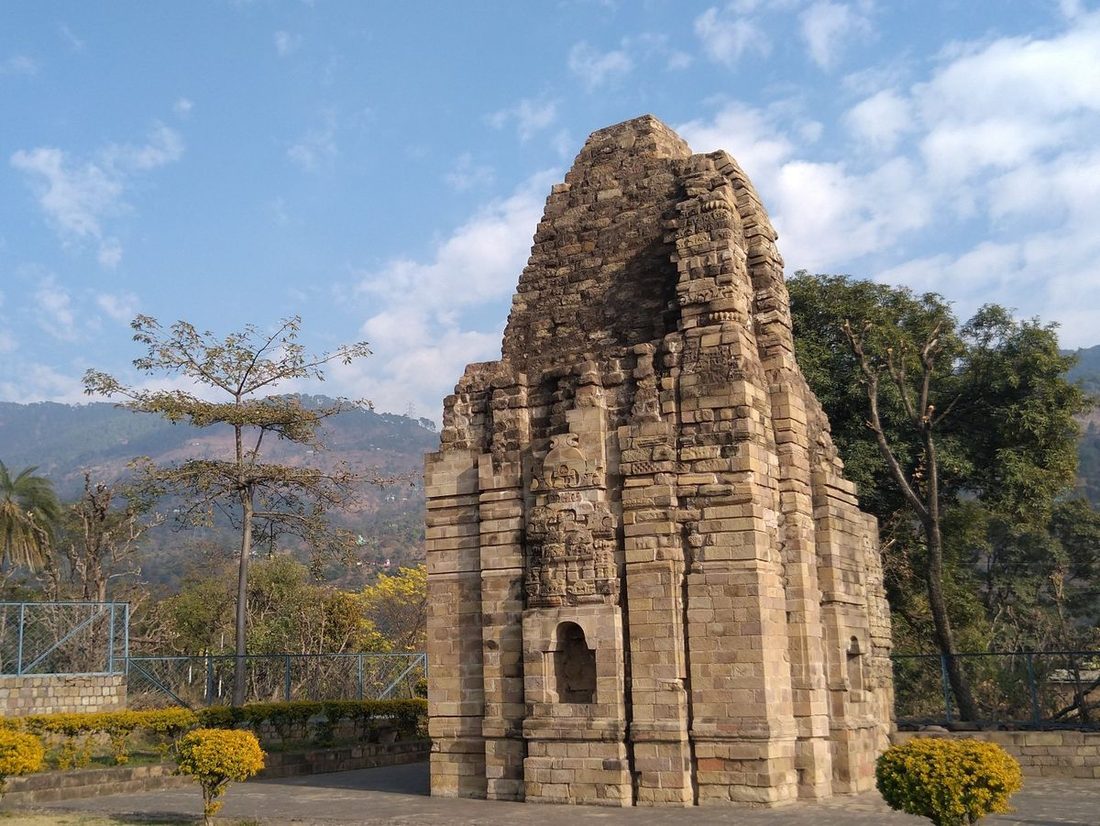
| Udhampur & Krimchi Temples | 45–55 km (east) | 1.5 hrs | Short grassy steps around ASI temple complex | Combine while shifting onward toward Patnitop or Srinagar. |
If you only have half a day after descending from Trikuta, pair Baba Dhansar directly with Dera Baba Banda Bahadur Gurudwara above the Chenab, barely half an hour further toward Reasi. The contrast is memorable: first the damp limestone waterfalls of a secluded Shiva cave, then a 300-year-old Sikh riverside sanctuary housing Baba Banda Singh Bahadur’s weapons and serving steaming hot community langar. If you have a full day free in Katra, join our dedicated Shiv Khori Cave Shrine, Baba Dhansar & Katra pilgrimage circuit—starting at 6:30 AM for Ransoo so you finish the 3.5 km Shiv Khori cave walk before midday heat, pause at Dera Baba Banda around lunch, and cool off under Karua’s shady waterfalls by late afternoon.
Many families traveling north from Delhi, Mumbai, or Ahmedabad also weave this Reasi excursion into a broader Jammu-to-Kashmir holiday. After wrapping up Katra and Karua, you can swing past Udhampur’s ancient Krimchi Pandava temples, spend a crisp pine-scented night at Patnitop’s deodar plateau or neighboring Sanasar’s cup-shaped alpine meadow, and then cross the Banihal tunnel straight into the Kashmir Valley. For seamless multi-region planning, our Grand Kashmir Valley & Mata Vaishno Devi 9-day itinerary and Jammu, Katra, Patnitop & Kashmir 8-day route connect every cab transfer and hotel cleanly without backtracking.
Combine Vaishno Devi, Baba Dhansar & Shiv Khori Seamlessly
Skip taxi bargaining in Katra Bazaar—book a vetted private cab with local drivers who know early-morning darshan windows, helicopter check-in rules, and the cleanest Dogri lunch stops.
Best Time to Visit Baba Dhansar: Season-by-Season Weather Reality
Unlike Kashmir’s high mountain passes that close under winter blizzards, Baba Dhansar remains open twelve months of the year. Still, the waterfall flow and walking comfort shift sharply with the calendar:
- Post-Monsoon & Autumn (Mid-September – November): Arguably the sweetest window. Monsoon rains recharge the karst aquifer to peak volume, sending clear, forceful waterfalls tumbling over moss-green rocks while daytime temperatures settle between 20°C and 27°C. Skies turn scrubbed blue, giving crisp views back across the Trikuta peaks.
- Winter & Maha Shivratri (December – Early March): Cool, bracing mornings (5°C–10°C) warming to sunny 16°C–20°C afternoons. Water flow narrows slightly compared to August, yet the spring never dries up. Carry a fleece or shawl because the shaded forest hollow stays noticeably chillier than sunny Katra road. Late February/March brings the exuberant Maha Shivratri Mela and Dangal.
- Spring & Early Summer (April – June): Warm afternoons in Jammu’s foothills climb past 33°C–38°C in May and June, making Baba Dhansar’s shaded ravine feel like natural air-conditioning. Visit strictly before 9:30 AM or after 4:30 PM to avoid harsh midday glare on the paved steps.
- Peak Monsoon (July – Early September): The waterfalls roar at maximum power and surrounding hillsides turn electric green, though heavy cloudbursts occasionally trigger minor mudslides along the Katra–Reasi highway and make the mossy footbridges extra slippery. Check local rain updates before setting out, and consult our month-by-month Jammu & Kashmir seasonal guide if you are continuing northward.
What to Eat & Where to Stay Near Karua
Do not expect sit-down multi-cuisine restaurants at Karua village—that is half its unspoiled charm. Directly outside the Baba Dhansar entrance gate, simple wooden-benched stalls fry fresh potato-and-onion pakoras, serve piping-hot glasses of ginger-cardamom chai, and plate up thick, slow-simmered Jammu rajma chawal topped with a spoonful of pure desi ghee and tangy crushed anardana (wild pomegranate seed) chutney. Five kilometers back toward Katra—or right along the Reasi highway junctions—stop for an authentic plate of kalari kulcha: stretchy, salted artisanal Dogri mozzarella-like cheese griddled crisp in its own fat until golden-brown and tucked inside a toasted bun with chopped onions and mint chutney. Every driver from Jammu swears by a hot kalari kulcha after a morning waterfall walk.
For overnight accommodation, stay in Katra rather than Karua village. Katra offers everything from budget pilgrim dharamshalas and mid-range family hotels along Jammu Road to peaceful luxury resorts perched along the Banganga bypass overlooking the Trikuta slopes. Travelers planning helicopter darshan via our Mata Vaishno Devi Helicopter & Jammu Heritage tour usually stay close to the Katra helipad road, which actually shaves ten minutes off the drive toward Baba Dhansar. You can browse vetted family properties across Jammu, Katra, and Srinagar through our verified hotels and stays directory.
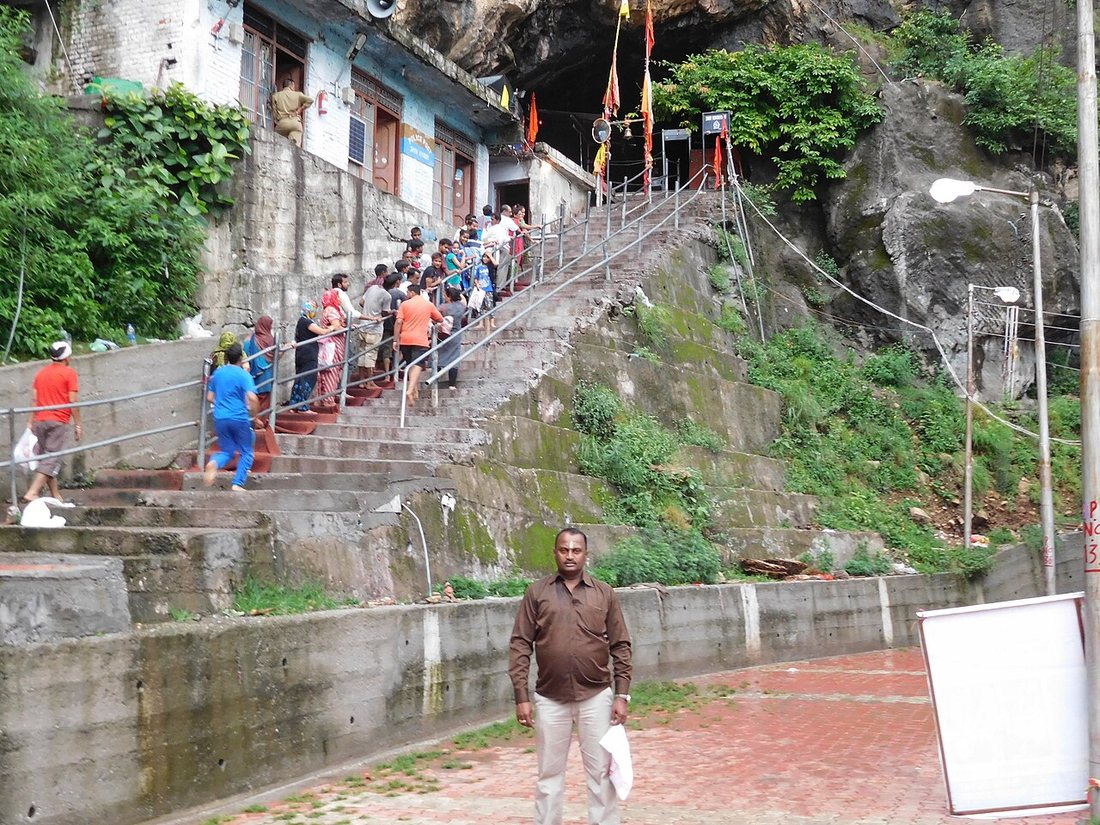
Elderly travelers who just finished the 13 km Vaishno Devi climb sometimes feel knee stiffness on Baba Dhansar’s descending staircase—remember that whatever steps you walk down to the waterfall, you must walk back up to the parking lot. Carry a light folding walking stick, stick to the handrail side, and take five-minute breaks on the shaded stone benches overlooking Karua Jheel. No official entry ticket is charged at the shrine; small voluntary donations go directly into the temple trust boxes.
Planning Your Wider Jammu & Kashmir Journey
Baba Dhansar sits at a natural geographical hinge between Jammu’s Shivalik plains and the high Himalayan valleys beyond Banihal. Whether you are pairing Katra with Dal Lake houseboats, Gulmarg, or Pahalgam, Kashmir i Tour manages local ground transport across all three regions. Explore our complete destinations directory, compare routes in our 2026 tour itineraries catalog, or message our Srinagar and Jammu desk for custom cab rates.
Frequently Asked Questions about Baba Dhansar Temple — Karua Jheel Waterfalls, Cave Shrine & Reasi Forest Trail
Recommended Itineraries Including Baba Dhansar Temple — Karua Jheel Waterfalls, Cave Shrine & Reasi Forest Trail
Every route below can be customized from Srinagar, Jammu, or Leh with private cabs and verified local stays.
Shiv Khori Cave Shrine, Baba Dhansar & Katra Pilgrimage Tour (2N/3D)
3 Days • 2 Nights • ₹10,999
Mata Vaishno Devi Yatra & Katra Pilgrimage Package (3N/4D)
4 Days • 3 Nights • ₹12,500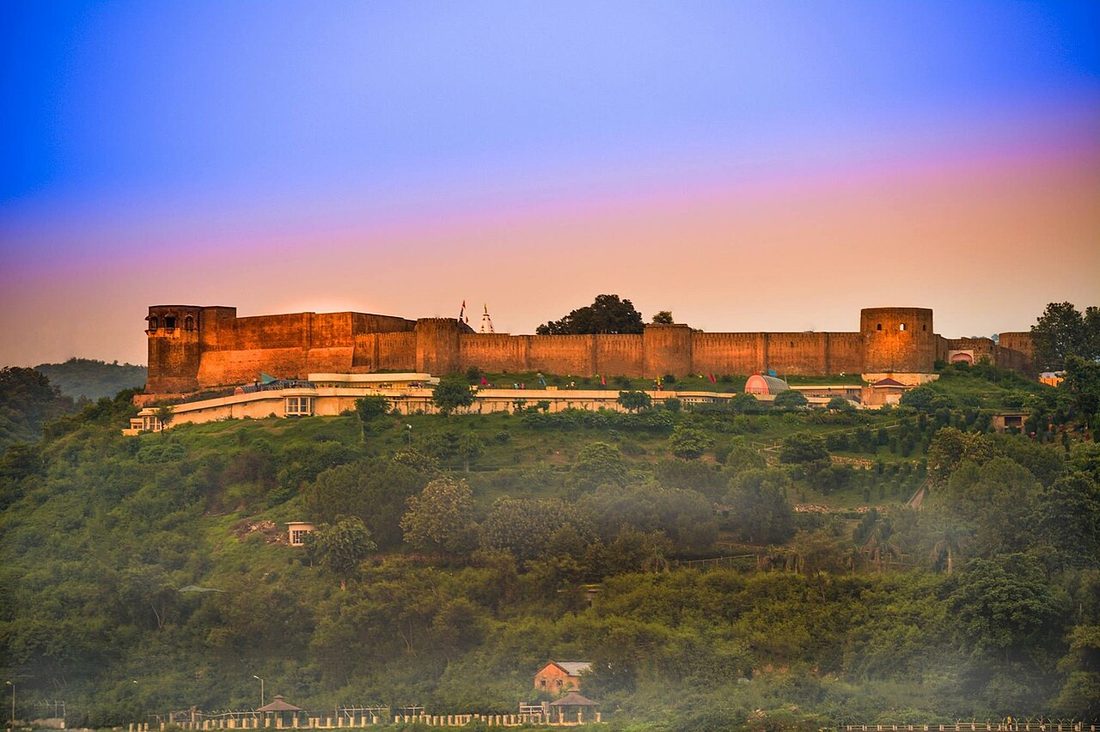
Mata Vaishno Devi Darshan by Helicopter & Jammu Heritage Tour (2N/3D)
3 Days • 2 Nights • ₹19,999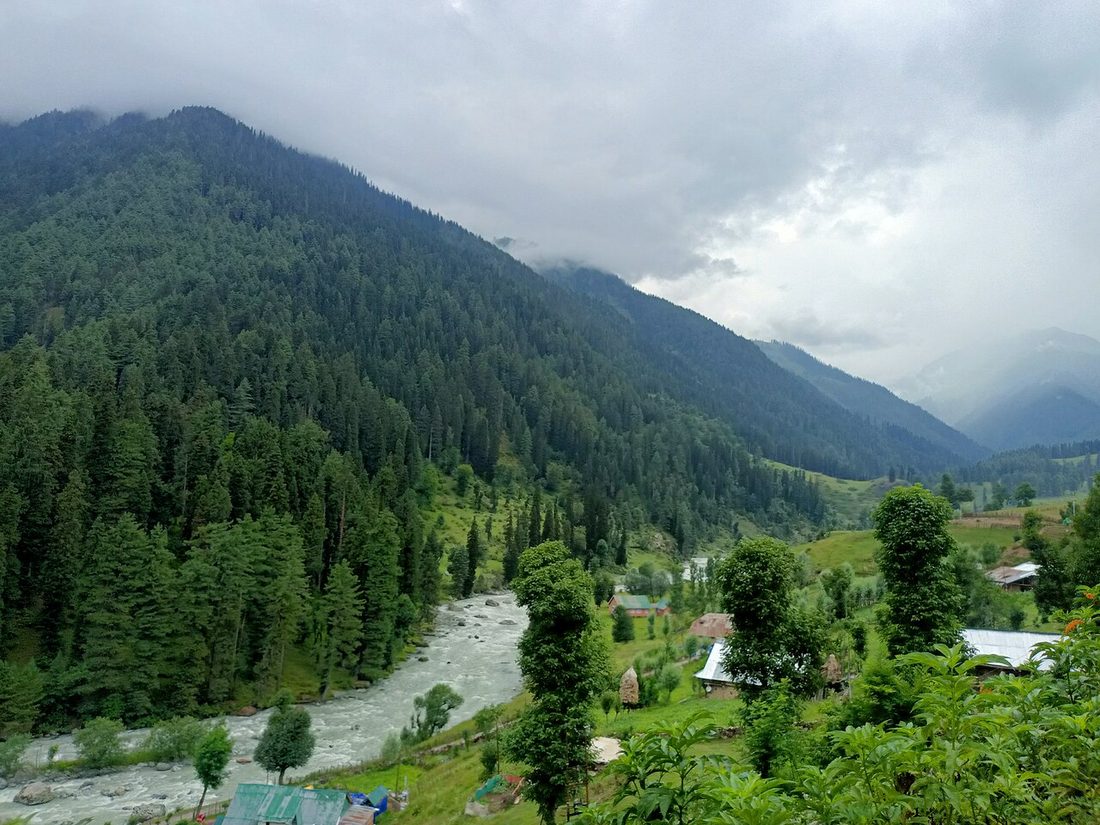
Grand Kashmir Valley & Mata Vaishno Devi Combined Tour (8N/9D)
9 Days • 8 Nights • ₹33,500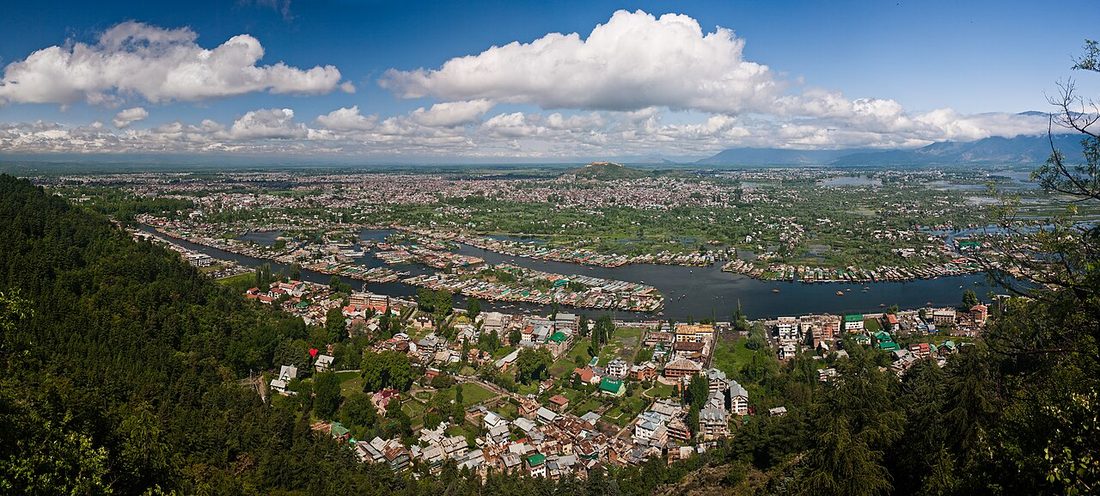
Unforgettable Jammu, Katra, Patnitop & Kashmir Valley Tour (7N/8D)
8 Days • 7 Nights • ₹29,999Explore Nearby & Connected Destinations
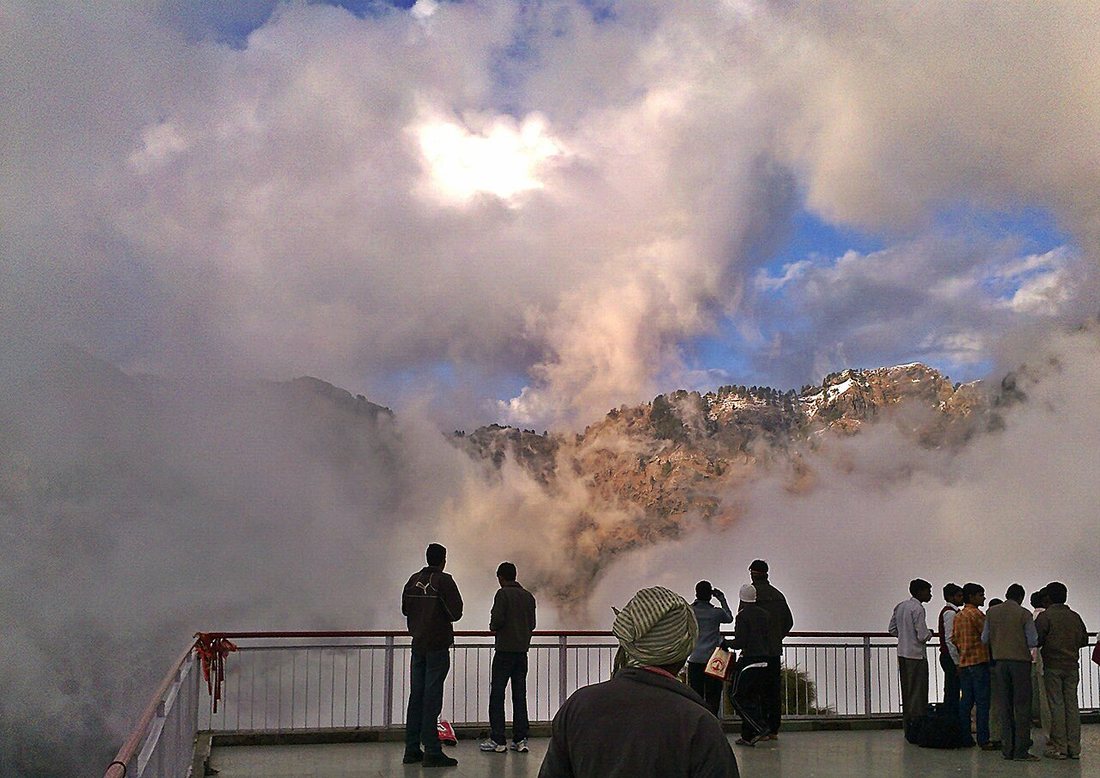
Mata Vaishno Devi & Katra — Trikuta Hills Pilgrimage, Bhawan Trek & Helicopter Guide
Jammu Region →
Dera Baba Banda Bahadur — 300-Year-Old Sikh Gurudwara Above the Chenab River
Jammu Region →
Jhajjar Kotli — Crystal Shivalik Stream, Picnic Riverside & Katra Highway Halt
Jammu Region →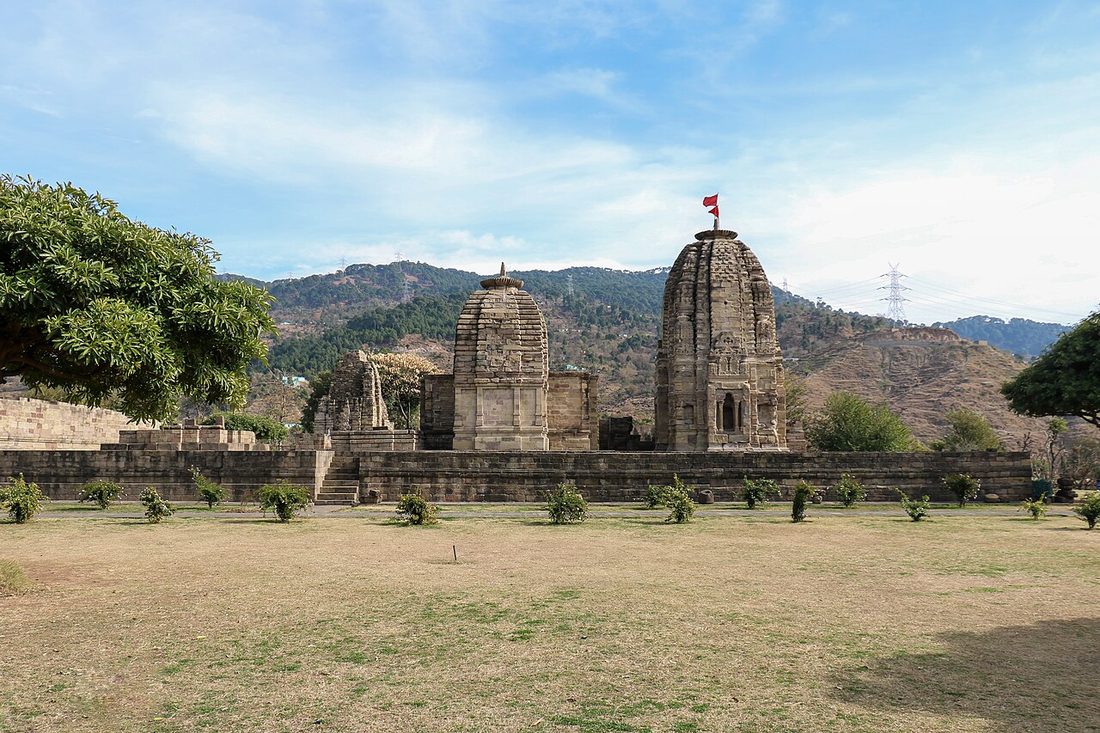
Udhampur — Krimchi Pandava Temples, Devika River & Shivalik Foothills
Jammu Region →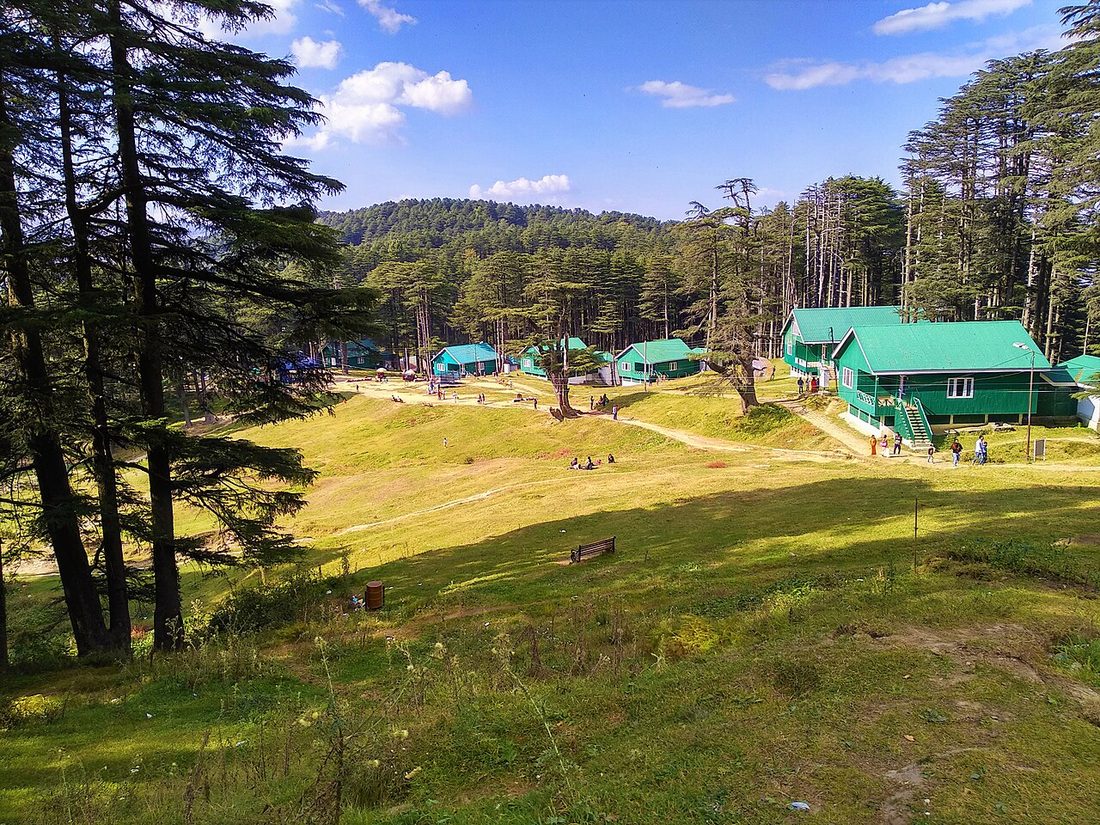
Patnitop — Deodar Pine Plateau, Nathatop Ridge & Jammu’s Classic Hill Station
Jammu Region →