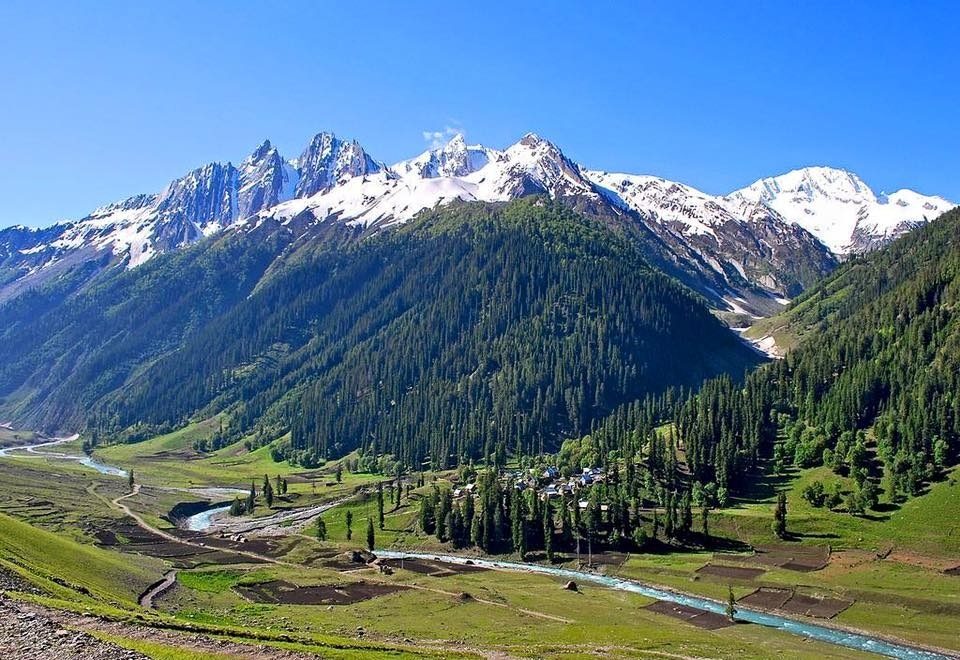
Nothing prepares first-time visitors for the moment the Airbus banks hard between ochre granite ridges and drops onto the runway of Kushok Bakula Rimpochee Airport at seven in the morning. Stepping down the airstairs at 3,500 meters (11,500 feet), you feel two sensations instantly: air so sharp and dry it tingles inside your nostrils, and sunlight so blindingly bright against bare brown rock that you reach for dark sunglasses before you even clear baggage claim. Welcome to Leh Ladakh—a high-altitude rain-shadow desert wedged between the Karakoram, Ladakh, Zanskar, and Great Himalayan ranges where elevations stretch from 2,700 meters in deep river troughs to glaciated peaks surpassing 7,600 meters.
Over fifteen summers driving overland convoys out of Srinagar and meeting morning flights at Leh, I have learned one iron law about this place: Ladakh rewards patience and punishes haste. Travelers who respect the altitude, linger two quiet mornings over salted butter tea in Leh Main Bazaar, and let the geography unfold slowly return transformed. Those who race off the plane straight toward 5,300-meter mountain passes end up pale, nauseous, and hooked to an oxygen cylinder by evening.
Rule Zero in Leh: The Mandatory 48-Hour AMS Acclimatization Protocol
If you fly directly into Leh from Delhi, Mumbai, Chandigarh, or Srinagar, your body jumps from sea level (or 1,585 meters in Srinagar) to 3,500 meters in sixty minutes. Oxygen molecules are roughly one-third sparser here. Acute Mountain Sickness (AMS) does not care how many marathons you ran last month—fit twenty-five-year-olds drop faster than sixty-year-olds because young travelers push up staircases too fast on Day 1.
Follow the exact field routine used by veteran Himalayan guides and Leh’s Sonam Norboo Memorial Hospital doctors:
- First 24 Hours — Full Horizontal Rest: Check into your Leh hotel, pull the curtains half shut, drink warm water or lemon-ginger tea, and sleep through the afternoon. Skip Shanti Stupa’s 500 steep concrete steps on arrival day! Even a brisk walk up from Fort Road to Changspa can trigger a throbbing frontal headache by midnight.
- Hydration & Light Meals: Aim for 3.5 to 4 liters of fluid daily (plain water, ORS electrolytes, hot garlic soup, or traditional salty gur-gur chai). Avoid alcohol, smoking, and sedative sleeping pills completely during your first 72 hours—all three depress nighttime breathing rate when oxygen drops lowest.
- Second 24 Hours — Gentle Lower-Altitude Sightseeing: Use Day 2 for low-exertion cultural touring west of Leh down the Indus corridor toward Nimmu (3,150 m) and Alchi (3,100 m), descending slightly in altitude rather than climbing. Save high passes—Khardung La (5,359 m) and Chang La (5,360 m)—strictly for Day 3 onward.
- Check Before You Climb: Carry a compact fingertip pulse oximeter. Resting SpO2 in Leh typically settles between 86% and 93%. If you develop severe splitting headaches unresponsive to mild paracetamol, repeated vomiting, slurred speech, or chest rattling, stop ascending immediately and consult SNM Hospital in Leh. Discuss preventive Acetazolamide (Diamox) with your personal physician before departure if you have a history of altitude sensitivity.
Want to sidestep flight-induced altitude shock almost entirely? Drive overland from Srinagar via Sonamarg’s Sind Valley and Zoji La, sleep one night in Kargil at 2,676 meters, and roll into Leh on Day 2 afternoon. Your red blood cells adjust gently step-by-step, which is why seasoned European and Indian road trippers swear by our Srinagar-to-Leh trans-Himalayan road trip route over the steeper Manali–Sarchu highway.
Leh Town: Mud-Brick Palaces, Peace Stupas & Main Bazaar Culture
Once your lungs adjust on Day 2, Leh town reveals a captivating Old Silk Road soul beneath its trekking shops and German bakeries. Long before paved roads crossed the Himalaya, caravans carrying Pashmina raw wool, Yarkandi carpets, Chinese brick tea, and Kashmiri saffron converged inside Leh’s narrow alleyways, fostering a deeply rooted coexistence between Tibetan Buddhists and Ladakh’s historic Muslim communities.
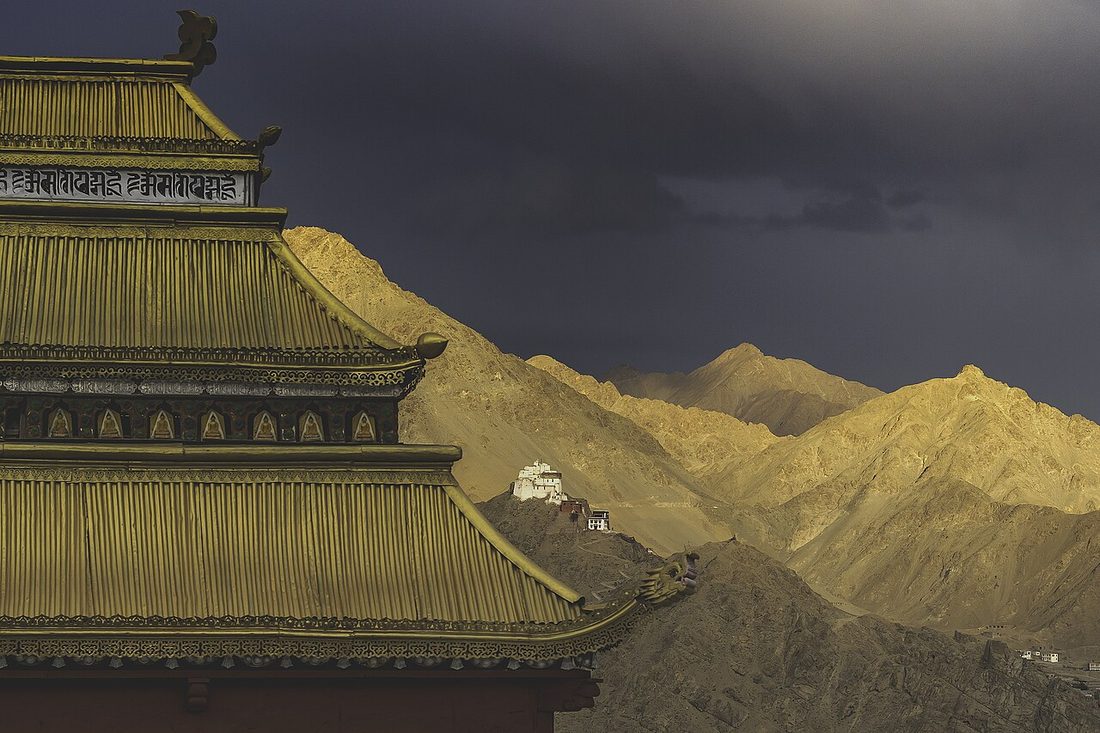
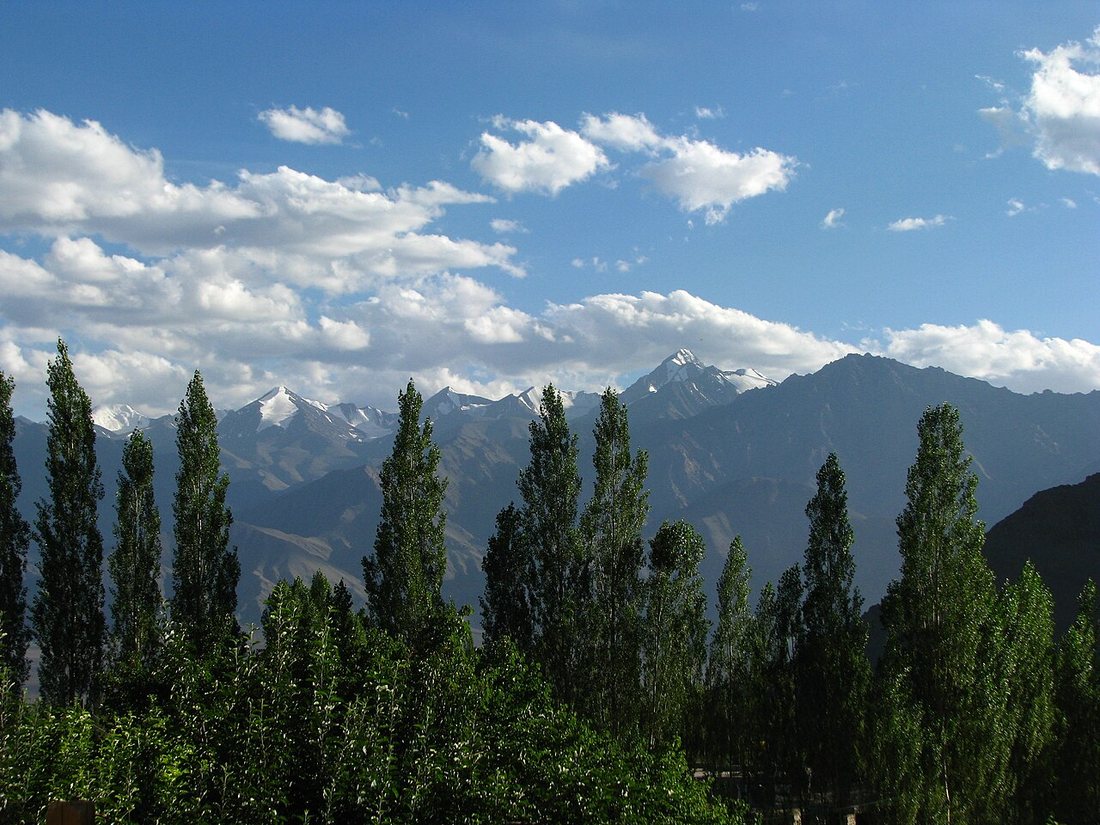
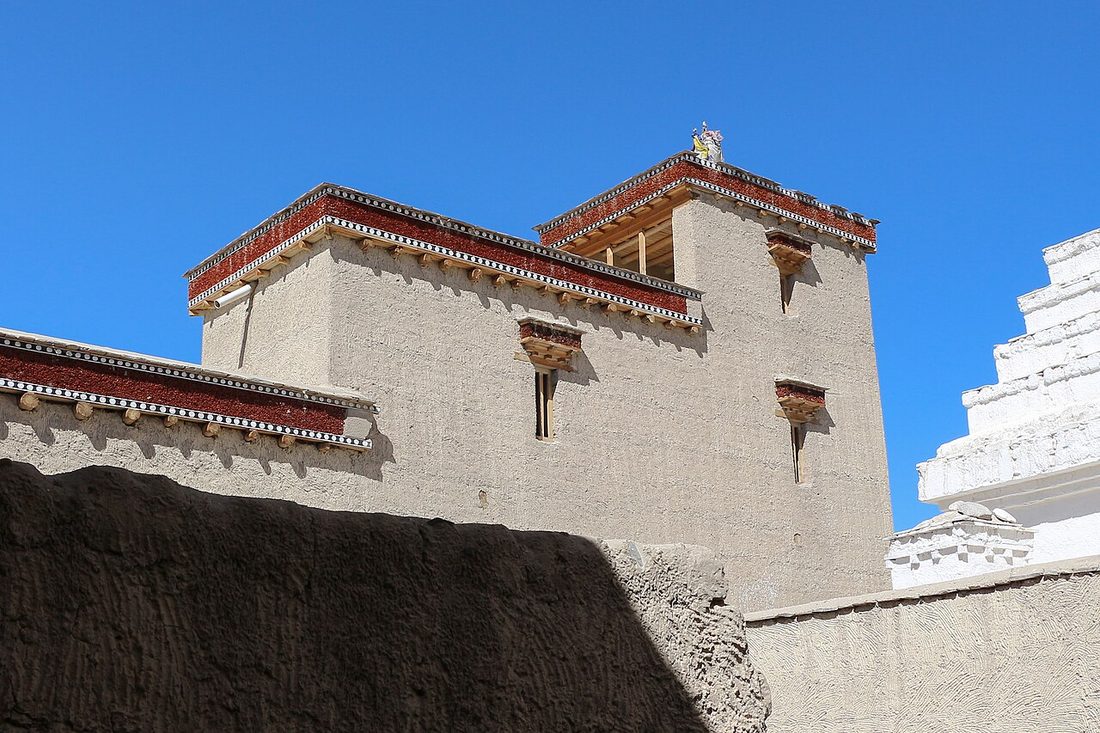
Towering nine stories above Old Leh stands Leh Palace (Lhachen Palkhar), constructed in the early 1600s by King Sengge Namgyal in the architectural lineage of Lhasa’s Potala Palace. Climb through dim wooden ladders to the upper wind-swept rooftops for sweeping panoramas of the jagged snow wall of the Stok Kangri range across the Indus plain. Immediately behind the palace, a steep ridge trail climbs to Namgyal Tsemo Gompa (1430), where red-brick shrine rooms and a huge golden Maitreya watch over evening prayer flags.
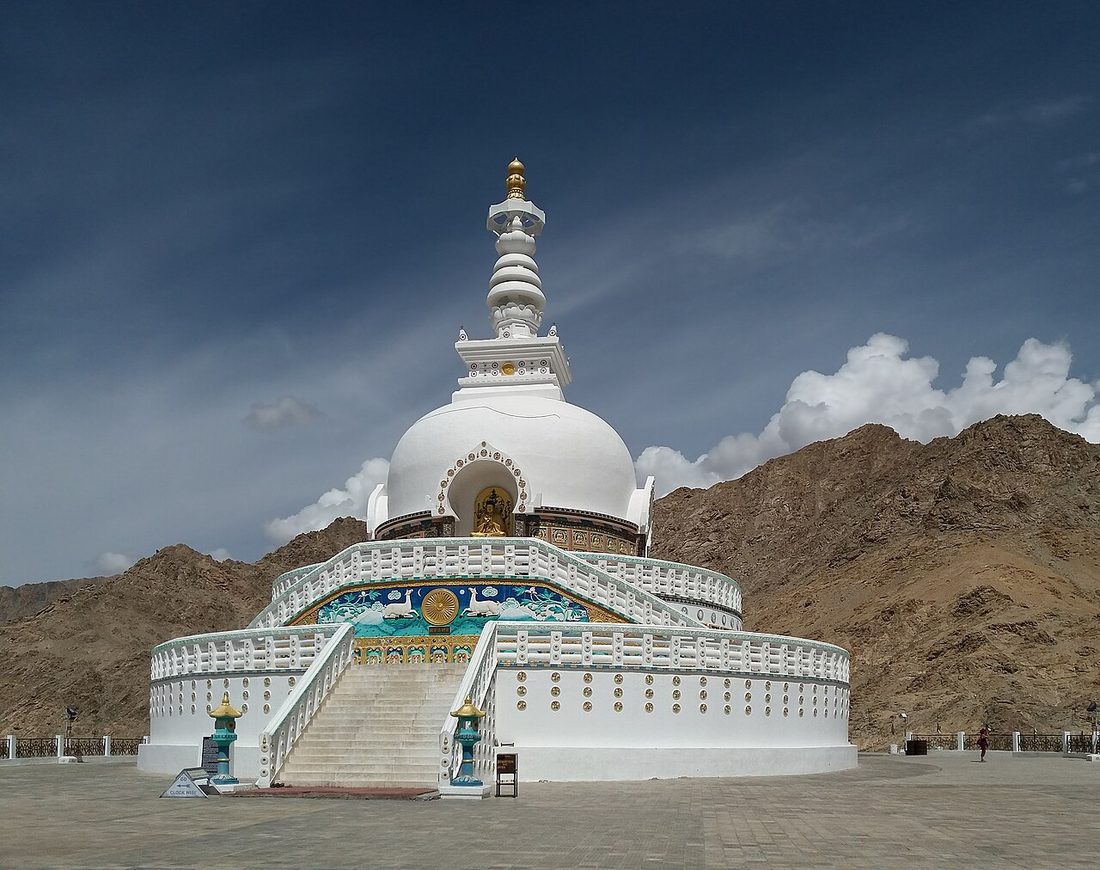
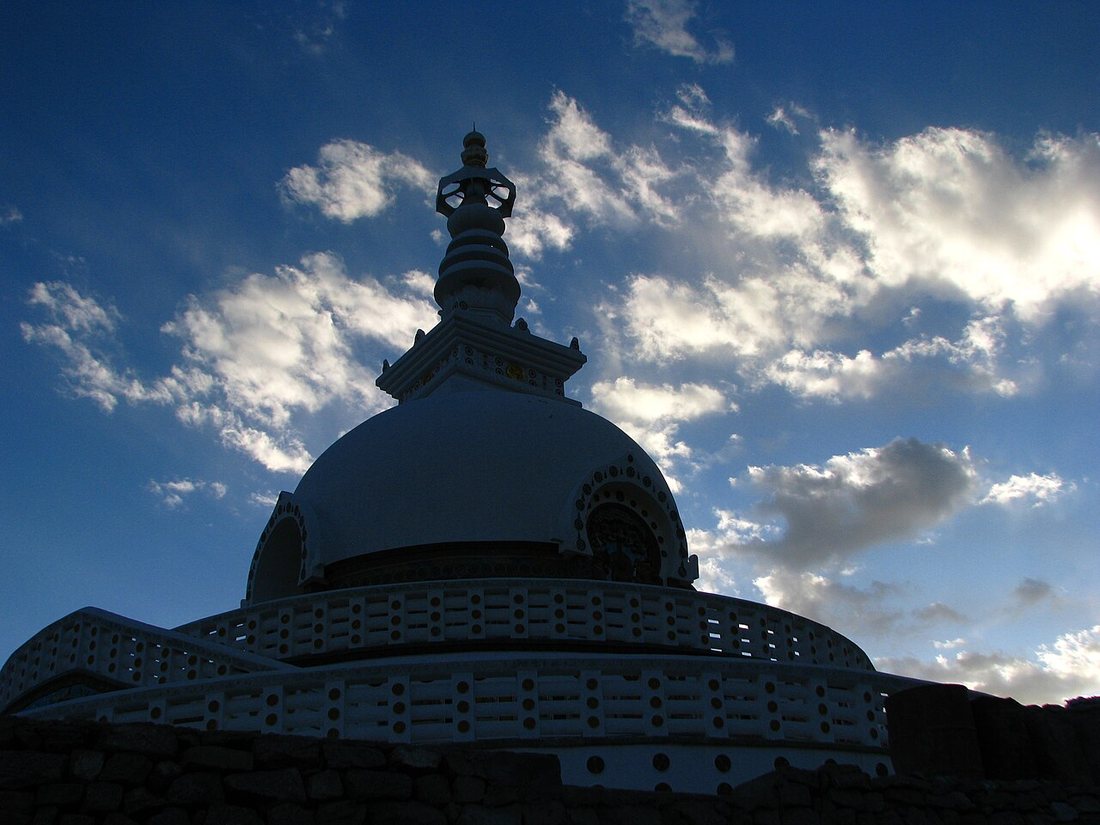
Across town on a craggy spur above Changspa village gleams the whitewashed dome of Shanti Stupa, built jointly by Japanese and Ladakhi Buddhist monks in 1991. Drive up via the paved road (skipping the exhausting staircase on early days) roughly an hour before sunset—alpenglow washes Leh Palace in copper gold while twilight shadows flood the barley fields below.
Down in the car-free cobblestone promenade of Leh Main Bazaar, pull up a wooden stool at a family-run Ladakhi kitchen rather than settling only for pizza cafes. Order steaming brass bowls of thukpa (hand-pulled noodle soup rich with local mutton or mountain greens), plump steamed momos with fiery walnut-chili chutney, hearty barley-dough stew called skyu, or chewy sourdough flatbread known as khambir smeared with tangy local apricot jam. Wash it down with a cup of hot pink-tinted gur-gur chai (churned butter tea with yak butter and rock salt—an absolute lifesaver against dry desert lips) or sweet bright-orange sea-buckthorn juice pressed from Ladakh’s spiky wild river berries.
West & East of Leh: The Classic Indus Valley Monastery Circuits
No corner of the Indian Himalaya preserves living Vajrayana Buddhist art and ritual with the density of the Indus Valley flanking Leh. Split sightseeing logically into two easy half-day drives—west along NH-1 toward Sham Valley, and east along the Leh–Manali axis.
Western Corridor: Hall of Fame, Magnetic Hill, Sangam & Sham Valley
Barely four kilometers out on the Srinagar highway stands the Indian Army’s sobering Hall of Fame Museum, honoring soldiers who fought in Siachen and Kargil with high-altitude mountaineering gear, war letters, and a moving sunset flag-lowering ceremony. Continuing west past Spituk Gompa, stop at Gurudwara Pathar Sahib (managed impeccably by army personnel, serving hot sweet chai and halwa to passing travelers) and test the famous optical gravity illusion at Magnetic Hill—where the surrounding mountain slope tricks your eyes into believing a car in neutral rolls uphill.
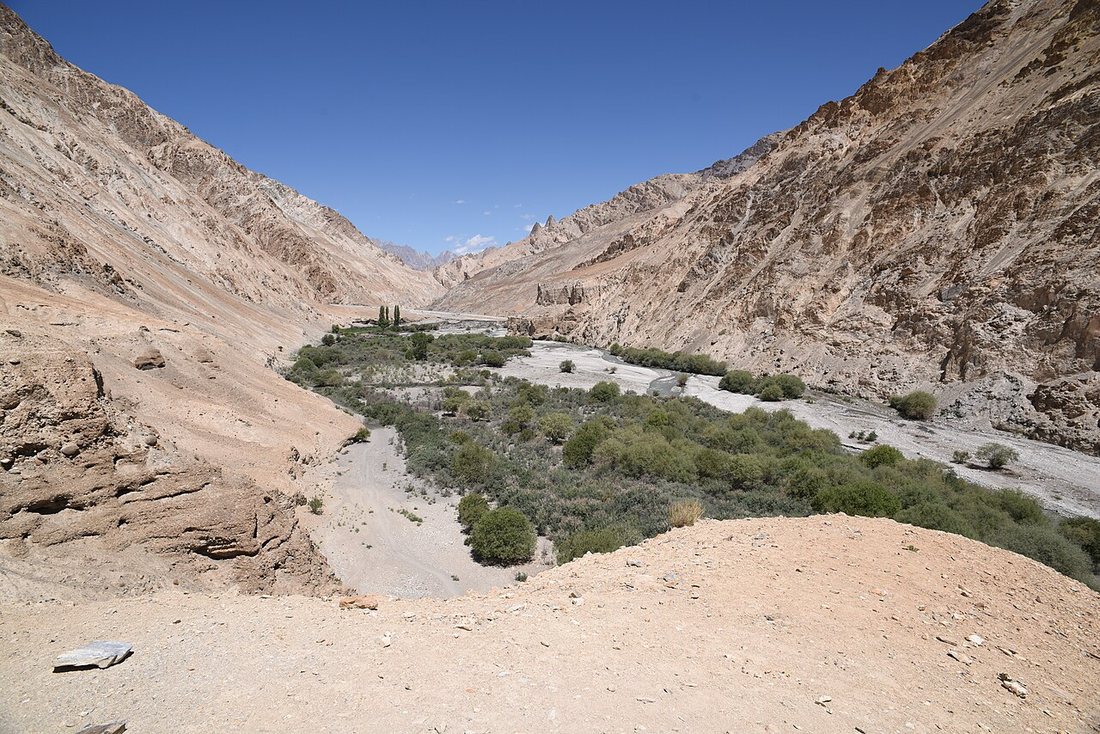
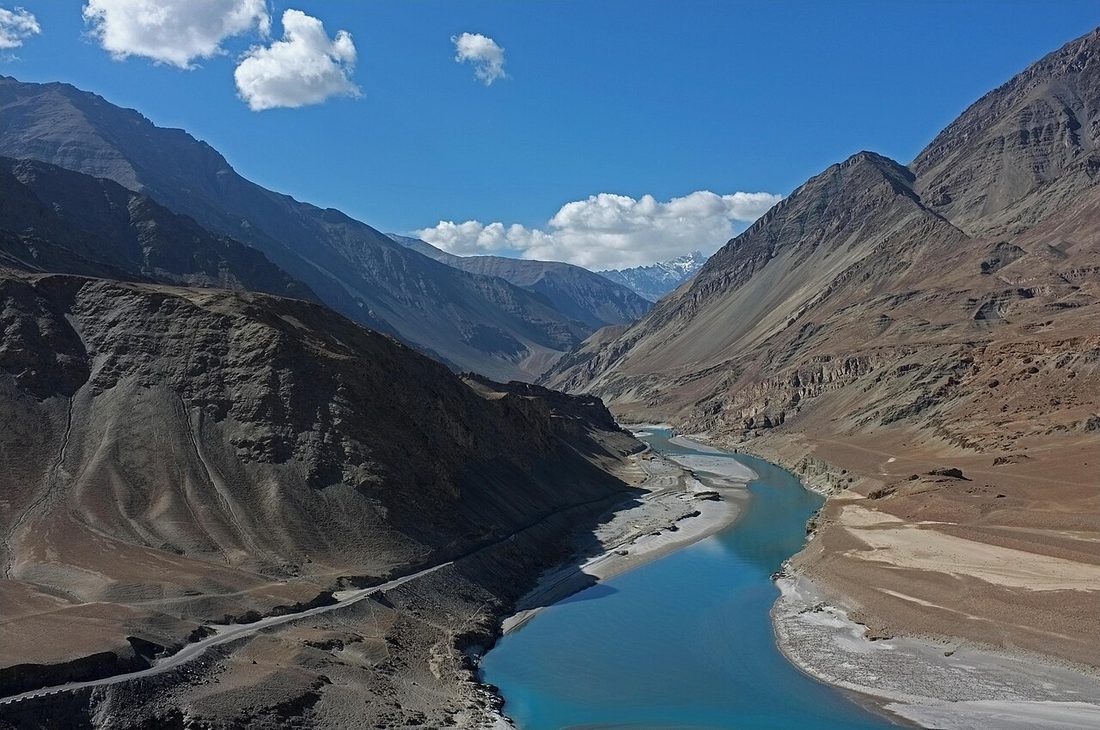
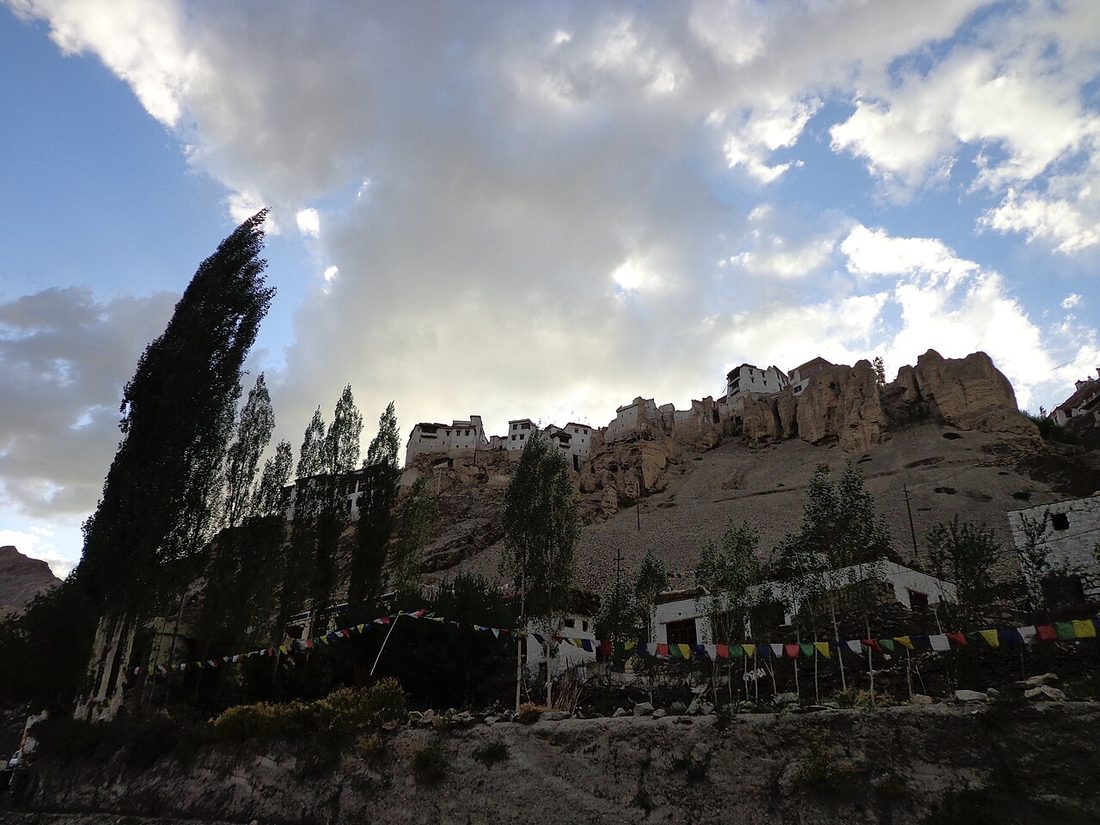
At Nimmu (Sangam), thirty-five kilometers west of Leh, two mighty rivers collide cleanly without mixing for hundreds of yards: the glacier-green Indus flowing from Tibet meets the silt-heavy, slate-blue Zanskar River emerging from its deep canyon. From here, continue deeper into Lower Ladakh to explore the thousand-year-old Kashmiri-carved murals of Alchi Choskor and secluded Rizong Gompa, or push all the way to the eroded yellow clay craters of Lamayuru (“Moonland”)—one of the oldest monasteries in Ladakh.
Eastern Corridor: Shey Palace, Thiksey & Hemis Gompa
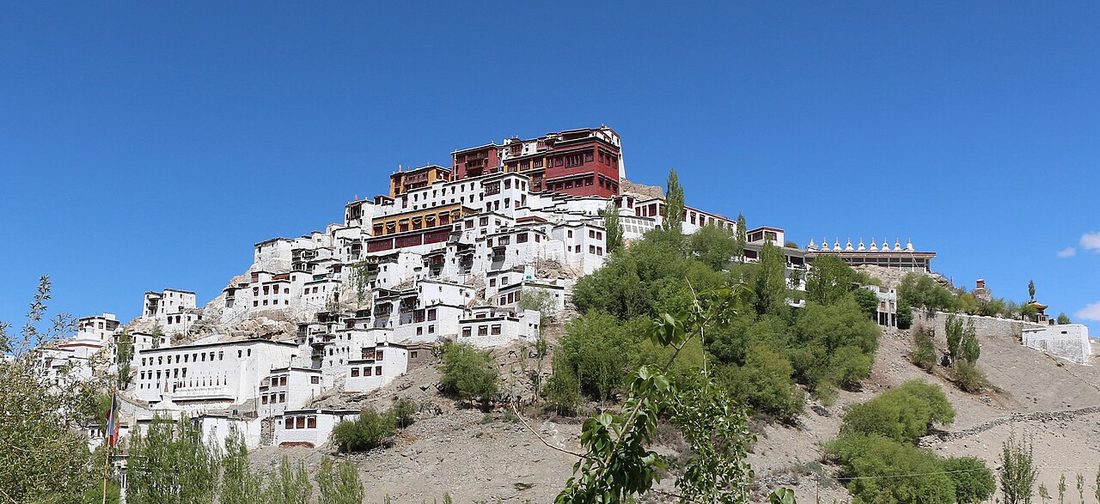
Heading southeast along irrigated willow groves, stop first at Shey Palace—the former summer capital of Ladakh’s kings, housing a towering 12-meter gilded copper Shakyamuni Buddha seated quietly across three levels. Five kilometers further rises the unmistakable twelve-story white-and-ochre cascade of Thiksey Monastery, frequently compared to Lhasa’s Potala. Arrive at 6:30 AM to sit silently on wool cushions during morning chanting as deep brass dungchen horns echo off the courtyard, then step inside the Maitreya temple to stand face-to-face with Thiksey’s luminous 15-meter Future Buddha.
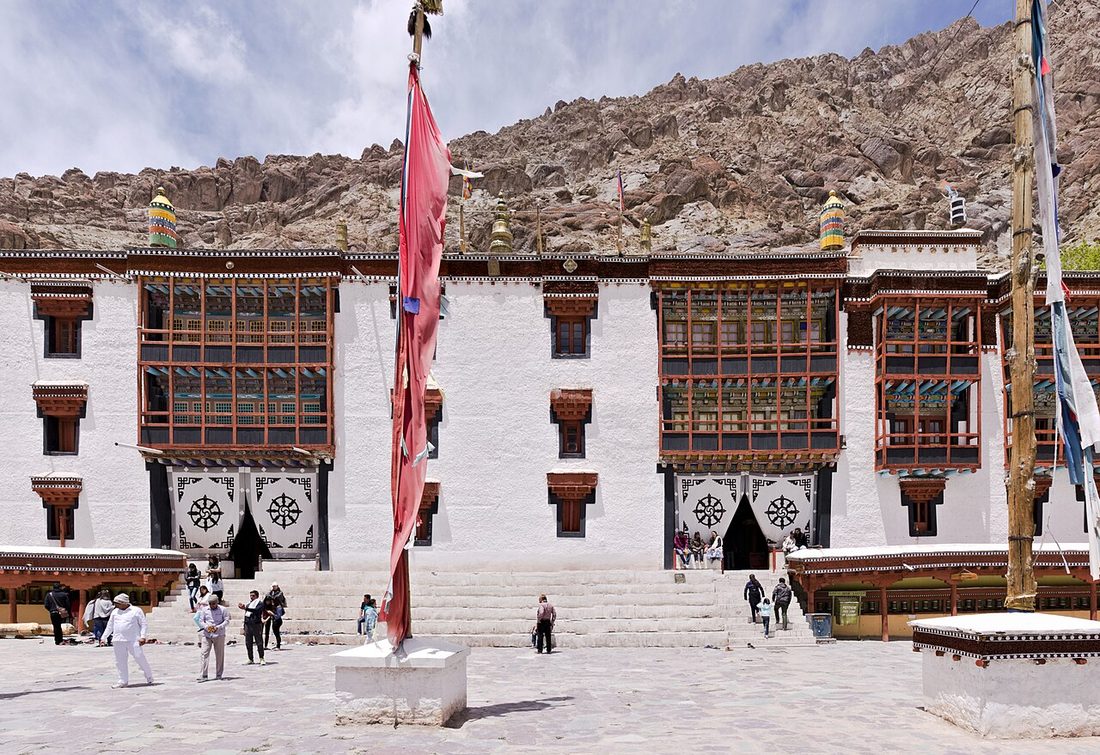
Tucked inside a hidden rocky gorge forty-five kilometers southeast of Leh lies Hemis Monastery, Ladakh’s richest and largest Drukpa Kagyu gompa (re-established in 1672). Its underground museum exhibits centuries-old silver stupas, ritual masks, and embroidered silk thangkas, while its sun-drenched courtyard explodes into colorful masked Cham dances every June or July during the celebrated Hemis Tsechu Festival.
Beyond Leh: Nubra, Pangong, Zanskar & High-Altitude Treks
Leh itself is simply basecamp. Every classic 6- to 8-day Ladakh loop fans outward across dizzying mountain passes into valleys that feel like separate worlds:
- Nubra Valley (3,048 m): Cross Khardung La (5,359 m) to drop 450 meters lower than Leh into silver sand dunes at Hunder, double-humped Bactrian camels, Diskit’s colossal hilltop Maitreya, and the apricot-scented Balti border village of Turtuk.
- Pangong Tso Lake (4,225 m): Drive directly across the dramatic Shyok River corridor from Nubra—or over Chang La (5,360 m) from Leh—to watch a 134-kilometer saline lake shift from silver to electric turquoise to deep cobalt beneath icy starry nights.
- Zanskar Valley (3,650 m): For expedition travelers with extra days, penetrate Ladakh’s remote copper-walled southwest across Pensi La and Drang Drung Glacier to reach Padum and cliff-hanging Phugtal Gompa.
- Classic Himalayan Treks & Cold-Desert Wildlife: Ladakh contains virtually no dense forests, yet its stark plateaus support hardy wildlife that rewards keen eyes: shaggy domesticated and wild yaks, herds of chestnut-backed kiang (Tibetan wild ass) racing across Changthang plains, elusive bharal (blue sheep), declining pockets of Ladakh urial along lower Indus crags, golden Himalayan marmots, rare black-necked cranes nesting around Tso Kar and Hanle wetlands, and apex snow leopards tracked during winter in Hemis National Park. Trekkers choose between the beloved 6-day Markha Valley homestay trek, the rigorous Nubra–Digar La (5,250 m) / Wari La overland traverse connecting Sabu pastures with the Karakoram rim, or the frozen-river Chadar Trek down the ice-locked Zanskar gorge each January.
Season-by-Season Guide: When to Visit Leh Ladakh
Ladakh’s weather can pivot from glaring 25°C sunshine to a sharp hail squall within twenty minutes. Because the air holds almost no moisture, you can get severe UV sunburn on your nose and ears while your fingers freeze in the shade. Always pack layered fleeces, a windproof shell, polarized sunglasses, lip balm, and SPF 50 sunscreen regardless of month.
| Season Window | Day / Night Temps (Leh) | Highways & Passes | Crowds & Pricing | Best Experiences |
|---|---|---|---|---|
| Apr – Mid-May (Apricot Spring) | 10°C to 18°C / -2°C to 4°C | Zoji La opens late Apr/May; Manali closed till late May; Khardung La open | Low crowds, sweet shoulder rates | Pink apricot blossoms in Sham Valley & Turtuk; crystal snow walls on passes |
| Late May – Aug (Peak Summer) | 18°C to 27°C / 6°C to 12°C | Both Srinagar & Manali highways open; all passes & lakes accessible | Peak season; book hotels & cabs early | Nubra–Pangong–Tso Moriri circuits, Hemis Festival, Markha & Stok treks, rafting |
| Sep – Mid-Oct (Golden Autumn) | 12°C to 20°C / 0°C to 6°C | Roads mostly open; early snow dustings on Chang La & Baralacha La | Moderate crowds; photographer favorite | Blazing gold poplar & willow leaves, clear cobalt skies, Ladakh Festival in Sep |
| Nov – Mar (Deep Winter) | -4°C to 5°C / -12°C to -22°C | Srinagar & Manali highways snowbound; flights only into IXL | Very quiet; heated homestays & select hotels | Frozen Pangong Lake, Chadar Zanskar ice trek, Ulley snow leopard expeditions |
Ready-Made 2026 Leh Ladakh Circuit with Acclimatization Built In
Our 6N/7D Ladakh itinerary spaces out Leh rest days, Sham Valley heritage, Hunder sand dunes, and Pangong stargazing with Leh-registered Innova cabs, Inner Line Permits, and oxygen backup onboard.
Ground Rules Every Traveler Must Know Before Landing in Leh
Even well-traveled Indians get tripped up by four uniquely Ladakhi logistical realities. Sort these out before boarding your flight:
- Leh Taxi Union Regulations: Non-Ladakh registered commercial taxis (including Srinagar or Manali yellow-plate cabs) and rented out-of-state self-drive vehicles are only permitted to drop you at your Leh hotel—they cannot operate local circuits to Nubra, Pangong, Tso Moriri, or Sham Valley. Local sightseeing must use Leh-registered union cabs or locally rented Leh motorcycles (private white-plate cars driven personally by their registered owner are exempt).
- Permits (Inner Line Permit / Environmental Fee): Indian citizens pay the Ladakh Environmental & Wildlife Development Fee online via the LAHD Leh portal (around ₹400–₹600 plus small daily wildlife fee) before crossing Khardung La, Chang La, or visiting Turtuk, Hanle, and Tso Moriri. Foreign nationals require a Protected Area Permit (PAP) arranged through a registered local agency for groups of two or more. Carry 4–5 printed photocopies—checkposts at South Pullu, Karu, and Tangtse collect physical slips.
- SIM Cards & Connectivity: Prepaid SIM cards issued outside Jammu & Kashmir and Ladakh do not connect at all in Ladakh! Bring a postpaid Airtel, Jio, or BSNL SIM (BSNL reaches the remotest corners of Zanskar and Changthang, while Jio and Airtel deliver solid 4G/5G in Leh, Diskit, Hunder, and parts of Spangmik).
- Cash Over UPI Outside Leh: Leh Main Bazaar has reliable SBI, J&K Bank, and HDFC ATMs plus widespread UPI acceptance, yet the moment you cross Khardung La or Chang La, mobile data vanishes and machines run dry. Withdraw enough ₹500 and ₹200 notes in Leh to cover all village homestays, camel rides, monastery entry tickets (₹30–₹100), and roadside Maggi stalls.
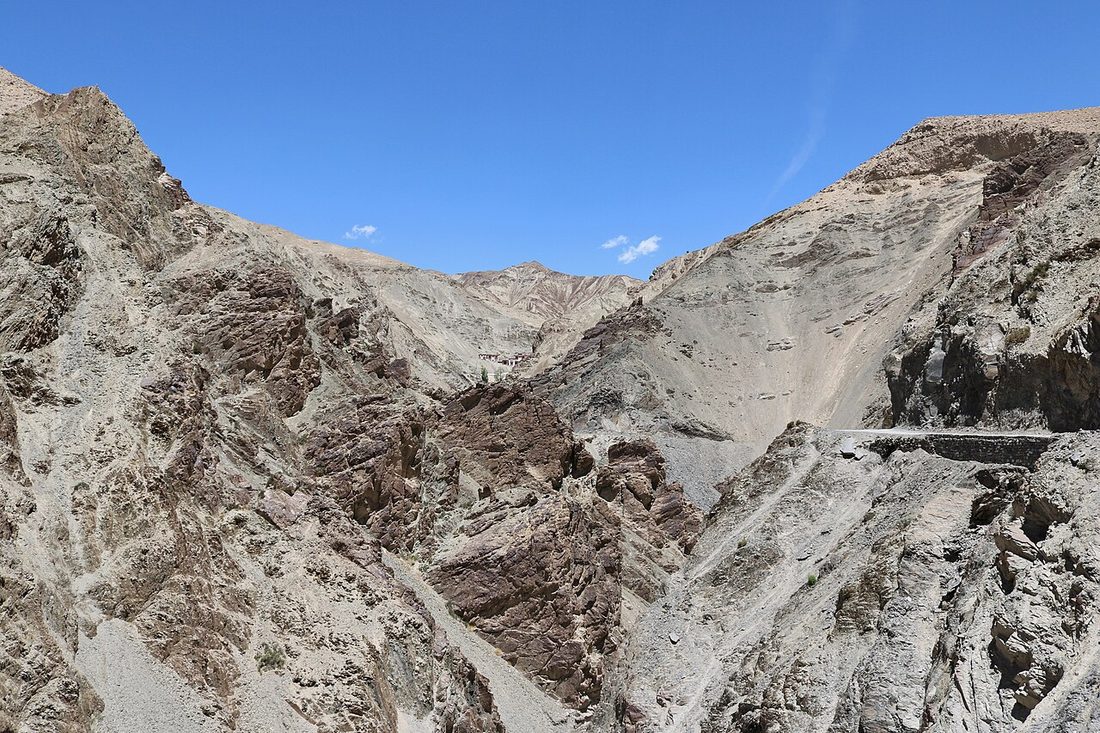
Pick Changspa Road or Upper Tukcha for leafy apricot gardens, quiet boutique hotels, and easy 10-minute strolls to Main Bazaar cafes. Choose Fort Road if you want quick vehicle pickups and central shopping access—and always check whether your hotel has solar/central heating and backup power if traveling in April, May, or October.
Connecting Leh Ladakh with Kashmir Valley
Many couples and families turn a standalone Ladakh vacation into the ultimate Himalayan contrast by combining lush emerald Kashmir with Ladakh’s lunar high desert via our 9N/10D Srinagar-to-Leh Trans-Himalayan Expedition—gliding across Dal Lake on Day 1 and gazing at Pangong’s stars on Day 8. Newlyweds seeking boutique glamping and private lakeside dinners can explore our curated Leh Ladakh Honeymoon Itinerary. Browse all regional guides inside our complete Kashmir, Jammu & Ladakh destination hub, compare every route on our all 40 tour packages page, start from the Kashmir i Tour homepage, or write directly to our local Srinagar & Leh route desk for honest road-opening updates and customized private cab quotes.
Frequently Asked Questions about Leh Ladakh — High-Altitude Passes, Ancient Gompas & Trans-Himalayan Deserts
Recommended Itineraries Including Leh Ladakh — High-Altitude Passes, Ancient Gompas & Trans-Himalayan Deserts
Every route below can be customized from Srinagar, Jammu, or Leh with private cabs and verified local stays.
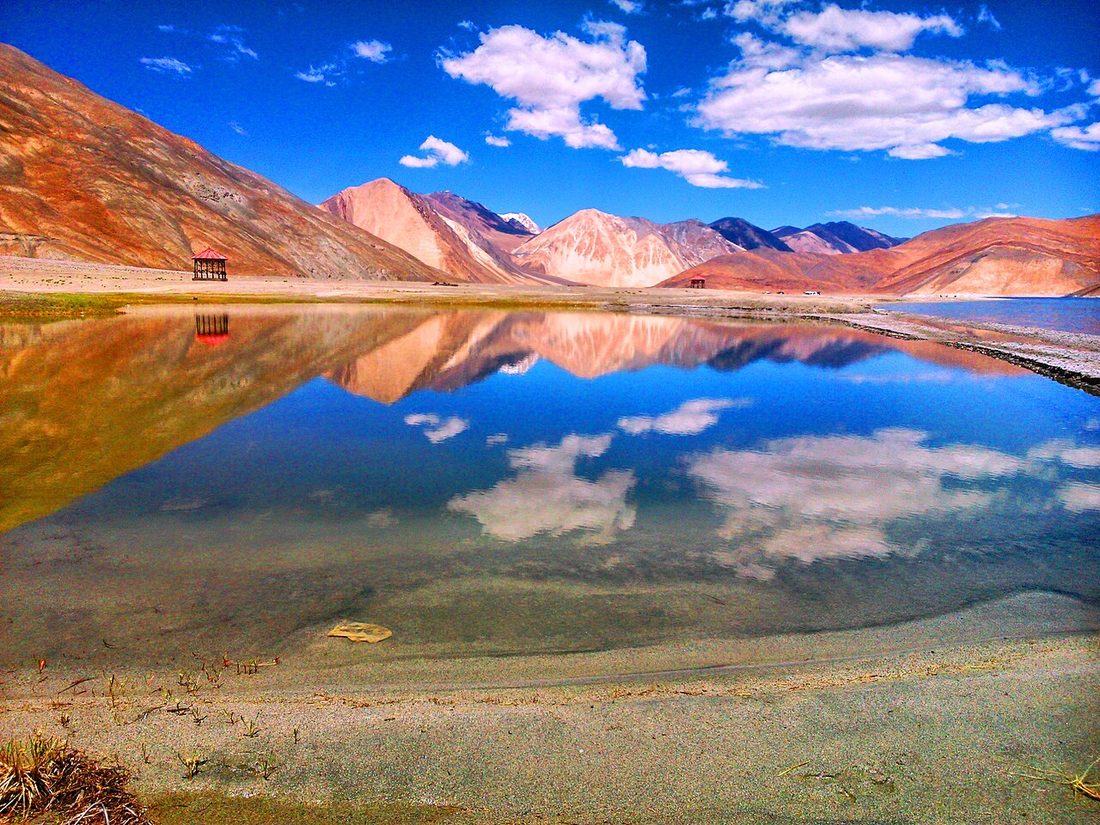
Amazing Leh Ladakh Tour Itinerary (6N/7D: Leh, Sham Valley, Nubra & Pangong)
7 Days • 6 Nights • ₹27,999
Explore Leh, Nubra Valley & Pangong Lake Tour (5N/6D)
6 Days • 5 Nights • ₹24,999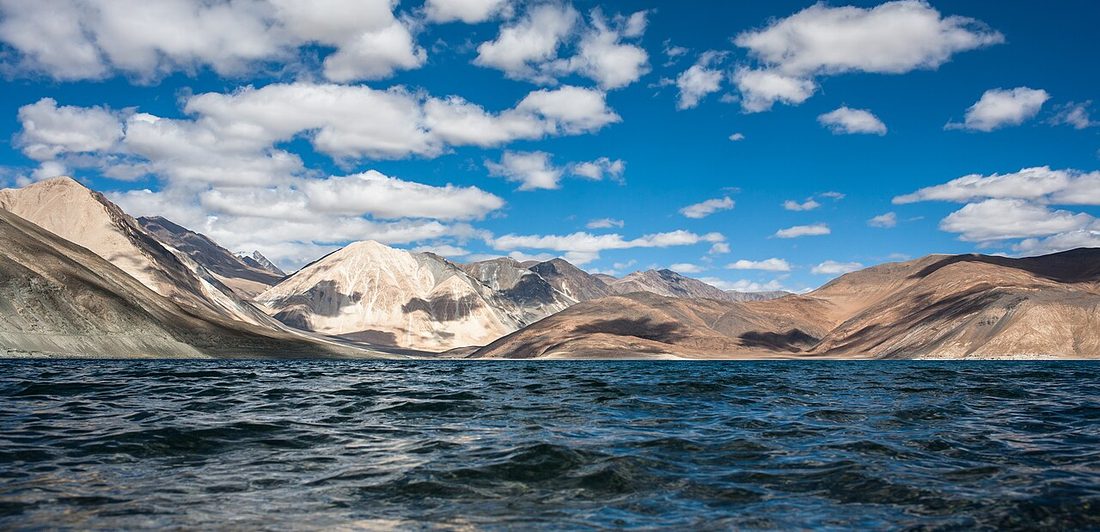
5-Day Leh, Alchi Monastery, Nubra & Pangong Itinerary (4N/5D)
5 Days • 4 Nights • ₹21,500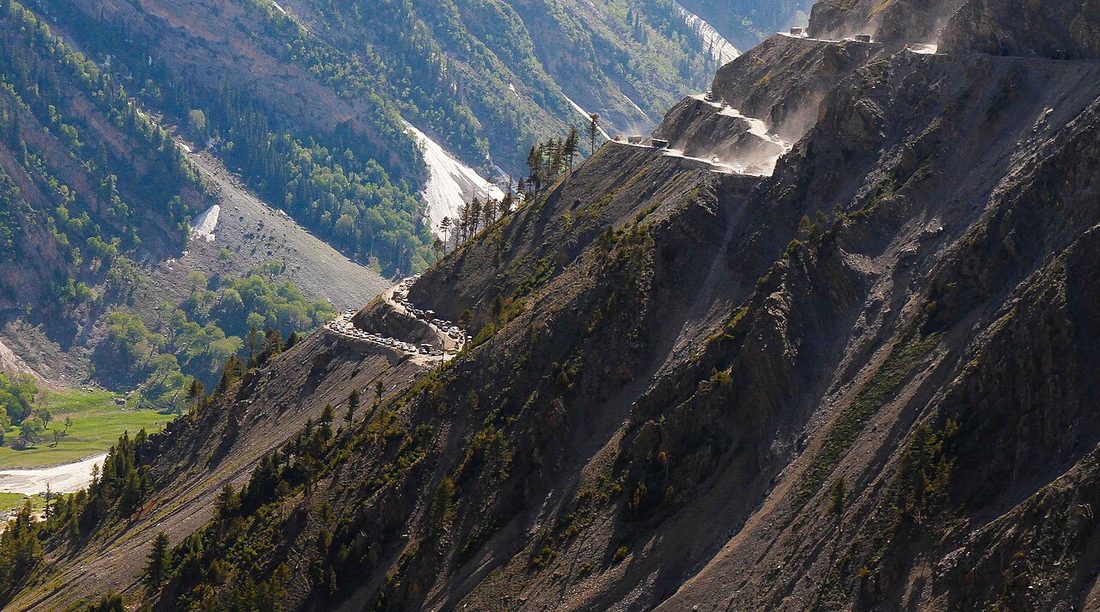
Srinagar to Leh: Kashmir & Ladakh Trans-Himalayan Expedition (9N/10D)
10 Days • 9 Nights • ₹42,999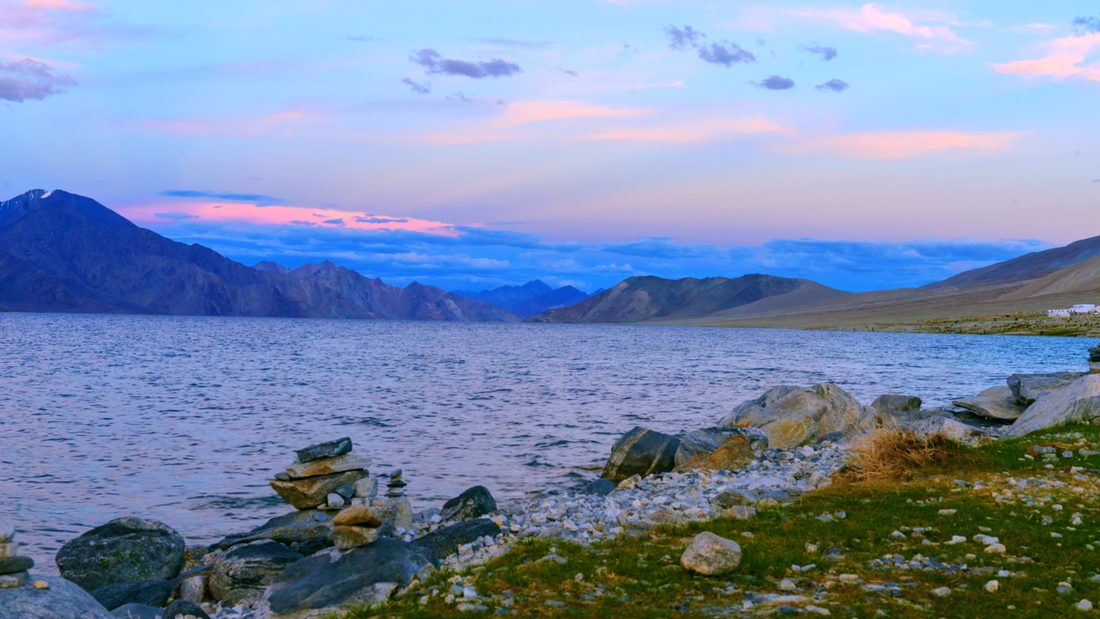
Romantic Leh Ladakh Honeymoon Itinerary (6N/7D Luxury Camps & Stargazing)
7 Days • 6 Nights • ₹34,999Explore Nearby & Connected Destinations
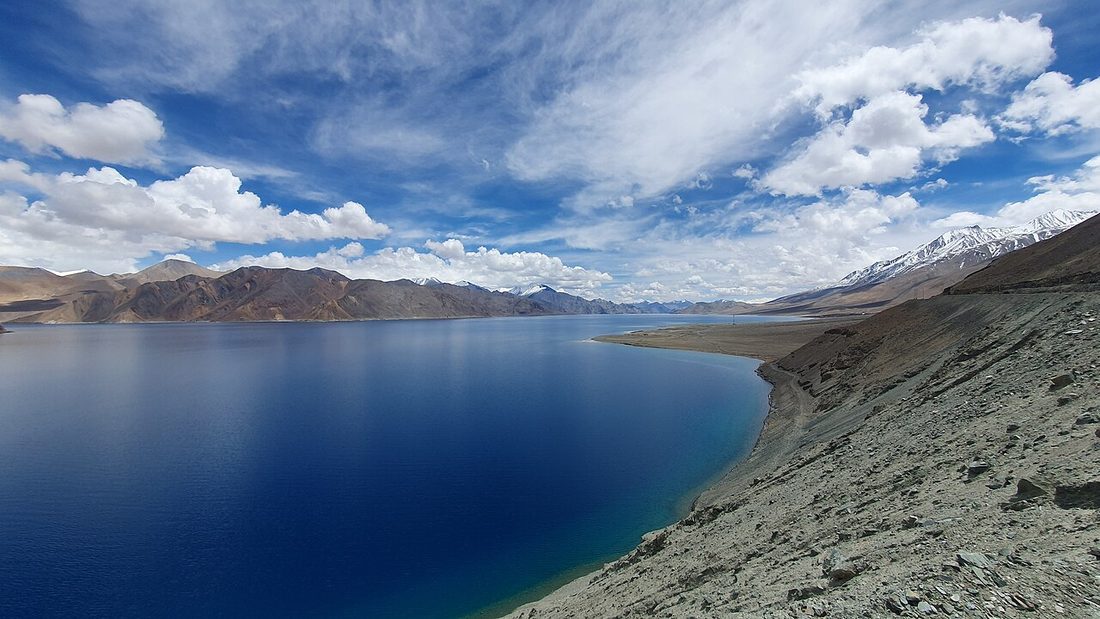
Pangong Tso Lake — Shifting Cobalt Waters, Chang La Pass & Spangmik Stargazing
Leh-Ladakh →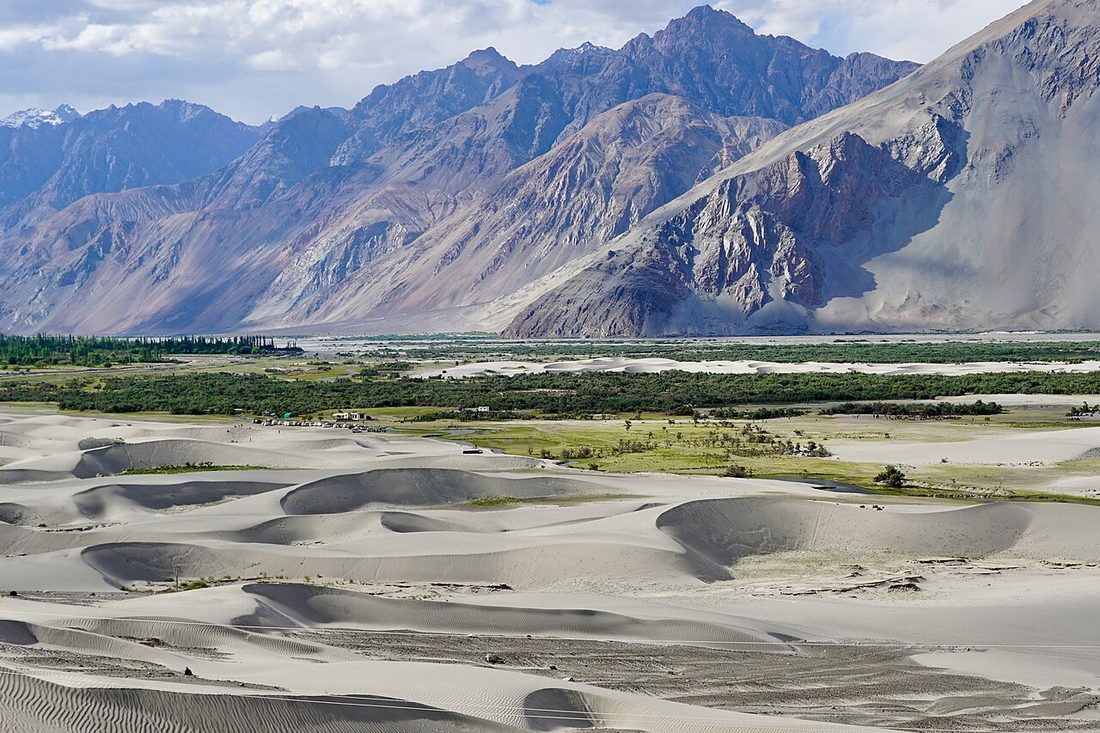
Nubra Valley — Khardung La, Hunder Silver Dunes, Diskit Maitreya & Turtuk
Leh-Ladakh →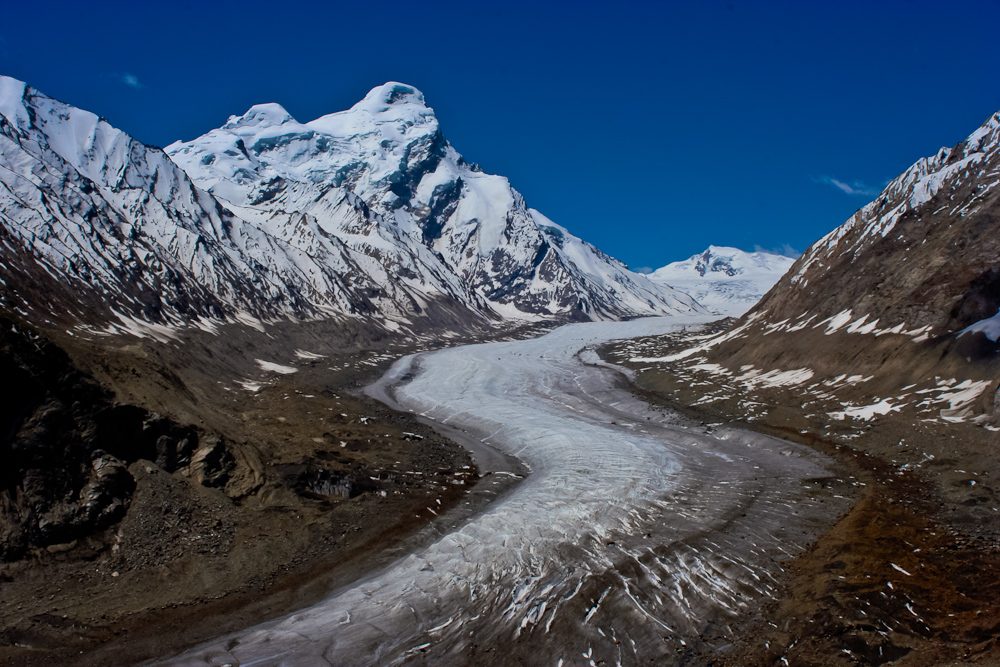
Zanskar Valley — Padum, Phugtal Cliff Monastery, Drang Drung Glacier & Pensi La
Leh-Ladakh →
Kargil — Suru Valley, Nun Kun Peaks, Dras War Memorial & Mulbekh Maitreya
Leh-Ladakh →
Rizong Gompa & Alchi Monastery — 1,000-Year-Old Kashmiri Murals & Sham Valley Heritage
Leh-Ladakh →