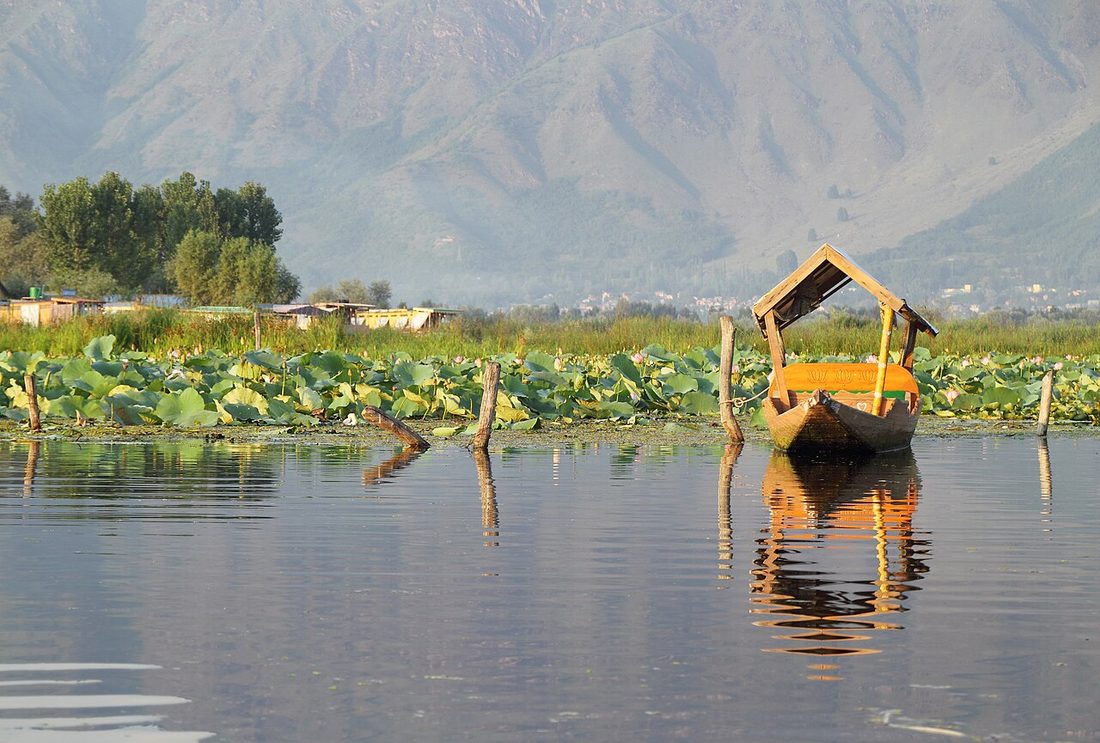
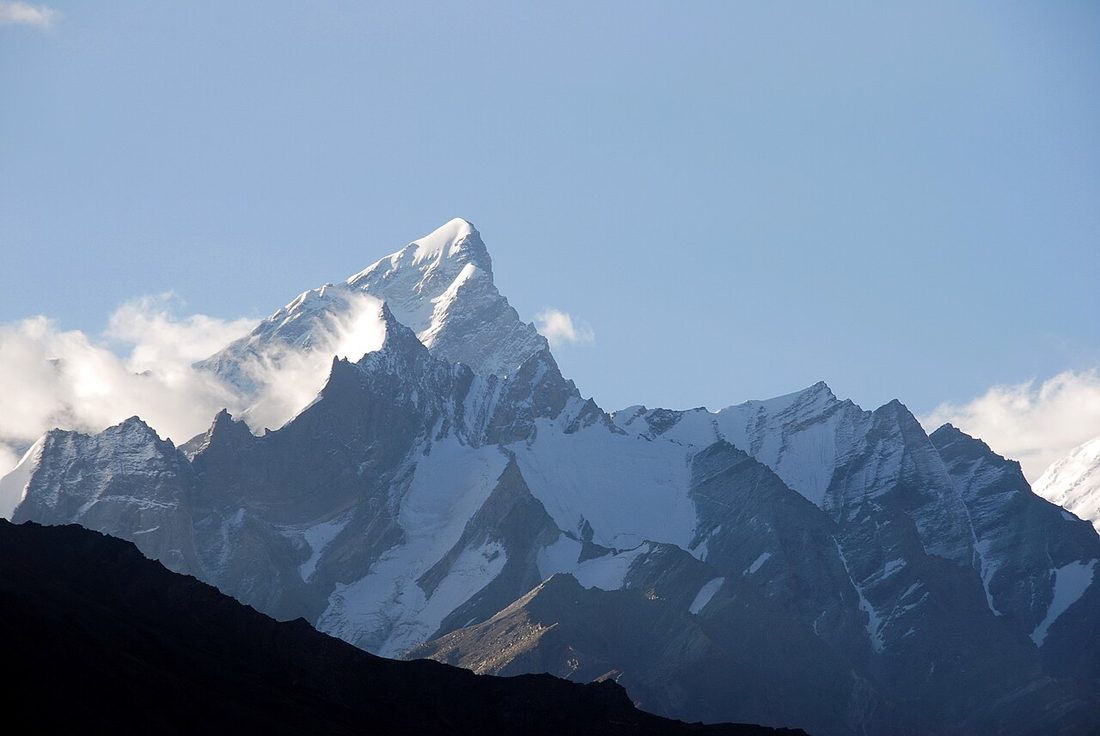
Every summer, thousands of road-trippers rattle into Kargil around eight at night, dust-coated from crossing Zoji La, order a quick plate of mutton rogan josh, collapse into bed, and peel out by seven the next morning without ever glancing past the main highway bypass. Whenever I lead travelers along NH-1, I beg them to give Kargil one honest extra day. Strip away the rushed transit mindset and you discover an extraordinary Silk Road river town sitting cleanly at 2,676 meters (8,780 feet)—framed by the swirling glacial waters of the Suru, Dras, and Wakha rivers, shadowed by twin 7,000-meter ice peaks, and steeped in Purigi, Balti, and Buddhist history.
Positioned almost mathematically midway between Srinagar (204 km west) and Leh (215 km east), Kargil also serves a vital biological purpose on any Kashmir-to-Ladakh road trip. Jumping straight from Srinagar’s 1,585 meters to Leh’s 3,500 meters risks mountain sickness; sleeping a night or two at Kargil’s gentle 2,676 meters lets your lungs acclimatize naturally while rewarding you with Dras War Memorial, the green Suru Valley, the abandoned border hamlet of Hunderman, and Mulbekh’s colossal rock-sculpted Maitreya Buddha.
Crossing Into Kargil: From Sonamarg & Baltal Over Zoji La
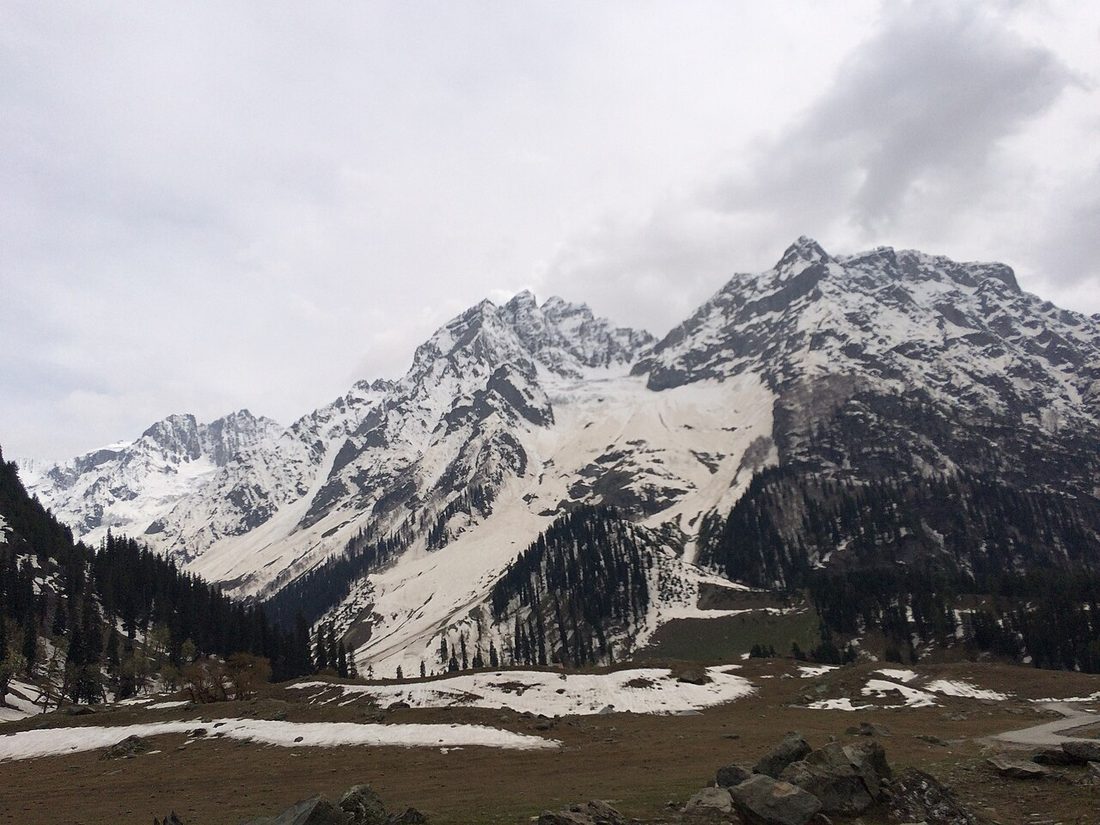
The approach from Kashmir is theater in slow motion. Leaving Srinagar at 6:30 AM, you follow the foaming milky-blue Sindh River up through Sonamarg’s pine-ringed meadows and Thajiwas glacier slopes, climbing past Baltal valley—the northern basecamp of the Amarnath pilgrimage—onto the narrow, thrilling switchbacks of Zoji La Pass (3,528 m). Historically carved straight into sheer shale cliffs above bottomless drops, Zoji La remains snowbound roughly five to six months each winter from December until late April or May (until the monumental all-weather Zoji La Tunnel opens permanently). During open months, Border Roads Organisation teams manage timed one-way convoys so westbound and eastbound trucks do not jam along tight ledges.
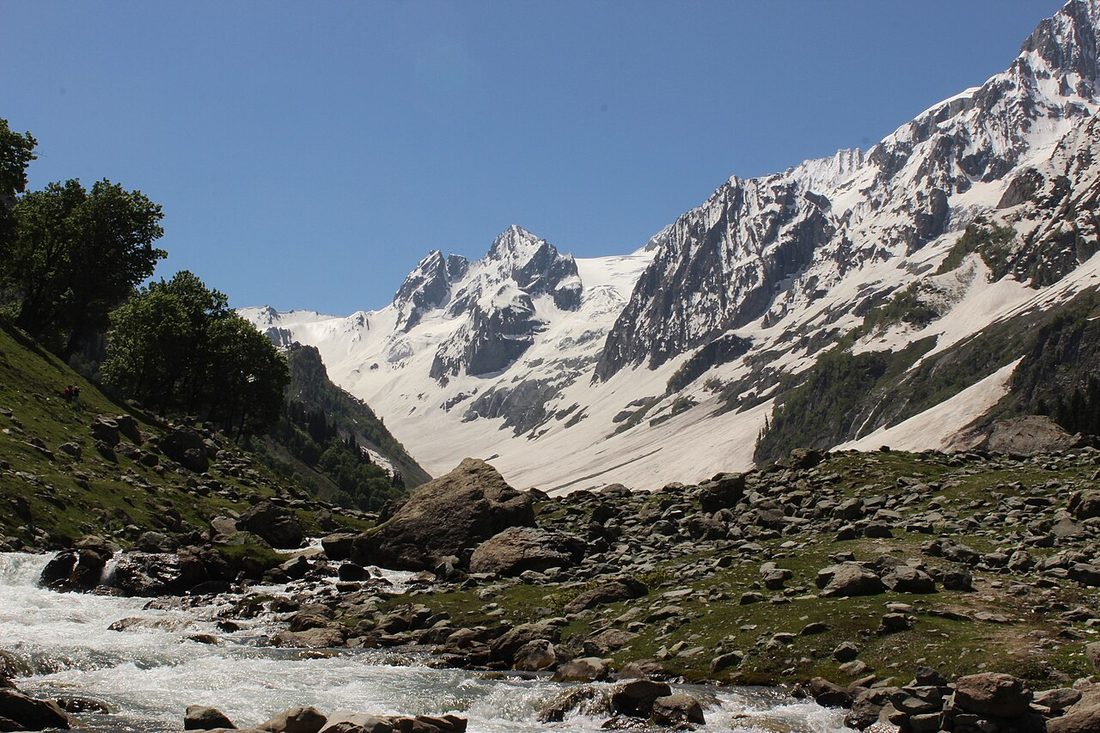
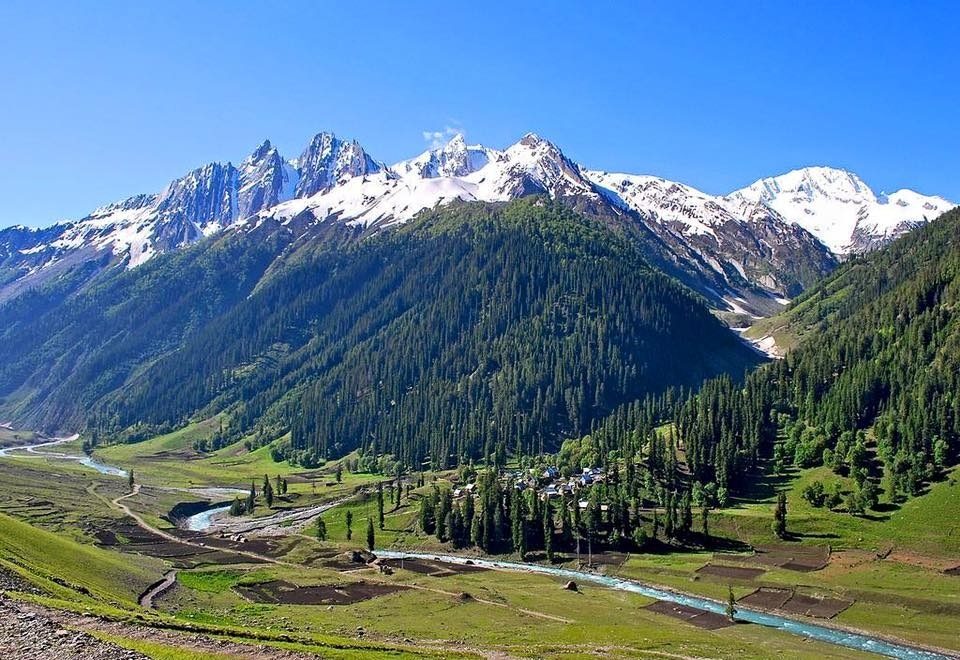
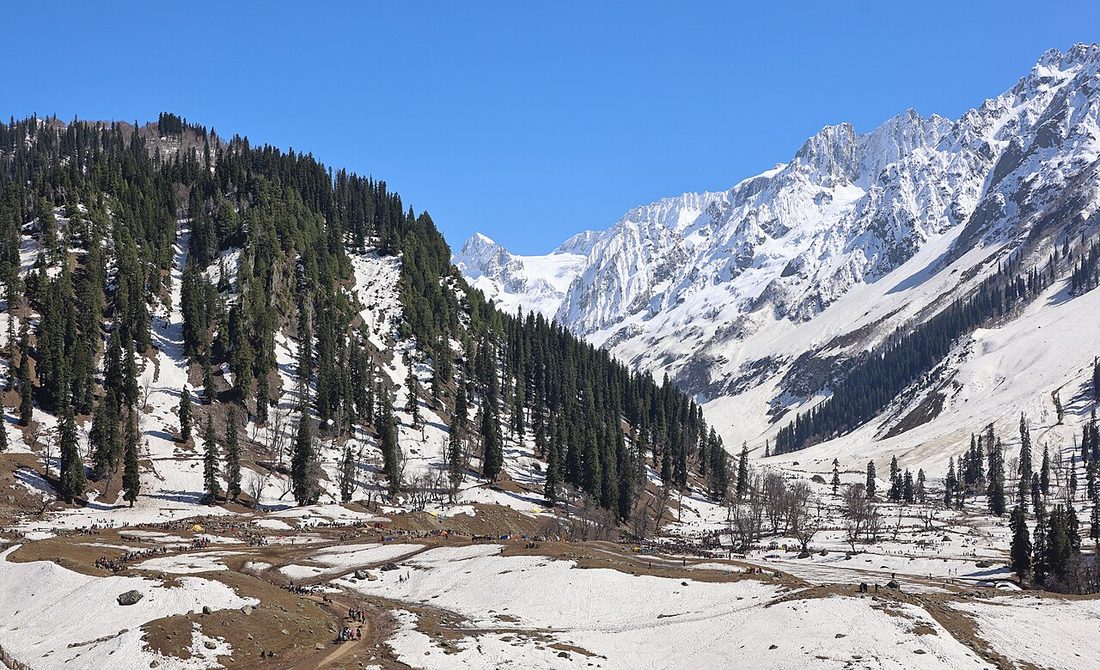
The moment you cross Gumri meadow just past Zoji La’s watershed, pine forests vanish almost like a switch has been thrown. Wet monsoon clouds get blocked behind the Great Himalayan wall, and the world opens into sun-bleached rock plateaus, sweeping barley plains, and the crisp high valley of Dras—famous worldwide as the second-coldest permanently inhabited place on Earth, where bitter January nights plunge toward -35°C to -40°C, yet July afternoons warm pleasantly to 22°C–24°C.
Dras & the Kargil War Memorial: Standing Beneath Tololing & Tiger Hill
Fifty-eight kilometers west of Kargil town, right alongside NH-1 at Bhimbet near Dras, stands the sobering sandstone complex of the Kargil War Memorial, built by the Indian Army to honor the soldiers of Operation Vijay in 1999. Even hardened travelers fall silent walking toward the towering Amar Jawan Jyoti eternal flame and the pink-sandstone Wall of Heroes inscribed with the names of fallen officers and jawans.
What makes the memorial visceral rather than abstract is its backdrop. Look straight up behind the waving tricolor flag and you stare directly at the jagged, nearly vertical rock pyramids of Tololing Hill, Point 4875 (Batra Top), and distant Tiger Hill—knowing men hauled ammunition and rifles straight up those frozen scree walls under enemy artillery fire. Step inside the Captain Manoj Pandey Gallery to read original handwritten letters sent home from the bunkers, view captured enemy equipment, and—if time allows—attend the deeply moving twenty-minute evening audiovisual briefing hosted by serving army personnel. Allow at least ninety unhurried minutes here, and dress respectfully.
Inside Kargil Town: Old Bazaar, Silk Road Museum & Hunderman
Driving east along the turbulent Dras River until it merges with the Shingo and Suru rivers brings you into Kargil town itself—the second-largest urban center in Ladakh, bustling with Purigi and Balti Shia Muslim culture, towering minarets, turquoise-tiled mosques, bakeries scenting the evening air with warm khambir bread, and apricot orchards clinging to terraced embankments.
- Munshi Aziz Bhat Museum of Central Asian & Kargil Trade Artifacts: Tucked inside an unassuming family complex in Old Kargil, this private museum is one of Ladakh’s greatest unsung cultural treasures. Before partition severed the historic route to Skardu and Yarkand in 1947, Kargil stood at the crossroads of Srinagar, Leh, Baltistan, and Central Asia. Descendants of famed caravan merchant Munshi Aziz Bhat preserve thousands of authentic artifacts—Yarkandi horse saddles, Chinese brick tea, Kashmiri silk brocades, brass samovars, medicinal vials, handwritten Persian trade ledgers, and vintage turquoise jewelry. Spend an hour listening to the curator’s stories—it transforms how you view Kargil forever.
- Hunderman Village & the Museum of Memories (10 km north): Climb twenty-five minutes up a steep mountain spur north of Kargil overlooking the Line of Control to reach Hunderman—a poignant stone-and-mud Balti settlement that switched control from Pakistan to India during the 1971 war. Walk down into the quiet, abandoned old village cluster (Hunderman Brok) where local resident Ilyas Ansari converted his ancestral mud house into the heartfelt Unlock Hunderman: Museum of Memories, displaying pre-1971 household utensils, wool looms, vintage passports, and faded letters exchanged between divided relatives across the river valley.
- Old Kargil Main Bazaar & Pashkum (15 km east): Wander Kargil’s narrow inner bazaar lanes past copper artisans and dried-apricot merchants before driving fifteen kilometers east along the Wakha stream to Pashkum—an ancient riverside oasis crowned by weathered stone ruins of hilltop castles and royal fortresses that once guarded the approach into Lower Ladakh.
Between May and October, Jammu & Kashmir Traffic Police operate strict staggered cut-off windows at Sonamarg (for eastbound vehicles crossing Zoji La toward Dras/Kargil) and Minamarg (for westbound return). Always depart Srinagar before 7:00 AM—or stay the previous night in Sonamarg—so you clear the pass smoothly ahead of afternoon freight convoys and summer glacial slush. Our complete Srinagar-to-Leh road trip guide maps every checkpost timing cleanly.
Suru Valley & the Nun–Kun Massif: Kargil’s Green Alpine Secret
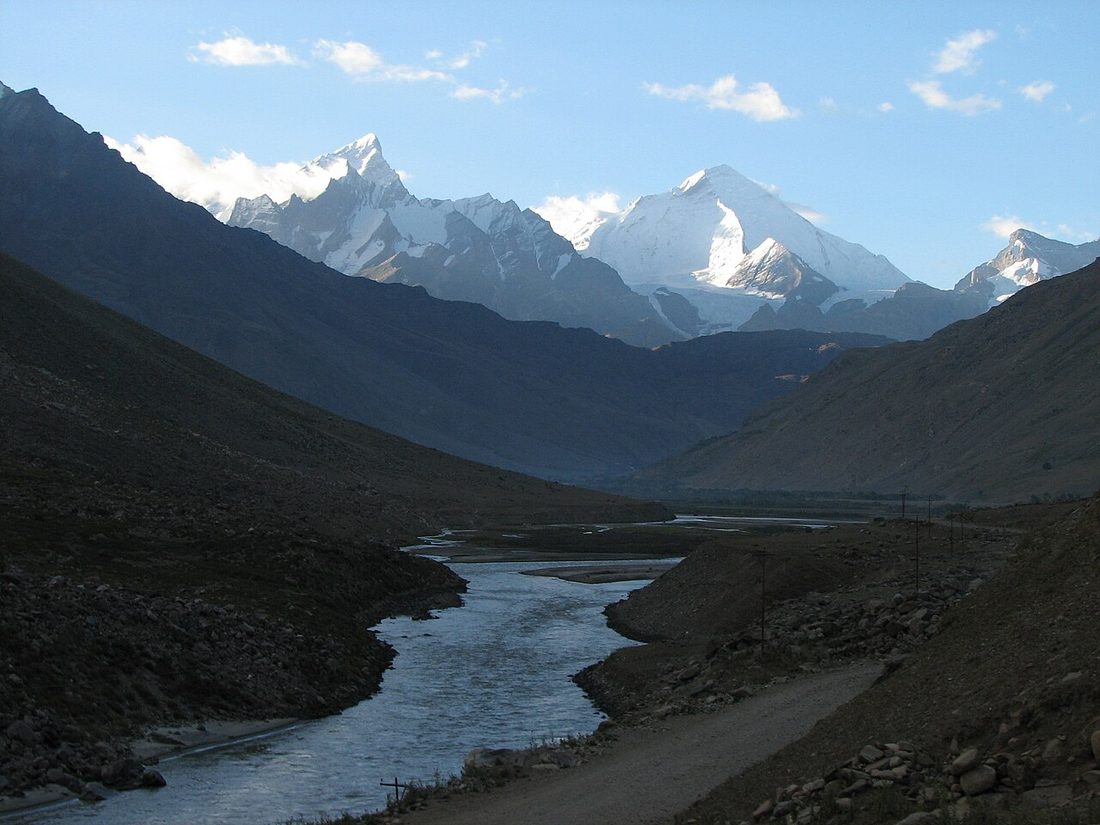
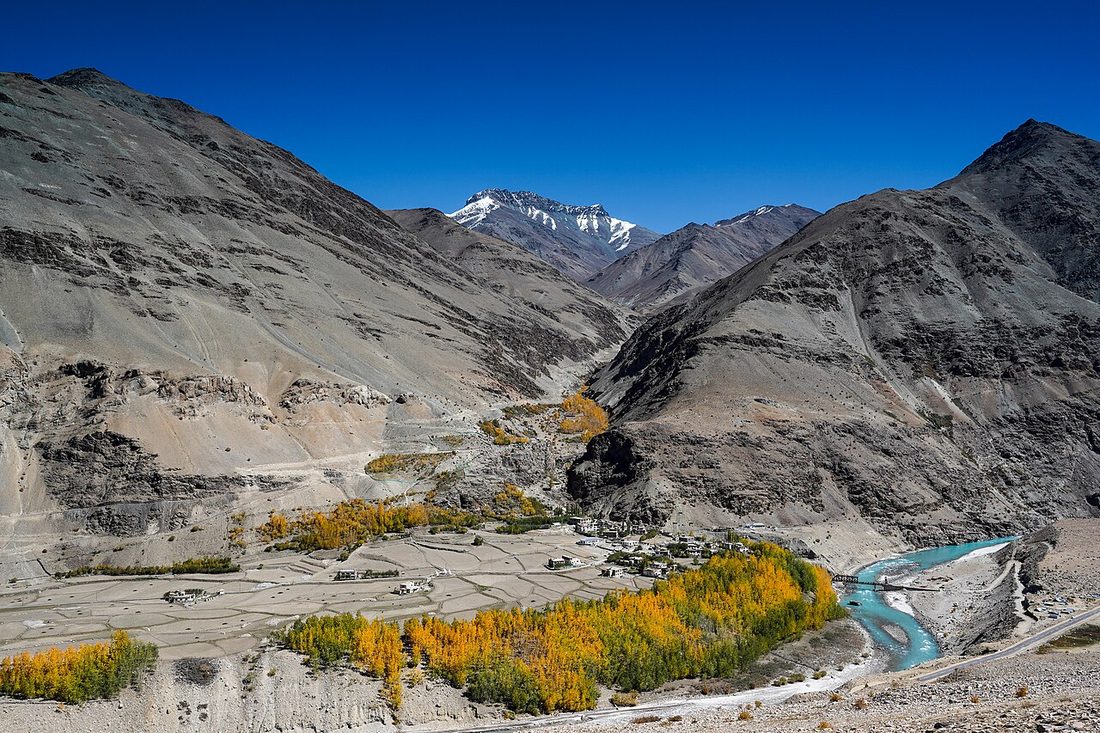
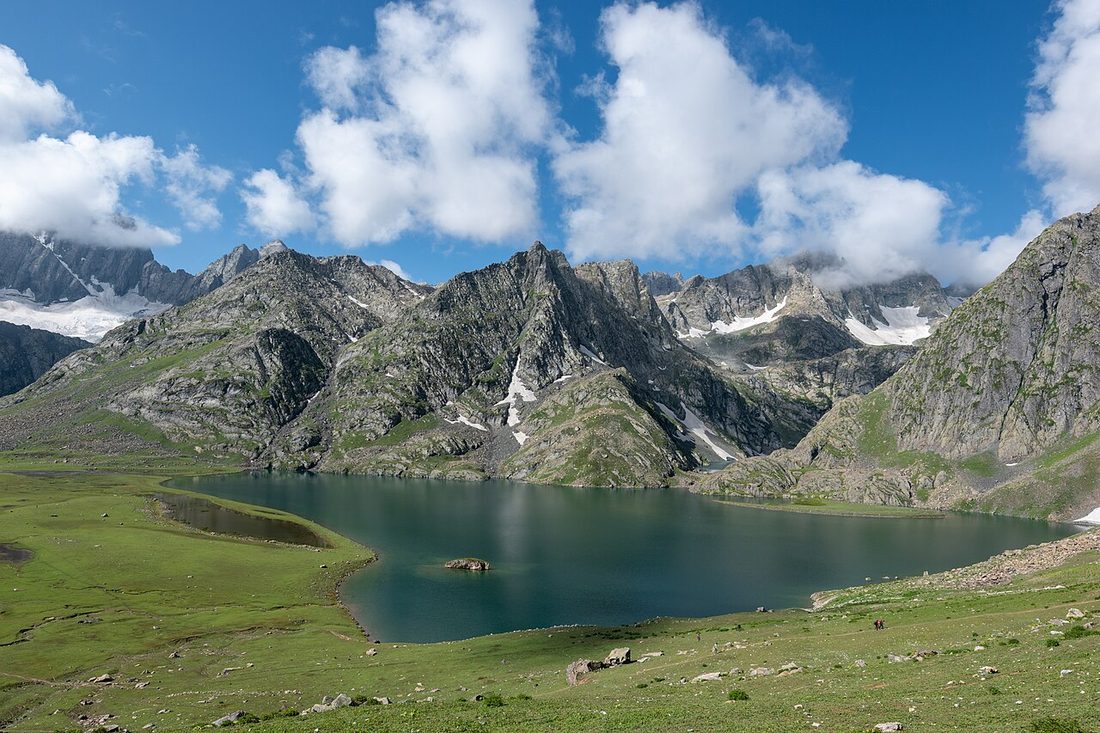
If Kargil’s town bazaar intrigues you, driving south down the Suru Valley will steal your breath completely. Many travelers who only associate Ladakh with brown sand and barren dust cannot believe their eyes when they turn south out of Kargil toward Sankoo (42 km) and Panikhar (65 km). Watered by glacial runoff from the northern flanks of the Great Himalaya, the Suru Valley bursts into emerald willow groves, terraced wheat and mustard fields, wild rose bushes, and crystal-clear trout streams—all shadowed by two colossal 7,000-meter snow giants.
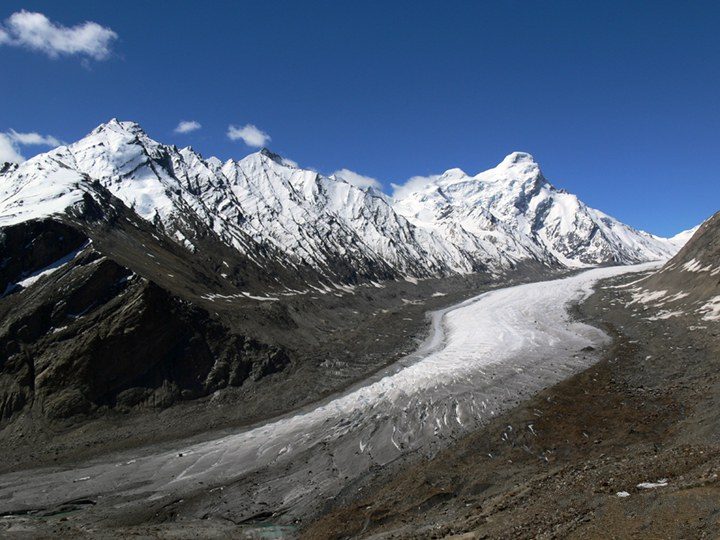
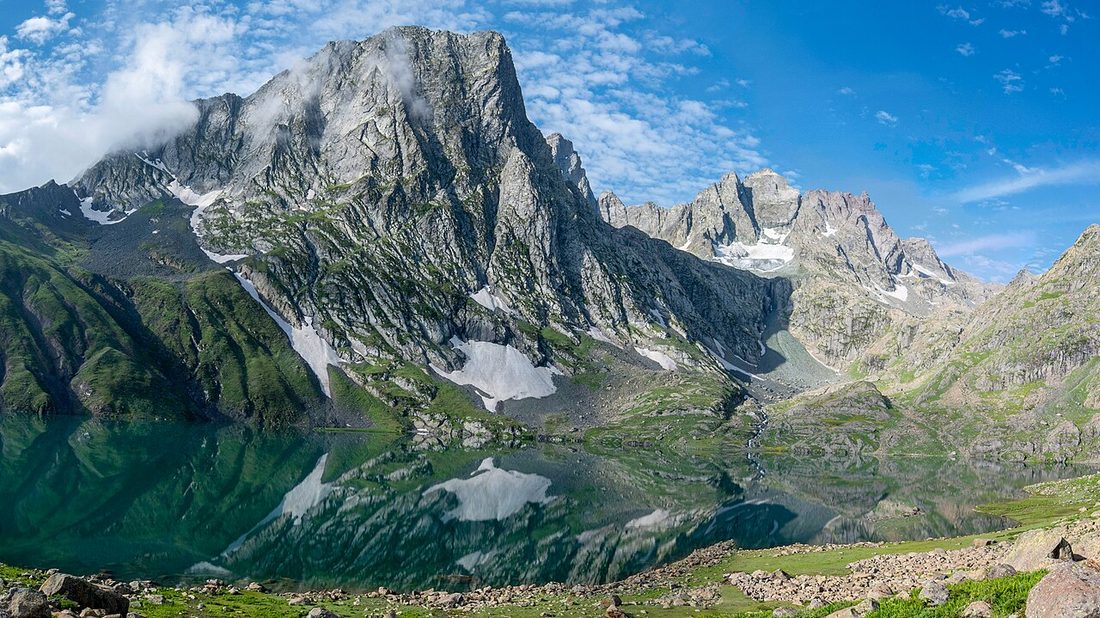
Right around Panikhar and the dramatic ice wall of Parkachik Glacier (90 km from Kargil), the twin peaks of Mount Nun (7,135 m)—the highest summit in Ladakh’s Indian Himalayan section—and Mount Kun (7,089 m) dominate the skyline with staggering vertical relief. Watch dawn light ignite Nun’s knife-edge ridge in rose gold while grazing horses stand knee-deep in meadow dew. You can explore Sankoo, Panikhar, and Parkachik comfortably as a full-day return excursion from Kargil—or stay overnight in Panikhar and push right over Pensi La into remote Zanskar Valley and 22-kilometer Drang Drung Glacier.
Eastward Along NH-1: Mulbekh Maitreya & Wakha’s Cliff Dwellings
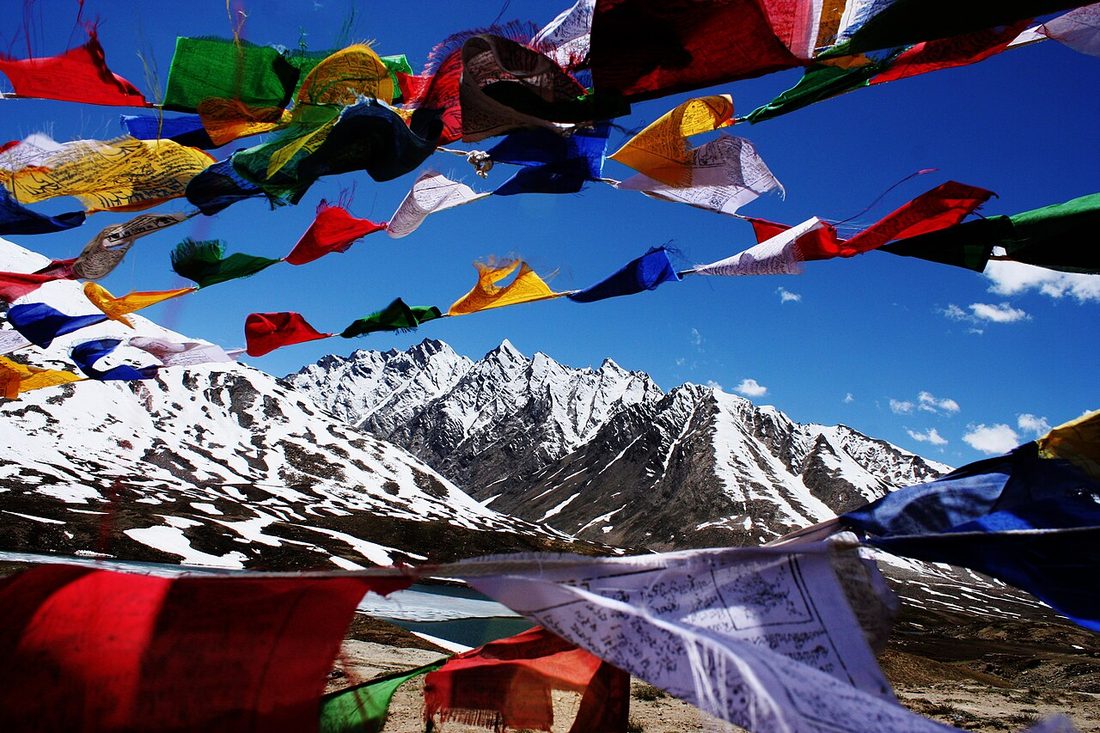
Driving east out of Kargil toward Leh marks one of India’s most fascinating cultural transitions: within forty kilometers, turquoise Shia mosques and Purigi apricot villages blend seamlessly into fluttering Tibetan prayer flags, whitewashed stupas, and ancient Buddhist rock art.
Roughly 40 to 42 kilometers east of Kargil, pull over right beside the highway at Mulbekh to gaze up at Mulbekh Chamba—an awe-inspiring 9-meter-tall (30-foot) rock-cut sculpture of Maitreya (the Future Buddha) carved directly onto a sheer limestone outcrop around the seventh or eighth century CE, blending early Kashmiri-Gandharan grace with Tibetan iconography. A small chapel now wraps the base of the towering four-armed figure, while two atmospheric hilltop monasteries—Serdung and Rgaldan Se—perch high on an adjacent crag overlooking the valley.
Just nearby along the dramatic gorge lies Wakha (Ragyal Wakha), where traditional terraced mud-and-stone dwellings cling so tightly into vertical cliff bands that the settlement resembles a giant sculpted beehive from afar—an unforgettable photo stop before your vehicle begins the sweeping switchback climbs over Namika La (3,700 m) and Fotu La (4,108 m), the highest pass on the Srinagar–Leh highway, descending past Lamayuru toward Alchi and Rizong Monasteries.
Srinagar – Kargil – Suru – Leh Distance & Altitude Planner
| Highway / Valley Stop | Distance from Kargil | Elevation | Key Highlight | Ideal Stop Duration |
|---|---|---|---|---|
| Dras & Kargil War Memorial | 58 km west | 3,280 m | Amar Jawan Jyoti, Tololing & Tiger Hill views, war gallery | 1.5 – 2 hours |
| Hunderman Border Village | 10 km north | 2,820 m | LOC viewpoint, abandoned old village & Museum of Memories | 2 hours (half-morning) |
| Sankoo & Panikhar (Suru) | 42–65 km south | 3,000–3,300 m | Green orchards, Suru River & soaring Nun–Kun views | Half-day or 1 overnight |
| Pashkum & Mulbekh Chamba | 15–42 km east | 3,300 m | Hilltop castle ruins, 7th-century 9m Maitreya rock carving | 1 – 1.5 hours en route to Leh |
| Fotu La & Lamayuru | 85–105 km east | 4,108 m (pass) | Highest NH-1 pass & surreal eroded clay Moonland gompa | 1.5 hours continuing to Leh |
Drive Srinagar → Sonamarg → Kargil → Leh at a Natural Pace
Avoid rushed flight shock—our classic overland expeditions break smoothly at Kargil so you explore Dras, Suru Valley, and Mulbekh before entering Leh, Nubra, and Pangong.
Wildlife, Outdoor Adventure & Purigi-Balti Flavors
Because Kargil bridges wet Kashmir alpine meadows and dry Ladakhi canyons, its biodiversity surprises even veteran naturalists. The grassy slopes around Dras, Mushkoh Valley, and upper Suru shelter one of India’s healthiest remaining populations of the rare Himalayan brown bear (wildlife spotters frequently sight mothers with cubs scanning alpine pastures at dusk in June–July—always keep respectful telephoto distance!). Higher crags harbor snow leopards, Tibetan wolves, Asiatic ibex, musk deer, and plump whistling marmots, while orchard edges come alive with magpies, Eurasian hoopoes, eastern chiffchaffs, common sandpipers, and bright European goldfinches.
Adventure seekers use Kargil as a launchpad for multi-day alpine treks across the Nun–Kun basecamps, summer white-water rafting along sections of the Suru and Zanskar rivers, paragliding launches off Sankoo hillsides, and growing winter ski festivals hosted by Kargil Tourism when snow seals the highway from December to March (winter flights via Indian Air Force AN-32 courier services or occasional winter helicopter charters serve locals during the deep freeze, while civilian visitors mostly travel May–October).
Do not leave Kargil without eating like a local in Old Town. Beyond steaming plates of savory mokh-mokh (momos) and rich bone-broth thukpa, seek out traditional Purigi specialties: azok (crisp layered fried flatbread eaten with spicy chutney and sweet kahwa), skyu (hearty hand-pinched wheat pasta stewed with root vegetables and lamb), local buckwheat noodles, and fresh Kargil apricots—widely hailed across Ladakh as the sweetest halman variety in the Himalaya.
Two Unforgettable Offbeat Detours: Mushkoh Valley & the Aryan Valley (Dha–Hanu)
Travelers granting Kargil a full second night can venture down two remarkable side valleys that almost nobody on standard Leh flights ever sees. Eight kilometers west of Dras town—turn off NH-1 right before the main bazaar—opens the broad alpine bowl of Mushkoh Valley. Remembered solemnly for fierce high-ridge fighting during the 1999 conflict, Mushkoh today bursts into a startling carpet of wild Himalayan flora between late June and August: drifts of wild yellow iris, purple lupine, alpine anemones, and knee-high green pasture ringed by jagged snow walls. Locals call it the “Valley of Wild Tulips,” and because tourist traffic stays whisper-thin, you can picnic beside crystal meltwater creeks with Himalayan marmots popping up curiously from stone burrows yards away.
In the opposite direction—about sixty kilometers northeast of Kargil following the gorge past Batalik along the lower Indus—sit the warm, apricot-draped villages of the Aryan Valley (Garkone, Darchiks, Dha, and Hanu) at roughly 2,800 meters. Home to the distinct Brokpa (Dard) community, these terraced river hamlets boast fertile vineyards, giant walnut trees, stone-carved watermills, and vibrant indigenous traditions—older Brokpa women and men still adorn woven wool caps with fresh orange marigolds, dried berries, coins, and silver ornaments during summer harvest festivals. Always ask warmly before taking portraits, buy a kilo of sun-sweetened Garkone grapes or apricots straight from orchard farmers, and respect village shrines—the Brokpa valleys reward quiet curiosity over rushed bus sightseeing.
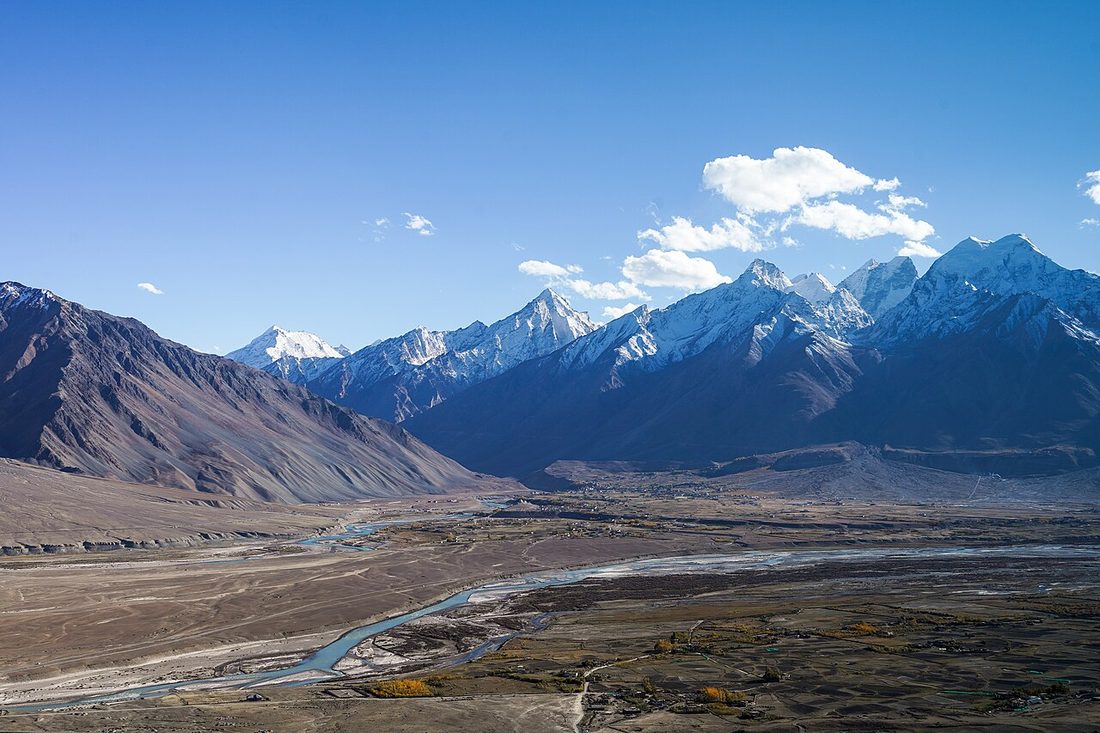
Book hotels perched on the quiet Baroo or Titichumik hillside overlooking the Suru River rather than noisy main-bazaar truck lanes—you get sweeping river panoramas, clean parking, reliable heating, and peaceful sleep. Kargil has multiple working ATMs (SBI, J&K Bank, HDFC) and full postpaid Jio/Airtel/BSNL 4G/5G coverage—top up cash and fuel right here before heading south into Suru/Zanskar or east across Fotu La.
Pairing Kargil With Kashmir, Leh & Nubra
Whether you plan a focused 7N/8D Leh, Ladakh & Kargil Overland Tour, a thrilling Royal Enfield Himalayan Motorbike Expedition, or a grand road loop stretching from Srinagar across Kargil to Leh and Nubra Valley’s silver dunes, stopping properly in Kargil gives your journey historical weight and effortless altitude comfort. Start from the Kashmir i Tour homepage, browse all twenty-nine regional field guides inside our complete destinations directory, compare customizable routes on our official 40 tour packages index, or reach out directly to our local Srinagar and Kargil route desk for live Zoji La traffic clearance and vetted Suru Valley drivers.
Frequently Asked Questions about Kargil — Suru Valley, Nun Kun Peaks, Dras War Memorial & Mulbekh Maitreya
Recommended Itineraries Including Kargil — Suru Valley, Nun Kun Peaks, Dras War Memorial & Mulbekh Maitreya
Every route below can be customized from Srinagar, Jammu, or Leh with private cabs and verified local stays.
Memorable Leh, Ladakh & Kargil Overland Tour (7N/8D)
8 Days • 7 Nights • ₹31,500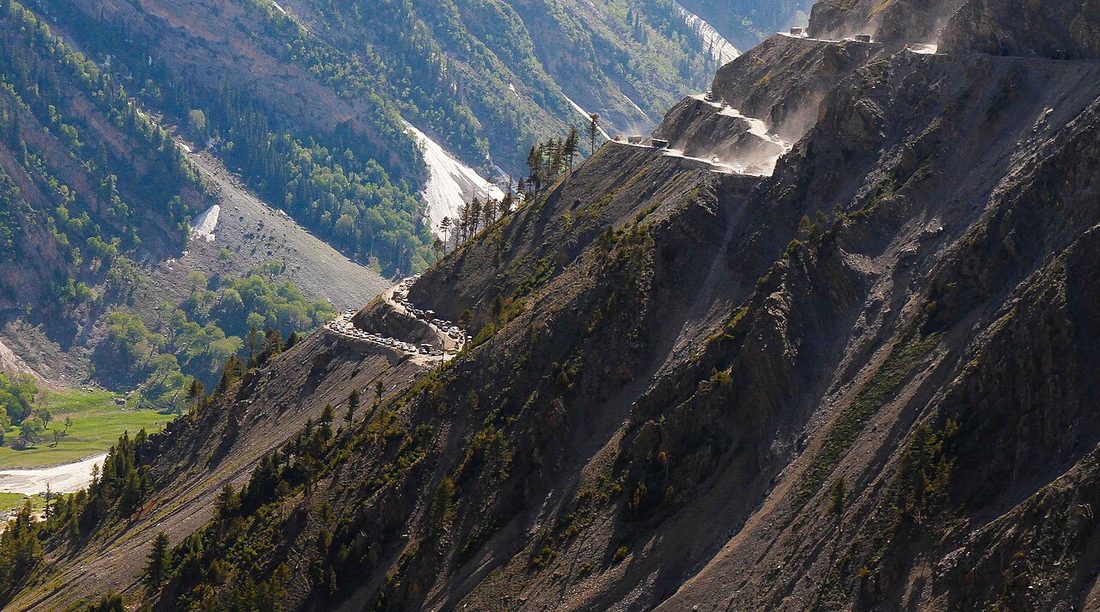
Srinagar to Leh: Kashmir & Ladakh Trans-Himalayan Expedition (9N/10D)
10 Days • 9 Nights • ₹42,999
6-Day Leh Ladakh Himalayan Motorbike Expedition (5N/6D Royal Enfield)
6 Days • 5 Nights • ₹25,999
Amazing Leh Ladakh Tour Itinerary (6N/7D: Leh, Sham Valley, Nubra & Pangong)
7 Days • 6 Nights • ₹27,999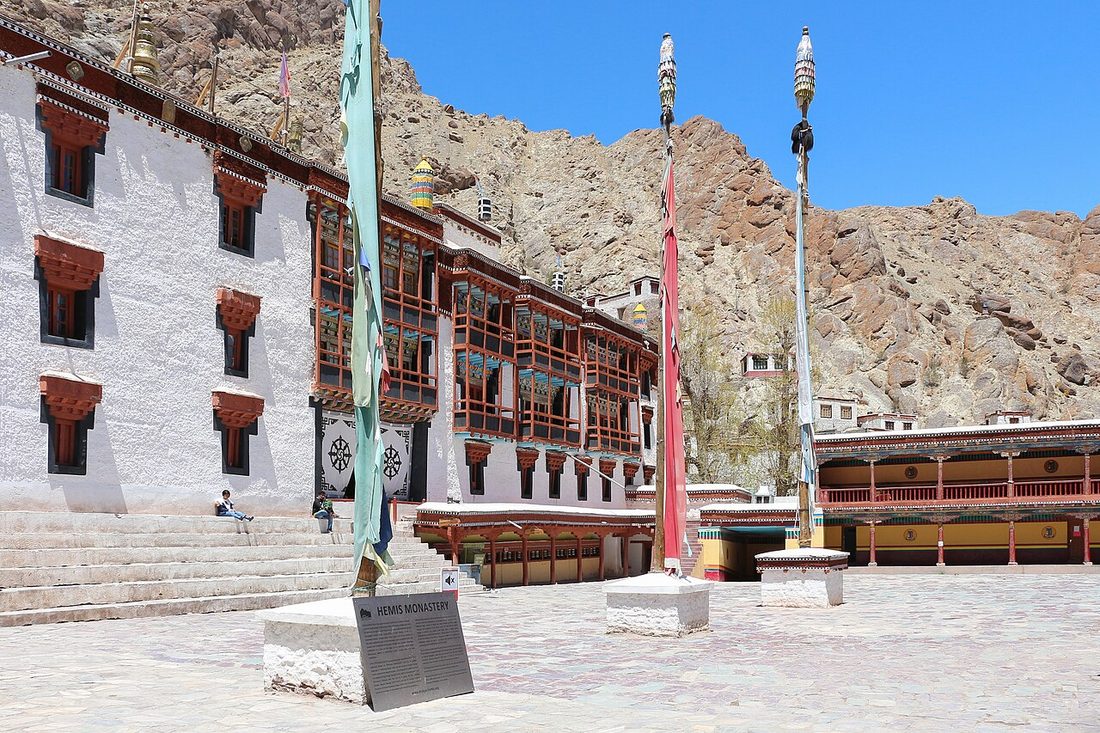
Spiritual Ladakh & Ancient Buddhist Monasteries Circuit (6N/7D)
7 Days • 6 Nights • ₹28,500Explore Nearby & Connected Destinations
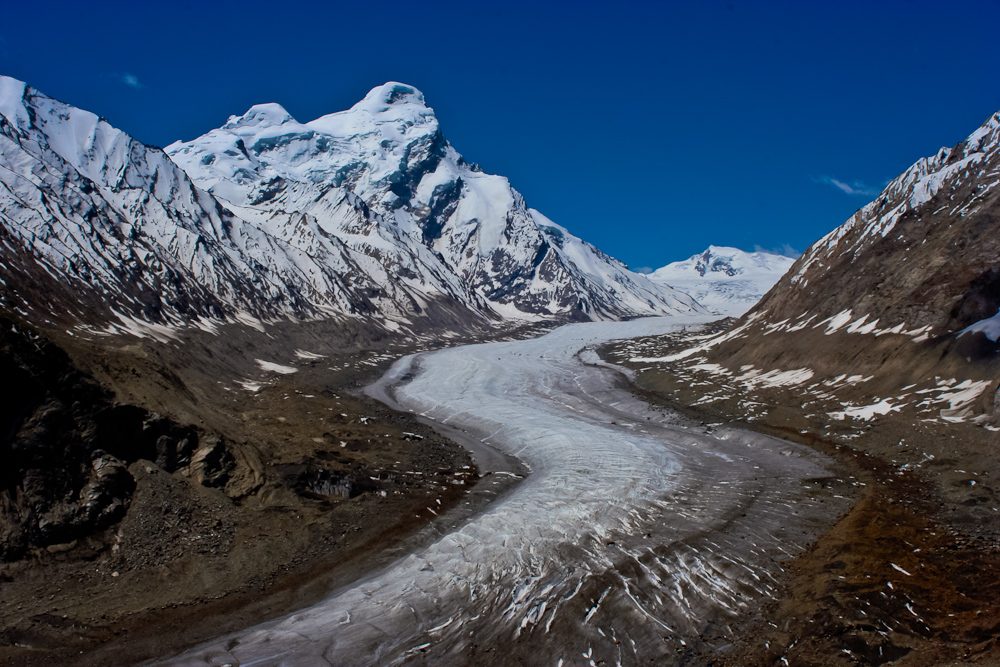
Zanskar Valley — Padum, Phugtal Cliff Monastery, Drang Drung Glacier & Pensi La
Leh-Ladakh →
Sonamarg — The Meadow of Gold, Thajiwas Glacier & Zoji La Gateway
Kashmir Valley →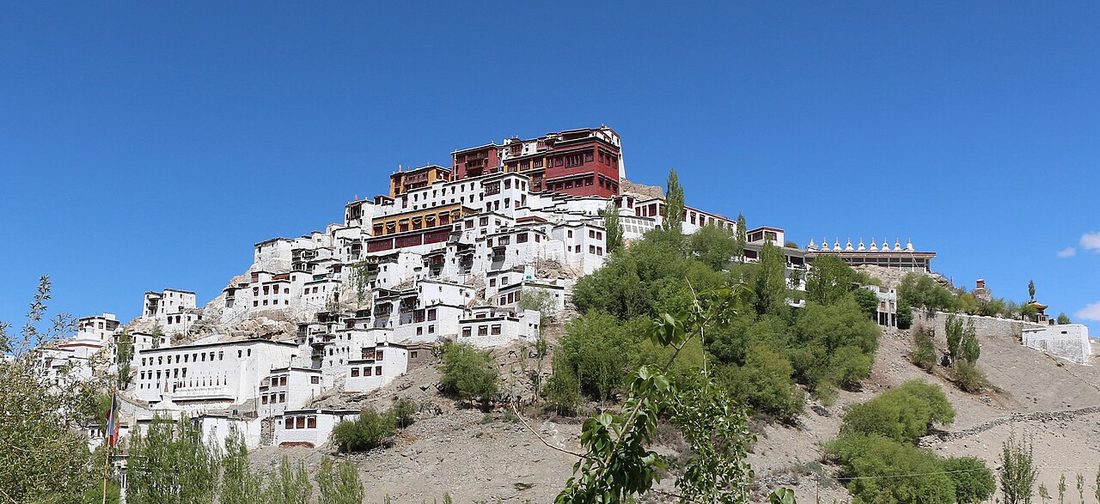
Rizong Gompa & Alchi Monastery — 1,000-Year-Old Kashmiri Murals & Sham Valley Heritage
Leh-Ladakh →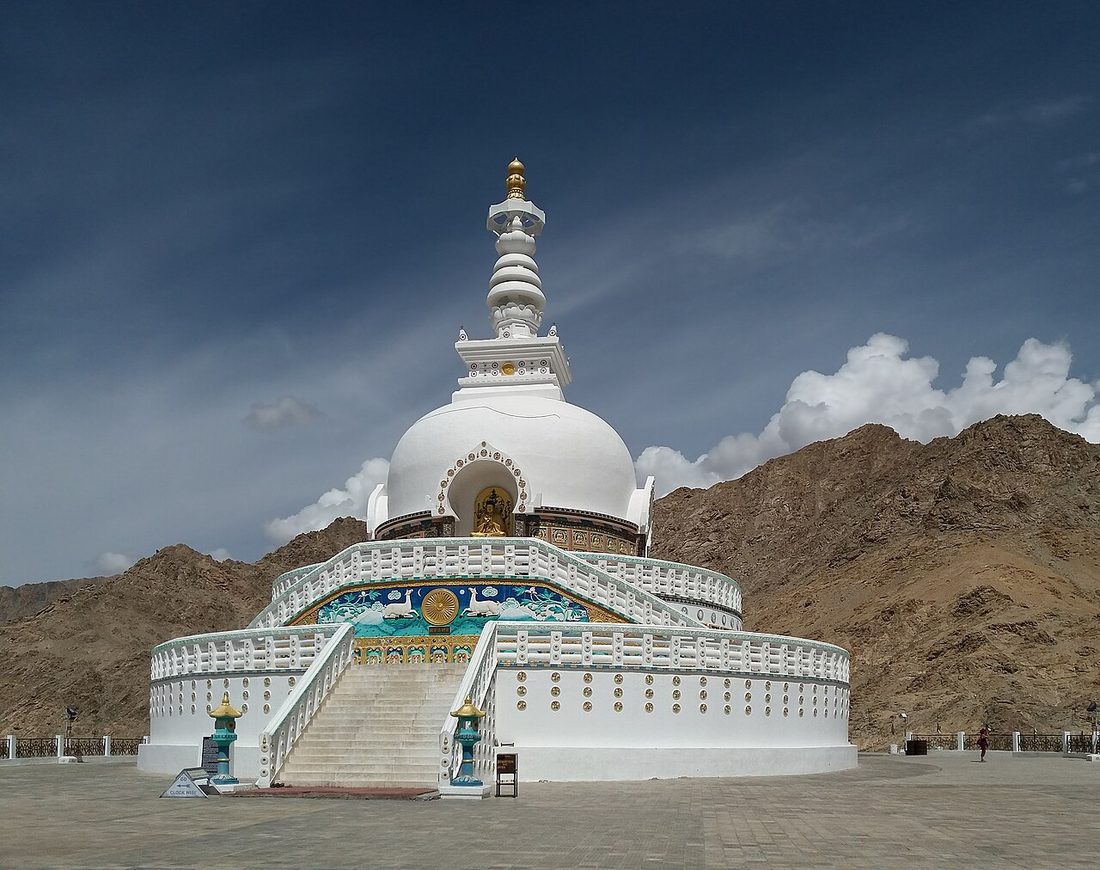
Leh Ladakh — High-Altitude Passes, Ancient Gompas & Trans-Himalayan Deserts
Leh-Ladakh →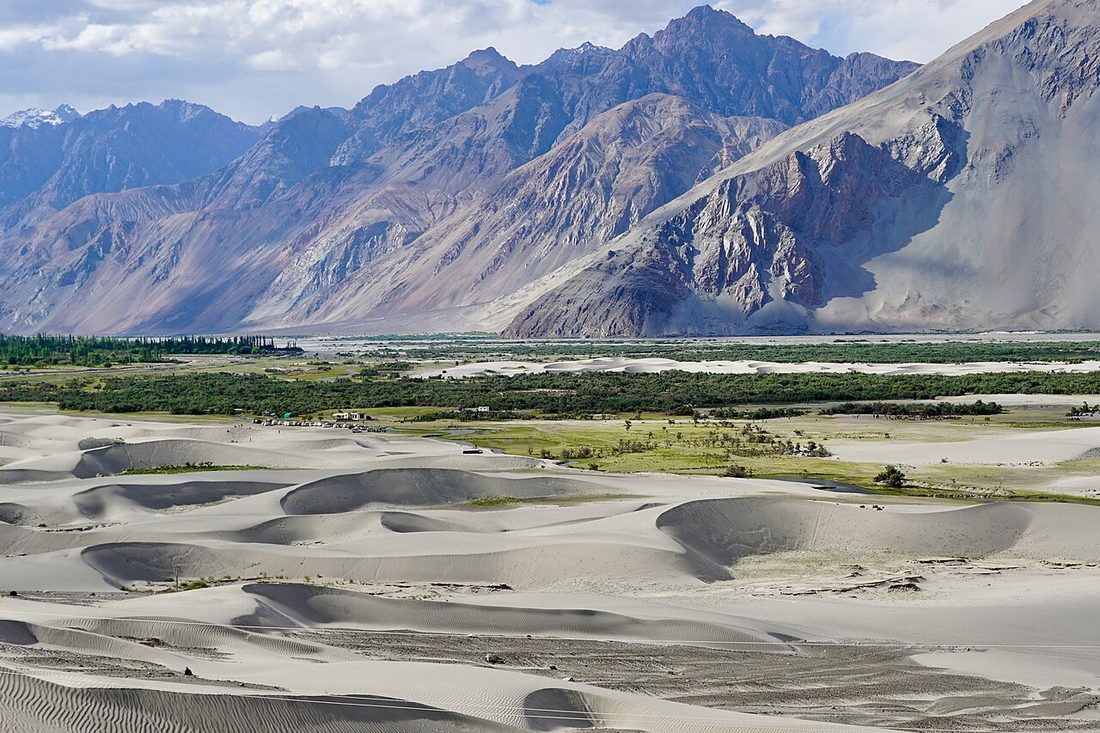
Nubra Valley — Khardung La, Hunder Silver Dunes, Diskit Maitreya & Turtuk
Leh-Ladakh →