
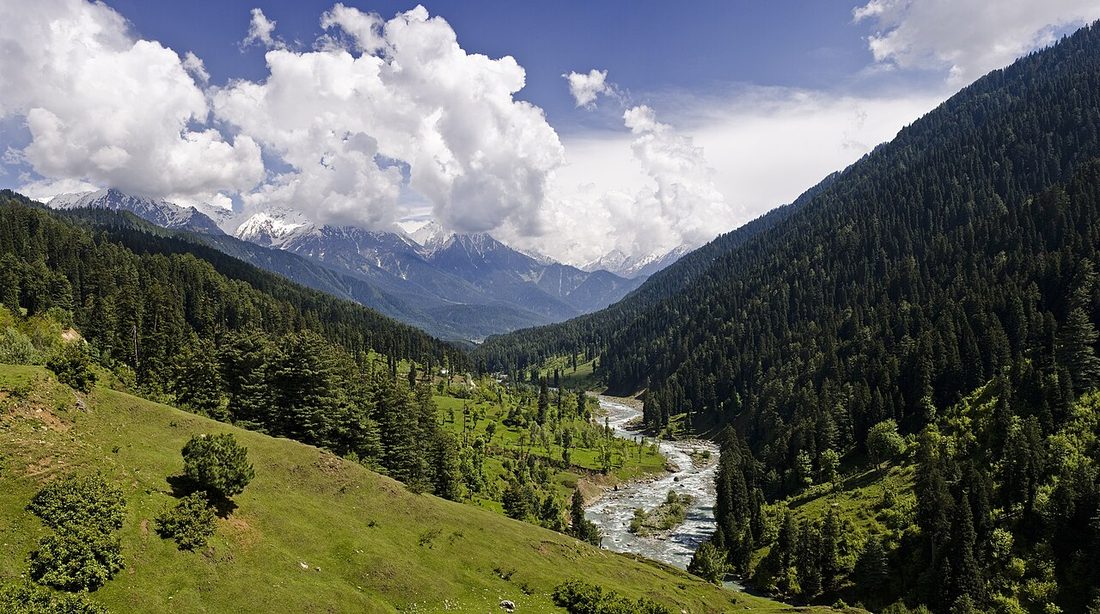
Forty minutes south of Srinagar along National Highway 44, the urban traffic noise drops away and the earth shifts to deep rust-brown terraced plateaus around Pampore. By late December, October’s purple crocus blooms have long been harvested, leaving crisp frost across the saffron karewas while small roadside family cooperatives weigh crimson Mongra strands on brass scales beside steaming samovars. Another twenty minutes past the carved limestone pillars of 9th-century Awantipora, the highway bends off toward Anantnag, climbs past willow-bat workshops at Sangam and Aishmuqam’s hillside shrine, and suddenly the turquoise Lidder River crashes into view beside frosted boulders.
That transition—from highway flatland to cedar-scented snow canyon—is why seasoned mountain planners increasingly urge families, couples, and older travellers to anchor at least two nights of their New Year’s Kashmir Tours inside Pahalgam rather than squeezing every winter hour into Gulmarg’s crowded ski bowl. While Gulmarg buzzes with Gondola lines and snowmobile traffic between December 27 and January 3, Pahalgam remains a sanctuary for anyone craving a genuine quiet New Year holiday Kashmir style: crackling cedar firepits beside roaring snowmelt water, towering white pines draped in fresh powder, and spacious heated cottages where you can actually hear winter wind moving through the canopy.
Why Smart Winter Planners Split New Year Week Between Gulmarg & Pahalgam
Almost every first-time inquiry comparing Gulmarg Pahalgam snowfall New Year asks whether Pahalgam receives “enough snow” compared to Gulmarg. Let’s put real elevation numbers on the table so you choose with clear eyes rather than guesswork.
Pahalgam town sits at 2,130 meters—roughly 520 meters lower than Gulmarg (2,650 m). That single vertical difference produces two major advantages for winter travellers. First, breathing and sleep feel noticeably gentler for young children, grandparents, and guests arriving directly from coastal cities like Mumbai, Chennai, Dubai, or Singapore. Second, overnight temperatures along the Lidder River hover around -5°C to -8°C (versus -11°C to -14°C in Gulmarg), letting you linger outdoors on snowy riverside walkways until dusk without numb fingers. Meanwhile, climbing just fifteen minutes up-valley into Betaab Valley (2,310 m) and Aru Valley (2,414 m) puts you straight into thick, untouched snowdrifts.
Even better: hotels in Pahalgam typically run 20% to 35% more competitively than equivalent four-star centrally heated rooms in Gulmarg during New Year week, with far less aggressive street hawking and wider riverfront lawns. That is why flagship multi-valley itineraries like our Kashmir Paradise Tour and Kashmir Family Tour Package pair two serene Lidder nights with Gulmarg’s high-altitude cable car.
The Scenic Srinagar-to-Pahalgam Winter Drive: Four Stops Worth Taking
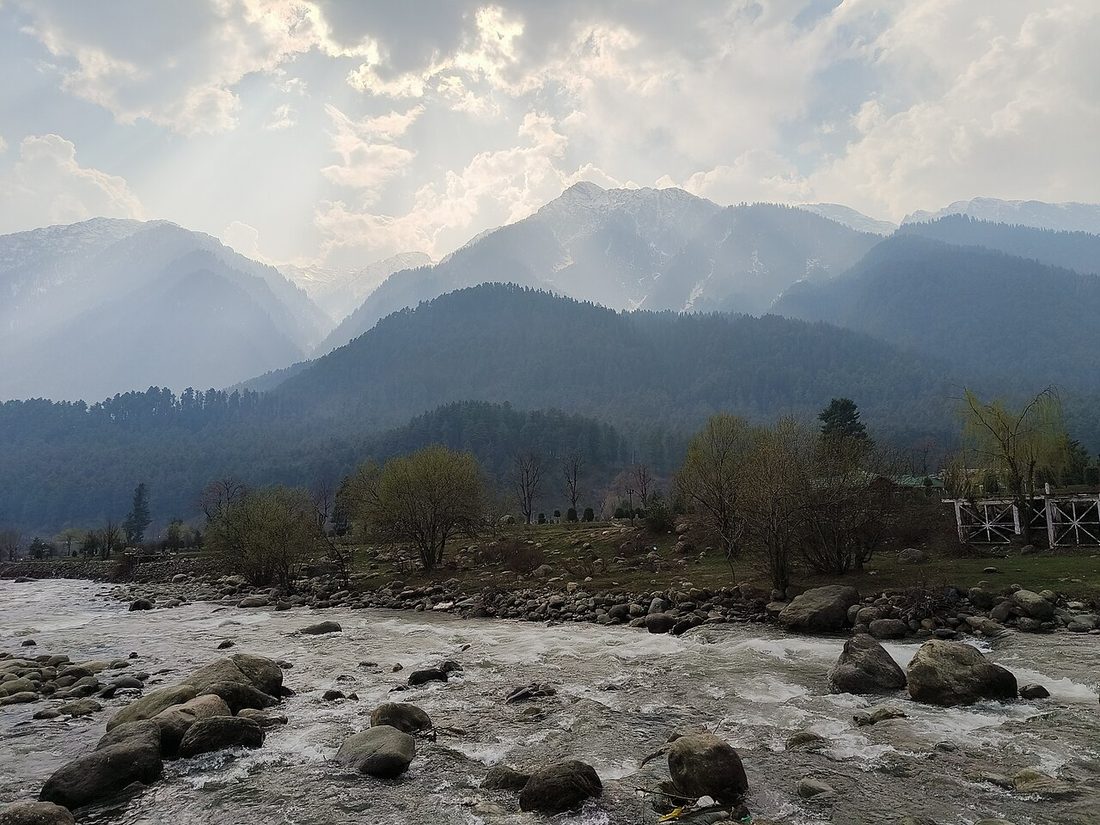
Covering 90 kilometers in roughly 2.5 to 3 hours (even in light winter snow, since NH44 and the Bijbehara–Pahalgam corridor are cleared every morning by highway teams), the south-valley approach is far more rewarding when you leave Srinagar by 8:30 AM and build four purposeful halts into the journey:
- Pampore Saffron Cooperatives (15 km from Srinagar): Even though saffron flowers bloom only in late October and November, December is the finest month to purchase freshly dried, current-season GI-tagged Kashmir saffron straight from grower-owned shops off the highway bypass. Inspect deep crimson stigmas without pale yellow tips and skip roadside glass vials sold at inflated tourist prices.
- Awantipora Temple Ruins (29 km): Commissioned by King Avantivarman in the 9th century, these twin sandstone temple complexes dedicated to Vishnu and Shiva look strikingly sculptural under winter frost or a light dusting of morning snow—usually completely empty at 9:30 AM.
- Sangam & Halmulla Willow Cricket-Bat Workshops (42 km): Watch South Kashmiri craftsmen shave seasoned white-willow clefts by hand plane beside wood-burning stoves. Families with kids love stepping into the sawdust-scented workshops for twenty minutes to pick up an authentic hand-knocked Kashmir willow bat.
- Apple-Orchard Cider & Kahwa Stop Before Aishmuqam (68 km): Around Seer Hamdan and Mattan, orchard stalls sell cold-stored Ambri and Delicious apples plus warm fresh-pressed cloudy apple juice spiced lightly with cinnamon—pure winter comfort before the pine gorge closes around the road.
Decoding the Pahalgam Local Union Taxi System: Aru, Betaab Valley & Chandanwari
Just like Tangmarg enforces local snow-chain transfers for Gulmarg, Pahalgam operates a strict local taxi-union rule that catches unbriefed travellers by surprise. Your Srinagar Innova Crysta, Ertiga, or Tempo Traveller can drop you at your Pahalgam hotel gate and pick you up for departure, but outside commercial vehicles are prohibited from driving into Aru Valley, Betaab Valley, or Chandanwari.
You must hire an official Pahalgam Taxi Stand vehicle (typically a winter-equipped Tavera, Sumo, Bolero, or 4×4 chained SUV when fresh snowfall carpets the side roads). Knowing current Pahalgam winter union taxi rates and snow-wall limits saves endless counter-side negotiation:
| Local Pahalgam Union Route | Distance (One Way) | Indicative Peak Winter Tariff (Vehicle) | Late Dec – Early Jan Snow Status |
|---|---|---|---|
| Betaab Valley + Aru Valley Combo (2-Point Loop) | 15 km & 12 km | ₹2,400 – ₹3,200 (extra ₹800–₹1,200 if 4×4 snow chains required) | Open 90% of New Year week; deep snow meadows & icicle bridges |
| ABC Circuit (Aru + Betaab + Chandanwari) | Chandanwari 16 km (2,895 m) | ₹3,200 – ₹4,200 (if road open past Betaab bridge) | Chandanwari road often stops at a snow-wall barrier 2–4 km short after heavy storms |
| Baisaran (“Mini Switzerland”) Snow Trail | 5 km steep climb | Pony only: ₹1,800 – ₹2,500 per person (return) | Slippery mud/ice after snow; skip for toddlers & seniors in deep Chillai Kalan |
| Pahalgam Club Park & Lidder Riverside Walk | Central town | Walking distance / ₹300 local drop | Plowed winter promenade, gentle family snow play |
Betaab Valley Winter Snow: Why Mornings Beat Noon
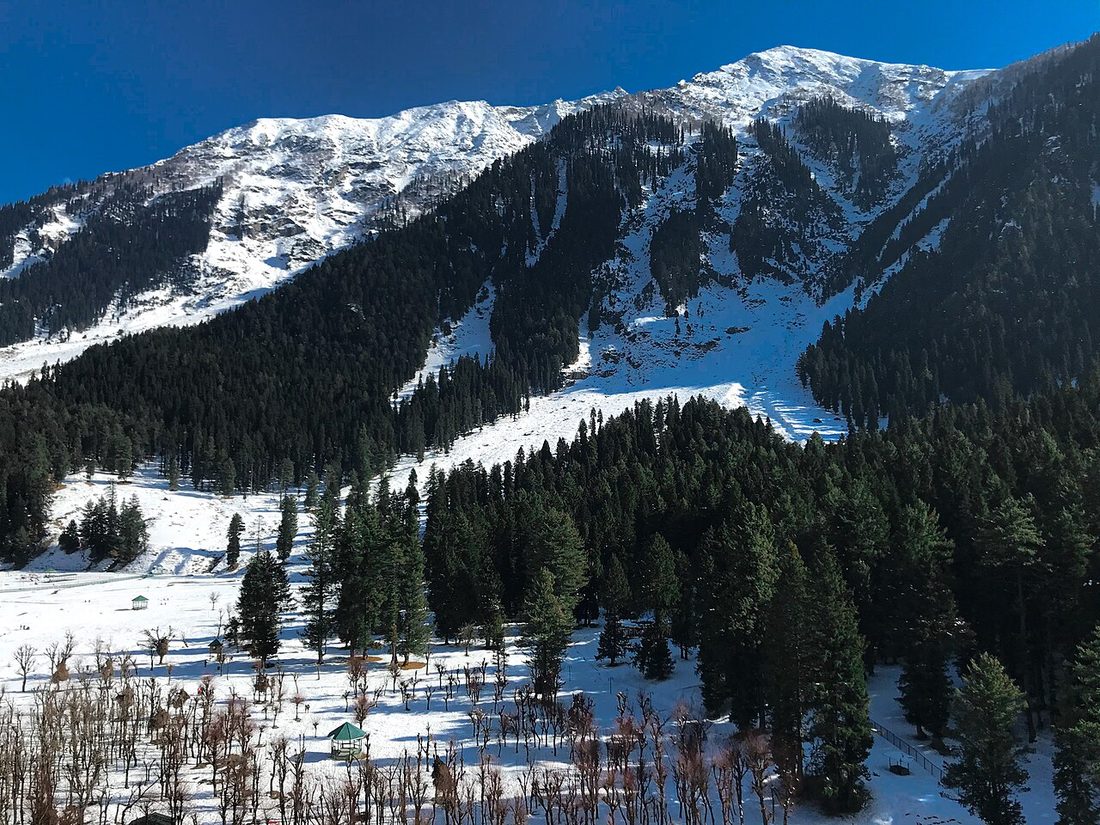
Arrive at Betaab Valley before 10:15 AM and you will likely share the entire white meadow with only a handful of photographers and local tea vendors boiling ginger chai over wood embers. Surrounded by vertical spruce cliffs rising straight into snowy cloud banks, Betaab Valley winter snow stays powdery and uncrushed on shaded riverbanks well into afternoon. Bring waterproof ankle boots (or rent gripped rubber boots at Pahalgam market for ₹250/day) so you can cross the timber footbridge over the icy stream without soaking your socks.
Aru Valley Snow Resort Pahalgam: The Quietest Overnight Alternative in Kashmir
Twelve kilometers up a winding pine lane from Pahalgam lies Aru Village (2,414 m)—a storybook cluster of timber-gabled cottages framed by jagged white ridges that double as the summer basecamp for Kolahoi Glacier treks. Most day-trippers spend barely 45 minutes snapping sled photos on Aru’s lower slope before rushing back to town. Yet travellers willing to spend one winter night at a heated wooden lodge or boutique Aru Valley snow resort Pahalgam wake to woodsmoke curling off pitched tin roofs, zero road traffic, and untouched morning snowfall across the entire alpine meadow. Just verify 24-hour generator backup and dedicated room heating before booking Aru overnight, since village power lines freeze quicker than Pahalgam town during heavy snowstorms.
Riverside Central Heating Resorts & December 31 Evenings Along the Lidder
Choosing the right hotel location shapes your entire new year in Pahalgam. Properties cluster into three micro-zones:
- Main Market & Lidder Left Bank (Walkable & Heated): Closest to bakeries, pharmacies, and union taxi stands; easy strolling distance to riverside viewpoints, though traffic hums slightly louder between 11:00 AM and 4:00 PM.
- Rafting Point / Yanner / Laripora Riverside Belt (Best Scenic Quiet): Located 4 to 8 kilometers before Pahalgam town right beside broad bends of the Lidder River. Top four-star and five-star winter resorts here feature full hydronic central heating, glass-walled riverside lounges, spacious pine gardens, and dedicated New Year’s Eve lawn bonfires where acoustic Kashmiri bands perform beside hot tandoor counters.
- Upper Golf Course & Club Road Ridge (Elevated Forest Views): Quiet, elevated cedar-view suites sitting slightly higher than the town floor—often catching two inches of extra snowfall during marginal December storms.
Check verified winter heating types—confirming central boiler heating or dual oil-radiator plus electric-blanket setups—across our vetted Pahalgam and Kashmir winter hotels showcase. Couples hunting extra privacy and candlelit winter cabins should also read our romantic planner on New Year’s Kashmir honeymoon tours, private snow chalets & heated houseboats.
Winter Evening Dining, Bakeries & Fire-Pit Rituals Along the Lidder
Unlike city restaurants that keep midnight kitchens running, Pahalgam’s local eateries wind down early once outdoor air slips past -6°C. That makes 4:30 PM to 8:30 PM the liveliest culinary window in town. Stroll down the plowed stretch near Main Market just before dusk to grab flaky, wood-oven girda flatbreads and spiced walnut cookies straight from neighborhood Kashmiri kandurs, then warm up with a steaming steel tumbler of cardamom-scented pink noon chai while snow flurries drift across the streetlights. Back at riverside hotels along Laripora and Yanner, chefs stoke pine-log firepits right beside the snowbanks around 6:30 PM—serving crisp charcoal-roasted seekh kababs, slow-simmered yakhni, and fresh Lidder rainbow trout seared with garlic and dry fenugreek leaves. Rather than loud club speakers, midnight on December 31 here sounds like rushing glacial water under cracking pine embers and quiet celebratory toasts.
Offbeat South Kashmir Winter Detour: Kokernag & Verinag Springs
Have an extra morning while staying in South Kashmir during a 7-to-8 day circuit like our Complete Kashmir Explorer Tour Package or Charismatic Kashmir Tours? Drive 55 kilometers southeast past Anantnag to two Mughal-era botanical spring valleys that 95% of winter tourists overlook completely.
At Kokernag, dozens of crystal-clear subterranean mountain springs emerge directly from forested limestone cliffs—keeping the water remarkably unfrozen even while surrounding terraced gardens lie dusted with January snow. Just 26 kilometers further south, Emperor Jahangir’s octagonal stone basin at Verinag cradles the deep emerald headwaters of the Jhelum River, steaming gently into crisp winter air beneath arched Mughal brickwork. Visiting Kokernag and Verinag in early January feels like unlocking a private royal park untouched by peak-season buses.
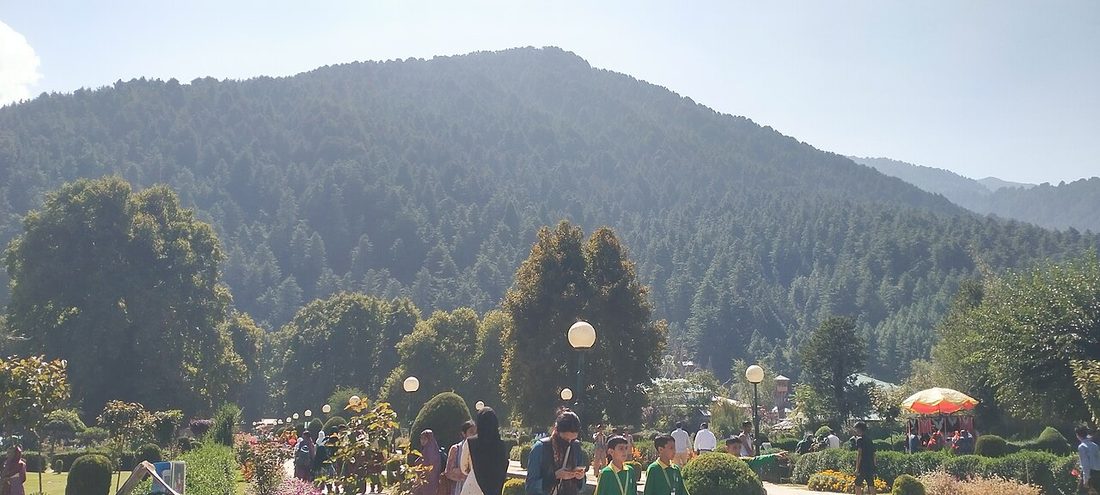
Connecting Pahalgam Seamlessly to Srinagar & Gulmarg
Because Pahalgam lies southeast of Srinagar while Gulmarg sits west, smart routing eliminates wasted back-and-forth highway hours. Never schedule Pahalgam as a same-day return excursion from Srinagar during winter—six hours of highway driving leaves barely ninety minutes for Betaab Valley before darkness forces you back on the road.
Instead, follow this natural crescent inside your Kashmir Tour Packages:
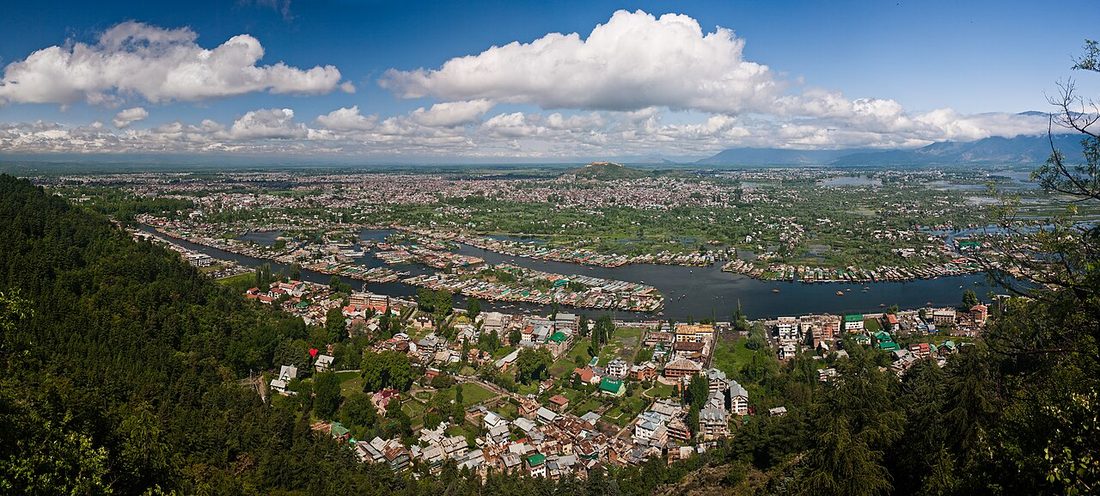
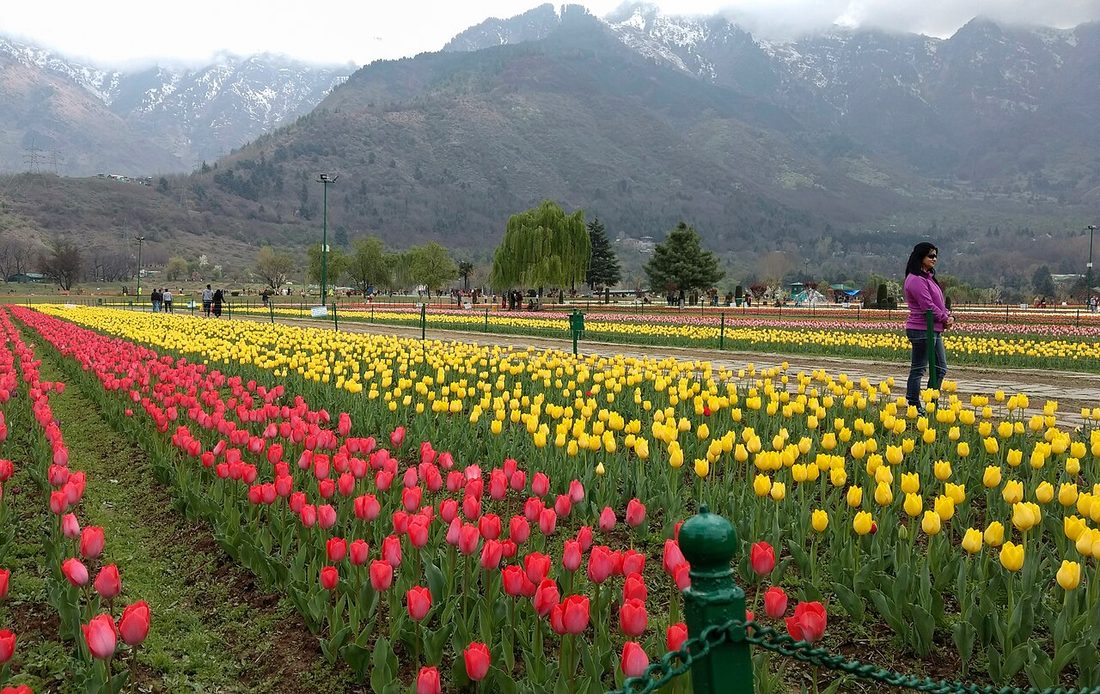
- Nights 1–2 in Srinagar: Settle in at 1,585 meters with panoramic views from Shankaracharya Hill across Dal Lake and winter-quiet walks past the terraced Zabarwan foothills—where the famous Tulip Garden slopes rest beneath quiet winter frost waiting for April bulbs to wake. Browse our Srinagar travel guide for neighborhood dining and winter bakeries.
- Nights 3–4 in Pahalgam: Spend New Year’s Eve beside the Lidder River away from horn-blaring crowds, dedicating January 1 morning to snowy Betaab Valley and Aru meadow.
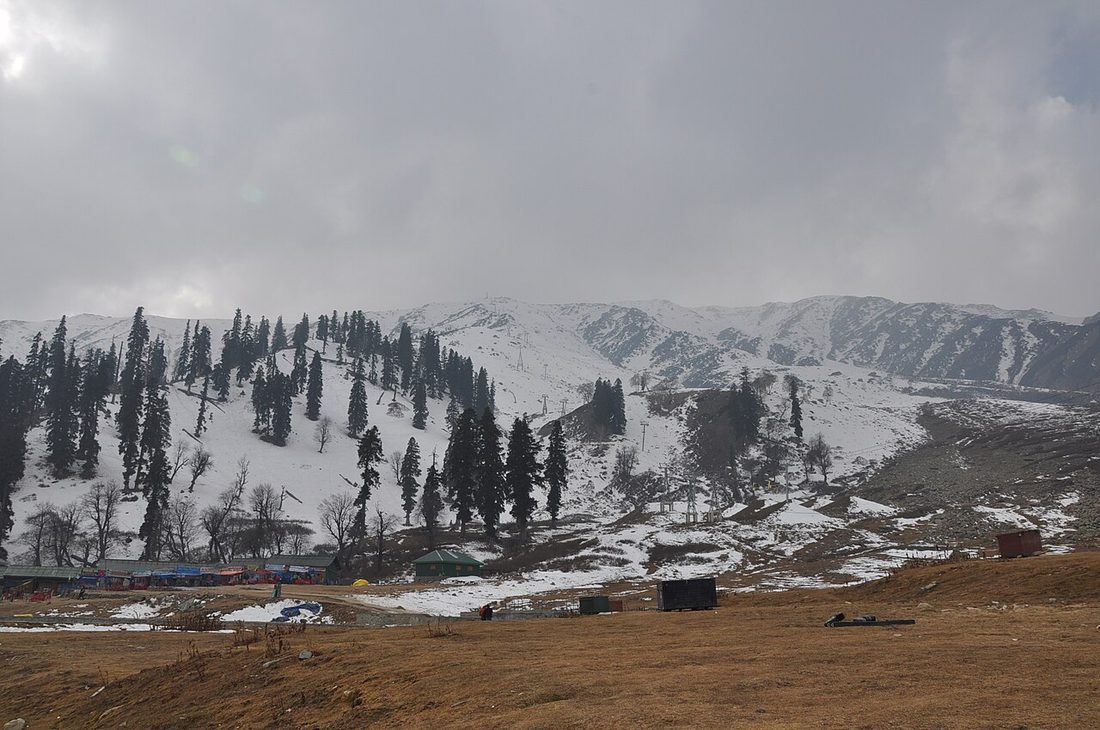
- Nights 5–6 in Gulmarg (via Direct Cross-Valley Drive): Leave Pahalgam by 8:30 AM and bypass congested central Srinagar via the Southern Bypass straight toward Tangmarg (138 km, ~4.5 hours), giving you two alpine mornings on Kongdoori and Apharwat Peak—planned step-by-step in our Gulmarg New Year’s snowfall & Gondola playbook and Gulmarg Gondola booking guide.
Curious about adding frozen waterfalls or winter tunnel drives onto your South Kashmir itinerary? Check our deep dive on Chillai Kalan, Drung Frozen Waterfall & Z-Morh Sonamarg winter logistics and our seasonal Kashmir in December, Christmas & New Year Snow Guide.
Pahalgam Snowfall January & Practical Winter Packing Tips
While late December brings crisp frost and frequent pre-New-Year dustings across Pahalgam town, Pahalgam snowfall January deepens notably from January 2 through late January as successive Western Disturbances roll across South Kashmir. Pack specifically for pine-forest winter conditions:
- Traction Footwear First: Shaded stone paths along the Lidder River and Betaab Valley bridges glaze over with invisible morning ice even when skies look sunny. Waterproof boots with vibram or deep rubber lugs beat fashionable leather sneakers every single time.
- Keep Evening Layers Accessible in Your Daypack: Temperatures in Betaab and Aru plunge 7°C the moment sunlight drops behind the western ridge around 3:45 PM. Keep fleece gloves, wool caps, and hand warmers inside your day bag—not buried in your hotel suitcase.
- Carry Cash for Union Taxis & Village Tea Stalls: Mobile data flickers inside the narrow gorge leading to Aru Valley. Keep ₹4,000–₹6,000 in small notes for local union drivers, park entry tickets, and hot Maggi, corn, and kahwa halts.
- Pre-Order Kashmiri Winter Trout: South Kashmir’s cold glacial streams raise the finest rainbow trout in India. Ask your Pahalgam hotel chef by 4:00 PM to prepare pan-seared Lidder trout in light Kashmiri walnut-herb butter for your New Year’s Eve supper.
Explore every South Kashmir and full-valley winter route inside our Kashmir tour packages collection, browse our complete Kashmir destinations directory and seasonal winter blog, or reach out to our Srinagar and Pahalgam route planners through our custom itinerary request desk to craft a calm, centrally heated New Year escape.
Craft a Quiet Lidder Valley & Betaab Snow Retreat for New Year Week
Balance alpine snowfall with peaceful pine-forest mornings. Reserve centrally heated Lidder riverside resorts, verified union loops, and scenic transfers inside New Year’s Kashmir Tours.
Frequently Asked Questions
Does Pahalgam have guaranteed snow during New Year week?
Pahalgam town (2,130 m) sees frequent December frost and snowfall pulses, while upper Betaab Valley (2,310 m) and Aru Valley (2,414 m) hold reliable winter snow cover roughly 75–85% of New Year weeks and deepen sharply through January. Pairing Pahalgam with Gulmarg guarantees 100% deep alpine snow on every itinerary.
Why can’t our Srinagar taxi take us into Betaab Valley and Aru Valley?
Local Pahalgam Taxi Union regulations restrict outside commercial vehicles from entering Aru, Betaab Valley, and Chandanwari. Hire an official union vehicle at Pahalgam stand (₹2,400–₹3,200 for the Aru + Betaab winter combo, plus ₹800–₹1,200 if 4×4 snow chains are required after fresh storms).
Is Chandanwari open during New Year’s Kashmir Tours?
Chandanwari (2,895 m) sits in an avalanche-prone upper gorge. During dry late-December spells, chained union vehicles sometimes reach near the snow bridge; after major snowfalls, police stop traffic 2 to 4 kilometers short at a plowed snow-wall turnout—still stunning for photos, though Aru and Betaab remain the dependable main stops.
Is Pahalgam better than Gulmarg for families with toddlers or elderly parents on New Year’s Eve?
For many multi-generational families, yes. Pahalgam’s lower elevation (2,130 m vs 2,650 m), milder overnight cold (-6°C vs -12°C), wide riverfront resorts, and calmer December 31 gala evenings make it far less tiring than Gulmarg’s steep snowy trails and crowded cable-car queues.
How long is the drive from Srinagar to Pahalgam in late December?
Allow 2.5 to 3 hours for the 90-kilometer drive via Pampore, Awantipora, and Anantnag—plus 45 to 60 minutes if you pause for GI saffron shopping, Awantipora’s 9th-century temple ruins, and Sangam willow-bat workshops.
Can we visit Kokernag and Verinag in winter during a Pahalgam stay?
Yes. Both Mughal spring gardens sit along plowed South Kashmir district roads roughly 75 to 95 minutes from Pahalgam. Their subterranean springs stay completely unfrozen through winter, offering peaceful snowy garden photography with almost zero tourist crowds.