
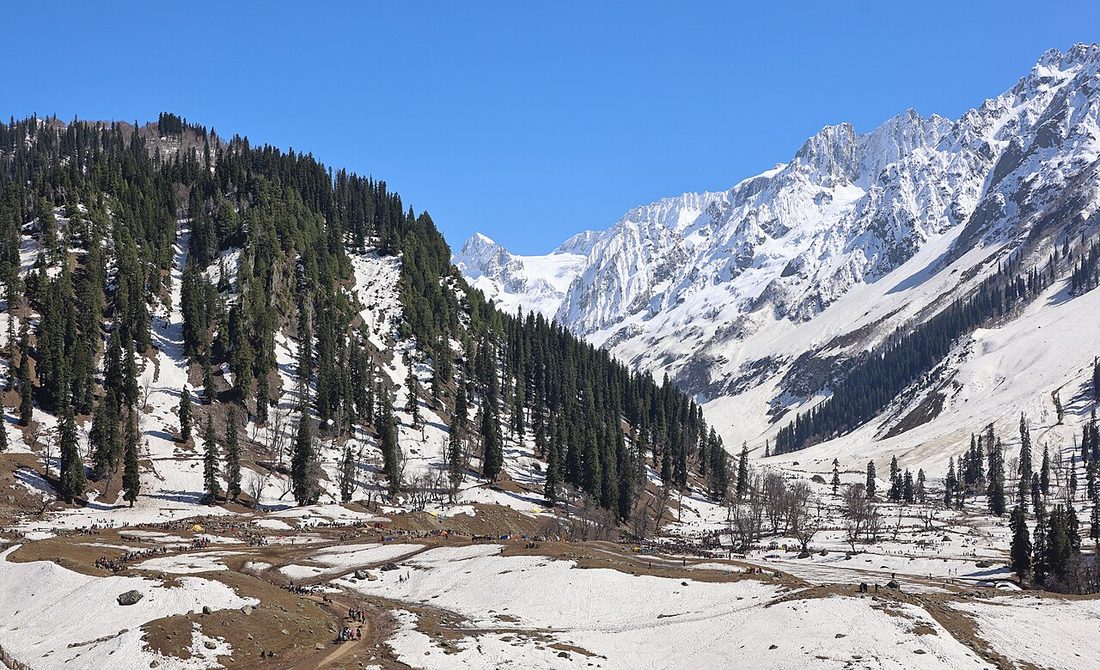
On the winter solstice of December 21, every household across the Kashmir Valley marks the arrival of Chillai Kalan—Persian for “the great forty-day cold.” Overnight taps in courtyard gardens freeze into solid ice plugs, translucent icicles called shishur lengthen to half a meter beneath corrugated tin eaves in Tangmarg, and mountain cascades plunging off the Pir Panjal cliffs stiffen mid-fall into blue-white ice pillars. For generations, this deep-freeze window shut down entire mountain corridors like Sonamarg until April. Today, modern tunnel engineering and organized 4×4 snow-chain hubs have turned those exact forty days into the crowning adventure frontier of New Year’s Kashmir Tours.
Yet travellers who treat Chillai Kalan like a normal autumn mountain road trip quickly collide with real alpine constraints: iced-over hill climbs requiring iron snow chains, lithium smartphone batteries plunging from 65% to dead in twelve minutes, and sudden morning road-clearance holds along the Srinagar–Gulmarg and Gagangir–Sonamarg corridors. This technical winter logistics guide demystifies the Chillai Kalan calendar, unpacks Drung Frozen Waterfall and Z-Morh Tunnel winter access to Sonamarg, lays out an elevation-by-elevation layering matrix, and maps out a dependable 6N/7D winter itinerary.
Decoding the Kashmiri Three-Stage Winter Calendar (Chillai Kalan, Khurd & Bacha)
Kashmiris never divide winter merely into “December” and “January.” Traditional valley meteorology tracks a precise 70-day cold cycle anchored to the solstice—knowing these exact windows helps you forecast snow depth and temperature swings accurately:
- Chillai Kalan Kashmir Date (December 21 – January 30, 40 Days): The harshest, snowiest phase of the year. Snow falling during Chillai Kalan bonds densely onto high ridges, feeding Kashmir’s summer glaciers and rivers. Chillai Kalan Kashmir temperature bands typically plunge to -3°C to -8°C overnight in Srinagar, -9°C to -14°C in Gulmarg, and -12°C to -18°C around Sonamarg and Apharwat.
- Chillai Khurd (January 31 – February 19, 20 Days): “The small cold”—heavy late-winter snowstorms still roll across Gulmarg and Pahalgam, though midday sunlight gains strength and lowland frost softens quicker.
- Chillai Bacha (February 20 – March 2, 10 Days): “The baby cold”—crisp sub-zero nights paired with milder afternoon thaws and dramatic snow-laden apricot buds beginning to swell in the valley floor.
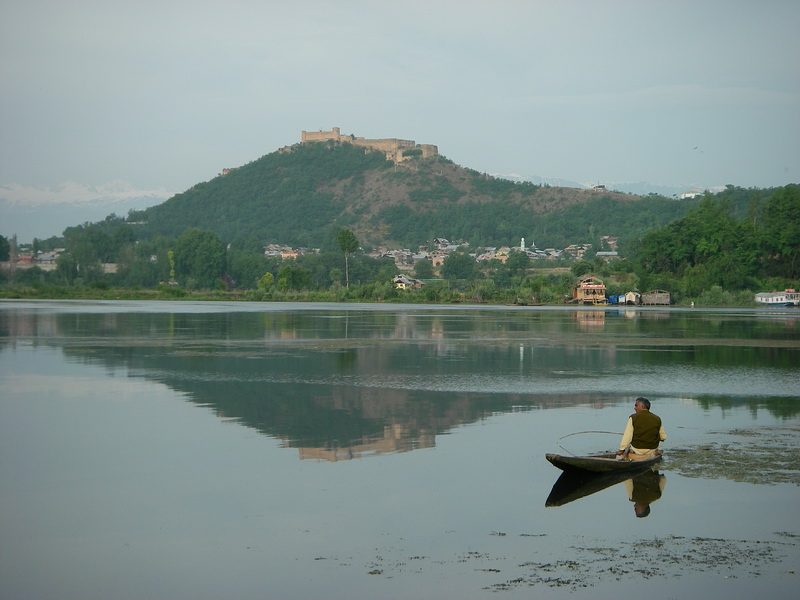
Because New Year week falls squarely inside the opening fortnight of Chillai Kalan, visitors witness Kashmir’s winter culture at peak authenticity: steaming brass pots of overnight slow-cooked harissa sold at dawn across Srinagar’s Downtown alleys, willow-basket kangris tucked inside wool pherans, and morning fishermen gliding across frost-rimmed Nigeen Lake beneath snow-capped Hari Parbat.
Drung Waterfall in Winter: Reaching Kashmir’s Towering Ice Stalactites
Barely four kilometers uphill along a narrow boulder track outside Tangmarg, a rushing mountain torrent fed by high glaciers plunges over mossy dark boulders beside a modest stone shrine and wooden footbridge. Between May and October, Drung is a pleasant roadside waterfall stop. Once Chillai Kalan freezes daytime highs near 0°C, Drung waterfall Gulmarg winter turns into a surreal frozen cathedral.
Spray from the upper cascade freezes layer by translucent layer overnight until massive 25-to-35-foot stalactites and turquoise ice curtains encase the entire rock cliff, while cold meltwater continues gurgling audibly behind the glass-like shell. Around the icy basin, tiny timber stalls roast spiced corn and brew boiling masala Maggi and cardamom kahwa right beside snowdrifts.
Practical Drung Waterfall Winter Logistics & Timing
- 4×4 Snow-Chain Access Only: The steep, narrow, shaded final 3.5 km lane from Tangmarg market to Drung base glazes into treacherous black ice every morning. Standard Srinagar sedans and Innovas cannot climb safely; hire a local Tangmarg 4×4 chained Gypsy, Sumo, or Bolero (₹1,500–₹2,000 dedicated return trip from Tangmarg, or ₹800–₹1,000 incremental add-on when combined with your Gulmarg descent transfer).
- Hit Drung Between 9:30 AM and 11:15 AM: Afternoon crowds coming down from Gulmarg clog the tiny single-lane turn-around point by 2:30 PM. Visiting mid-morning—either on your ascent day before checking into Gulmarg or right after leaving Gulmarg at 8:45 AM—lets you photograph the blue ice curtains without twenty selfie sticks wedged into every frame.
- Micro-Spikes or Gripped Rubber Boots Are Non-Negotiable: Mist freezing onto the stone footpaths surrounding the waterfall creates mirror-slick glare ice. Every winter, dozens of travellers in flat sneakers take bruised falls within twenty paces of the viewing bridge. Rent heavy-tread gumboots at Tangmarg (₹250) or clip compact silicone crampons onto waterproof boots.
Drung sits directly on our most popular winter itineraries—see full day-by-day routing inside our Kashmir 6N/7D Winter Package with Drung Waterfall and our streamlined 5N/6D Kashmir Drung Waterfall Tour.
Sonamarg Winter Tourism & The Z-Morh Tunnel Revolution
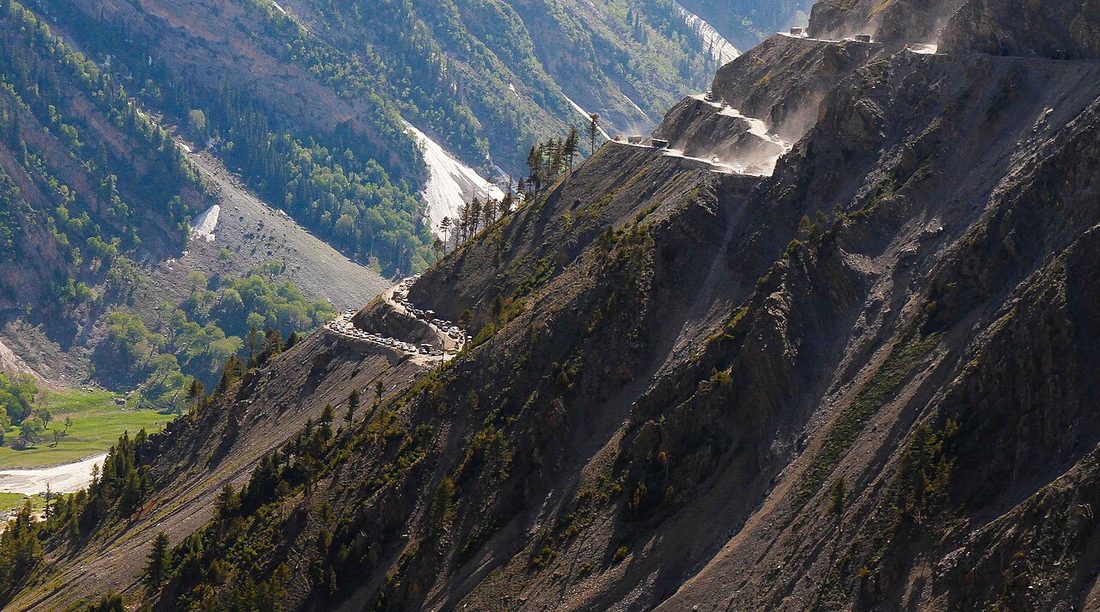
For decades, the Sindh River valley above Gagangir shut tight every December because steep avalanche chutes along the winding Z-shaped mountain hairpin above Gagangir buried NH1D under thirty feet of slide debris. That historical barrier ended with the commissioning of the 6.5-kilometer all-weather Z-Morh (Sonamarg) Tunnel cutting directly underneath the avalanche-prone ridge between Gagangir and Sonamarg (2,730 m).
Here is what Sonamarg winter tourism Z-Morh tunnel access actually unlocks—and what remains genuinely closed in deep winter so you plan accurately:
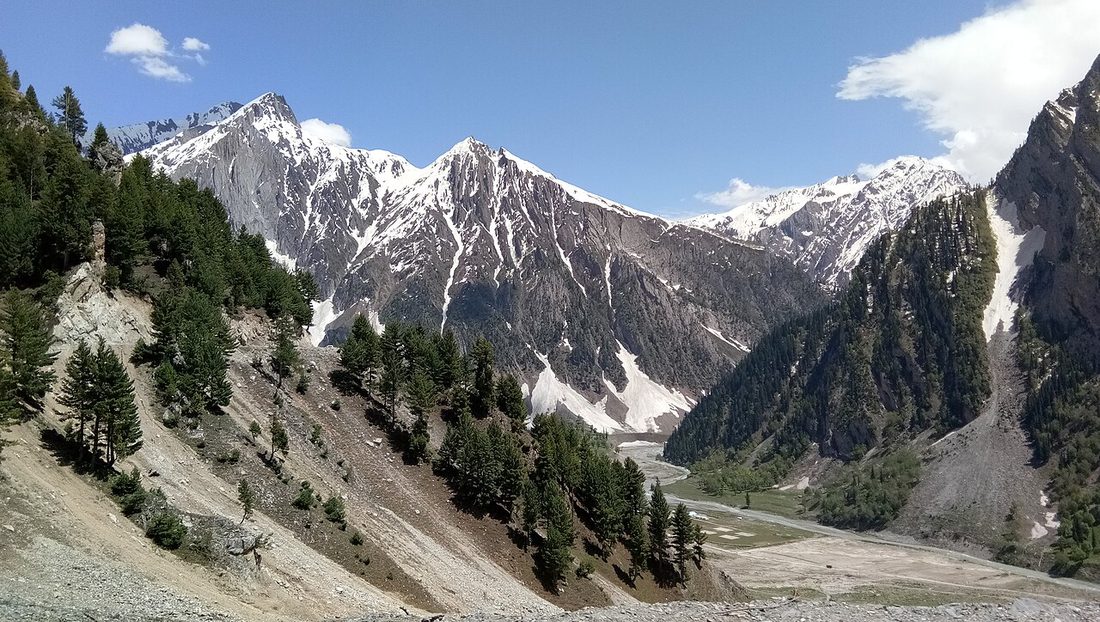
- What IS Open Deeper Into Winter: Provided immediate heavy blizzard clearing on the Ganderbal–Kangan–Gagangir approach is complete, private winter vehicles and chained SUVs can now glide straight through the illuminated Z-Morh Tunnel into Sonamarg’s broad snow bowl—unlocking pristine drifts, riverside Sindh ice views, winter sledging, and photography beneath Thajiwas glacier’s vertical granite walls.
- What Stays Closed Until Spring (Critical Distinction!): The Z-Morh Tunnel opens Sonamarg town itself—it does not open Zoji La Pass (3,528 m) toward Drass, Kargil, and Leh during Chillai Kalan! Beyond Sonamarg and the empty snowy valley floor of Baltal, Zoji La remains buried under massive winter snowpacks until late spring (pending completion of the separate 14-km Zoji La Tunnel still under construction). Always disregard social-media posts claiming “Leh is driveable from Srinagar in January.”
- Winter Accommodation Reality in Sonamarg: Unlike Gulmarg, which boasts dozens of full-scale centrally heated resorts operating through December, Sonamarg’s winter hotel ecosystem is still growing—only a select handful of winterized heated properties operate during January. Most New Year travellers therefore experience Sonamarg as a thrilling 7:45 AM – 4:30 PM snow day expedition out of Srinagar (80 km each way, ~2.5 hours via Kangan and Gagangir), returning to a warm Srinagar hotel or houseboat before nightfall.
Road Status, 4×4 Snow Chains & Offbeat Doodhpathri Winter Protocols
Checking live highway status before stepping into your morning vehicle prevents wasted hours idling at police snow barriers. Bookmark this field reference for Srinagar to Gulmarg road status January alongside Kashmir’s other winter mountain corridors:
| Winter Corridor | Police / Chain Checkpoint | Morning Clearance Rhythm | Vehicle Protocol During Chillai Kalan |
|---|---|---|---|
| Srinagar → Tangmarg → Gulmarg (51 km) | Tangmarg Main Gate (2,150 m) | Plowed by 8:00 AM daily; rare 2–3 hr holds during intense blizzards | Srinagar SUV up to Tangmarg; mandatory chained 4×4 Gypsy/Sumo for final 13 km climb |
| Tangmarg → Drung Frozen Waterfall (4 km) | Tangmarg Stand | Lightly cleared; perpetual shaded ice | Chained 4×4 local taxi only (₹1,500–₹2,000 return) |
| Srinagar → Gagangir → Sonamarg (80 km) | Kangan & Gagangir Tunnel Portal | Z-Morh Tunnel all-weather; approach cleared by 9:00 AM after storms | High-clearance SUV + snow chains on approach if fresh snow exceeds 4 inches |
| Srinagar → Tangnar → Doodhpathri (42 km) | Khan Sahib / Tangnar | Secondary snowplow priority—verify 8:00 AM local status | 4×4 chained local vehicle required beyond Tangnar after snowfall |
| Srinagar → Pahalgam (90 km) | Bijbehara / Pahalgam Stand | Primary highway cleared early; smooth access | Srinagar SUV to hotel; local Pahalgam Union cab for Aru & Betaab Valley |
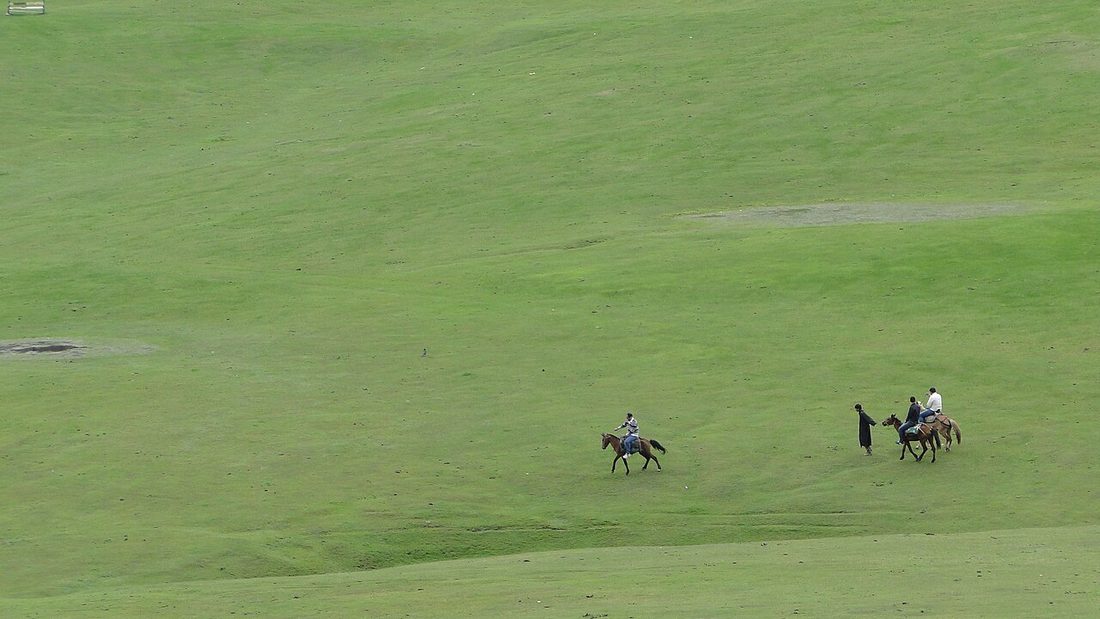
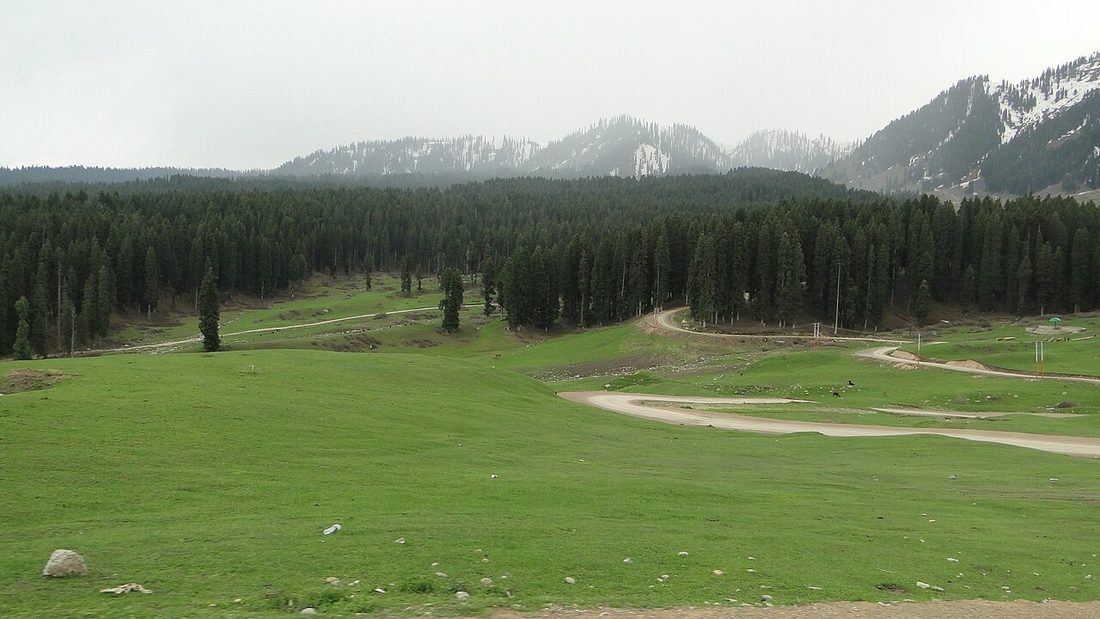
Looking for a snow meadow without Gulmarg’s peak-week lines? Doodhpathri (2,730 m) lies only 42 km southwest of Srinagar through Budgam’s apple villages. While spring brings pony rides across rolling green turf and winding dirt lanes through spruce groves, Chillai Kalan blankets those exact slopes in untouched dry powder ideal for snowshoeing and quiet family picnics—provided morning snow clearance past Tangnar is confirmed before you leave Srinagar.
Technical Winter Layering Matrix: What to Carry for a Kashmir Winter Trip
The biggest packing blunder visitors make when preparing what to carry for Kashmir winter trip itineraries is stuffing one massive heavy fashion wool coat into their suitcase while wearing cotton undershirts and denim jeans underneath. Heavy cotton traps sweat during sunlit climbs, then chills your core dangerously the instant you step into wind or shadow. Use this alpine four-layer matrix calibrated to actual Kashmir elevations:
| Layer System | Srinagar City (-4°C to 7°C) | Pahalgam, Drung & Doodhpathri (-9°C to 3°C) | Gulmarg, Sonamarg & Apharwat (-16°C to -1°C) |
|---|---|---|---|
| 1. Moisture-Wicking Base | Lightweight merino or polyester thermal top | 200 gsm merino thermal top & leggings | 250 gsm merino wool top + thermal tights (zero cotton!) |
| 2. Insulating Mid Layer | Light fleece sweater or cashmere pullover | Midweight grid fleece + wool socks | 300-weight fleece + packable 700-fill down jacket |
| 3. Weatherproof Outer Shell | Windproof puffer or traditional Kashmiri wool pheran | Waterproof windbreaker + fleece-lined trek pants | Seam-sealed waterproof ski parka + waterproof snow pants |
| 4. Head, Hands & Feet | Wool cap, light leather/fleece gloves, warm sneakers | Beanie, waterproof gloves, gripped snow boots + micro-spikes | Balaclava/neck buff, insulated ski gloves, UV400 goggles, waterproof thermal boots |
Cold-Weather Camera, Drone & Battery Survival Rules at -12°C
Sub-zero Chillai Kalan air plays nasty tricks on modern electronics—especially on Kongdoori Ridge, beside Drung’s icy gorge, and during dawn rides on Nigeen Lake:
- Lithium Battery Protection: Cold slows lithium-ion chemistry sharply, causing smartphones and mirrorless cameras to plunge from 60% straight to shutdown in minutes. Always carry two spare camera batteries and a compact 10,000 mAh power bank tucked inside an inner jacket chest pocket warmed by body heat—never inside an outer backpack pouch.
- Prevent Lens Condensation Inside Heated Hotels: Walking directly from -12°C Gulmarg snow into a +22°C radiator-heated lobby instantly fogs camera glass and internal mirrorless sensors. Slip your camera into a large sealed zip-lock freezer bag outdoors before stepping inside; leave it zipped for 30 minutes until condensation forms harmlessly on the outside of the plastic bag instead of your lens elements.
- Ski Gloves With Touchscreen Liners: Pulling bare fingers out to tap shutter buttons at Apharwat or Sonamarg numbs fingertips in 45 seconds. Wear thin merino liner gloves inside waterproof outer mitts so your skin never touches frozen anodized aluminum camera bodies.
- Respect Drone Restrictions: Jammu & Kashmir carries tight aviation and security no-fly zones around Srinagar Airport, Gulmarg high ridges, and strategic tunnels like Z-Morh. Never fly an unregistered consumer drone without formal DGCA Digital Sky green-zone clearance and local police permission.
Threading Drung, Gulmarg & Sonamarg Into One Seamless Kashmir 6N 7D Winter Package
Trying to cram Drung, Gulmarg, Pahalgam, and Sonamarg blindly without sequencing travel corridors wastes precious winter daylight. Here is the logical flow behind our Kashmir Adventure Tour Package and 7-Day Winter Adventure itinerary—engineered for couples, families, and active winter explorers booking Kashmir Tour Packages:
- Day 1 (Srinagar Lakes): Midday airport arrival, Nigeen or Dal Lake heated cedar houseboat check-in, sunset shikara ride, and local craft market stop for a wool pheran.
- Day 2 (Z-Morh Tunnel Expedition to Sonamarg): Depart Srinagar at 7:45 AM via Kangan and Gagangir through the Z-Morh Tunnel into Sonamarg’s snow bowl; enjoy snow walks toward Thajiwas viewpoints and return to your centrally heated Srinagar hotel by 5:00 PM.
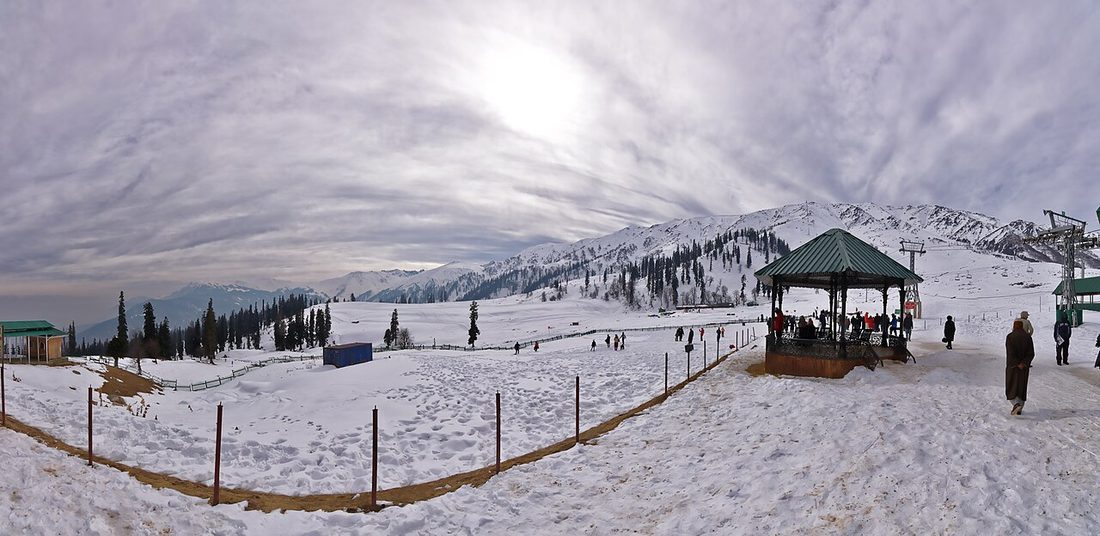
- Day 3 (Srinagar to Gulmarg via Tangmarg): Climb via Tangmarg’s 4×4 snow-chain handover into Gulmarg (2,650 m); evening alpine walk and ski-gear fitting.
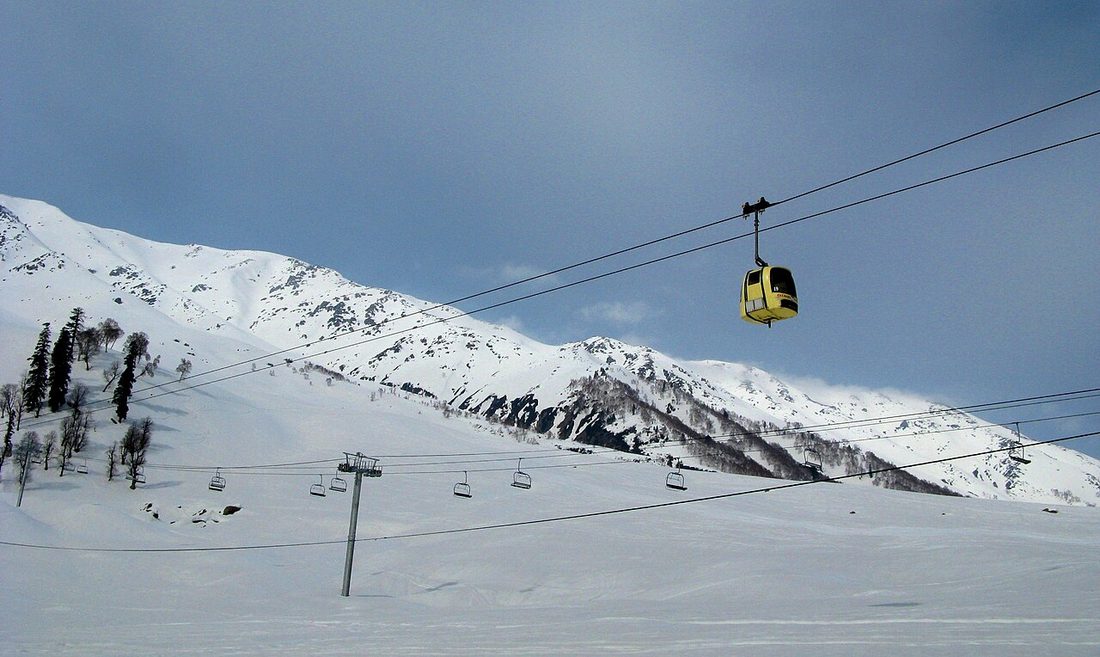
- Day 4 (Gulmarg Gondola Phase 1 & 2 + Skiing): Morning cable-car run (book 30–45 days out using our Gulmarg Gondola booking guide) plus afternoon Kongdoori snow activities.
- Day 5 (Drung Frozen Waterfall → Pahalgam): Descend early to Tangmarg, detour 15 minutes into Drung’s frozen ice canyon by 9:30 AM, then cruise smoothly south to Pahalgam along the Lidder River (full details in our Pahalgam & Betaab Valley New Year snow retreat guide).
- Day 6 (Betaab & Aru Snow Loop → Srinagar): Morning Pahalgam union cab excursion through snow-draped Betaab Valley and Aru meadow, returning to Srinagar for final saffron shopping and celebratory Wazwan dinner.
- Day 7 (Midday Departure): Protected midday SXR departure after valley fog lifts.
Travelling as a romantic duo or with toddlers and grandparents? Pair this logistics handbook with our specialized New Year’s Kashmir honeymoon snow chalets guide, our family & multi-generational New Year’s Kashmir Tours planner, and our broader Kashmir in December, Christmas & New Year Snow Guide. You can also browse vetted winter properties in our heated hotels directory, compare all itineraries on our tour packages hub, explore our destinations portal and Kashmir travel blog, or request live December–January snow-chain routing through our Srinagar operations contact desk.
Witness Drung Frozen Waterfall & Z-Morh Sonamarg in Peak Chillai Kalan
Let our Srinagar winter ground team manage every 4×4 snow-chain handover, morning road check, and heated resort booking across New Year’s Kashmir Tours.
Frequently Asked Questions
What are the exact Chillai Kalan Kashmir dates for 2026–2027?
Chillai Kalan runs strictly for 40 days every winter from December 21 through January 30, followed by 20-day Chillai Khurd (January 31 – February 19) and 10-day Chillai Bacha (February 20 – March 2).
Is Drung Waterfall completely frozen during New Year week?
Yes—once overnight temperatures around Tangmarg drop below -6°C in late December, Drung Waterfall develops dramatic 25-to-35-foot ice stalactites and frozen curtain walls while glacial stream water flows beneath the outer ice shell through January and February.
Can tourists reach Sonamarg in January now that the Z-Morh Tunnel is built?
Yes, on clear winter days once the Srinagar–Kangan–Gagangir approach road is plowed. The 6.5 km Z-Morh Tunnel bypasses the worst avalanche slide zone into Sonamarg town itself—though Zoji La Pass beyond Sonamarg toward Leh remains snowbound until spring.
Do we need separate 4×4 snow-chain vehicles for both Gulmarg and Drung?
You can combine both cleanly with the same local Tangmarg 4×4 chained vehicle—adding Drung Waterfall as a 90-minute morning detour either on your way up to Gulmarg or on your early exit morning descending back to Tangmarg (adding roughly ₹800–₹1,000 over the standard transfer).
Is Chillai Kalan safe for families with young kids during New Year’s Kashmir Tours?
Yes, provided you book centrally heated hotels, dress children in merino thermal base layers plus waterproof snow suits and gripped boots, keep outdoor snow play between 10:00 AM and 3:30 PM, and stick to vetted local 4×4 drivers rather than self-driving icy mountain switchbacks.
What is the single most forgotten item on Kashmir winter packing lists?
Two items tie for first place: polarized UV400 sunglasses (sunlight bouncing off snow at Kongdoori or Sonamarg strains eyes fiercely) and a compact power bank kept inside an inner coat pocket so sub-zero air doesn’t kill your phone battery mid-morning.