
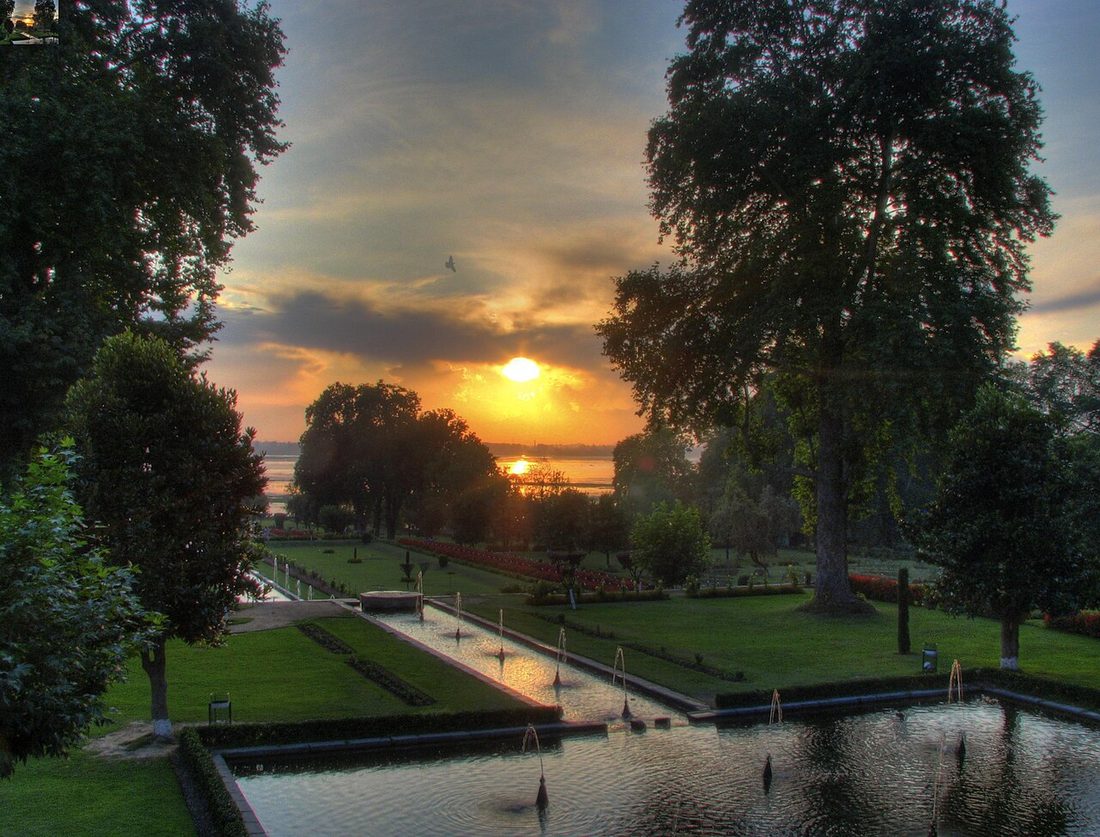
By 5:30 PM on December 31, the surface of Nigeen Lake stops rippling. Frost begins crystallizing along the painted prows of moored shikaras, the Zabarwan ridge behind Boulevard Road shifts from bruised violet to pitch black, and inside the dining saloon of a 90-year-old deodar-cedar houseboat, a sheet-iron bukhari stove clicks softly as split walnut logs catch fire. Outside on the wooden verandah, the air reads -3°C; ten feet away beneath hand-carved khatamband ceilings, the parlor holds a steady 21°C while copper cups of cardamom-spiced kahwa pass from hand to hand.
Spending December 31 floating on Srinagar’s historic lakes is the emotional centerpiece of New Year’s Kashmir Tours—yet it is also the single accommodation choice where travellers make the costliest winter mistakes. Book blindly from summer review photos, and you could end up shivering through a midnight blackout in an uninsulated budget boat with a lukewarm bucket bath. Book with local Srinagar engineering knowledge, and a heated houseboat becomes the warmest, quietest, most memorable winter residence in South Asia.
I have spent fifteen winters auditing moorings, boiler rooms, firewood stocks, and kitchen lineages across both Dal Lake and Nigeen Lake. What follows is the unedited winter truth about how heated houseboats in Srinagar December actually operate, how Dal Lake compares to Nigeen Lake at midnight, what a genuine Kashmiri Wazwan New Year dinner costs versus a hotel gala buffet, and how to wake at 6:30 AM on January 1 to glide through Srinagar’s steaming floating vegetable market.
How Houseboat Heating Really Performs at -4°C (What Brokers Never Explain)
Cedarwood hulls sit directly in snowmelt lake water whose surface temperature hovers barely above 1°C during late December. Unlike concrete city hotels on Residency Road or Rajbagh, a traditional houseboat cannot run diesel central-heating radiators across floating wooden decks without structural modifications. Instead, genuine winter-ready houseboats rely on a four-layer thermal system—and if even one of those four layers is missing on December 31, you will feel the chill by 2:00 AM.
Layer 1: The Cast-Iron or Sheet-Metal Bukhari Wood Stove
A proper Kashmiri bukhari stands in the central drawing room (and in heritage luxury suites, inside master bedrooms too), vented cleanly through the cedar roof with a galvanized chimney pipe. Around 4:30 PM, your houseboat steward packs the firebox with seasoned almond or willow billets and crushed charcoal sawdust. Within twenty minutes, radiant heat fills the walnut-paneled lounge so thoroughly that guests peel off their jackets. Always ask one crucial question before paying an advance: is firewood included for both evening and morning firing, or billed separately at ₹600–₹1,000 per load?
Layer 2: Dual-Zone Electric Under-Blankets (The Secret to Deep Winter Sleep)
Wood stoves burn down around 1:30 AM unless stoked overnight, which is when sub-zero lake air creeps through carved lattice windows. Every top-tier winter houseboat layers a thick cotton mattress topped with a heavy quilted Kashmiri wool comforter and a low-wattage electric bed warmer switched on 45 minutes before bedtime. Slipping between pre-heated flannel sheets while frost coats the glass outside is one of Kashmir New Year’s Eve’s simplest physical joys. Never rely solely on a noisy 2,000-watt coil fan blower—those trip floating boat circuit breakers the moment two cabins turn them on simultaneously.
Layer 3: Oil-Filled Fin Radiators & Heavy Velvet Door Curtains
Inspect cabin photos closely before confirming your 3-Day Kashmir Houseboat Escape. Well-run winter boats hang thick wool-lined brocade curtains across every door frame and deck window to trap heat, and place silent 9-fin or 11-fin oil radiators inside sleeping quarters rather than dry-air halogen rods. Oil fins keep ambient room temperatures around 18–19°C without dehydrating your throat overnight.
Layer 4: Inverter Backup & Pressurized 25-Litre Geysers
Srinagar’s winter power grid experiences scheduled load-shedding during peak Chillai Kalan demand—often right between 6:30 PM and 8:30 PM when guests return from sightseeing wanting hot showers. A budget houseboat connected only to shoreline mains goes completely dark and cold during a curtailment. Verified winter boats run dedicated heavy-duty lithium or tubular inverter banks plus backup silent generators for lighting, electric under-blankets, and 25-litre storage geysers. When vetting stays through our curated Srinagar hotels and houseboats directory, we confirm backup power capacity before any New Year booking is issued.
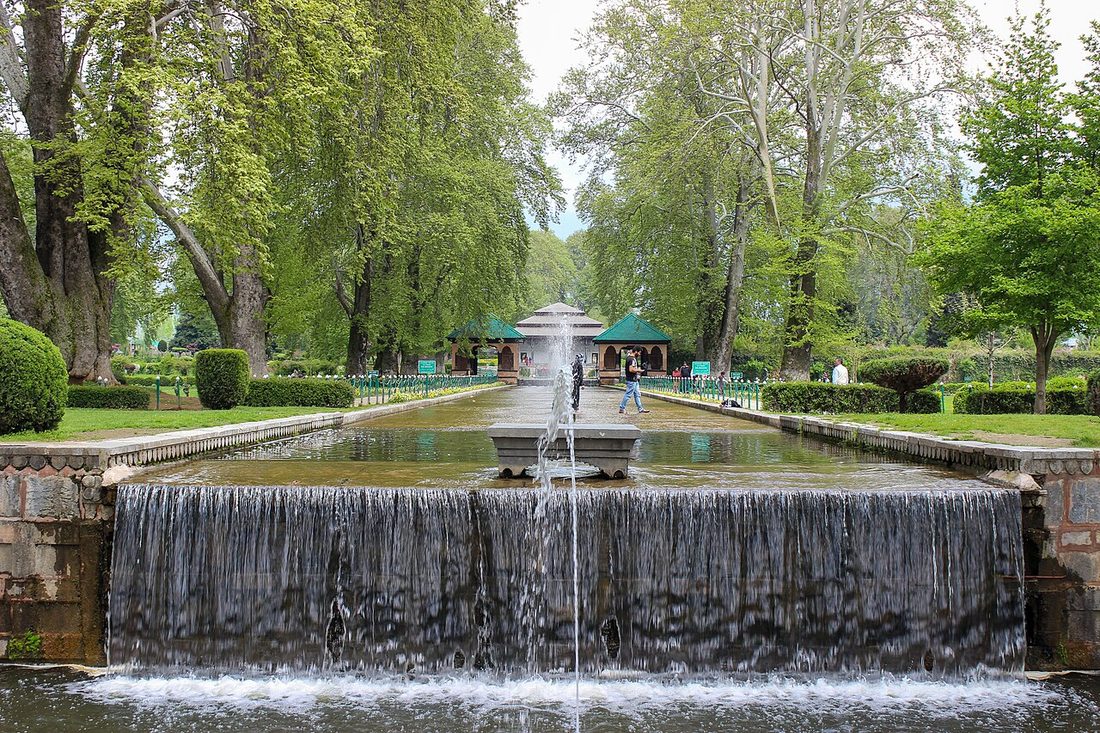
Dal Lake (Nehru Park & Boulevard) vs. Nigeen Lake: Choosing Your December 31 Mooring
First-time visitors frequently assume Dal Lake and Nigeen Lake feel identical because a narrow lotus canal links them beneath Ashai Bagh bridge. On New Year’s Eve, the difference between the two waters is night and day. Choosing the right basin shapes your entire new year celebration in Srinagar.
| Feature | Dal Lake (Ghat 1–16 / Nehru Park Belt) | Dal Lake (Interior Golden Lake / Char Chinar Side) | Nigeen Lake (West & Club Road Moorings) |
|---|---|---|---|
| Dec 31 Atmosphere | Lively Boulevard lights, distant hotel music, active evening shikaras | Quiet, wider open water, dramatic Zabarwan reflection | Serene, residential, deeply peaceful—zero roadside horns |
| Shikara Crossing Time | 2–4 minutes from Boulevard Road ghat | 12–20 minutes across winter mist (cold after 8 PM!) | Direct gangplank walk-on access at several moorings, or 2-min boat hop |
| Floating Hawker Traffic | Frequent saffron, shawl & flower boats on verandah | Moderate morning craft boats | Minimal—almost no unsolicited sales knocks |
| Best Match For | First-timers, friend groups, lively family stays | Photographers & slow-travel couples | Honeymooners, seniors, light sleepers & luxury houseboat seekers |
| Peak Dec 31 Heated Tariff (Per Night, 2 Pax, MAP) | ₹9,500 – ₹18,000 ($115 – $215) | ₹11,000 – ₹22,000 ($130 – $260) | ₹14,000 – ₹34,000 ($165 – $405) |
Look closely at the boarding detail in row two. On a freezing -5°C night after returning late from dinner or a day drive, riding an open wooden shikara for twenty minutes across dark open water into interior Dal Lake can chill children and older parents right through their down jackets. By contrast, a Nigeen Lake heated houseboat winter mooring along Nigeen Club Road or Pokhribal often allows direct wooden jetty walk-on access—or a two-minute sheltered boat transfer—meaning your luggage rolls straight from your heated SUV to your cedar verandah without exposure to icy lake winds.
Couples booking our Luxury Kashmir Honeymoon package overwhelmingly choose Nigeen Lake for December 31: Hari Parbat fort glows softly in floodlight above the western shoreline, willow trees hang silver with hoarfrost, and your own wooden deck feels worlds away from roadside traffic. Meanwhile, families checking out Kashmir Family Tour Packages often love the Nehru Park–Ghat 9 stretch of Dal Lake because kids can watch illuminated shikaras glide past the verandah while staying three minutes from Boulevard cafes and pharmacies.
Traditional Trami Wazwan vs. Boulevard Hotel NYE Gala Dinners
Here is one of the best-kept secrets of spending New Year’s Eve in Srinagar: while major concrete hotels along Boulevard Road and Gupkar Road charge mandatory December 31 gala supplements of ₹6,500 to ₹15,000 per person for loud DJ halls and standard pan-Indian hotel buffets, heritage houseboat families can summon a master waza (traditional Kashmiri ceremonial chef) to cook an authentic slow-simmered Kashmiri Wazwan New Year dinner right in the adjacent kitchen boat.
Rather than standing in a chilly buffet queue under neon spotlights, four guests gather around a hammered tinned-copper platter called a trami resting on an embroidered dastarkhwan carpet beside the crackling bukhari. A traditional winter seven-course houseboat Wazwan opens with warm rosewater hand-washing from a copper tash-t-nari ewer, followed by:
- Seekh Kabab & Tabak Maaz: Minced lamb skewers spiced with black cardamom alongside crisp, milk-and-turmeric-braised lamb ribs finished in pure ghee.
- Methi Maaz & Daniwal Korma: Tender mutton scented with winter fenugreek leaves and fresh coriander yogurt gravy.
- Rista: Hand-pounded lamb meatballs poached in bright Kashmiri red chilli (deghi mirch) and saffron gravy—silky, aromatic, and warming rather than fiery hot.
- Rogan Josh & Marchwangan Korma: Slow-braised shank infused with cockscomb flower (mawal) and fennel powder.
- Gushtaba: The ceremonial finale—velvety minced-lamb spheres simmered in tangy spiced curd and dried mint, signaling the close of the feast alongside fragrant saffron rice and walnut chutney (doon chetin).
- Winter Vegetarian Counterpart: Reputable houseboat kitchens prepare an equally regal vegetarian Kashmiri spread featuring dum aloo (baby potatoes slow-cooked in fennel-ginger gravy), nadru yakhni (lotus stem harvested straight from Dal Lake in yogurt-cardamom broth), haakh (winter collard greens tempered in mustard oil), and saffron paneer chaman.
Expect to budget ₹2,800 to ₹4,500 per person for a freshly cooked private seven-course Wazwan with a bonfire evening on the lakeside lawn or rear deck—roughly half the cost of a five-star hotel gala, with ten times the cultural soul. If you do want live music, midnight countdown fireworks over Boulevard Road, and dancing, you can still spend December 30 on a Nigeen houseboat for the Wazwan ritual and move to a Gupkar heritage hotel on December 31—a split-stay rhythm many guests select inside our 5-Day Discover Kashmir Tour.
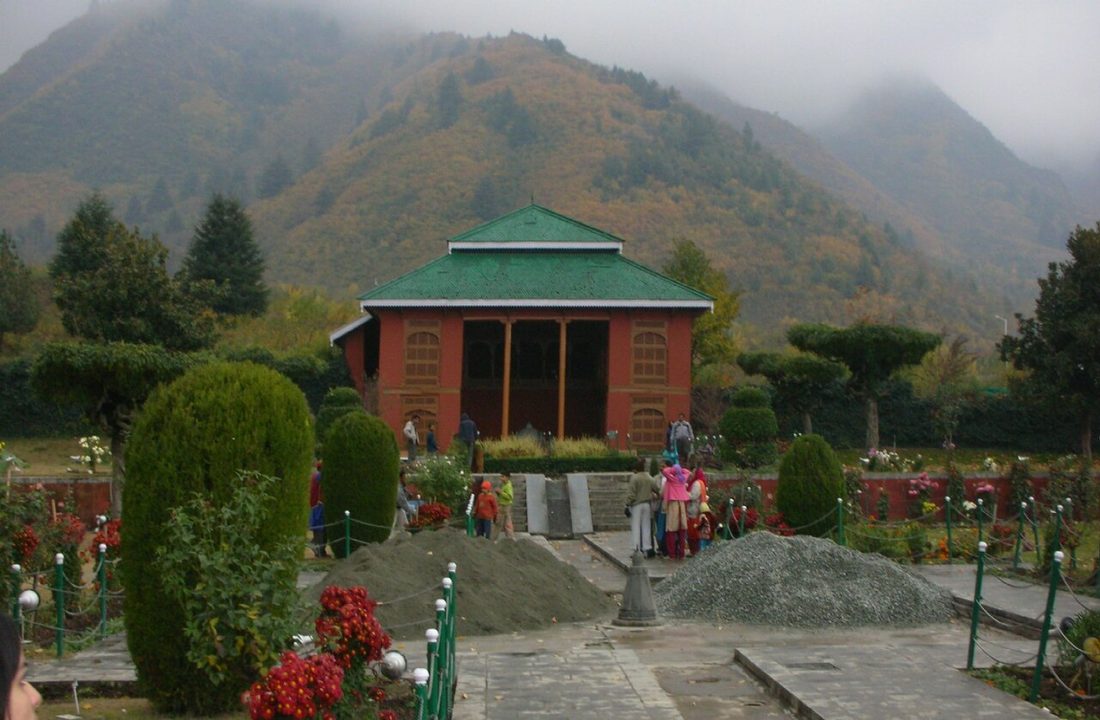
Hour-by-Hour: The Ideal December 31 – January 1 Srinagar Lake Schedule
Winter daylight dictates everything on the water. Follow this battle-tested 24-hour sequence so you catch every golden reflection without ever getting trapped in damp lake cold:
- 2:00 PM (Dec 31) – Check-In & Kahwa Welcome: Arrive straight from Srinagar Airport or return from a morning garden drive through Nishat, Shalimar, and Chashme Shahi. Inspect your room heaters, confirm firewood firing at 4:30 PM, and sit on the sunlit front verandah while midday warmth lingers.
- 3:30 PM – Golden-Hour Winter Shikara Ride on Dal Lake: Step aboard a spring-cushioned shikara fitted with thick wool blankets and two glowing clay kangris tucked safely at your feet inside woven willow baskets. Glide past floating lotus beds turned bronze by frost, cross under stone bridges into the quiet inner canals of Rainawari, and pause near Char Chinar island as snow-capped Mahadev Peak catches alpenglow. A winter shikara ride Dal Lake lasts 90 minutes to 2 hours (₹1,200–₹1,800 per boat at official ghat rates).
- 5:30 PM – Return Before Deep Frost: Climb back onto your houseboat right as evening twilight fades and the bukhari wood stove reaches full warmth. Sip salted pink noon chai paired with crisp sesame kulchas and freshly baked bakarkhani from a neighborhood Kashmiri baker (kandur).
- 7:30 PM – Lakeside Bonfire & Kashmiri Folk Acoustics: On Nigeen Lake’s shorefront lawns or spacious heritage rear decks, hosts light small willow bonfires where guests swap travel stories beside steaming samovars. If your group wants traditional rabab and santoor live music (₹8,000–₹14,000 for a two-hour local ensemble), reserve at least 10 days before New Year’s Eve.
- 8:45 PM – Trami Wazwan Dinner Service: Dine unhurriedly inside the heated wooden dining room before midnight arrives.
- 11:45 PM – Midnight Verandah Toast: Step out wrapped in a heavy wool pheran or down parka with fresh saffron kahwa. Listen to distant celebratory cheers drifting across Boulevard Road and fireworks echoing gently off Shankaracharya Hill while stars sharpen in the sub-zero Himalayan sky.
- 6:15 AM (Jan 1) – The Dawn Floating Vegetable Market (Gudar): Set one alarm worth obeying. Bundle up in thermal gloves, wool socks, beanie, and puffer coat, and let your pre-arranged shikara oarsman paddle silently through drifting steam toward the Mir Bahri floating garden channels. For 45 minutes between 6:30 AM and 7:15 AM, dozens of wooden dugouts gather raft-to-raft trading winter turnips (gogji), crisp lotus roots (nadru), carrots, and leafy winter greens under golden mist. Steam rising off dark water around hooded boatmen holding glowing kangris is easily the most unforgettable photograph of any New Year morning in India.
- 8:30 AM (Jan 1) – Hot Kashmiri Bakery Breakfast & Slow Morning: Return to your heated dining room for steaming harissa (if you love rich slow-cooked winter lamb porridge, pre-order it the afternoon prior from Srinagar’s historic Downtown kitchens!) or hot masala omelets, buttered sheermal, and fresh orchard apples.
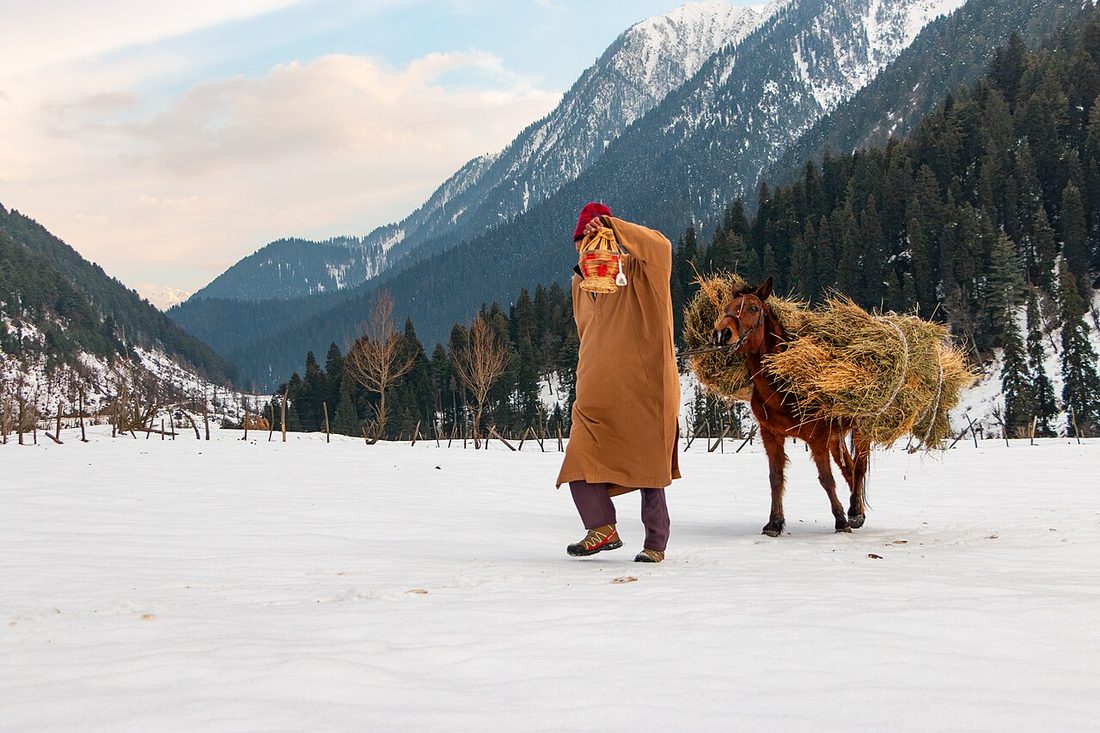
Pairing Your Srinagar Houseboat With High-Snow Day Trips & Extensions
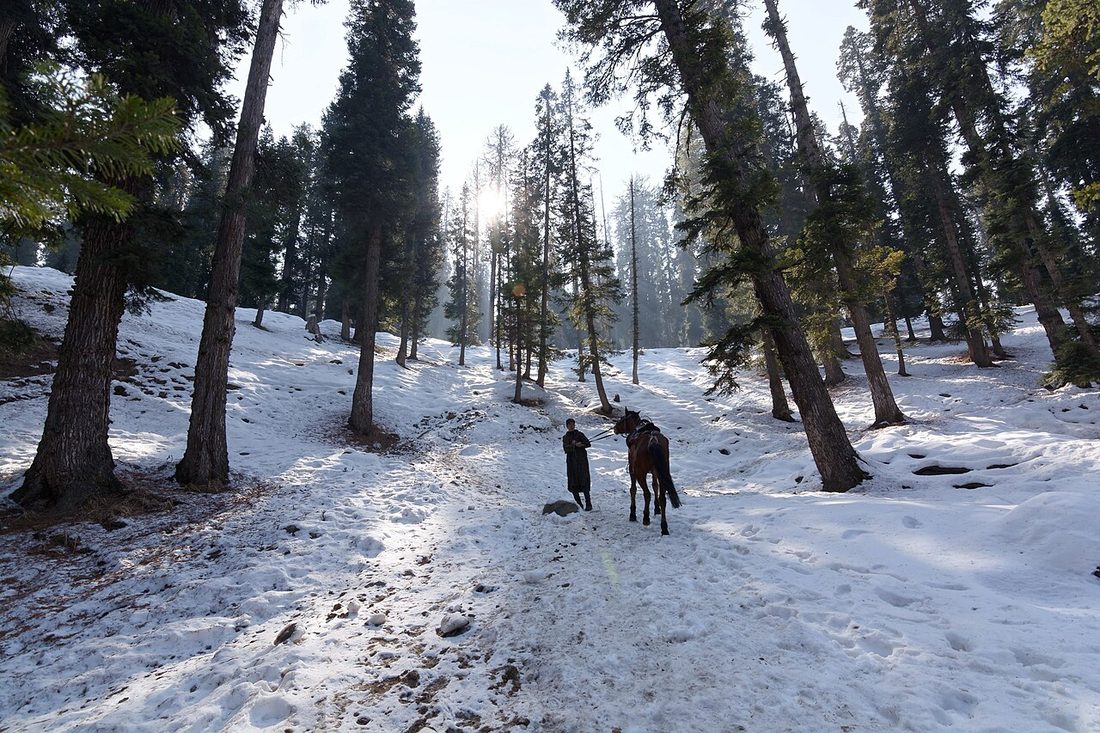
Because Srinagar sits at 1,585 meters, the lakes themselves offer crisp frost, silvery mist, and occasional snow flurries rather than guaranteed waist-deep drifts every December. Smart travellers weave their two nights on Dal or Nigeen Lake into a broader circuit of Kashmir Tour Packages that pairs warm lakeside culture with guaranteed deep-winter powder:
1. Manasbal Lake (30 km North – Quiet Winter Birdwatching & Sapphire Water)
Barely an hour’s drive northwest of Nigeen Lake, Manasbal Lake is Kashmir’s deepest freshwater lake and remains strikingly uncrowded during New Year week. Migratory winter ducks and cormorants gather along its reeds, ancient submerged temple stones peek near the eastern shore, and lakeside tea stalls serve piping-hot kahwa looking straight toward snowy Haramukh peaks. It pairs effortlessly with a half-day visit to Hazratbal Shrine and Kheer Bhawani.
2. Doodhpathri (42 km Southwest – Untouched Pine Snow Meadows Without Gulmarg Crowds)
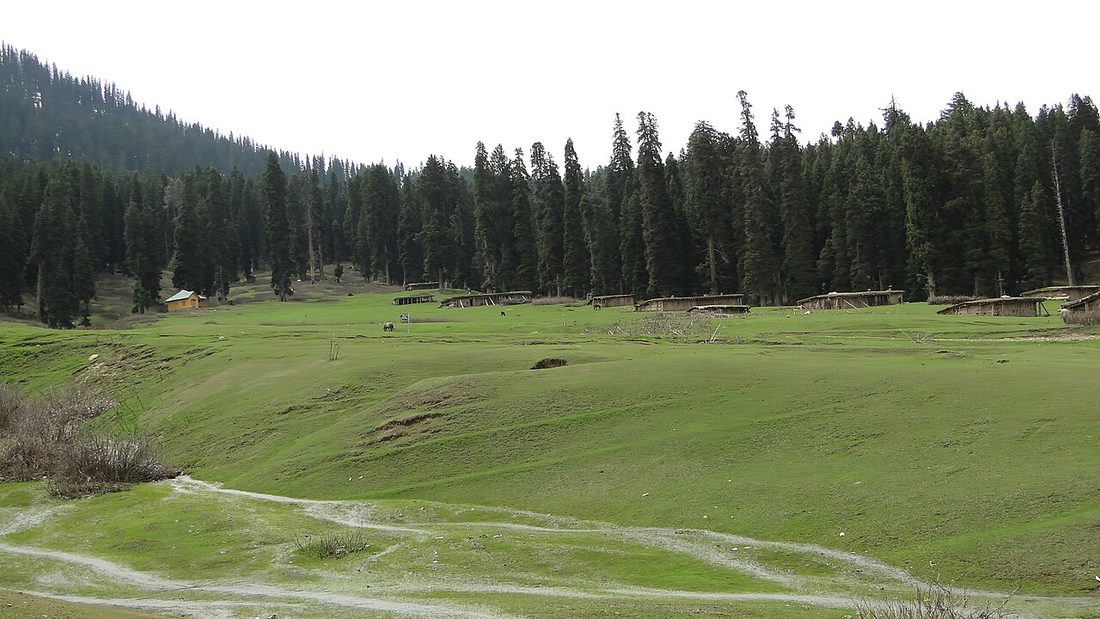
If Gulmarg’s peak-week cable-car queues feel intense on January 1, point your 4×4 southwest toward Doodhpathri (2,730 m). Known locally as the “Valley of Milk” for the frothy white rapids of the Shaliganga stream rushing over snowy boulders, Doodhpathri turns into an astonishingly quiet bowl of rolling fir meadows and knee-deep snow in late December. Road access beyond Tangnar depends on fresh snow clearance each morning, so confirm daily status through your Srinagar driver before departing at 8:30 AM.
3. Gulmarg & Apharwat Peak (51 km West – Guaranteed Deep Powder & Skiing)
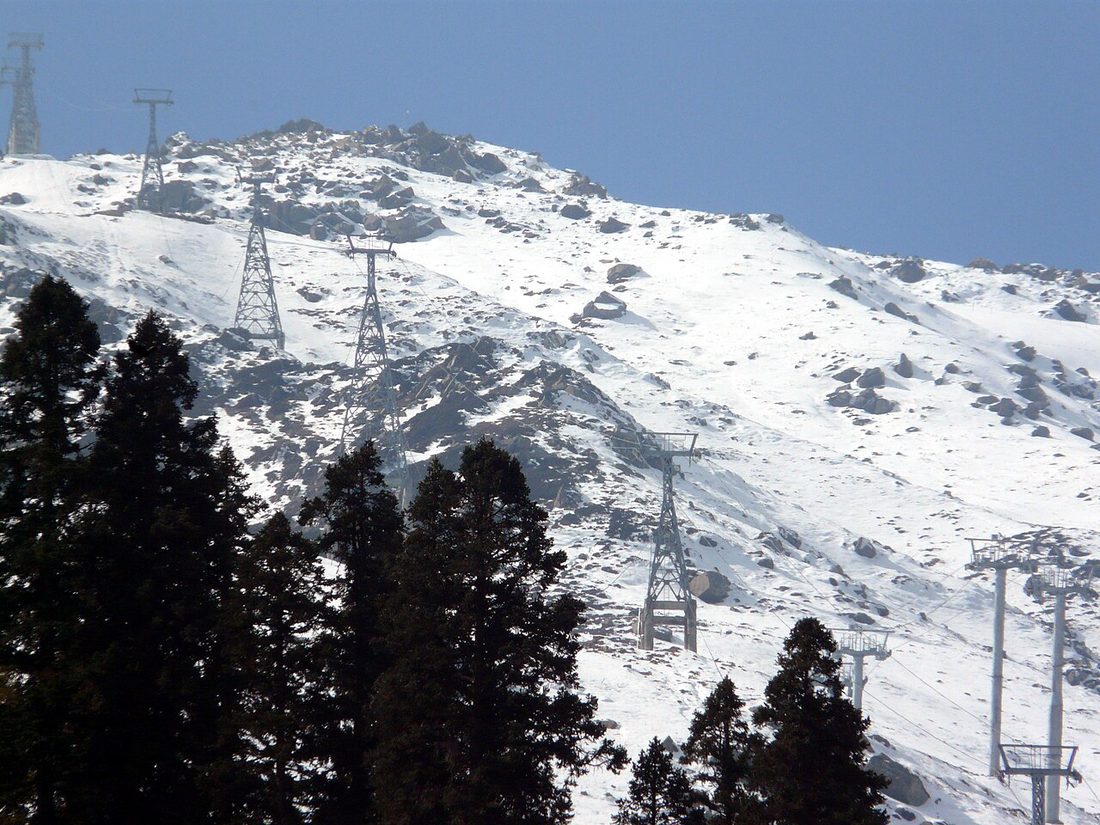
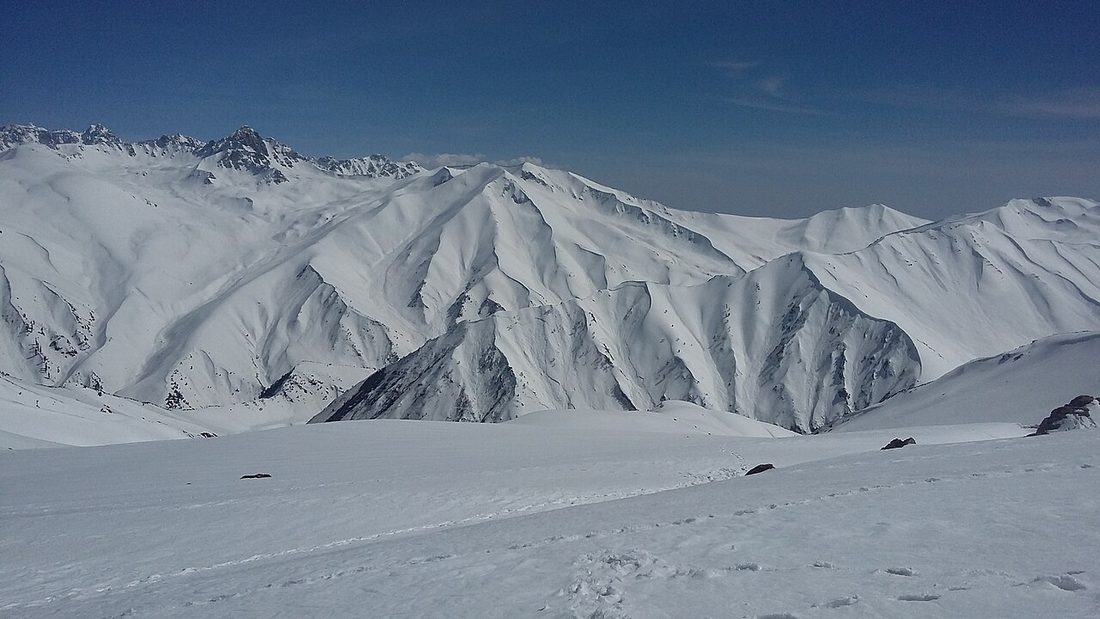
Most guests spend December 31 on Nigeen or Dal Lake, then depart early on January 2 for two nights in Gulmarg—timing their climb right as peak NYE room surcharges ease while fresh January snowstorms build across Kongdoori and Apharwat. Study our boots-on-the-ground Gulmarg New Year’s snowfall & Gondola Phase 2 playbook and our step-by-step Gulmarg Gondola ticket booking guide so your cable-car slots are locked well before landing in Srinagar.
4. Pahalgam & Complete Valley Planning
Travellers preferring serene riverside pine walks after their lake stay can add two nights in South Kashmir—explored thoroughly in our Pahalgam & Betaab Valley New Year snow retreat guide—while anyone plotting full 5-to-7 day multi-currency budgets should bookmark our flagship 2026–2027 New Year’s Kashmir Tours complete planner and our seasonal Kashmir in December, Christmas & New Year Snow Guide.
Winter Houseboat Etiquette, Packing & Honest Traps to Avoid
Floating wooden heritage structures operate differently from high-rise city hotels. Keeping five straightforward realities in mind ensures an effortless stay:
- Pack Warm Indoor Loungewear & Wool Socks: Even in a heated cedar houseboat, corridors between your bedroom and dining room run cooler than the stove-warmed parlor. Thick merino cabin socks and a fleece zip-up make evening tea and morning breakfast genuinely cozy.
- Watch Out for Aggressive Floating Sales Pitches: Polite but persistent waterborne vendors may paddle up to your Dal Lake verandah selling saffron, papier-mâché boxes, and pashmina shawls. Never feel pressured—a warm smile and firm “Shukriya, not today” works politely every time. Save serious artisan shopping for certified Srinagar craft studios.
- Confirm Shikara & Heater Inclusions in Writing: Some bargain portals quote an attractively low December room rate, then add ₹1,500/night for bukhari firewood, ₹500 per shikara crossing to Boulevard Road, and ₹800/night for an oil radiator at check-out. Insist on an all-inclusive winter voucher before arrival.
- Protect Camera & Phone Batteries at Dawn: Cold air during the 6:30 AM floating market ride drains lithium smartphone batteries rapidly. Keep your phone inside an inner chest pocket next to body heat until you frame a shot, and carry a slim 10,000 mAh power bank.
- Respect Lake Quiet After 11:00 PM: Sound carries sharply over frozen-edge water. Houseboat neighborhoods are home to local families living on neighboring boats—celebrate midnight warmly with tea, soft music, and conversation rather than loud portable speakers.
Ready to combine a heritage winter houseboat stay with snow-draped mountain valleys? Explore our full Kashmir tour packages, browse every regional guide in our Kashmir destinations hub and winter travel blog, or message our Srinagar hospitality specialists via our contact and custom booking desk to inspect verified heated houseboats for December 31, 2026.
Reserve a Verified Heated Cedar Houseboat for New Year’s Eve
Skip unheated winter gambles. Book audited Bukhari-heated Nigeen & Dal Lake houseboats with authentic Trami Wazwan and dawn shikara rides inside New Year’s Kashmir Tours.
Frequently Asked Questions
Are Dal Lake and Nigeen Lake houseboats warm enough to sleep in on New Year’s Eve?
Yes, when you book a verified winter-grade deluxe or heritage cedar houseboat equipped with a wood-fired bukhari stove in the parlor, dual-zone electric under-blankets, silent oil-filled cabin radiators, and inverter-backed 25-litre hot-water geysers. Budget unheated boats priced below ₹4,000/night in December should be avoided in sub-zero weather.
Should we book Dal Lake or Nigeen Lake for a Kashmir New Year’s Eve stay?
Choose Nigeen Lake if you value silence, direct shoreline boarding (or a 2-minute boat crossing), zero roadside traffic noise, and romantic winter views toward Hari Parbat—ideal for couples, families with toddlers, and seniors. Choose the Nehru Park / Boulevard stretch of Dal Lake if you want lively festive lights, evening cafe walks, and quick access to central Srinagar.
Does Dal Lake freeze completely during New Year week?
Only during unusually severe Chillai Kalan cold snaps (below -7°C for several consecutive nights) do thin ice sheets form along shallow interior coves and reeds. Main shikara channels along Boulevard Road and Nigeen Lake remain open for winter boat rides throughout late December and January, with boatmen occasionally tapping through glassy morning fringe ice.
What does a traditional Kashmiri Wazwan New Year dinner on a houseboat cost?
A freshly prepared private seven-course Trami Wazwan cooked by a local waza—complete with seekh kabab, tabak maaz, rista, rogan josh, gushtaba, saffron rice, and hot kahwa—typically runs ₹2,800 to ₹4,500 per adult on December 31, significantly more personal and affordable than ₹8,000–₹15,000 five-star hotel gala buffets.
Is the floating vegetable market on Dal Lake open on January 1 morning?
Yes. The wholesale dawn market (Gudar) runs year-round, including January 1 morning, though winter trading starts slightly later than summer—peak action happens between 6:30 AM and 7:30 AM. Dress in full thermals, waterproof gloves, and a wool cap, and ask your oarsman to place a traditional glowing kangri safely near your feet.
How many houseboat nights should we include in New Year’s Kashmir Tours?
One to two nights is the winter sweet spot. Spend one or two cozy lakeside nights in Srinagar (ideally covering December 30–31 or December 31–January 1), then spend your remaining nights in centrally heated mountain resorts in Gulmarg and Pahalgam so you experience both heritage lake hospitality and deep alpine snowfall.