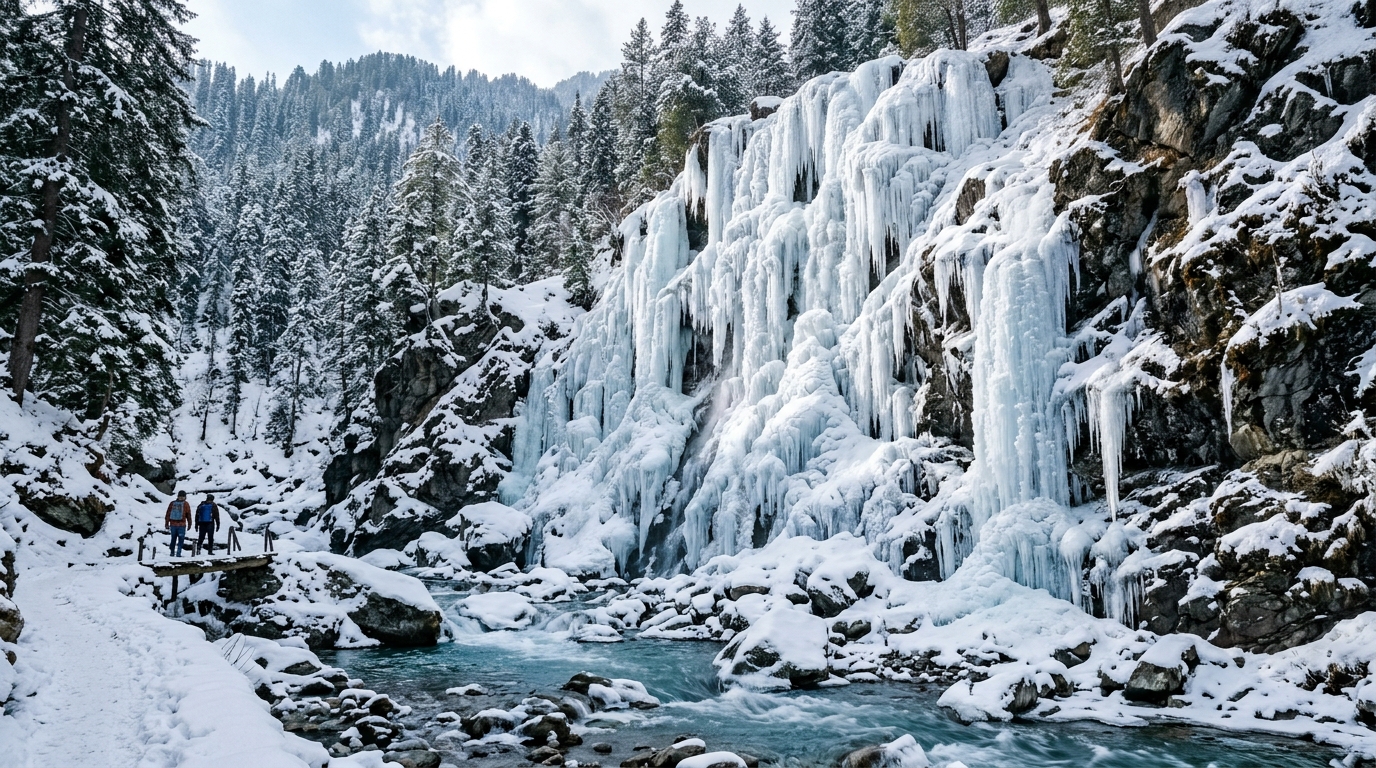
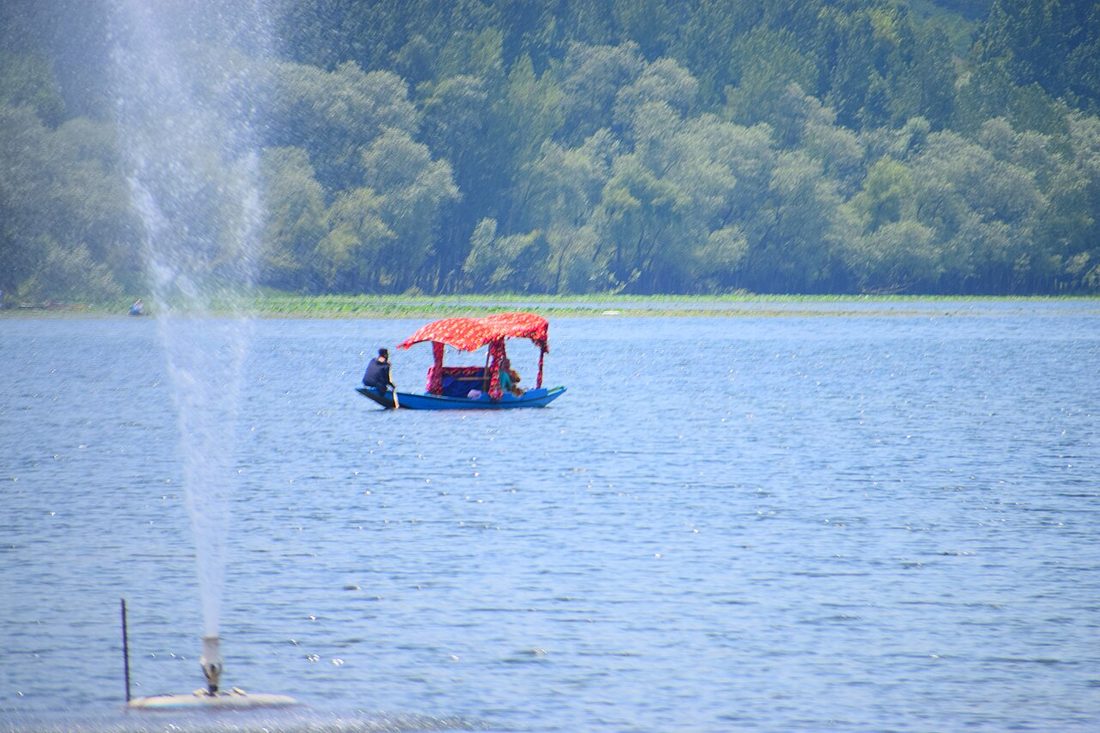
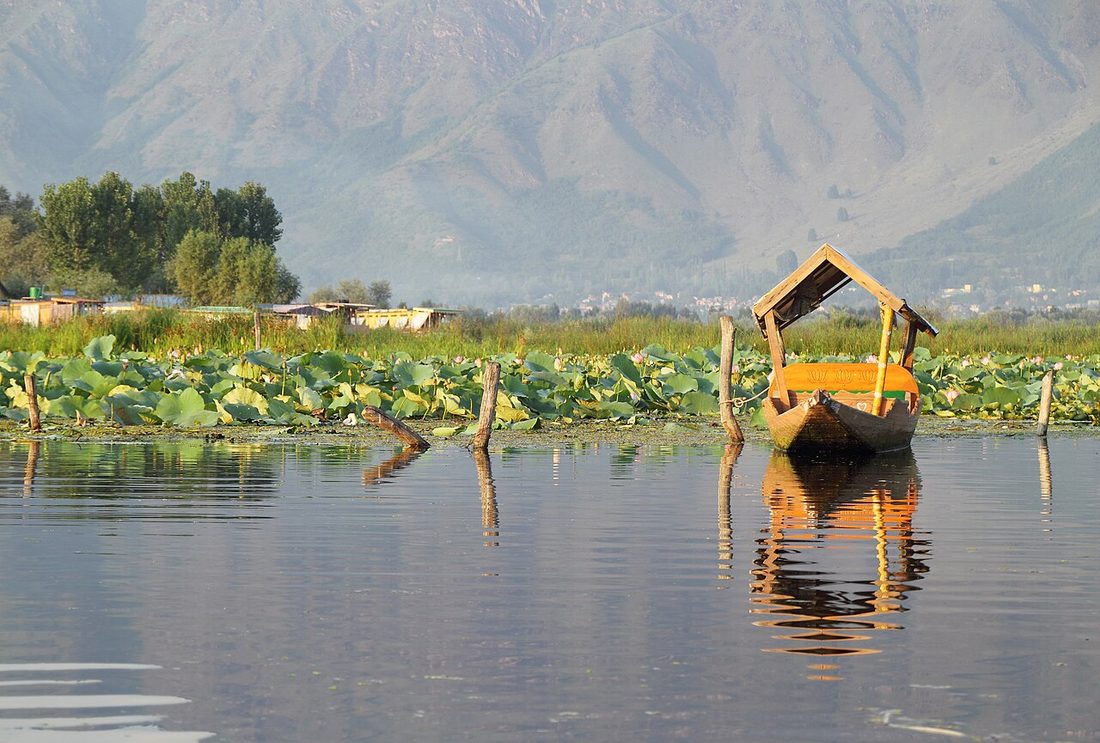
Push a painted cedarwood Shikara off the quiet Garibal bank just before seven on a late-July morning, and within five paddle strokes you realize why Kashmiri boatmen call Manasbal the “supreme gem of all valley lakes.” There are no floating shawl peddlers knocking against your gunwale, no generator hum drifting from anchored houseboats, and no motorboat wakes slapping the reeds. Instead, the wooden prow parts broad emerald pads studded with thousands of rose-pink Nelumbo nucifera lotus blossoms opening straight into cool mountain air, while a pied kingfisher hovers motionless ten feet overhead before plunging clean into bottle-green water.
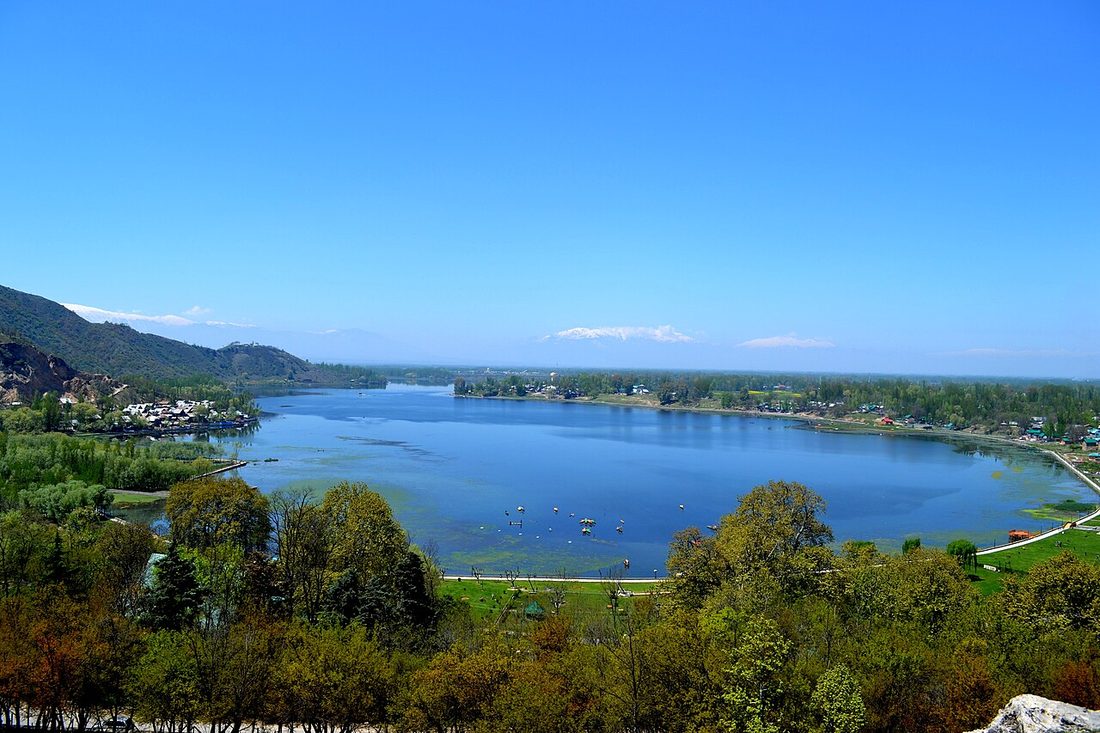
Located in Ganderbal district roughly 30 kilometres north of downtown Srinagar—and around 35 kilometres, or one hour by car, from Srinagar Airport—Manasbal feels like a hidden pocket left behind when mass tourism sped north toward Sonamarg or west toward Gulmarg. Ringed by the low Baladar mountains on the east, the rounded Ahtung hillock to the south, and three quiet lakeside villages—Jarokbal, Kondabal, and Garibal (Gratbal)—this elongated 5-by-1.2-kilometre basin rewards slow mornings, binoculars, and unhurried lakeside strolls.
Why Locals Once Believed Manasbal Had No Bottom
Older Ganderbal fishermen still repeat the story behind Manasbal’s Sanskrit-rooted name, believed to echo sacred Lake Mansarovar in Tibet. Legend tells of an ascetic sage who spent his entire lifetime braiding a hemp rope to plumb Manasbal’s floor. When his final coil vanished into the dark green center without touching mud, the sage cast himself into the water and never rose again.
Modern bathymetric surveys put the maximum depth around 13 metres (43 feet)—deep enough to make Manasbal the deepest natural valley lake in Kashmir, far deeper than shallow Dal Lake’s 2-to-6-metre basins. Unlike lakes fed chiefly by silty glacial rivers, Manasbal draws most of its volume from more than a thousand cold subterranean karst springs welling up from its floor, draining gently into the Jhelum River through an artificial outflow channel near Sumbal. That continuous underground spring exchange explains why Manasbal’s mid-lake water looks strikingly translucent and emerald-cobalt compared with murkier urban lagoons.
July–August Lotus Bloom & Kashmir’s Working Nadru Harvest
Timing determines half the visual drama at Manasbal. Travelers arriving in April or May expecting endless pink flowers sometimes leave puzzled, because lotus tubers remain submerged until valley temperatures climb in June. Peak blossom unfolds strictly between early July and late August, when wide bays along the western and northern rims turn into glowing carpets of rose-pink and cream petals.
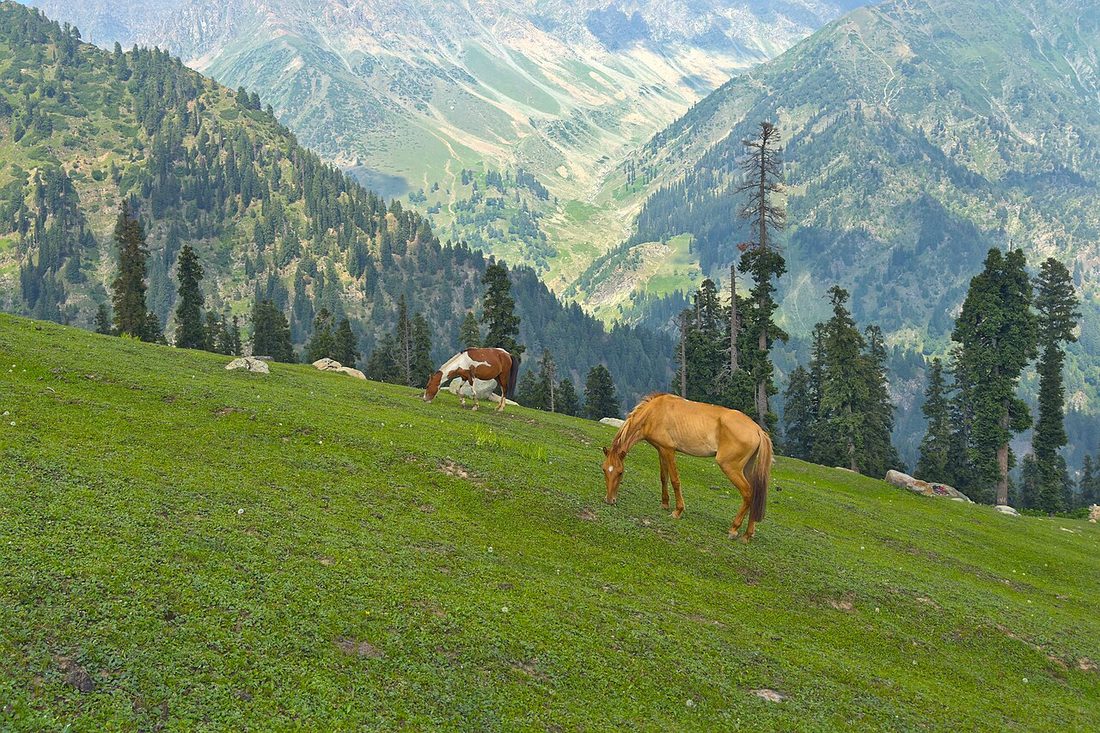
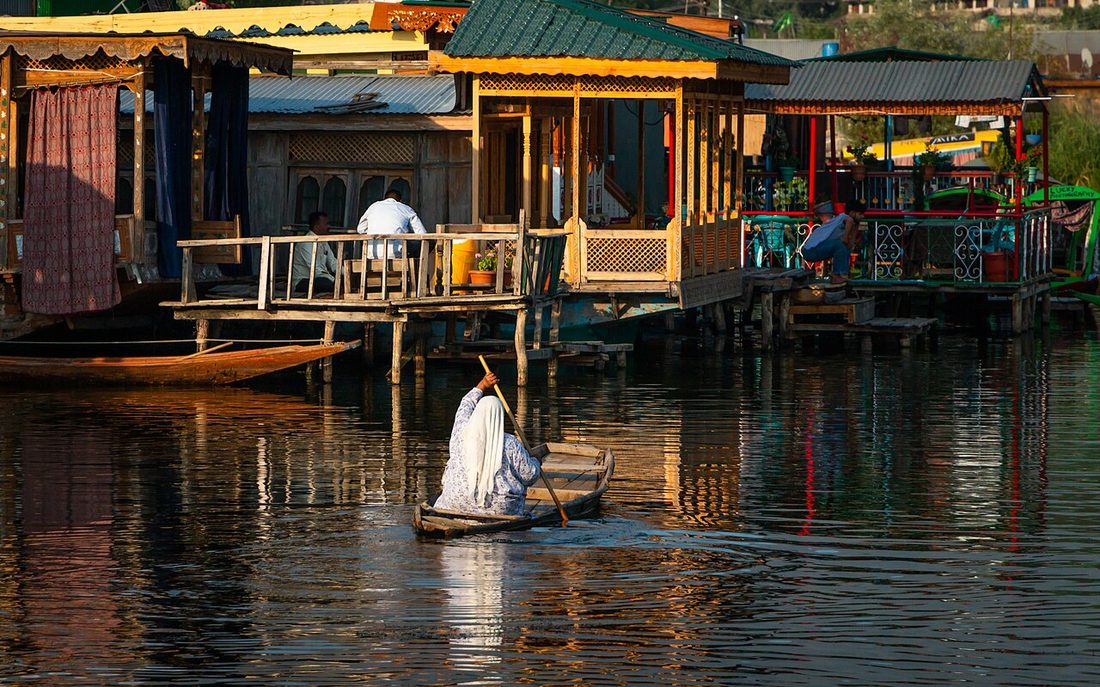
Even outside flower season, the lake hums with quiet traditional livelihoods. In autumn and chilly early winter mornings, local harvesters wade out or balance on slender wooden donga skiffs probing the soft lakebed with long forked poles for nadru—Kashmir’s prized crunchy hollow lotus stem. Watch closely and you will also spot fishermen casting hand-woven nets for native snow trout and carp, or village women gathering marsh sedge and aquatic fodder plants for winter cattle stalls. If you taste crisp fried nadru monje or velvety yogurt-simmered nadru yakhni at dinner back in Srinagar, there is a strong chance those stems were pulled straight from Manasbal or neighboring wetlands.
Jaroka Bagh, Darogabagh & Kashmir’s Imperial Garden Lineage
Climb the terraced slope on Manasbal’s northern shoreline toward Qazi Bagh and Jarokbal, and the lake opens beneath you like a curved emerald ribbon. Here stands Jaroka Bagh—literally “Bay-Window Garden”—a serene hillside garden attributed to Mughal Empress Nur Jahan in the early 17th century. Nearby lie the weathered stone remnants of Darogabagh, a 17th-century Mughal fortified halting sarai built to shelter imperial retinues and silk-road traders moving north out of Srinagar.
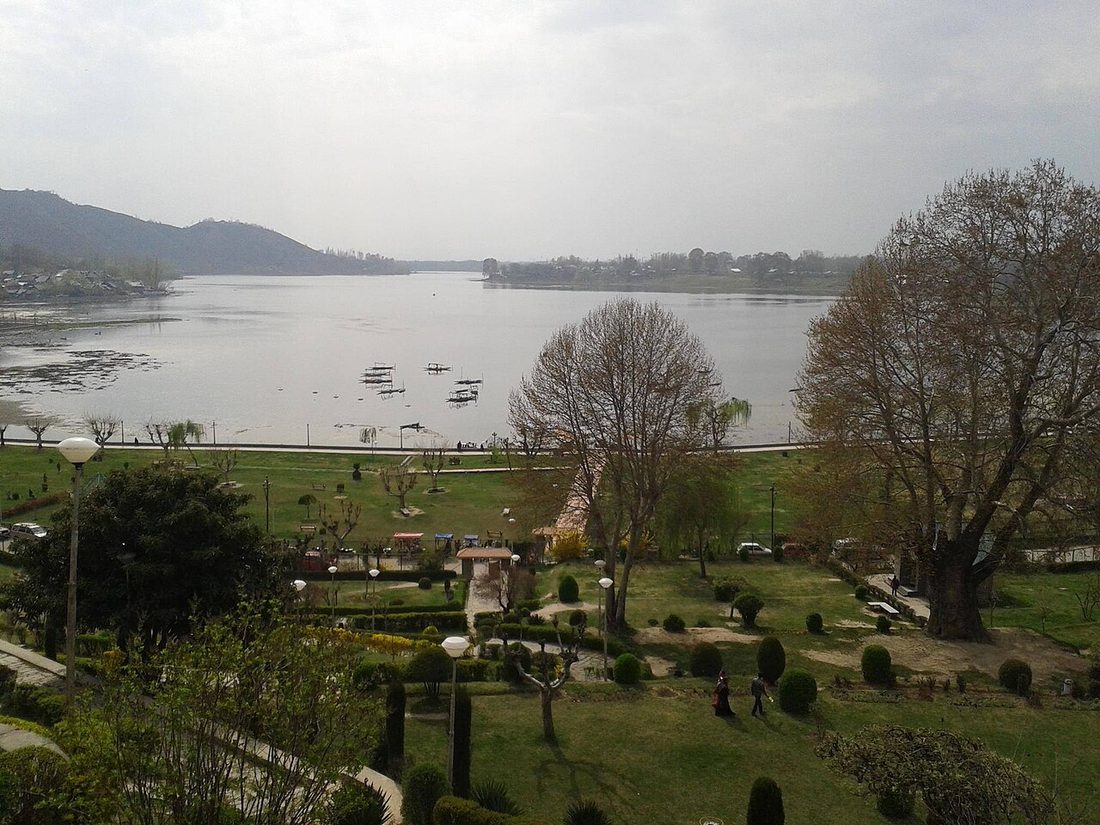
Standing on Jaroka’s quiet stone steps makes you appreciate how Mughal landscape architects read Kashmir’s water basins as a unified system. Across the Zabarwan foothills back in Srinagar, Jahangir, Nur Jahan, and Dara Shikoh perfected the same terraced spring-to-lake sightlines at Nishat Bagh, Shalimar Bagh, Chashme Shahi, and hilltop Pari Mahal—except at Jaroka Bagh you can sit under mature chinars with a thermos of tea and barely hear another conversation all afternoon.
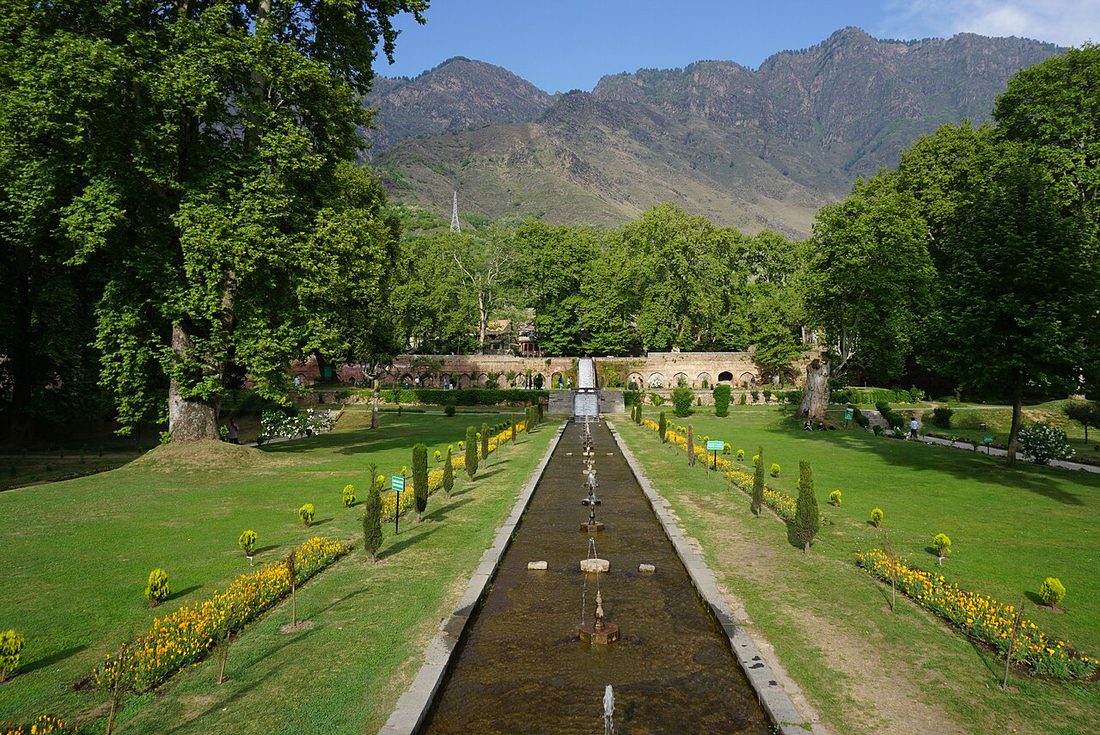
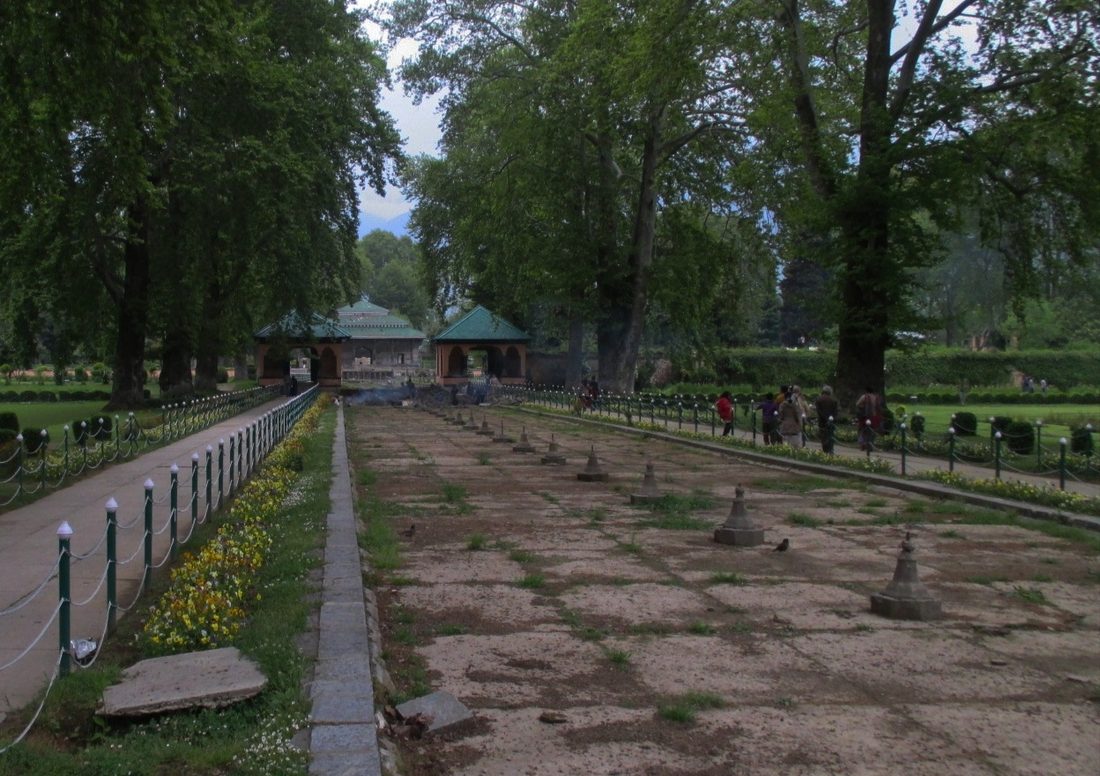
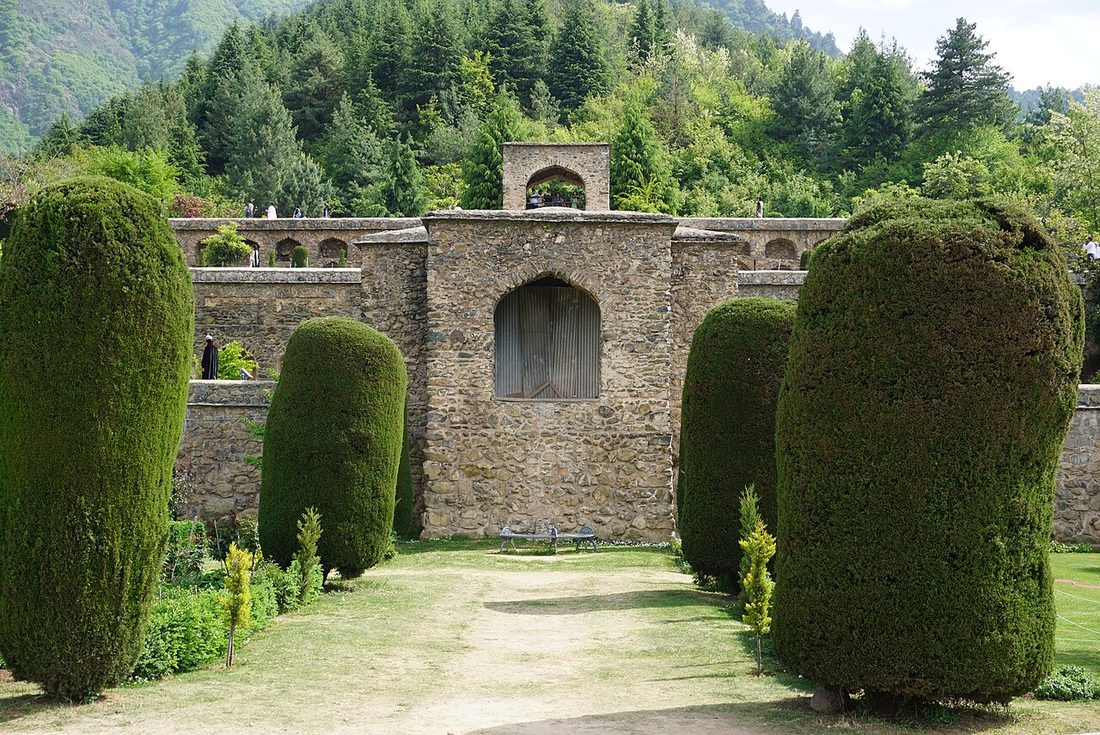
If your itinerary focuses on architectural heritage and classical gardens—such as our Charismatic Kashmir Heritage & Valley Itinerary—visiting Chashme Shahi and Nishat on Day 1 and stepping out to Jaroka Bagh at Manasbal on Day 2 creates a striking contrast between royal splendor and untouched pastoral quiet.
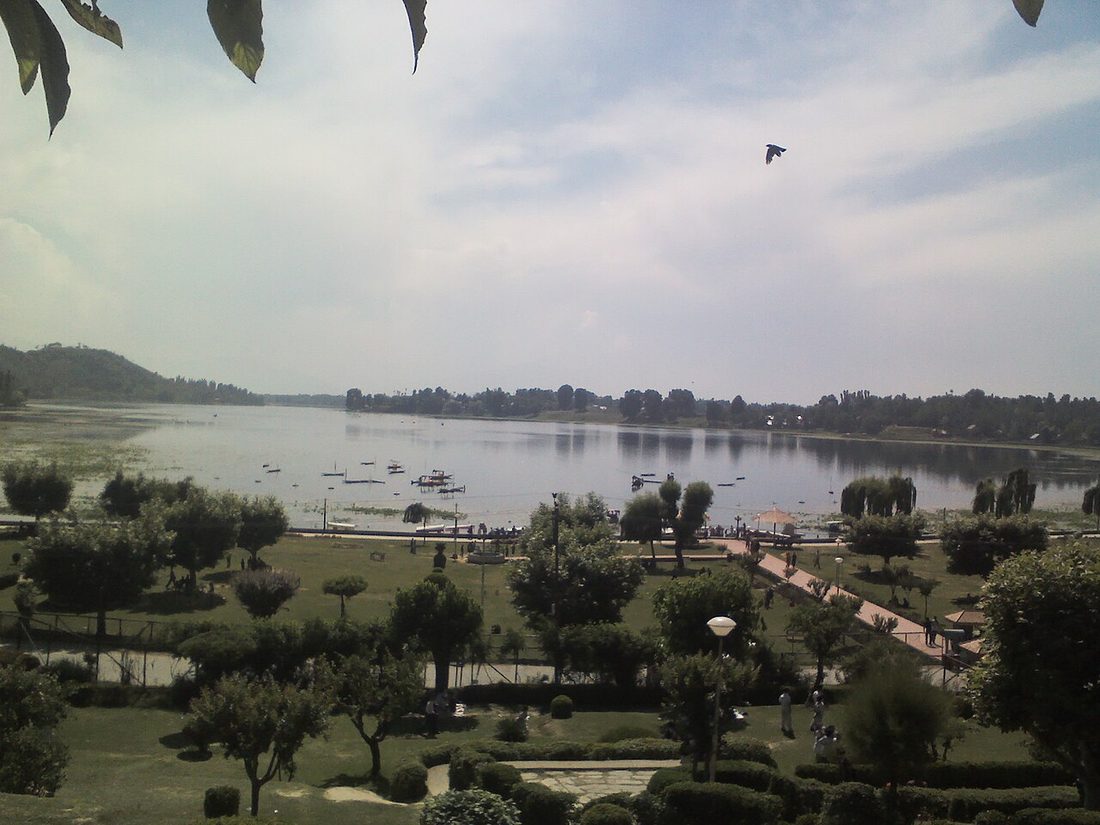
The Partially Submerged 9th-Century Stone Temple
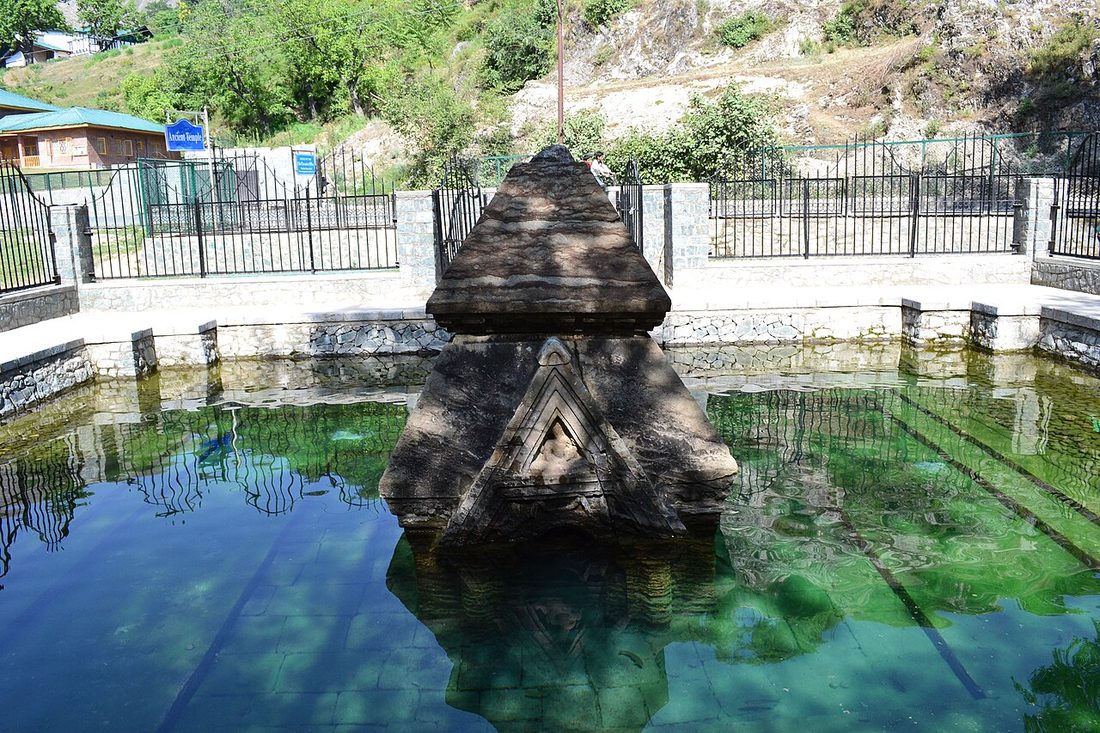
Walk around to the eastern edge of Manasbal Lake—easily reached along the paved shoreline footpath or by asking your Shikara rower to glide close to the eastern bank—and you encounter one of Kashmir’s most evocative archaeological gems: a compact, pyramidal grey-limestone ancient Hindu temple dating roughly to 800–900 CE (the Karkota–Utpala architectural era).
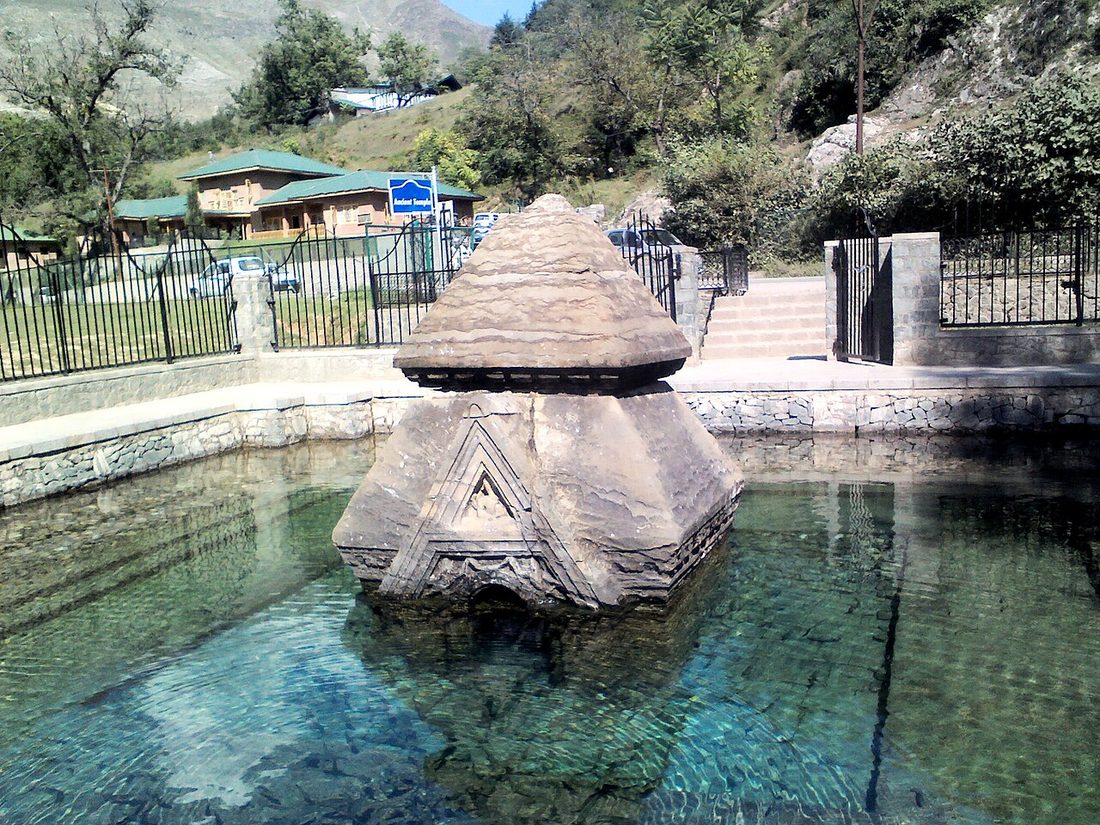
Carved in classic Kashmiri stonework with clean triangular pediments and trefoil niches, the shrine stands half-immersed in clear spring water during wet months, creating mirror-sharp reflections that delight heritage photographers. Archaeological surveys along Manasbal’s rim have also noted weathered fragments of early Buddhist stonework, underscoring how this calm basin served contemplative communities long before Mughal courts arrived. History buffs driving back via Sumbal and Shadipora can extend the circuit fifteen minutes west to explore the monumental ancient capital ruins of Parihaspora, or link into north-Kashmir heritage journeys like our Sharda Peeth Temple & North Kashmir Heritage Yatra.
Walking the Three Lakeside Villages & Nearby Tulmulla
Part of Manasbal’s quiet charm comes from the fact that living Kashmiri villages—not resort chains—hug its edges. On the northeastern shore sits Kondabal, historically famous across Ganderbal for traditional limestone quarries and kilns built into the Baladar foothills; early morning walkers still glimpse hand-stacked stone terraces, walnut orchards, and smoke curling over slate roofs. Swing west along the willow-lined embankment toward Garibal (also called Gratbal), where several generations of boatmen maintain their hand-caulked cedar Shikaras and repair woven fishing nets right beside the muddy water steps. On the higher northern bench lies Jarokbal, whose narrow farm lanes wind past vegetable patches and apricot trees right up to Jaroka Bagh’s lookout wall.
If you leave Srinagar through the Ganderbal highway instead of the western Sumbal bypass, add a deeply moving 25-minute stop at Mata Kheer Bhawani Temple in Tulmulla—barely 14 kilometres southeast of Manasbal. Shaded by sprawling centuries-old chinars around a sacred hexagonal spring whose waters locals observe shifting between turquoise, milky white, and dusky hues, the shrine draws Kashmiri Pandit families and respectful travelers year-round. Ten minutes west of Manasbal sit two smaller, lesser-known sister marshes—Ahansar and Sumbal—where quiet wooden footbridges and reed channels attract harriers and herons far away from tour coaches. Travelers planning offbeat valley mornings can also pair this northern wetland sweep with western Pir Panjal roads leading toward Tangmarg or Khilanmarg without feeling rushed.
Garibal Shikaras, Birdwatching Walks & Summer Water Skiing
What should you actually do once you park at Manasbal? Give yourself at least three unhurried hours so you do not reduce the lake to a quick parking-lot photo:
- Shikara Ride from Garibal or the Park Jetty: Hire a wooden Shikara for 60 to 90 minutes (typical local rates run ₹600–₹900 per hour for the whole boat—always settle duration and route upfront). Ask your rower to trace the lotus fringes, cross the deep green center, and pause beside the submerged eastern temple before looping past Kondabal’s shore.
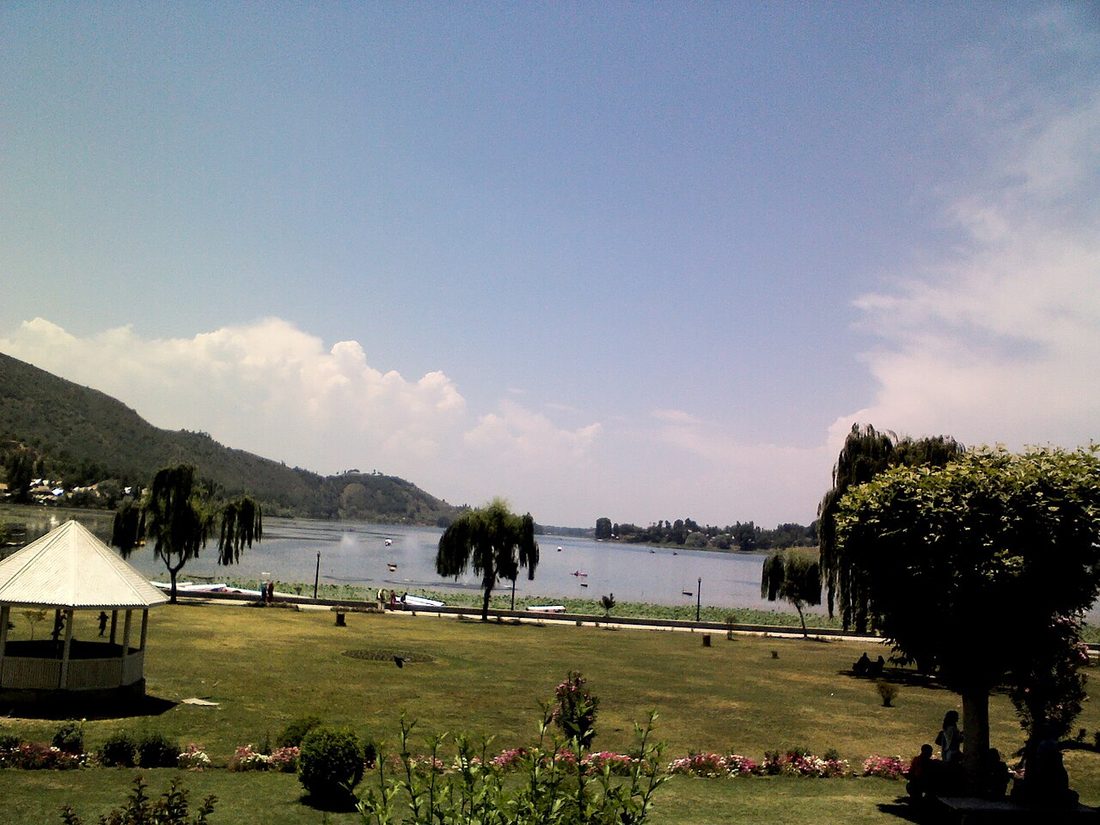
- The Perimeter Footpath & Birdwatching: Manasbal boasts one of Kashmir’s best paved lakeside walking paths, running roughly 3.5 km along gardens and shaded willow groves. Between October and March, ornithologists rank Manasbal among the Valley’s premier winter birding spots—expect rafts of Eurasian coots, northern pintails, gadwalls, common pochards, mallards, grey herons, little grebes, and darting common kingfishers. Bring 8×42 binoculars and wear muted fleece colors at dawn.
- Water Skiing & Kayaking (Summer): Because Manasbal is deep, clean, and free of anchored houseboat bottlenecks, Jammu & Kashmir Tourism operates seasonal water-skiing, kayaking, and motorboat coaching from the Manasbal Park water-sports dock between late May and September. Beginners can book short instructed tow sessions without fighting Dal Lake’s commercial boat traffic.
Two distinct windows show Manasbal at peak magic: July 5 to August 25 for blooming pink lotus fields (arrive between 6:45 AM and 9:30 AM before bright sun causes petals to tighten), and November through February for thousands of migratory waterfowl cruising mist-wrapped shores. Avoid Sunday afternoons between 1:00 PM and 4:30 PM during June–July, when large Srinagar picnic buses pack the main Tourist Park lawn; if visiting on a weekend, hire your Shikara straight from the quieter Garibal shore instead.
Manasbal vs. Dal Lake vs. Wular Lake: Choosing Your Kashmir Waters
First-time visitors browsing all Kashmir, Jammu & Ladakh destinations often wonder whether Manasbal duplicates Srinagar’s Dal Lake or northern Wular Lake. In practice, each water body delivers an utterly distinct personality—which is why staying overnight on a heritage houseboat in Srinagar and exploring Manasbal by day works so harmoniously.
| Feature | Manasbal Lake (Ganderbal) | Dal Lake (Srinagar) | Wular Lake (Bandipora) |
|---|---|---|---|
| Maximum Depth & Scale | ~13 m deep; compact 5 × 1.2 km spring basin | ~6 m max; sprawling urban lake + canals | ~4–5 m avg; vast 125+ sq km floodplain wetland |
| Overnight Houseboats | None (pure open water & shores) | Hundreds of heritage luxury & budget houseboats | None (working fishing & reed boats) |
| Peak Lotus Bloom | Early July – late August (thick natural beds) | July – August (interior Nigeen & Gagribal zones) | Summer water chestnuts (singhara) & reeds |
| Shikara Vibe & Hawkers | Calm, zero floating shop pushiness | Lively floating markets, lively souvenir sales | Local fishermen skiffs & cliff viewpoints |
| Birdwatching Quality | Outstanding Oct–Mar (close, quiet shore views) | Moderate (urban noise) | Massive Ramsar flocks (bring telephoto/scopes) |
| Best Trip Format | Half-day detour en route to Sonamarg / Wular | 1–2 nights minimum on houseboat or Boulevard | Half-day Bandipora / Watlab scenic drive |
Smart Routing: En Route to Sonamarg or Twin-Lake North Loop
One reason veteran Srinagar drivers love Manasbal is zero wasted mileage. Heading out for a day trip or overnight stay in Sonamarg? Instead of taking the standard straight highway through Ganderbal town both ways, turn slightly northwest via Safapora to stop at Manasbal Lake for two morning hours, then take the scenic rural connector east across the Sindh Valley straight past Mammer (Ganderbal) and Kangan toward Thajiwas Glacier. That single adjustment adds barely 20 minutes of driving while enriching itineraries like our Kashmir Paradise Tour Package without adding tedious highway backtracking.
Alternatively, devote a peaceful day exclusively to North Kashmir’s wetlands: depart Srinagar at 8:00 AM, glide across Manasbal’s waters and climb Jaroka Bagh, then drive 30 kilometres further north past Ajas to Wular Lake’s Bandipora shores and Watlab hill shrine before looping back past Sumbal and Ahansar Lake by sunset.
Manasbal is NOT a dining hub—around the Tourist Park gate you will find simple Kashmiri tea stalls serving noon chai, boiled sweet corn, crisp pakoras, and basic dhaba plates of rajma chawal or chicken curry. Pack breakfast sandwiches or stop at a good Ganderbal/Srinagar bakery before leaving town. Likewise, while JKTDC runs modest cottages overlooking the park and Safapora has a couple of basic guesthouses, 90% of travelers enjoy Manasbal far more as a relaxed morning outing while sleeping comfortably in verified Srinagar hotels or Dal Lake houseboats.
Pair Dal Lake Houseboats with Quiet Manasbal Mornings
Sleep on a carved cedarwood houseboat in Srinagar and explore Manasbal’s lotus waters, Mughal gardens, and nearby meadows with a local private cab.
Weather, Packing & Easy Practical Details
Sitting at 1,583 metres—virtually the same elevation as Srinagar—Manasbal stays accessible 365 days a year without snow-chain hurdles. Summers (June–August) reach 26°C–31°C by midday, making early morning starts essential for both lotus photography and sun comfort; pack polarized sunglasses, sunhat, and light cottons. Spring (April–May) and autumn (September–November) deliver crisp 16°C–23°C walks under golden chinars. Winter mornings (December–February) hover around 0°C–5°C with ethereal fog lifting off warmer spring vents, so wear thermal socks and windproof gloves for birdwatching along the embankment.
Postpaid Jio and Airtel 4G networks hold full signal all around Manasbal Lake and Safapora, though carrying ₹1,000–₹2,000 in small bills makes paying Garibal Shikara boatmen, park entry tickets, and roasted-corn vendors effortless. If you are carrying telephoto camera lenses for winter birding, pack a lightweight dry bag—early-morning Shikara seats gather heavy dew before sunrise. Check seasonal blooms across the whole valley with our month-by-month Kashmir travel guide, review transparent route pricing inside our complete 2026 Kashmir booking guide, or begin tailoring your lakeside itinerary through our official Kashmir tour packages portal and Srinagar local desk.
Frequently Asked Questions about Manasbal Lake — Kashmir’s Deepest Lotus Lake, Bird Sanctuary & Jaroka Bagh
Recommended Itineraries Including Manasbal Lake — Kashmir’s Deepest Lotus Lake, Bird Sanctuary & Jaroka Bagh
Every route below can be customized from Srinagar, Jammu, or Leh with private cabs and verified local stays.
Kashmir Houseboat & Dal Lake Weekend Escape (2N/3D Srinagar & Gulmarg)
3 Days • 2 Nights • ₹11,999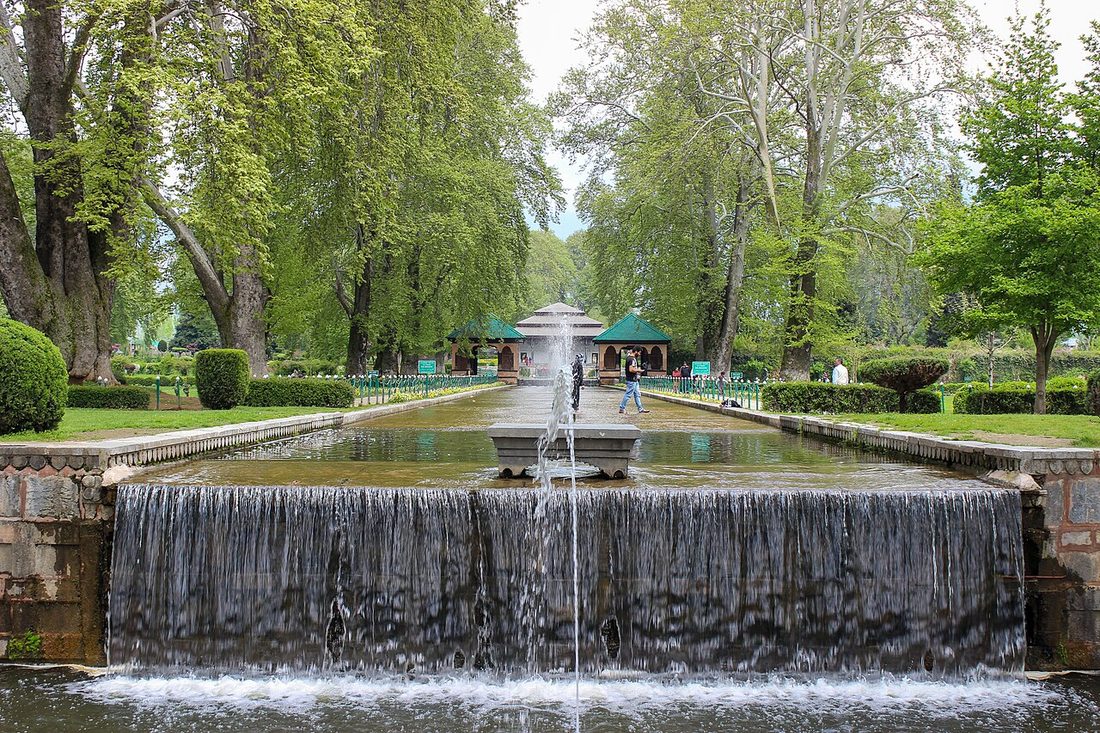
Charismatic Kashmir Heritage & Valley Itinerary (5N/6D)
6 Days • 5 Nights • ₹22,999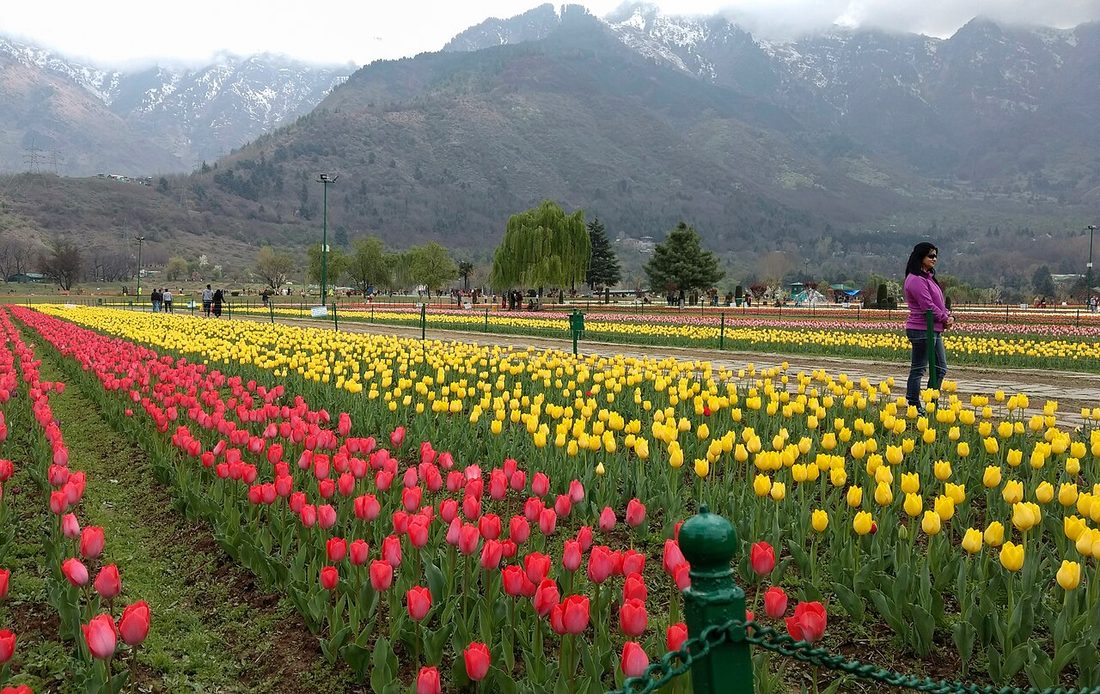
Discover Kashmir 5-Day Express Itinerary (4N/5D Srinagar, Gulmarg & Pahalgam)
5 Days • 4 Nights • ₹16,999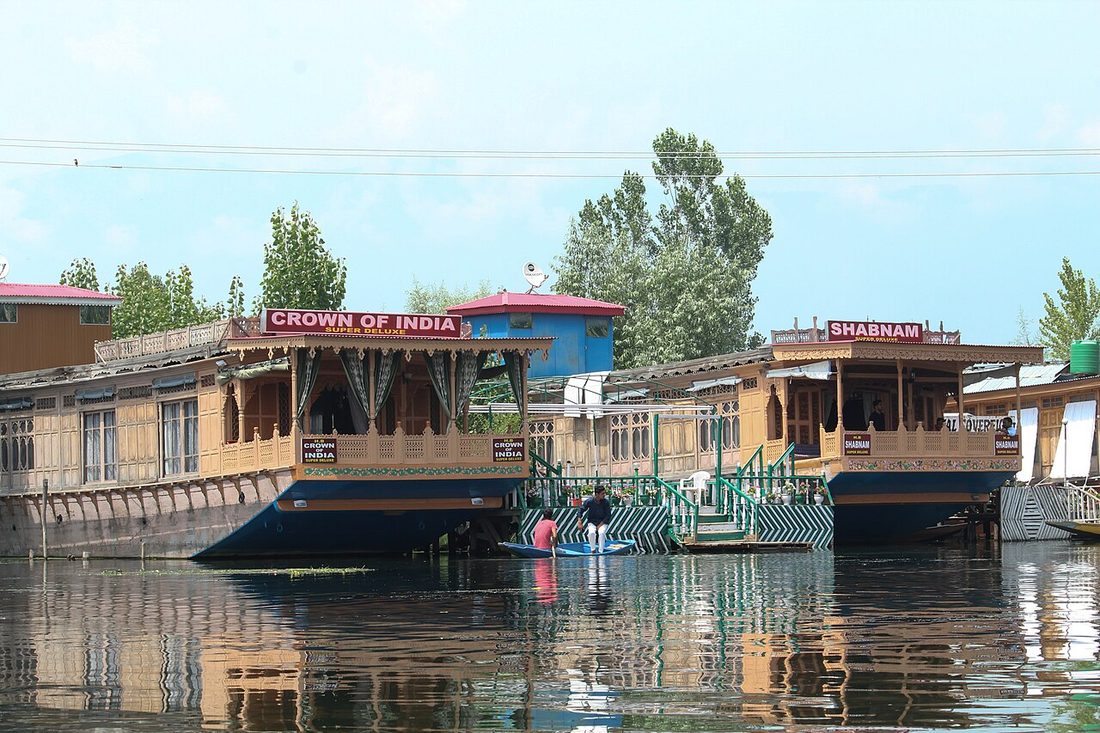
Kashmir Paradise Tour Package (5N/6D: Srinagar, Gulmarg, Pahalgam & Sonamarg)
6 Days • 5 Nights • ₹21,999
Sharda Peeth Temple (Teetwal LoC) & North Kashmir Heritage Yatra (4N/5D)
5 Days • 4 Nights • ₹22,500Explore Nearby & Connected Destinations
Srinagar — The City of Lakes, Mughal Gardens & Old City Heritage
Kashmir Valley →
Mammer (Ganderbal) — Sindh River Village, Trout Waters & Meadow Gateway to Sonamarg
Kashmir Valley →
Sonamarg — The Meadow of Gold, Thajiwas Glacier & Zoji La Gateway
Kashmir Valley →
Wular Lake — Asia’s Largest Freshwater Wetland, Zaina Lank & Bandipora Shores
Kashmir Valley →
Gulmarg — Meadow of Flowers, Gondola Peak & Himalayan Ski Capital
Kashmir Valley →