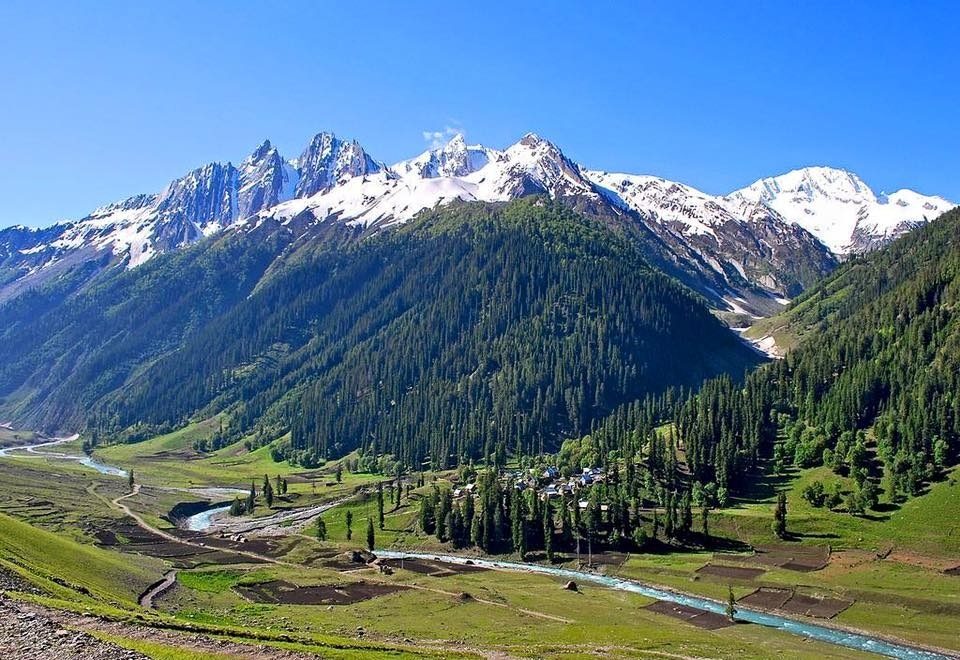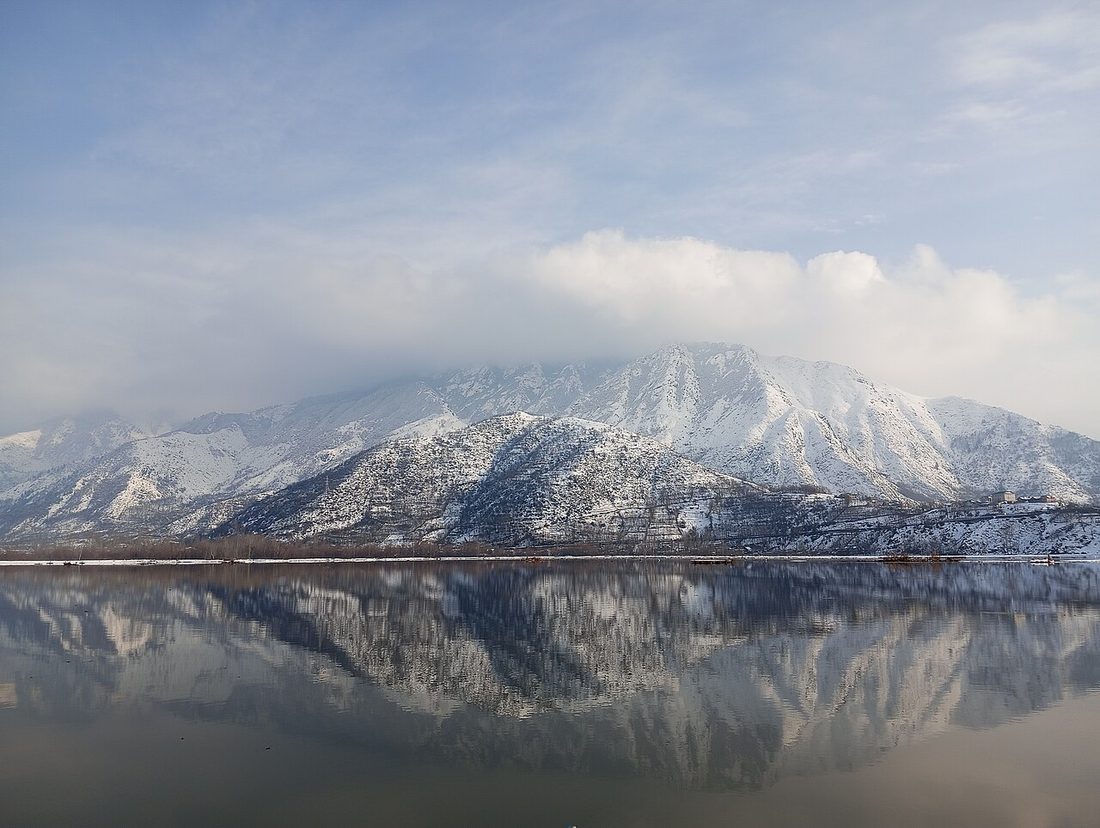
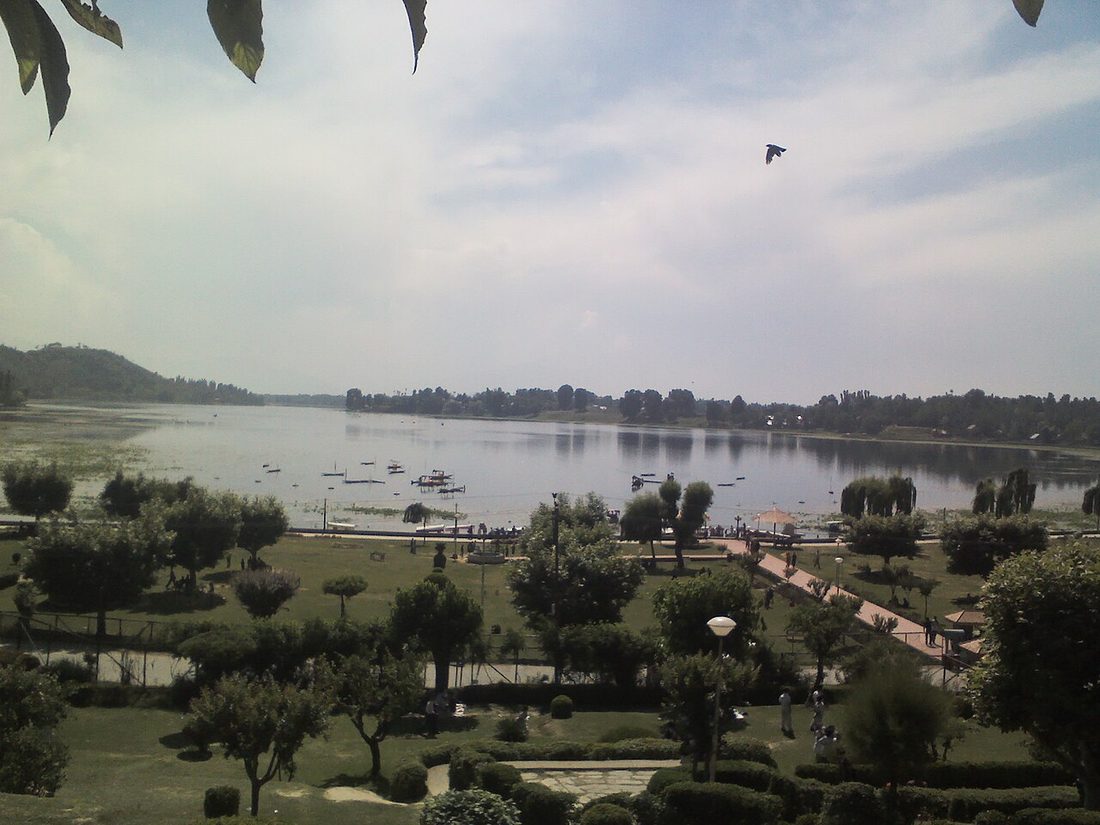
Climb the winding road onto the limestone bluff at Watlab beside the hilltop shrine of Baba Shukur-ud-Din on a crisp late-September afternoon, and the scale of North Kashmir stops you cold. Spread out below is not a manicured tourist pond lined with neon signboards, but an inland freshwater sea stretching nearly nineteen kilometres across an elliptical basin where distant Bandipora ridges dissolve into blue haze. Sudden afternoon winds sweep silver squalls across the center, scattering whitecaps around wooden skiffs hurrying back toward willow-lined coves.
Situated roughly 60 to 65 kilometres north of Srinagar between the districts of Bandipora and Baramulla (Sopore), Wular Lake is India’s largest natural freshwater wetland and one of the grandest in Asia. Most holidaymakers stay glued to central Kashmir’s classic triangle, missing the very reservoir that regulates floods across the entire valley floor. For photographers, birdwatchers, road-trippers, and travelers curious about working Kashmiri lake culture beyond resort strips, a slow circuit around Wular’s shores delivers raw scale and authenticity you simply cannot manufacture.
Kashmir’s Hydrological Lung: Rivers, Hidden Springs & Ramsar Revival
Geologically, Wular exists because its soft, silt-lined tectonic floor sits lower than the surrounding bed of the Jhelum River. The Jhelum pours into Wular from the south near Banyari, spreads sluggishly across miles of marsh and deep bottle-green open water, and drains out through the western outlet toward Sopore and Baramulla—acting as an immense natural sponge that cushions Srinagar whenever Pir Panjal snowmelt surges in spring. Two swift mountain streams, the Madhumati and Erin Nallahs, also tumble down from the northern Bandipora highlands straight into the lake, building fertile alluvial deltas along its rim.
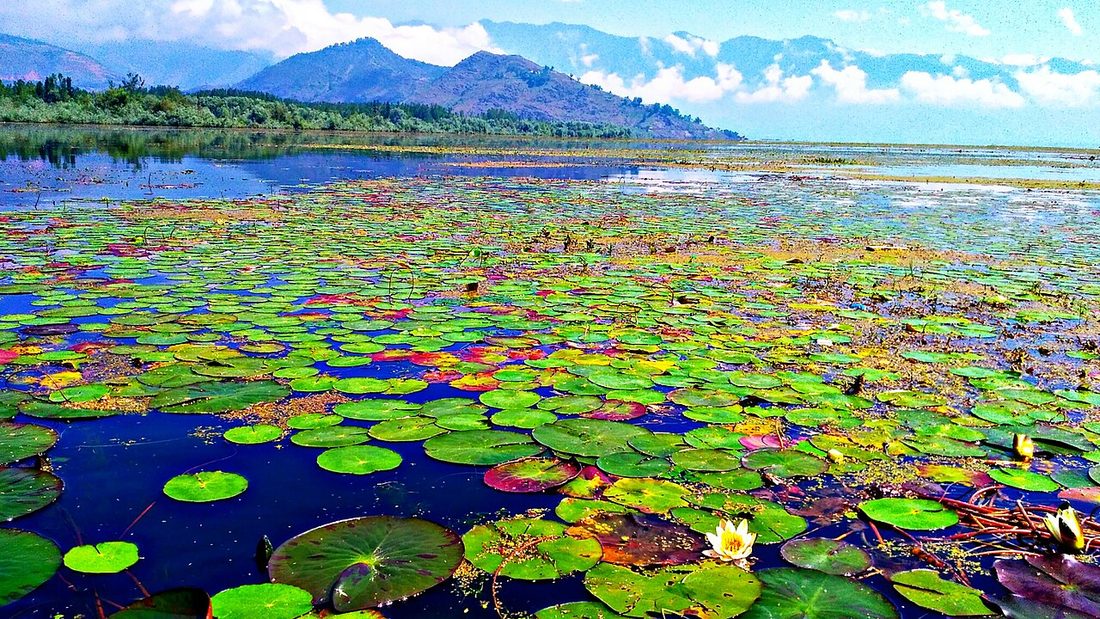
Ancient Sanskrit chronicles called this stormy expanse Mahapadmasara and Ullola—meaning turbulent, high-waved waters—while Kashmiri folk etymology links “Wular” to a deep cave or hollow, referencing the cold underwater springs pulsing at its center, notably Olar Nag and adjacent Padam Nag. Average depths run around 12 feet (3.6 metres), dipping to roughly 16 feet (5 metres) opposite the western rocky bluff of Watlab.
Wular also carries an urgent ecological story worth understanding on the ground. Designated a Ramsar Wetland of International Importance in 1990, Wular once spanned roughly 217 square kilometres including seasonal marshes during early 20th-century surveys. Over decades, heavy hillside siltation, dense commercial willow plantations, and encroached paddy embankments shrank open-water margins by nearly 45 percent to seasonal swings between 86 and 125 square kilometres. Thankfully, over recent years the Wular Conservation and Management Authority (WUCMA) has dredged millions of cubic metres of accumulated silt, cleared thousands of invasive willow trunks, and opened clean waterfront walkways—bringing deeper turquoise clarity and bigger winter waterfowl counts back to the Bandipora rim.
Watlab Hilltop, Saderkote Park & Bandipora’s Scenic Waterfront
Because Wular is huge, first-time visitors sometimes ask where to actually stop so they are not just staring through roadside willow hedges. Focus your drive around four distinct waterfront vantage points:
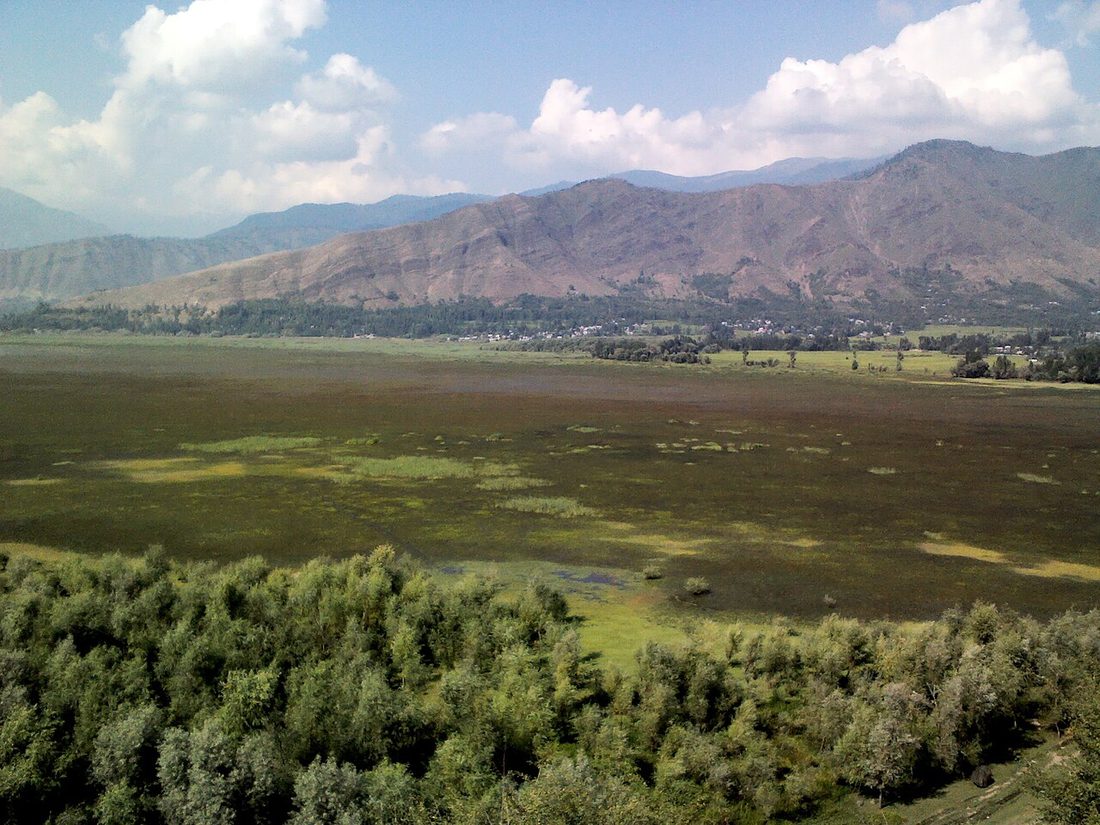
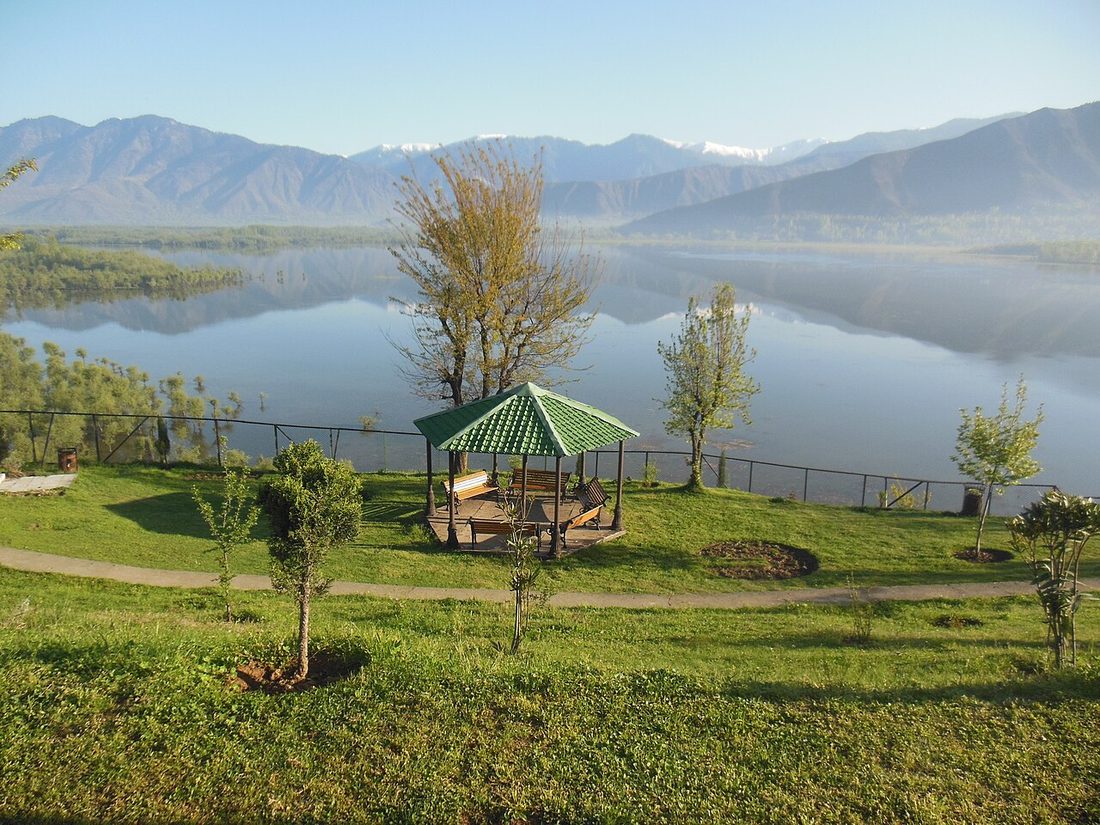
- Watlab Hill & Baba Shukur-ud-Din Shrine (West Shore): Perched dramatically on the rocky northwestern hillock overlooking the deepest section of the lake, this 15th-century Sufi sanctuary commands the single best 180-degree panorama over Wular. Climb the tidy stone steps past juniper bushes and weathered prayer walls to the breezy timber courtyard; a small tea booth near the base sells salted pink chai and crisp roasted peanuts. Come ninety minutes before sunset: as low amber light sweeps across the western water and silhouettes distant snow crests, the quiet ridge feels unforgettable.
- Wular Vintage Park & Saderkote Embankment (East/South Shore): Along the Bandipora highway past Ajas, the revitalized Wular Vintage Park (near Banyari/Zurimanz) and Saderkote Park offer stone promenades, shaded gazebos, clean restrooms, and wooden piers stretching out toward reed channels without trudging through marsh mud.
- Malangam, Ningal, Kiunus Bay & Ajas Spur: Traditional boat-mooring bays ringing the northern and eastern arcs where fishermen mend nylon gillnets, unload silver river carp, and dry reeds in neat golden stacks beside quiet country lanes.
- Zaina Lank (Artificial Island): Rising in the eastern-central waters stands Zaina Lank, an ingenious artificial island engineered in 1444 CE by Kashmir’s beloved ruler Sultan Zain-ul-Abidin (Budshah). Moved by repeated tragedies of fishermen drowned by sudden afternoon lake storms, Budshah sank stone barges and timber foundations to create a permanent mid-lake refuge crowned with a mosque and summer pavilion whose weathered stone remnants still stand amid wild vegetation.
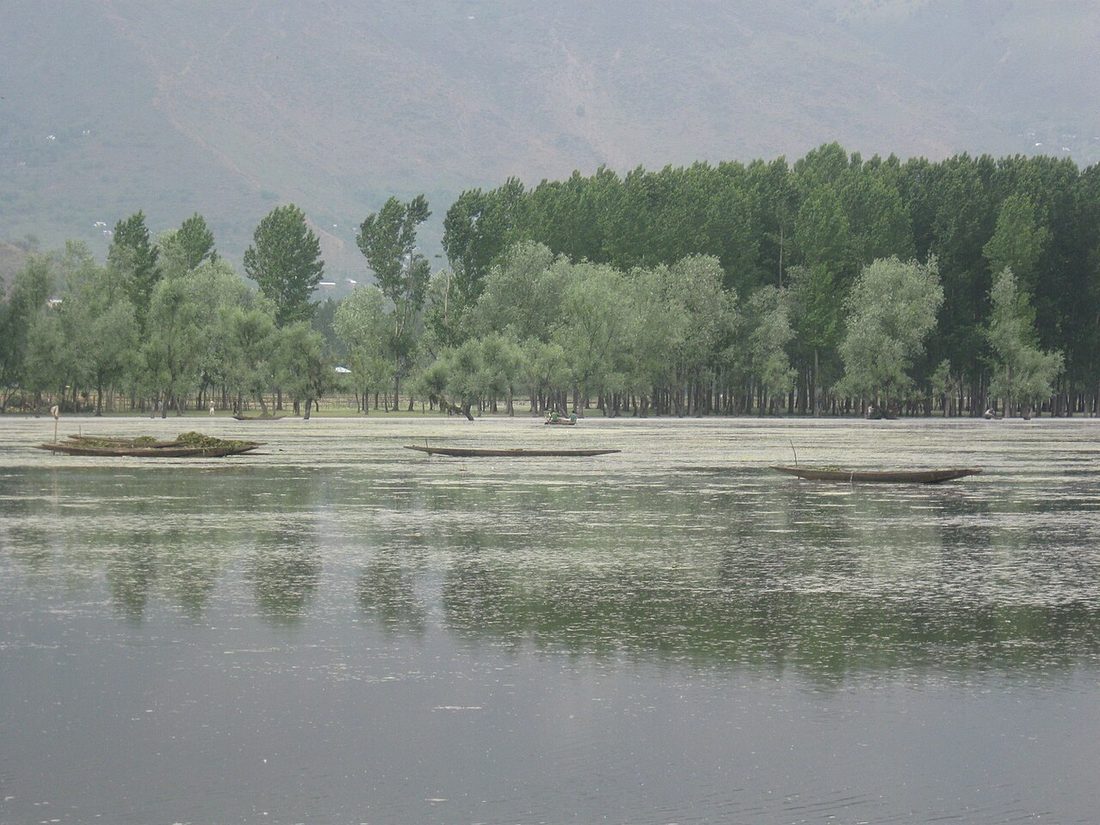
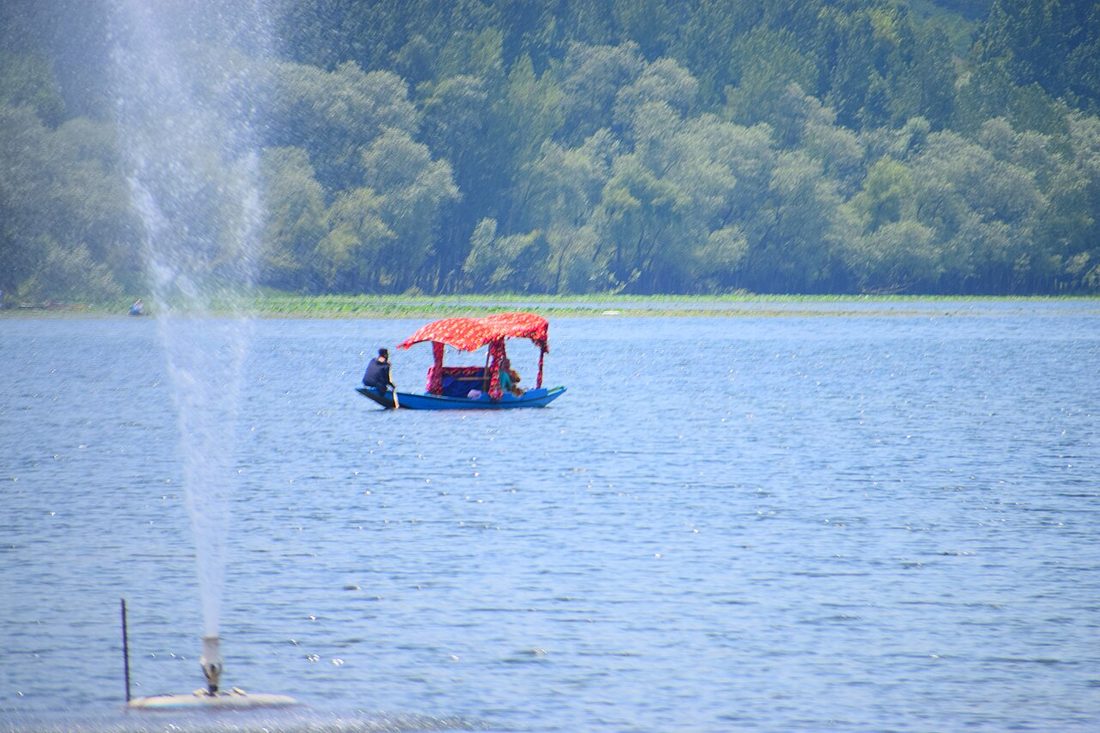
Old Kashmiri boatmen treat Wular with cautious respect that you rarely see on sheltered Dal Lake. Because Wular sits exposed to funneling drafts dropping off the northern Harmukh and Bandipora ridges, sudden afternoon gusts whip its shallow 12-to-16-foot basin into sharp, foam-topped waves capable of swamping flat wooden skiffs within minutes. If you hire a local boatman from Zurimanz, Ningal, or Watlab to paddle near Zaina Lank, start strictly between 7:30 AM and 10:30 AM, wear a fitted life jacket, and never argue with a rower who calls time when dark clouds stack above the western ridge.
Fishermen, Singhara Harvest & Tasting Working Lake Culture
Unlike urban leisure lakes, Wular feeds tens of thousands of North Kashmiri households every single week. Nearly sixty percent of the Kashmir Valley’s total freshwater fish supply originates in Wular’s nutrient-rich silt beds—principally indigenous Kashmiri snow trout (churru / Schizothorax) alongside abundant mirror carp and local kashir gaad. As mountain rivers drop low in autumn and winter, fish migrate down into Wular’s deeper central pockets, drawing dozens of slender narrow-prowed fishing skiffs out into morning fog.
Even more fascinating is the Singhara (water chestnut) harvest—called gaer locally—which transforms Wular’s shallow margins from late August through November. Floating green rosettes spread across acres of backwaters, yielding dark horned pods beneath the surface. Whole families row out at dawn, lifting submerged vines by hand to collect baskets of crisp chestnuts. On shore, vendors boil fresh pods in salted copper cauldrons right beside Bandipora bus stands and roadside bends—peel off the soft black shell and the warm ivory kernel tastes faintly nutty and sweet, like freshly steamed sweet corn crossed with tender coconut. Dried and stone-milled into fine gluten-free singhara flour, Wular’s harvest travels all across India, valued traditionally for soothing digestion and fasting meals.
Pause in Bandipora town itself—celebrated across Kashmir by the old proverb Ilm, Adab, te Aab (“knowledge, literature, and water”) for its legacy of scholars, historians, and boatmen. Down along the creek yards near Ningal and Lankreshipora, traditional carpenters still plane seasoned deodar boards by hand to build flat-bottomed naav fishing skiffs, sealing seams tightly with twisted cotton fiber and heated pine pitch so boats stay buoyant through rocky shallows. Before driving onward to Watlab, step into a modest Bandipora roadside eatery for crisp fried Wular fish (talaeth gaad) served hot alongside green walnut-mint chutney and flaky local bakarkhani bread—it costs a fraction of Srinagar’s hotel menus and tastes unmistakably of the lake.
Why Restoring Wular Matters Downstream in Srinagar
Residents along Wular’s low marsh rim know intimately that living beside a vast floodplain carries seasonal risk. During sustained late-summer cloudbursts, surging Jhelum waters back up rapidly across low-lying hamlets near Banyari, Saderkote, and Hajan, temporarily submerging vegetable fields and willow groves. That hydraulic bottleneck became painfully clear during Kashmir’s historic 2014 valley floods, when decades of silt buildup inside Wular slowed outflow drainage down the Baramulla gorge. Today’s dredging barges visible offshore near Ningal are far more than cosmetic tourism work: every metre of excavated mud restores flood-holding capacity protecting downstream farms, bridges, and neighborhoods across central Kashmir while bringing submerged aquatic plants and spawning fish beds back to health.
Ramsar Birdwatching & the Twin-Lake Drive via Manasbal
For wildlife lovers, Wular comes alive dramatically once summer crowds fly home. Between November and March, vast reed marshes around Ajas, Ningal, and Banyari host hundreds of thousands of Palearctic migratory birds descending along the Central Asian Flyway: bar-headed geese, greylag geese, Eurasian wigeon, northern shoveler, tufted ducks, red-crested pochards, common teal, glossy ibis, grey herons, marsh harriers, ospreys, and wheeling brown-headed gulls. Because open bays are wide, pack a 10×42 binocular pair or 400mm telephoto lens—you will spot far larger, wilder mixed flocks than anywhere around urban Srinagar.
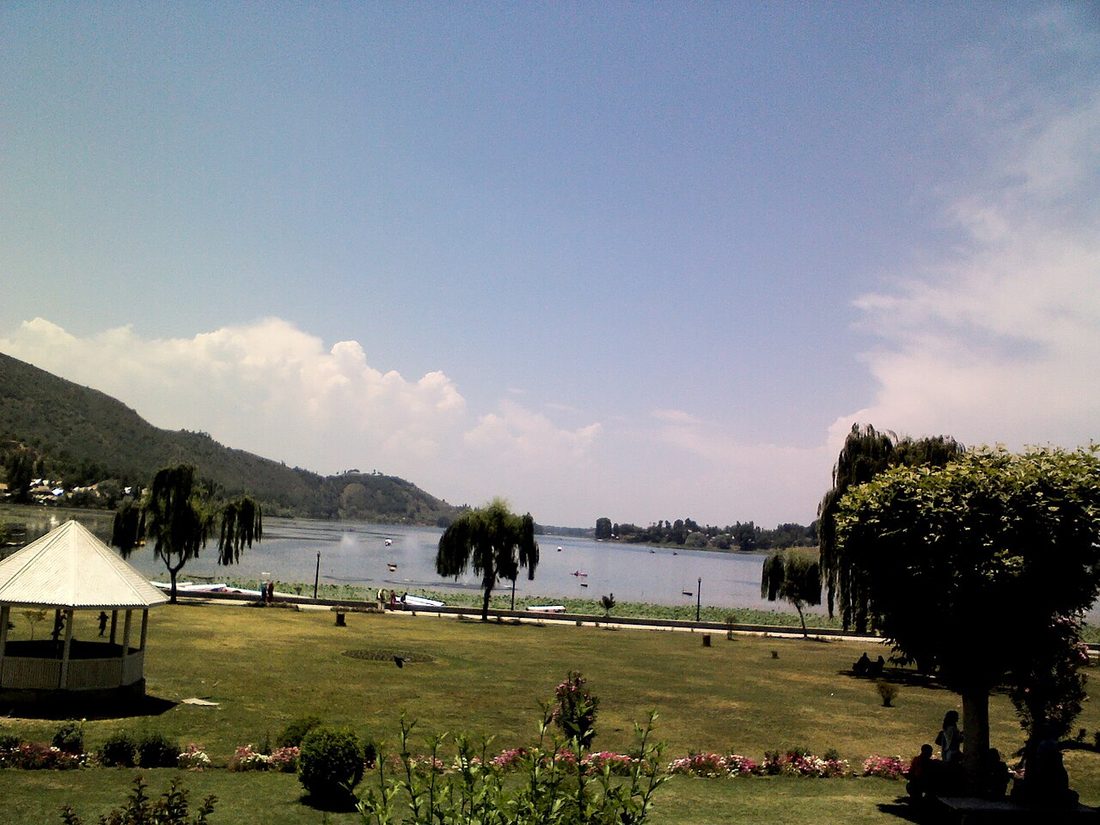
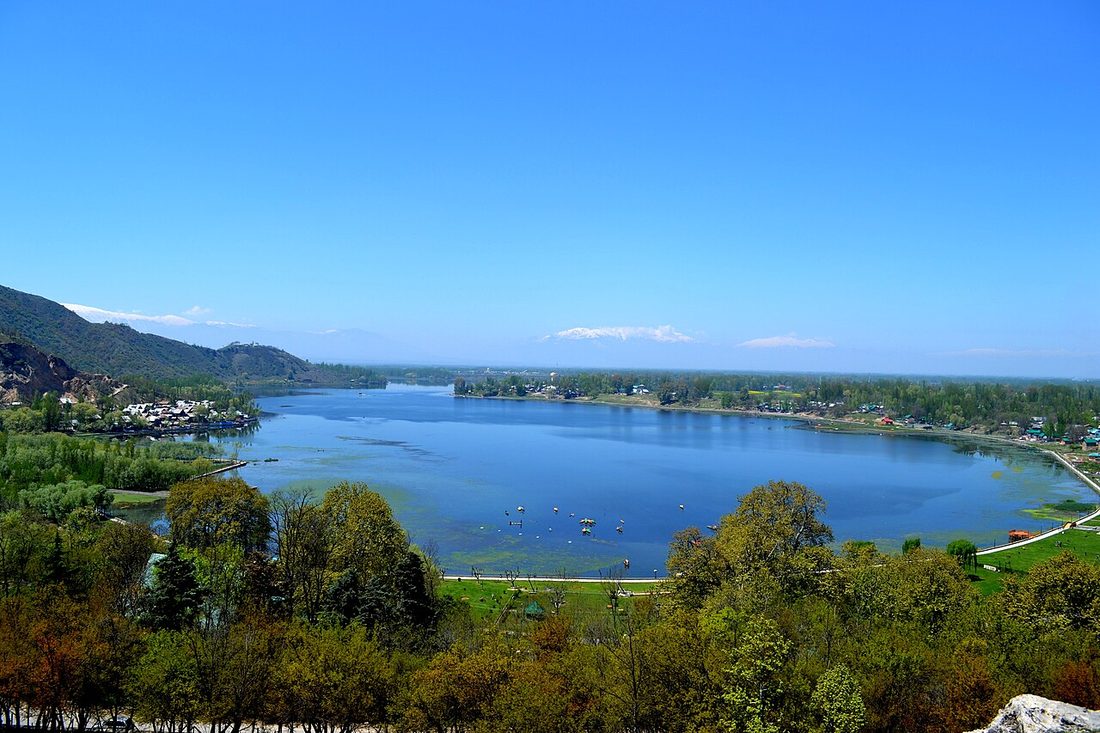
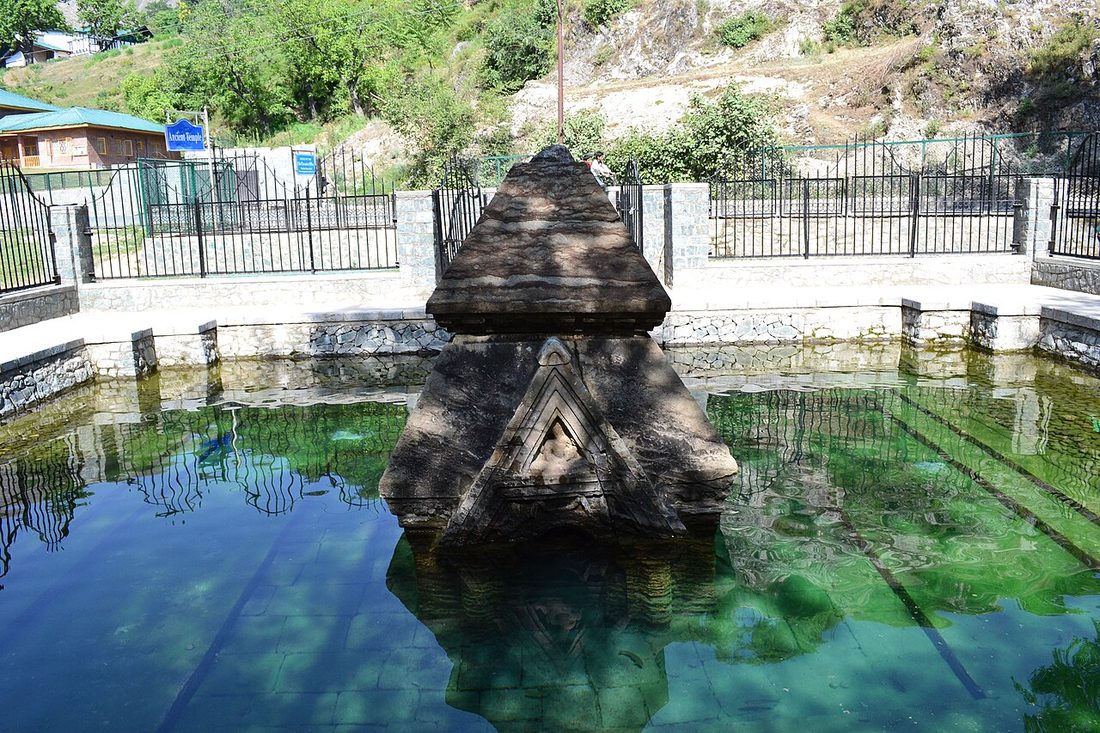
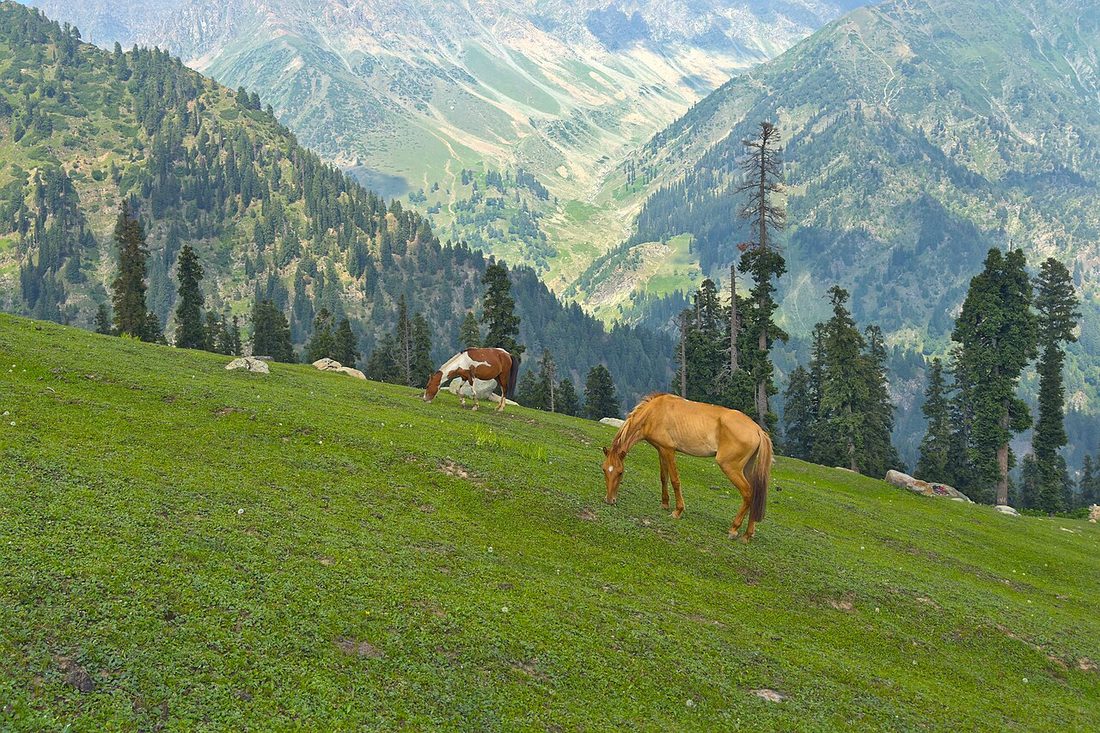
Geography hands you a natural bonus here: the main Bandipora highway heading north from Srinagar runs virtually past the gates of Manasbal Lake near Safapora! Stop at Manasbal for a serene morning Shikara paddle and Jaroka Bagh coffee, then push 30 kilometres further north past Ajas directly onto Wular’s sweeping eastern rim. Looking northeast straight above Bandipora town, towering ridges lift rapidly toward alpine shepherd meadows like Trunkol on the sacred Gangabal–Mount Haramukh trail, and north over the 3,550-metre Razdan Pass toward remote Gurez Valley.
The North Kashmir Wular Loop: Distances & Drive Timing (2026)
Rather than driving out and back along the exact same blacktop, ask your driver for the full clockwise or counter-clockwise lake circuit—about 165 kilometres total from Srinagar, easily completed in 8 to 9 relaxed hours:
| Circuit Leg / Stop | Distance & Time | What to Experience on the Ground | Best Timing |
|---|---|---|---|
| Srinagar → Manasbal Lake (via Sumbal) | 30 km / 1 hr | Quiet Garibal Shikara ride, 9th-century shore temple, morning tea | 8:00 – 10:00 AM |
| Manasbal → Saderkote & Wular Vintage Park | 24 km / 45 mins | Dredged boardwalk piers, Ramsar birdwatching, optional calm boat glance | 10:45 AM – 12:15 PM |
| Vintage Park → Bandipora & Malangam Rim | 14 km / 30 mins | Lakeside fishing villages, local wazwan or fried fish lunch in Bandipora | 12:45 – 2:00 PM |
| Bandipora → Watlab Hill & Baba Shukur-ud-Din | 28 km / 55 mins | 180° hilltop lake overlook, historic Sufi ziarat, sunset reflections | 3:00 – 4:45 PM |
| Watlab → Sopore → Pattan → Srinagar | 68 km / 2 hrs | Apple-orchard plains of Sopore (Kashmir’s fruit capital) returning south | 5:00 – 7:00 PM |
Do not look for boutique luxury resorts around Bandipora or Watlab—lodging here consists mainly of basic JKTDC rest houses (including the atmospheric old forest/tourism bungalow near Watlab) and simple district-town hotels used by travelers bound for Gurez Valley next morning. Nearly all holidaymakers sleep comfortably in verified Srinagar houseboats or hotels and do the full Wular–Manasbal perimeter loop as a private day drive. Bonus if traveling in September or October: your return drive through Sopore passes Kashmir’s richest apple-packing yards, where orchard growers sell crisp tree-ripened Ambri and Red Delicious crates straight from the road.
Why Srinagar Remains the Ideal Overnight Anchor
Staying on a carved walnut-and-cedar houseboat on Srinagar’s Dal or Nigeen Lake—then stepping out north for Wular’s wilder fishing frontier—gives you both halves of Kashmir’s aquatic story. After a breezy day scanning harriers off Bandipora’s piers and climbing Watlab’s stone steps, returning to heated cedar decks, hot saffron kahwa, and a slow dusk Shikara glide back in town feels deeply restorative.
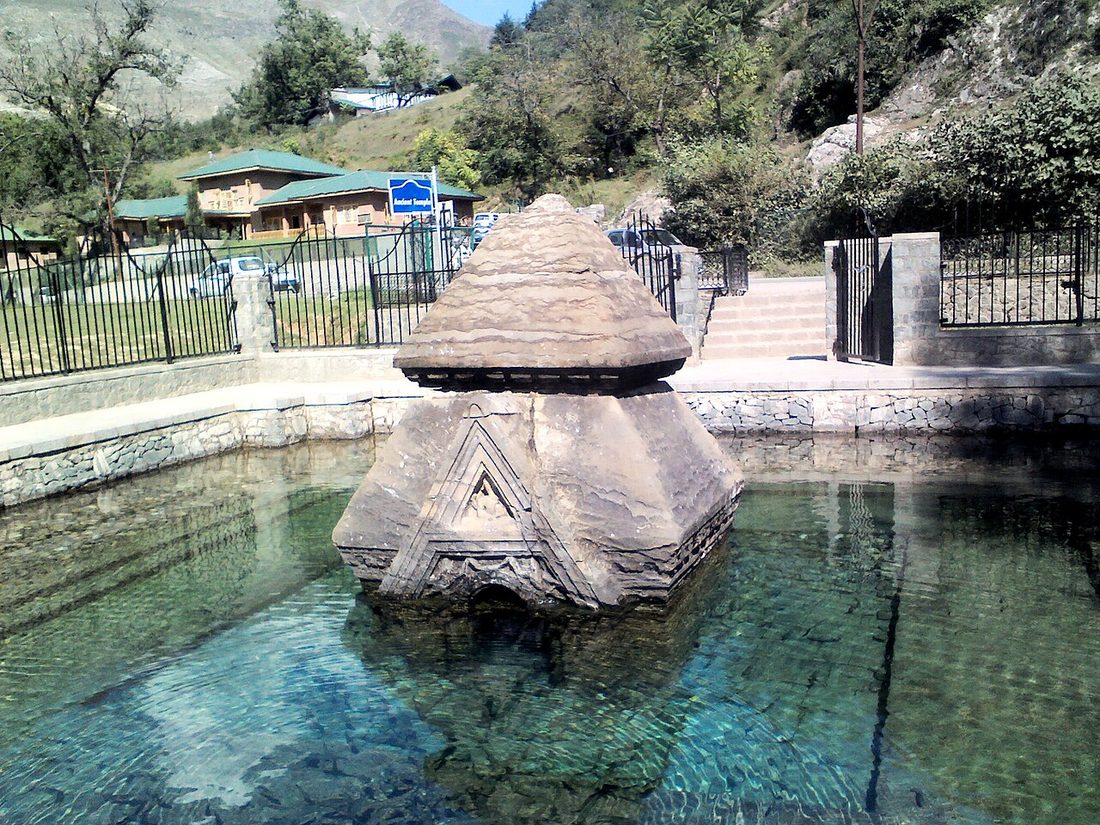
From Wular’s western Sopore exit, you are also surprisingly well-positioned for onward mountain roads: heading southwest via Baramulla and Tangmarg climbs directly into Gulmarg without re-entering Srinagar’s urban traffic, while cutting east from Safapora links smoothly past Mammer (Ganderbal) toward Sonamarg. Travelers looking to combine North Kashmir’s wetlands with dramatic LoC heritage drives often pair Bandipora and Watlab into our Sharda Peeth Temple & North Kashmir Heritage Yatra, or fold Wular as an offbeat day swap inside our Charismatic Kashmir Heritage & Valley Itinerary and 7-Day Kashmir Family Holiday Itinerary.
Explore North Kashmir’s Hidden Wetlands & Ancient Heritage
Link Wular Lake’s Watlab overlook, Manasbal’s quiet lotus shore, and North Kashmir’s sacred historic trails with an experienced local Srinagar driver.
Seasons, Safety Notes & Practical Preparation
Check seasonal shifts across the region in our month-by-month Kashmir travel guide before locking your Wular loop. April to June delivers bright snow peaks framing Bandipora’s emerald shore and mild 18°C–26°C touring weather. July to August brings high water levels and intense monsoon-fringe cloudscapes—keep an eye on heavy-rain advisories since low-lying southern marsh hamlets can experience temporary flooding during prolonged cloudbursts. September and October bring crisp air, warm autumn gold, fresh Sopore apples, and peak singhara harvest. November to March transforms Wular into a quiet winter birdwatcher’s paradise with frosty 2°C–10°C mornings and clear skies.
Postpaid Airtel and Jio connections provide reliable 4G across Bandipora, Saderkote, Watlab, and Sopore, and there are zero local taxi union hurdles—your hired Srinagar vehicle moves freely around the entire lake. Bring light windbreakers even on sunny summer days (Watlab ridge breezes bite fast), polarized sunglasses for water glare, binoculars, and modest dress if stepping inside the Baba Shukur-ud-Din shrine courtyard. Explore all Kashmir, Jammu & Ladakh destinations, browse all 40 Kashmir & Ladakh tour itineraries, read our complete 2026 Kashmir booking guide, or coordinate custom North Kashmir cab days directly through our Kashmir tour packages home page and Srinagar support desk.
Frequently Asked Questions about Wular Lake — Asia’s Largest Freshwater Wetland, Zaina Lank & Bandipora Shores
Recommended Itineraries Including Wular Lake — Asia’s Largest Freshwater Wetland, Zaina Lank & Bandipora Shores
Every route below can be customized from Srinagar, Jammu, or Leh with private cabs and verified local stays.
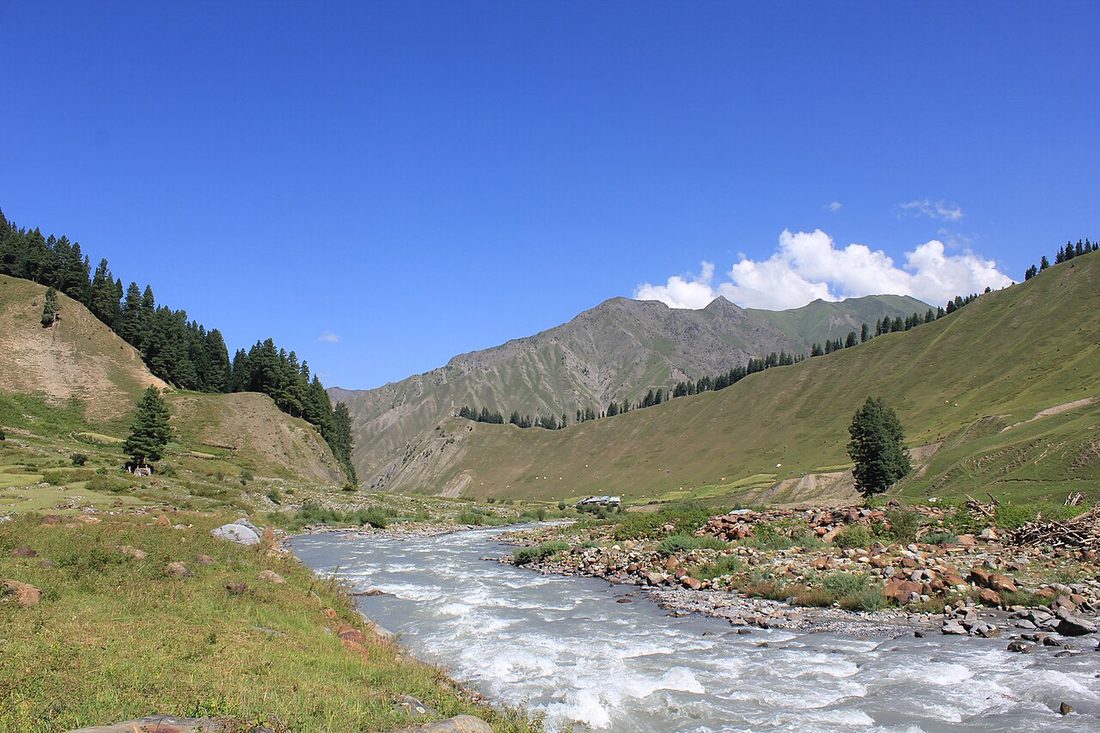
Sharda Peeth Temple (Teetwal LoC) & North Kashmir Heritage Yatra (4N/5D)
5 Days • 4 Nights • ₹22,500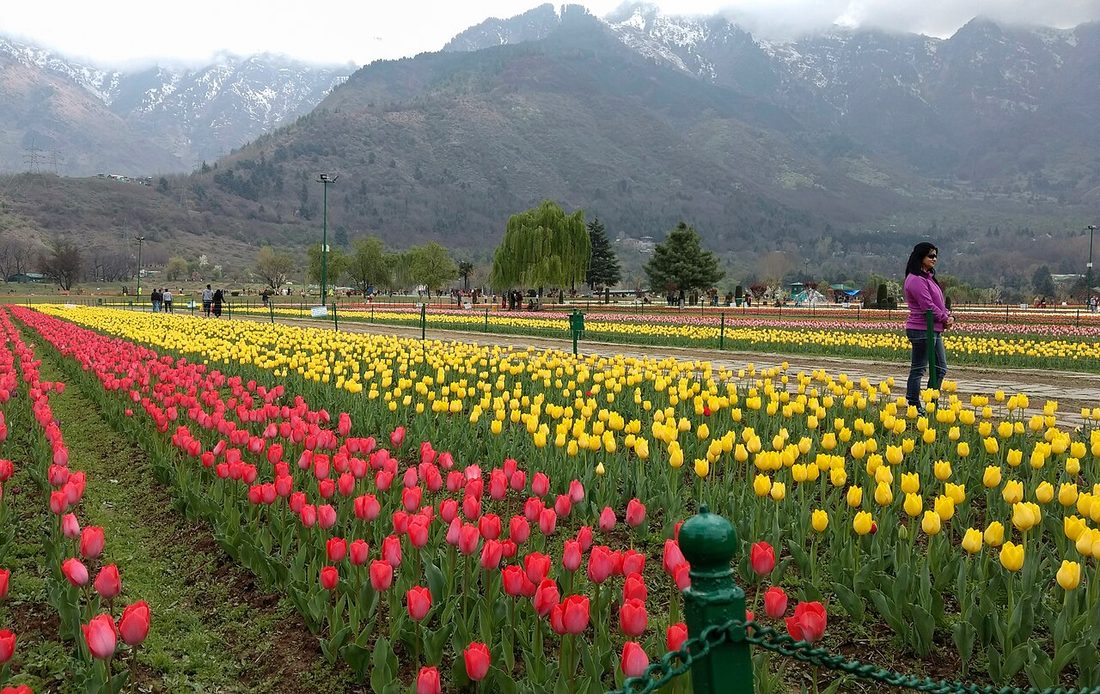
Discover Kashmir 5-Day Express Itinerary (4N/5D Srinagar, Gulmarg & Pahalgam)
5 Days • 4 Nights • ₹16,999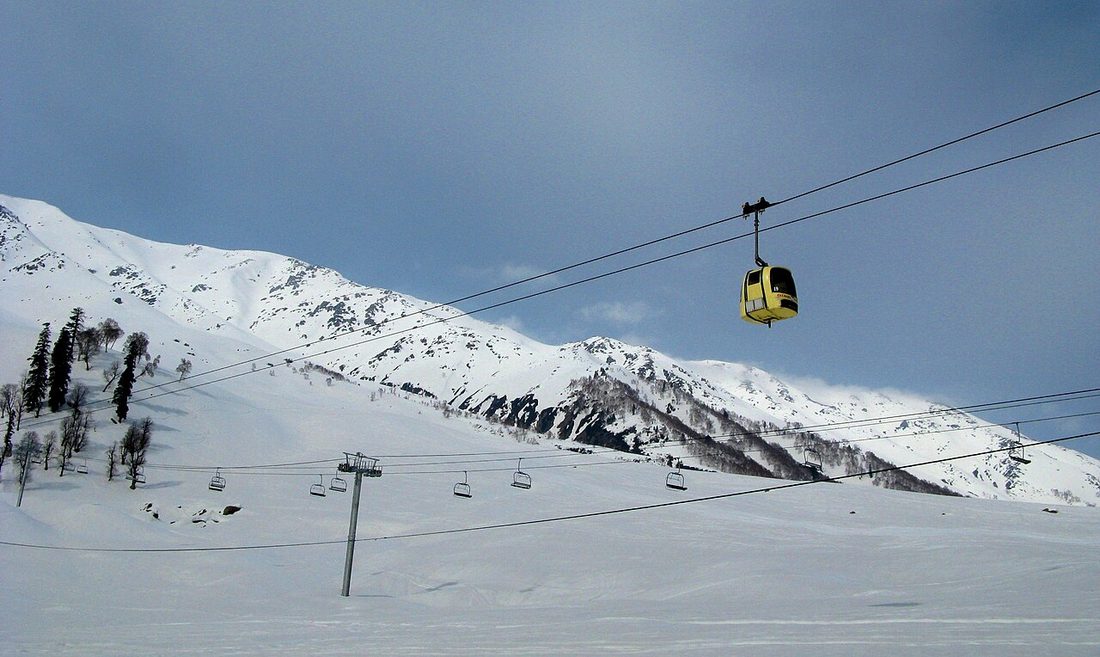
Kashmir Adventure & Khilanmarg Trekking Itinerary (5N/6D)
6 Days • 5 Nights • ₹24,500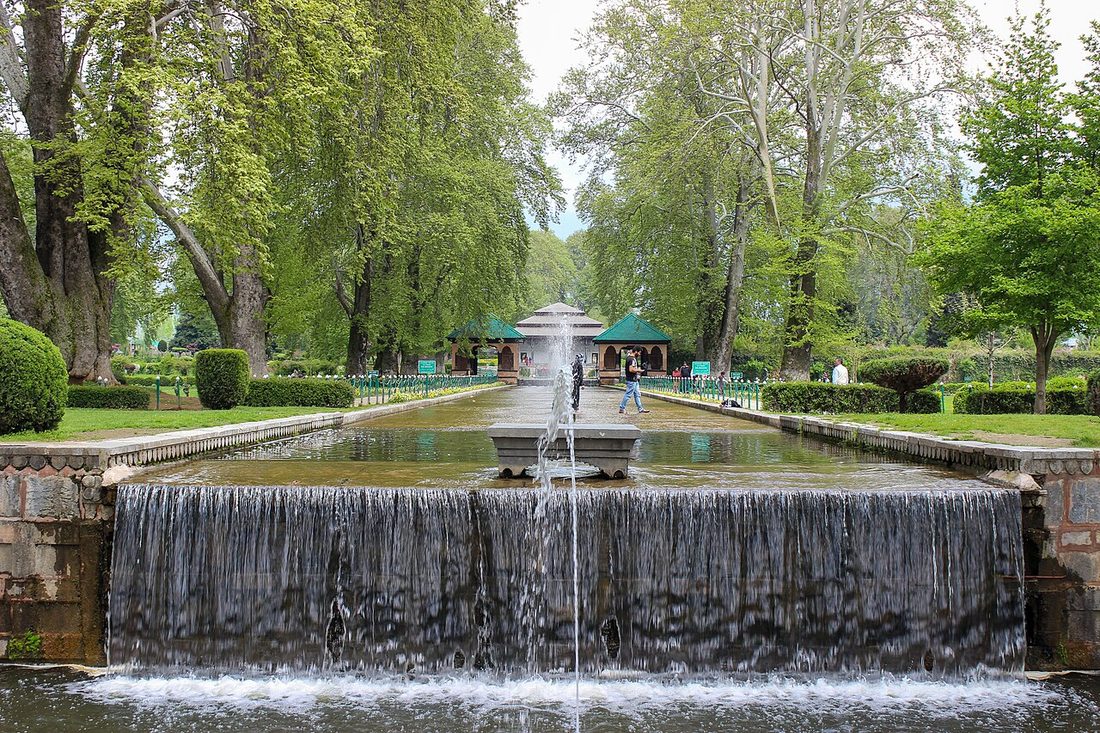
Charismatic Kashmir Heritage & Valley Itinerary (5N/6D)
6 Days • 5 Nights • ₹22,999
7-Day Kashmir Family Holiday Itinerary (6N/7D Comfort Valley Circuit)
7 Days • 6 Nights • ₹28,999Explore Nearby & Connected Destinations
Manasbal Lake — Kashmir’s Deepest Lotus Lake, Bird Sanctuary & Jaroka Bagh
Kashmir Valley →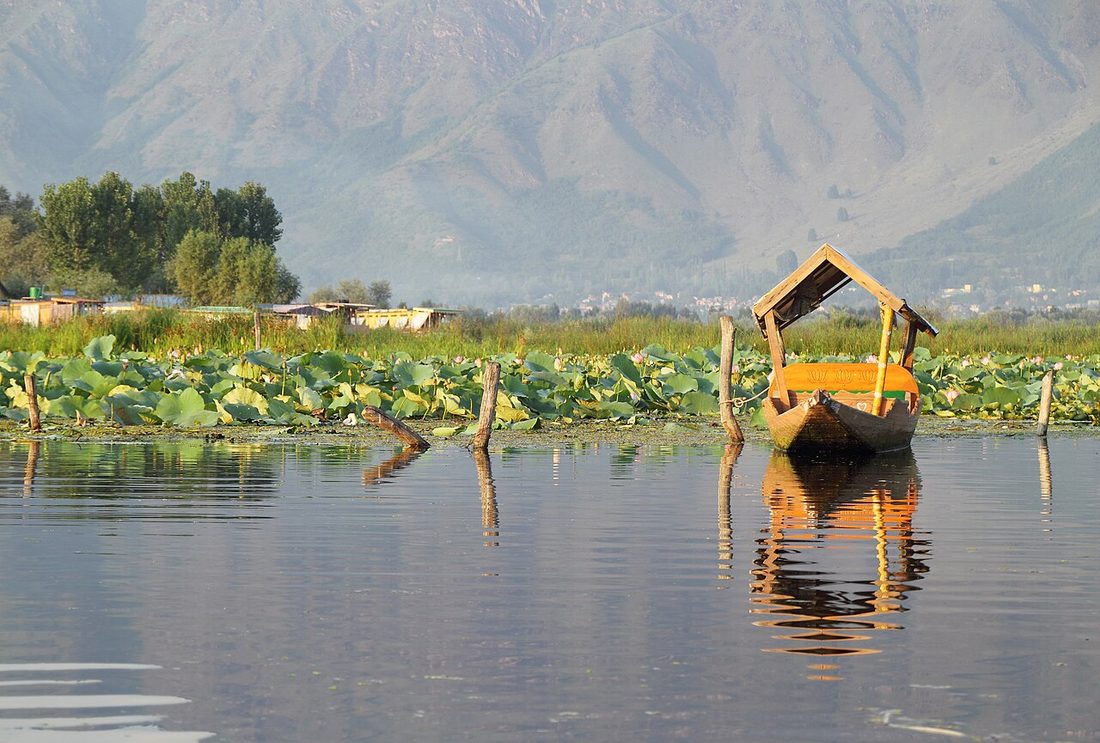
Srinagar — The City of Lakes, Mughal Gardens & Old City Heritage
Kashmir Valley →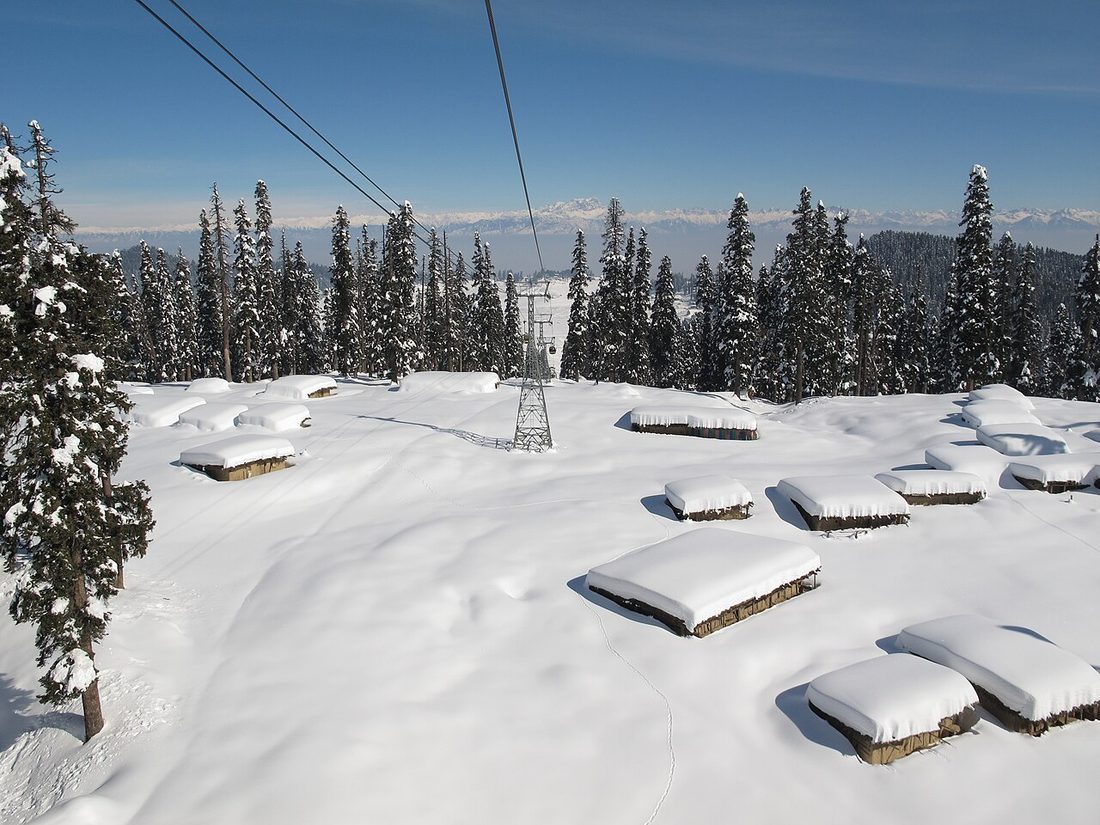
Gulmarg — Meadow of Flowers, Gondola Peak & Himalayan Ski Capital
Kashmir Valley →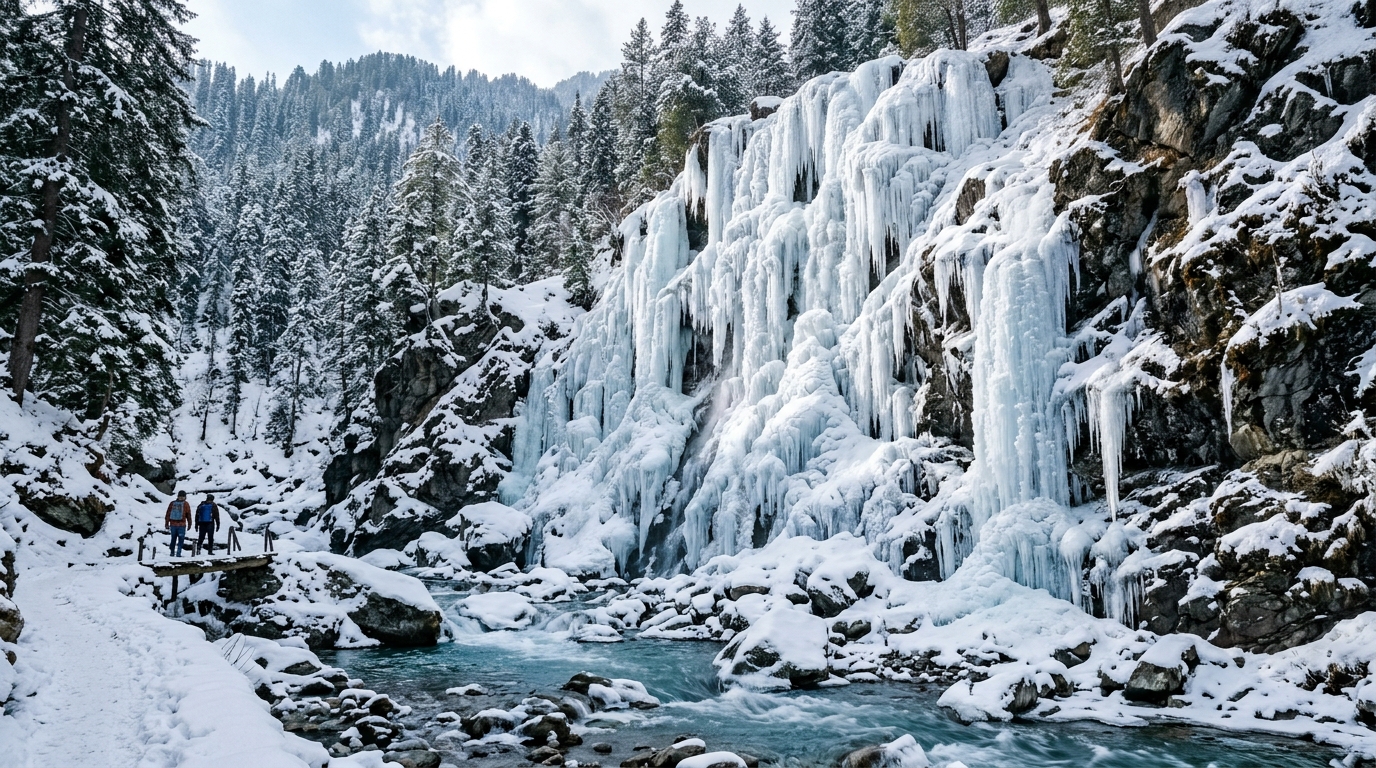
Tangmarg — Pine Forest Gateway to Gulmarg & Frozen Drung Waterfall
Kashmir Valley →
Mammer (Ganderbal) — Sindh River Village, Trout Waters & Meadow Gateway to Sonamarg
Kashmir Valley →