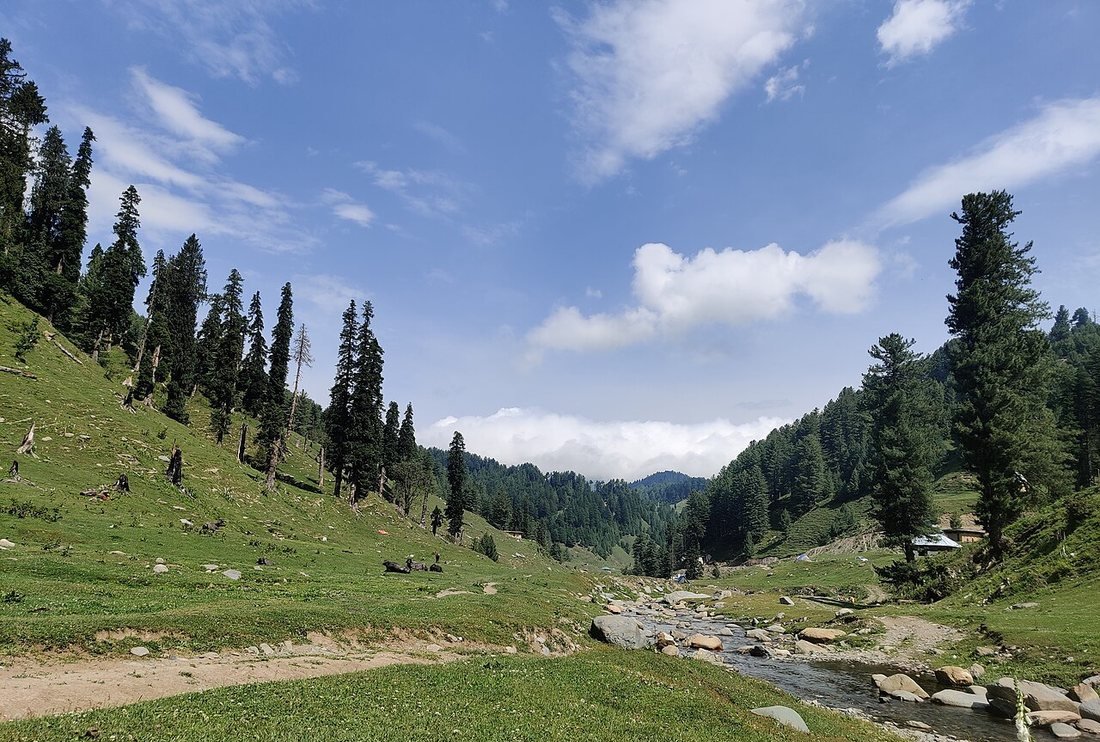
Stand beside the limestone cliff behind Kokernag’s terraced park on a warm July afternoon and dip your wrist into the water pouring out of the hillside. Even when downtown Srinagar hits 32°C, the water gushing from these underground karst fissures stays close to 10°C—clear enough to read the veins on every submerged river pebble. Dozens of separate jets fan outward from the base of the forested ridge like the spread toes of a rooster, which is precisely how the place earned its name: koker (fowl) paired with nag (spring or serpent) in Kashmiri.
Set at 2,020 metres (6,627 feet) in the Breng Valley of Anantnag district, Kokernag sits roughly 80 kilometres southeast of Srinagar Airport—an easy 2.5-hour drive once you clear the Pampore bypass—and about 220 kilometres north of Jammu via the Navayug Tunnel beneath Banihal. Yet while tens of thousands of travelers crowd the highway north to Pahalgam every June, barely a sliver turn east at Khanabal toward the Breng Valley. That quiet detour rewards anyone who trades hotel boulevards for rose-scented lawns, live rainbow-trout raceways, Mughal karst gardens, and one of the most dramatic high-mountain passes in Jammu & Kashmir.
Papashudan Springs & the Botanical Rose Garden
Long before modern road maps labeled the town Kokernag, medieval chronicles—including Abul Fazl’s 16th-century Ain-i-Akbari—praised these waters as Papashudan Nag, the spring that washes away bodily ailments and spiritual burdens. Locals across South Kashmir still fill plastic jerrycans straight from the upper spout, swearing that the limestone-filtered water eases stubborn digestion issues and sharpens appetite.
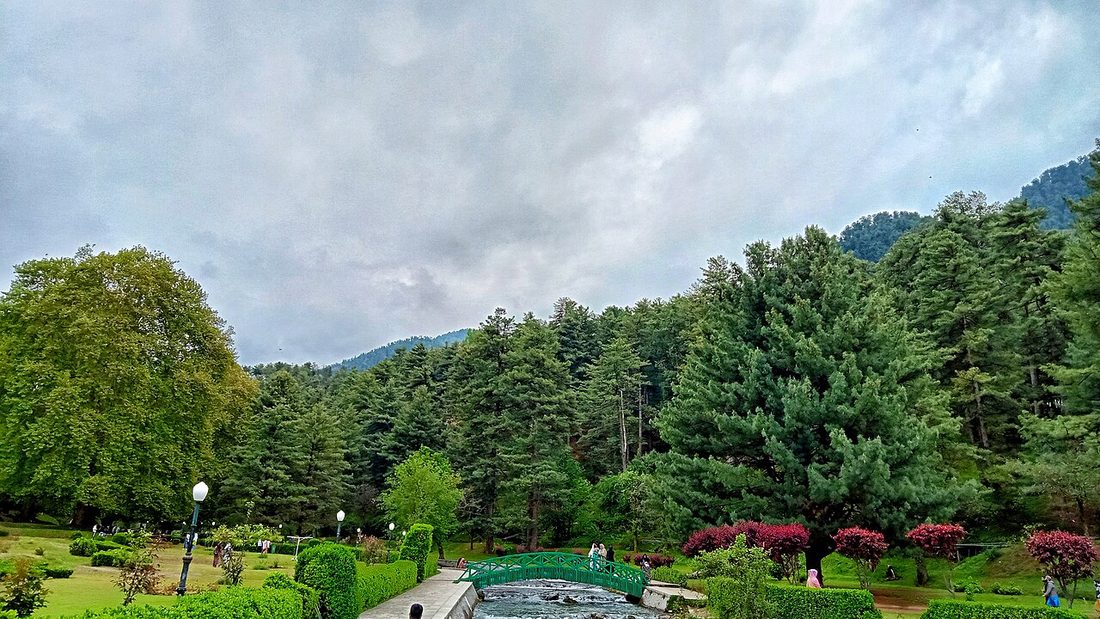
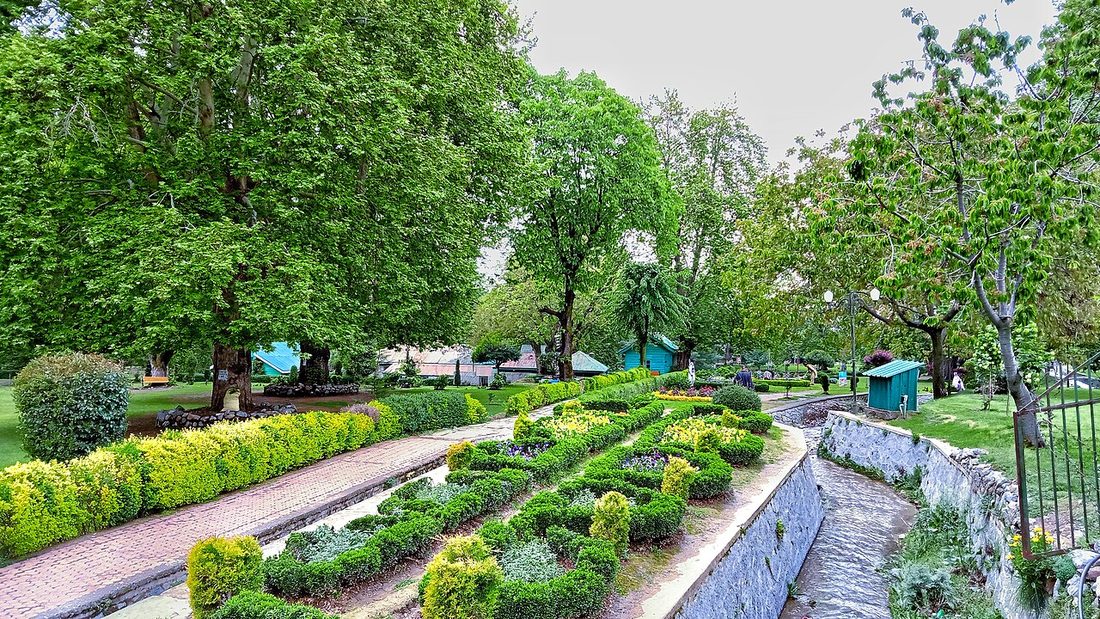
Wrapping directly around the spring head is the Kokernag Botanical Garden, easily the prettiest formal park in South Kashmir outside Srinagar’s lakeside Mughals. Rather than rigid imperial stone steps, Kokernag feels softer and more pastoral: broad emerald meadows stitched together by wooden footbridges over rushing turquoise canals, bordered by sprawling rose beds that explode into magenta, apricot, and ivory bloom from late May through July. Massive centuries-old chinars anchor the upper terrace. Arrive before 10:30 AM and you will share the footpaths mainly with morning walkers, gardeners clipping rose canes, and blue whistling thrushes hunting insects along the wet stone masonry.
Asia’s Largest Freshwater Trout Hatchery & Bringhi Fly-Fishing
Follow the cold outflow five minutes downhill from the garden gate and you walk into Kokernag’s quiet claim to international fame: the Government Trout Fish Farming Project, established in the late 1980s with European technical collaboration and still recognized as Asia’s largest freshwater rainbow-trout hatchery. Because trout demand cold, highly oxygenated, silt-free water year-round, Kokernag’s constant artesian springs provide laboratory-grade natural conditions.
Strolling beside the long concrete raceways costs almost nothing and delights kids and anglers alike—thousands of speckled rainbow and brown trout dart in synchronized schools from tiny inch-long fingerlings up to muscular broodstock weighing several kilograms. Better yet, the J&K Fisheries Department runs an on-site public sales counter selling freshly netted trout by weight (typically ₹450–₹600 per kilogram). Hand your chilled catch to one of the friendly roadside dhabas across from the park gate; for a modest cooking fee, they clean, score, and pan-sear it in mustard oil or butter with crushed garlic, fennel, and Kashmiri red chili.
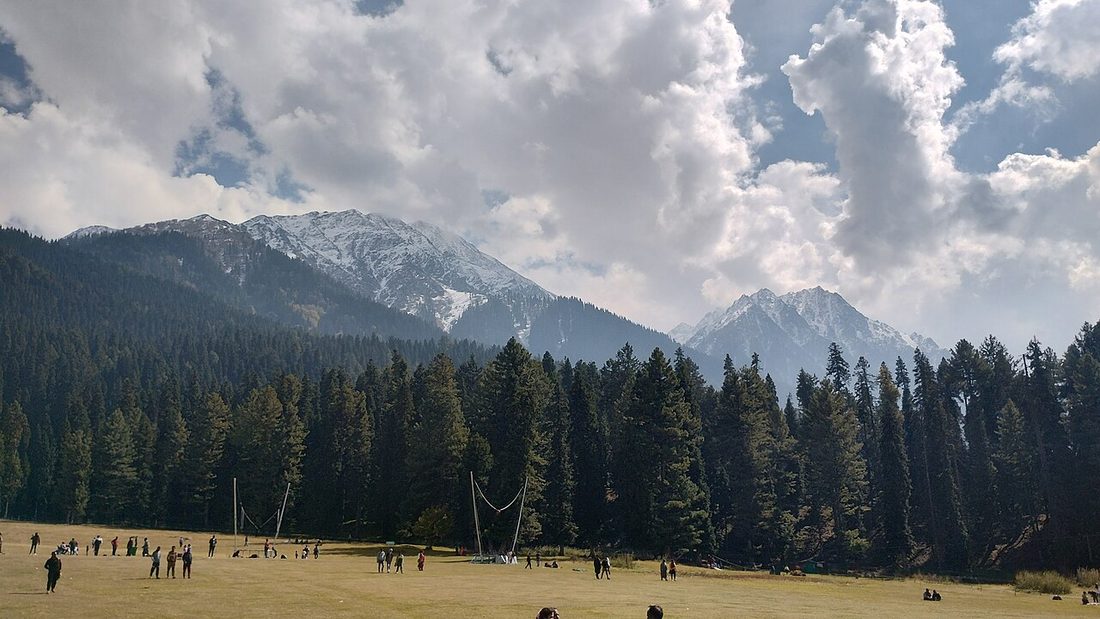
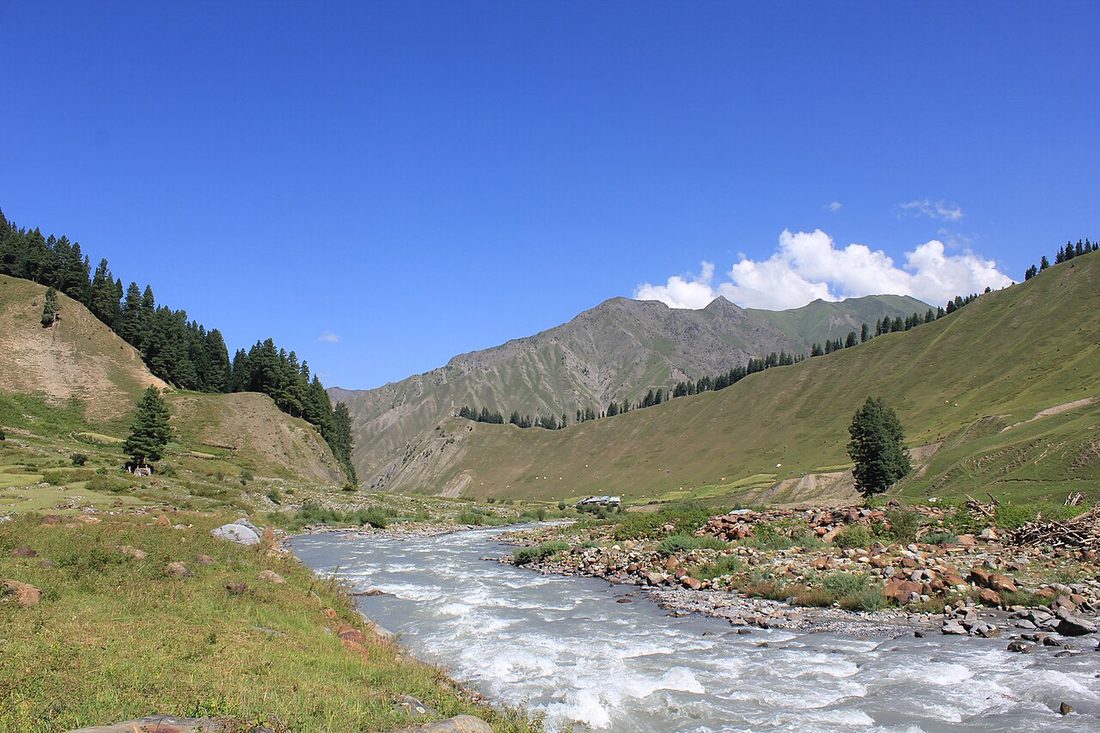
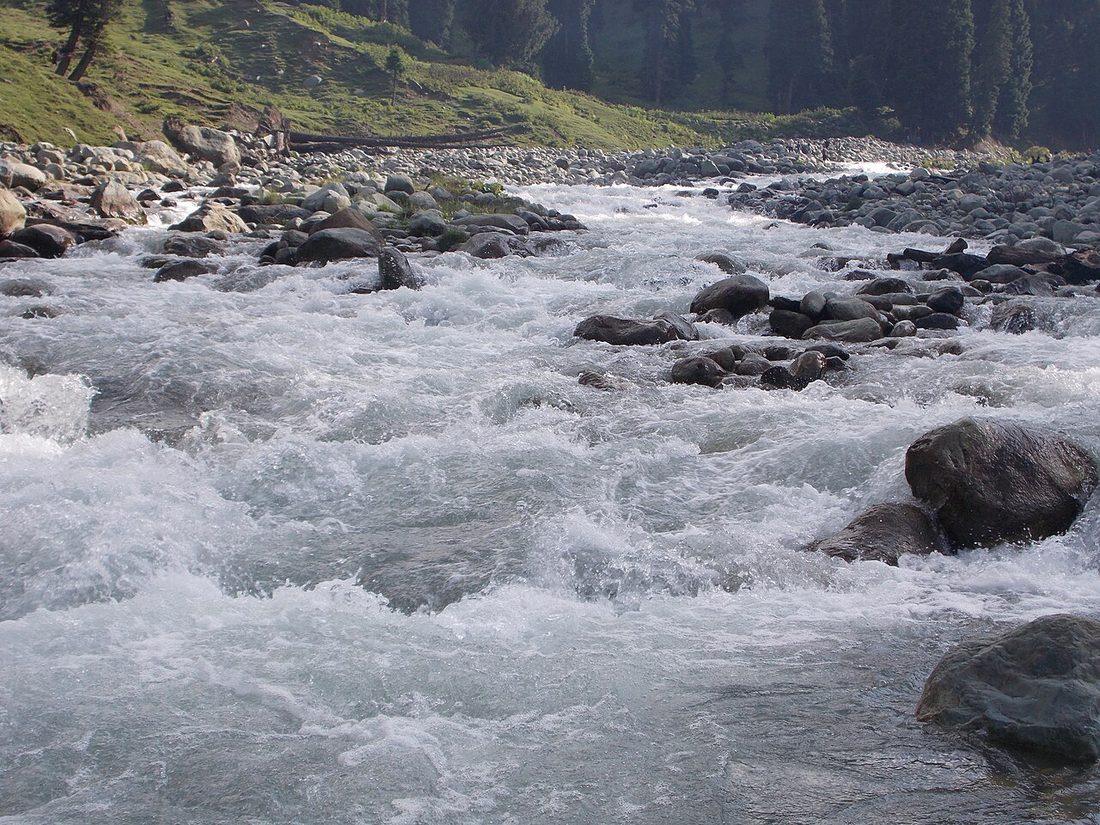
For serious fly-anglers, Kokernag is far more than a fish farm—it is the tactical base for the Bringhi River, arguably the finest wadeable brown-trout stream in India. Fed by glacial snowmelt above Daksum and fortified by Kokernag’s springs, the Bringhi’s boulder-strewn pools between Wangam, Bidhar, and Kokernag have hosted anglers since British colonial fishing diaries of the early 1900s. Unlike wider, roaring waters further north, Bringhi runs clear earlier in summer and lets you cast delicate dry flies and nymphs across riffles bordered by walnut groves. Before packing waders, study our dedicated Lidder & Bringhi River trout fly-fishing guide for beat numbering, fly patterns, and seasonal melt curves.
Fishing on any Bringhi River beat without a day license from the J&K Fisheries Department is strictly prohibited and actively patrolled by river guards. Permits are issued per beat per day (April to September), limited to rod-and-line with artificial flies or approved lures and a six-fish daily bag limit (catch-and-release is strongly encouraged on wild brown trout). If you just want to eat trout rather than cast for it, reach the Kokernag hatchery counter before 1:30 PM—afternoon tourist groups frequently clean out the day’s cleaned quota.
South Kashmir’s Karst Spring Triangle: Achabal & Verinag
One huge mistake travelers make when visiting Kokernag is treating it as an isolated point on the map. Within a 25-kilometre radius sit two of Kashmir’s oldest imperial water gardens, turning Anantnag’s southern foothills into a rich one-day architectural loop without backtracking toward Srinagar.
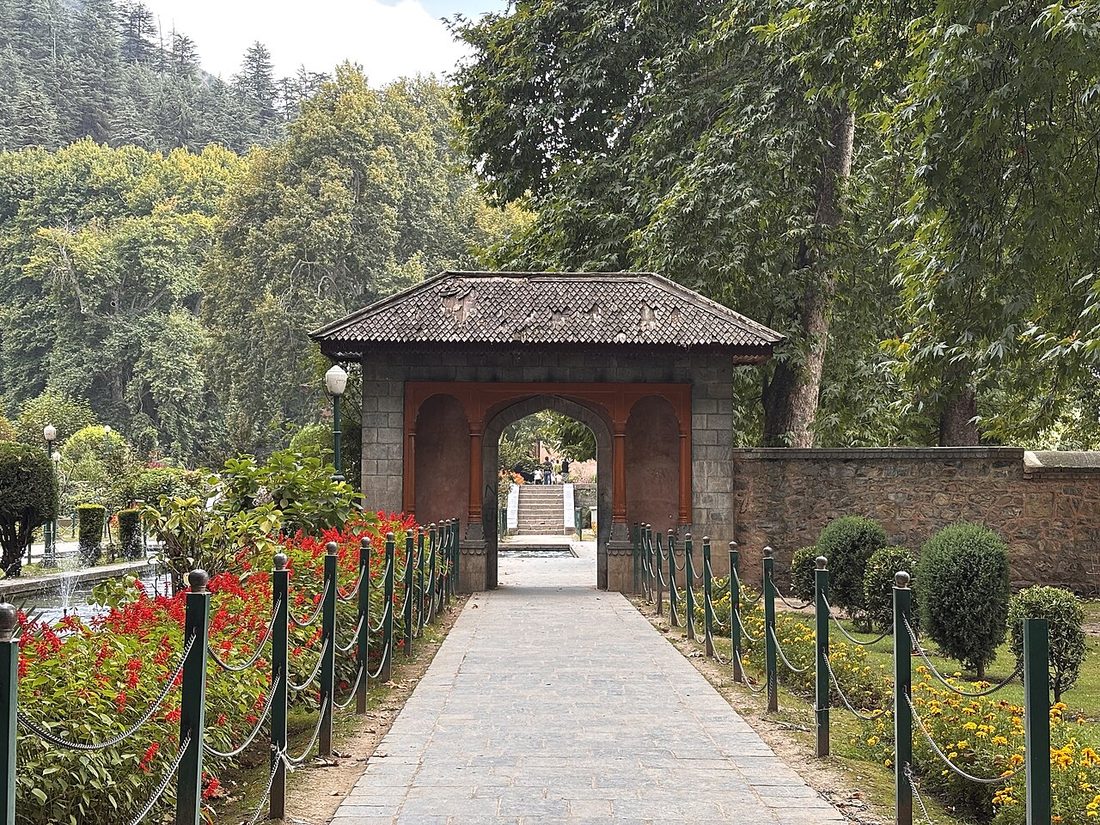
- Achabal Mughal Garden (16 km / 30 mins from Kokernag): Laid out by Empress Nur Jahan in 1620 around a spring so voluminous it once powered imperial hammams and waterwheels, Achabal feels far more intimate than Srinagar’s crowded Shalimar Bagh. Huge weeping chinars cast dappled green shade over stone fountains and timber pavilions, with a secondary Fisheries trout run right along its perimeter wall.
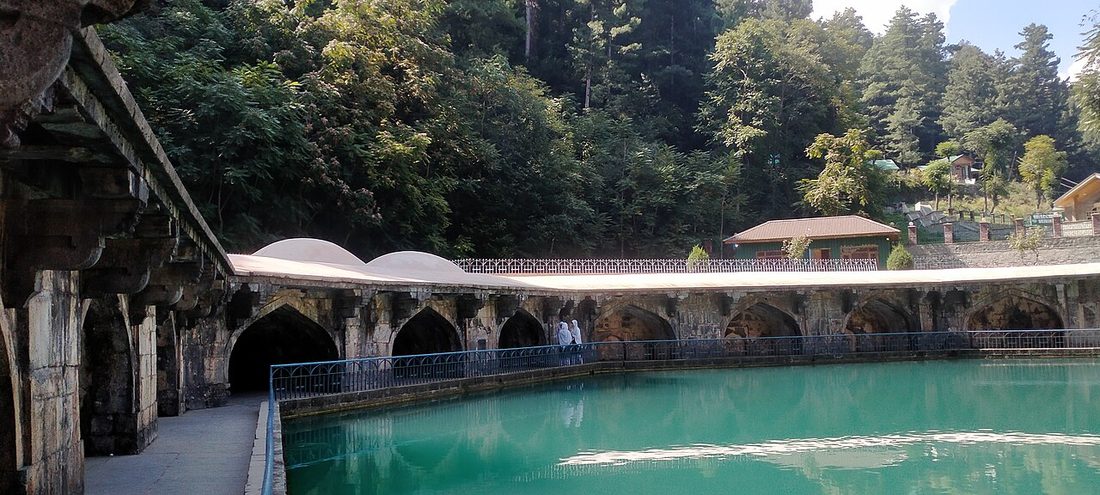
- Verinag Spring (25 km / 50 mins from Kokernag): Nestled at the foot of the Banihal pass ridge, Verinag marks the traditional birth of the Jhelum River (ancient Vitasta). Emperor Jahangir commissioned the deep blue octagonal stone reservoir ringed by 24 brick arches in 1620, and Shah Jahan added formal garden channels below. Looking straight down into that 15-metre-deep emerald pool packed with sacred carp—where legends say Jahangir wished to be buried—provides a quiet historical counterpoint to Kokernag’s open botanical lawns.
Ancient Stone Detours on the Way from Srinagar
If you drive down from Srinagar via NH44 toward Khanabal and Anantnag, budget an extra 90 minutes to pause at two monumental pre-Islamic Kashmiri temples that sit virtually on your route yet get bypassed by rushed transit cabs.
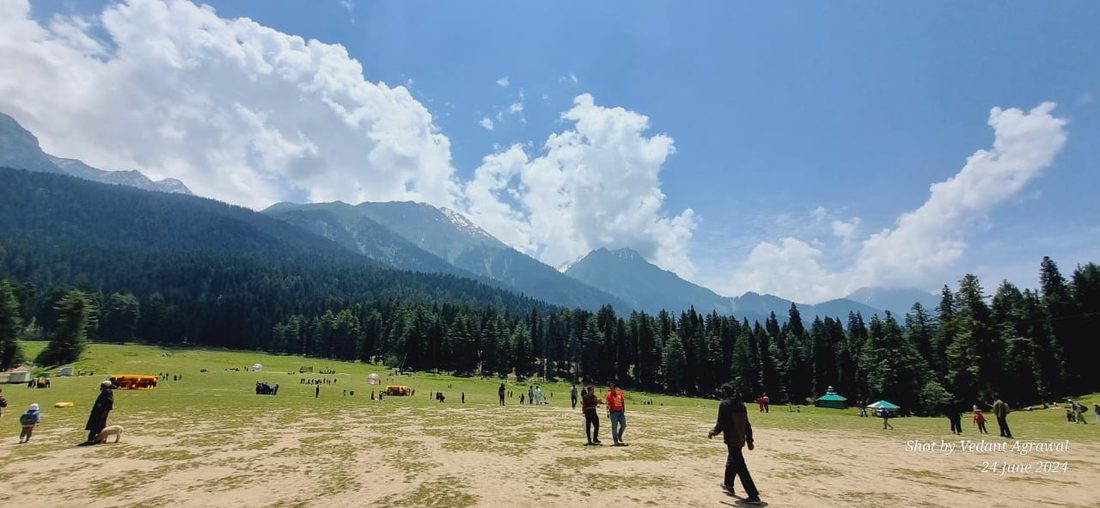
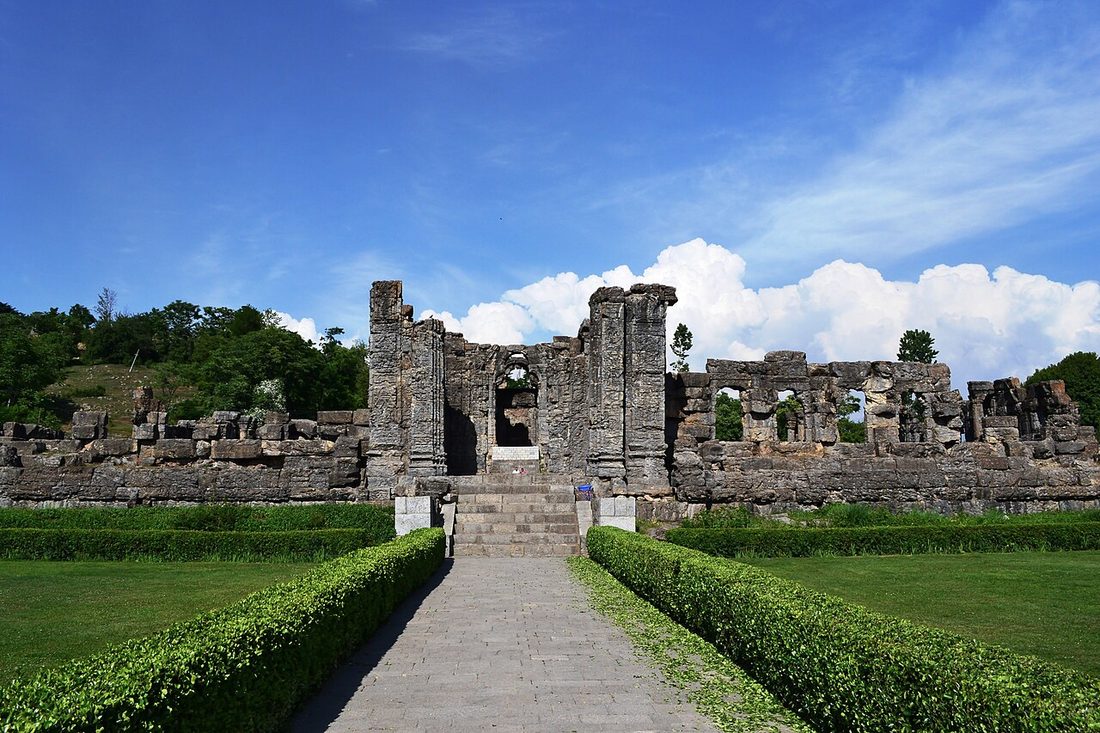
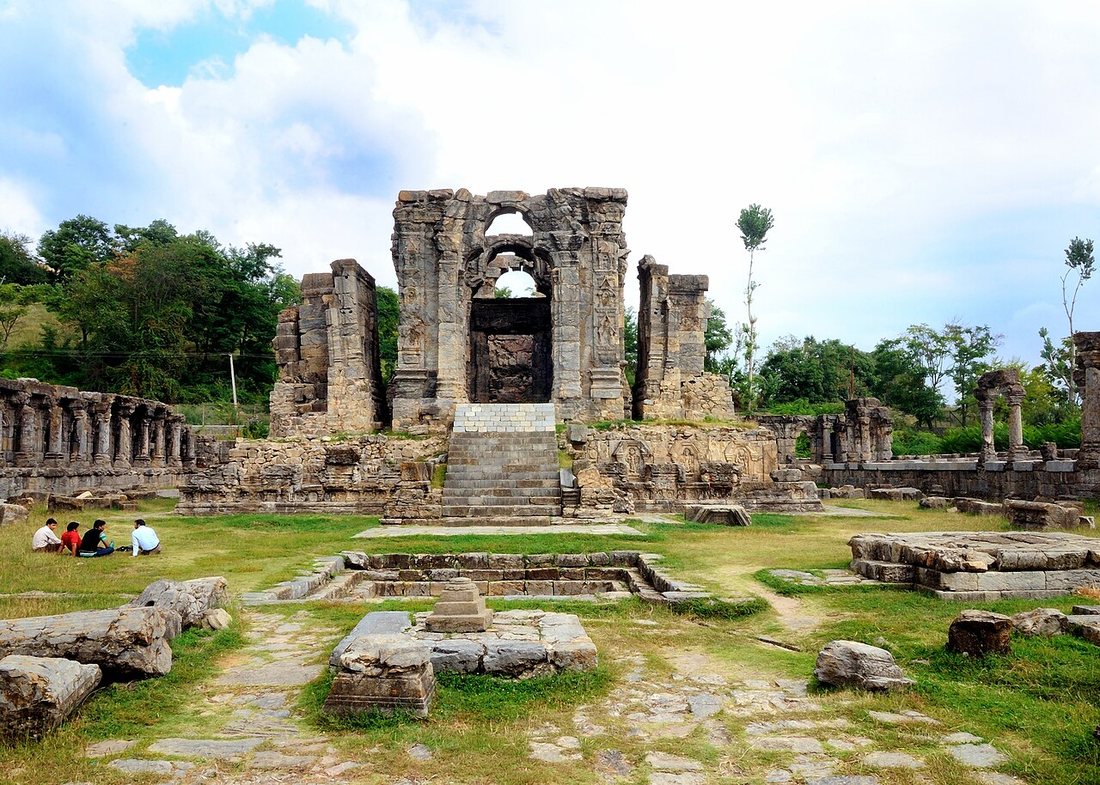
First comes Avantiswami Temple at Awantipora, right beside the main highway past Pampore’s saffron fields—built in the 9th century by King Avantivarman, with intricately chiseled floral pilasters and river-goddess reliefs still crisp in grey limestone. Further south, near Mattan (just 22 km northwest of Kokernag on the road linking Anantnag toward Pahalgam and Betaab Valley), climb onto the open plateau to stand inside the Martand Sun Temple. Constructed by Emperor Lalitaditya Muktapida in the 8th century CE, its massive Gandhara-meets-Kashmiri fluted pillars and soaring triangular pediments overlook the entire southern sweep of the valley. Walking its silent courtyard in slanting late-afternoon light is unforgettable—and completely free of touts.
Daksum Gorge & the Hairpin Climb to Sinthan Top
Drive east past Kokernag’s bazaar and the gentle orchard valley tightens rapidly into a deep, resin-scented cedar gorge. Sixteen kilometres upstream sits Daksum (2,438 m), a cluster of wooden sheep-breeding farm pastures and mossy deodar groves bisected by the clear green Bringhi torrent. There is no town center here—only a peaceful JKTDC bungalow, pine needles crunching underfoot, and forest tracks climbing toward hidden upland clearings that rival South Kashmir’s famed high meadows. In April and early May, village foragers walk these damp conifer banks hunting wild Himalayan morel mushrooms (guchhi), drying them on strings beneath corrugated eaves before traders carry them to Srinagar spice bazaars. By June, bells announce seasonal Bakarwal shepherd convoys pushing hundreds of sheep and goats uphill through Daksum’s bridges toward high summer grazing ridges above the treeline.
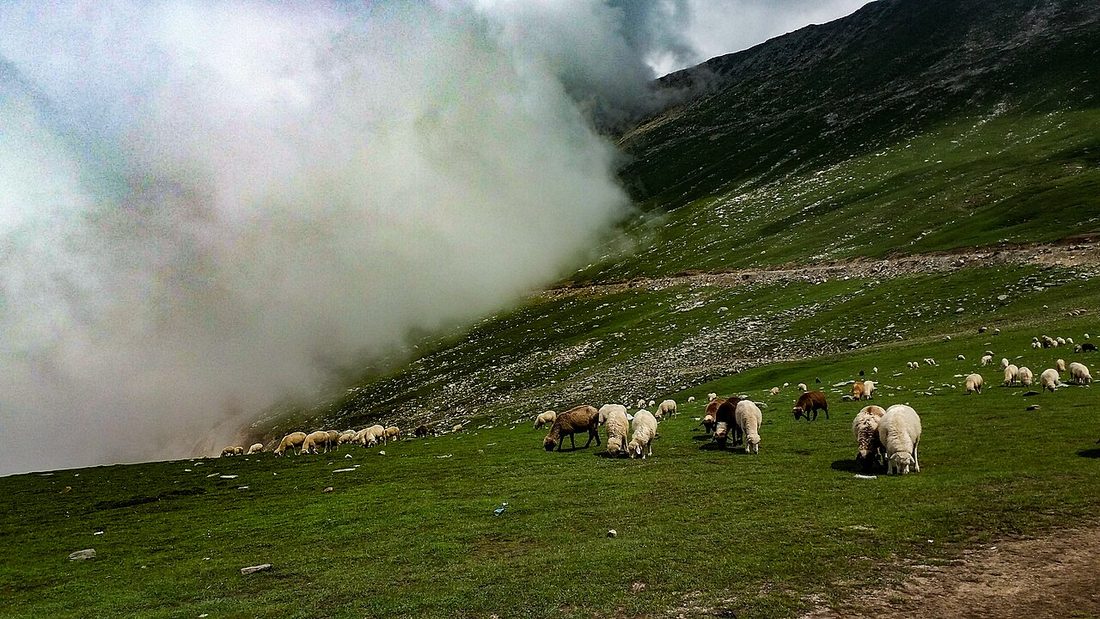
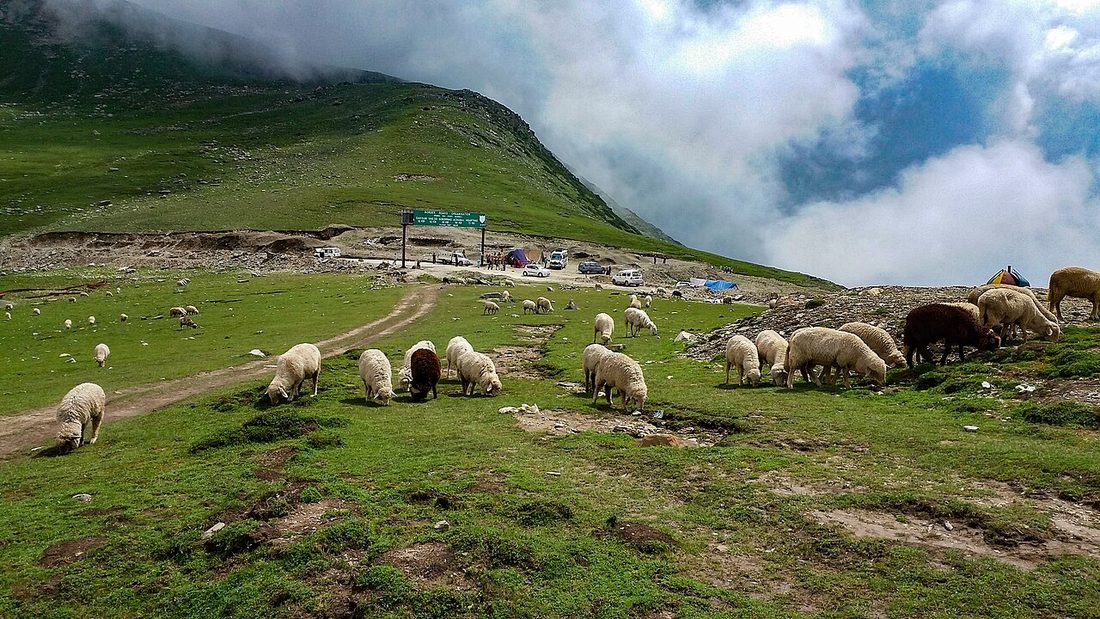
Keep climbing another 32 kilometres beyond Daksum along NH244 and the tree line drops behind you completely. Smooth blacktop switchbacks wind through grazing Gujjar flocks until you roll onto Sinthan Top at 3,784 metres (12,415 feet)—the high mountain saddle separating Kashmir’s Anantnag district from Jammu province’s remote Chenab Valley. Even in early July, waist-high compacted snow drifts cling to shaded amphitheater slopes around the pass signage, drawing cheerful tea-cart vendors roasting corn and boiling salty kahwa over kerosene stoves. On clear mornings you can peer down into the wild gorges descending toward Kishtwar—and overland road-trippers continuing further south can link this dramatic corridor all the way to Bhaderwah without returning to Srinagar.
Sinthan Top usually opens to civilian traffic by late April or early May after Border Roads/NHIDCL snow cutters clear the upper 18 km, and closes again by late November. Leave Kokernag before 9:00 AM—by 1:30 PM thick fog regularly rolls up from the Kishtwar side, dropping visibility to twenty feet and plummeting windchill close to freezing. Carry a fleece jacket even in June, keep toddlers hydrated, and note that zero mobile signal operates from 6 km past Daksum until you drop back below the pass.
Kokernag & South Kashmir Excursion Planner (2026)
Use this distance-and-timing chart when building a 1-night or 2-night southern spring loop from Kokernag or folding it into all Kashmir & Ladakh tour packages:
| Stop from Kokernag | Road Distance | Typical Drive Time | Highlight & Best Time of Day |
|---|---|---|---|
| Achabal Mughal Garden | 16 km (NW) | 30 – 35 mins | Nur Jahan’s 1620 spring cascades & giant chinars; lovely 9–11 AM |
| Daksum Conifer Gorge | 16 km (E) | 35 mins | Roaring Bringhi stream, sheep pastures, picnic walks; all day |
| Verinag Spring (Jhelum Source) | 25 km (SW) | 50 mins | Jahangir’s octagonal emerald reservoir; combine with Achabal loop |
| Martand Sun Temple (Mattan) | 22 km (NW) | 45 mins | 8th-century stone monument; crisp golden light after 3:30 PM |
| Sinthan Top Pass (3,784 m) | 48 km (E) | 1.5 – 2 hrs | 360° snow pass (May–Nov); depart Kokernag by 9 AM before mist |
| Pahalgam Club Park | 58 km (N via Mattan) | 1.5 – 1.75 hrs | Easy onward transfer if looping Kokernag straight into Lidder Valley |
Eating Like a Local: Wazwan, Kahwa & Riverside Trout
South Kashmir takes pride in its kitchen craft, and eating around Kokernag and Anantnag costs noticeably less than Dal Lake’s tourist strip while tasting fiercely authentic. Beyond fresh grilled hatchery rainbow trout dusted with mild Kashmiri chili and lemon, ask your driver to stop at a busy local wazwan dining hall in Anantnag or Kokernag market for lunch—steaming copper platters of hand-pounded mutton rista in crimson saffron gravy, melt-in-the-mouth gushtaba simmered in spiced yogurt, smoky charcoal seekh kababs, and crispy fried tabak maaz ribs served over fragrant steamed rice.
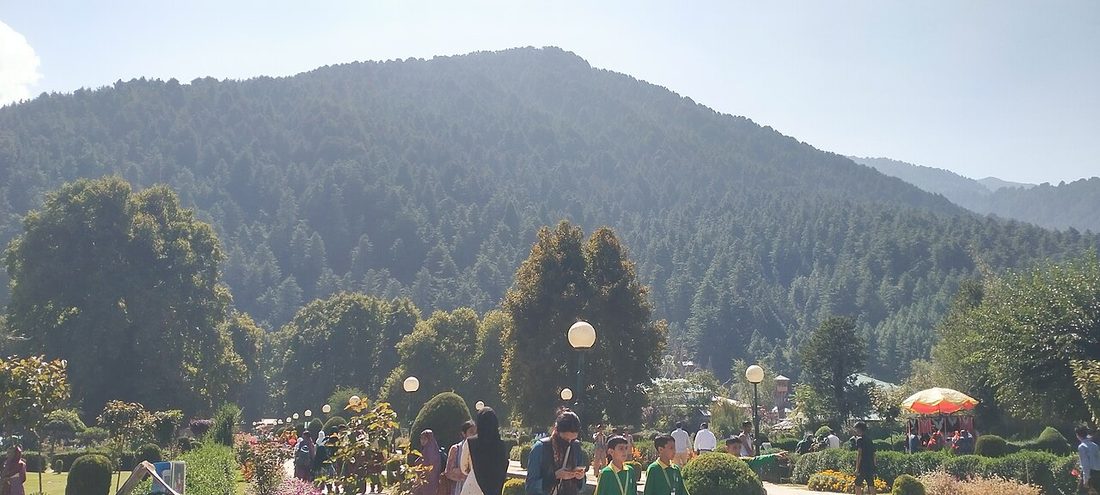
Vegetarians never go hungry either: look for rich dum aloo cooked in fennel-ginger gravy, crisp nadru yakhni (lotus stem in velvety yogurt), haakh (collard greens sautéed in mustard oil with whole chili), and freshly pulled flatbreads from morning kandur bakeries paired with steaming kahwa or salty pink noon chai.
Where to Stay & Choosing Your Season
Kokernag does not try to mimic Gulmarg’s grand heritage hotels. Instead, you choose between charming timber cottages inside the JKTDC Tourist Complex right next to the Botanical Garden, clean family-run boutique resorts tucked inside apple orchards along the Bringhi bank, or quiet eco-lodges stretching toward Hillar and Daksum. If you want a two-base South Kashmir rhythm, spend one peaceful night in Kokernag (waking up to rose gardens and a morning dash up to Sinthan Top), then drive 90 minutes north to a riverside hotel from our verified Kashmir hotels and houseboats directory in Pahalgam or Srinagar.
Seasonally, Kokernag shines brightest between mid-April and late October. Consult our month-by-month Kashmir travel calendar when picking dates: May and June bring peak garden roses and comfortable 20°C–24°C afternoons while Sinthan Top still holds abundant roadside snow. July and August turn the Breng hills emerald green with crisp angling mornings. Late September and October set the giant chinars ablaze in copper and amber with virtually zero tourist crowds. Winter (December–February) brings serene snowfall around the springs—which never freeze thanks to constant underground warmth—though Daksum and Sinthan Top close under heavy snowbanks and many smaller guesthouses shut until March.
Cast a Line on the Bringhi & Explore South Kashmir’s Springs
Combine Kokernag’s trout beats, Daksum cedar valleys, Pahalgam’s Lidder streams, and verified permits in one bespoke private-cab expedition.
Folding Kokernag Into Your Wider Kashmir Route
Because Kokernag lies just off the Srinagar–Jammu highway corridor, it slots smoothly into almost any South Kashmir itinerary without awkward backtracking. Travelers driving overland from Katra or Jammu on our Jammu, Katra, Patnitop & Kashmir Valley 8-Day Tour pass right near Verinag after exiting the Navayug Tunnel—making a detour through Verinag, Kokernag, and Achabal en route to Srinagar or Pahalgam effortless geography. Families flying directly into Srinagar on our 7-Day Kashmir Family Holiday Itinerary can easily trade a repetitive sightseeing stop for an unforgettable South Kashmir spring-and-Sinthan-Top loop, or pair Kokernag with Budgam’s silent pastures at Yusmarg. Check postpaid SIM coverage before crossing into Daksum—Airtel and Jio signals hold cleanly inside Kokernag town and Achabal, then flicker out once the cedar canyon narrows below Sinthan Pass, so download offline road maps and keep cash ready for roadside tea carts and trout counters. Explore all Kashmir, Jammu & Ladakh destinations, start building your route on our official Kashmir tour packages portal, or reach out to our Srinagar local desk for real-time Sinthan Top road clearance and Bringhi angling beat availability.
Frequently Asked Questions about Kokernag — Kashmir’s Largest Freshwater Springs, Botanical Gardens & Trout Streams
Recommended Itineraries Including Kokernag — Kashmir’s Largest Freshwater Springs, Botanical Gardens & Trout Streams
Every route below can be customized from Srinagar, Jammu, or Leh with private cabs and verified local stays.
Kashmir Trout Angling & Himalayan River Fishing Expedition (5N/6D)
6 Days • 5 Nights • ₹32,500
7-Day Kashmir Family Holiday Itinerary (6N/7D Comfort Valley Circuit)
7 Days • 6 Nights • ₹28,999
Unforgettable Jammu, Katra, Patnitop & Kashmir Valley Tour (7N/8D)
8 Days • 7 Nights • ₹29,999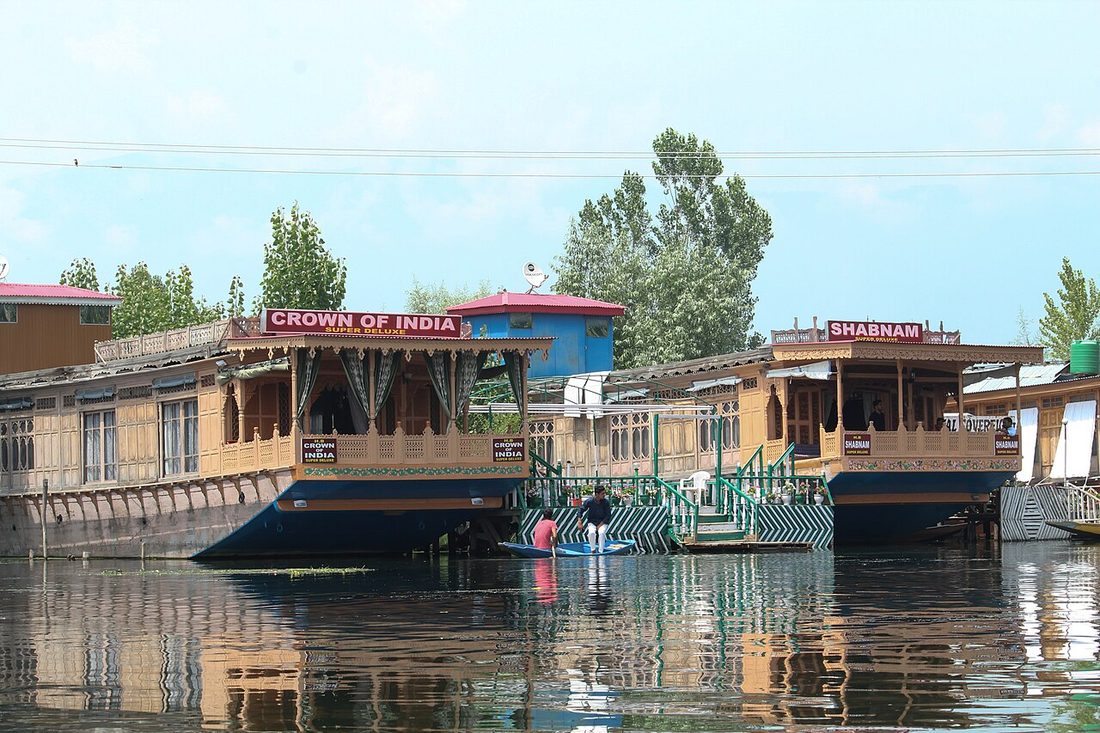
Kashmir Paradise Tour Package (5N/6D: Srinagar, Gulmarg, Pahalgam & Sonamarg)
6 Days • 5 Nights • ₹21,999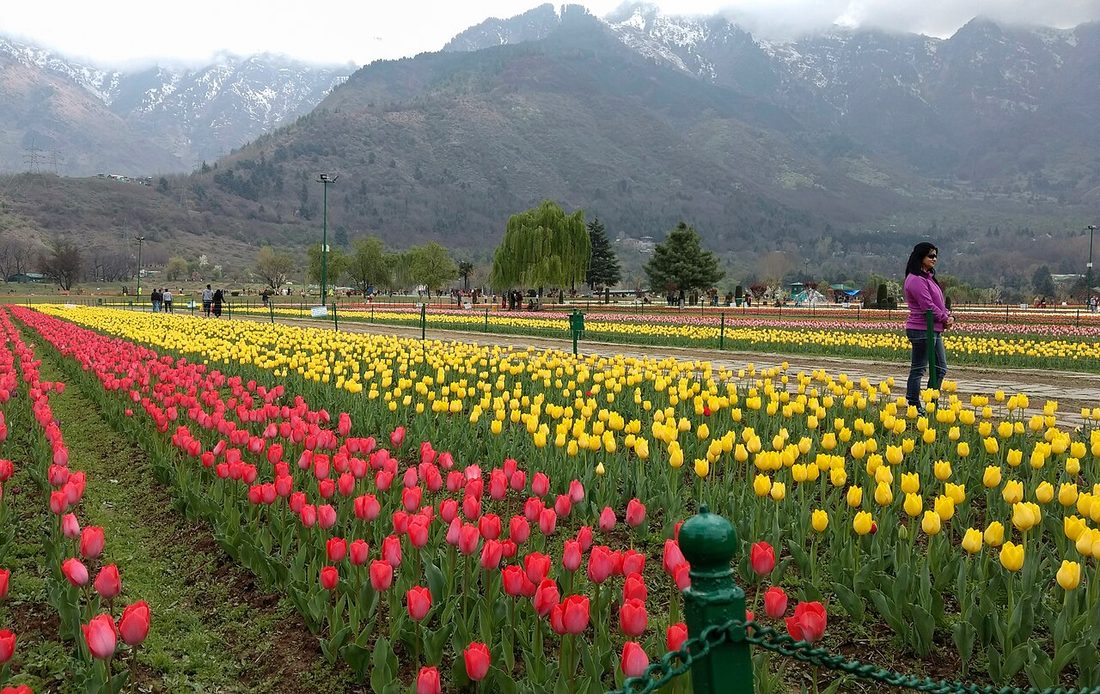
Discover Kashmir 5-Day Express Itinerary (4N/5D Srinagar, Gulmarg & Pahalgam)
5 Days • 4 Nights • ₹16,999Explore Nearby & Connected Destinations
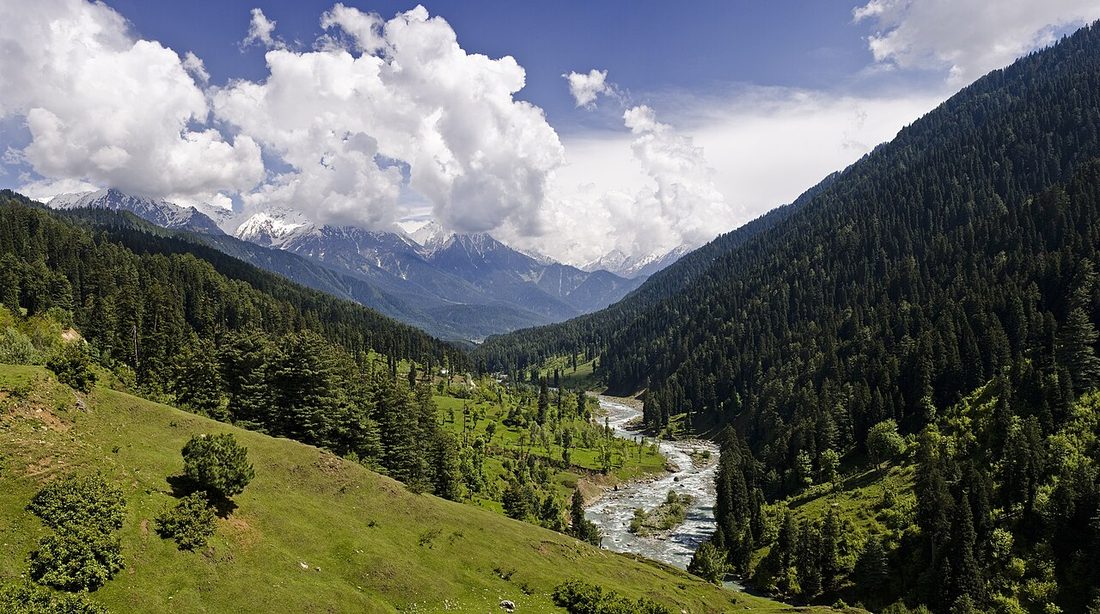
Pahalgam — Valley of Shepherds, Lidder River & Pine Trails
Kashmir Valley →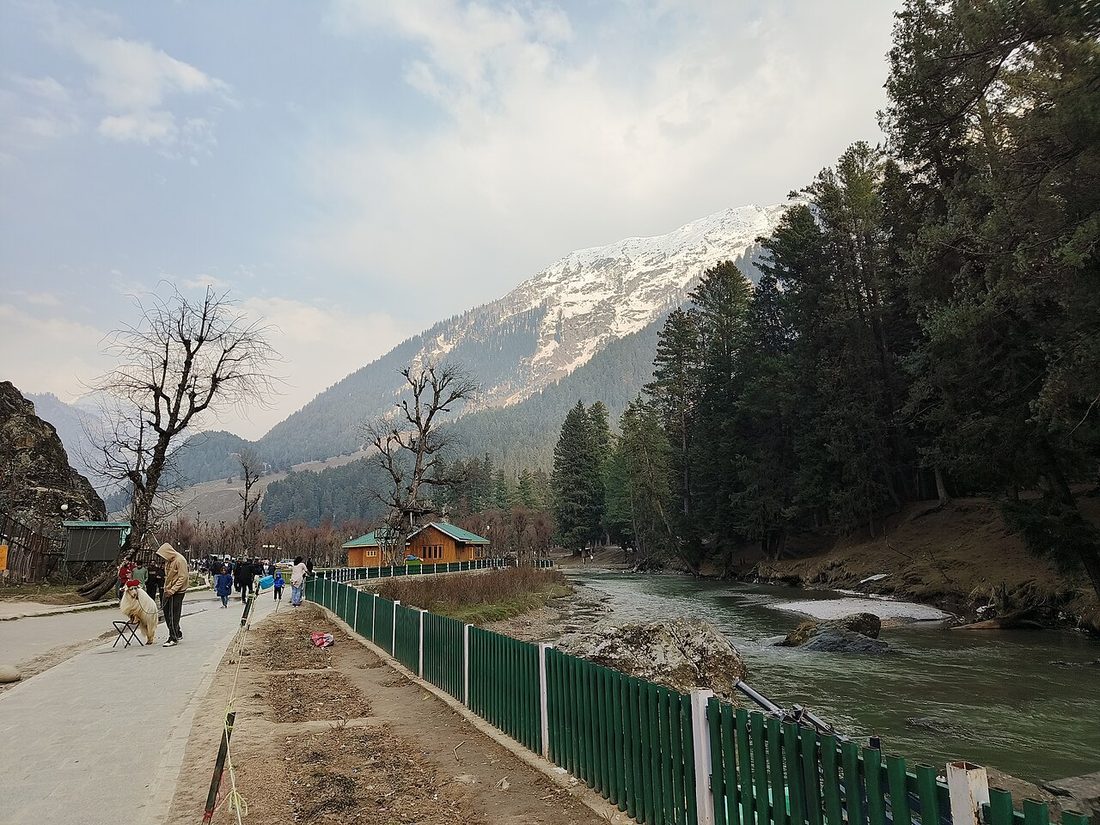
Betaab Valley — Glacial Streams, Deodar Meadows & Lidder Gorge
Kashmir Valley →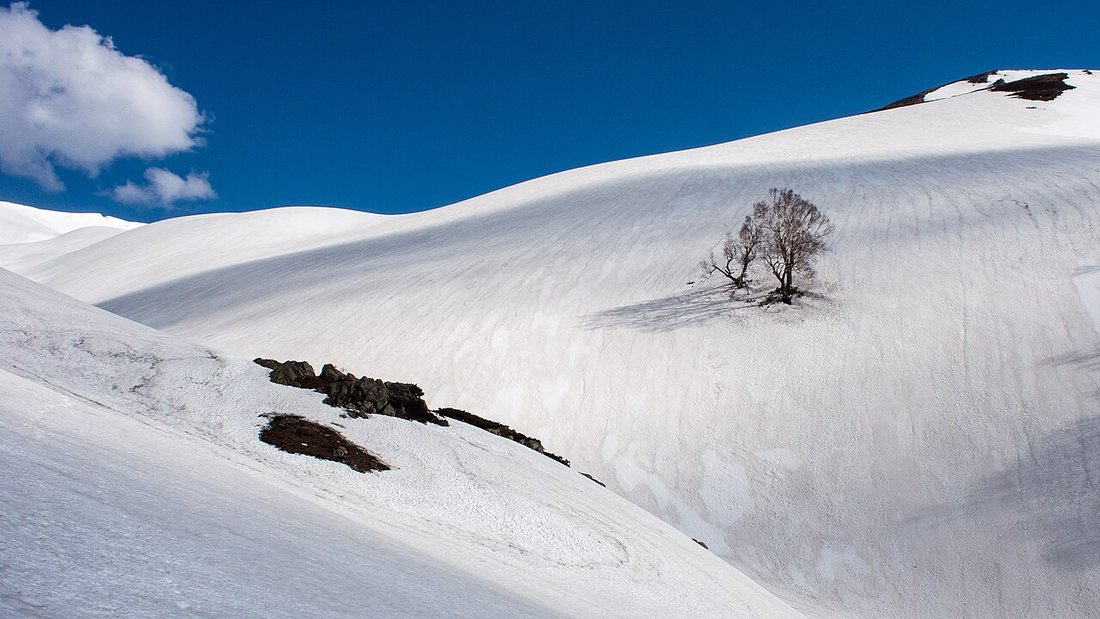
Kishtwar — Land of Saffron & Sapphire, Chowgan Ground & Sinthan Pass
Jammu Region →
Srinagar — The City of Lakes, Mughal Gardens & Old City Heritage
Kashmir Valley →
Yusmarg — Meadow of Jesus, Doodhganga Trails & Nilnag Lake
Kashmir Valley →