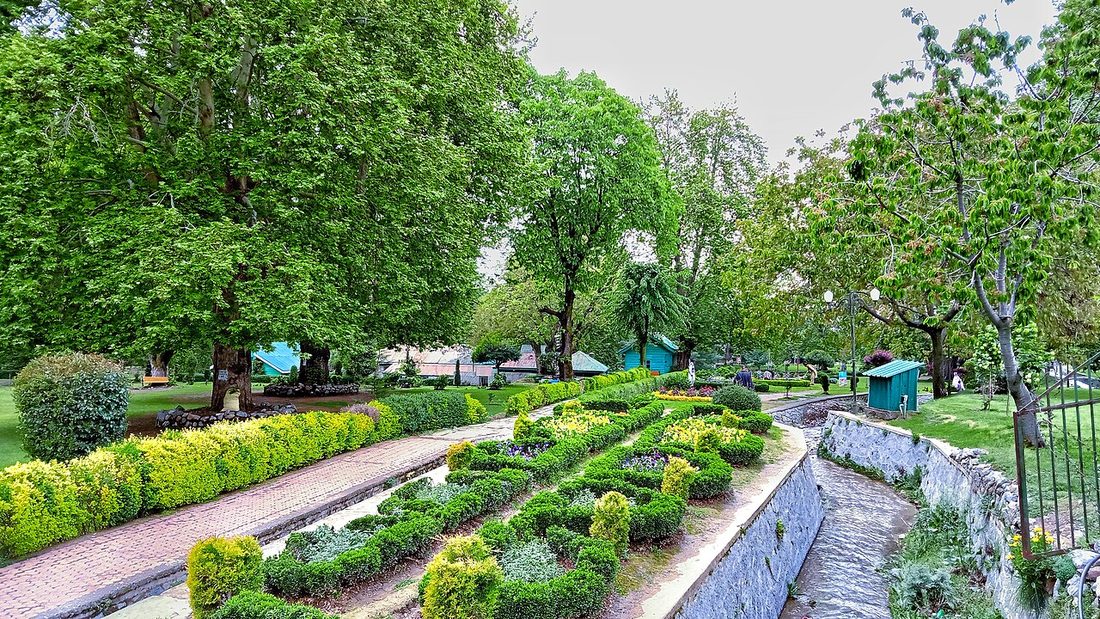
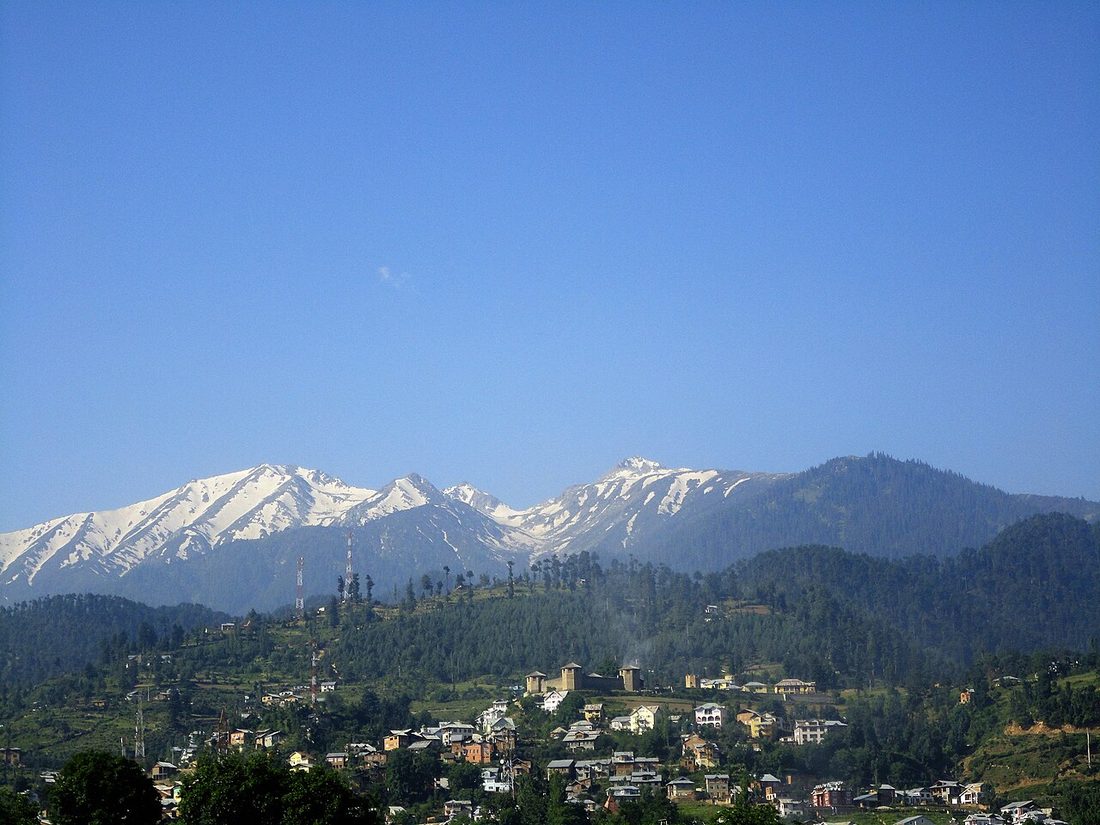
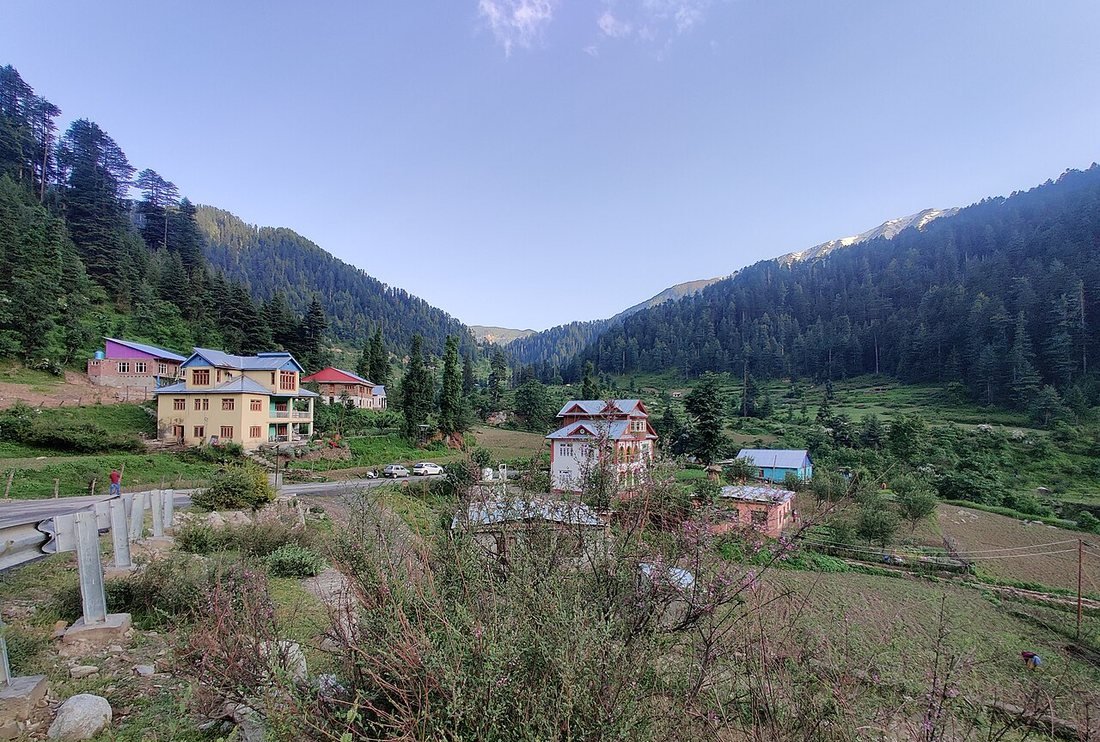
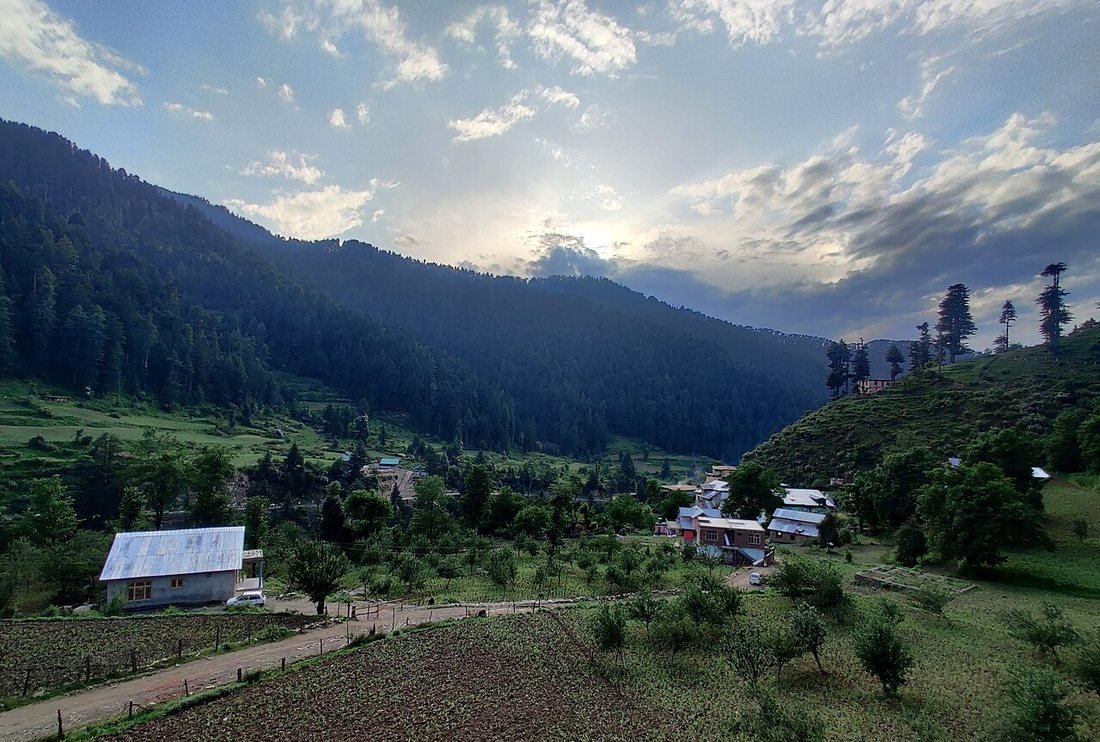
Take the right-hand fork off NH-44 at Batote onto National Highway 244, and the mood of Jammu shifts inside ten minutes. Gone are the four-lane tunnels and hurried Srinagar convoys; instead, a ribbon of blacktop clings to steep slate cliffs above the milky-green Chenab River, twisting past Assar and Pul Doda until you turn south along the cold, boulder-choked Neeru stream. Eighty kilometres from Batote, the canyon suddenly exhales into an amphitheatre of walnut orchards, sloping tin roofs, terraced maize fields, and snow-streaked summits rising straight toward Chamba. You have reached Bhaderwah.
For decades, locals and Dogra travellers have called this Doda district valley Chota Kashmir, and in older hill folklore it carries an even older title: Nagon Ki Bhoomi, the Land of Serpents. Yet Bhaderwah is neither a copycat Srinagar nor merely a rain-check backup when northern passes close. It has a wholly independent mountain character—shaped by Bhaderwahi, Kashmiri, Dogri, and Gaddi communities sharing one market street, by GI-tagged crimson rajma harvested on dry slopes, and over the last few years by something nobody expected in the Jammu hills: rows of aromatic European lavender turning June terraces bright violet under CSIR-IIIM’s Purple Revolution.
At 1,613 metres in the main town—climbing all the way to 3,200 metres at Padri Pass and nearly 3,900 metres at sacred Kailash Kund—Bhaderwah easily rewards two to three unhurried nights. Leave Jammu Airport at 6:30 AM (200 km, roughly 5.5 hours) or Udhampur Railway Station (135 km, around 3.5 to 4 hours), and you can unpack in time for late-afternoon chai beside the rushing Neeru.
Bhaderwah’s Purple Revolution: Walking the June Lavender Farms
If you time your drive between late May and the third week of June, roll down the car windows along the side roads leading toward Lehrote, Chinta, Bhalra, and Gatha. Long before you spot the flowers, the dry mountain breeze carries a sharp, clean herbal perfume unlike pine or wild thyme. Over the past decade, hundreds of smallholding farmers in Bhaderwah switched maize slopes with marginal returns to French-lineage Lavandula angustifolia cuttings distributed by the Council of Scientific and Industrial Research (IIIM Jammu). Today, Bhaderwah stands as the epicentre of India’s lavender oil cultivation.
Unlike commercial selfie parks with velvet ropes, most Bhaderwah lavender patches are working family farms. Walk respectfully along the narrow mud bunds—never trample flowering spikes—and farmers will happily show you the copper-and-steel steam distillation units tucked beside village streams. Watching clear essential oil and floral hydrosol trickle off warm condensers while honeybees hum over purple terraces is one of the most distinctive agricultural experiences in the Himalayas. You can purchase pure, unadulterated 10 ml lavender essential oil vials, lavender hydrosol mist, dried sachets, and floral mountain honey straight from cooperative stalls at a fraction of metro boutique prices.
The Four Great High-Altitude Drives Out of Bhaderwah
Bhaderwah town itself is compact and walkable, with the Neeru river cutting directly past the main bazaar and old wooden bridges. The real geographic drama lies along four mountain spokes radiating outward from town—each climbing sharply into cooler alpine ecology within an hour’s drive.
1. Jai Valley (32 km | ~2,400 m): Nine Kilometres of Stream-Split Grass
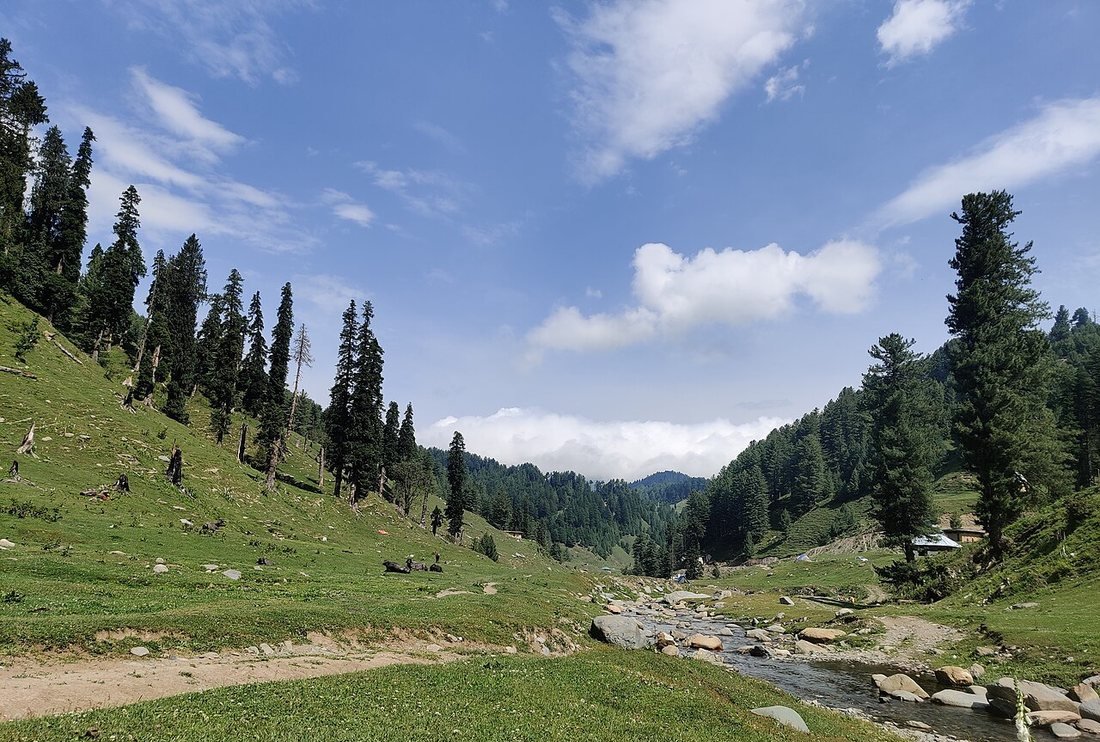
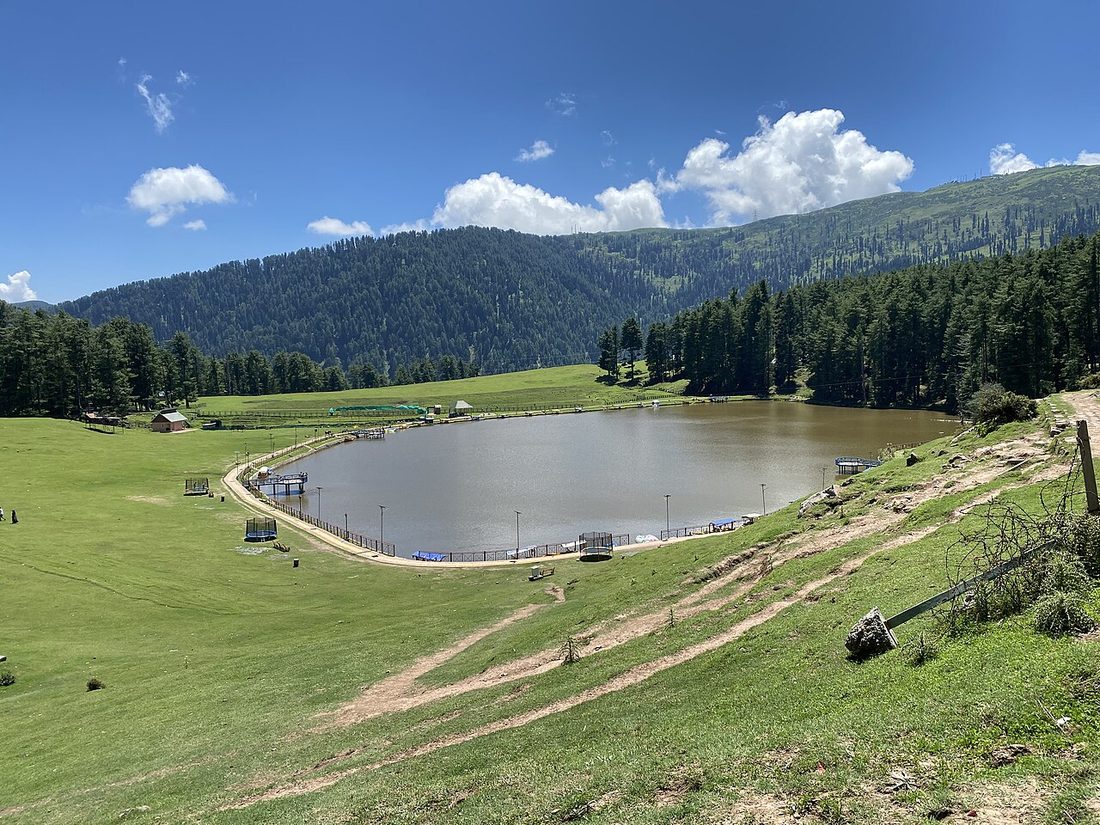
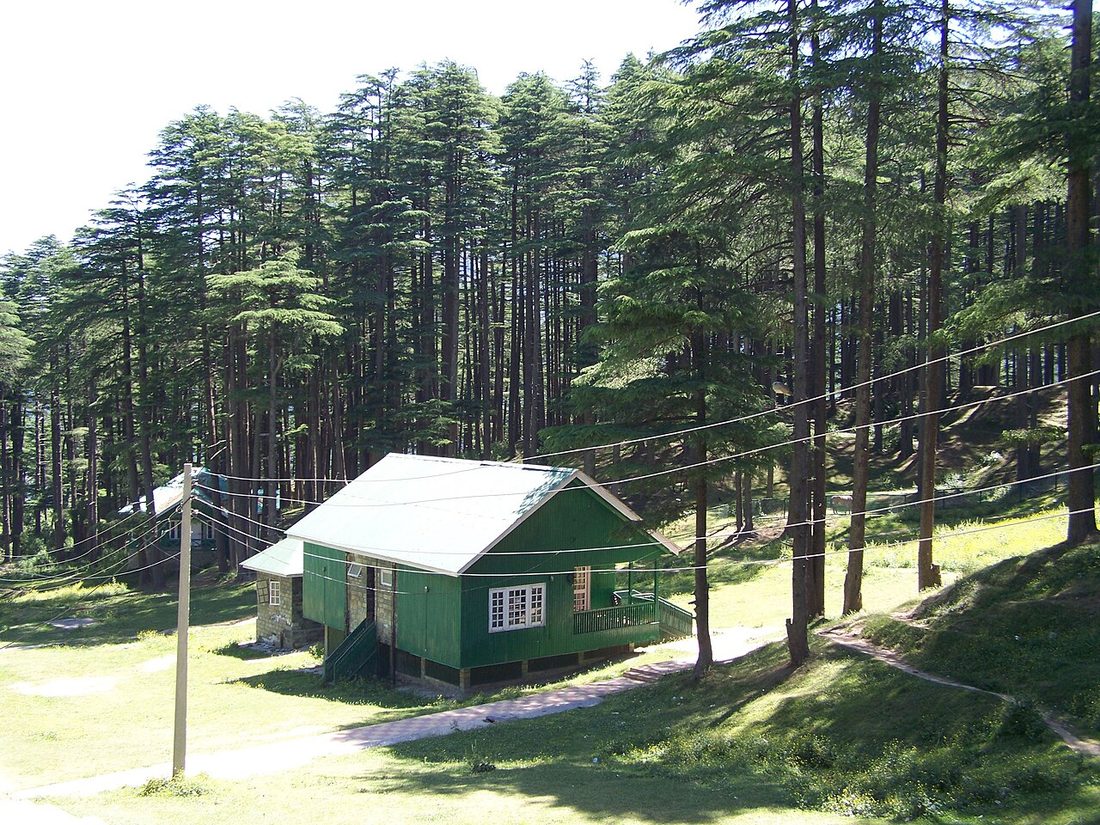
Drive northeast out of Bhaderwah past Chinta Valley’s apple and lavender terraces, and the road climbs through towering fir and cedar trunks before spilling into Jai Valley. Stretching nearly nine kilometres along a clear, icy tributary that feeds the Chenab system, Jai looks like a hand-painted pasture bowl. Traditional flat-roofed timber-and-mud kothas built by seasonal Gujjar herders dot the grassy knolls, smoke rising softly from cooking hearths while buffaloes graze beside icy riffles.
J&K Tourism maintains distinctive igloo-shaped wooden huts along the main tourist clearing, and summer brings zip lines, pony hires, and simple dhaba tents flipping hot maggi, parathas, and sweet salted tea. Even when June midday temperatures in Jammu touch 43°C, Jai Valley hovers around a brisk 18°C to 21°C—and dipping your wrists into the Jai stream numbs skin within seconds. Stay past 4:00 PM if you are camping or booked into an igloo cottage; once day-trippers roll back toward Doda and Bhaderwah, the meadow turns utterly silent under brilliant stars.
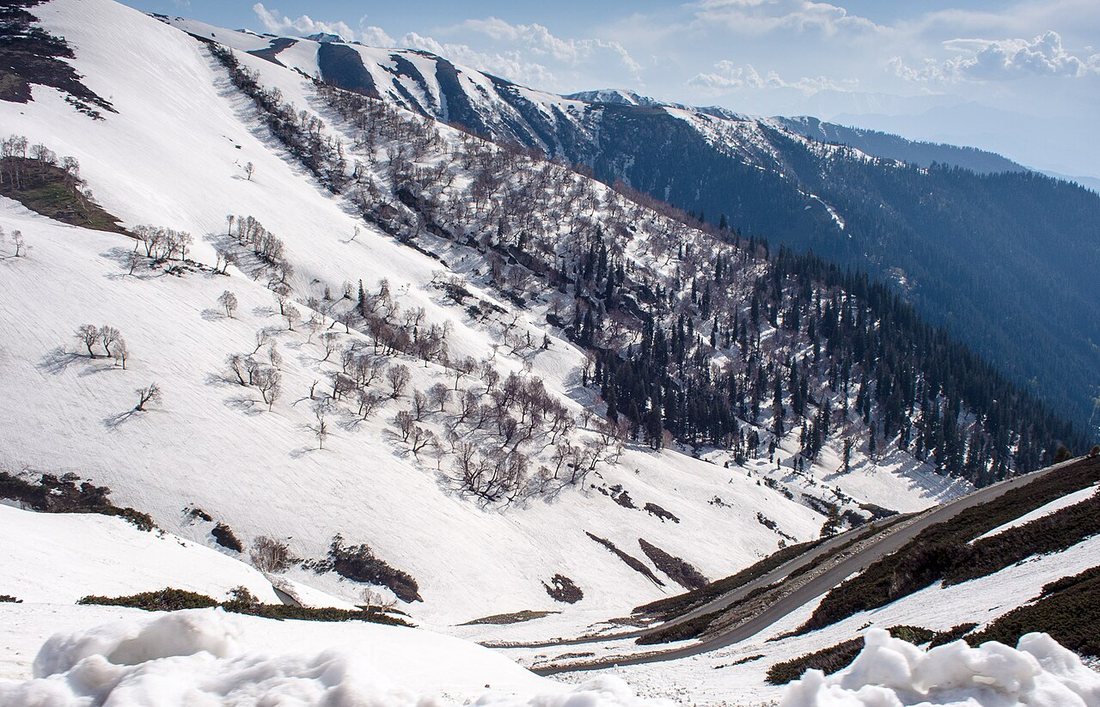
2. Guldanda (2,900 m) & Padri Pass (40 km | 3,200 m): Crossing Toward Chamba
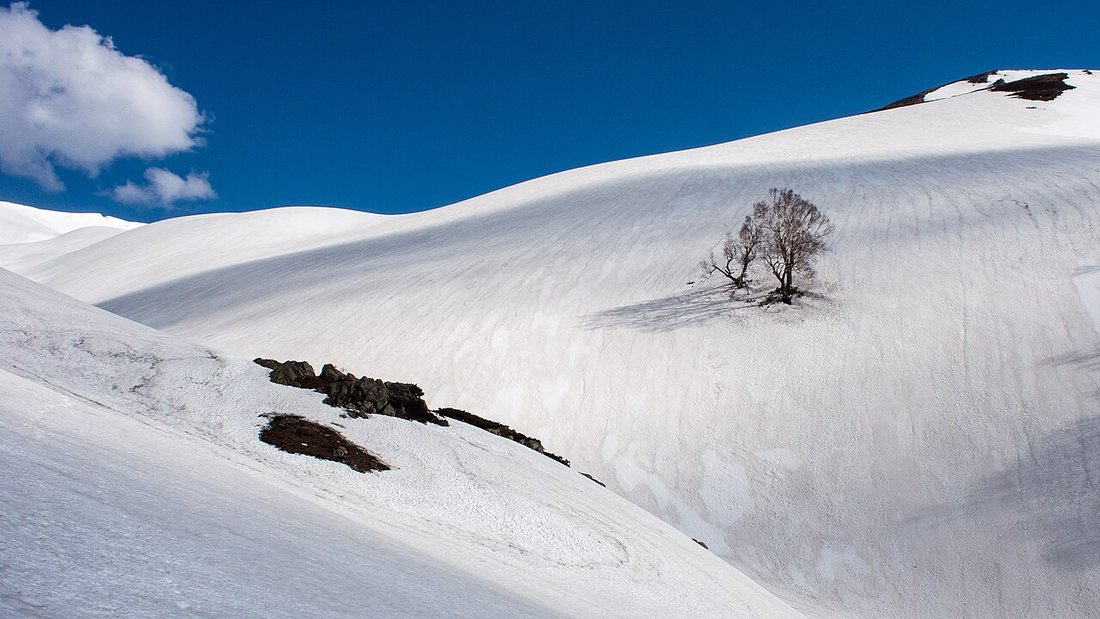
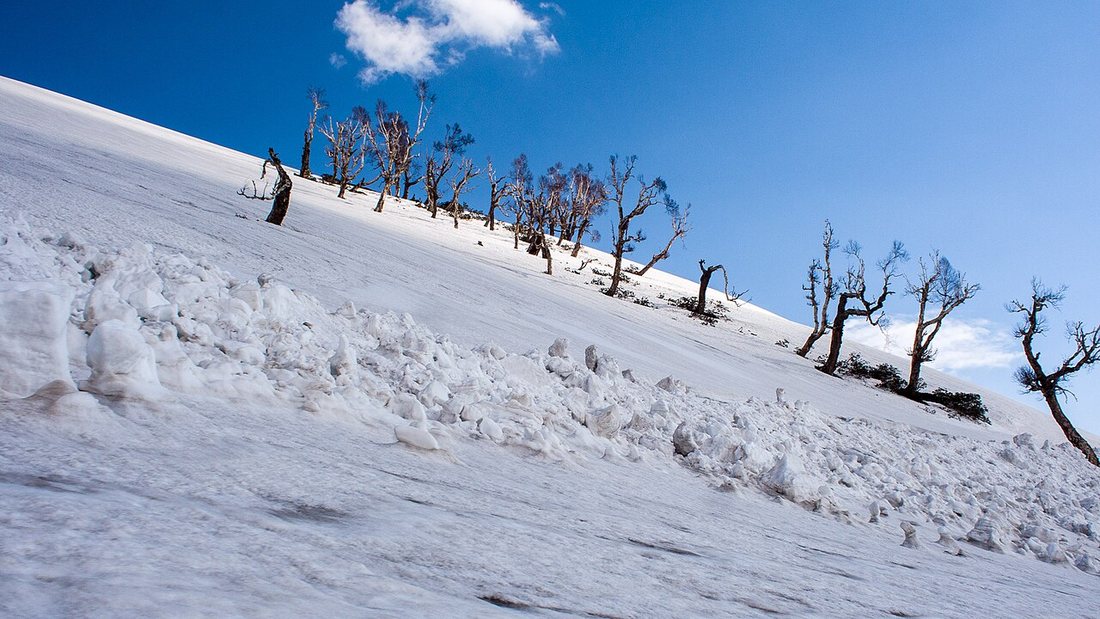
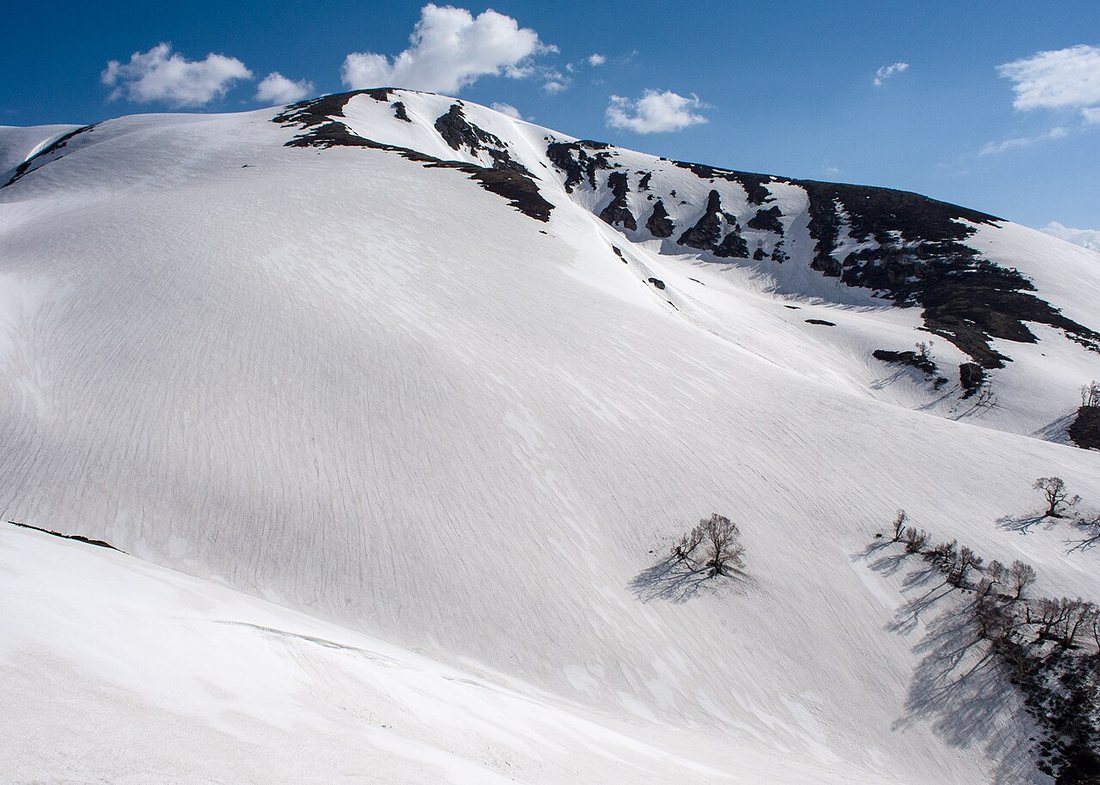
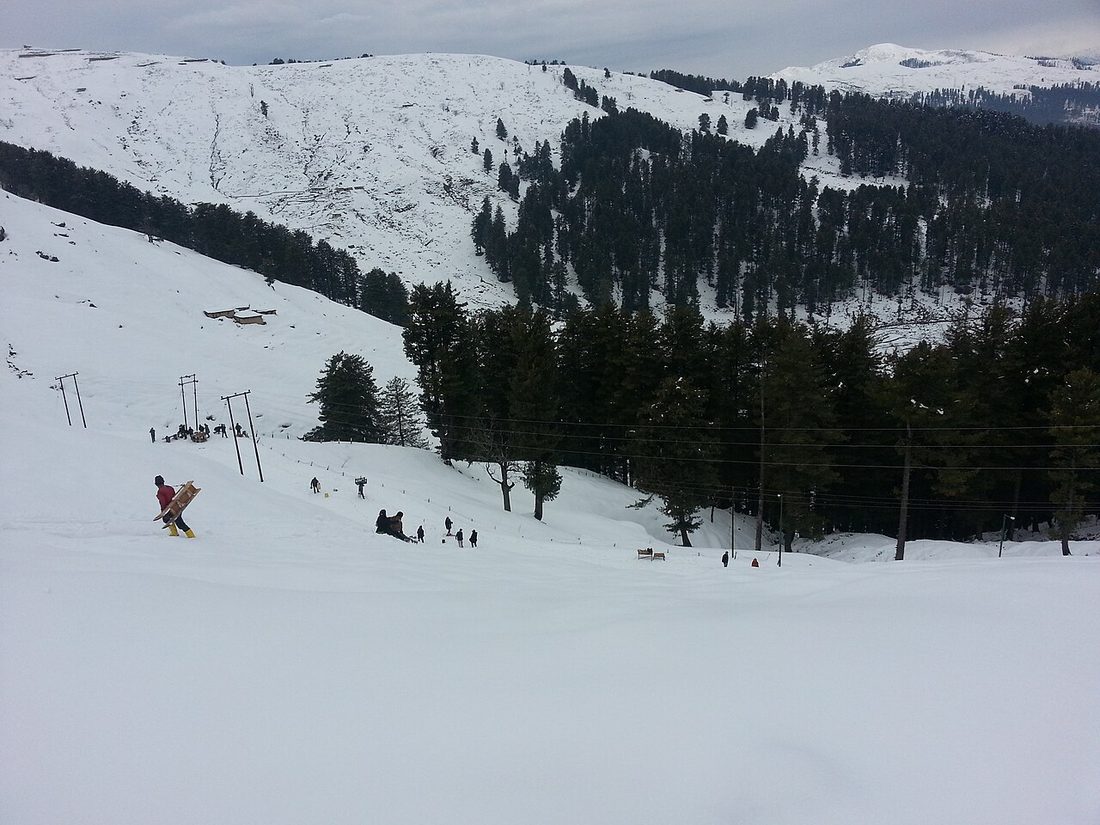
Head southeast from Bhaderwah along the breathtaking Bhaderwah–Bani–Basohli / Chamba interstate highway, and every hairpin bend drops the tree line farther beneath your wheels. Around 30 km up sits Guldanda, a broad snowy amphitheatre at roughly 2,900 metres where thick winter drifts hang on well into May—making it Jammu region’s hottest spring snow-play magnet for families who missed January snow in Patnitop.
Ten kilometres farther and 300 metres higher, the tarmac crests Padri Pass (Padri Gali) at 3,200 metres—the dramatic natural saddle separating Jammu & Kashmir’s Doda district from Himachal Pradesh’s Chamba valley. Up here, conifers vanish completely, replaced by undulating alpine turf swept clean by mountain wind. From June through September, nomadic Gaddi shepherds bring flocks of sheep and thick-coated Himalayan watchdogs up from Kangra and Chamba, pitching tarpaulin shelters beside glacial rivulets. Roadside wooden stalls grill corn, serve hot local rajma, and rent mountain horses for ridge trots toward Bhal Padri, an even quieter sister meadow tucked 4 km off the pass. Because Padri sits high and exposed, snow completely shuts the pass between late November and late April.
3. Chinta Valley & Subar Nag: Cedar Quiet Close to Town
Short on time or travelling with older parents who prefer gentler bends? Just 20 km north of Bhaderwah on the road to Jai lies Chinta Valley (roughly 2,000 m), wrapped in some of the tallest straight-trunked deodars in the region. Above it sits the forest hilltop shrine of Subar Nag, reached via a short horse ride or moderate 2-kilometre woodland climb rewarding hikers with wide views across the terraced basin. Halfway between Chinta and town perches Shitala Mata Roshera on a sloping ridge—a deeply revered local shrine where families gather for traditional children’s mundan (head-shaving) ceremonies, complete with a clean pilgrim dharamshala.
4. Seoj Meadow (3,050 m) & the Sacred Kailash Kund Trail (3,900 m)
Serious trekkers look southwest of Bhaderwah toward the rugged Seoj Dhar ridge and the high glacial tarn of Kailash Kund (Kaplash Kund). Known across Doda and Udhampur as a miniature alpine paradise of wildflowers and grazing camps, Seoj Meadow takes a crisp full-day hike from near Nalthi or Chattergala roadhead. Pushing higher to the crystal waters of Kailash Kund—believed locally to be the original Himalayan seat of Lord Shiva before he moved to Manimahesh—forms the centerpiece of the annual August–September Kailash Yatra, alongside the historic Trishul Bhaint Yatra and Chhari Mubarak processions that unite pilgrims from Jammu, Himachal, and Punjab.
Both the Padri Pass highway and the Jai Valley climb are narrow mountain roads without petrol pumps once you leave Bhaderwah town. Always top off your fuel tank at Bhaderwah’s main station before heading out, check winter snow-clearance status locally if travelling in April or November, and start by 8:00 AM—afternoon rain squalls over Padri frequently wrap the pass in zero-visibility fog by 3:00 PM.
Vasuki Nag Temples, Gupt Ganga & Bhaderwah’s Plural Heritage
Spend a morning walking the older lanes of Bhaderwah and you encounter centuries of layered Dogra, Pahari, and Kashmiri craftsmanship that predate modern tourism by half a millennium. Long ruled by local hill rajas before merging into the Dogra state of Jammu & Kashmir, Bhaderwah’s spiritual axis revolves around Vasuki Nag, the serpent king worshipped as the valley’s presiding guardian deity.
Four principal Vasuki Nag shrines anchor the valley—at Gatha, Nalthi, Bheja, and Nagar Bhaderwah. Do not miss the Vasuki Nag Temple at Gatha, famed for its two striking black-schist stone sculptures depicting Nagraj Vasuki and Raja Jamub Vahan—fine specimens of medieval Pahari stone carving that draw art historians as well as devotees. Down along the bouldered banks of the Neeru river stands the atmospheric Gupt Ganga Shiva Temple, built beneath massive natural overhanging stone slabs where legend points out giant rock impressions attributed to Bhima of the Pandavas. Also worth brief cultural detours are the hilltop Bhaderwah Fort (built in the 1730s on a commanding spur above town), the renovated Chandi Mata Mandir in Chinote village, the serene Durga Temple in less-visited Chiralla, and the historic cedar-worked Jamia Masjid right in the heart of town.
What lingers longest with observant visitors is the town’s natural social fabric. Kashmiri Pandits, Kashmiri-speaking Muslims, Bhaderwahi-speaking Paharis, Gaddis, Thakkars, Kotwals, Rajputs, and Punjabi trading families have lived shoulder to shoulder here for generations—sharing dialect turns, winter wedding recipes, and warm hospitality that feels noticeably unhurried compared with oversaturated tourist corridors.
Bhaderwah Excursion Spokes & Planning Table (2026)
Because Bhaderwah’s finest scenery sits in satellite valleys rather than the bazaar, structuring your two or three days around elevation and drive time keeps travel smooth and relaxed.
| Excursion / Site | Distance from Town | Elevation | Best Window | Road & Time Notes |
|---|---|---|---|---|
| Lavender Farms (Lehrote / Chinta) | 10 – 18 km | 1,750 – 2,000 m | Late May – Late June | Tarred village roads; 30–45 min drive; morning light best for violet blooms & photos. |
| Jai Valley | 32 km | 2,400 m | April – October | 1.5 hrs via Chinta; scenic conifer climb; winter snow closes access Jan–Feb. |
| Guldanda Snow Meadow | 30 km | 2,900 m | March – June & Dec | 1.25 hrs on Padri road; prime spring snow-play spot; slippery in heavy frost. |
| Padri Pass & Bhal Padri | 40 km | 3,200 m | May – October | 1.5–2 hrs on Chamba highway; closed by heavy snow late Nov through April. |
| Vasuki Nag (Gatha) & Gupt Ganga | 2 – 5 km | 1,613 m | Year-Round | 10–15 min local loop; pair easily with Bhaderwah Fort & bazaar rajma lunch. |
| Seoj Meadow & Kailash Kund | Trek from Nalthi/Chattergala | 3,050 – 3,900 m | July – September | Multi-day alpine hike (or August Yatra); hire local mountain guide & weatherproof gear. |
Linking Bhaderwah with Patnitop, Kishtwar & Kashmir Valley
One of Bhaderwah’s biggest strategic advantages is how cleanly it chains into a grand loop across the Jammu–Kashmir mountain spine. Coming north from Jammu or Udhampur, pause for warm ghee patisa in Kud and a pine-ridge night at Patnitop or Sanasar’s cup meadow before dropping through Batote and the Ramban Chenab corridor onto NH-244. After three days in Bhaderwah, adventurous travellers do not even have to backtrack to Jammu: drive just 80 km north along the Chenab gorge to Kishtwar’s Chowgan meadow and saffron terraces, then cross the dramatic 3,748-metre Sinthan Top pass (open May–October) straight down into Kokernag’s freshwater springs in South Kashmir!
What to Eat & Where to Stay in Bhaderwah
Ask any Jammu resident what they pack home in canvas sacks from Bhaderwah, and the answer arrives in one breath: Bhaderwahi rajma. Smaller, darker, and vastly creamier than standard plains kidney beans—and proudly awarded a Geographical Indication (GI) tag—Bhaderwah’s rain-fed red beans melt into a velvety gravy spiced lightly with dry ginger, asafoetida, and crushed wild pomegranate seeds (anardana). Order a steaming plate over fragrant hill rice topped with a spoonful of pure local ghee at any town dhaba near Seri Bazaar, and follow it with crisp local kaladi or earthy guchhi (wild Himalayan morel mushroom) pulao when in spring season. Before leaving, pick up raw mountain honey (including Sulai honey from nearby Doda–Ramban hills), shelled thin-paper walnuts, and genuine Bhaderwah lavender essential oil.
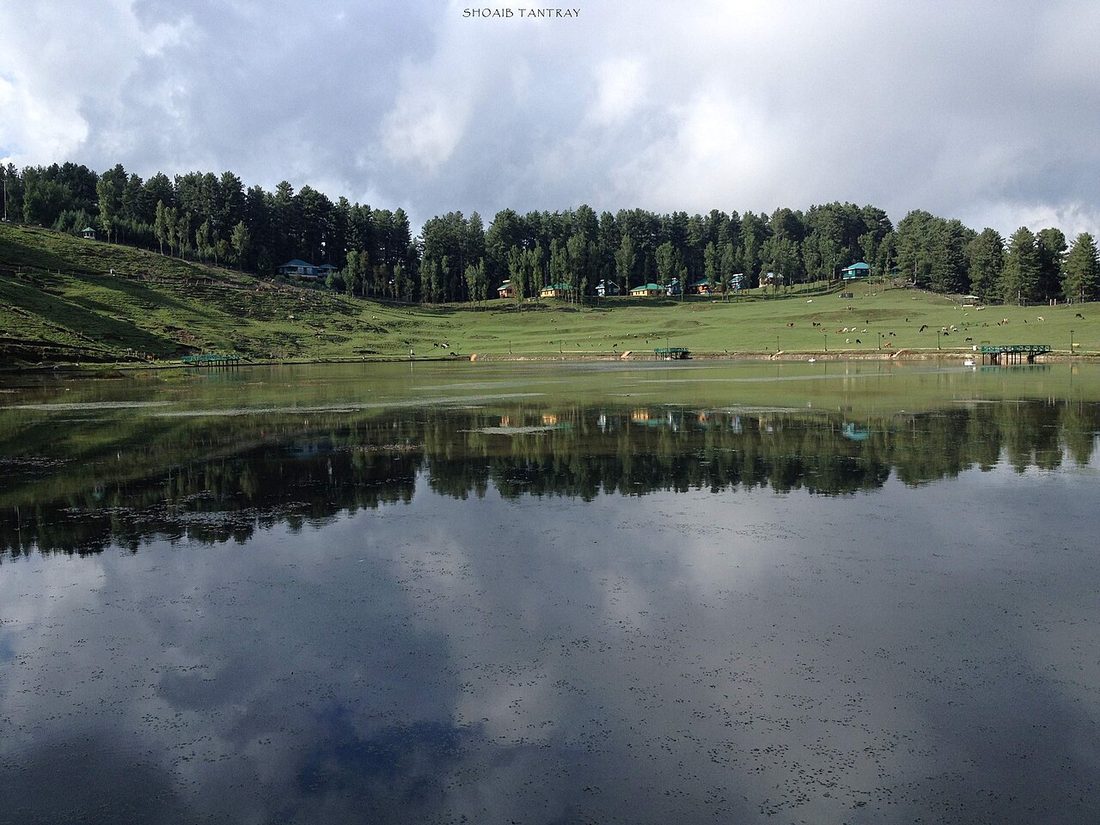
Accommodation ranges from spacious JKTDC Tourist Bungalows and Cottages (located in Bhaderwah town, Gatha Park beside the lake, and igloo huts up in Jai Valley) to modern private boutique hotels, wooden homestays in Chinta, and summer eco-camps near Padri. Browse curated stays across the region in our verified J&K hotels directory, check month-by-month weather windows in our seasonal travel planner, or browse all 29 destinations across Kashmir, Jammu, and Ladakh.
While state buses and shared Sumos run daily from Jammu, Udhampur, and Batote to Bhaderwah town, exploring Jai Valley, Padri Pass, and the scattered lavender farms comfortably requires a dedicated private SUV or sedan (Innova, Bolero, or Dzire). Out-of-state prepaid SIMs do not work in J&K; Jio and Airtel postpaid give strong 4G inside Bhaderwah town, dropping to patchy voice-only patches once you climb above Chinta toward Jai and Padri. Town ATMs work well, though carry cash for farm stalls, shepherds’ tea shacks, and Jai ponies.
Whether you fold Bhaderwah into a custom Jammu, Vaishno Devi, and Kashmir circuit, pair it with our Himalayan adventure and trekking packages, or design a dedicated 5-day offbeat Doda–Kishtwar loop via our full 40-itinerary catalogue at Kashmir i Tour, our mountain drivers know every hairpin bend from Batote to Padri Gali. Message our Srinagar & Jammu planning desk to map out a bespoke June lavender or autumn meadow departure.
Build a Custom Offbeat Jammu & Kashmir Overland Adventure
Want to combine Bhaderwah’s lavender meadows, Jai Valley, Padri Pass, and Kashmir’s alpine trails with one reliable local driver and vetted hill cottages? Customise our adventure itinerary to match your exact dates.
Frequently Asked Questions about Bhaderwah (Chota Kashmir) — Jai Valley, Padri Pass & Vasuki Nag Heritage
Recommended Itineraries Including Bhaderwah (Chota Kashmir) — Jai Valley, Padri Pass & Vasuki Nag Heritage
Every route below can be customized from Srinagar, Jammu, or Leh with private cabs and verified local stays.
Unforgettable Jammu, Katra, Patnitop & Kashmir Valley Tour (7N/8D)
8 Days • 7 Nights • ₹29,999
Grand Kashmir Valley & Mata Vaishno Devi Combined Tour (8N/9D)
9 Days • 8 Nights • ₹33,500
Kashmir Adventure & Khilanmarg Trekking Itinerary (5N/6D)
6 Days • 5 Nights • ₹24,500
Discover Kashmir 5-Day Express Itinerary (4N/5D Srinagar, Gulmarg & Pahalgam)
5 Days • 4 Nights • ₹16,999
7-Day Kashmir Family Holiday Itinerary (6N/7D Comfort Valley Circuit)
7 Days • 6 Nights • ₹28,999Explore Nearby & Connected Destinations
Kishtwar — Land of Saffron & Sapphire, Chowgan Ground & Sinthan Pass
Jammu Region →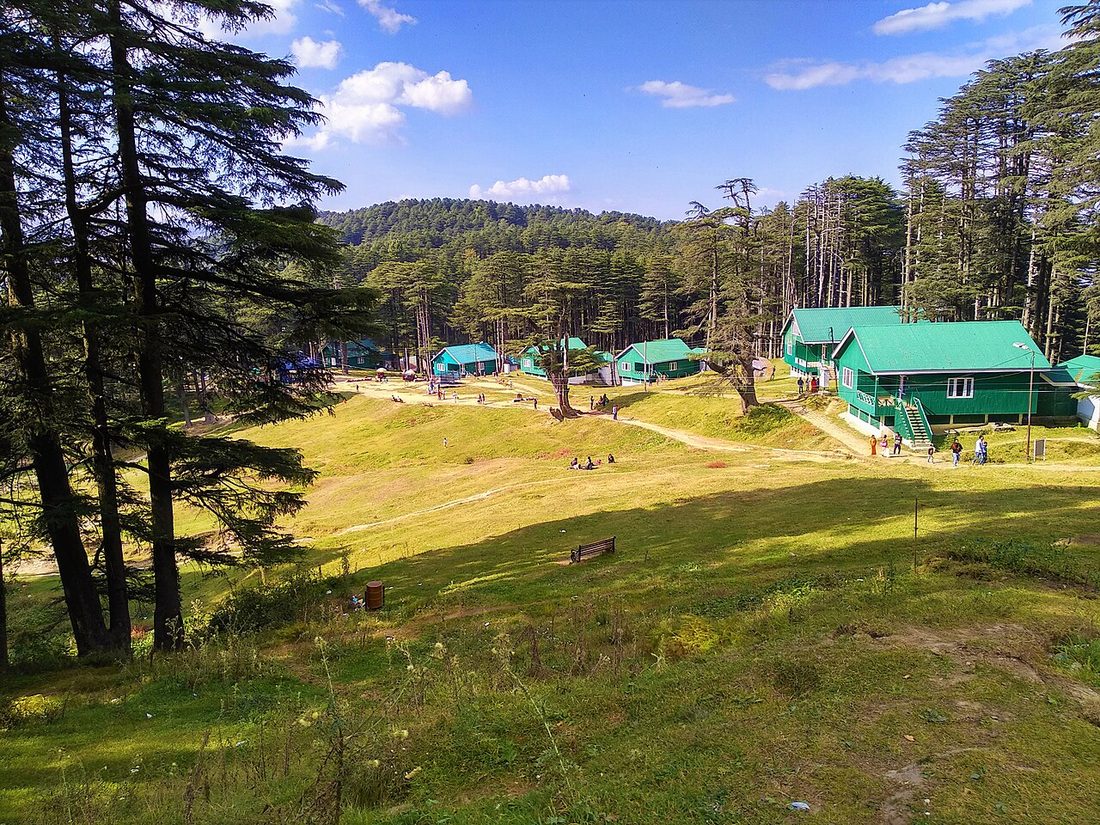
Patnitop — Deodar Pine Plateau, Nathatop Ridge & Jammu’s Classic Hill Station
Jammu Region →
Sanasar — Cup-Shaped Alpine Meadow, Paragliding Ridges & Shank Pal Trek
Jammu Region →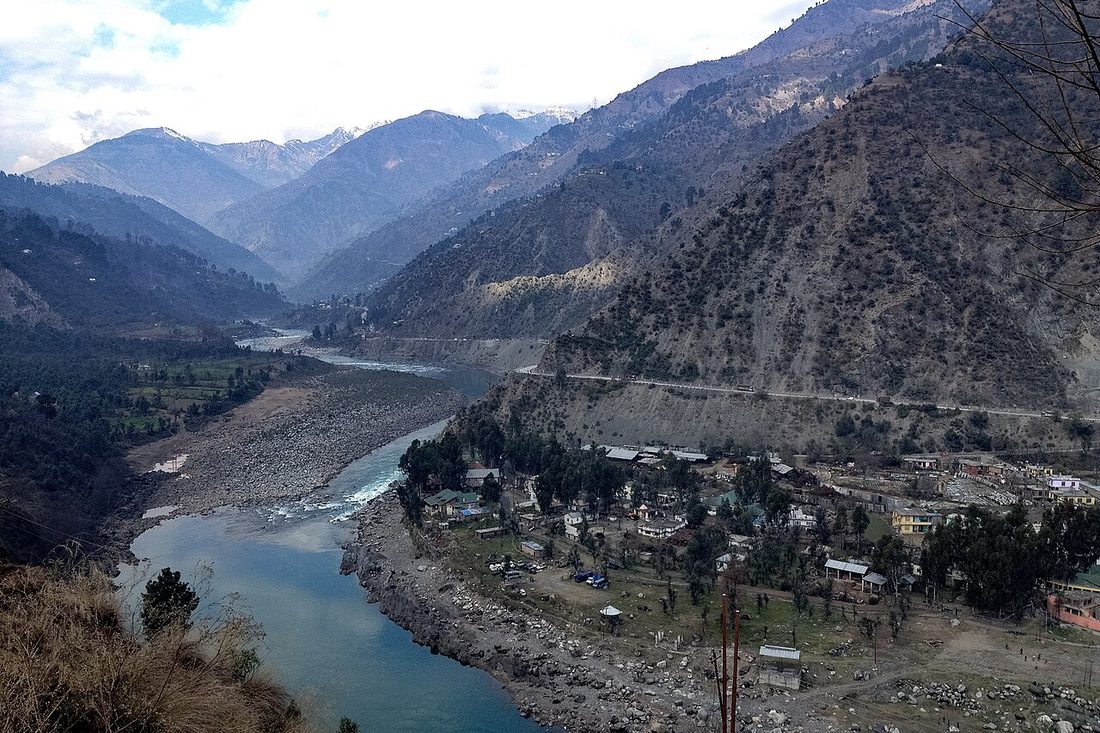
Ramban — Chenab River Gorge, NH-44 Highway Hub & Gateway Between Jammu & Kashmir
Jammu Region →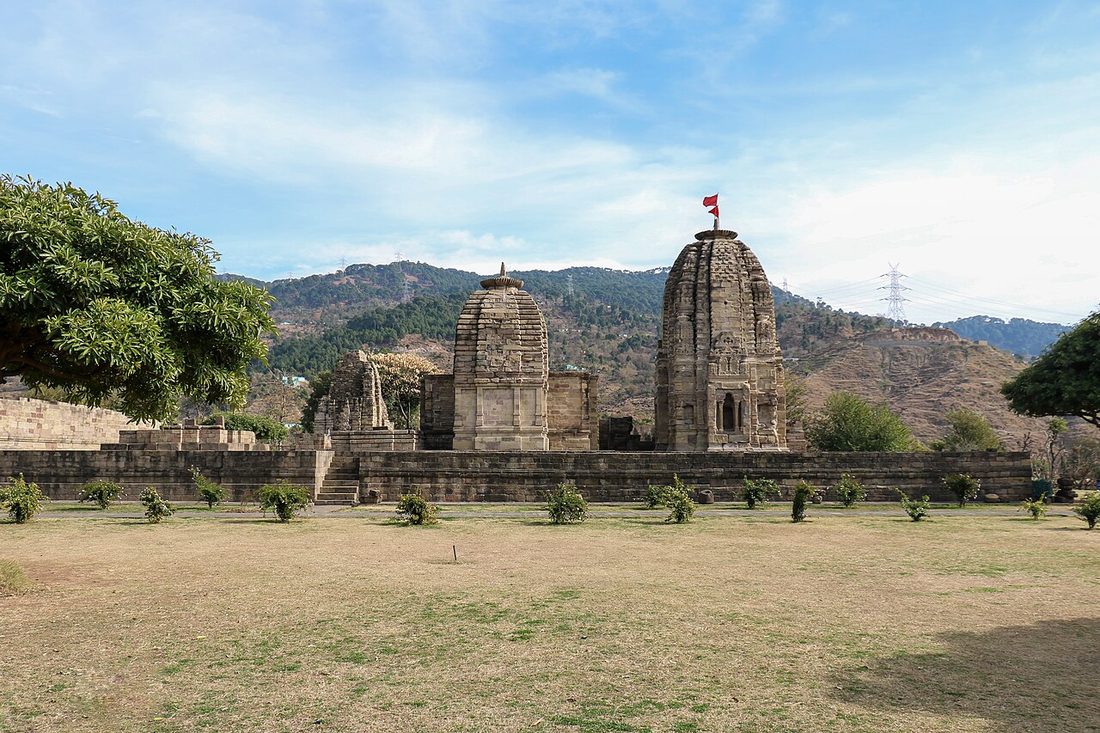
Udhampur — Krimchi Pandava Temples, Devika River & Shivalik Foothills
Jammu Region →