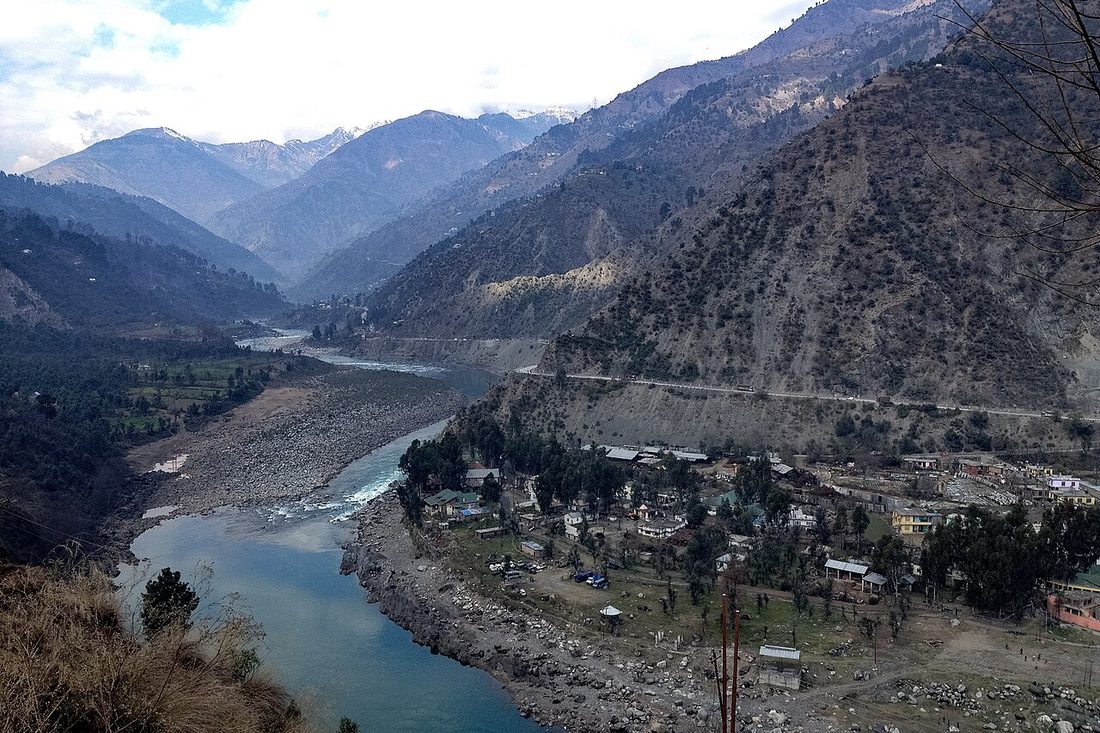
Every overland traveller who drives between Jammu and Srinagar knows Ramban, even if most only register it as a blur of cliff-hanging tarmac and steaming highway soup bowls. Sitting at 1,156 metres almost dead centre along National Highway 44—148 kilometres north of Jammu Airport and 140 kilometres south of Srinagar—Ramban is the geographic pivot where the warm Shivalik foothills collapse into the deep slate canyon of the Chenab River before climbing toward the Pir Panjal snow wall.
Populated by roughly eight thousand residents in its compact riverfront town, Ramban rarely makes glossy postcard racks. Yet spend fifteen years running cabs and overland groups up and down NH-44 and you develop deep affection for this rugged corridor. Ramban is where your stomach demands a mandatory stop at Peerah for Jammu & Kashmir’s single greatest plate of highway rajma chawal; where India’s most audacious Himalayan viaducts, twin-tube tunnels, and mountain railway bridges slice through notoriously fragile rock; and where, just twenty minutes off the four-lane concrete, quiet forested basins like Gool, Neel, Pogal-Paristan, and Sanasar shelter villages barely touched by modern tourism.
Peerah’s Rajma Chawal: The Unofficial Ritual of NH-44
Ask ten seasoned Kashmir drivers where to eat lunch between Udhampur and Banihal, and nine will tap the brake pedal ten kilometres south of Ramban town at a tight roadside bend called Peerah. There is nothing glamorous about Peerah’s dhabas—rows of plastic tables, stainless-steel plates clattering over coal-fired degchis, and the steady rumble of trucks outside—yet the food cooked here enjoys cult status across northern India.
Peerah’s signature dish is deceptively austere: tiny, thin-skinned local hill rajma (grown on nearby Doda–Ramban rain-fed terraces) simmered for hours until creamy without cream, ladled generously over fluffy mountain basmati rice, drowned in a hot spoonful of pure molten desi ghee, and served beside tart, freshly pounded anardana (wild pomegranate seed) chutney laced with green chilli, mint, and crisp raw onion rings. A filling plate costs barely ₹120 to ₹180. Eat it fresh out of the pot while watching mist slide off the canyon wall across the road—just go easy on a second helping if winding curves toward Banihal make you carsick.
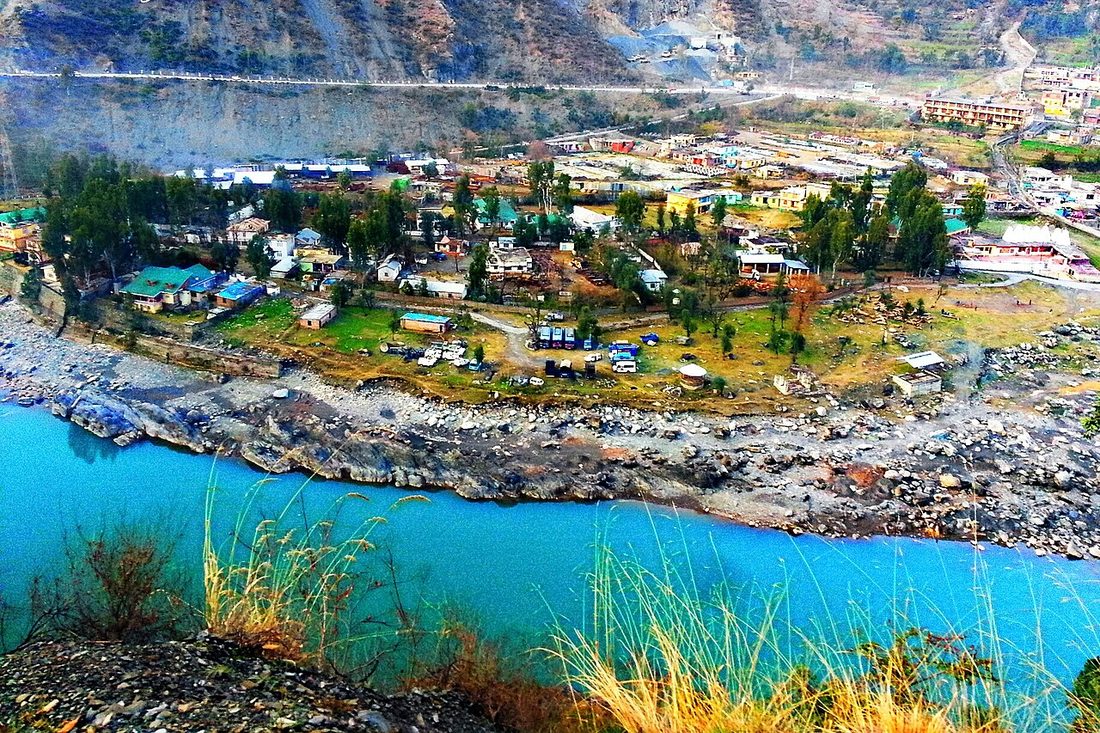
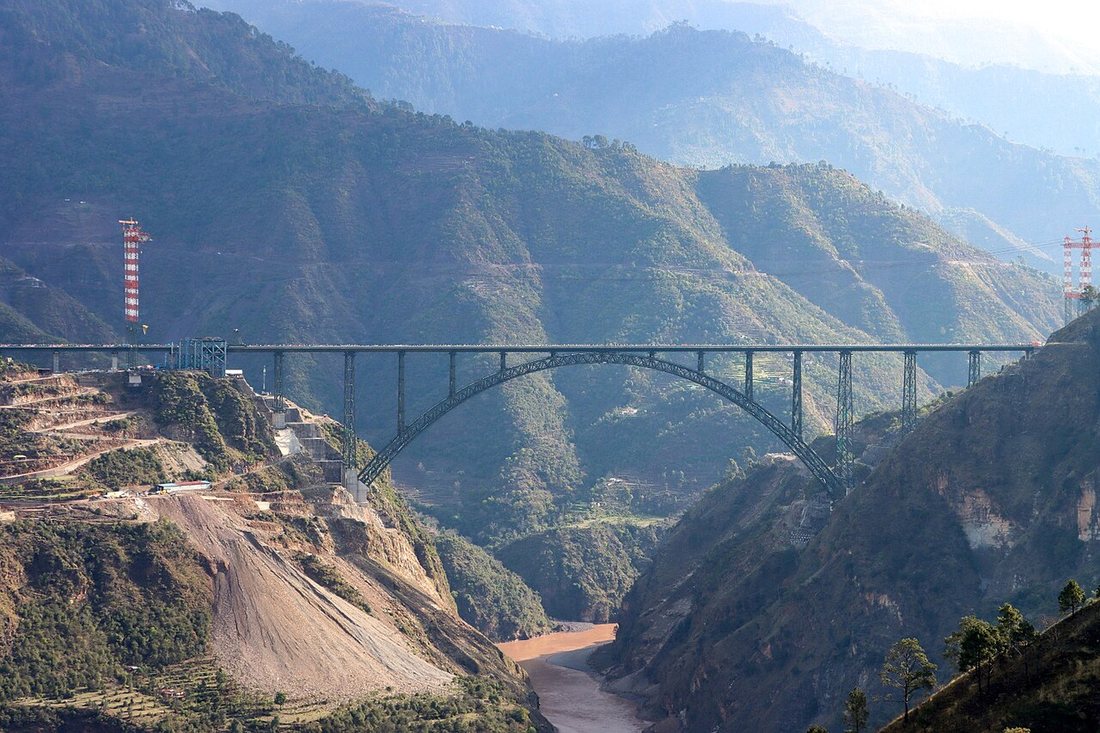
The Chenab Gorge & India’s Great Himalayan Transit Transformation
Until a decade ago, driving the 65-kilometre Ramban–Banihal stretch felt like white-knuckle theatre. Narrow cliff-edge bends at Khooni Nallah, Panthyal, and Shaitani Nallah frequently trapped convoys for eighteen hours after heavy winter sleet or monsoon rockfalls. In 2026, anyone returning after five or ten years hardly recognises the corridor.
Approaching from the south, you glide straight through the 9.2-kilometre Dr. Syama Prasad Mookerjee (Chenani-Nashri) Tunnel—bypassing the steep old bends of Patnitop’s deodar plateau—before sweeping across the graceful elevated Ramban Viaduct that floats high above the old town’s congested market. Farther north toward Ramsoo and Banihal, twin-tube rock tunnels, steel-arch rockfall galleries at Panthyal (T5), and the 8.45-kilometre Banihal–Qazigund Navyug Tunnel have slashed Jammu-to-Srinagar road hours from an exhausting 10–12 hours down to roughly 5.5 to 6.5 hours in clean weather.
Even more historic runs beneath the mountain stone: the Udhampur–Srinagar–Baramulla Rail Link (USBRL). Board a regional Vista-dome or DEMU train at Banihal (or the newly linked Sangaldan corridor in Ramban district) heading north into South Kashmir, and you roar straight through India’s longest transportation railway tunnel—the 11.2-kilometre Pir Panjal Railway Tunnel—popping out directly beside Qazigund’s orchards and the pine-framed springs of Kokernag.
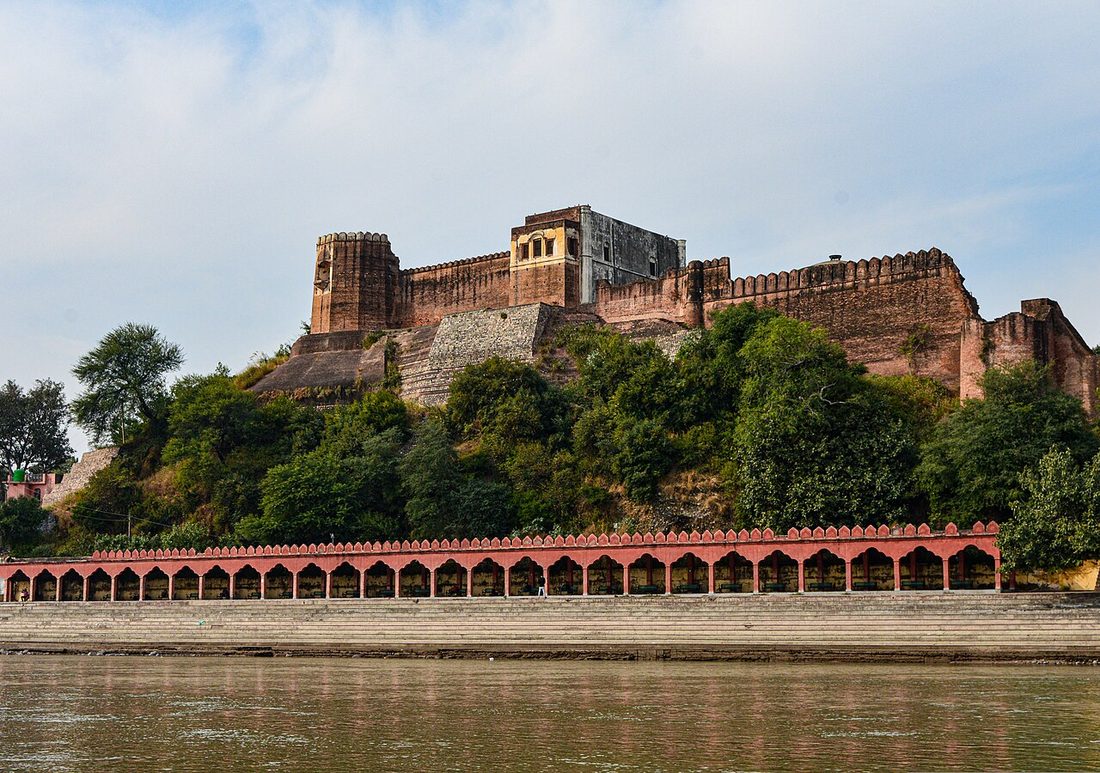
Despite multi-billion-rupee viaducts and tunnels, Ramban’s young Himalayan shale near Mehar, Cafeteria Morh, Dalwas, and Seri still sheds boulders during heavy winter storms (January–March) and cloudbursts (July–August). Always check the official J&K Traffic Police Twitter/X advisory at 6:00 AM before leaving Jammu or Srinagar, depart early to beat midday single-lane slowdowns, and keep two litres of water plus dry biscuits in the cabin whenever crossing the Banihal–Ramban belt in rain or snow.
Slowing Down in Ramban: Hidden Valleys Most Cars Speed Past
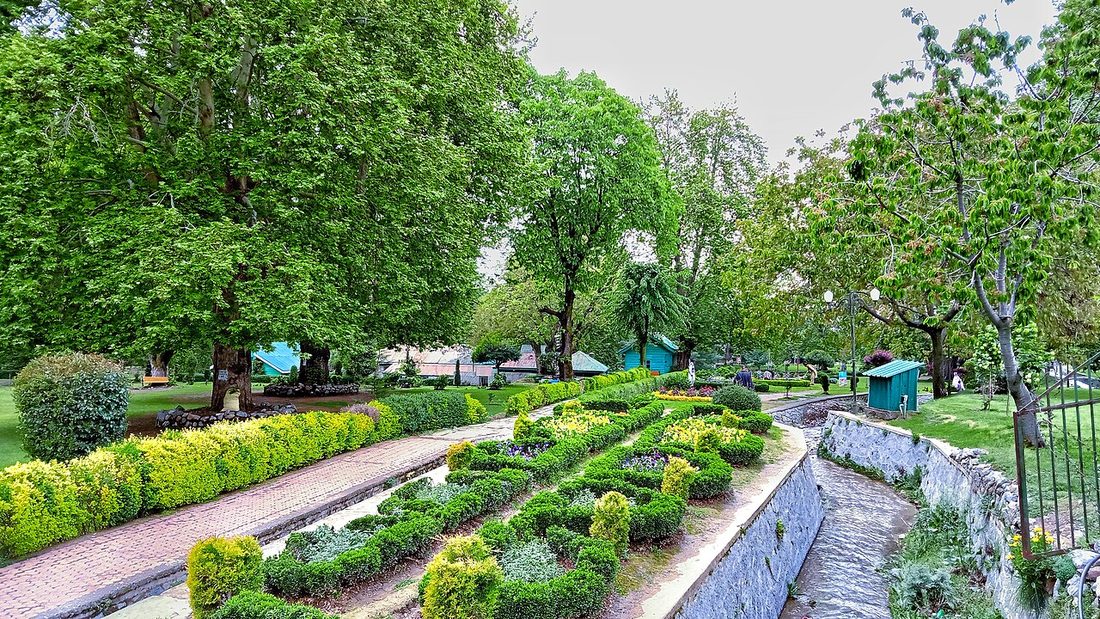
Because NH-44 hugs the dusty river bottom, passing motorists assume Ramban is all rock dust and concrete retainers. Step off the highway onto district link roads, however, and Ramban surprises even veteran J&K travellers with remarkably green alpine pockets:
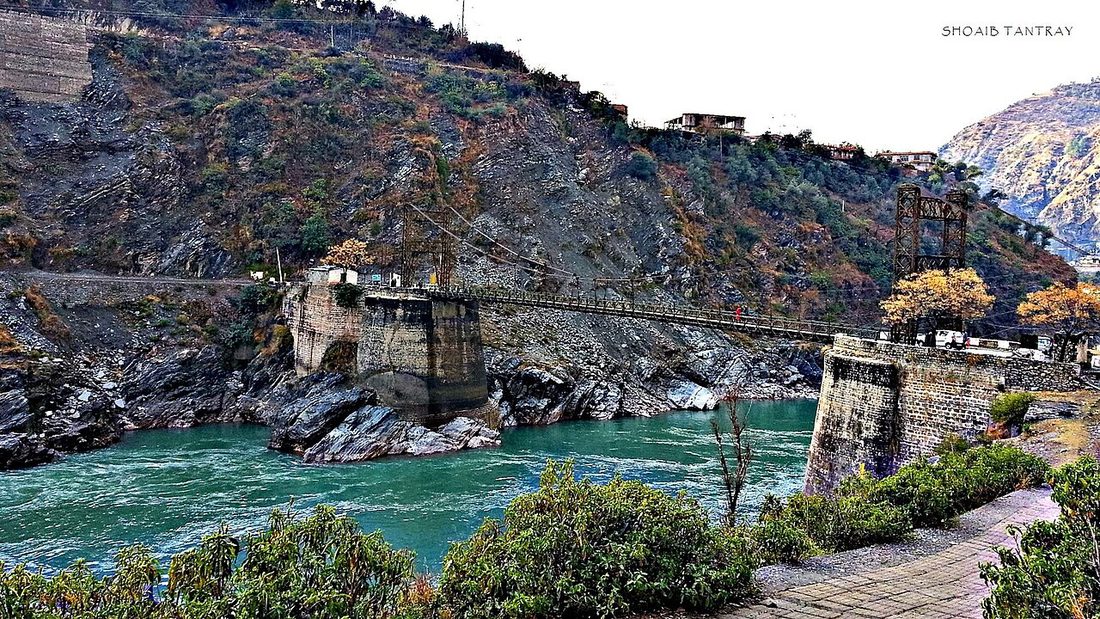
- Old Chenab Suspension Bridge & Whitewater Stretches: Drop off the viaduct into old Ramban town to view the historic steel bridge spanning the rushing Chenab—a relic of the old royal cart-road era—and watch local rafters tackle frothy Grade II–III rapids near Chanderkote and Maitra in spring and post-monsoon seasons.
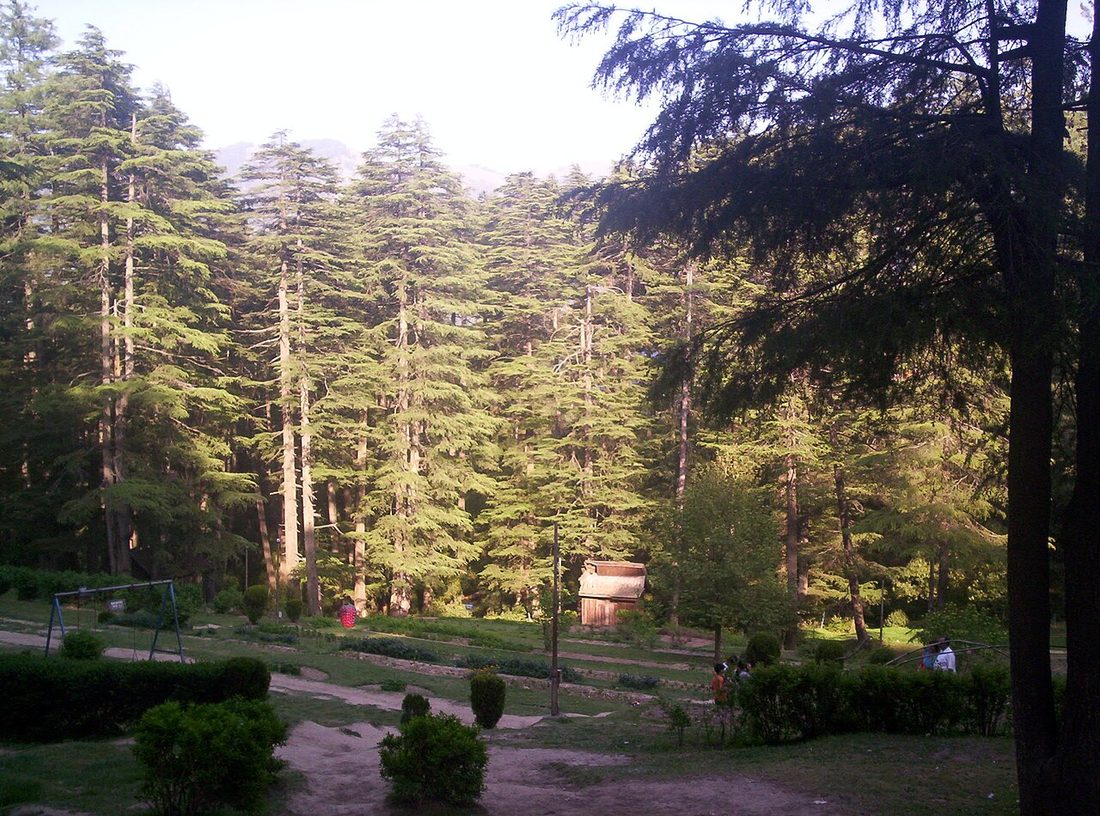
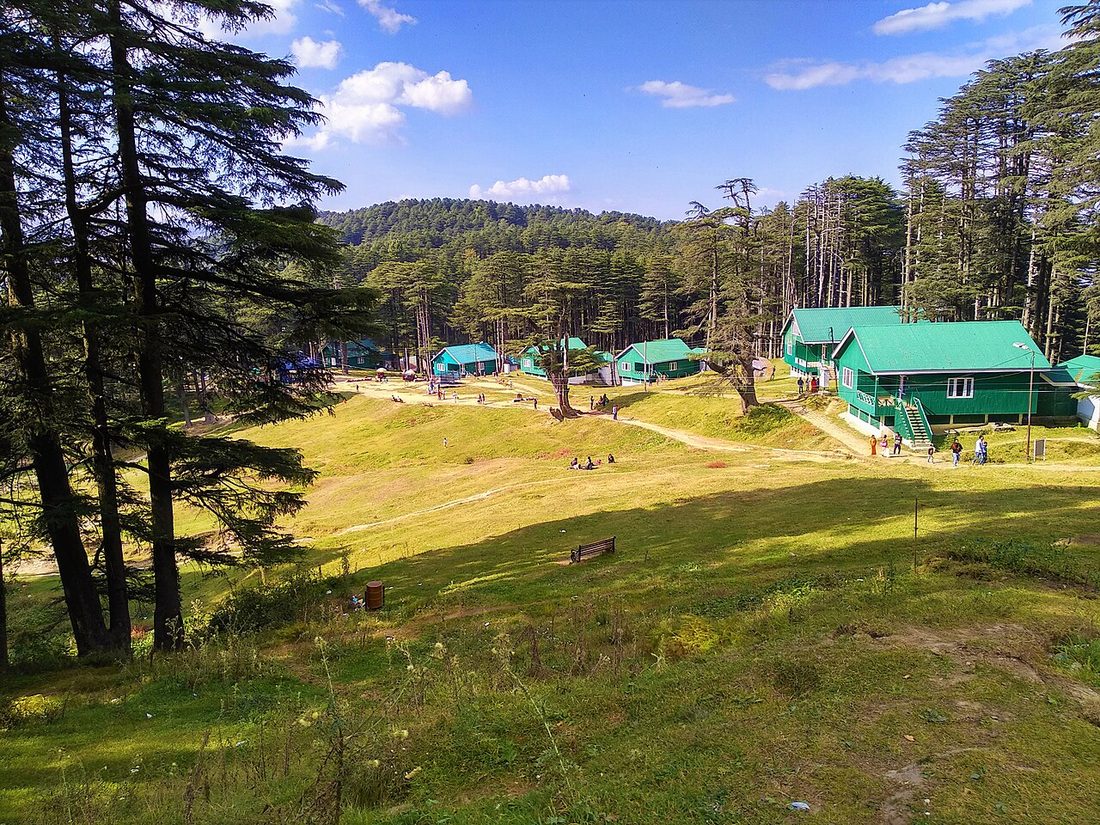
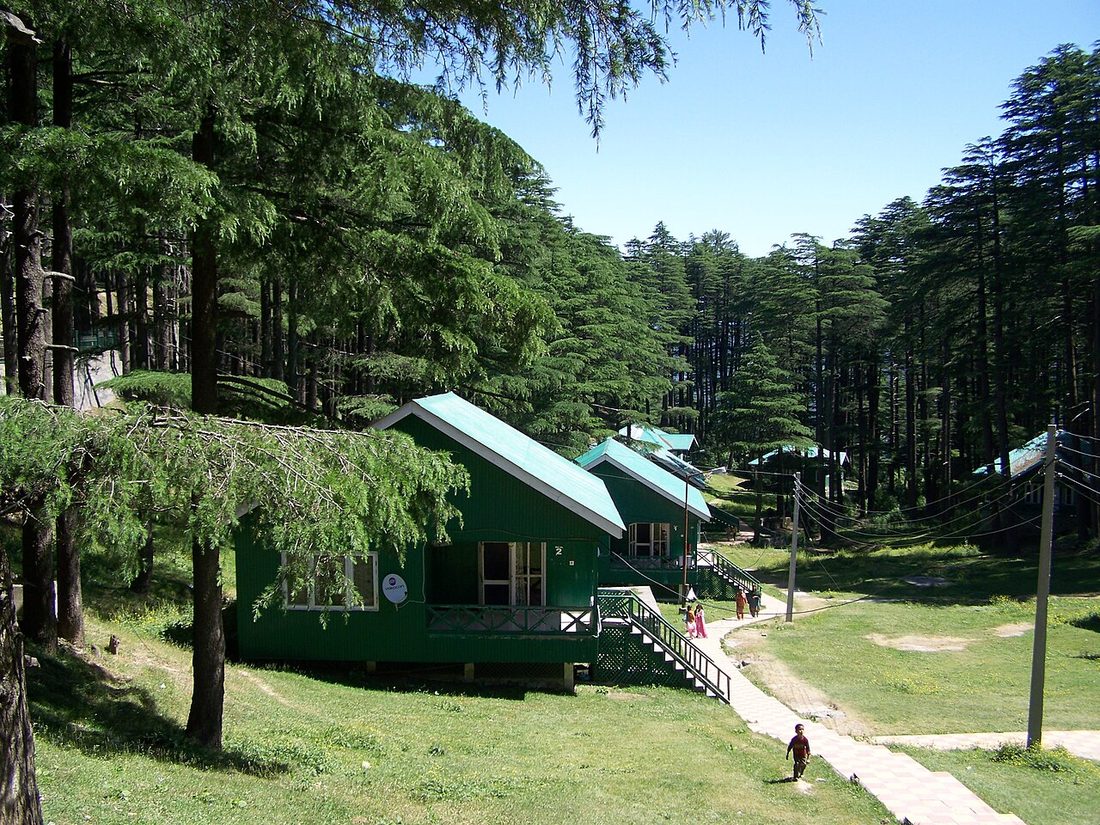
- Sanasar Meadow (Inside Ramban District!): Most visitors assume Sanasar’s cup-shaped paragliding meadow belongs to Udhampur; geographically it sits cleanly inside Ramban district, linked both via Patnitop–Nathatop and by back-country hill trails climbing straight up from Ramban town!
- Gool, Sangaldan & Tata Pani Sulfur Springs (45–55 km west): Follow the scenic side road west from Maitra/Ramban toward Sangaldan and Gool to find rolling cedar pastures, tranquil railway viaduct panoramas, the dramatic limestone rock-art site of Ghora Gali (ancient carved stone horses standing watch on a remote ridge), and natural geothermal baths at Tata Pani prized by locals for soothing joint aches.
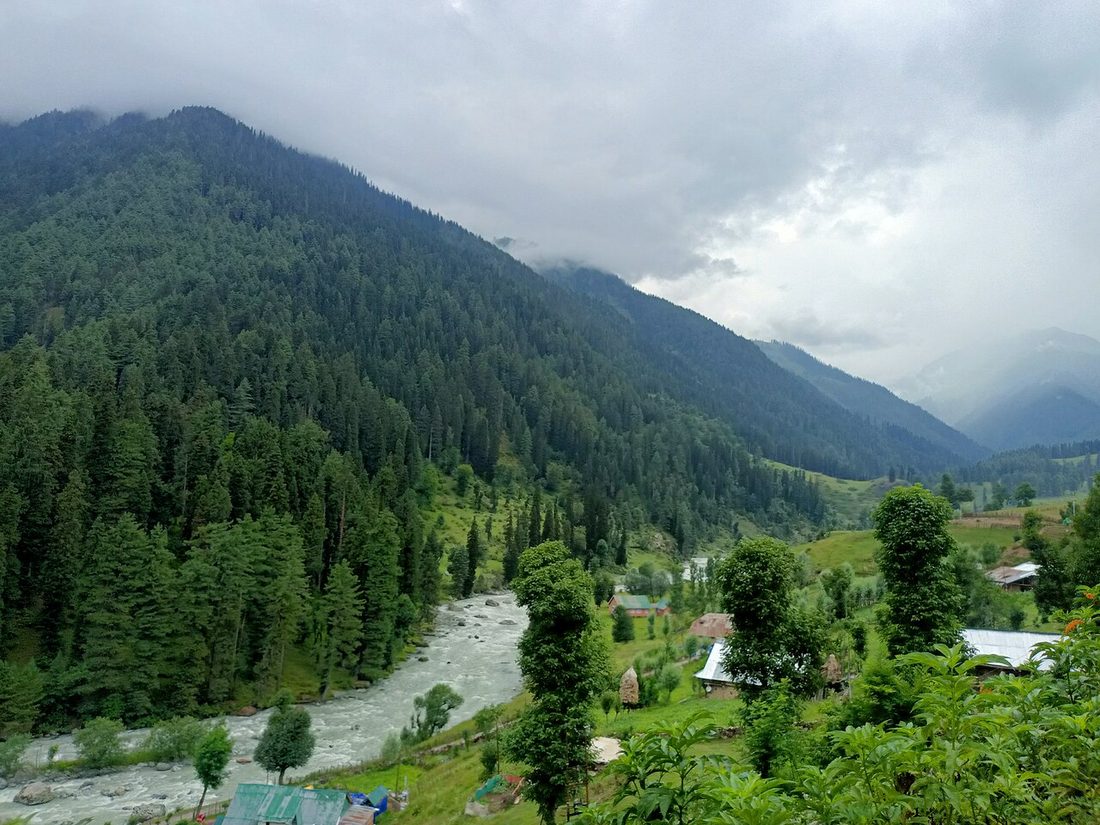
- Ramsoo, Pogal-Paristan & Neel Valley (25–40 km north): Heading north toward Banihal, branch east from Ramsoo or Ukhrall into the untouched forested hollows of Pogal-Paristan, Neel Top, Shagan, and nearby hamlets such as Gujararu and Alanbas (or southwest toward Batli and Khanga). Apple orchards, timber-and-mud village homes, and roaring snowmelt streams sit completely free of hotel touts or souvenir stalls—a raw window into everyday Pahari and Kashmiri mountain life.
- Banihal & Wagan Meadows (36 km north): Perched right beneath the old Jawahar Tunnel mouth, Banihal blends alpine Kashmiri timber architecture with lively chai stalls, railway-station bustle, and crisp hikes up toward Banihal Top and Mahu Mangit valley.
NH-44 Jammu–Ramban–Srinagar Corridor Milestones (2026)
Whether you are self-driving or riding in a booked Innova from Jammu Tawi railway station or Jammu Airport, keeping this milestone chart handy turns the 270-km mountain crossing into an enjoyable, well-paced road trip.
| Highway Stop | Km from Jammu | Approx. Time | What to Stop For / Watch Out For |
|---|---|---|---|
| Jammu Tawi / Airport | 0 km | 0:00 | Start by 6:00–6:30 AM; refuel fully & verify NH-44 traffic advisory. |
| Udhampur Bypass | 65 km | 1 hr 20 min | Fast 4-lane expressway; optional detour to Udhampur’s Krimchi temples or Katra road. |
| Chenani-Nashri Tunnel (9.2 km) | 105 km | 2 hrs 05 min | Modern twin-way tunnel saves 30 km & 1.5 hrs; exit before portal only if visiting Kud/Patnitop. |
| Batote & Peerah | 128–138 km | 2 hrs 35 min | NH-244 branches east at Batote for Bhaderwah/Kishtwar; mandatory rajma chawal halt at Peerah. |
| Ramban Town & Viaduct | 148 km | 2 hrs 55 min | Halfway Chenab gorge hub; fuel pumps, basic stays, Ramban Regency & Gool side road. |
| Ramsoo – Panthyal – Banihal | 165–184 km | 3 hrs 45 min | Tunnels & steel rock galleries; watch for brief rockfall clearances after heavy rain/snow. |
| Navyug Tunnel & Qazigund | 195 km | 4 hrs 05 min | 8.45 km tunnel bursts straight into Kashmir Valley’s green paddy plains & willow rows. |
| Srinagar (Dal Gate / Lal Chowk) | 270 km | 5.5 – 6.5 hrs | Flat 4-lane valley highway past Pampore saffron fields into Srinagar. |
A 24-Hour Ramban & Gool Slow-Travel Blueprint
Curious what happens when you actually unpack a bag in Ramban instead of sprinting straight from Jammu to Dal Lake? A single slow overnight stay unlocks a surprisingly rich cross-section of Chenab-valley life without adding significant mileage to your trip:
- Morning (Jammu to Peerah & Old Ramban): Leave Jammu or Katra around 7:30 AM, emerge from the Chenani-Nashri Tunnel around 9:45 AM, and roll slowly into Peerah for a late breakfast or early lunch of desi-ghee rajma chawal and freshly crushed anardana chutney. Drop down from the new viaduct into old Ramban town, stroll across the historic steel bridge above the roaring Chenab gorge, and browse local honey shops selling pure GI-tagged Ramban Sulai honey straight from regional cooperatives.
- Afternoon (Maitra, Sangaldan & Gool Highland Drive): Head west from Maitra along the picturesque winding mountain link toward Sangaldan and Gool (roughly 48 km / 1.5–2 hours each way). Watch the towering concrete piers of the Udhampur–Srinagar–Baramulla railway viaducts vault across steep green ravines, pause beside the warm geothermal outflow at Tata Pani, and climb toward Gool’s conifer pastures and the enigmatic carved stone horses of Ghora Gali—one of Jammu’s least explained archaeological curiosities.
- Evening & Next Morning (Ramsoo, Banihal & Into the Valley): Sleep either down in Ramban town (Hotel Ramban Regency or Chanderkote guesthouses) or twenty minutes higher in cool Batote. Next morning, head north past Ramsoo’s apple terraces and the dramatic Panthyal rock galleries to Banihal. Pause for steaming kahwa near the Banihal market or board a short scenic train ride through the 11.2-km Pir Panjal Railway Tunnel into Qazigund before rejoining your driver toward Srinagar.
Getting Around Jammu & Connecting Through Ramban by Rail, Road & Air
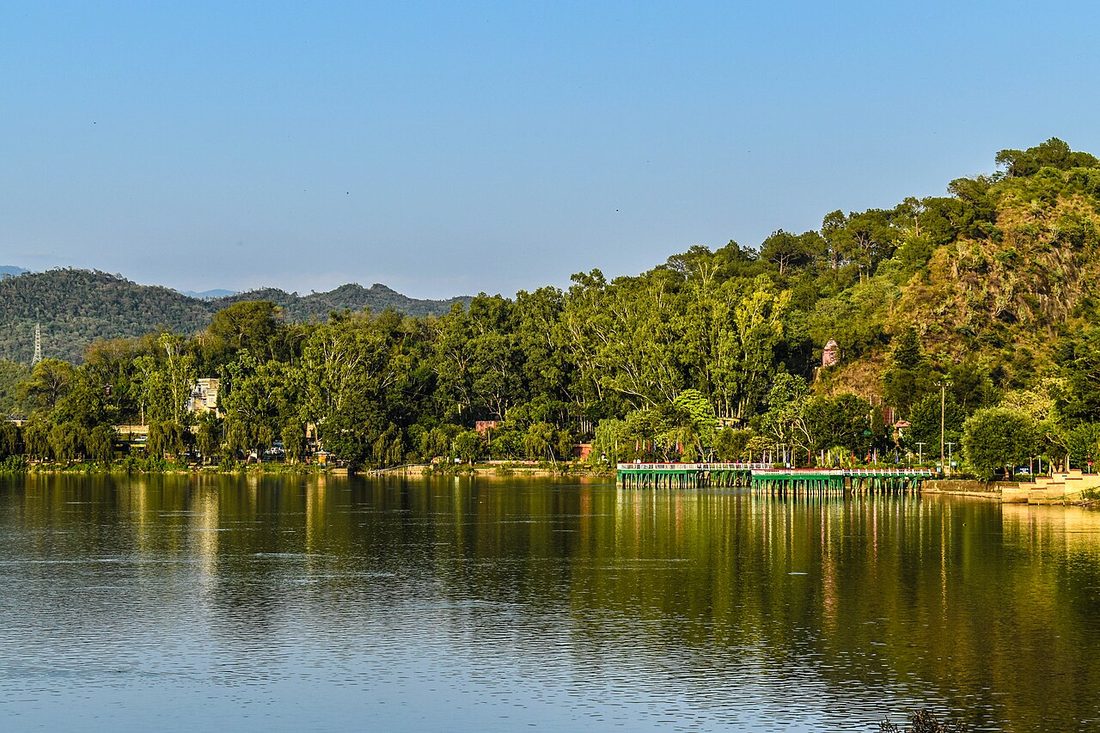
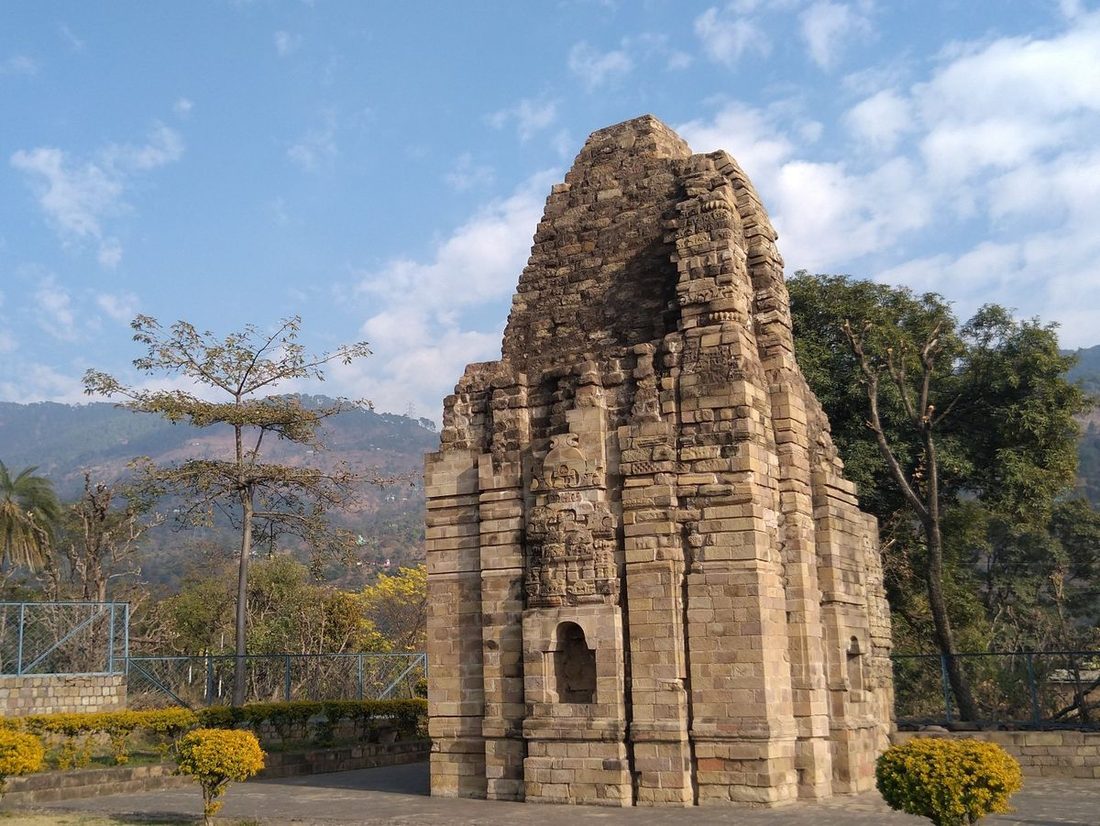
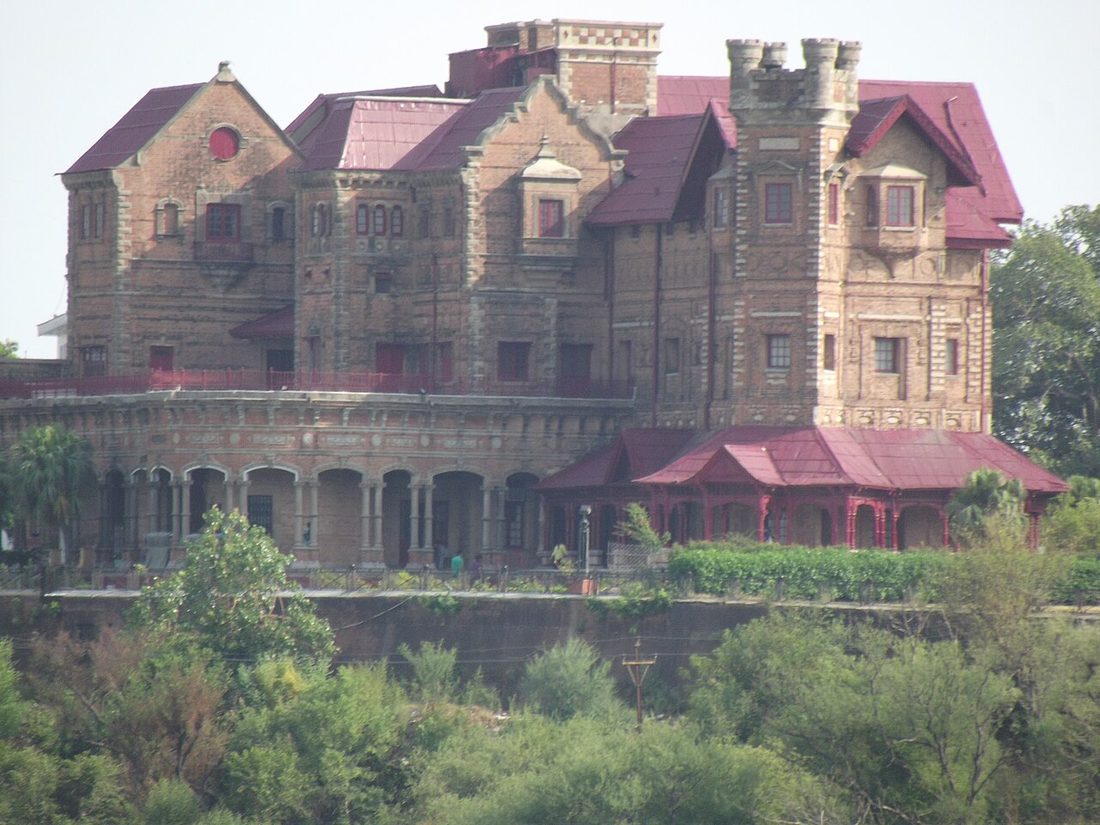
Most overland journeys passing Ramban begin in Jammu, the region’s multi-modal transport hub. Jammu Airport (Satwari, IXJ) runs daily direct flights from Delhi, Srinagar, Mumbai, Bengaluru, and Chandigarh, sitting barely 7 km from Jammu city centre. Jammu Tawi Railway Station connects virtually every major Indian rail corridor, allowing pilgrims and families to spend half a day exploring Raghunath Temple’s gold-leaf inner sanctum, Bahu Fort’s hilltop Kali shrine, Mubarak Mandi Palace courtyard, and Amar Mahal Palace Museum—or detouring east toward tranquil Mansar Lake—before starting north on NH-44.
Inside Jammu city, JKSRTC city buses and minibuses cover fixed corridors cheaply if you are travelling light, while auto-rickshaws and open cycle-rickshaws slip effortlessly down tight old-bazaar alleys around Ragunath Bazaar and Purani Mandi (always settle the fare clearly before stepping aboard). Once you leave city limits—heading north past Udhampur and Ramban toward Srinagar, climbing to Patnitop, or branching east from Batote to Bhaderwah and Kishtwar—hire a verified private taxi via the Special Tourist Taxi Association, Tourist Reception Centre, or an established tour operator with written clarity on multi-day kilometres, night halts, and NH-44 FASTag tolls.
Travellers who prefer skipping the steepest Pir Panjal bends altogether can combine highway and rail smartly: take a private cab up from Jammu to Banihal or Sangaldan (stopping at Peerah for rajma along the way), then ride the smooth Himalayan rail corridor straight beneath the snow peaks into Anantnag and Srinagar while luggage travels securely with your overland driver. In peak winter weeks when heavy sleet briefly halts highway trucks along Dalwas or Panthyal, that Banihal–Qazigund rail tunnel frequently remains the single most dependable artery into the Kashmir Valley.
Where to Stay, What to Buy & Best Seasons for Ramban
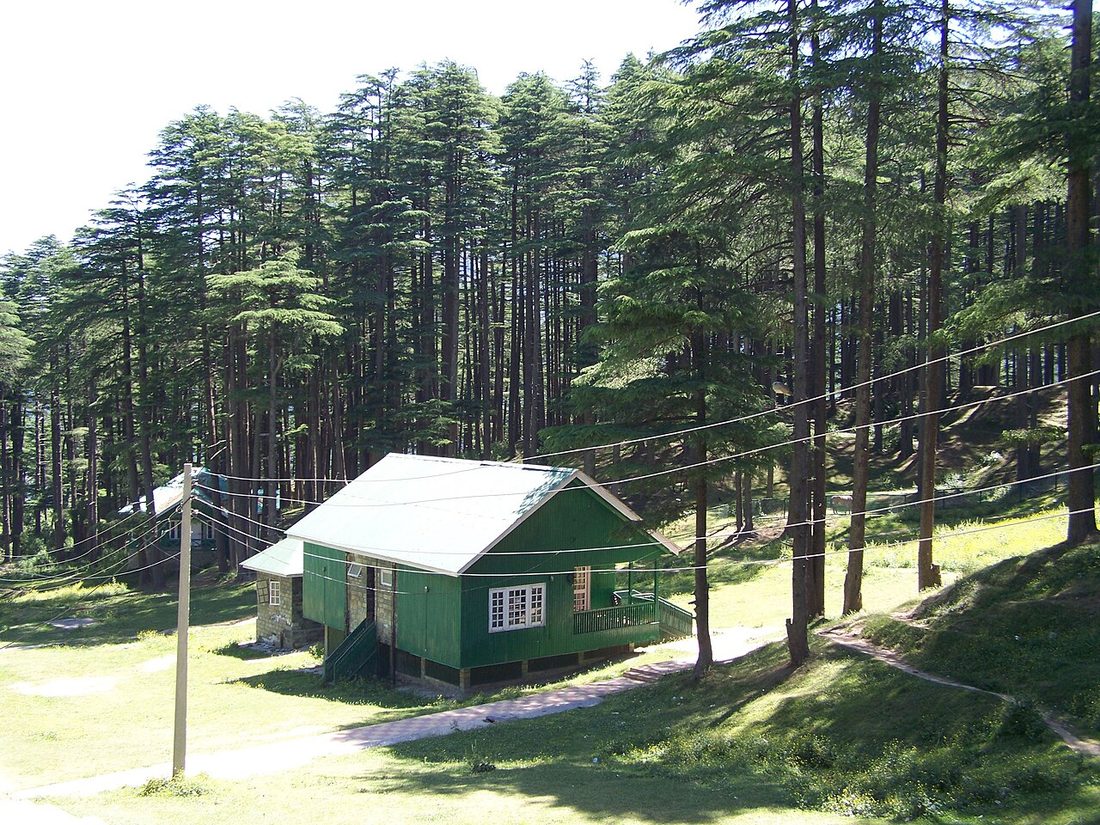
If an unplanned highway halt catches you at dusk—or if you intentionally pause a night to explore Gool, Sangaldan, or Ramsoo—Ramban offers straightforward, clean highway hospitality rather than resort luxury. Hotel Ramban Regency remains the town’s best-known full-service address alongside reliable highway hotels around Chanderkote, Peerah, and Banihal, while JKTDC bungalows at Batote (20 km south) and Patnitop (35 km south) give noticeably cooler night air and wooded lawns. You can check verified overnight options along the entire corridor in our curated Jammu & Kashmir hotels guide.
Do not leave Ramban without buying a glass jar of authentic Ramban Sulai Honey. Awarded a prestigious Geographical Indication (GI) tag, this pale-amber, delicately floral raw honey is harvested by mountain beekeepers from white Sulai (wild Plectranthus rugosus) blossoms blooming across Ramban’s hillside forests in late summer. Pair it with a kilo of raw Peerah–Doda rajma, local dried guchhi (wild morels) if travelling in spring, and tangy sun-dried anardana seeds, and your kitchen back home will smell like the Chenab highway for months.
Spending even an hour drinking tea along the Chanderkote or Maitra riverbank also reminds you why Ramban’s human warmth lingers longer than its highway dust. Truckers from Punjab, Kashmiri apple growers bound for Azadpur mandi, Dogra railway engineers, and Bakarwals herding seasonal flocks across the Banihal ridge all cross paths at the exact same wooden benches—trading weather reports over hot salted tea before disappearing back into their respective mountain passes.
March to June and September to November deliver the cleanest tarmac, clearest gorge views, and pleasant temperatures (18°C–28°C in Ramban town; crisp 10°C–18°C in upper valleys like Gool and Neel). Mid-July through August brings humid river-bottom heat and frequent monsoon rockfalls, while January and February turn Banihal and Ramsoo icy with snow delays—review full seasonal patterns in our month-by-month weather guide before locking road dates.
Because Ramban sits directly on the jugular vein connecting Jammu’s sacred shrines with Srinagar’s lakes, nearly all overland itineraries—such as our 9-day Grand Kashmir Valley & Mata Vaishno Devi tour and our 8-day Katra, Patnitop, and Kashmir overland circuit—pass right past Peerah and the Chenab bridges. Browse all 29 regional destinations, compare private-cab road routes across our 40 custom tour packages on Kashmir i Tour, or message our Srinagar local transport desk for real-time NH-44 conditions and experienced mountain drivers.
Travel Smoothly Across NH-44 from Jammu & Katra to Srinagar
Let seasoned local drivers handle every tunnel, Peerah lunch stop, and mountain curve on our 8N/9D Vaishno Devi + Kashmir Valley overland circuit with vetted hotels and zero hidden tolls.
Frequently Asked Questions about Ramban — Chenab River Gorge, NH-44 Highway Hub & Gateway Between Jammu & Kashmir
Recommended Itineraries Including Ramban — Chenab River Gorge, NH-44 Highway Hub & Gateway Between Jammu & Kashmir
Every route below can be customized from Srinagar, Jammu, or Leh with private cabs and verified local stays.
Grand Kashmir Valley & Mata Vaishno Devi Combined Tour (8N/9D)
9 Days • 8 Nights • ₹33,500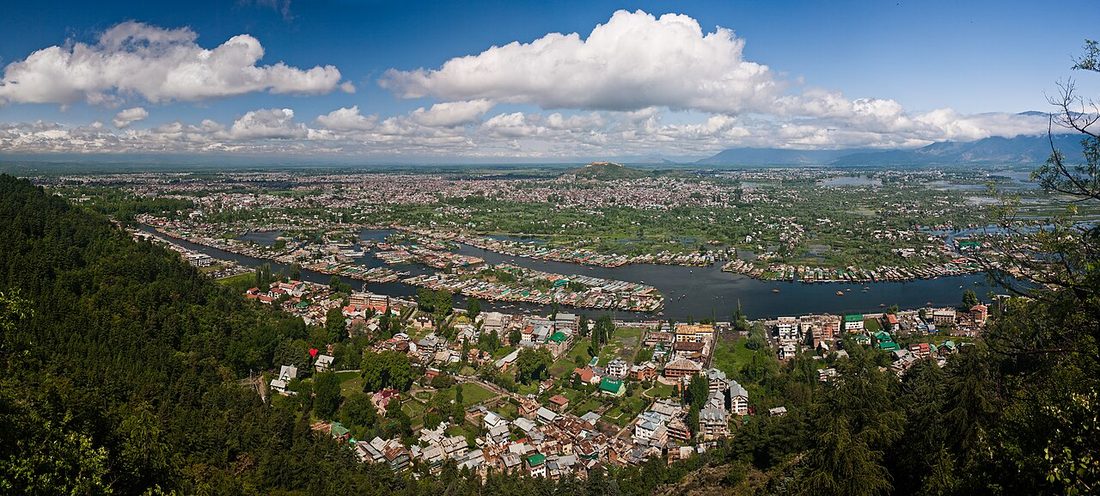
Unforgettable Jammu, Katra, Patnitop & Kashmir Valley Tour (7N/8D)
8 Days • 7 Nights • ₹29,999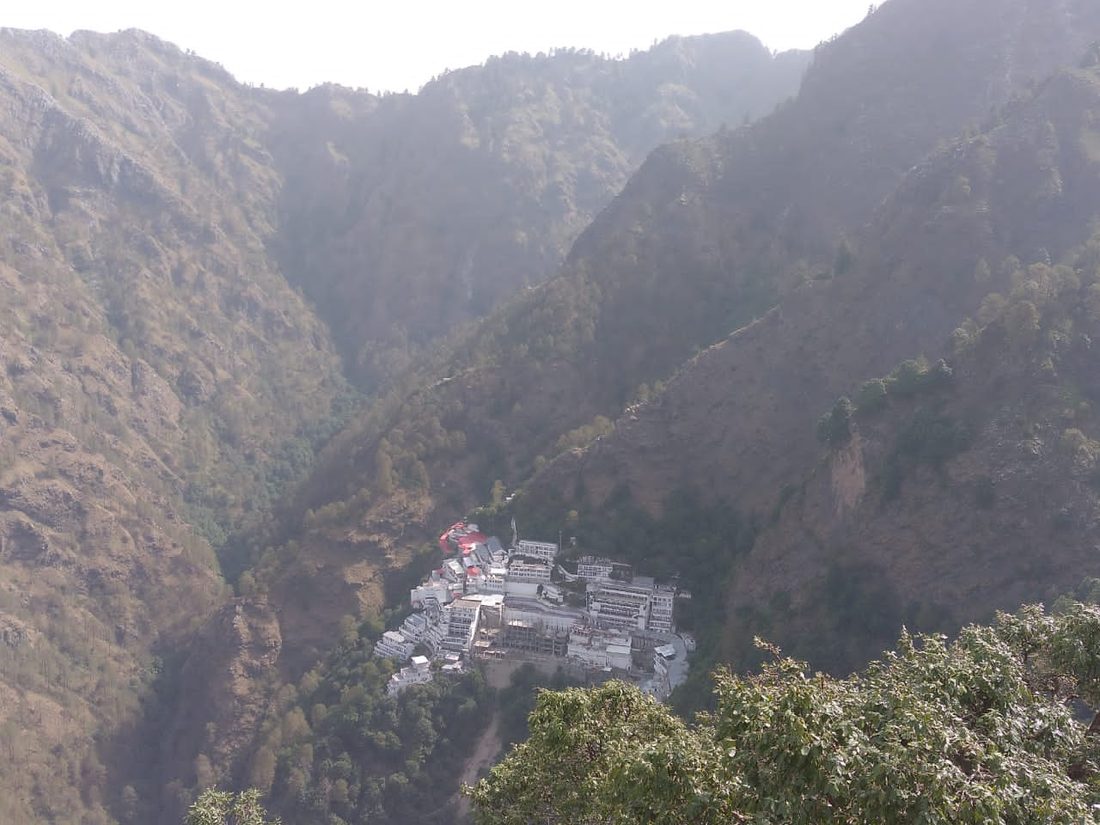
Mata Vaishno Devi Yatra & Katra Pilgrimage Package (3N/4D)
4 Days • 3 Nights • ₹12,500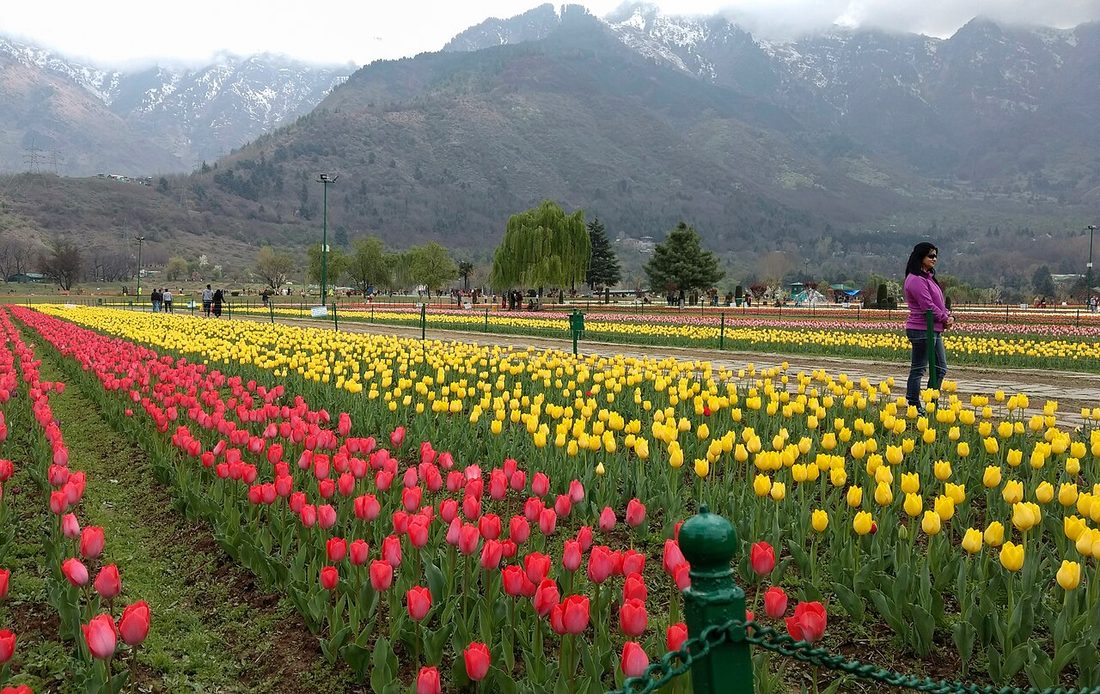
Discover Kashmir 5-Day Express Itinerary (4N/5D Srinagar, Gulmarg & Pahalgam)
5 Days • 4 Nights • ₹16,999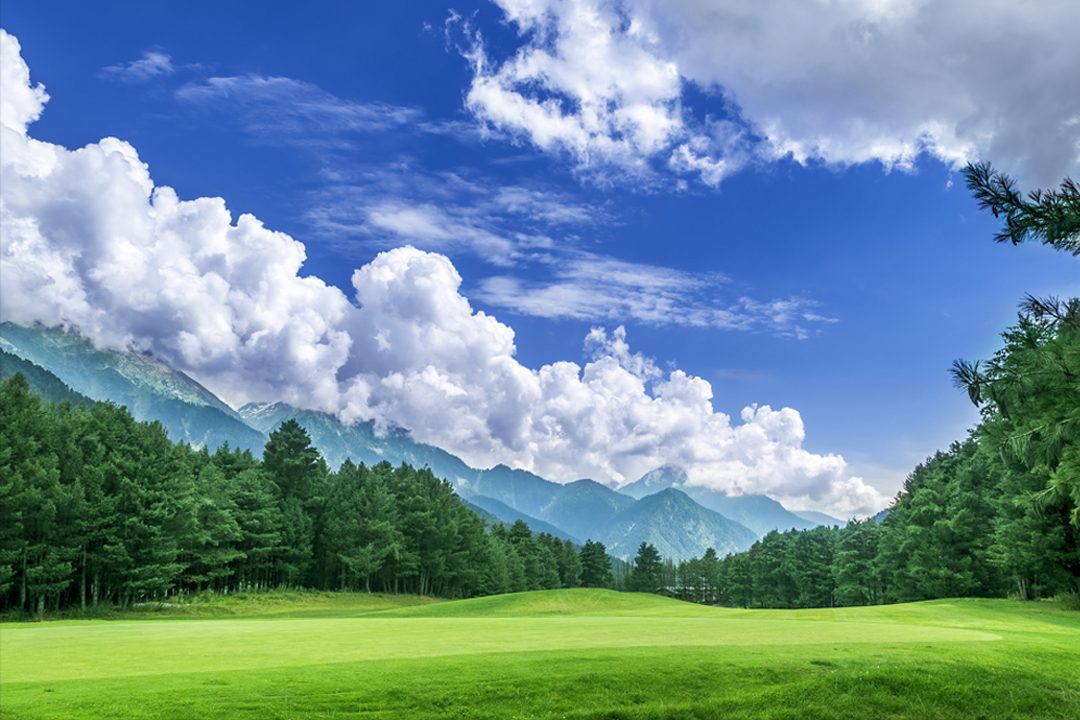
7-Day Kashmir Family Holiday Itinerary (6N/7D Comfort Valley Circuit)
7 Days • 6 Nights • ₹28,999Explore Nearby & Connected Destinations
Patnitop — Deodar Pine Plateau, Nathatop Ridge & Jammu’s Classic Hill Station
Jammu Region →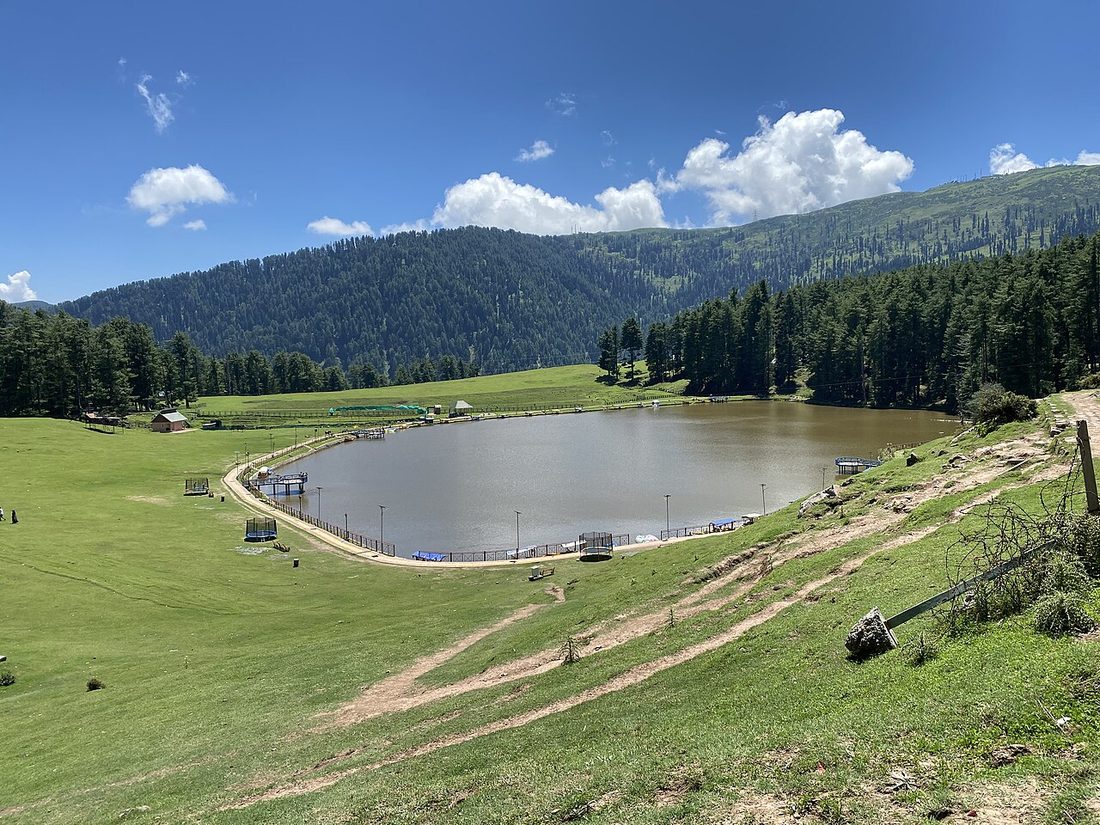
Sanasar — Cup-Shaped Alpine Meadow, Paragliding Ridges & Shank Pal Trek
Jammu Region →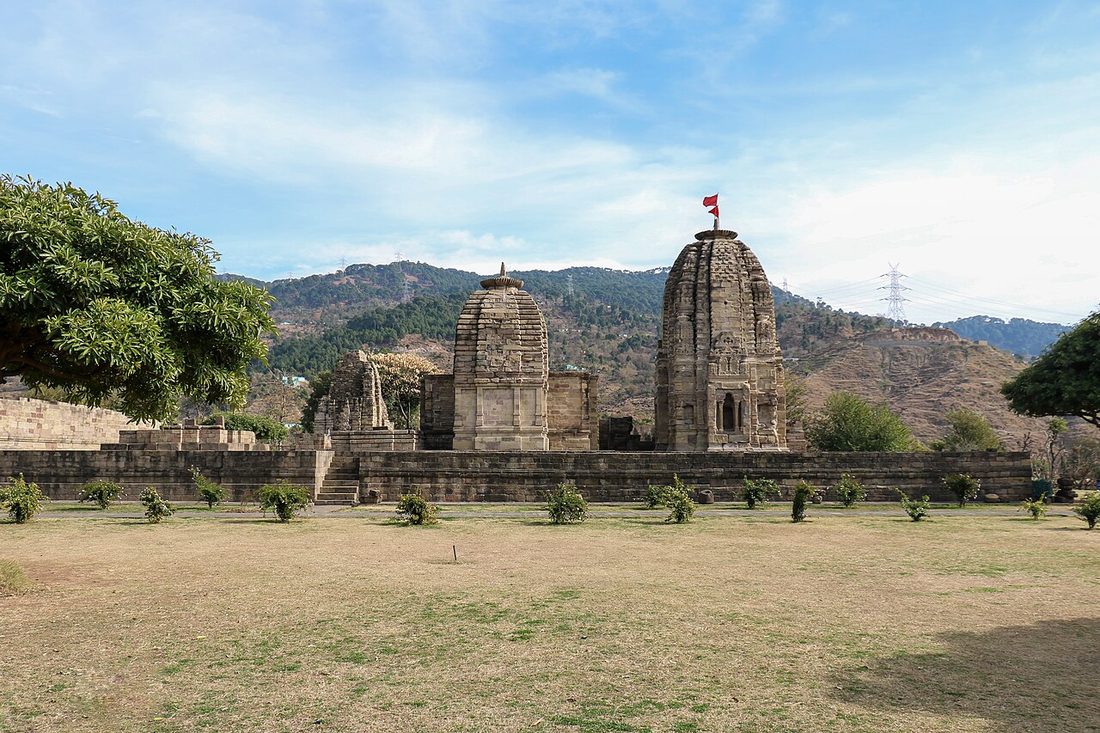
Udhampur — Krimchi Pandava Temples, Devika River & Shivalik Foothills
Jammu Region →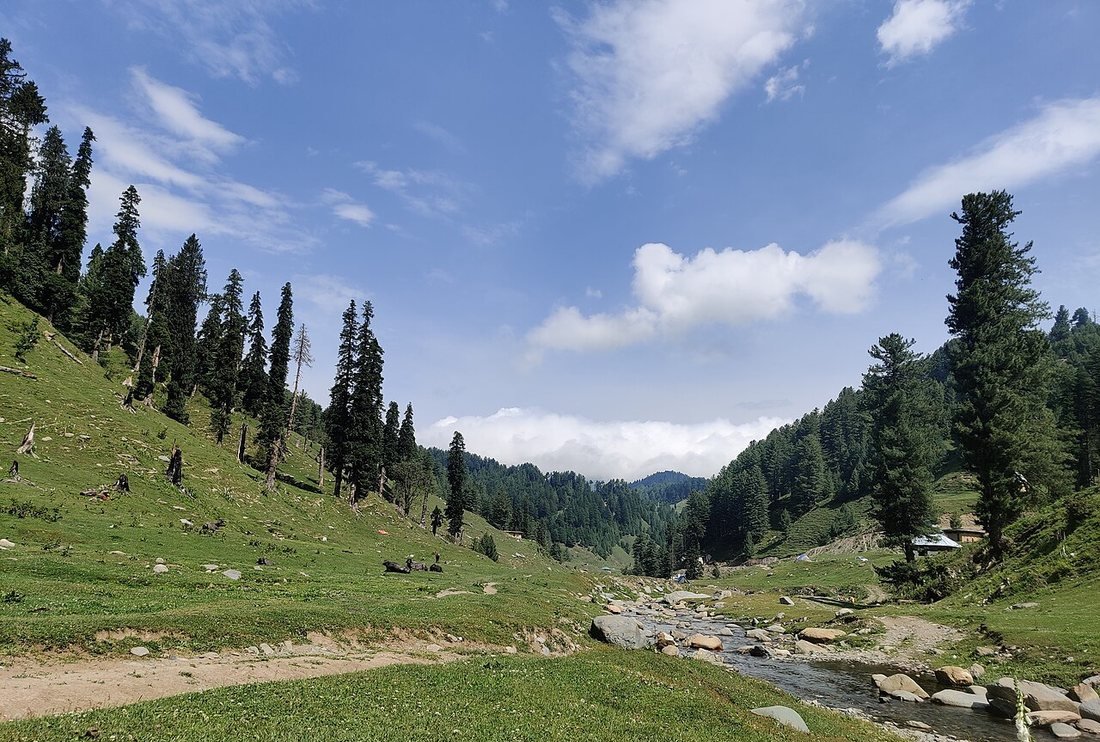
Bhaderwah (Chota Kashmir) — Jai Valley, Padri Pass & Vasuki Nag Heritage
Jammu Region →
Kishtwar — Land of Saffron & Sapphire, Chowgan Ground & Sinthan Pass
Jammu Region →