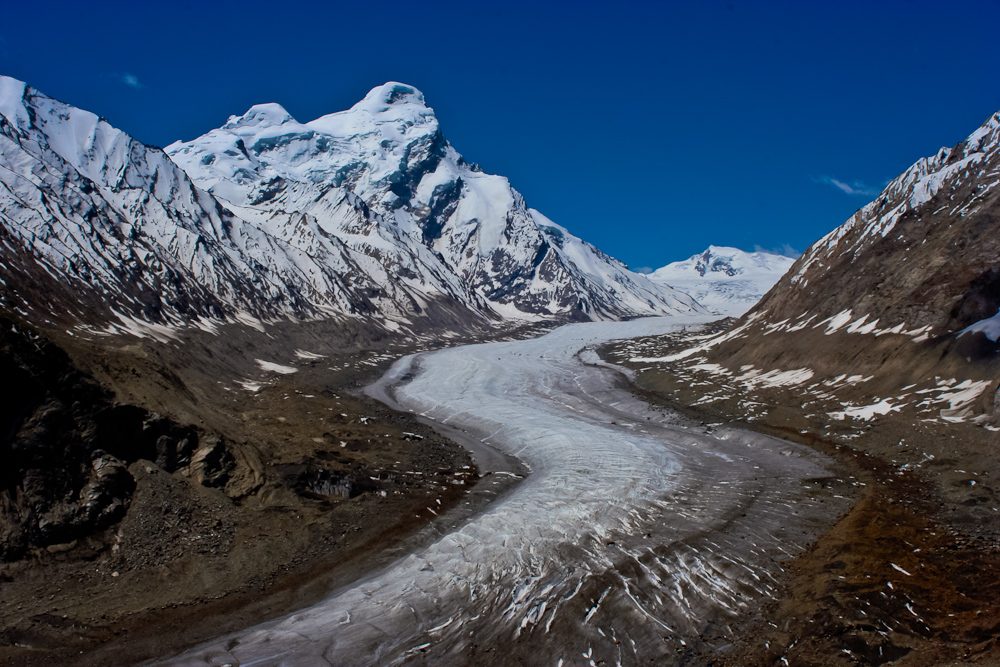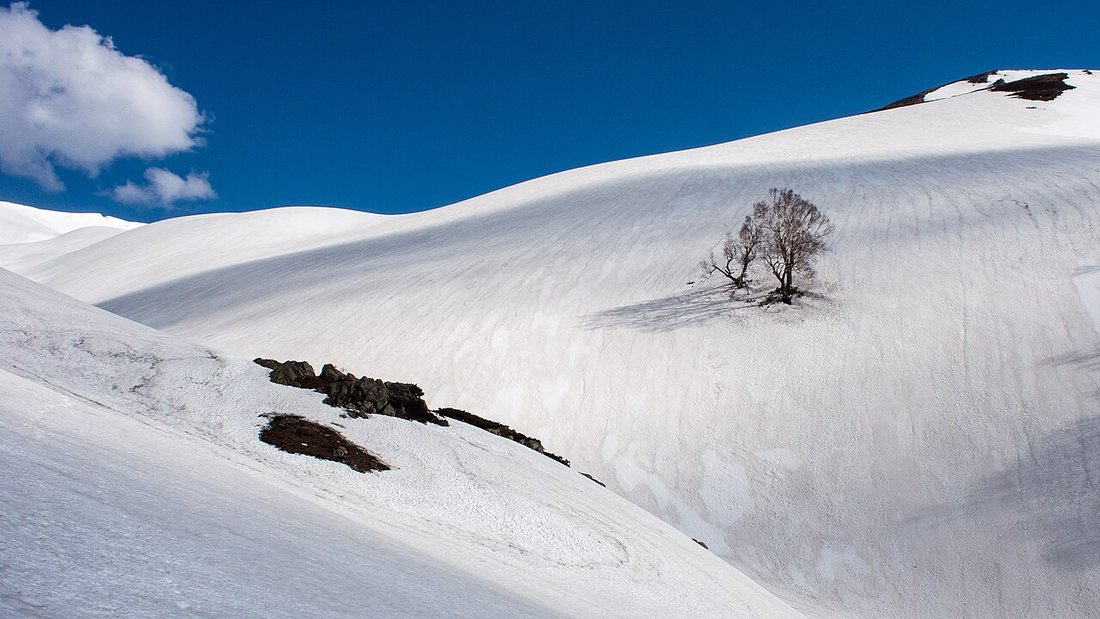
Two dramatically different roads bring you to Kishtwar, and neither feels ordinary. Come up from Jammu via Batote and Pul Doda (230 km, roughly 6.5 hours), and your vehicle traces sheer rock shelves blasted above the churning grey rapids of the Chenab until the canyon suddenly lifts onto a breezy, bowl-rimmed plateau at 1,638 metres. Or arrive the way seasoned Himalayan overland drivers prefer between May and October: drop south out of Srinagar past Kokernag’s springs and Daksum’s fir forests, climb endless switchbacks over the snow-rimmed saddle of Sinthan Top (3,748 m), and spiral down through Chingam and Chatroo straight into Kishtwar’s sunlit lap (165 km, roughly 5 to 5.5 hours).
Across centuries, traders, chroniclers, and botanists knew this proud former hill kingdom by a four-word epithet that still catches the imagination: the Land of Saffron and Sapphire. On its western terraced benches around Pochhal and Matta, autumn purple crocuses yield some of the world’s finest crimson saffron threads; far upstream in the glacier-rimmed Paddar Valley, 4,500-metre pegmatite veins once gave up the velvety cornflower-blue Kashmir sapphires that still command million-dollar bids in Geneva and New York auction rooms.
Yet Kishtwar today is zero pretence and zero tourist trap. There are no souvenir malls, no shikara touts, and no crowds jostling at viewpoints. Instead, you step out at dawn beside a 165-acre chinar-ringed pasture right in the middle of town, smell fresh mutton rogan josh and salted pink noon chai drifting from wooden kitchens, and stand within reach of some of the wildest valleys in India—Marwah, Warwan, Dachhan, and Paddar—stretching all the way toward Padum in Zanskar Valley.
Chowgan Ground: The Living Green Heart of Kishtwar Town
Virtually every mountain town in northern India squeezes buildings onto every flat square metre of earth. Kishtwar did the exact opposite. Sitting squarely at the centre of town is Chowgan, an expansive 520-kanal (roughly 165-acre) flat emerald meadow framed by stately century-old chinar trees, whitewashed mosques, stone shrines, and steep dark mountains looming overhead on every flank.
Walk its outer perimeter at 6:30 AM and you read the whole rhythm of Kishtwar without hiring a guide. Local boys play five simultaneous games of tennis-ball cricket across the dew-wet turf; elders in pherans stroll briskly past grazing horses and sheep; misty clouds cling to the ridge above Naginsheer; and tea shops along the western rim pour steaming cups of Kashmiri kahwa and salty pink tea paired with crisp baker’s bread (tsot and lavasa). In October, when the giant chinars blaze copper and burnt amber against clear cobalt skies, Chowgan rivals any parkland in the Himalayas.
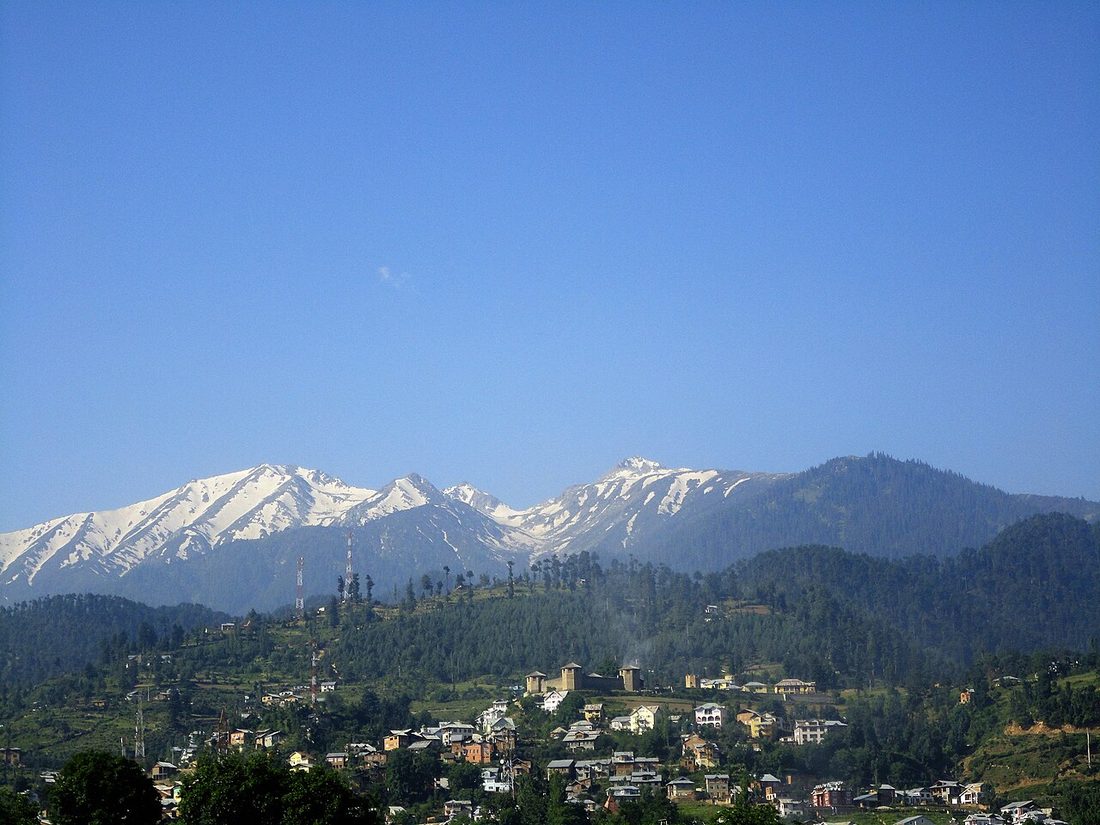
Saffron Terraces of Pochhal & Paddar’s Sapphire Lore
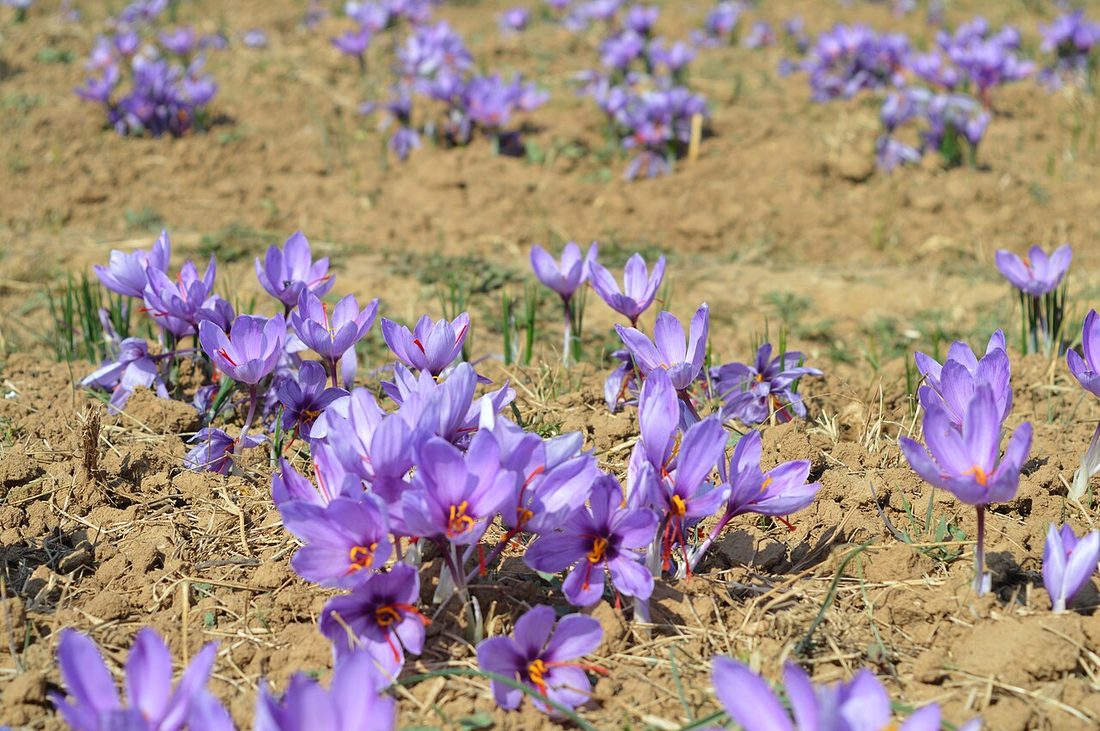
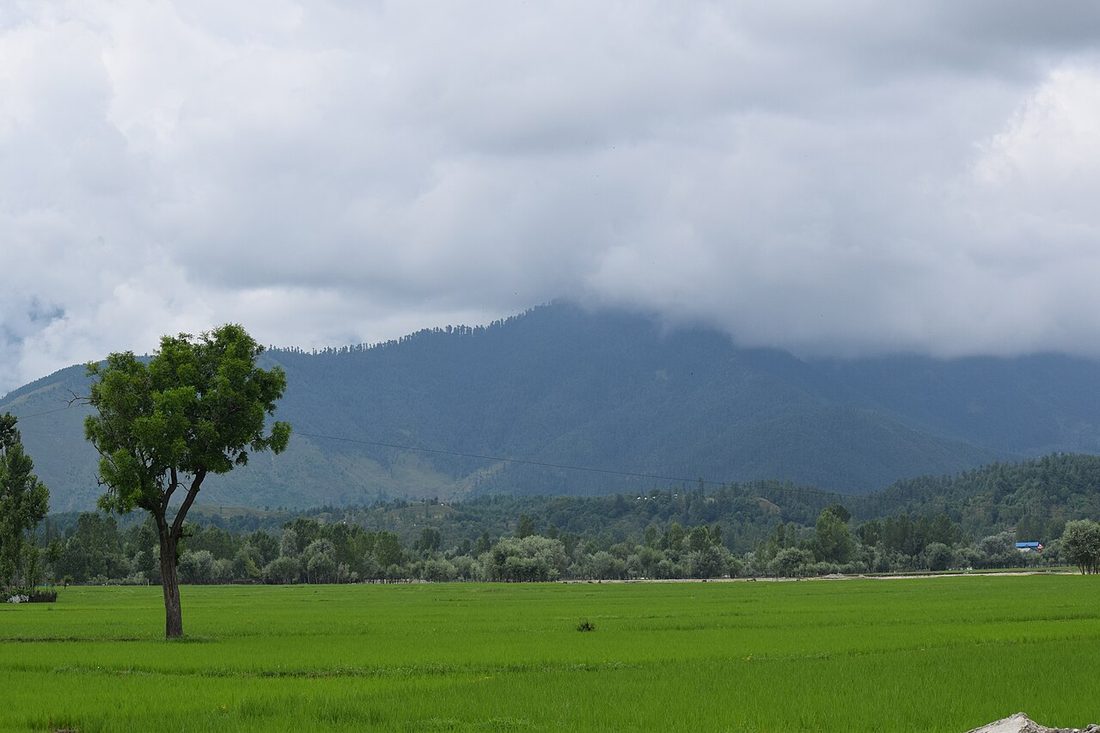
Most Indian travellers automatically equate saffron exclusively with Pampore outside Srinagar. In truth, Jammu & Kashmir has two historic saffron-growing plateaus, and Kishtwar’s dry, alluvial highlands around Pochhal, Hatta, Matta, and Berrwar—just 4 to 8 km outside town—have cultivated prized Crocus sativus for centuries. Visit during the last two weeks of October or the first week of November, and these rolling dry benches flush soft lavender-violet at sunrise as local farming families pluck delicate blossoms before midday heat wilts the three dark-crimson stigmas inside each flower. Buying GI-tagged Kishtwar saffron directly from verified grower cooperatives around Pochhal guarantees aroma and potency—and watching harvest mornings with zero tour-bus clutter feels genuinely intimate.
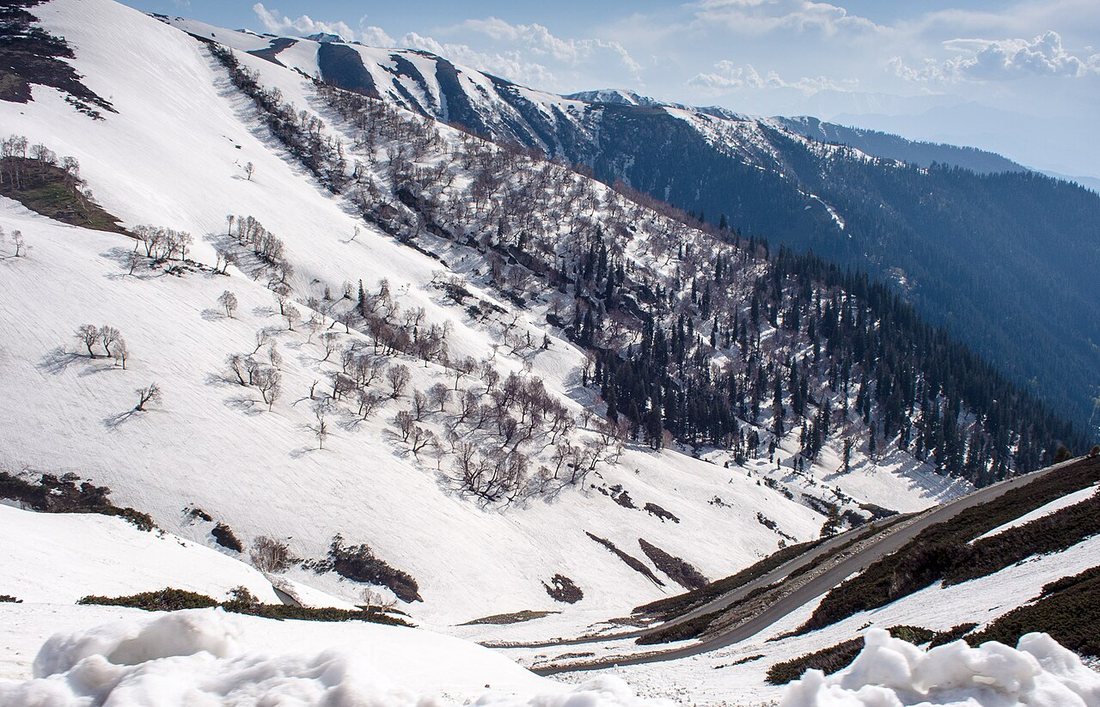
Farther east along the violent turquoise gorge of the Chenab lies Paddar Valley (base town Atholi / Gulabgarh, roughly 65 km and 2.5 to 3 hours from Kishtwar). High above the alpine village of Sumcham, at over 4,400 metres, sit the storied Paddar sapphire mines, discovered after a landslide in 1881 and mined under Maharaja Ranbir Singh. Let us set honest expectations for curious travellers: the sapphire mine belt itself is a strictly guarded, high-altitude restricted zone with no casual tourist entry or rock-hunting permitted, and genuine antique Kashmir sapphires are museum-grade rarities (never buy loose ‘Kishtwar sapphires’ offered casually by roadside touts anywhere in Jammu or Srinagar). What you can witness in Paddar is staggering mountain grandeur—hanging glaciers, slate-roofed mountain villages, roaring river confluences, and one of North India’s most fiercely devoted alpine pilgrimages.
Machail Mata Yatra (Paddar): Trekking Into the Inner Himalayas
Every August, tens of thousands of devotees converge on Gulabgarh in Paddar to walk roughly 30 kilometres upstream along the glacial Bhut Nallah (motorable in sections up toward Chishoti, shortening the walk considerably in recent seasons) to reach Machail Mata Mandir at 2,950 metres. Dedicated to Goddess Chandi (Kali) and established in its modern pilgrimage form in the early 1980s by Thakur Kulveer Singh, the shrine sits cradled beneath gleaming snow peaks where freezing air bites even in mid-August. During the main Yatra window, free community kitchens (langars), medical posts, and government-monitored camps line the entire trail, turning a wild frontier gorge into a festival of Himalayan faith and endurance.
Sufi Shrines, Ancient Devi Temples & Wild Alpine Landmarks
Like Bhaderwah to its south, Kishtwar has long been a cultural bridge where Kashmiri-speaking Muslims, Kishtwari-speaking Hindus, Pahari hill clans, and Paddari Buddhist-influenced highlanders share one steep watershed. Three spiritual landmarks anchor the valley’s cultural identity:
- Ziarat Shah Farid-ud-Din Baghdadi & Ziarat Shah Asrar-ud-Din Sahib: Located close to Kishtwar town, these revered 17th-century Sufi shrines celebrate the Baghdad-born saint Shah Farid-ud-Din and his son Shah Asrar-ud-Din, who brought spiritual learning and communal harmony to Kishtwar. Carved deodar woodwork, peaceful courtyards, and respectful visitors of multiple faiths give both shrines extraordinary quiet dignity.
- Sarthal Devi Temple (20 km from town): Perched above terraced villages overlooking snow-ribbed ridges, this ancient shrine serves as the winter abode of the magnificent 18-armed Chamunda Mata (Sarthal Devi)—reconstructed in its present form by Maharaja Hari Singh and venerated across Kishtwar, Doda, and Bhaderwah.
- Hatta & Hud Mata: Sacred regional shrines tucked along wooded slopes and high pastures, drawing vibrant summer processions from local villages.
Kishtwar National Park, Niginsheer Cliff, Potnag Waterfall & Tatta Pani
Spread across 2,191 square kilometres of sheer alpine rock, birch groves, and glacial valleys between the Marusudar and Kiar rivers, Kishtwar High Altitude National Park is one of India’s least crowded wildlife sanctuaries. Elevations span from 1,700 m to over 6,500 m (crowned by iconic mountaineering spires like Brahma I & II and Sickle Moon), sheltering elusive snow leopards, Himalayan brown bears, musk deer, Himalayan tahr, ibex, and rare hangul populations. Entry into core park sectors requires prior permission from the Wildlife Warden’s office in Kishtwar—hire a licensed local tracker if exploring the Dachhan or Marwah approaches.
Closer to accessible road spokes, seek out Potnag Waterfall—a dramatic silver cascade plunging through forested cliffs after snowmelt and late summer rain—and crane your neck toward the towering Niginsheer (Naginsheer) Cliff, a stark rocky crest climbing near 4,100 metres topped by a distinctive crown-like stone formation visible from miles around. Down along the lower Chenab near Atholi, natural geothermal waters bubble up at Tatta Pani sulfur springs, where locals soak sore muscles after long valley walks.
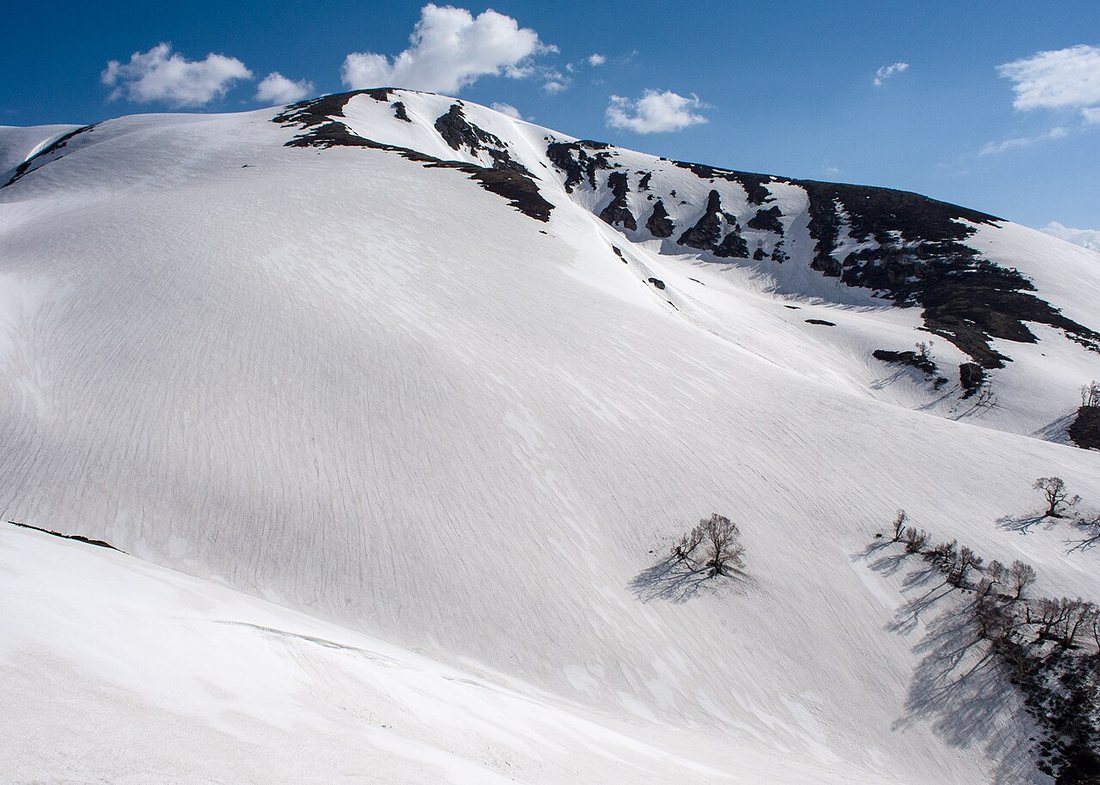
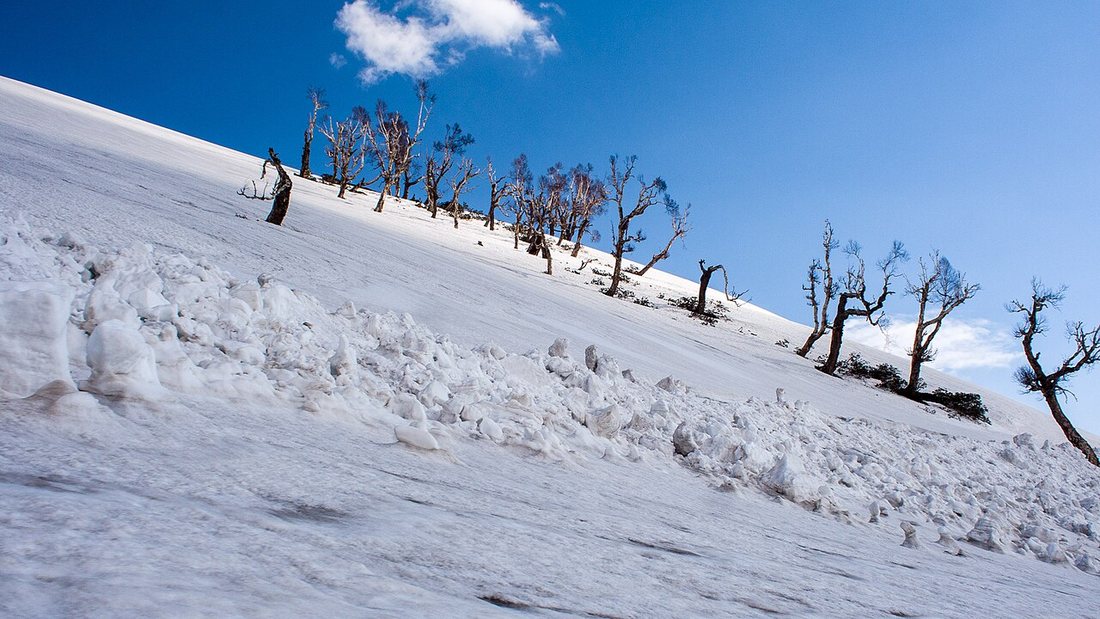
NH-244 over Sinthan Top (3,748 m) is the scenic bridge linking Kishtwar with Kokernag, Pahalgam, and Srinagar—yet it stays buried under heavy snow from November through April. Even in June or September, cross Sinthan Top before 2:00 PM: sub-zero gusts and dense cloud cover roll across the pass sharply in late afternoon. Always carry warm windproof layers in the passenger seat, check police barrier status at Chingam or Daksum the night before, and fill fuel fully at Kishtwar or Kokernag (no fuel stations exist over the 85 km pass stretch).
Kishtwar Access Routes & Sub-Valley Planning Matrix (2026)
Distances on paper look deceptive in Kishtwar because steep gorge bends keep average road speeds near 28–35 km/h. Plan driving days realistically using this field-verified breakdown.
| Corridor / Sub-Valley | Distance & Drive Time | Open Season | Vehicle & Field Guidance |
|---|---|---|---|
| Srinagar – Sinthan Top – Kishtwar | 165 km / 5 – 5.5 hrs | May – October | Spectacular NH-244 alpine crossing; SUV or sturdy Innova recommended; zero fuel pumps on pass. |
| Jammu – Batote – Doda – Kishtwar | 230 km / 6.5 – 7.5 hrs | Year-Round (barring slides) | All-weather Chenab gorge road via NH-44 & NH-244; stop for lunch at Peerah or Pul Doda. |
| Bhaderwah – Pul Doda – Kishtwar | 80 km / 2.5 – 3 hrs | Year-Round | Easy scenic transfer pairing Chota Kashmir meadows with Kishtwar’s plateau. |
| Kishtwar – Paddar (Gulabgarh / Machail) | 65 km to Gulabgarh / 2.5 – 3 hrs | April – November | Dramatic narrow cliff-cut gorge beside Chenab; high-clearance SUV essential; Machail Yatra peaks Aug. |
| Kishtwar – Warwan & Marwah Valleys | 95 – 120 km / 4 – 6 hrs | June – October | Ultra-remote adventure territory via Margan Top or Inshan; carry cash, snacks & extra fuel; no ATMs. |
| Kishtwar – Paddar – Umasi La / Zanskar | Overland / Trek corridor | July – September | Historic Himalayan crossing toward Padum; verify current BRO road opening & vehicle clearance locally. |
Cross-Pir Panjal Cuisine, Craft & Cultural Continuity
Sit down for dinner in Kishtwar and you taste a fascinating culinary crossroads. Because the town sits just one mountain pass south of Anantnag, Kishtwar’s kitchens master authentic Kashmiri Wazwan—slow-simmered rogan josh, tender hand-pounded gushtaba and rista, fragrant yakhni, and saffron-tinted kahwa—right alongside hearty Jammu and Pahari staples like nutty Kishtwari rajma, earthy kulth (horse-gram) dal, wild Himalayan guchhi mushrooms, and buckwheat flatbreads from Paddar.
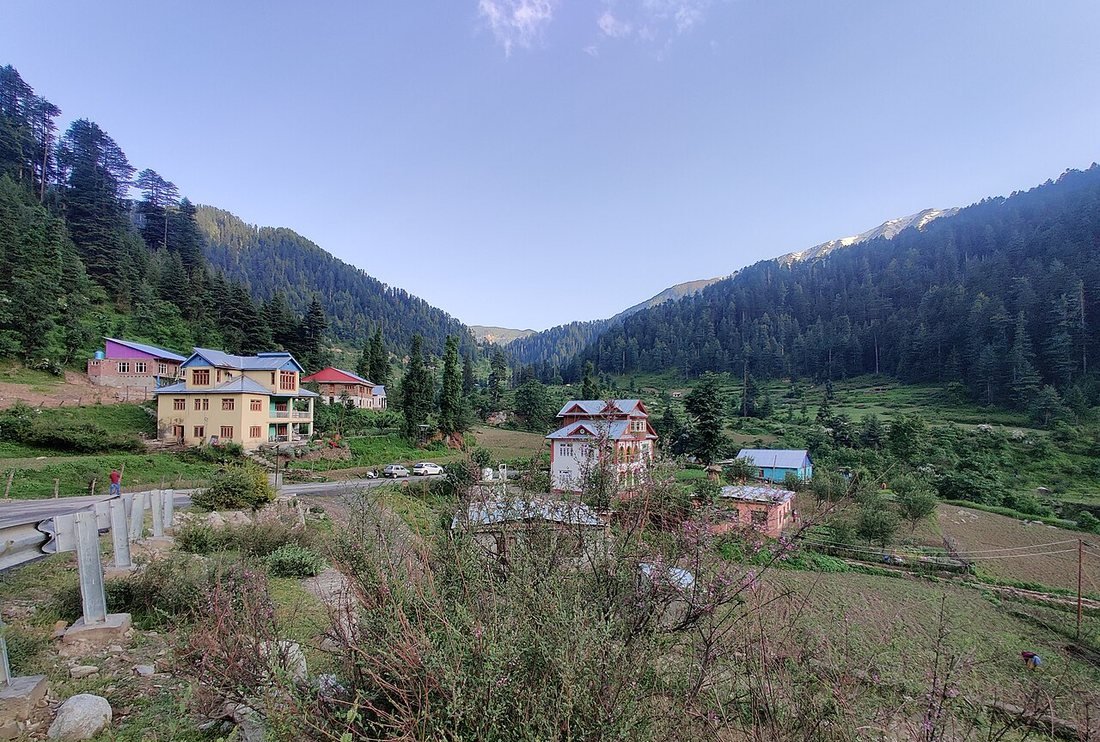
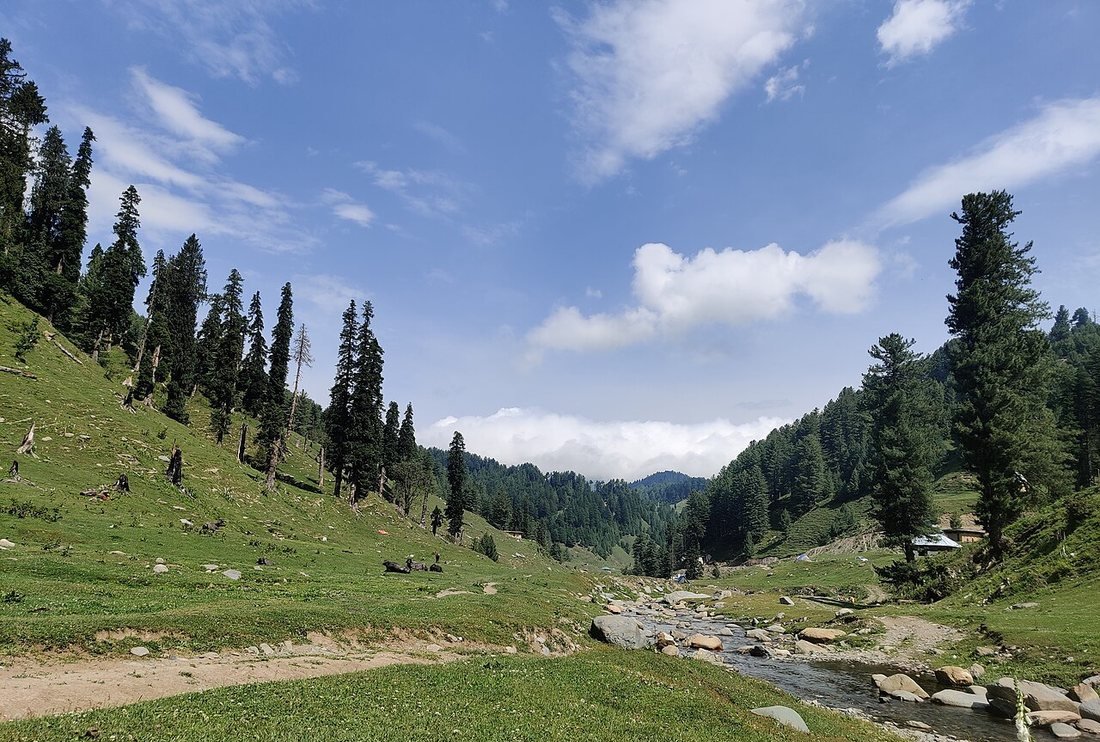
Winter looms in Kishtwar and Marwah still produce thick, warm hand-spun woollen pattu tweed and blankets prized across Jammu & Kashmir, echoing the same artisanal devotion seen in Srinagar’s pashmina workshops. If you love angling as well as offbeat scenery, the glacial tributaries feeding the Marusudar and neighbouring South Kashmir’s Bringhi river offer pristine mountain trout waters—a natural extension alongside our Kashmir trout angling and river expedition.
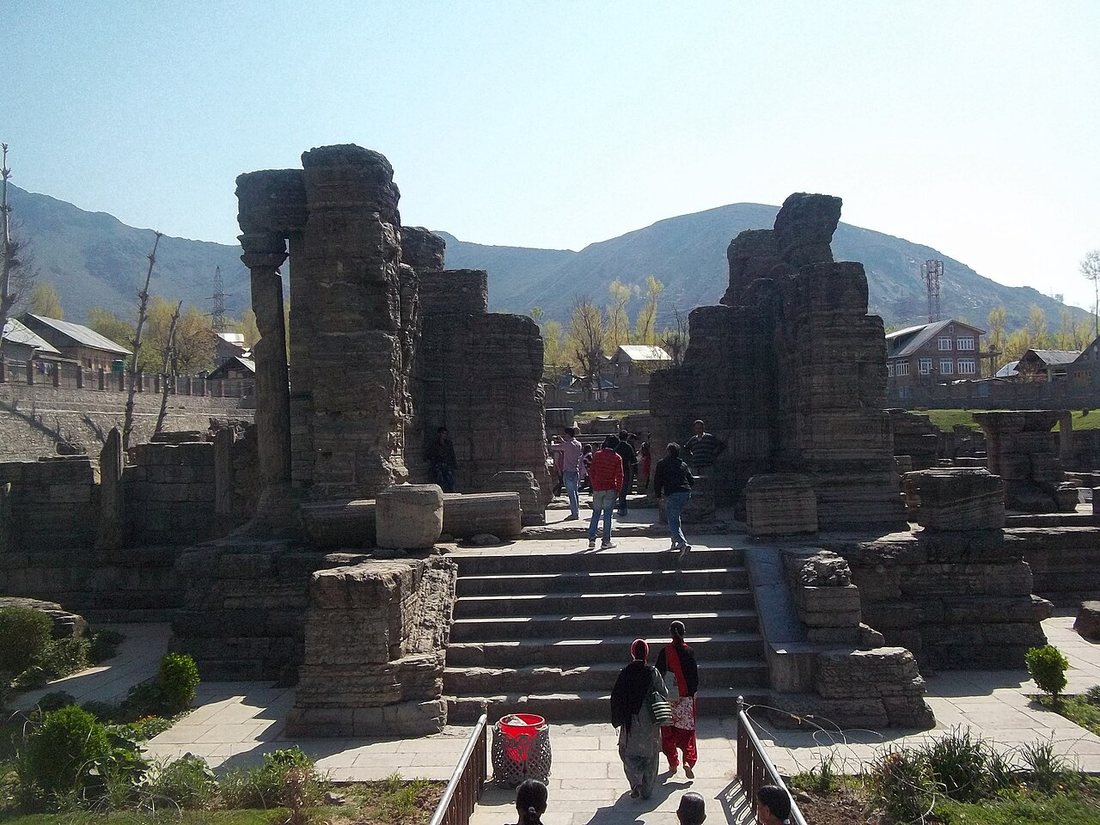
Classic Trekking Trails: Mughal Maidan, Warwan Valley & Zanskar Crossings
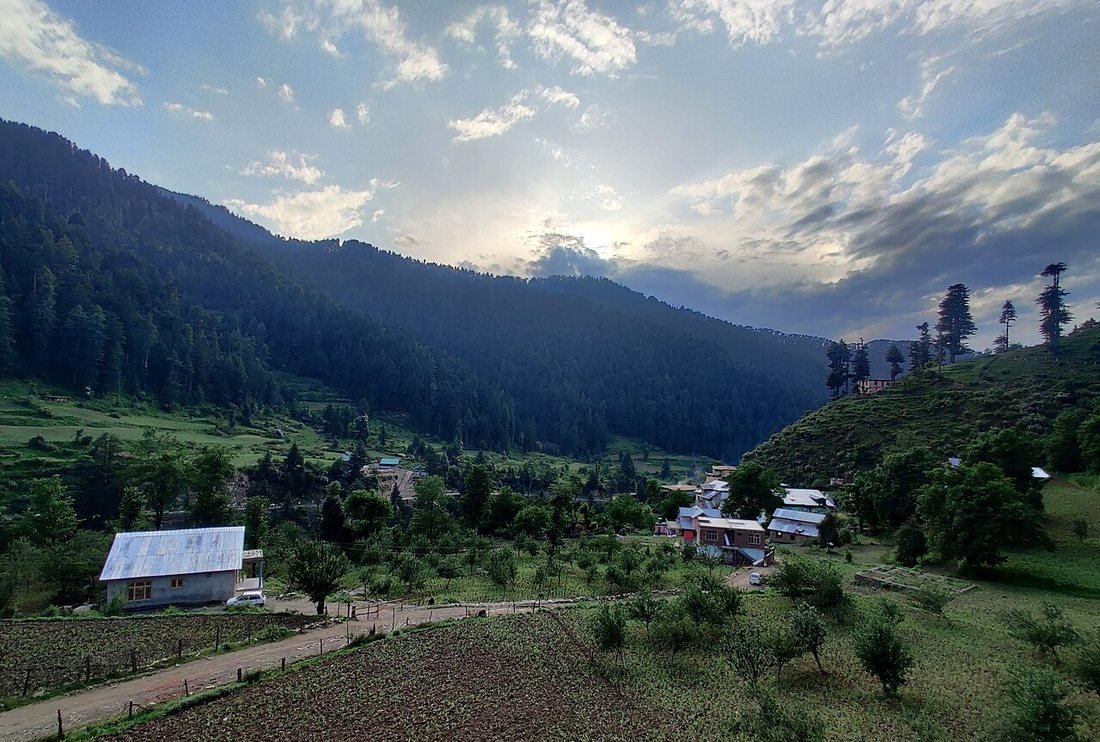
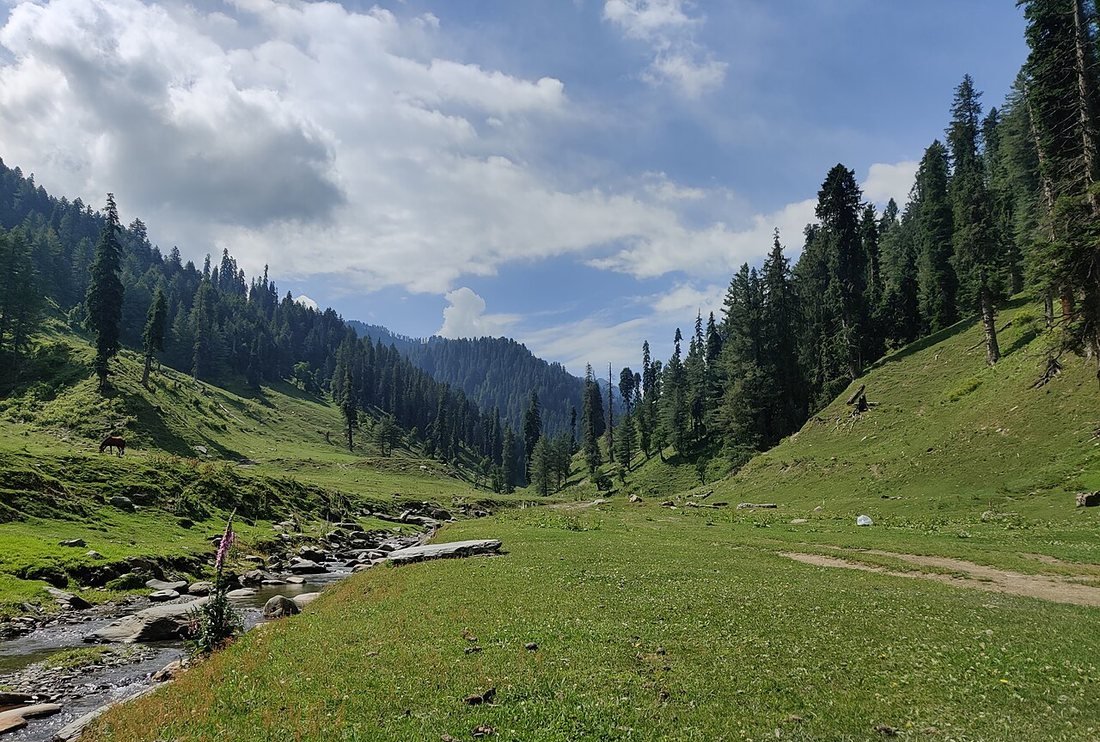
Long before asphalt climbed over Sinthan Top, foot caravans stitched Kishtwar tightly into South Kashmir and Ladakh along high shepherd passes. Even today, Kishtwar remains an exhilarating launchpad for serious mountain hikers seeking solitude well away from overcrowded Pahalgam or Sonamarg base camps. One time-honoured circuit begins northwest of town through Banderkot and Mughal Maidan—named for the sweeping pasture meadows where imperial armies and salt traders once pitched camp—before rising past Dadhpeth and Chingam across the Sinthan divide into Daksum’s dense fir forests.
For travellers ready to venture even deeper off the map, the twin upper valleys of Marwah and Warwan unfold like a lost Himalayan chapter. Reached either from Kishtwar via Dachhan or from South Kashmir over the stark 3,700-metre Margan Top (open roughly June through October), Warwan cradles wooden mountain villages such as Inshan, Choidraman, and Sukhnai beside braided snowmelt rivers and dramatic cascading cliffs. Here electricity runs erratically, mobile bars vanish altogether, and villagers still welcome passing trekkers into timber verandas with hot salted tea and fresh walnut rotis. Beyond Sukhnai, seasoned expedition teams trek north across Panikhar and the Lonvilad glacier toward Suru and Kargil, while east of Paddar the classic high-glacier pass of Umasi La (5,342 m) links Chishoti directly to Padum in Zanskar.
Practical Travel Logistics: Lodging, Transport & Best Loop Ideas
Keep lodging expectations practical and grounded: Kishtwar is an authentic administrative and mountain market town rather than a luxury resort enclave. Your best bases are the clean JKTDC Tourist Reception Centre / Bungalow overlooking Chowgan, well-kept family-run town hotels (such as Hotel Snow View, Hotel Crystal, and newer guesthouses along the Chowgan and Hidyal roads), and simple PWD rest houses or homestays in Chatroo, Gulabgarh (Paddar), and Warwan. Browse dependable regional lodging options across the circuit on our verified hotels page.
Getting to Kishtwar works smoothly by road from three primary gateways: Srinagar Airport (165 km via Anantnag, Kokernag, and Sinthan Top from May to October), Jammu Airport or Jammu Tawi railhead (230 km year-round via Udhampur, Batote, and Pul Doda), or Martyr Captain Tushar Mahajan (Udhampur) Railway Station (165 km via Chenani Tunnel and Batote). Regular JKSRTC buses and shared Tata Sumos link Kishtwar daily with Jammu, Udhampur, Doda, and (in summer) Anantnag—though hiring a private high-clearance SUV gives you freedom to linger at Pochhal saffron fields, Sarthal Devi, and Sinthan’s snow walls at your own pace.
Jio and Airtel postpaid connections work cleanly across Kishtwar town and Chowgan, with working bank ATMs along the main bazaar. Once you head into Paddar, Warwan, Marwah, or over Sinthan Top, expect prolonged mobile blackouts and cash-only villages—withdraw everything you need in Kishtwar town. Also note that local hydroelectric construction along the Chenab can occasionally cause brief daytime traffic halts on the Doda–Kishtwar or Paddar gorge roads; build a 45-minute buffer into every mountain transfer.
How do smart travellers weave Kishtwar into a 2026 Himalayan journey? Three proven loops stand out: (1) a 7-day Grand Circular Road Trip running Jammu → Patnitop → Bhaderwah → Kishtwar → Sinthan Top → Kokernag → Srinagar → Ramban → Jammu; (2) a Summer South-Kashmir Extension flying into Srinagar, exploring Pahalgam and Kokernag, and adding two unforgettable nights over Sinthan Pass in Kishtwar; or (3) a Hardcore Frontier Expedition linking Kishtwar, Paddar, and Zanskar in late summer. Check pass-opening calendars in our month-by-month J&K travel calendar, compare all 29 regional destinations and 40 curated itineraries on Kashmir i Tour, or talk directly with our Srinagar local route desk for an experienced mountain SUV driver who knows Sinthan Top and the Chenab gorges cold.
Cross Sinthan Top & Explore Kishtwar with Local Mountain Experts
Ready to move beyond crowded highway loops? Pair Kishtwar, Bhaderwah, Kokernag, and offbeat Kashmir trails into a private SUV adventure staffed by seasoned Himalayan drivers.
Frequently Asked Questions about Kishtwar — Land of Saffron & Sapphire, Chowgan Ground & Sinthan Pass
Recommended Itineraries Including Kishtwar — Land of Saffron & Sapphire, Chowgan Ground & Sinthan Pass
Every route below can be customized from Srinagar, Jammu, or Leh with private cabs and verified local stays.
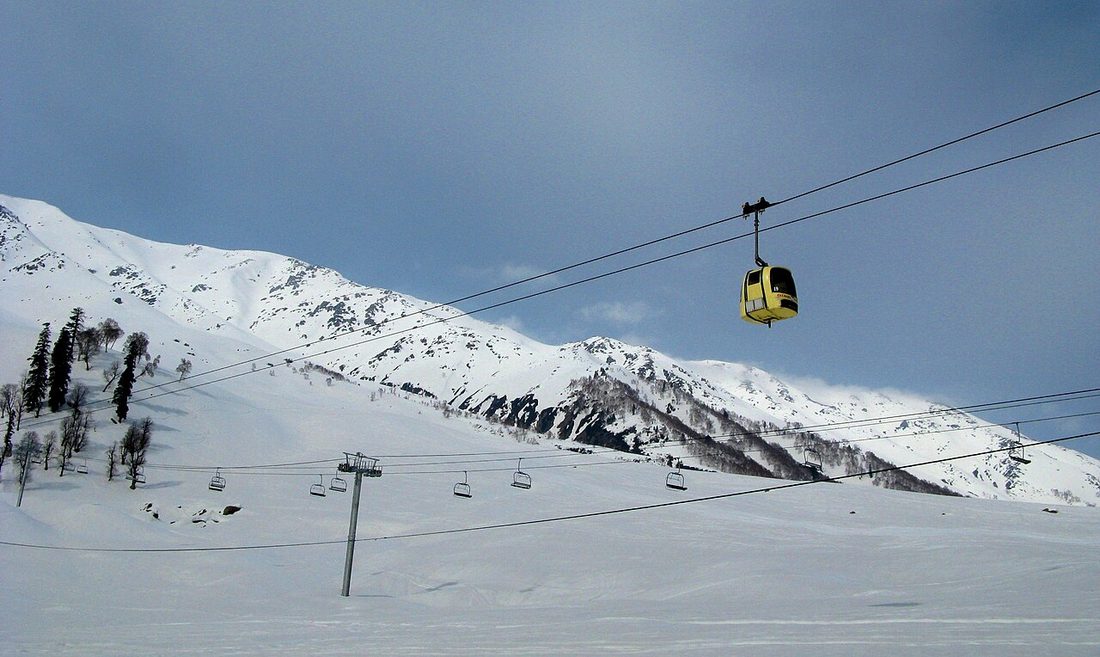
Kashmir Adventure & Khilanmarg Trekking Itinerary (5N/6D)
6 Days • 5 Nights • ₹24,500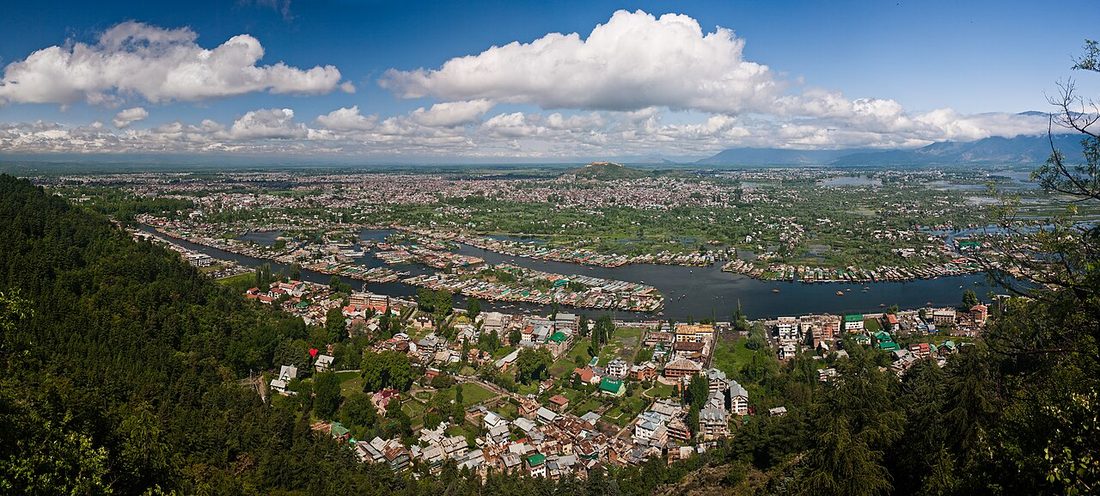
Unforgettable Jammu, Katra, Patnitop & Kashmir Valley Tour (7N/8D)
8 Days • 7 Nights • ₹29,999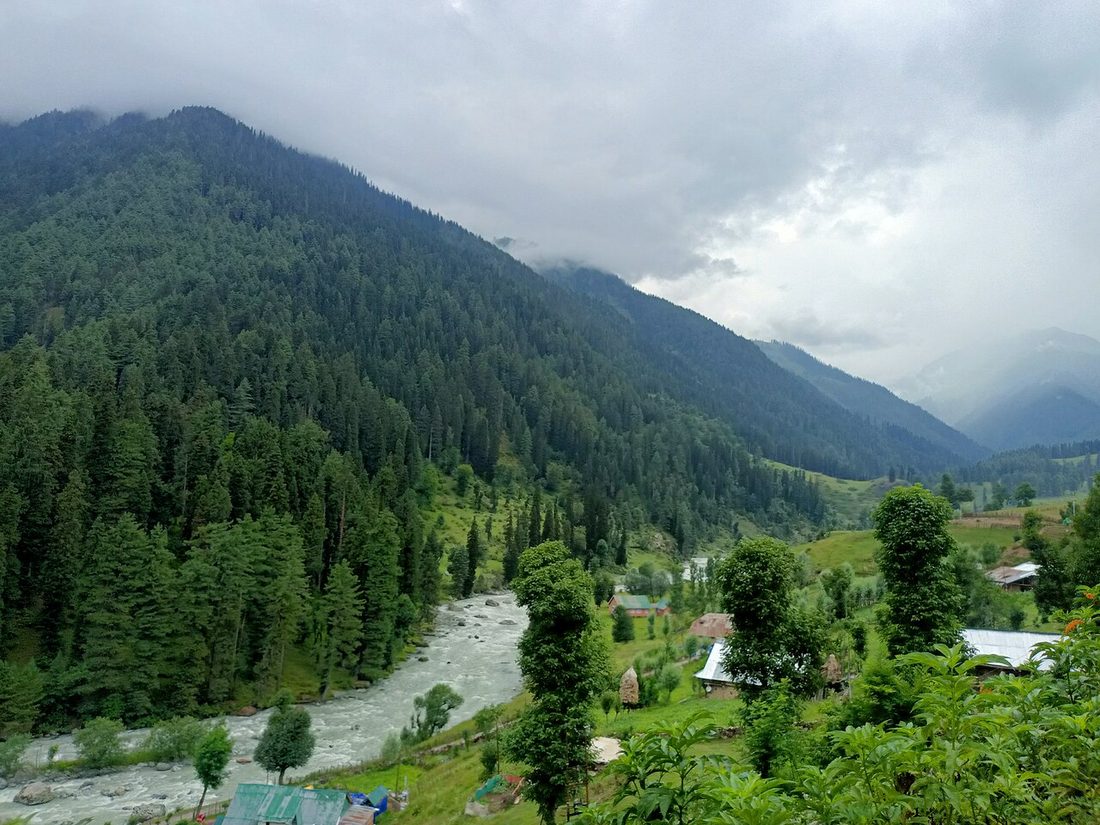
Grand Kashmir Valley & Mata Vaishno Devi Combined Tour (8N/9D)
9 Days • 8 Nights • ₹33,500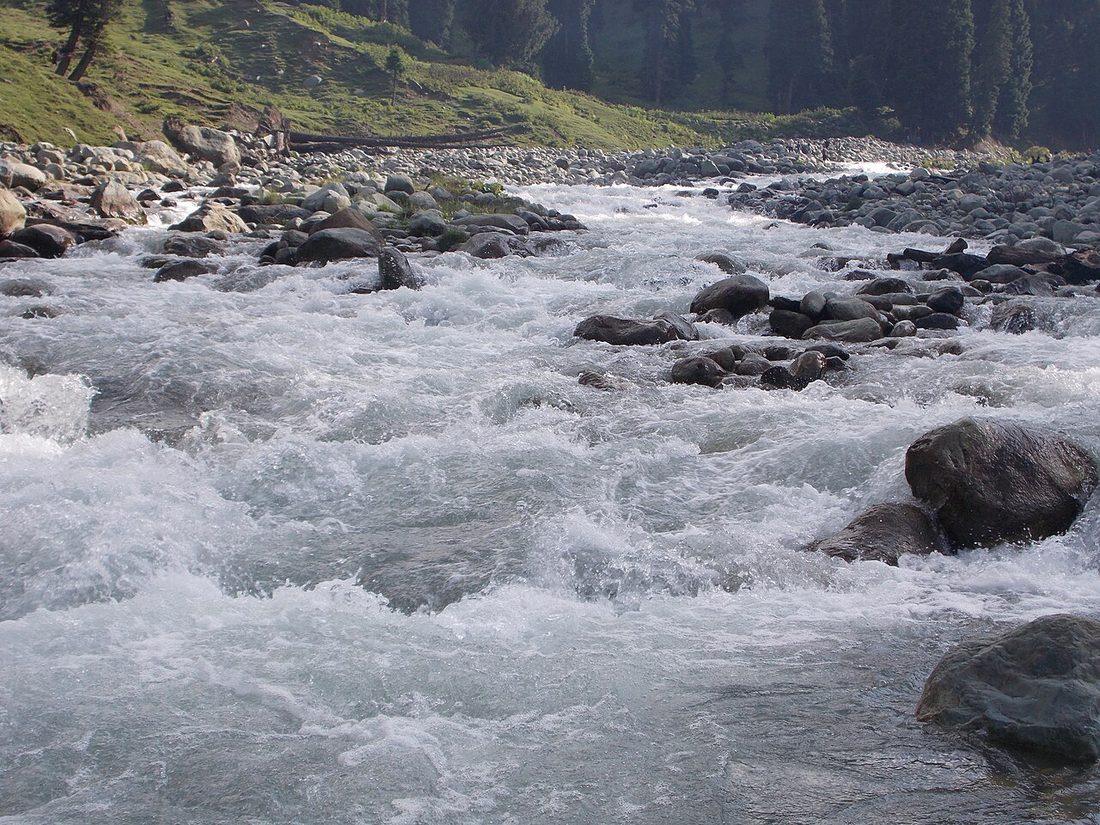
Kashmir Trout Angling & Himalayan River Fishing Expedition (5N/6D)
6 Days • 5 Nights • ₹32,500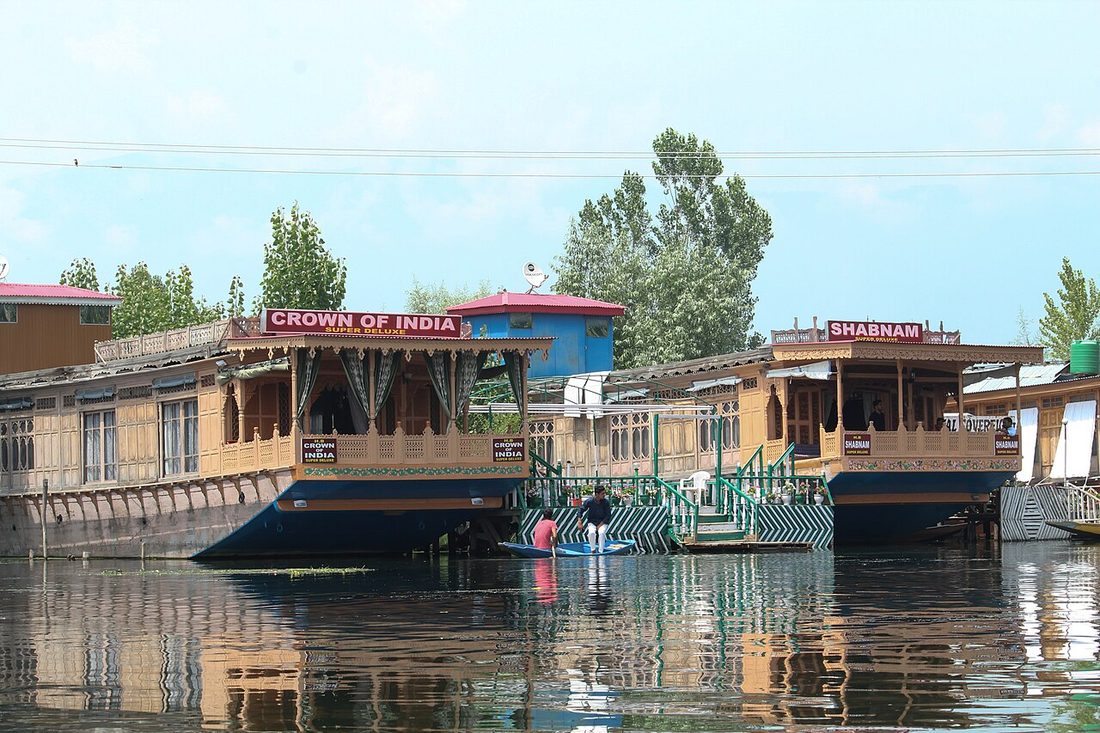
Kashmir Paradise Tour Package (5N/6D: Srinagar, Gulmarg, Pahalgam & Sonamarg)
6 Days • 5 Nights • ₹21,999Explore Nearby & Connected Destinations
Bhaderwah (Chota Kashmir) — Jai Valley, Padri Pass & Vasuki Nag Heritage
Jammu Region →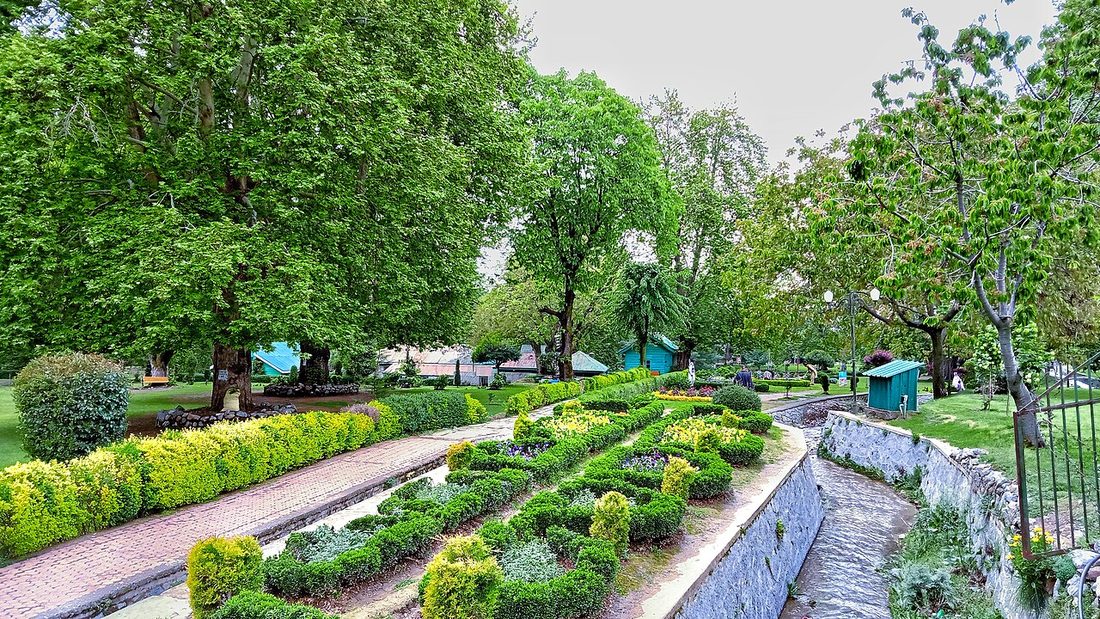
Kokernag — Kashmir’s Largest Freshwater Springs, Botanical Gardens & Trout Streams
Kashmir Valley →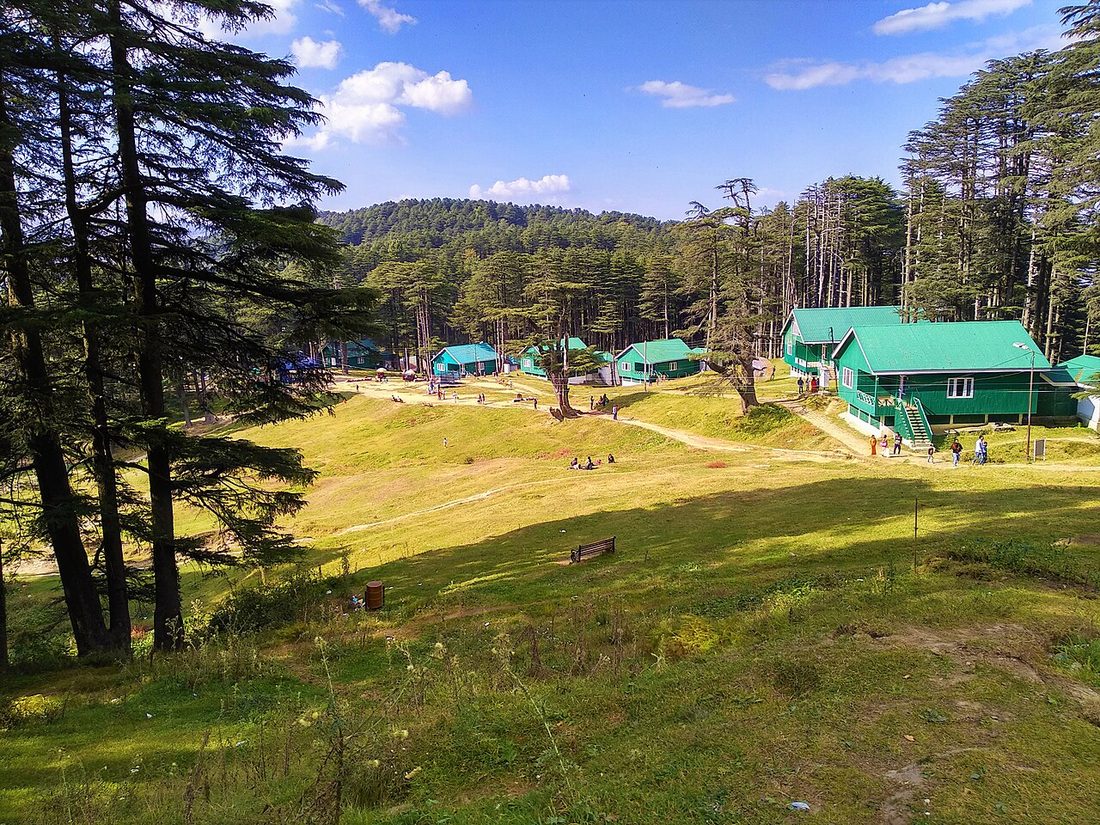
Patnitop — Deodar Pine Plateau, Nathatop Ridge & Jammu’s Classic Hill Station
Jammu Region →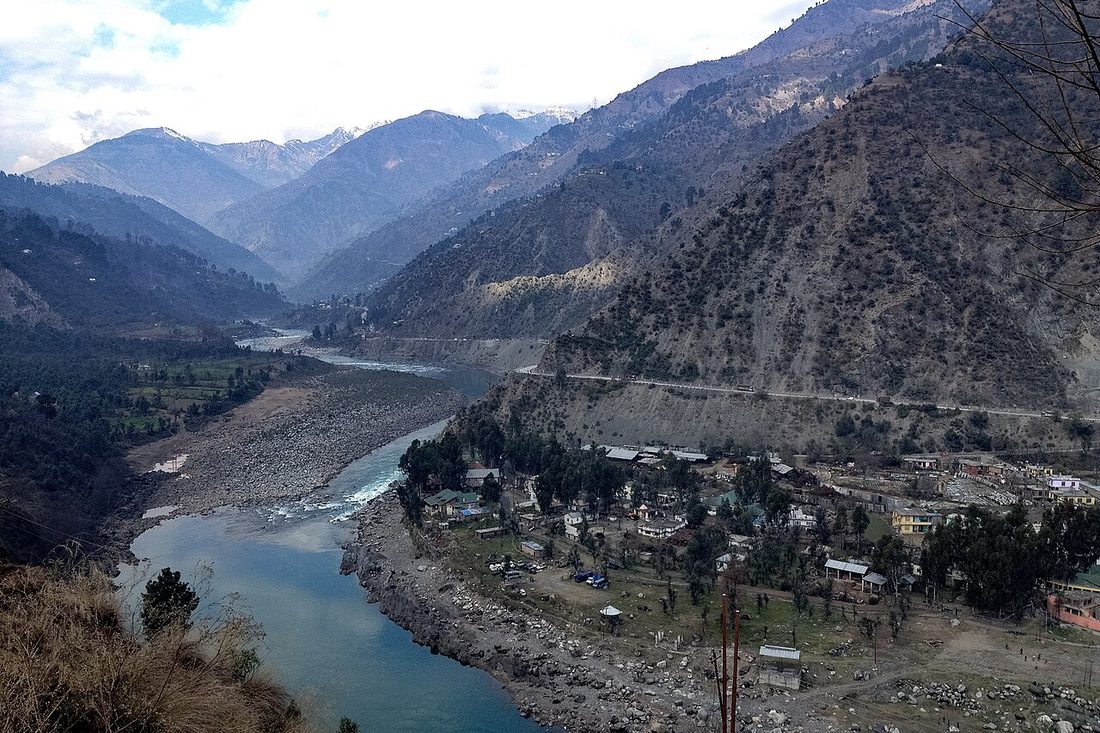
Ramban — Chenab River Gorge, NH-44 Highway Hub & Gateway Between Jammu & Kashmir
Jammu Region →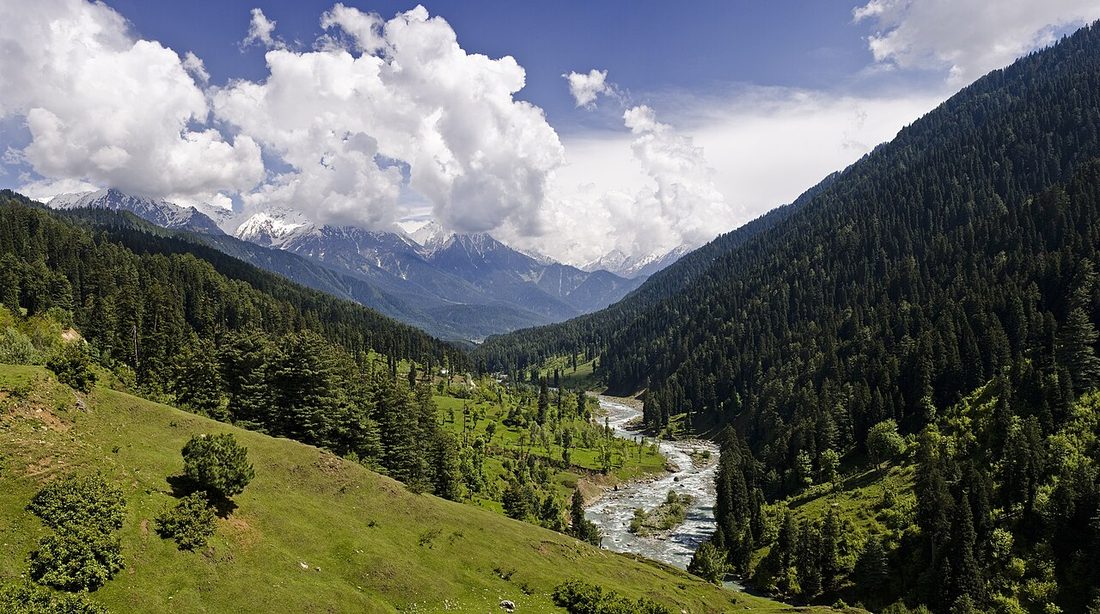
Pahalgam — Valley of Shepherds, Lidder River & Pine Trails
Kashmir Valley →