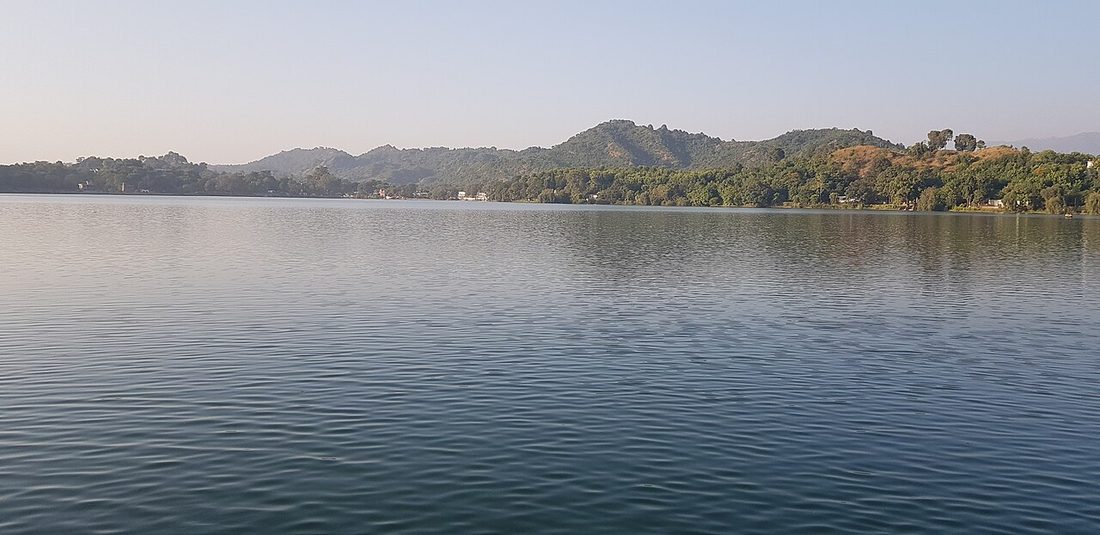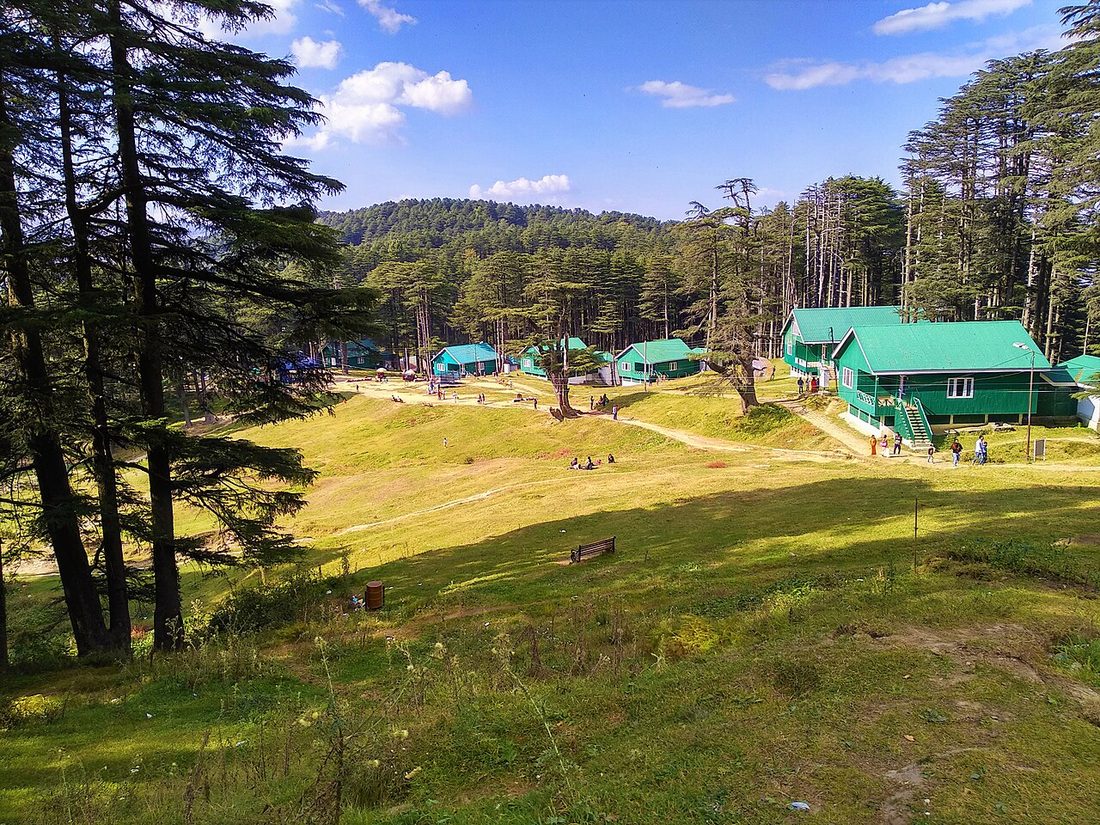
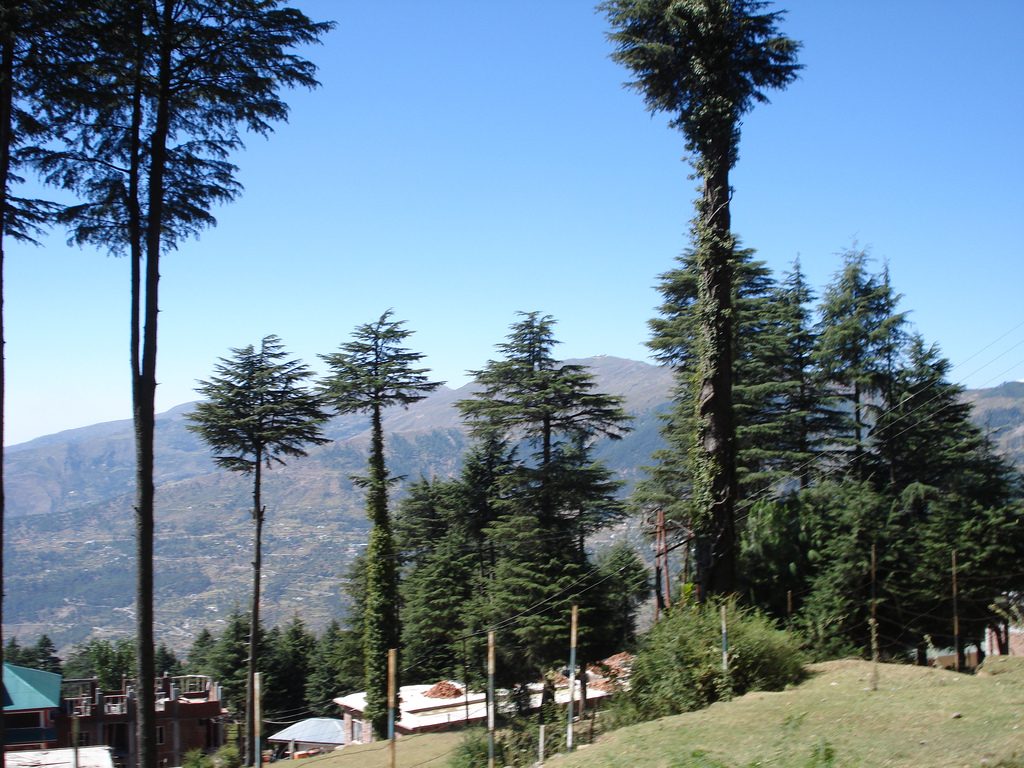
Around forty minutes north of Udhampur, right after your cab peels off the four-lane highway before the mouth of the Chenani-Nashri Tunnel, the air through the open window changes almost on a knife-edge. Down in Jammu, late May afternoons sit at an unforgiving 42°C; by the time you wind past Kud’s tin-roofed sweet stalls and roll onto the pine-shaded shoulders of Patnitop at 2,024 metres, the thermometer drops nearly twenty degrees and the whole ridge smells of warmed Himalayan cedar resin and damp moss.
For decades, Patnitop carried the mixed blessing of sitting smack on the old Jammu–Srinagar National Highway. Every apple truck, oil tanker, and army convoy bound for the Kashmir Valley had to grind up its switchbacks, coughing diesel over the deodars. That era ended once the 9.2-kilometre Dr. Syama Prasad Mookerjee Tunnel (still called the Chenani-Nashri Tunnel by every local driver) pulled commercial freight underground straight toward Ramban and the Chenab river gorge. What remained behind on the ridge is a far quieter, cleaner hill station than older guidebooks remember—one where morning walks along the Circular Road actually sound like wind through blue pines rather than air horns.
Locals still know the plateau by its Dogra root name, Patan Da Talab, meaning the Pond of the Princess. Oral tradition holds that a royal princess bathed in a clear forest spring near the upper meadow before British-era surveyors and later highway engineers simplified the syllables into Patnitop. Whether you are tacking two cool nights onto a pilgrimage to Mata Vaishno Devi in Katra or breaking up the long overland run from Jammu into Kashmir on one of our combined Jammu, Katra, Patnitop, and Kashmir Valley itineraries, knowing how this ridge actually works on the ground makes all the difference between a hurried highway lunch stop and a genuinely restorative mountain break.
How the Chenani-Nashri Tunnel Changed the Approach to Patnitop
First-time drivers coming up from Jammu Airport (112 km, roughly three hours in a private sedan or Innova) frequently make one avoidable mistake: they stay glued to the brand-new NH-44 carriageway and zip straight through the Chenani-Nashri Tunnel, emerging near Nashri and realising they have bypassed Patnitop altogether. To reach the hill station, watch carefully for the Chenani / Kud exit just south of the tunnel portal. That diversion puts you onto the old double-lane mountain road—now smooth, lightly trafficked, and deeply scenic as it climbs through wooded ravines beside seasonal waterfalls.
If you arrive by train, two stations make life remarkably easy. Jammu Tawi connects every corner of India via Rajdhani, Vande Bharat, and Sampark Kranti services, while Martyr Captain Tushar Mahajan (Udhampur Railway Station) sits only 47 km south of Patnitop—barely ninety minutes by taxi. Families returning down from the Bhawan trek often drive straight from Katra via Domel and Jhajjar Kotli’s clear Shivalik stream or take the scenic Reasi–Udhampur link, reaching Patnitop in about two and a half hours (82 km). State buses from Jammu’s General Bus Stand still ply the route, though they take closer to five hours with village stops and are rarely worth the fatigue if you have elders or children along.
The Mandatory Kud Pit Stop: Hot Patisa and Kaladi Kulcha
No regional driver worth his salt passes Kud (10 km before Patnitop, at 1,738 m) without slowing to a crawl beside the row of glass-fronted mithai counters lining the bazaar. Kud is famous across North India for patisa—not the chalky, overly sweet boxed variety sold in city supermarkets, but flaky, golden gram-flour confection pulled warm from brass trays and glistening with pure mountain desi ghee. Buy a half-kilo box from Prem Sweets or one of the neighbouring family counters while it is still faintly warm; the cold ridge air outside turns it crisp in minutes.
If your stomach wants savoury instead of sweet, ask any Kud or Patnitop tea-stall owner for a freshly griddled kaladi kulcha. Kaladi is Jammu’s prized stretched-curd artisan cheese, traditionally shaped in nearby Ramnagar and Chenani villages. Tossed onto a cast-iron tawa in its own butterfat without added oil, the puck crisps into a salty golden crust while turning molten inside, then gets tucked into a toasted bun with shredded cabbage, sliced onions, roasted cumin, and sharp wild pomegranate (anardana) chutney. Pair it with a glass of salted namkeen tea or sweet cardamom chai, and you have the quintessential Shivalik highway snack.
If you are heading up to Patnitop only for a day trip from Katra or Udhampur, consider parking your cab at Sanget Valley (near Chenani, ~1,270 m) and riding the Skyview by Empyrean Gondola straight onto the plateau. You skip the last 40 minutes of hairpin climbing, glide high above untouched pine canopies in 12 minutes flat, and step directly into the Patnitop terminal with zero hill-parking hassles on busy summer weekends.
What Actually Makes Patnitop Worth Two Unhurried Nights
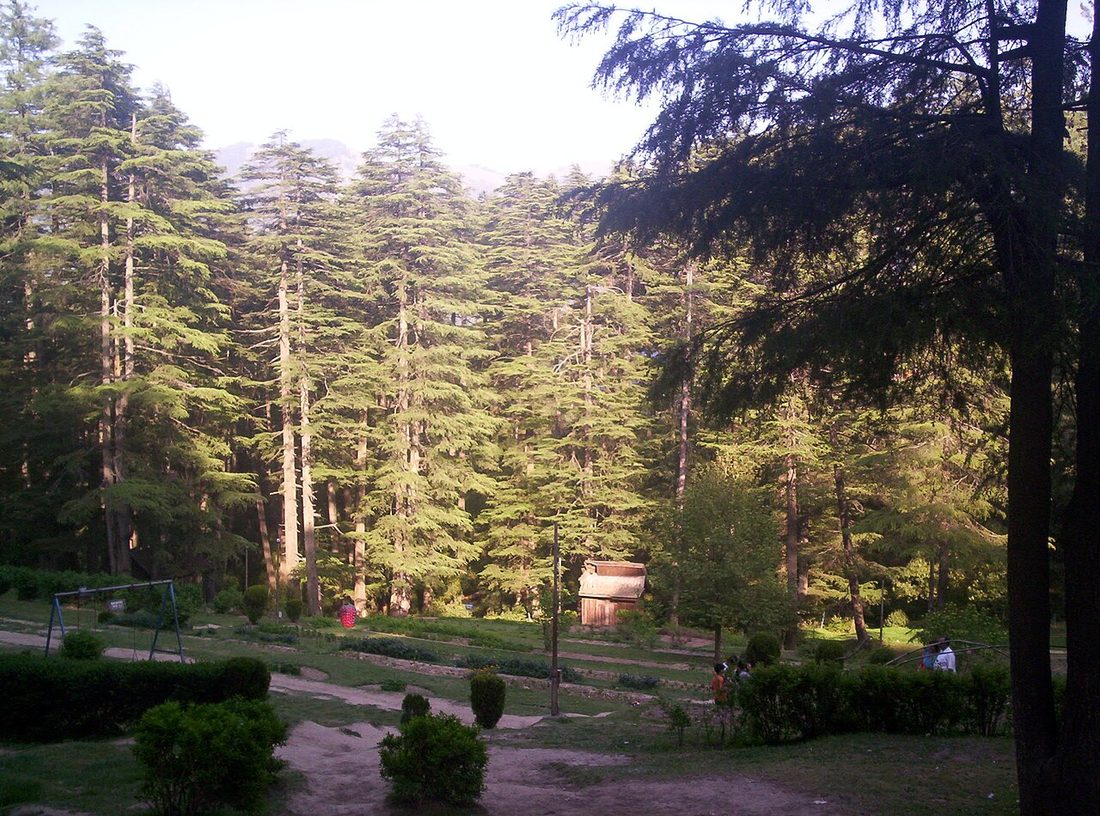
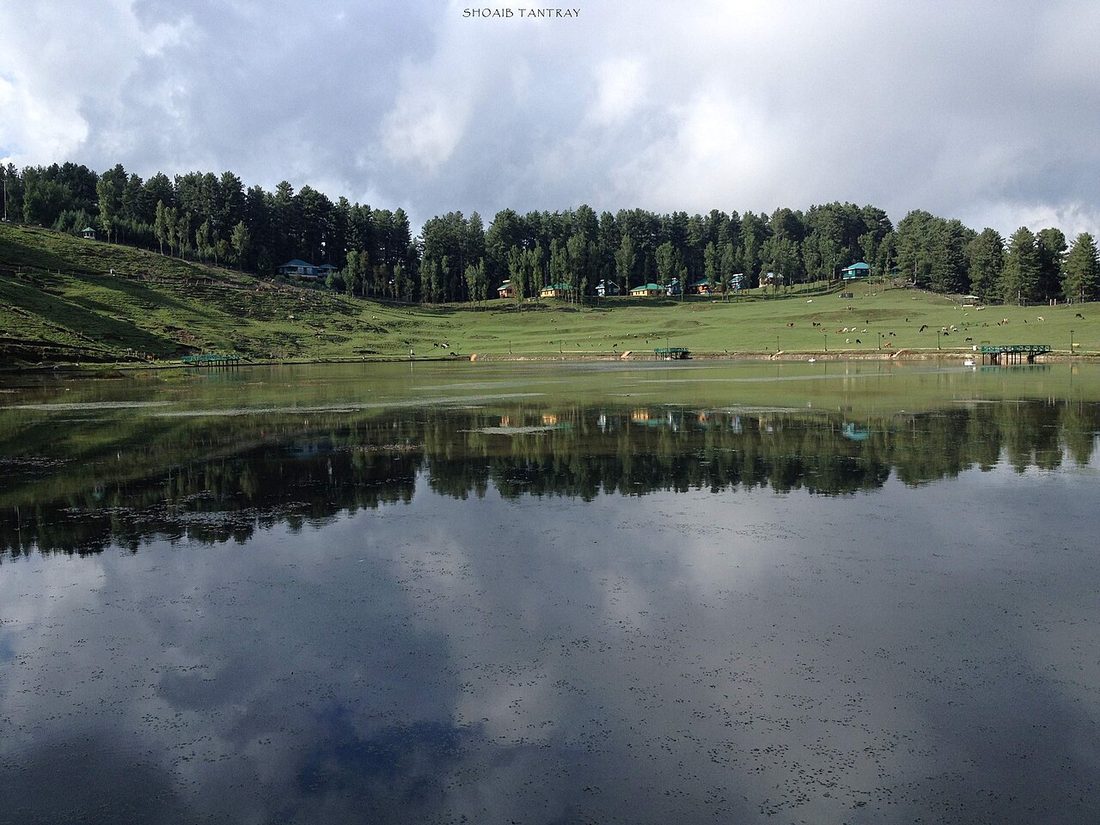
Day-trippers who roll into the main Patnitop bus-stand roundabout at noon, snap ten selfies beside the concrete railing, eat an overpriced plate of chowmein, and leave by 3:00 PM inevitably wonder what the fuss was about. Patnitop does not reveal itself at the taxi stand. Its real pleasure lives along the quiet forest contours radiating half a kilometre outward, where old colonial-era dak bungalows, moss-covered cedar trunks, and sudden clearings open onto the snow-crested Pir Panjal wall to the north.
1. Skyview by Empyrean: Sanget to Patnitop Gondola & Mountain Park
Built with French POMA engineering, the 2.8-kilometre Skyview Gondola carries enclosed eight-seater cabins from Sanget Valley up to Patnitop in roughly twelve minutes, clearing over 65 metres above the valley floor at its highest span. Even if you drove up via Kud, taking a morning return ride gives you an eagle’s-eye angle on terraced Dogra hamlets and oak-to-deodar slopes. The complex also operates a 580-metre zigzag zipline, a year-round synthetic tubing track, magic carpet rides for kids, mountain bikes, and a clean dining deck. Budget roughly ₹1,200–₹1,500 per adult for return gondola tickets (combo passes cut activity costs), and aim for 9:30 AM–11:30 AM departures before afternoon gusts pause operations.
2. Nathatop (2,711 m): Snow Slopes, Paragliding & Kishtwar Views
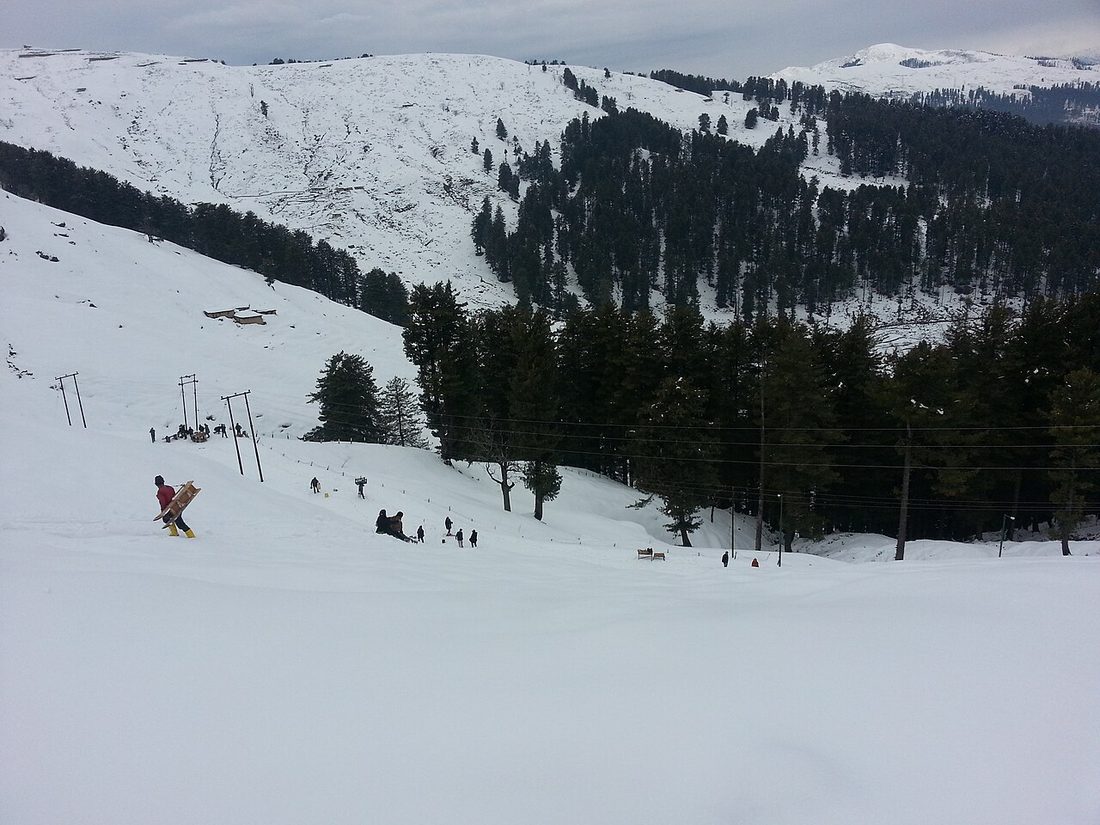
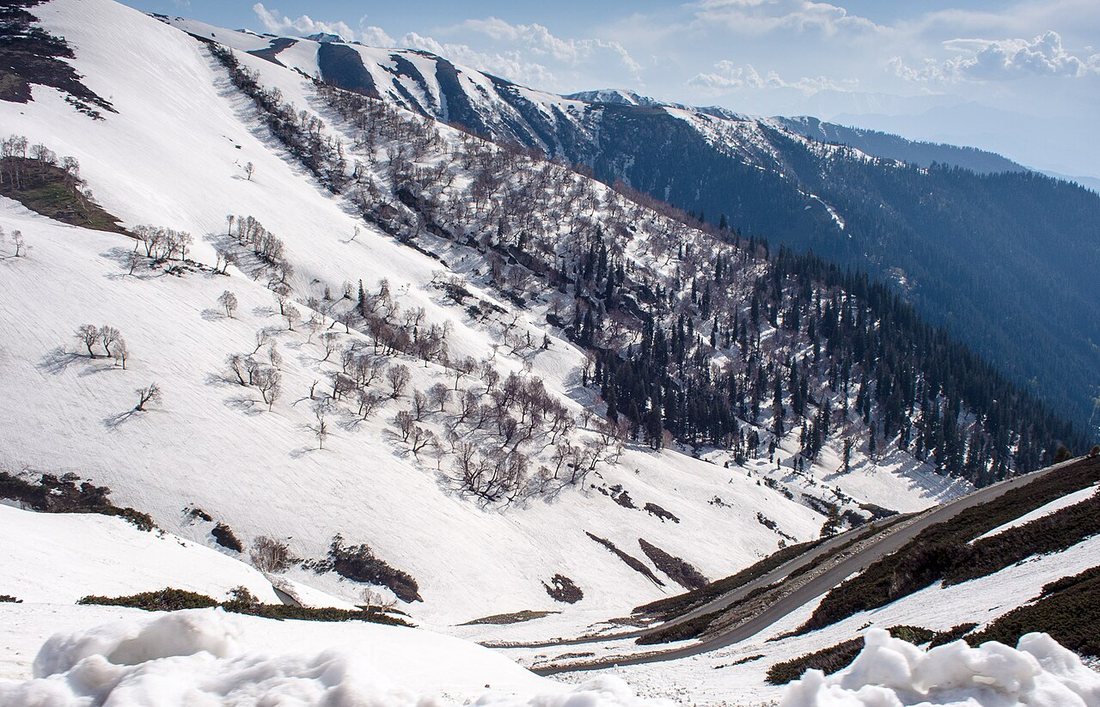
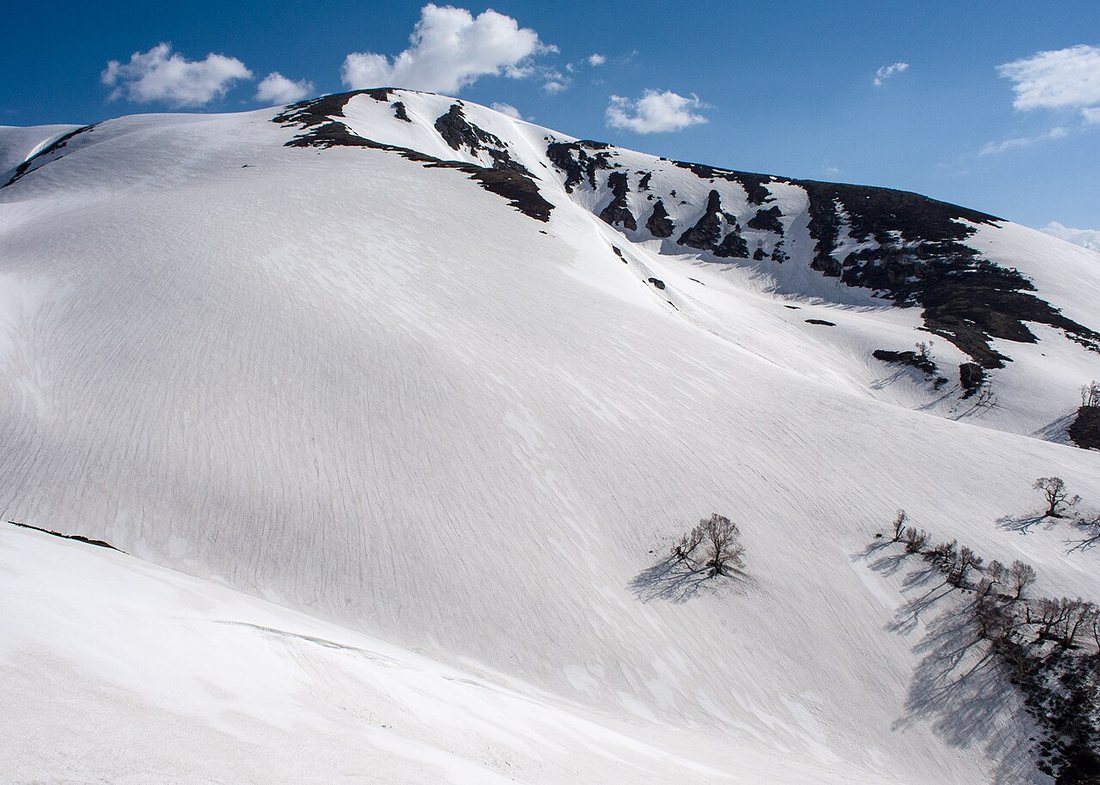
Fourteen kilometres uphill toward Sanasar lies Nathatop, a bald wind-scoured crest rising nearly 700 metres above Patnitop town. On crisp mornings, the Chenab gorge drops away below while Kishtwar’s twin Brahma spires gleam east and the Pir Panjal stretches west like a snow sawblade. From early January through late February—and often into early March—Nathatop holds two to four feet of snow long after Patnitop turns slushy; settle toboggan or sled prices firmly before hopping on. Between April and October, the ridge doubles as Jammu’s premier tandem paragliding launch pad down toward Sanasar meadow. Carry sunglasses and high-SPF sunscreen: zero shade at 2,700 metres means bright UV glare bites fast even in chilly wind.
3. The 600-Year-Old Naag Mandir & Billoo Ki Powri
Bypass the taxi-stand touts and stroll fifteen minutes through towering cedars to Naag Mandir, a 600-year-old wooden shrine dedicated to Nag Devta. Weathered deodar beams, quiet stone flagging, and forest birdsong give it genuine antiquity—until Nag Panchami fills the glade with regional villagers and brass drums. Close by hides Billoo Ki Powri, roughly 270 dressed sandstone steps carved into the slope during Maharaja Ranbir Singh’s era to shorten the historic foot route from Kud. Walking even part of its mossy descent shows how royal couriers crossed these ridges before tarmac existed.
4. Circular Road & Padora Enclave Mornings
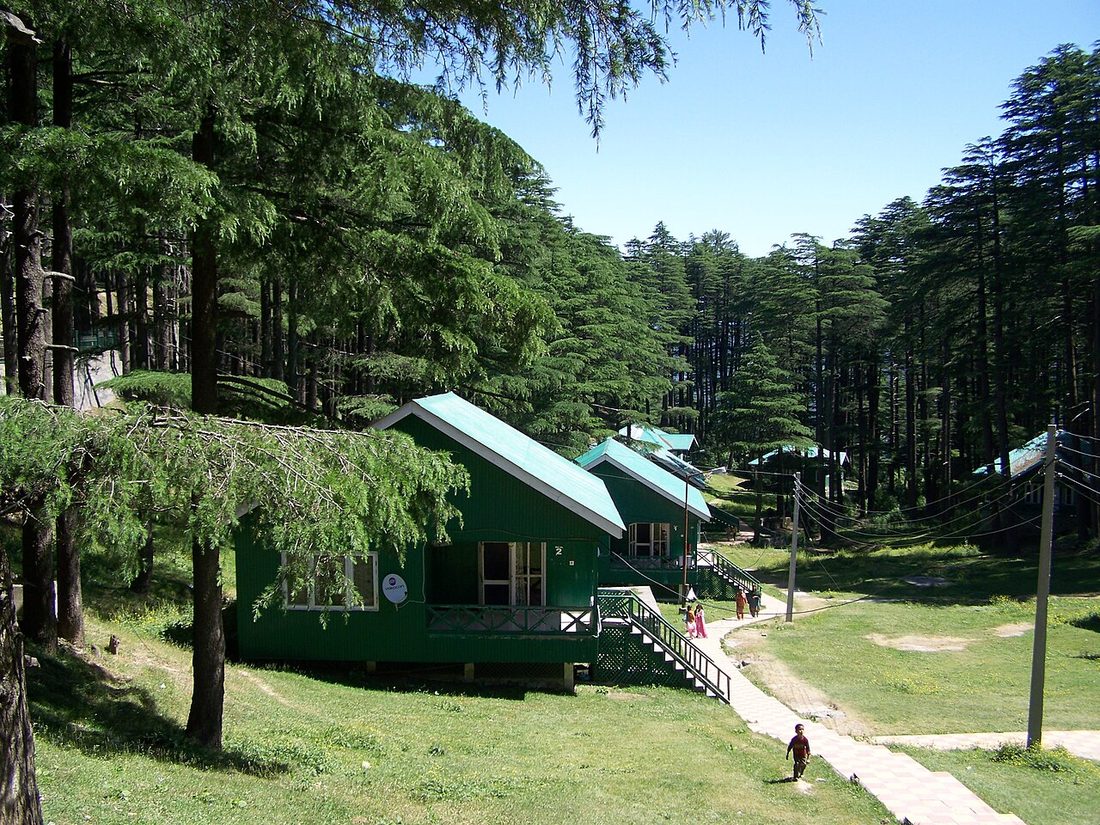
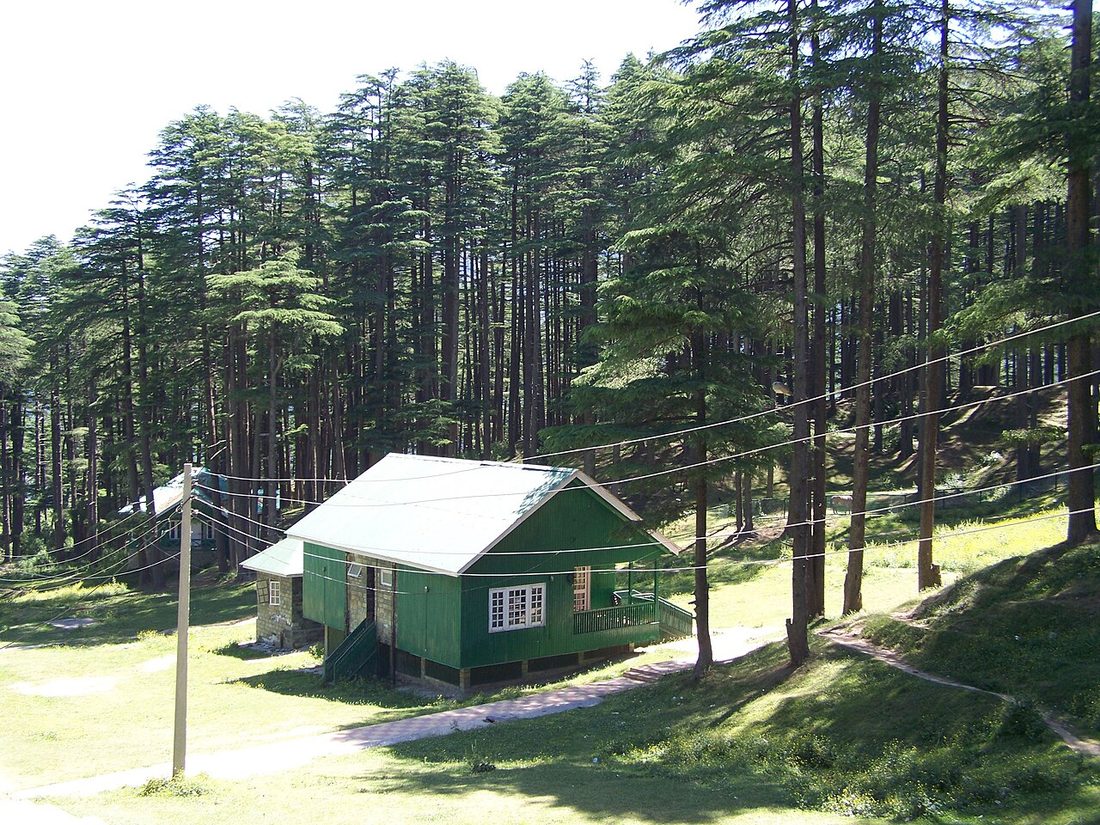
Slip on a light fleece at 6:30 AM—even in June—and walk the level 3-kilometre Circular Road past JKTDC huts and Padora Enclave. Unlike steep hill towns such as Shimla where every errand becomes a calf-burner, Patnitop sits on a gentle, rolling shelf where grandparents and young children stroll comfortably beneath magpies, woodsmoke, and slanting cedar light.
Patnitop vs. Gulmarg: Honest Guidance Before You Choose
Travellers browsing Kashmir tour packages frequently ask our Srinagar desk whether Patnitop can replace Gulmarg on a winter or summer family trip. As someone who spends winters on both ridges, here is the straight, unvarnished answer: they are built for completely different jobs, and comparing them fairly prevents disappointment.
Gulmarg sits 650 metres higher in the Pir Panjal bowl with a Gondola climbing to 3,980 m, deep dry powder from December to April, and serious alpine ski runs. Patnitop, by contrast, is a mid-altitude Shivalik plateau—roughly four to five hours closer to Delhi and Punjab by train-plus-road, entirely free of altitude sickness worries, far gentler on the budget, and far easier to combine with Mata Vaishno Devi Yatra packages or a regional detour into Shiv Khori Cave Shrine. If you want guaranteed knee-deep powder in March or world-class skiing, head north into the Kashmir Valley; if you want cool pine woods, easy two-day weekend access from Jammu, or a scenic half-way breather on a grand overland circuit, Patnitop shines effortlessly.
Season-by-Season Patnitop & Nathatop Field Matrix (2026)
Patnitop genuinely earns its year-round reputation, though what you pack—and whether your regular sedan can climb past the main plateau to Nathatop—shifts dramatically by calendar month. If you are coordinating Patnitop alongside Srinagar, Pahalgam, or Sonamarg, cross-check our month-by-month Kashmir weather guide so both halves of your route align cleanly.
| Season & Months | Day / Night Temps | Snow & Road Reality | What Works Best |
|---|---|---|---|
| Peak Winter Jan – Feb |
5°C to 9°C / -3°C to 1°C | Heavy snow spells on Patnitop & Nathatop; black ice on Nathatop curves requires local chained Sumo/Bolero cabs. | Snow play, Nathatop sledging, crackling fireplace cottages, misty cedar walks. |
| Spring Thaw Mar – Apr |
12°C to 19°C / 3°C to 8°C | Patnitop roads completely clear; snow patches linger on Nathatop until mid-March; wildflowers erupt along Sanasar. | Quiet post-winter stays, Naag Mandir walks, crisp mountain clarity, Skyview rides. |
| Peak Summer May – Jun |
20°C to 26°C / 10°C to 14°C | Busiest months as Jammu & Punjab escape the plains; book stays 3–4 weeks ahead for weekends. | Paragliding from Nathatop, Sanasar camping, Kud patisa runs, evening jackets. |
| Monsoon Mist Jul – Aug |
18°C to 23°C / 12°C to 16°C | Lush moss-green pines, dramatic fog rolls; occasional landslide slowdowns along NH-44 near Ramban/Nashri. | Low hotel tariffs, emerald forests, unhurried cottage reading with hot kahwa & pakoras. |
| Crisp Autumn Sep – Nov |
11°C to 20°C / 2°C to 9°C | Clearest Himalayan panoramas of the entire year; dry roads, comfortable daytime sun, chilly nights by November. | Photography of Brahma & Pir Panjal peaks, Shank Pal ridge trek, zero crowds. |
| Early Winter Dec |
7°C to 12°C / -2°C to 3°C | Dry cold early December; first season snowfalls typically arrive between Christmas and New Year week. | Year-end family breaks, festive fireplaces, crisp starlit skies. |
Easy Side Trips Turning Patnitop into a 3-Day Jammu Hills Base
Stay just one night and you barely scratch the plateau; stay two nights and Patnitop unlocks a cluster of wonderfully varied Shivalik and Chenab-basin day drives without ever unpacking twice:
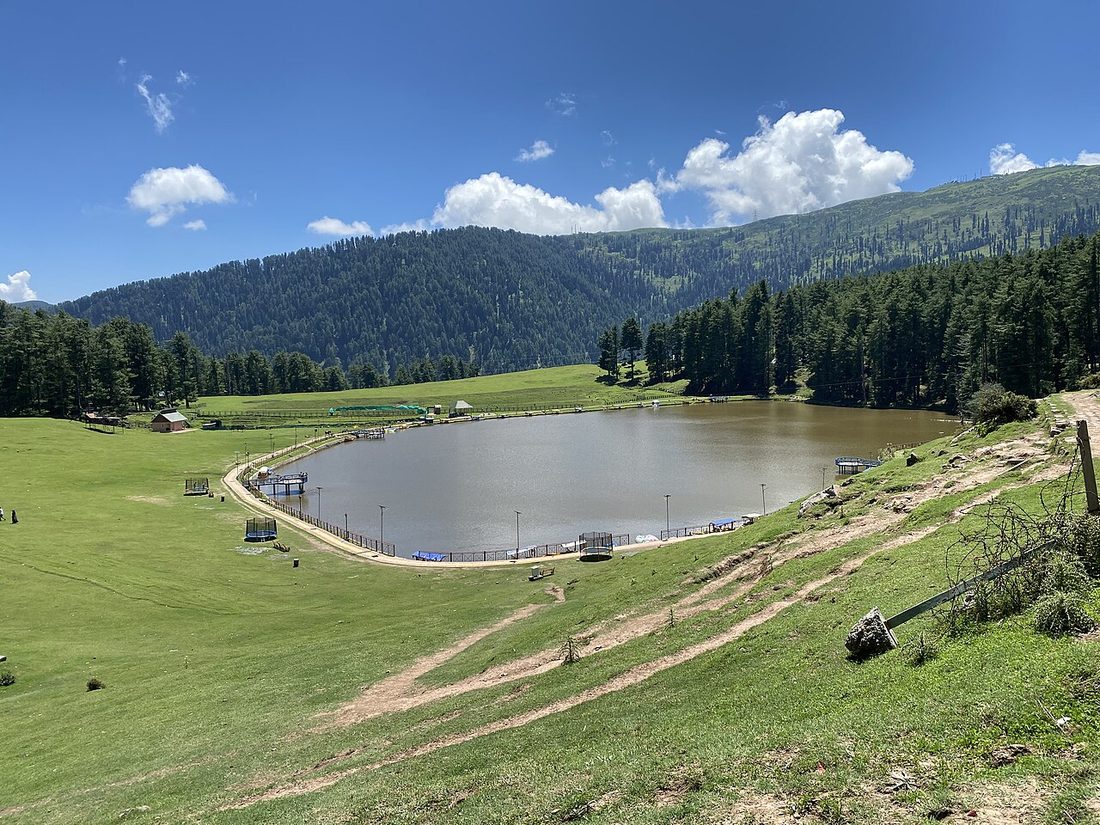
- Sanasar Cup Meadow (20 km / 45 min): Continue 6 km past Nathatop through thick conifers to reach Jammu’s prettiest saucer-shaped alpine bowl, complete with a 9-hole meadow golf course, seasonal boating tarn, tandem paragliding landings, and the dry-stone Shank Pal ridge hike.
- Sudh Mahadev & Mantalai (42 km / 1.5 hrs via Chenani): Drop down toward Chenani and veer east into pine-framed ravines to see the ancient Shiva temple housing a colossal broken black-marble trident (trishul), a natural perennial spring, and Mantalai’s tranquil mountain shrine linked to Goddess Parvati.
- Batote & Peerah Highway Lunch Run (12–28 km north): Descend the winding old northern flank into Batote—famous for cool breezy slopes and earthy local rajma chawal—or drop a little farther to Peerah for steaming ghee-laced kidney beans and anardana chutney overlooking the Chenab corridor.
- Bhaderwah ‘Chota Kashmir’ Extension (92 km / 3 hrs): If you have two extra days in hand, turn east at Batote along NH-244 toward Bhaderwah’s lavender farms, Jai Valley, and Padri Pass—still one of the most underrated scenic drives in the western Himalayas.
Where to Stay & Eat: Cottages, Dak Bungalows & Local Tables
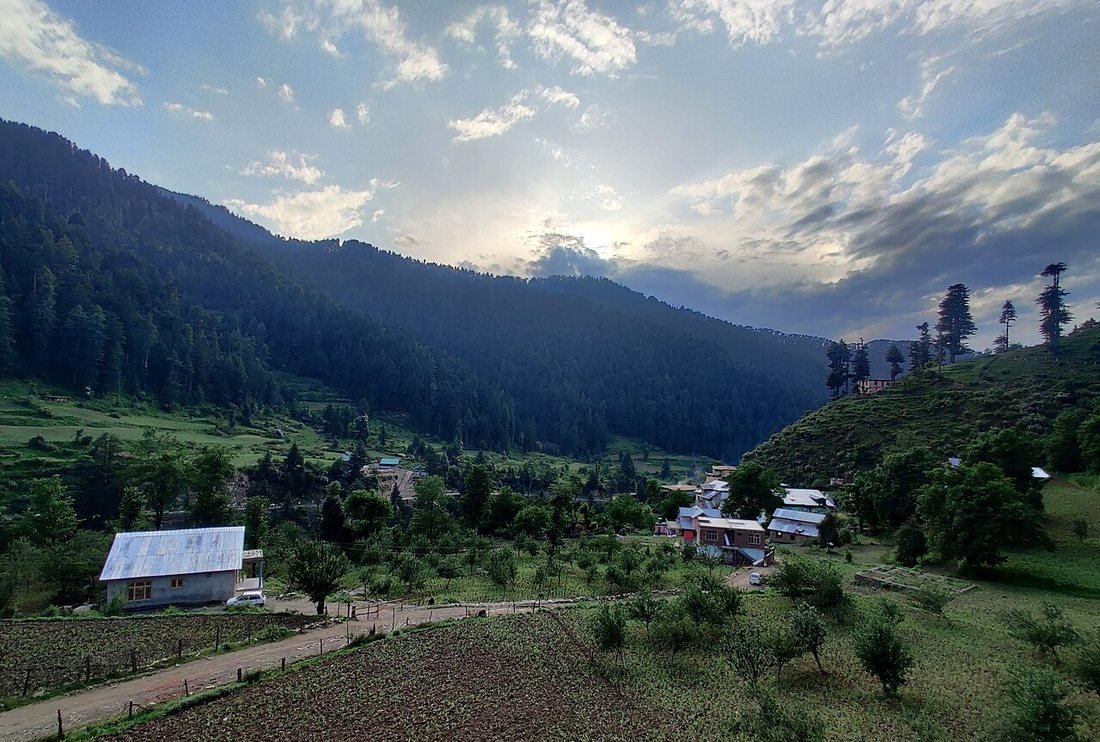
Patnitop’s lodging map splits neatly into two zones: the compact commercial strip around the main Nag Mandir road and bus stand, and the far quieter wooded fringes around Padora Enclave, Circular Road, and Kud. Unless you rely exclusively on shared taxis, avoid booking a windowless hotel right on the bazaar bend. Instead, look for timber-and-stone cottages set back inside deodar groves—many operated by J&K Tourism Development Corporation (JKTDC), whose historic huts and Dak Bungalow sit on arguably the best prime forested real estate on the entire hill, alongside polished private resorts such as Skyview’s luxury stays, Vardaan Resort, Hotel Asia The Oasis, and boutique pine-view lodges. You can compare vetted mountain stays across Jammu and Srinagar through our verified hotels and houseboats directory.
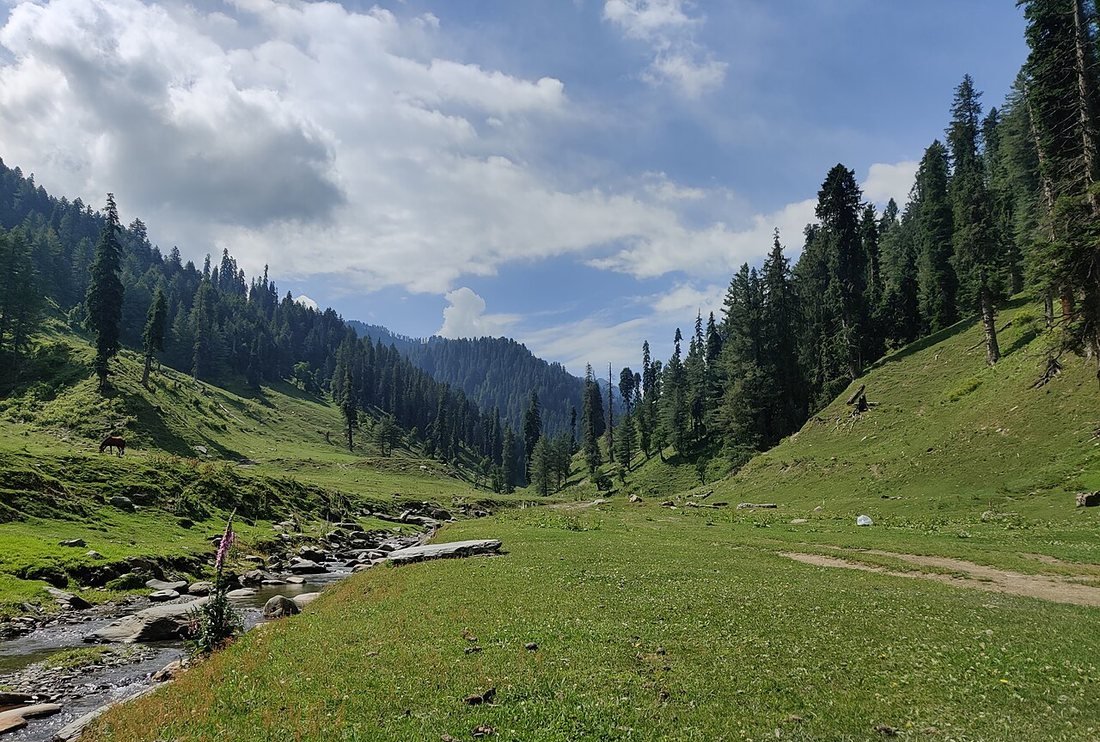
Dining in Patnitop leans hearty and homestyle rather than fine-dining flashy. Alongside Kud’s patisa and roadside kaladi kulchas, hunt down a plate of Dogra rajma chawal served with fried badi, spiced ambal (sweet-and-sour pumpkin cooked with tamarind and jaggery), or winter makki di roti with local mustard greens. On chilly evenings, roadside braziers near the main chowk roast sweet corn rubbed with lime and black salt, while small Punjabi-Dogra dhabas ladle out hot tomato soup and stuffed parathas well past 9:00 PM.
After a fresh 6-to-12-inch snowfall in January, regular tourist sedans (Dzire, Etios, or even standard Innova Crystas without chains) are halted by traffic police at Kud or near Patnitop’s lower checkpost. Keep ₹2,000–₹3,000 in cash handy to hire a local chained 4×4 Sumo or Bolero for the uphill hop to Nathatop—and always carry waterproof ankle boots rather than mesh sneakers, because midday sun melts road snow into ankle-deep ice slush.
Practical Logistics: Cabs, Mobile Signal, ATMs & Trip Pairing
Jio and Airtel 4G/5G postpaid and prepaid connections both work smoothly across Patnitop town and Kud, though coverage weakens once you drop into wooded bends toward Sanasar or climb Nathatop’s far saddle. Remember that prepaid SIM cards registered outside Jammu & Kashmir stop working the moment you enter the Union Territory—switch to postpaid before departure or pick up a local SIM at Jammu Airport. Two ATMs operate near the main Patnitop market, yet they frequently run dry on peak summer Sundays and snowy winter long weekends; carry adequate cash from Jammu, Katra, or Udhampur for pony rides, sledges, Kud sweets, and village tea stalls.
Most travellers weave Patnitop into a crisp 4-day Katra + Patnitop + Sanasar escape or a 7-to-9-day Grand Kashmir Valley and Mata Vaishno Devi tour heading north into Srinagar. Browse all 29 Kashmir, Jammu, and Ladakh destinations, inspect private-cab itineraries across our 40 tour packages, or message our Srinagar & Jammu local travel desk to lock a driver who knows every Shivalik shortcut past holiday queues.
Combine Katra, Patnitop & Kashmir Valley in One Seamless Route
Skip the stress of juggling separate Jammu taxis, Katra transfers, and Srinagar hotels. Our 7N/8D overland circuit pairs Mata Vaishno Devi darshan, deodar stays in Patnitop, Dal Lake houseboats, Gulmarg, and Pahalgam with one dedicated vehicle.
Frequently Asked Questions about Patnitop — Deodar Pine Plateau, Nathatop Ridge & Jammu’s Classic Hill Station
Recommended Itineraries Including Patnitop — Deodar Pine Plateau, Nathatop Ridge & Jammu’s Classic Hill Station
Every route below can be customized from Srinagar, Jammu, or Leh with private cabs and verified local stays.
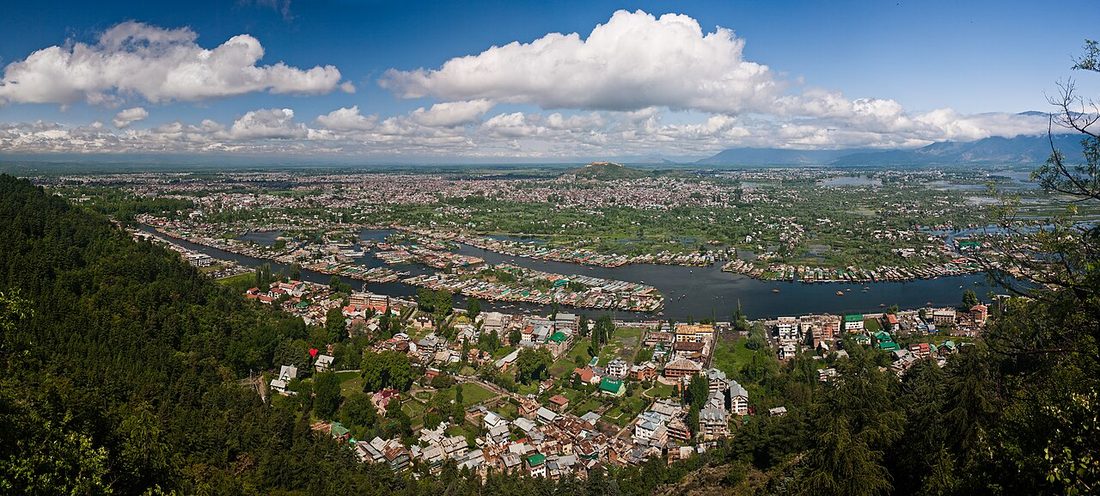
Unforgettable Jammu, Katra, Patnitop & Kashmir Valley Tour (7N/8D)
8 Days • 7 Nights • ₹29,999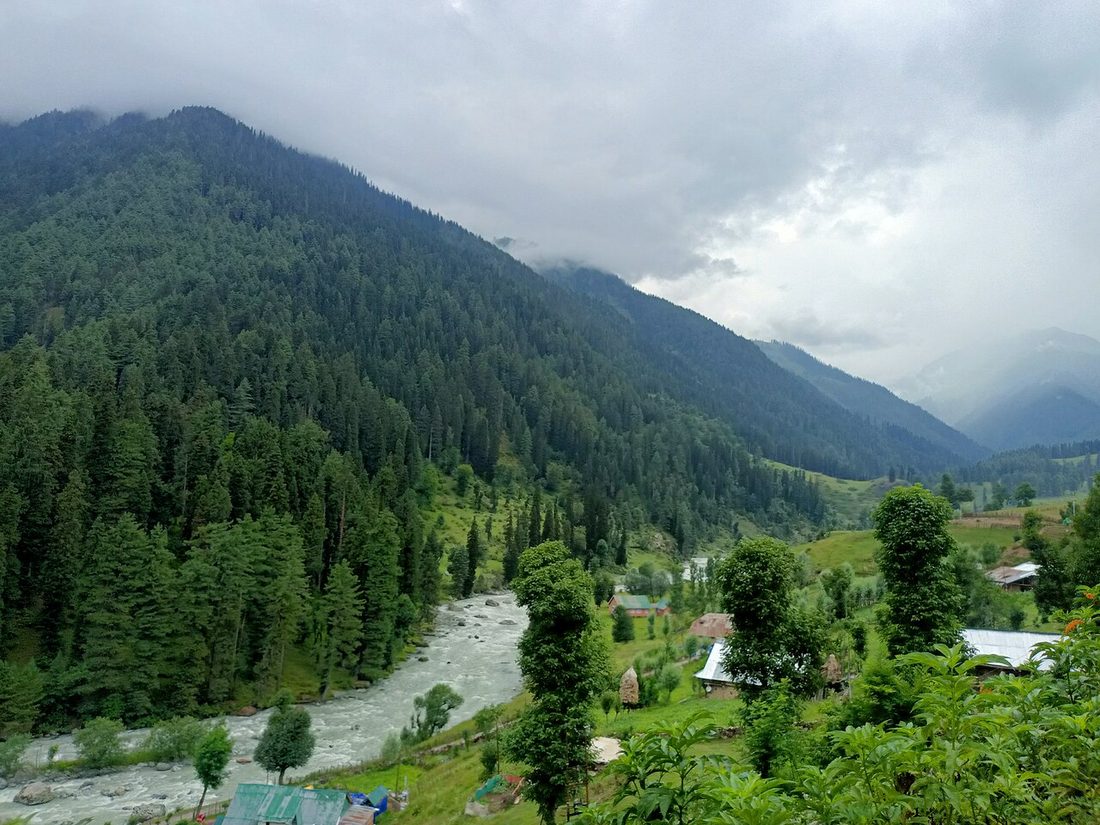
Grand Kashmir Valley & Mata Vaishno Devi Combined Tour (8N/9D)
9 Days • 8 Nights • ₹33,500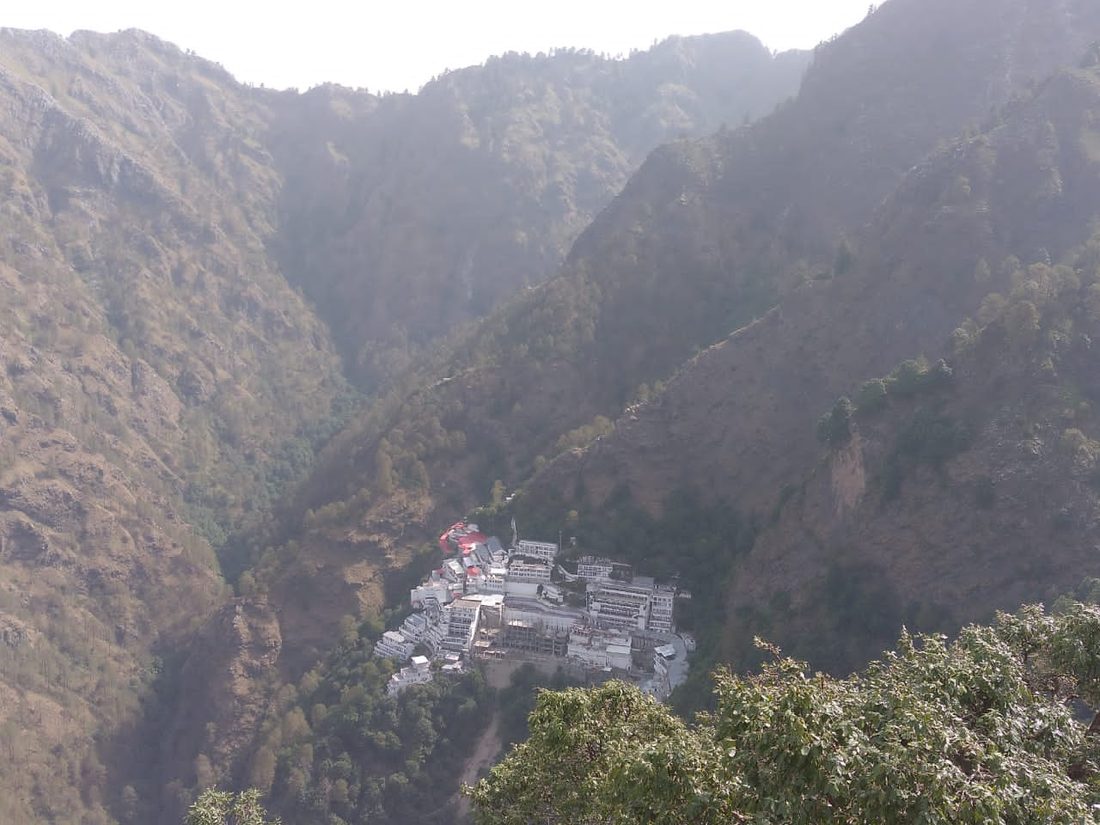
Mata Vaishno Devi Yatra & Katra Pilgrimage Package (3N/4D)
4 Days • 3 Nights • ₹12,500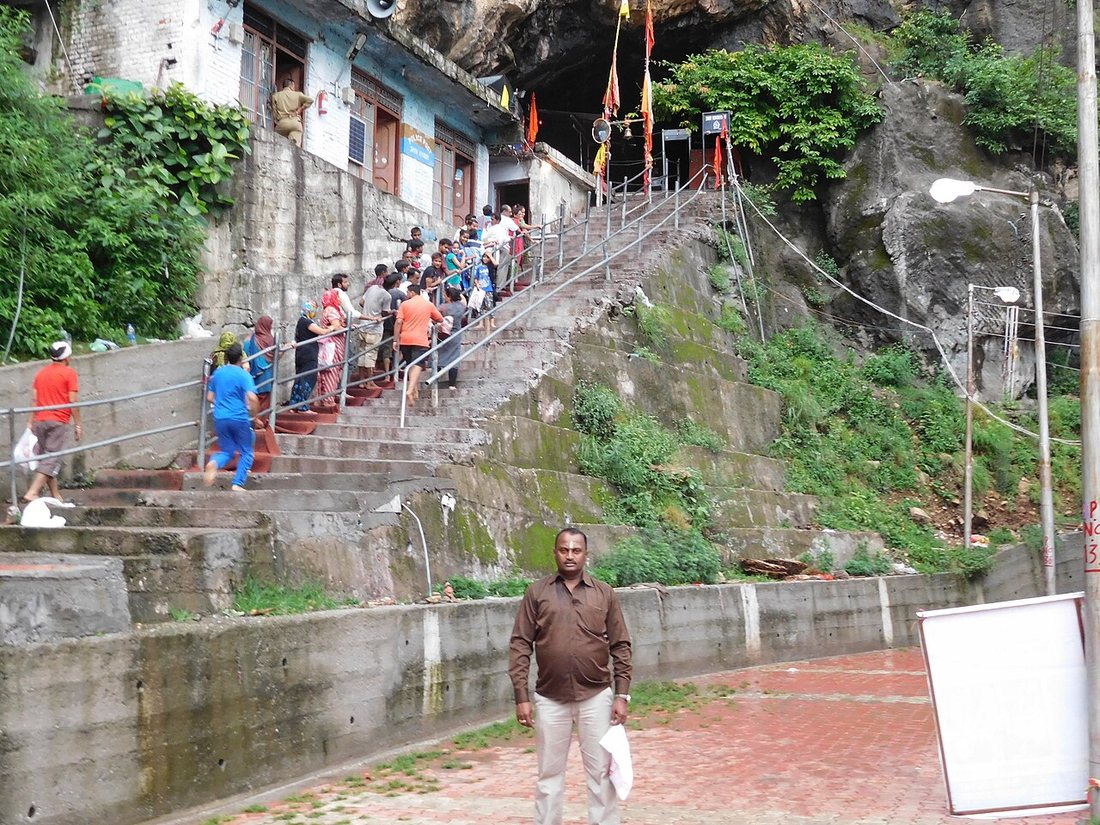
Shiv Khori Cave Shrine, Baba Dhansar & Katra Pilgrimage Tour (2N/3D)
3 Days • 2 Nights • ₹10,999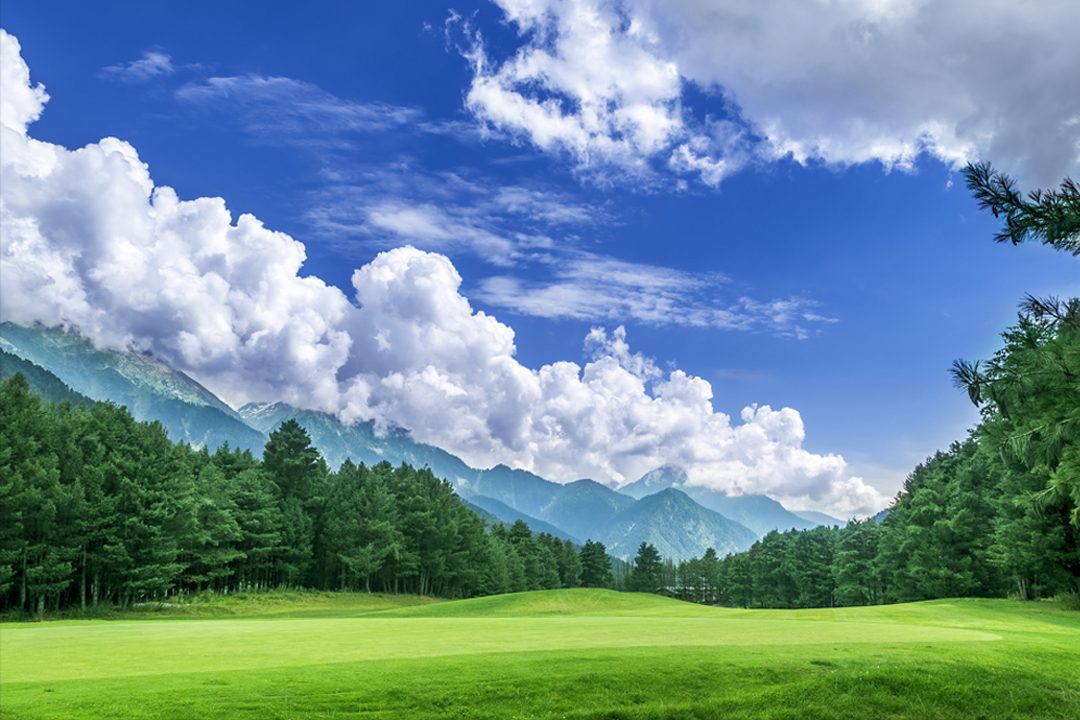
7-Day Kashmir Family Holiday Itinerary (6N/7D Comfort Valley Circuit)
7 Days • 6 Nights • ₹28,999Explore Nearby & Connected Destinations
Sanasar — Cup-Shaped Alpine Meadow, Paragliding Ridges & Shank Pal Trek
Jammu Region →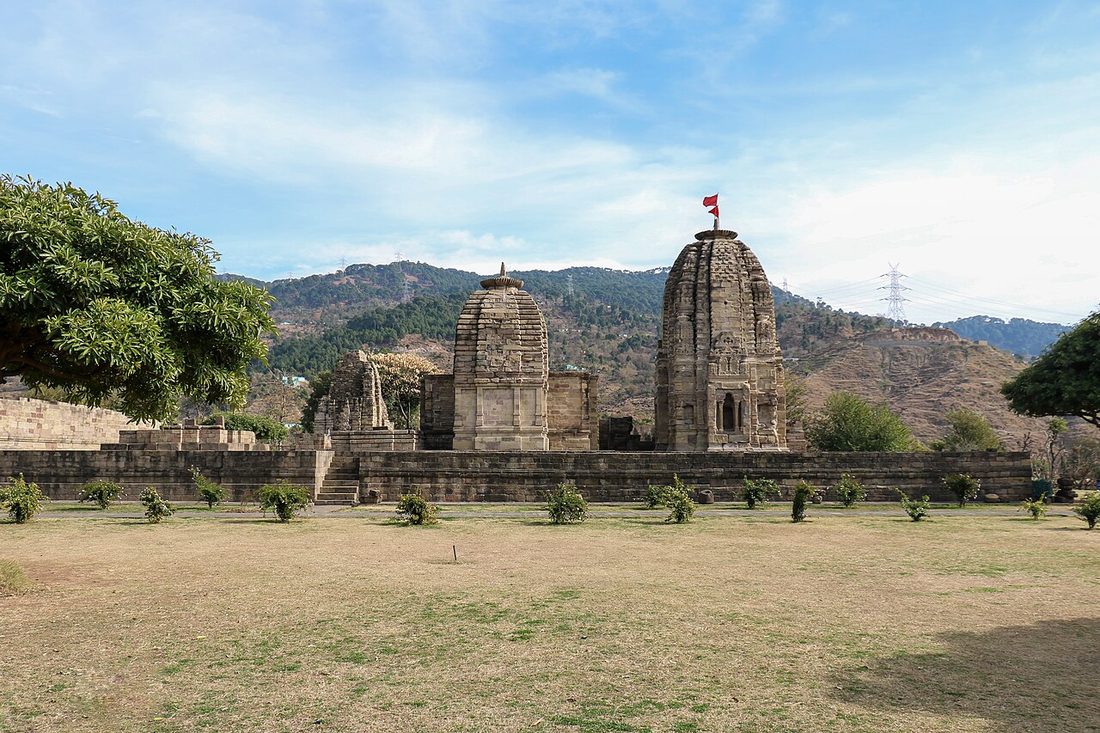
Udhampur — Krimchi Pandava Temples, Devika River & Shivalik Foothills
Jammu Region →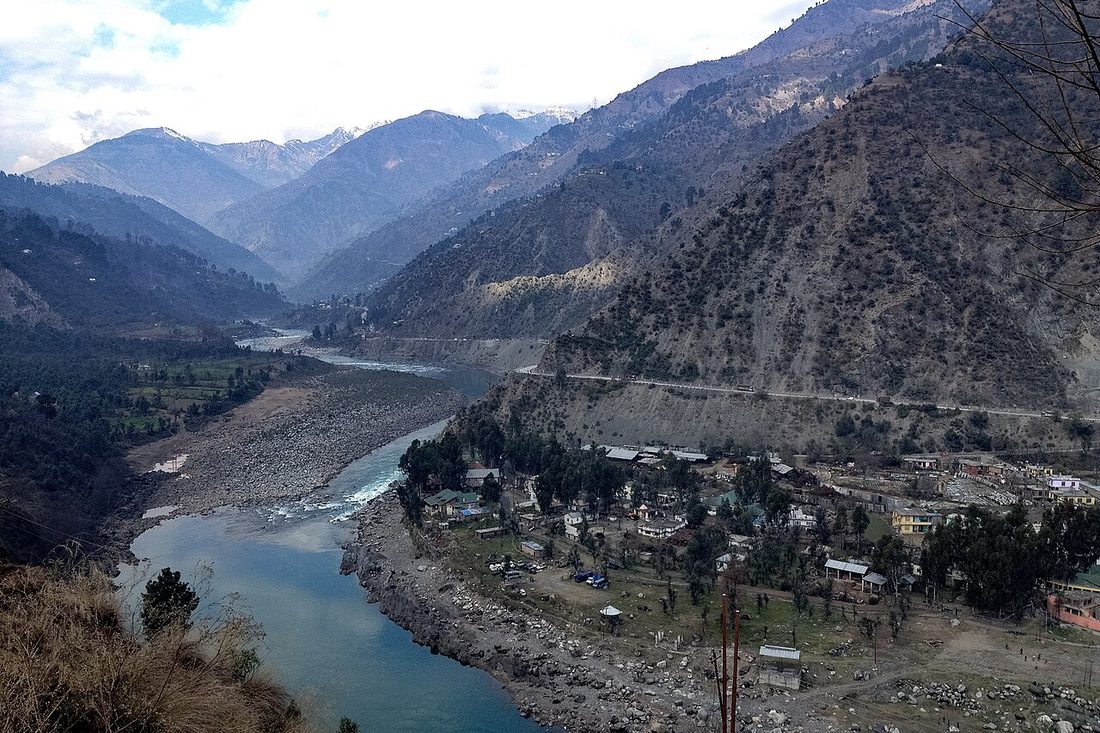
Ramban — Chenab River Gorge, NH-44 Highway Hub & Gateway Between Jammu & Kashmir
Jammu Region →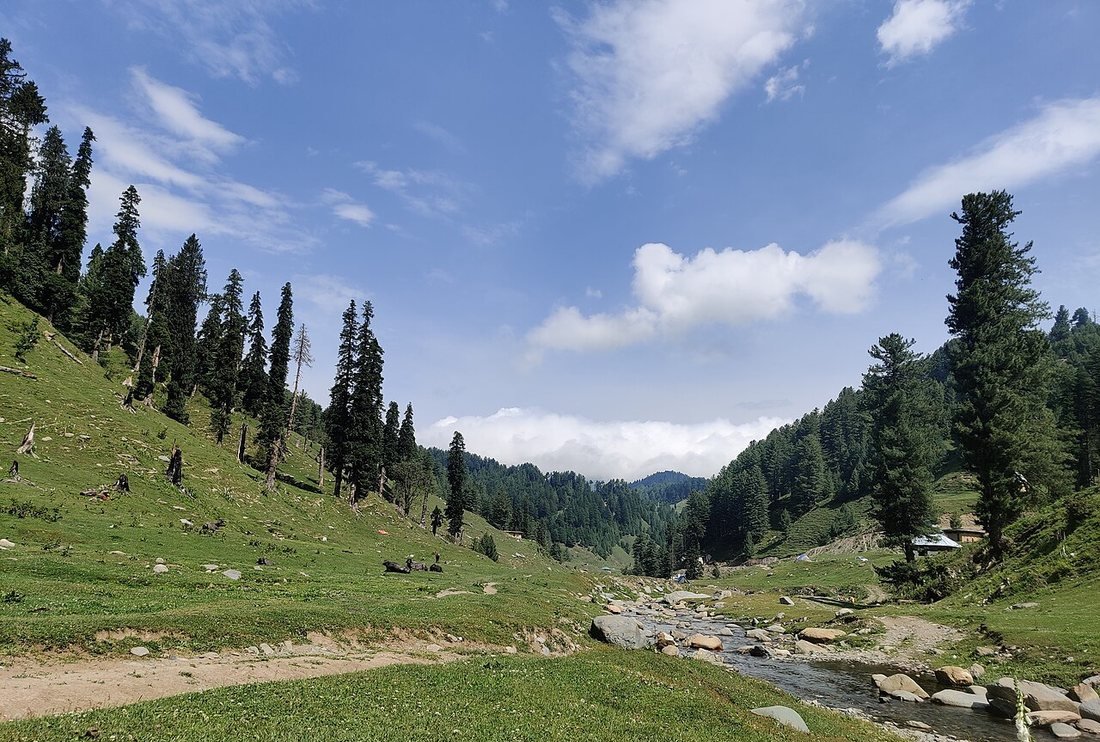
Bhaderwah (Chota Kashmir) — Jai Valley, Padri Pass & Vasuki Nag Heritage
Jammu Region →
Mata Vaishno Devi & Katra — Trikuta Hills Pilgrimage, Bhawan Trek & Helicopter Guide
Jammu Region →