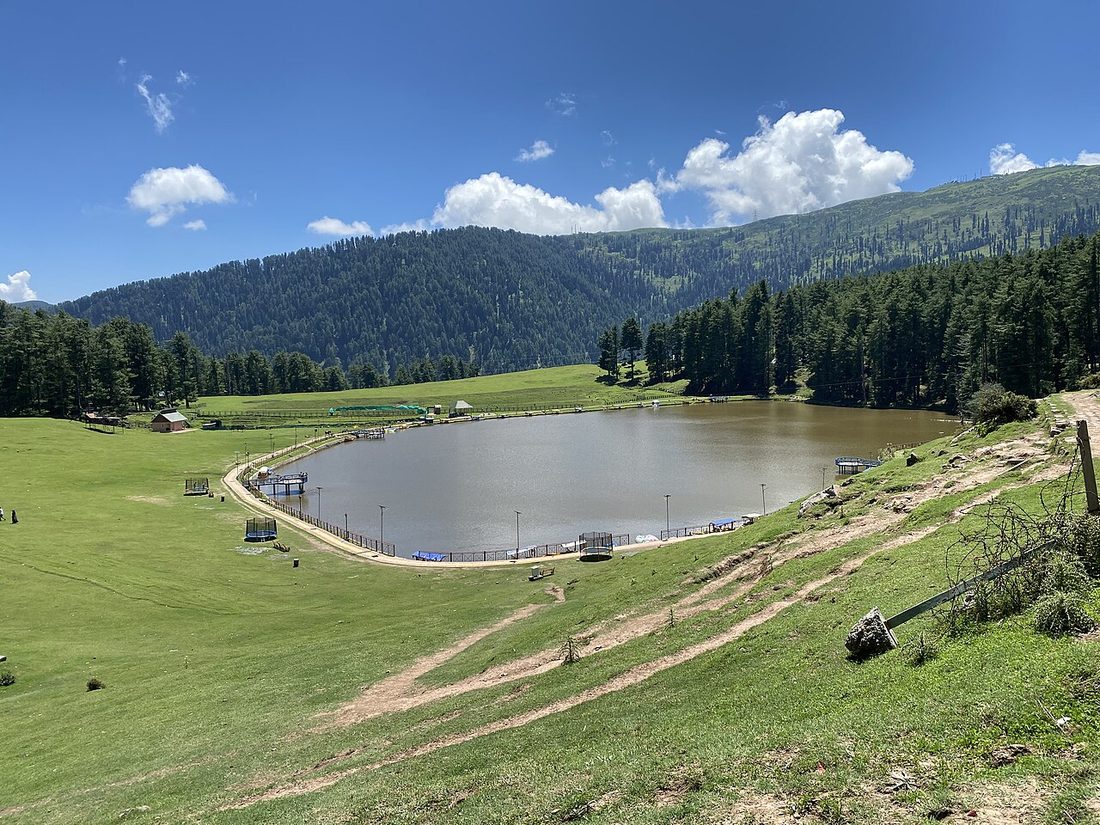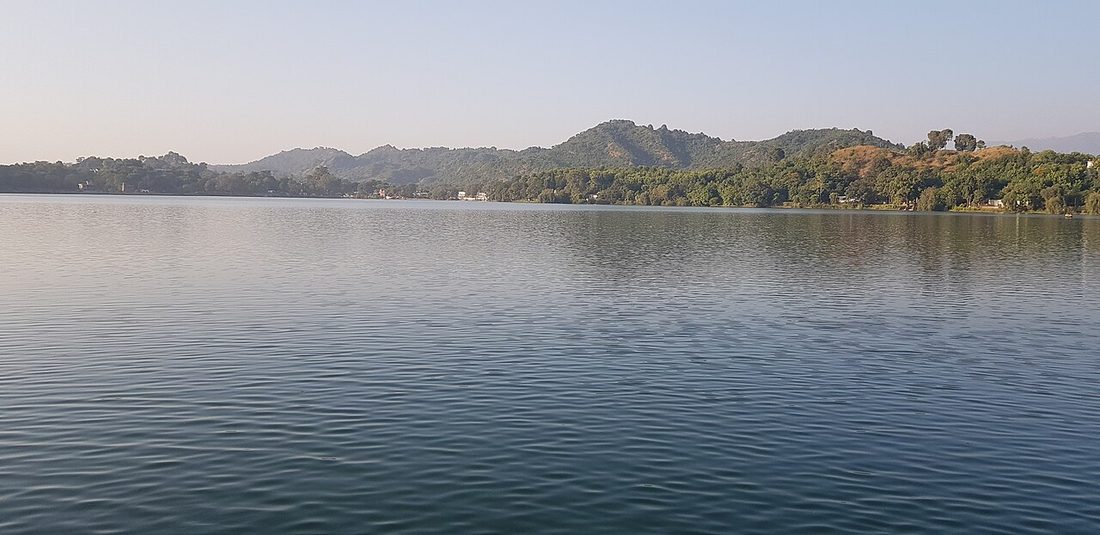
Roughly forty-five minutes after leaving Jammu Airport—just twenty-seven kilometres past the urban sprawl of Nagrota and a short roll south of the Domel highway junction—the four-lane expressway curves gently around wooded conglomerate bluffs and reveals a sudden flash of pale white boulders cradling glass-clear jade water. For generations of Dogra families, weary rail passengers, and pilgrims bound for the Trikuta cave, Jhajjar Kotli has never needed billboard advertising. You simply hear water tumbling over smooth river stones, spot the manicured lawns of the JKTDC Tourist Complex perched right above the bank, and tell your driver to pull over.
Sitting at a modest 480 metres along National Highway 44, Jhajjar Kotli is built directly alongside the Jhajjar Nallah, a lively Shivalik rivulet fed by hillside springs and upland catchment runoff. Most outsiders rush straight from Jammu Tawi station to Katra for the Mata Vaishno Devi climb or power nonstop up toward Patnitop’s deodar plateau without realising how sweet a ninety-minute riverside reset right here feels—especially after a red-eye flight from Delhi or an overnight train compartment.
Why Jhajjar Nallah Draws Generations of Picnic Mats
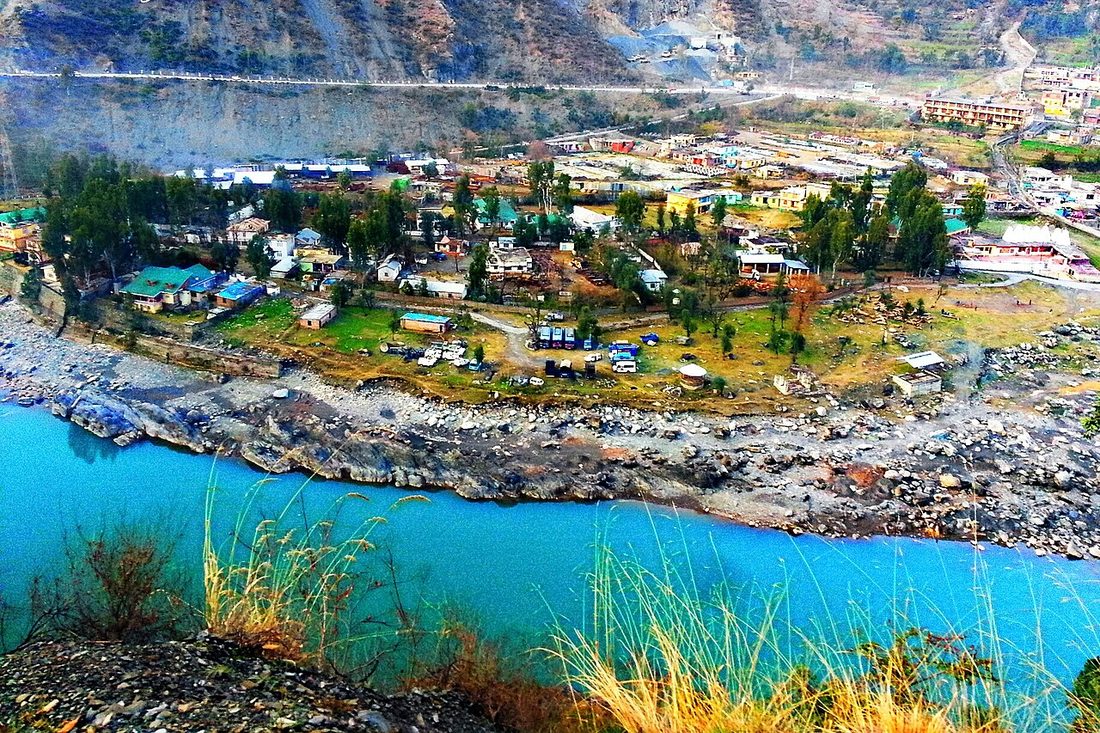
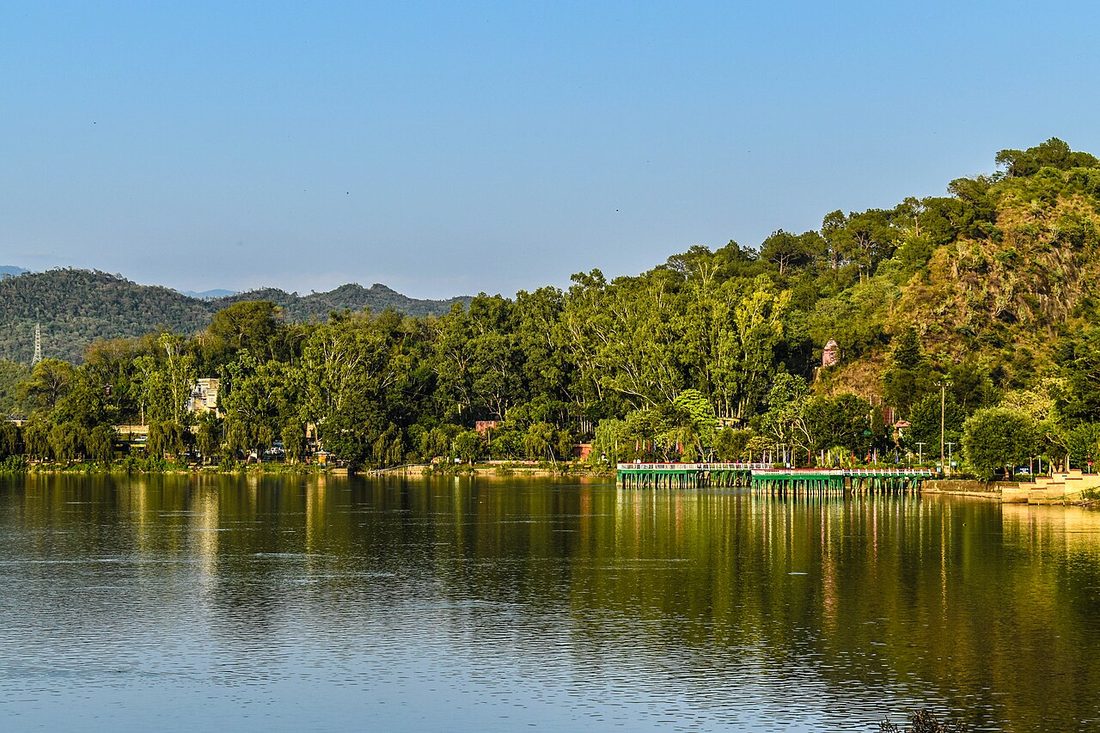
What separates Jhajjar Kotli from countless dusty culverts along North Indian highways is the remarkable geometry of its streambed. Rather than tumbling down muddy silt banks, the Jhajjar rivulet glides across broad, naturally terraced slabs of pale Shivalik limestone and sun-warmed river cobbles, pooling into waist- and ankle-deep emerald pockets before spilling over miniature ledges into the next basin.
Between October and May, water clarity here can genuinely startle first-time visitors: you count every smooth oval pebble and tiny darting minnow resting three feet beneath the surface. On sunny winter mornings in November or February, sitting barefoot on a warm flat boulder with your ankles dangling in cold spring current while steam curls from a paper cup of ginger chai feels oddly restorative. In scorching May and early June—when Jammu’s plains climb past 41°C—local families arrive before 9:00 AM with tiffin carriers, watermelon slices, and extra cotton kurtas for children to splash in the shaded riffles below the bridge.
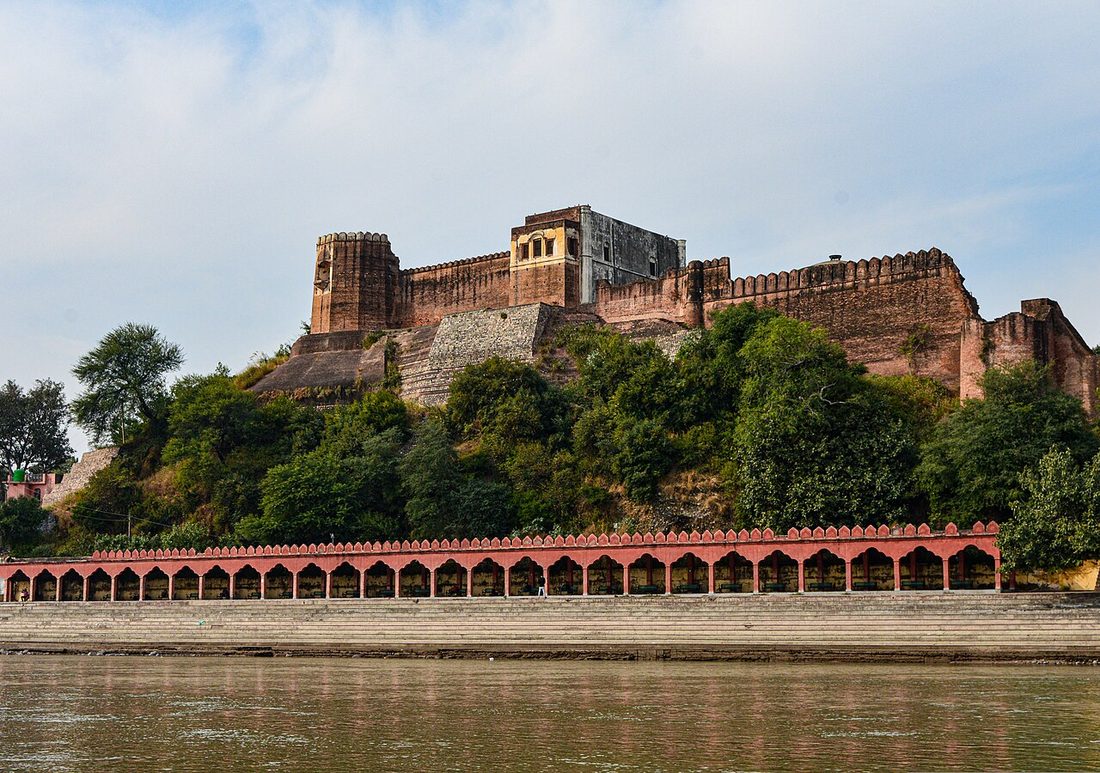
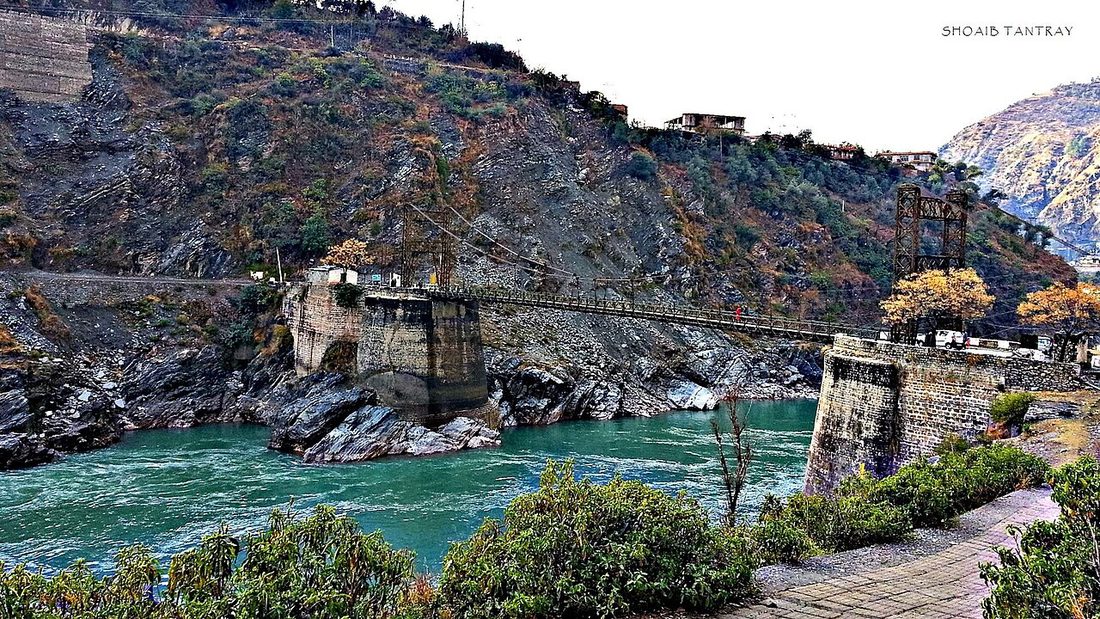
The JKTDC Tourist Complex: Lawns, Bungalows & Riverside Dining
Almost the entire landscaped riverside pocket at Jhajjar Kotli is managed by the Jammu & Kashmir Tourism Development Corporation (JKTDC). Unlike unmanaged highway spots choked with litter or chaotic parking, the JKTDC complex gives passing families genuine comfort: paved off-highway parking, clean public washrooms (a lifesaver with children or senior citizens), terraced green picnic lawns shaded by mature trees, stone staircases descending straight to the boulder pools, and an airy riverside restaurant overlooking the stream.
If you arrive mid-morning, skip heavy fried buffets and order what the JKTDC kitchen and neighbouring highway dhabas do best: freshly battered mixed-vegetable and paneer pakoras with green mint chutney, hot Dogra rajma chawal drizzled with ghee, crisp toasted kaladi kulcha, or simple masala omelette and buttered toast beside pots of cardamom tea. On weekends in April and May, families spread durries under the complex gazebos for unhurried three-hour lunches while kids skim flat stones across shallow pools.
Staying Overnight at the JKTDC Tourist Bungalow
Ninety-five percent of travellers treat Jhajjar Kotli strictly as a 1-to-3-hour refreshment stop—and for most itineraries, that is exactly right. Yet the JKTDC Tourist Bungalow tucked on the quieter upper terrace above the water holds a neat secret for slow travellers: spacious, budget-friendly rooms facing wooded hill slopes and the constant white noise of flowing water. If your flight lands in Jammu late afternoon and you dread Katra’s noisy bazaar traffic—or if you want a tranquil recovery evening after descending the 13-kilometre Bhawan trail before catching a morning train from Jammu—spending one quiet night at Jhajjar Kotli feels worlds calmer than city-centre transit hotels. Compare overnight stopovers across Jammu and Katra inside our verified Jammu & Kashmir hotels guide.
Jhajjar Nallah is gentle and crystalline from October through May, yet Shivalik streams behave fiercely during heavy monsoon cloudbursts. Between mid-July and early September, sudden rain in the upper Trikuta–Udhampur catchment can send brown, boulder-rolling surges rushing down the channel within minutes—even when skies directly over Jhajjar Kotli look merely overcast. Never wade into the stream or sit on low mid-channel rocks during July–August rain alerts; enjoy the rushing river safely from the elevated JKTDC lawns and cafeteria verandah instead.
Seasonal Rhythm: When Jhajjar Kotli Looks Its Absolute Best
Because Jhajjar Kotli sits down in the low Shivalik foothills at 480 metres rather than up in the snowline, its seasonal sweet spot runs almost opposite to high-altitude passes:
- Post-Monsoon Clarity (Late September – November): Hands-down the finest visual window. Monsoon rains have scrubbed the boulders bone-white and replenished every hill spring, leaving the stream running full, swift, and astonishingly translucent under crisp 20°C–27°C skies.
- Winter Sun Picnics (December – February): Bright afternoon sunshine makes Jhajjar Kotli a favourite winter escape for Jammu residents. Water is briskly cold (best for brief ankle dips rather than full swimming), trees shelter lively flocks of white-capped water redstarts, grey wagtails, and kingfishers, and fog rarely lingers past 10:00 AM.
- Spring & Early Summer (March – June): Warm daytime temperatures (28°C–38°C by late May) make the cold spring pools irresistible—arrive before 10:30 AM or after 4:00 PM on weekends to dodge peak picnic crowds and harsh midday glare.
- Peak Monsoon (July – Early September): Hills turn lush emerald and mist drifts gracefully across the road, though muddy water and flash-flood risk limit riverside wading.
Strategic Hub: Turning Jhajjar Kotli into a Shivalik Day-Trip Loop
Look at a regional road map and Jhajjar Kotli’s strategic value clicks immediately: it sits almost dead centre between Jammu city, Katra, Reasi, and Udhampur. Rather than rushing straight to one hotel and sitting idle half the afternoon, smart travellers link Jhajjar Kotli seamlessly with five neighbouring highlights:
- Mata Vaishno Devi & Katra (18 km via Domel / 25–30 min): Continue five minutes north from Jhajjar Kotli to the Domel fork and turn left up the smooth link road straight to Katra—whether trekking the Bhawan footpath on our 4-day Vaishno Devi pilgrimage package or boarding morning flights on our Vaishno Devi helicopter darshan tour.
- Baba Dhansar Forest Waterfalls (33 km via Katra–Reasi road / 1 hr): Drive fifteen kilometres past Katra along lush Reasi hills to reach Baba Dhansar Temple—where spring-fed Karua Jheel cascades over moss-draped limestone cliffs beside a tranquil forest Shiva cave shrine.
- Dera Baba Banda Bahadur Gurudwara (45 km via Reasi / 1.5 hrs): Push slightly farther into Reasi district to pay respects at the historic 300-year-old Sikh sanctuary of Dera Baba Banda Bahadur standing dramatically above the turquoise bends of the Chenab, or continue onward on a Shiv Khori Cave Shrine yatra.
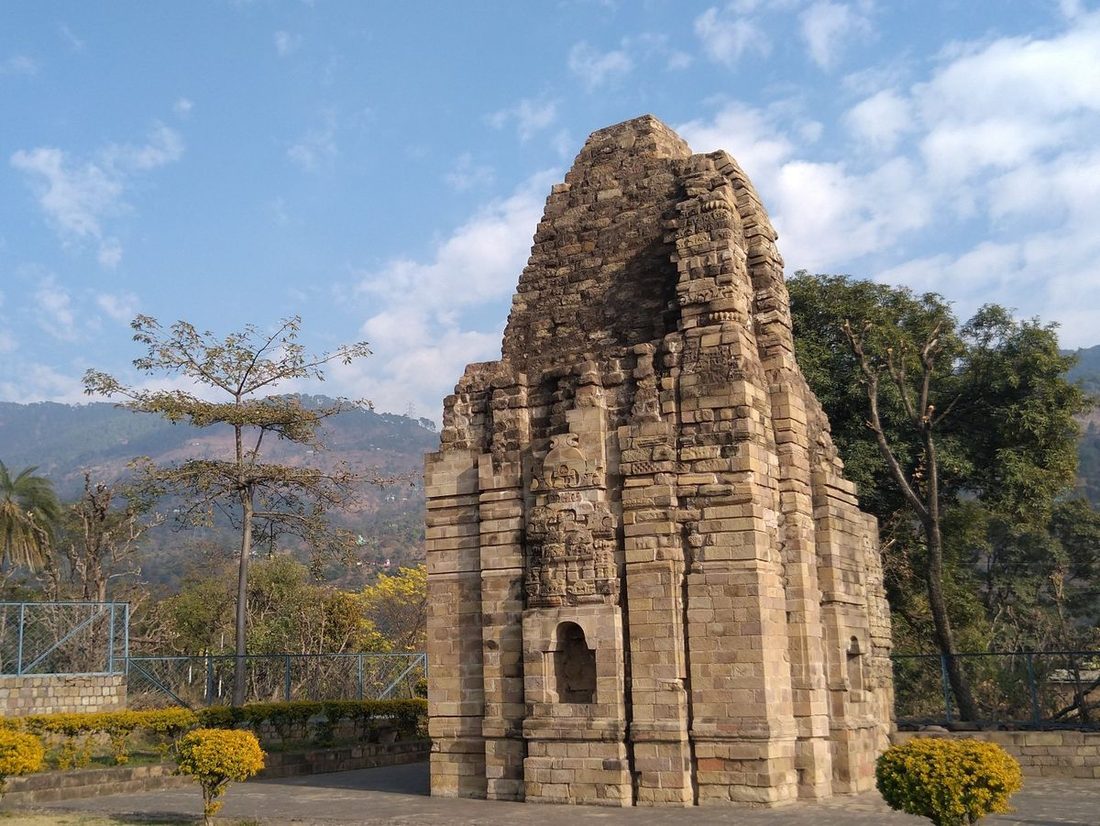
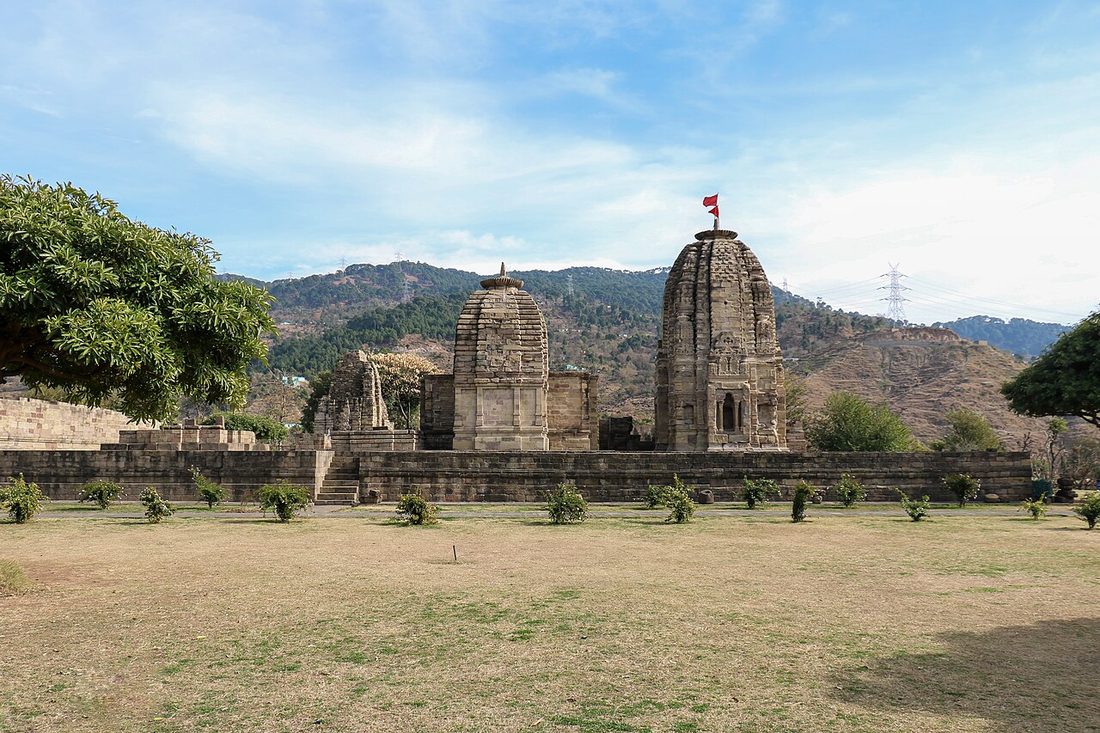
- Krimchi Pandava Temples & Udhampur Heritage (30–42 km north / 45–65 min): Stay straight on NH-44 past Domel to visit Udhampur’s subterranean Devika River and the 8th-century sandstone Nagara towers of Krimchi before climbing toward Patnitop and Sanasar’s alpine saucer meadow.
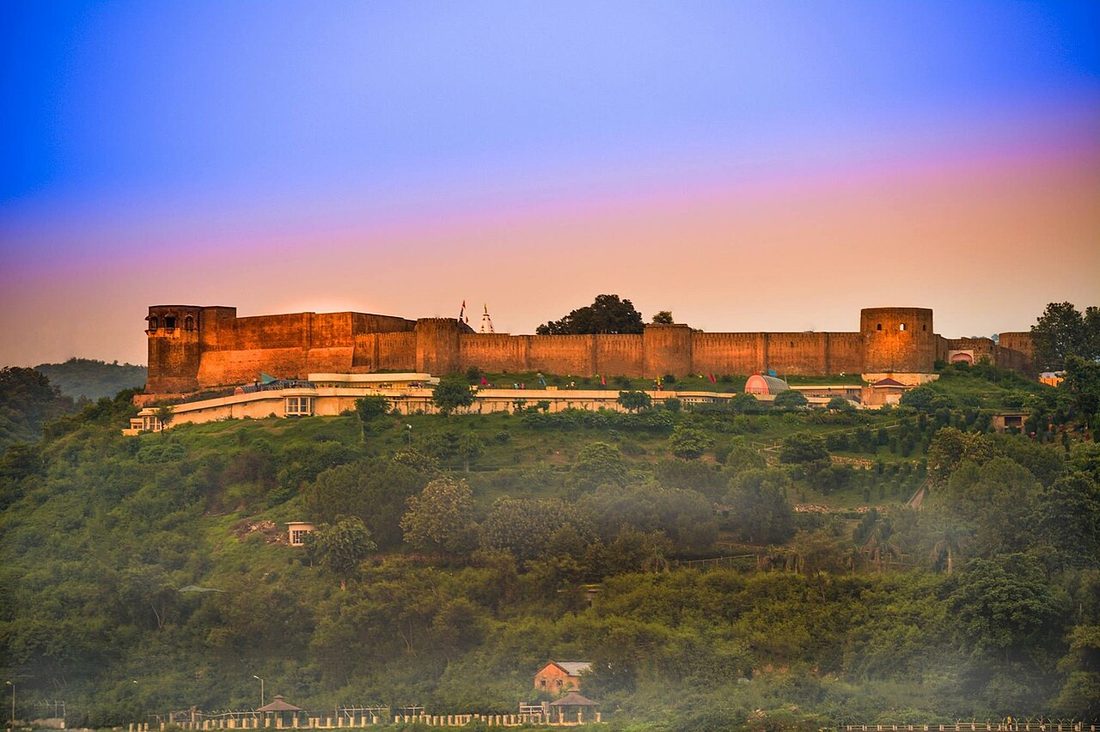
- Mansar Lake & Jammu City Palaces (35–60 km south/east): Heading back toward Jammu Airport or Jammu Tawi station, add peaceful Mansar Lake (a wooded Ramsar wetland famed for its ancient Sheshnag shrine) or Bahu Fort’s Kali temple overlooking the Tawi river.
Jhajjar Kotli Corridor Distances & Stopover Planner (2026)
Check exact road distances (many older travel listings quote straight-line map figures rather than real highway kilometres via Domel) to schedule transfers without missing trains or helicopter slots.
| Connected Hub / Stop | Actual Road Distance | Drive Time | Smart Pairing Strategy |
|---|---|---|---|
| Jammu Airport / Jammu Tawi | 35 km south | 45 – 55 min | Easy breakfast or riverside tea break right after landing or exiting the train. |
| Domel Highway Junction | 5 km north | 8 – 10 min | Major fork: left to Katra & Reasi; straight north to Udhampur, Patnitop & Srinagar. |
| Katra Railway Station (SVDK) | 18 km northwest (via Domel) | 25 – 35 min | Stop here on the way down from Vaishno Devi to rest tired legs in cool water. |
| Udhampur Town / Krimchi | 30 – 42 km north | 45 – 65 min | Pair morning Krimchi stone temples with a shady afternoon picnic at Jhajjar Kotli. |
| Baba Dhansar / Reasi | 33 – 45 km west | 1 – 1.5 hrs | Build a full-day spiritual & waterfall loop linking Katra, Baba Dhansar & Jhajjar stream. |
| Patnitop Pine Plateau | 77 km north | 2 – 2.25 hrs | Pause at Jhajjar Kotli for chai, then climb past Udhampur & Kud for cool cedar air. |
A Morning Beside Jhajjar Nallah: Birdlife, Boulders & Local Rhythms
Pull into the JKTDC car park before 8:30 AM on an October or March weekday, and Jhajjar Kotli rewards you with a quiet side that noon picnickers almost never experience. Cool night air still hugs the stream bed; thin mist peels off the overhanging Shivalik oaks and flame-of-the-forest trees; and along the smooth mid-channel rocks, flashes of burnt chestnut and snow-white tail feathers announce white-capped water redstarts bobbing briskly for water insects. Look closer along quiet pools beneath the highway bridge and you often spot grey wagtails, spotted forktails, and bright blue common kingfishers darting straight above the emerald riffles.
By 9:30 AM, the aroma of frying ginger-chilli gram-flour batter drifts out of the JKTDC kitchen and neighbouring tea stalls. Highway cabbies heading back empty from Katra pause to wash dusty windscreens and trade news over brass tumblers of sweet cardamom tea; elderly pilgrims returning down from Vaishno Devi sink gratefully onto sunlit benches to ease aching calves in cold spring water; and young families from Jammu city unload cricket bats, flasks of spiced buttermilk, and cotton mats along the shaded lower terraces. There is no loud carnival midway, no forced ticket rides, and no pushy hawkers—just flowing hill water, clean lawns, and easy Dogra hospitality.
Three Ready-to-Drive Loops Anchored at Jhajjar Kotli
Because Jhajjar Kotli sits right on the waist between Jammu plains, Katra’s pilgrim foothills, and Udhampur’s ancient stone valleys, you can weave it cleanly into three practical road-trip plans without wasting an extra hour in traffic:
- Loop 1 – The Classic Pilgrim Recovery Halt (2 Hours): After finishing Mata Vaishno Devi darshan and checking out of Katra around 10:00 AM, skip rushing straight into Jammu Airport’s cramped departure hall. Drive 25 minutes via Domel to Jhajjar Kotli, soak tired feet in the clear stream, eat fresh rajma chawal and hot pakoras on the JKTDC lawns, and roll effortlessly down to Jammu Tawi or Satwari Airport forty-five minutes later feeling genuinely refreshed.
- Loop 2 – The Full-Day Shivalik Waterfall & Heritage Circuit (7–8 Hours from Jammu): Leave Jammu city at 7:30 AM, stop at Jhajjar Kotli for morning tea and boulder walks, branch west at Domel past Katra to explore the forest waterfalls and limestone cave of Baba Dhansar (1 hour), pay respects above the Chenab gorge at Dera Baba Banda Bahadur Gurudwara, and return to Jammu by dusk.
- Loop 3 – The Jammu-to-Patnitop Cool-Hills Run (Full Scenic Drive): Start from Jammu after early breakfast, let kids stretch their legs for an hour beside Jhajjar Nallah, climb past Udhampur’s Krimchi Pandava Temples before midday, grab warm desi-ghee patisa in Kud, and check into your Patnitop cedar cottage in time for golden-hour pine views.
Walking Toward the High Mountains Beyond Jhajjar Kotli
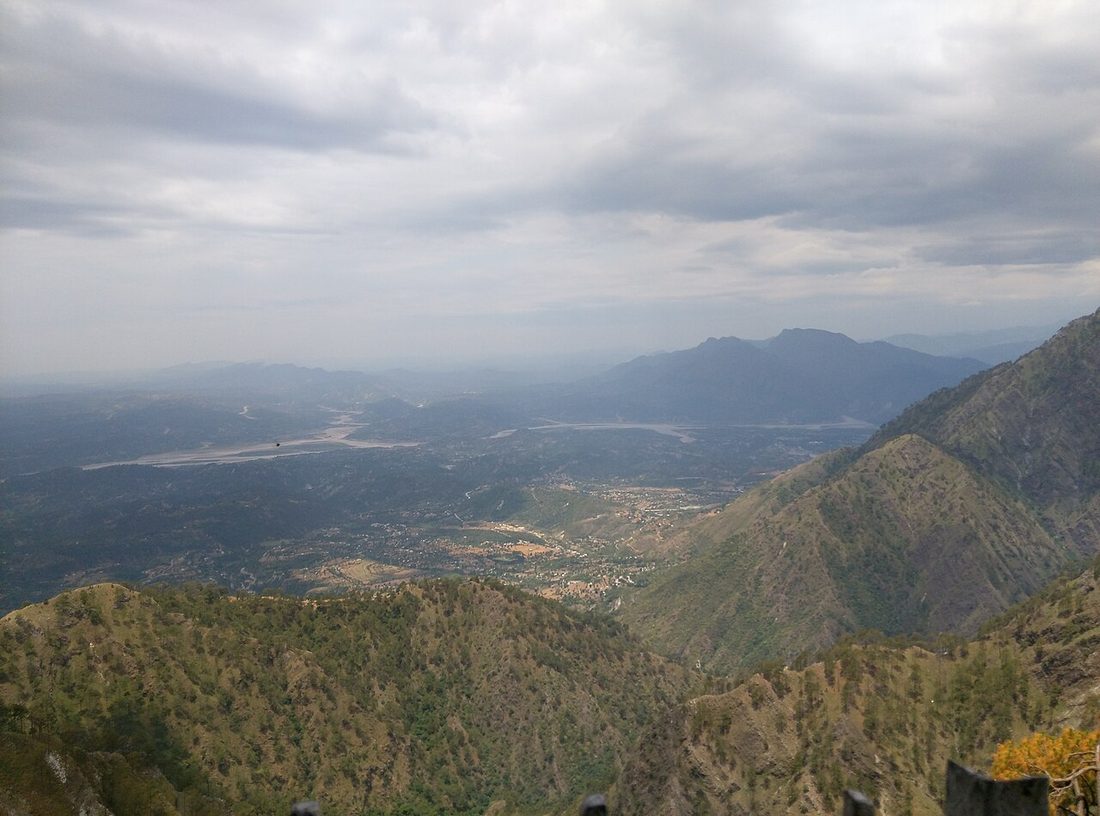
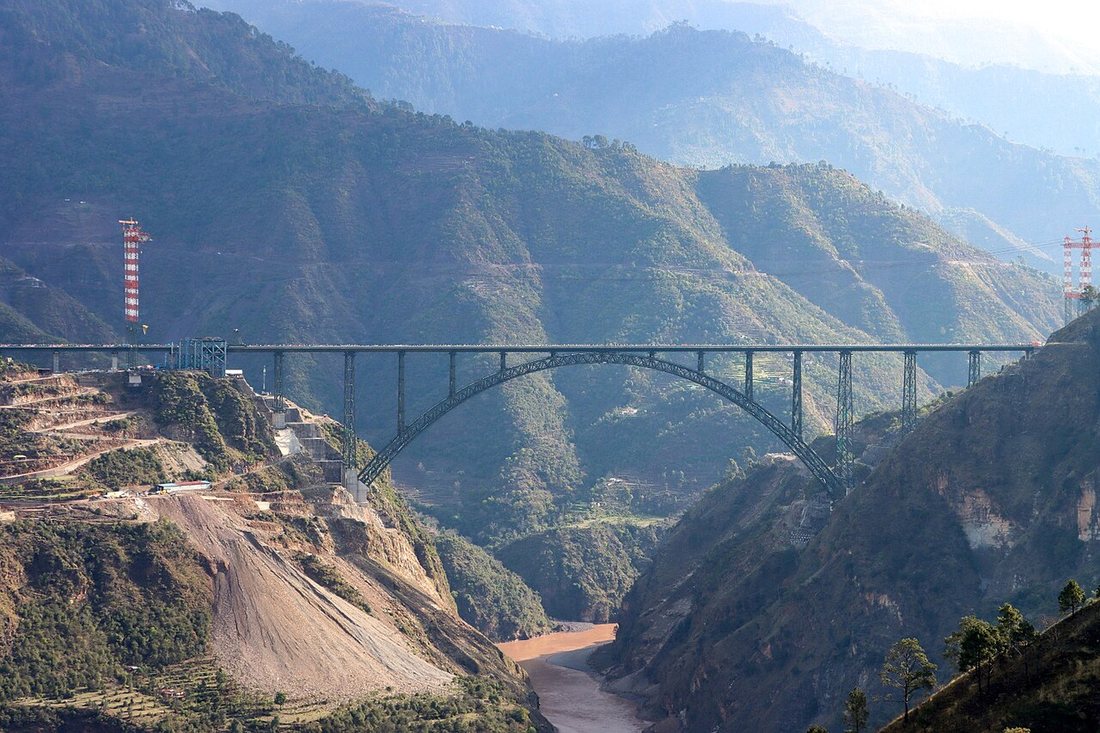
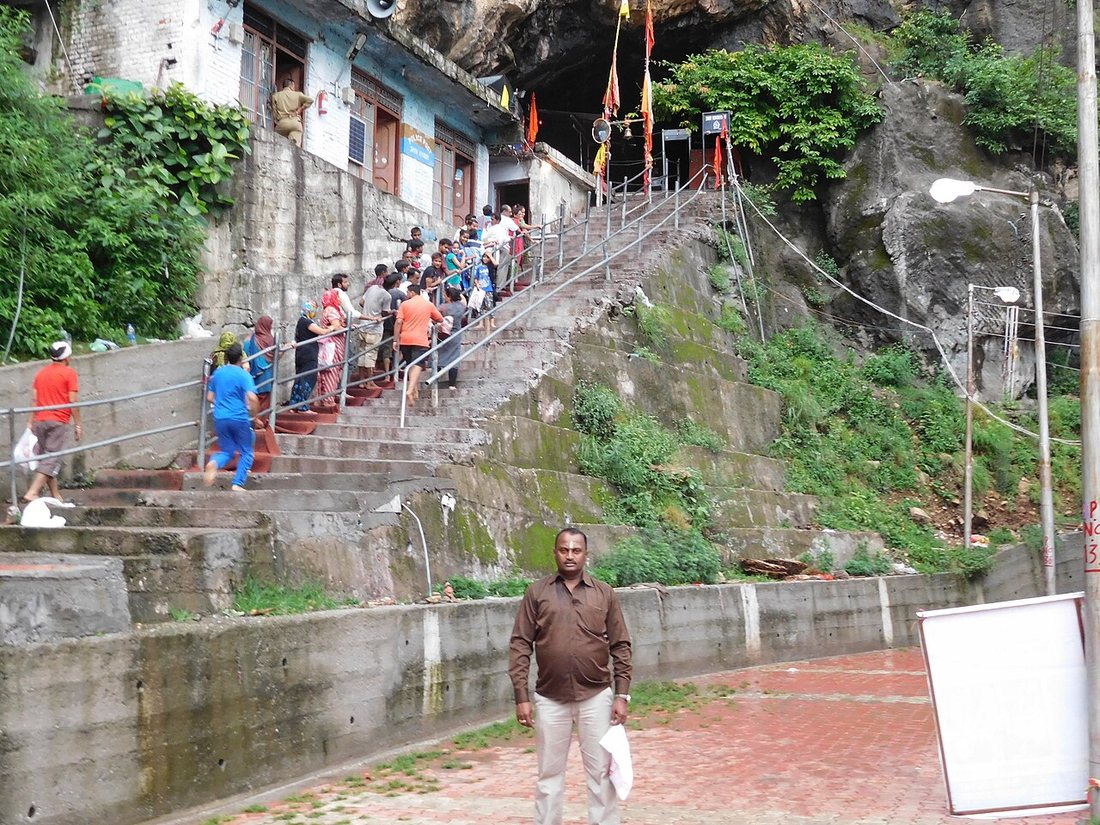
Think of Jhajjar Kotli as the gentle green threshold where North India’s flat alluvial plains finally yield to the Himalayan folds. Stand beside the rivulet and trace the road upward in your imagination: forty minutes northwest, pilgrims climb the stone stairs of the Trikuta ridges; two hours north, Patnitop’s deodars catch winter snow; three hours north, the highway plunges across the Chenab bridges at Ramban before bursting through the Pir Panjal tunnels into Kashmir Valley’s alpine meadows.
Practical Tips: Getting There, Footwear, Etiquette & Booking
Reaching Jhajjar Kotli requires zero special vehicle—every standard sedan, hatchback, tempo traveller, or state bus travelling between Jammu and Katra/Udhampur passes directly beside the JKTDC complex entrance. From Jammu Tawi station or Jammu Airport, a round-trip local cab for a half-day Jhajjar Kotli excursion costs roughly ₹1,400–₹2,000, or your driver can include a 90-minute stop automatically at no extra mileage charge during any Jammu–Katra or Jammu–Patnitop transfer.
Slip rubber-soled sandals or water shoes into your daypack rather than stepping barefoot across wet Shivalik pebbles—algae on shaded stones gets surprisingly slick! Carry a quick-dry towel, a spare pair of socks for kids, and a rubbish bag so plastic wrappers and tea cups go straight into the JKTDC bins rather than down the stream. Postpaid Jio and Airtel 5G work at full bars right down to the water’s edge, and UPI payments are accepted at the JKTDC cafeteria and most highway dhabas.
Whether you are mapping out a pilgrim-plus-hills itinerary from Jammu, looking up all 29 Jammu, Kashmir, and Ladakh destinations, or comparing private-cab pricing across our 40 custom Himalayan tour itineraries at Kashmir i Tour, adding Jhajjar Kotli costs almost zero extra driving time while delivering one of the most genuine pauses on NH-44. Reach out to our local Srinagar & Jammu trip desk to request an experienced driver who knows every scenic rest stop from Jammu Tawi right up to Dal Lake.
Add Jhajjar Kotli & Shivalik Stops to Your Vaishno Devi Pilgrimage
Arrive comfortably at Jammu or Katra with a dedicated private cab that handles airport pickups, Jhajjar Kotli riverside halts, Katra hotel stays, and optional Patnitop or Shiv Khori extensions.
Frequently Asked Questions about Jhajjar Kotli — Crystal Shivalik Stream, Picnic Riverside & Katra Highway Halt
Recommended Itineraries Including Jhajjar Kotli — Crystal Shivalik Stream, Picnic Riverside & Katra Highway Halt
Every route below can be customized from Srinagar, Jammu, or Leh with private cabs and verified local stays.
Mata Vaishno Devi Yatra & Katra Pilgrimage Package (3N/4D)
4 Days • 3 Nights • ₹12,500
Mata Vaishno Devi Darshan by Helicopter & Jammu Heritage Tour (2N/3D)
3 Days • 2 Nights • ₹19,999
Shiv Khori Cave Shrine, Baba Dhansar & Katra Pilgrimage Tour (2N/3D)
3 Days • 2 Nights • ₹10,999
Unforgettable Jammu, Katra, Patnitop & Kashmir Valley Tour (7N/8D)
8 Days • 7 Nights • ₹29,999
Grand Kashmir Valley & Mata Vaishno Devi Combined Tour (8N/9D)
9 Days • 8 Nights • ₹33,500Explore Nearby & Connected Destinations
Mata Vaishno Devi & Katra — Trikuta Hills Pilgrimage, Bhawan Trek & Helicopter Guide
Jammu Region →
Udhampur — Krimchi Pandava Temples, Devika River & Shivalik Foothills
Jammu Region →
Baba Dhansar Temple — Karua Jheel Waterfalls, Cave Shrine & Reasi Forest Trail
Jammu Region →
Dera Baba Banda Bahadur — 300-Year-Old Sikh Gurudwara Above the Chenab River
Jammu Region →
Patnitop — Deodar Pine Plateau, Nathatop Ridge & Jammu’s Classic Hill Station
Jammu Region →