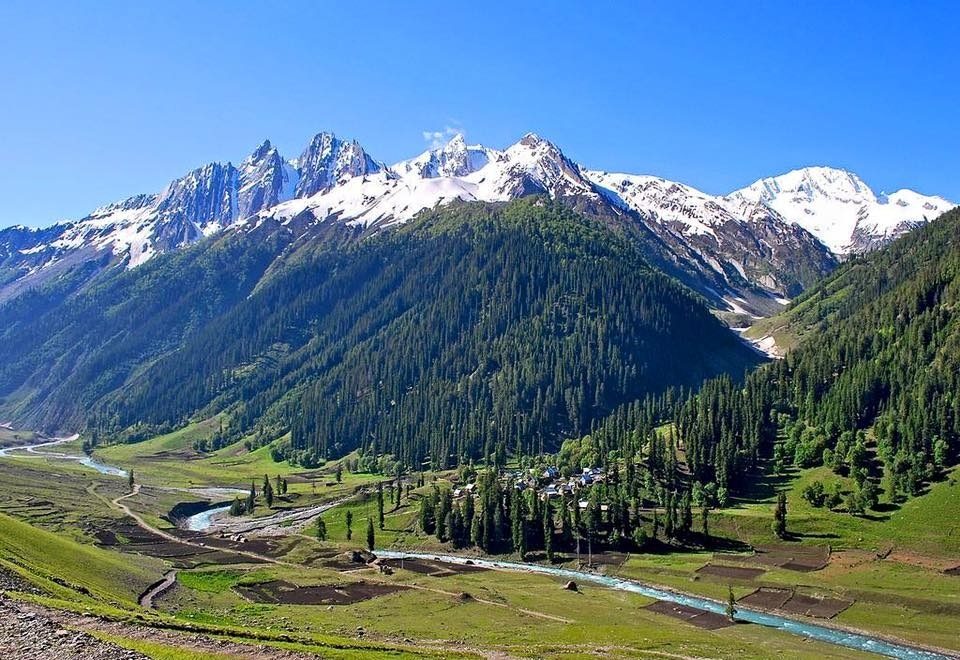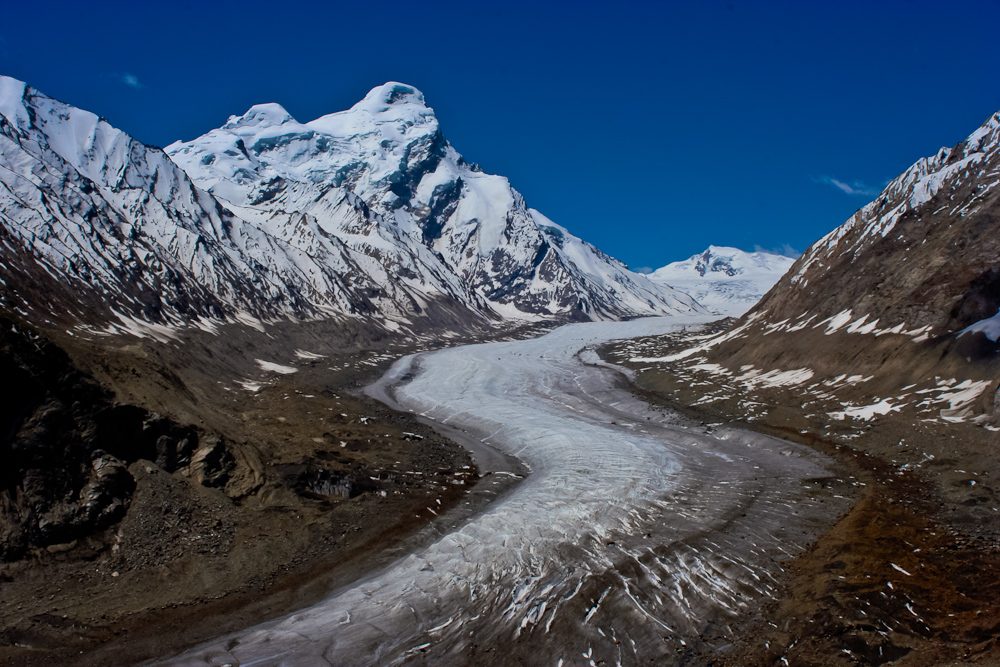
Stand on the gravel shoulder of Pensi La in late June, let the freezing draft whip prayer flags against your cheek, and watch a twenty-two-kilometer river of cracked blue ice spill straight off the Great Himalayan crest below your boots. That glacier is Drang Drung, and the vast tri-armed wilderness opening beneath its snout is Zanskar Valley—the rawest, most fiercely independent corner of Ladakh. While Leh’s café strips and Pangong’s lakeside cottages now hum with summer traffic, Zanskar still feels like a half-forgotten Himalayan kingdom carved out of ochre rock, silver meltwater, and whitewashed monastery cliffs.
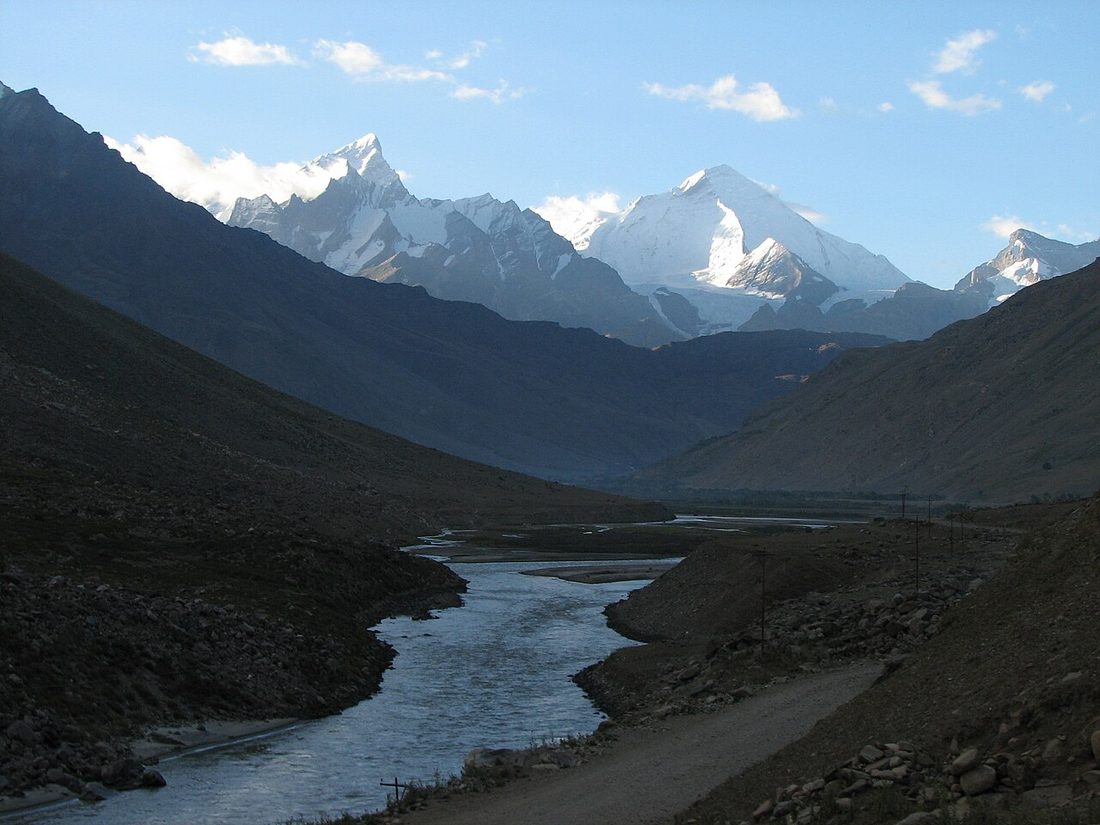
Linguists and Zanskari elders translate Zangs-dkar as “white copper” or “copper palace,” referring to the pale metallic sheen of its mineral-streaked canyon walls and copper deposits mined centuries ago. Administratively a sub-division of Kargil district, Zanskar sits wedged between the snowy ramparts of the Great Himalayan Range—separating it from Kishtwar in Jammu and Lahaul–Spiti in Himachal Pradesh—and the stark brown barrier of the Zanskar Range to its north. Valley floors average 3,500 to 3,700 meters, while jagged surrounding peaks climb effortlessly past 6,000 meters. Four roaring glacial streams—the Stod (Doda), Tsarap, Kargyag, and Lungnak—thread these deep gorges before fusing below Padum into the formidable Zanskar River.
Three Ways Into Zanskar in 2026: Choosing Your Overland Corridor
For decades, entering Zanskar meant committing to one grueling dead-end gravel track out of Kargil and driving the exact same 230 kilometers back out. Major Border Roads Organisation (BRO) engineering over the past few seasons has rewritten the Himalayan map completely, turning Zanskar into an extraordinary trans-Himalayan loop accessible from three directions:
1. The Classic Western Gateway: Kargil → Suru Valley → Rangdum → Pensi La → Padum (230 km)
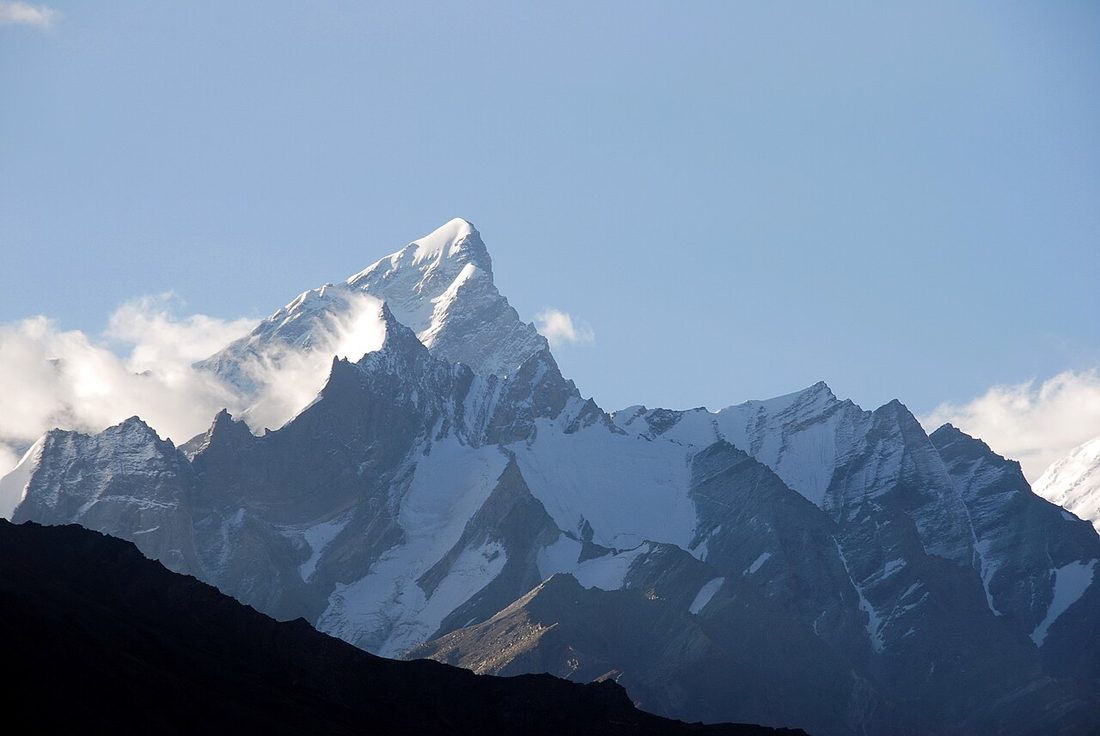
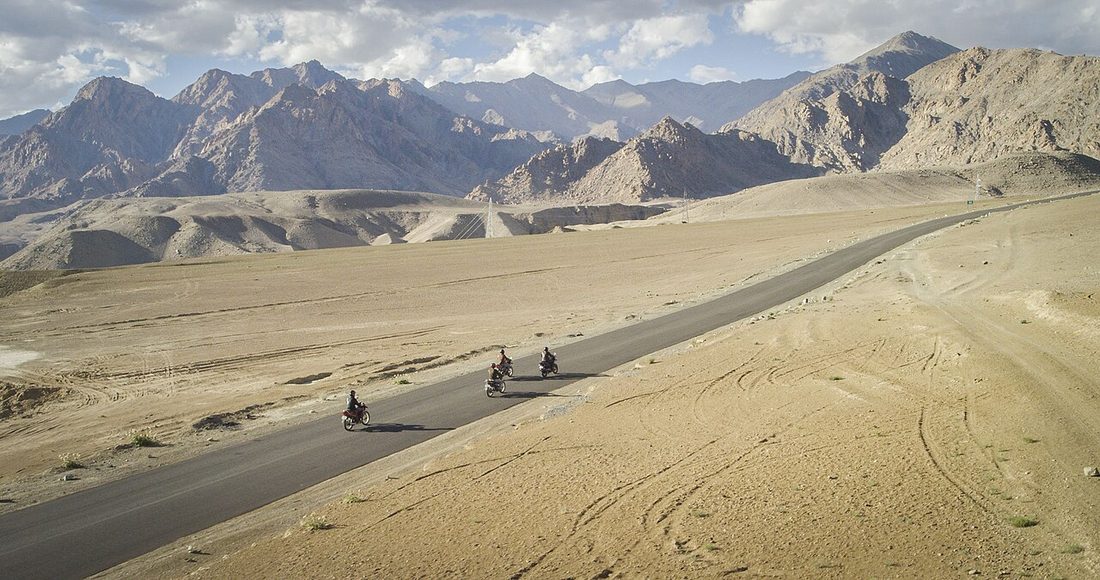
If it is your first journey into Zanskar, this remains the grandest visual crescendo in the entire Indian Himalaya. Leaving Kargil south along the emerald Suru River past Sankoo and Panikhar, you watch twin 7,000-meter snow giants—Nun (7,135 m) and Kun (7,089 m)—rise almost vertically above Parkachik Glacier. Beyond Parkachik, green meadows give way to the wide braided flats of Rangdum (3,657 m), guarded by an eighteenth-century hilltop gompa. Although tarmac improvements now allow determined drivers to push Kargil–Padum in a grueling 8 to 9 hours, seasoned road leaders split the journey across two days with an overnight at Panikhar or Rangdum so you cross Pensi La (4,400 m) under crisp morning sun without fighting afternoon snowmelt streams.
2. The Southern Loop: Manali / Darcha → Shinku La (5,091 m) → Kargyak → Padum (165 km from Darcha)
Linking Himachal Pradesh’s Lahaul Valley directly into southern Zanskar, the newly widened Shinku La Pass highway climbs past high pastoral pastures and drops down alongside one of the Himalaya’s most jaw-dropping natural monoliths: Gonbo Rangjon, a sheer 5,520-meter sacred granite pyramid rising straight out of emerald grazing flats above Kargyak village. From Gonbo Rangjon, the road traces the Kargyag and Lungnak valleys past Purne and Cha all the way into Padum—letting travelers exit Zanskar toward Manali without backtracking to Kargil.
3. The Game-Changing Canyon Route: Nimmu → Padum → Darcha (NPD) Highway from Leh
Historically, reaching Zanskar from Leh town required a two-day western detour via Kargil. The strategic Nimmu–Padum–Darcha (NPD) road slashes straight down the heart of the Zanskar River gorge via Chilling, Nerak, and Lingshed (also connecting dramatic high-pass links over Singge La and Sirsir La). Because sections along vertical canyon blasting zones undergo seasonal widening and rock-clearance windows, always check current BRO traffic release timings with our Leh or Kargil dispatch desk before committing your SUV or motorcycle to the canyon direct.
Padum has a small fuel pump, yet tankers occasionally get delayed behind landslides and summer motorbike convoys drain storage tanks within hours. Always top up to the brim in Kargil (or Tandi/Keylong if entering via Shinku La) and carry a sealed 10-liter jerrycan if riding motorcycles. Equally critical: ATMs in Padum are notoriously offline or empty, and UPI fails whenever mobile towers drop—bring 100% of your Zanskar cash in ₹500 and ₹200 notes from Leh or Kargil.
Pensi La Twin Lakes & Drang Drung Glacier
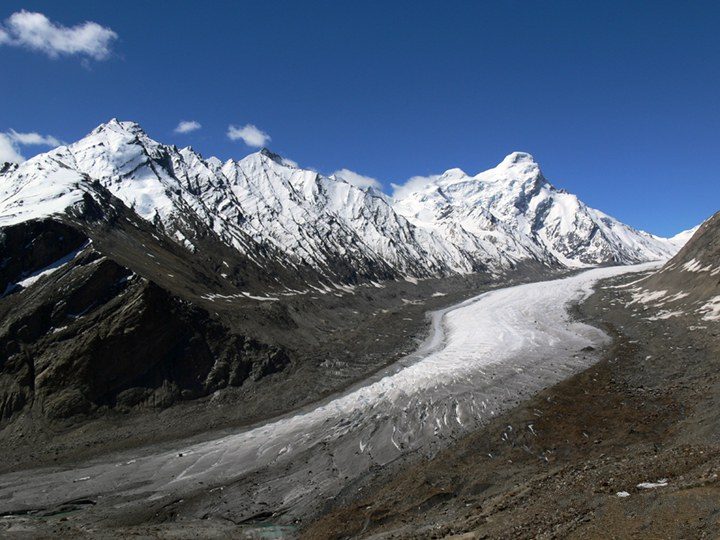
Just shy of Pensi La’s prayer-flagged crest, two sapphire glacial tarns—Stat Tso and Lang Tso—shimmer against stark black shale slopes. Barely ten minutes over the watershed, the road loops out onto a jaw-dropping overlook facing Drang Drung Glacier. Cascading down from the jagged crest of Doda Peak (6,550 m), this massive valley glacier feeds the churning Stod (Doda) River that escorts you for the next ninety kilometers straight into Padum. Unlike distant glaciers requiring four-day treks, you can gaze straight into Drang Drung’s deep azure crevasses from the roadside pullout—or walk carefully across rocky lateral moraine ridges for half an hour with a local guide (never step onto bare crevassed ice without crampons and ropes!).
Padum & the Ancient Monasteries of Central Zanskar
Named after eighth-century Buddhist master Padmasambhava, Padum (3,669 m) serves as Zanskar’s sleepy administrative center—a compact scatter of stone-and-mud houses, solar streetlamps, a lively main bazaar baking fresh khambir bread, simple guesthouses, and an unexpectedly diverse community where Tibetan Buddhists live side by side with a historic Sunni Muslim minority whose ancestors settled here centuries ago from Kashmir. Use Padum as your three- to four-night anchor to explore Zanskar’s extraordinary monastic circuit:
- Karsha (Kursha) Gompa: Ten kilometers north of Padum across the Doda bridge rises Zanskar’s largest and wealthiest Gelugpa monastery. Founded in the eleventh century by Phagspa Shesrab and expanded around centuries-old Avalokiteshvara murals, Karsha’s dazzling cascade of whitewashed monk quarters spills dramatically down a sheer rock amphitheater. Climb to the upper courtyard roof for the finest wide-angle view of Padum’s entire alluvial plain where the Stod and Tsarap rivers merge. Every July, Karsha hosts the exuberant Karsha Gustor masked dance festival.
- Stongdey Monastery: Perched like an eagle’s fortress eighteen kilometers northeast of Padum on the road toward Zangla, Stongdey was founded in 1052 by Lama Marpa—the teacher of Tibet’s poet-saint Milarepa. Its cliffside prayer chapels guard ferocious protective deity paintings and commanding views down the main Zanskar valley.
- Sani Gompa & Kanika Chorten: Six kilometers west of Padum on flat fertile ground stands Sani—one of the oldest sacred sites in all of Ladakh, linked to Kushan Emperor Kanishka (2nd century CE) and Guru Padmasambhava’s meditation retreat. Behind its ancient poplar grove sits an octagonal stone chorten revered across western Tibet.
- Zangla Fort & Royal Palace: Thirty-five kilometers north of Padum along an airy riverside road, ruined medieval mud ramparts crown a conical bluff above Zangla village. History buffs make a special pilgrimage to the tiny low-ceilinged room inside Zangla Palace where Hungarian orientalist Sándor Csoma de Kőrös hunkered through the freezing winter of 1823–1824 by butter-lamp light, compiling the world’s first scholarly Tibetan–English dictionary.
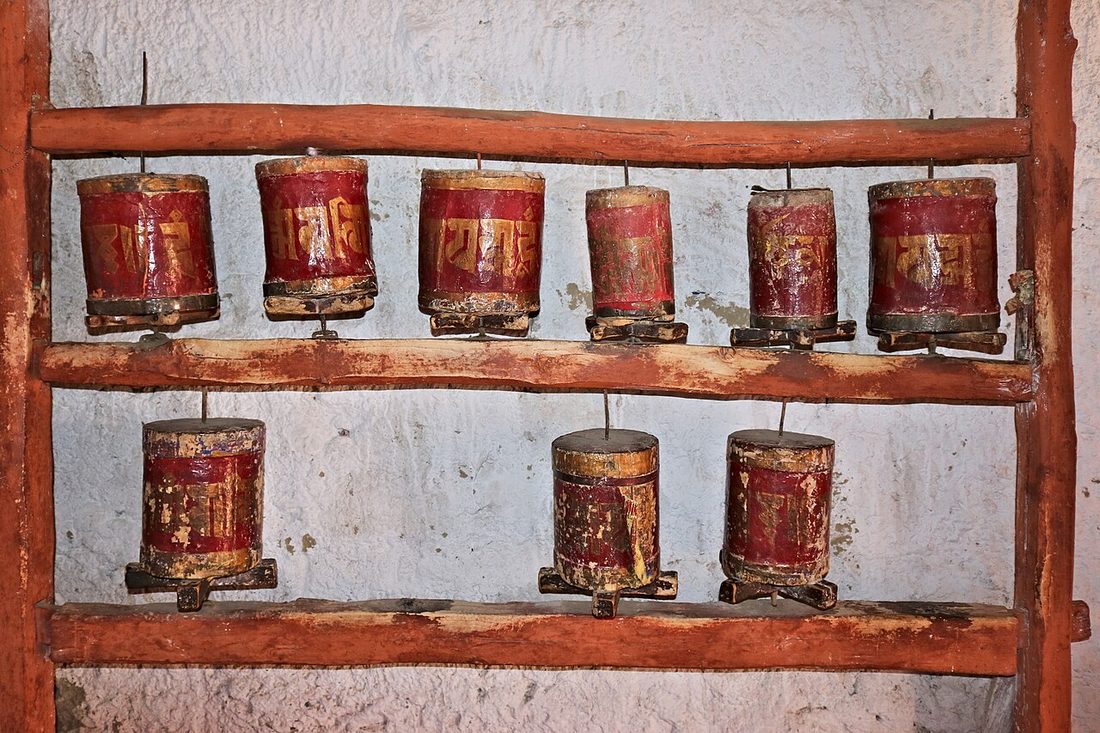
- Bardan Monastery: Twelve kilometers south of Padum along the dramatic Tsarap canyon sits seventeenth-century Bardan Gompa, famous among Drukpa Kagyu followers for its giant prayer wheel and peaceful riverside solitude.
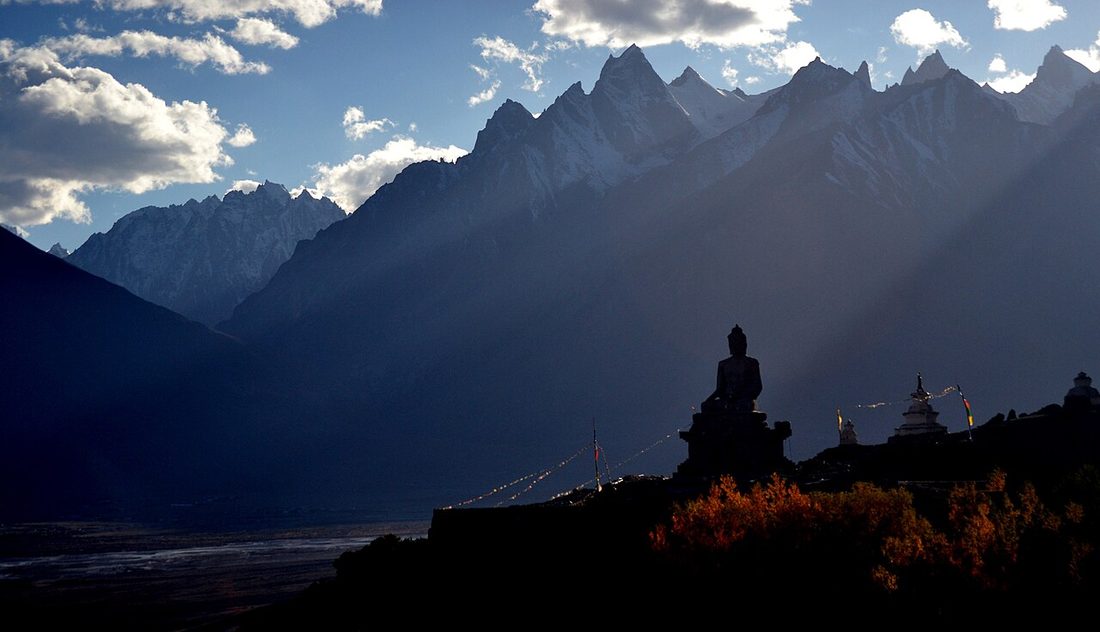
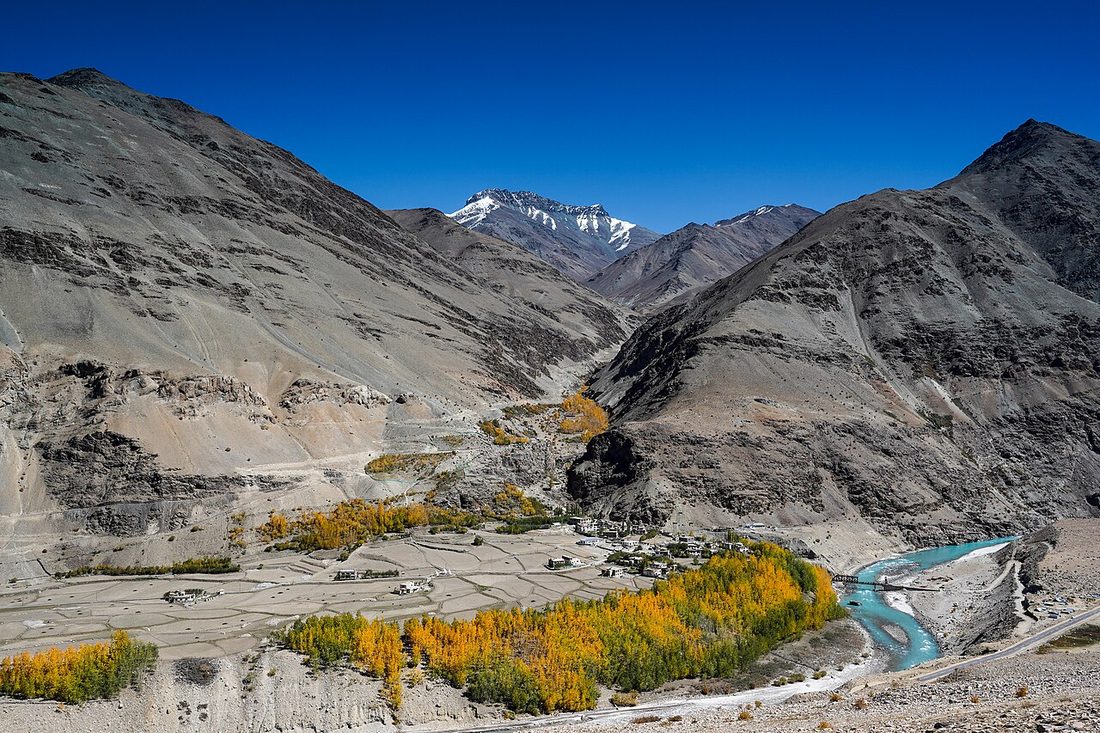
Phugtal (Phuktal) Gompa: Zanskar’s Cliff-Hanging Honeycomb Sanctuary
Even if you have seen fifty Buddhist monasteries across Tibet, Sikkim, and Leh, nothing prepares you for turning the corner high above the milky-turquoise Tsarap River and laying eyes on Phugtal Gompa. Founded in the early twelfth century around a vast natural limestone cavern—phug meaning cave and tal meaning leisure or liberation—its seventy mud-brick monk cells, wooden balconies, and ochre shrine roofs cling like a giant swallow’s nest straight into the sheer gorge wall.
Until a few years ago, reaching Phugtal required a strenuous three-day trek from Padum. Today, the newly cut Lungnak valley motorable track runs roughly 50 kilometers south of Padum right up to the footbridge trailhead near Cha / Purne! From the roadhead, an unforgettable 7-kilometer riverside foot trail (2 to 2.5 hours each way) traces high cliff ledges, swaying iron suspension bridges, and turquoise whirlpools directly beneath the monastery. Carry sturdy trail shoes, 2 liters of water, sun hat, and snacks; modest overnight guesthouse rooms operate below the monastery and in Purne village if you want to wake up to morning chanting echoing straight out of the mountain cave.
Zanskar Overland Corridors & Key Stops Comparison
| Route / Corridor | Distance & Drive Time | Highest Pass | Open Window | Recommended Vehicle |
|---|---|---|---|---|
| Kargil → Suru → Padum | 230 km (8–9 hrs; best 2 days) | Pensi La (4,400 m) | Mid-June – Mid-October | High-clearance SUV (Innova/Scorpio/Bolero) or 350cc+ bike |
| Darcha → Shinku La → Padum | 165 km (6–7 hrs) | Shinku La (5,091 m) | June – October | 4×4 SUV or seasoned dual-sport motorcycle (loose scree stretches) |
| Leh → Nimmu → Padum (NPD) | ~290 km (9–11 hrs; check status) | Sirsir La / Singge La links | Summer seasonal windows | 4×4 SUV with local Ladakhi driver; verify BRO blast schedule |
| Padum → Cha/Purne → Phugtal | 52 km drive + 7 km trek | Valley track (~3,850 m) | June – October | Local Padum taxi to trailhead + sturdy trekking footwear |
| Chilling → Nerak (Chadar Trek) | 65 km river ice walk (6–8 days) | Frozen Zanskar Gorge | Mid-Jan – Mid-Feb only | Guided winter expedition on foot with crampons & thermal kit |
Explore Kargil, Suru Valley & Zanskar With Local Overland Drivers
Combine Leh’s Indus monasteries, Kargil’s historic highway, and Zanskar’s glacial frontiers with vetted local drivers, spare fuel planning, and comfortable homestays arranged ahead of time.
Best Time to Visit Zanskar: Wildflower Summer, Autumn Birches & Frozen Chadar
Zanskar lives strictly by snow calendar. When heavy blizzards seal Pensi La and Shinku La in late October, road traffic ceases completely for seven bitter months:
- Late June – July (Alpine Spring & Wildflowers): The first weeks after Pensi La clears reveal towering snow walls along the pass, thunderous waterfalls plunging off basalt cliffs, and vivid high-altitude flora—keep your eyes peeled along damp meadows near Rangdum and Zangla for delicate Himalayan blue poppies, wild edelweiss, and yellow potentilla.
- August – Mid-September (Peak Access & Monastery Festivals): Warmest sunny afternoons (18°C–24°C in Padum, dropping to 4°C–8°C overnight) and lowest water levels on river crossings. Beware late-July and August monsoon spillovers over the Pir Panjal crest, which occasionally send brief shale landslides onto the Suru–Rangdum road.
- Late September – Mid-October (Amber Autumn): My personal favorite week to drive Zanskar. Crowds vanish, crisp skies turn cobalt, and riverine birch and willow groves around Shila village, Karsha, and Padum explode into luminous saffron and burnished gold before the first November snow shuts the passes.
- Mid-January – Mid-February (The Frozen Chadar Trek): When night temperatures plummet between -15°C and -28°C, the rushing Zanskar River freezes into a shifting “blanket” (chadar) of ice—historically the sole winter trade footpath out of Padum. Today, regulated winter trekking groups walk six to eight days along the frozen canyon between Tilad Do and Nerak’s giant frozen waterfall (requires medical clearance in Leh and strict eco-permits).
Comparing Zanskar’s Monastic Roots Across Wider Ladakh
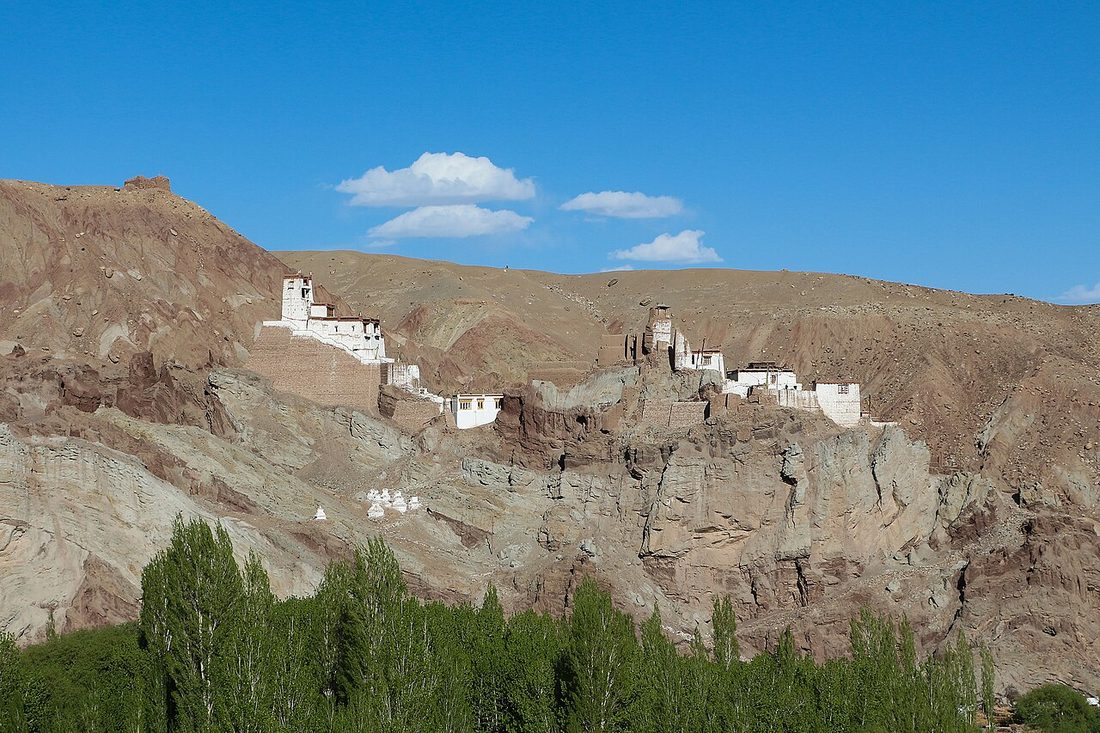
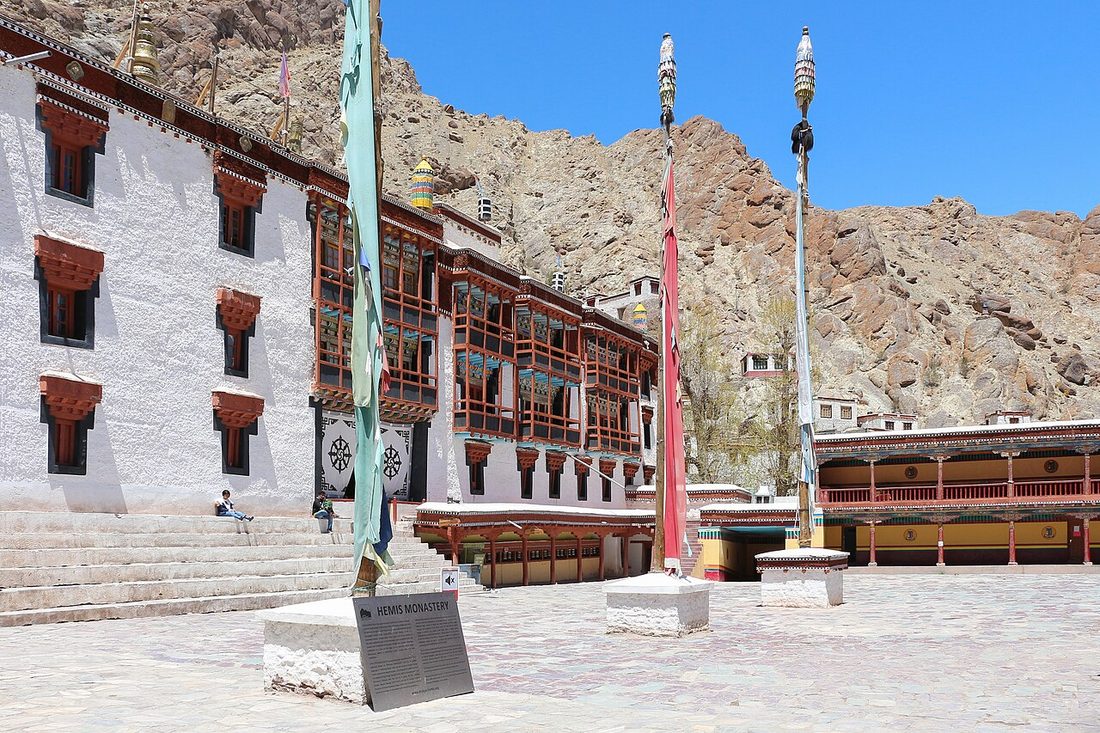
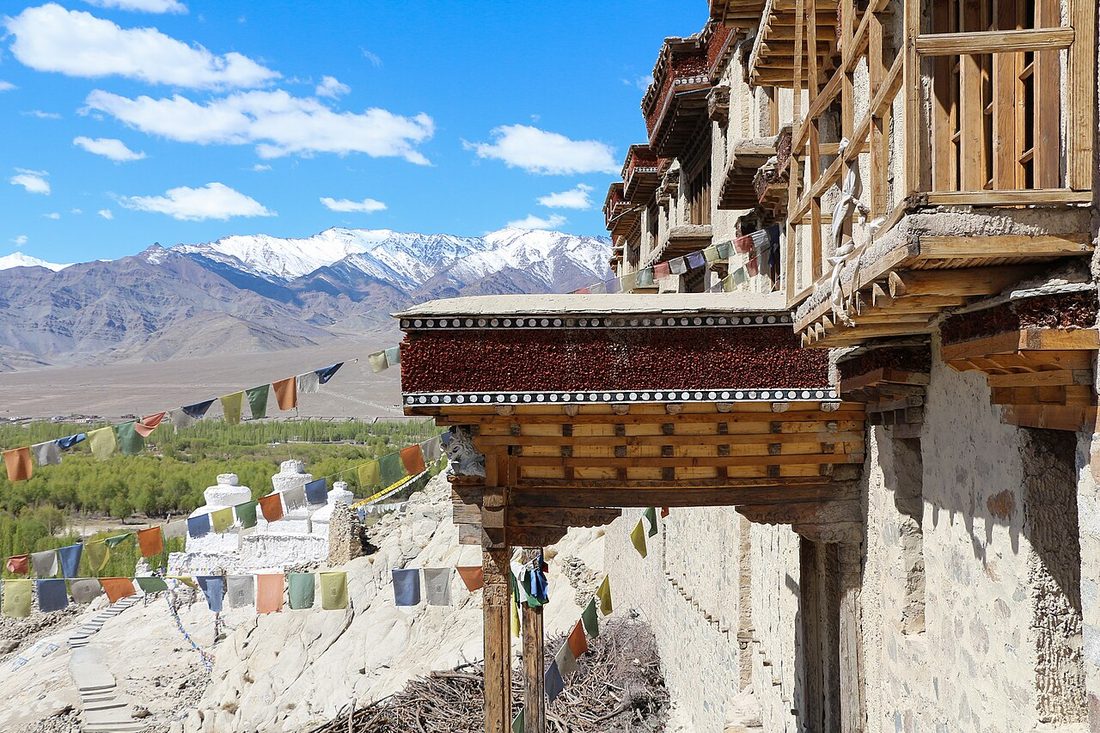
Art historians and cultural travelers love pairing Zanskar’s remote monasteries with Ladakh’s historic Indus Valley sanctuaries. Notice how the same eleventh-century Kashmiri and Tibetan Buddhist revival that shaped Sani and Karsha also sculpted Alchi Choskor and secluded Rizong Gompa, the hilltop fort temples of Basgo and Likir, and the royal capitals of Shey, Spituk, Phyang, and Hemis around Leh. Our dedicated Spiritual Ladakh & Ancient Buddhist Monasteries 7-Day Circuit introduces travelers to Ladakh’s major monastic lineages—and can easily be extended into Zanskar for four extra nights.
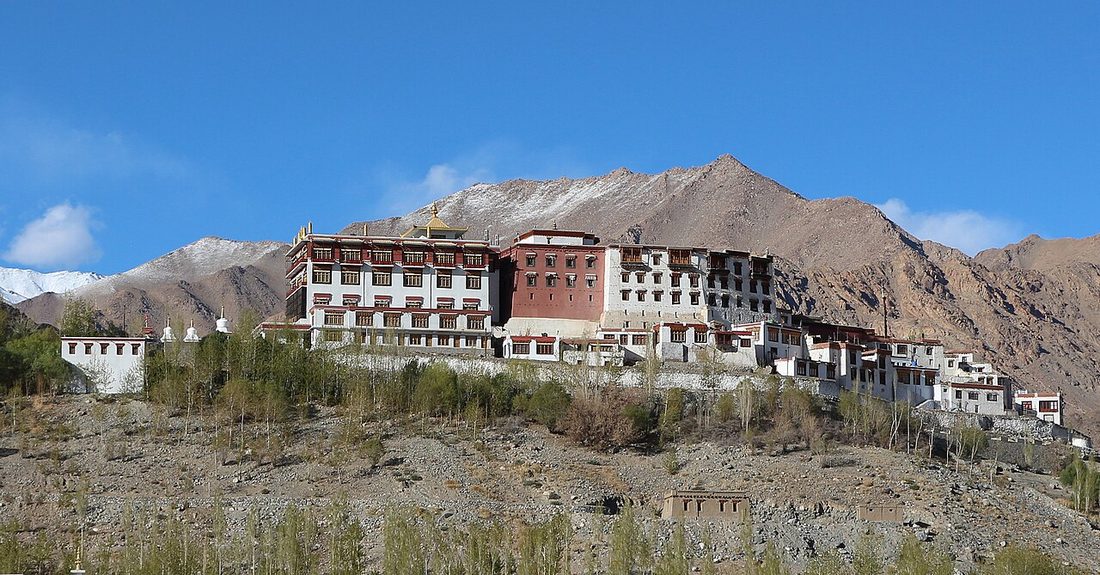
Homestays, Food & Ground Realities in Zanskar
Leave five-star expectations back in Srinagar or Leh—Zanskar is honest mountain country. Accommodation in Padum consists of friendly family-run lodges, clean solar-heated guesthouses, and seasonal eco-camps with attached toilets and buckets of steaming hot water heated on wood stoves. Out in Rangdum, Purne, Kargyak, and Zangla, you sleep inside warm traditional Zanskari homestays: thick woven floor rugs, brass kitchen shelves gleaming by the central bukhari stove, and endless refills of salty butter tea.
Eat whatever your host family cooks that evening: steaming bowls of hand-rolled thukpa, hearty mokh-mokh (momos) stuffed with local spinach or mutton, roasted barley flour (tsampa) mixed with local yak-milk curd, and crisp pan-fried skyu pasta steeped in wild mountain herbs. Remember that summer lodges close abruptly by mid-October once village families stock up firewood for winter hibernation.
Good news on paperwork: Indian citizens do not require an Inner Line Permit specifically for Padum, Karsha, or Phugtal (unlike border zones like Pangong Lake), though carrying original Aadhaar/Passport is mandatory for police logbooks at Panikhar, Rangdum, and Padum. Mobile reception is strictly limited—BSNL and Jio postpaid offer intermittent voice/4G inside Padum town, while Rangdum, Pensi La, and Phugtal stay completely offline. Acclimatize two full days in Srinagar/Sonamarg/Kargil or Leh before crossing 4,400-meter Pensi La or 5,091-meter Shinku La.
Stitching Zanskar Into a Grand Kashmir–Ladakh Expedition
Because Zanskar sits midway between Kashmir and Leh, adventurous travelers frequently bolt 4 extra nights in Padum onto our 9N/10D Srinagar-to-Leh Trans-Himalayan Expedition or join our guided Royal Enfield Ladakh Motorbike Expedition customized with Shinku La and Padum extensions. Explore all twenty-nine Himalayan destinations from the Kashmir i Tour homepage and complete regional field guides hub, browse all forty customizable itineraries inside our official tour packages index, or contact our local Srinagar and Kargil operations desk for real-time Pensi La, Shinku La, and Nimmu–Padum road clearance before booking your dates.
Frequently Asked Questions about Zanskar Valley — Padum, Phugtal Cliff Monastery, Drang Drung Glacier & Pensi La
Recommended Itineraries Including Zanskar Valley — Padum, Phugtal Cliff Monastery, Drang Drung Glacier & Pensi La
Every route below can be customized from Srinagar, Jammu, or Leh with private cabs and verified local stays.
Memorable Leh, Ladakh & Kargil Overland Tour (7N/8D)
8 Days • 7 Nights • ₹31,500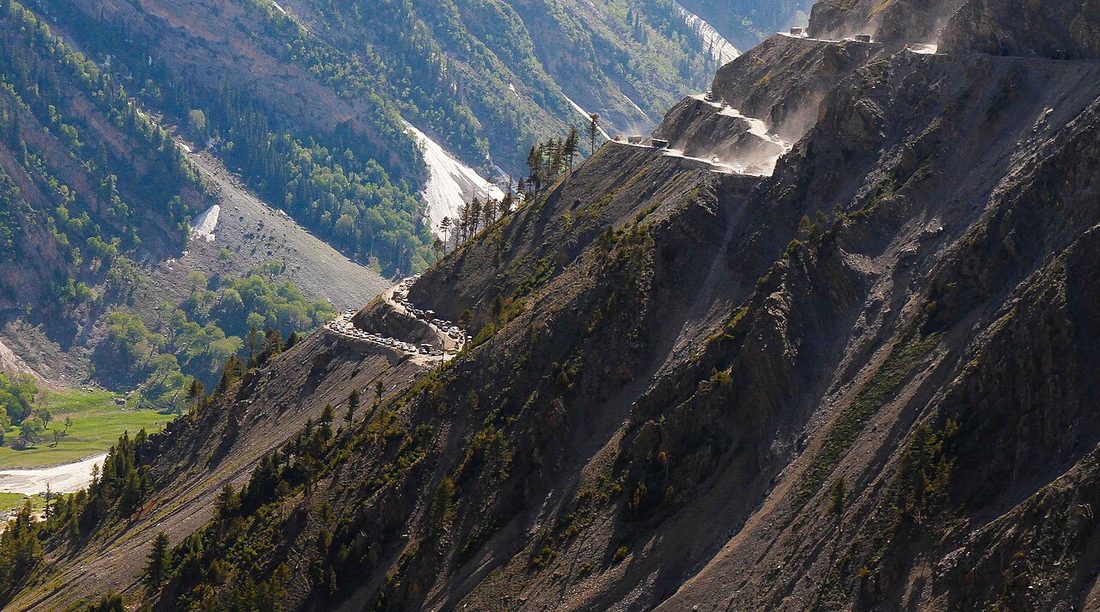
Srinagar to Leh: Kashmir & Ladakh Trans-Himalayan Expedition (9N/10D)
10 Days • 9 Nights • ₹42,999
Spiritual Ladakh & Ancient Buddhist Monasteries Circuit (6N/7D)
7 Days • 6 Nights • ₹28,500
6-Day Leh Ladakh Himalayan Motorbike Expedition (5N/6D Royal Enfield)
6 Days • 5 Nights • ₹25,999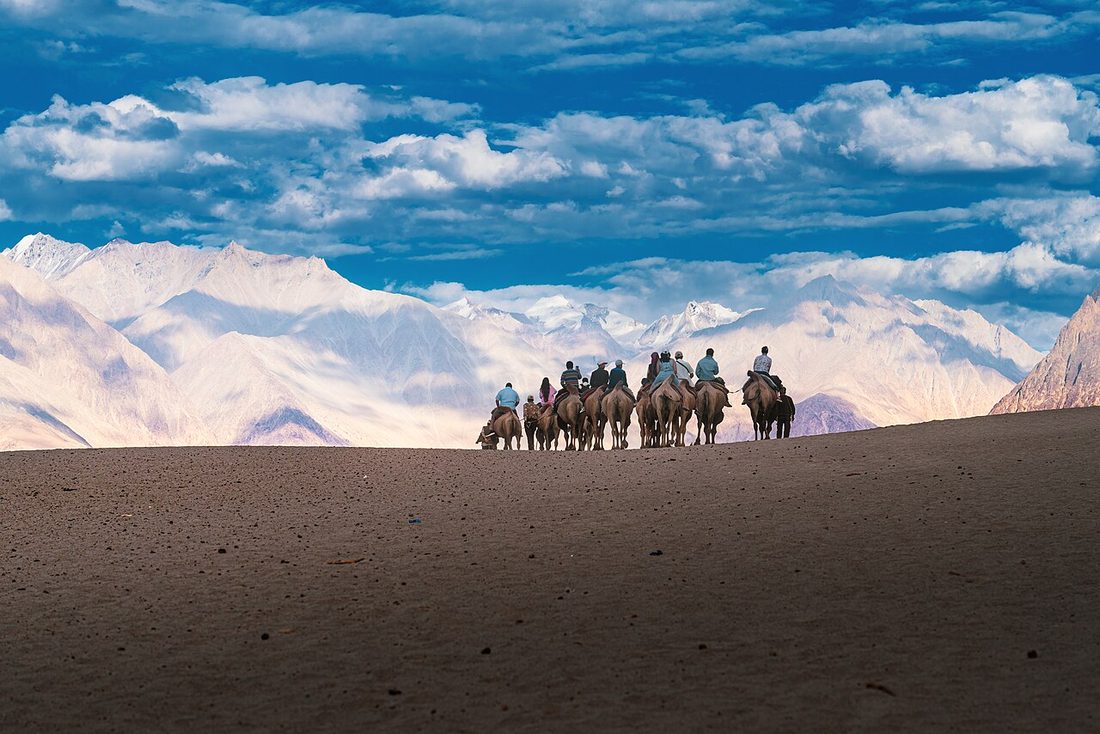
Magical Leh, Sham Valley, Nubra & Pangong Circuit (6N/7D)
7 Days • 6 Nights • ₹28,999Explore Nearby & Connected Destinations
Kargil — Suru Valley, Nun Kun Peaks, Dras War Memorial & Mulbekh Maitreya
Leh-Ladakh →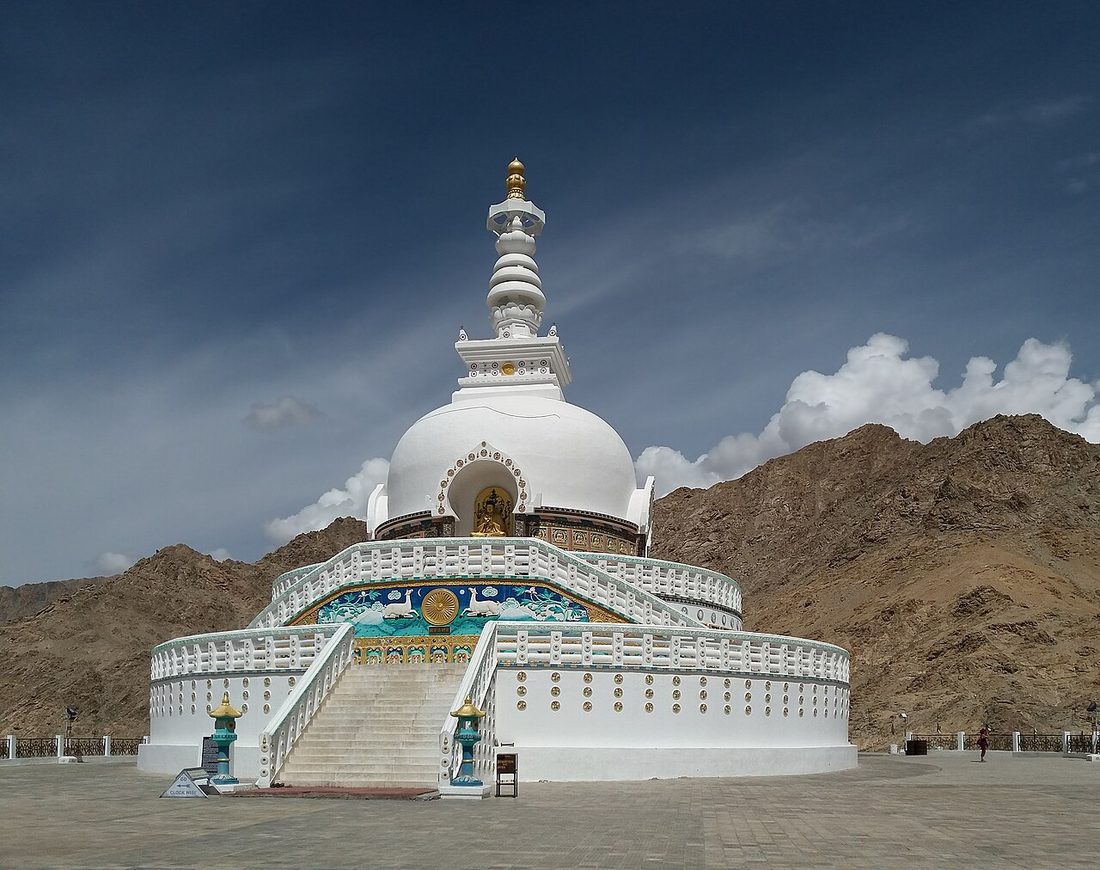
Leh Ladakh — High-Altitude Passes, Ancient Gompas & Trans-Himalayan Deserts
Leh-Ladakh →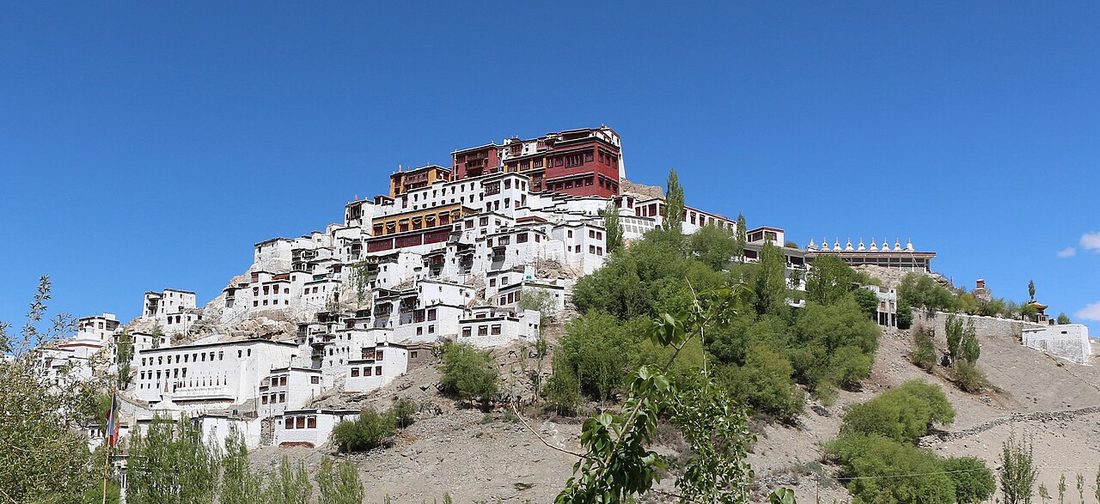
Rizong Gompa & Alchi Monastery — 1,000-Year-Old Kashmiri Murals & Sham Valley Heritage
Leh-Ladakh →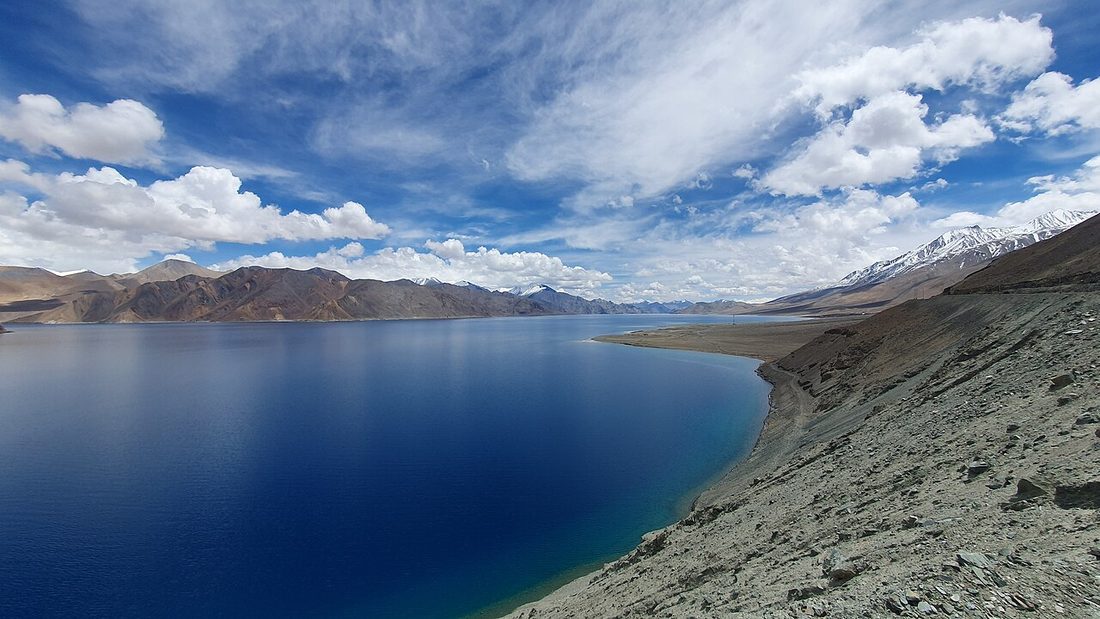
Pangong Tso Lake — Shifting Cobalt Waters, Chang La Pass & Spangmik Stargazing
Leh-Ladakh →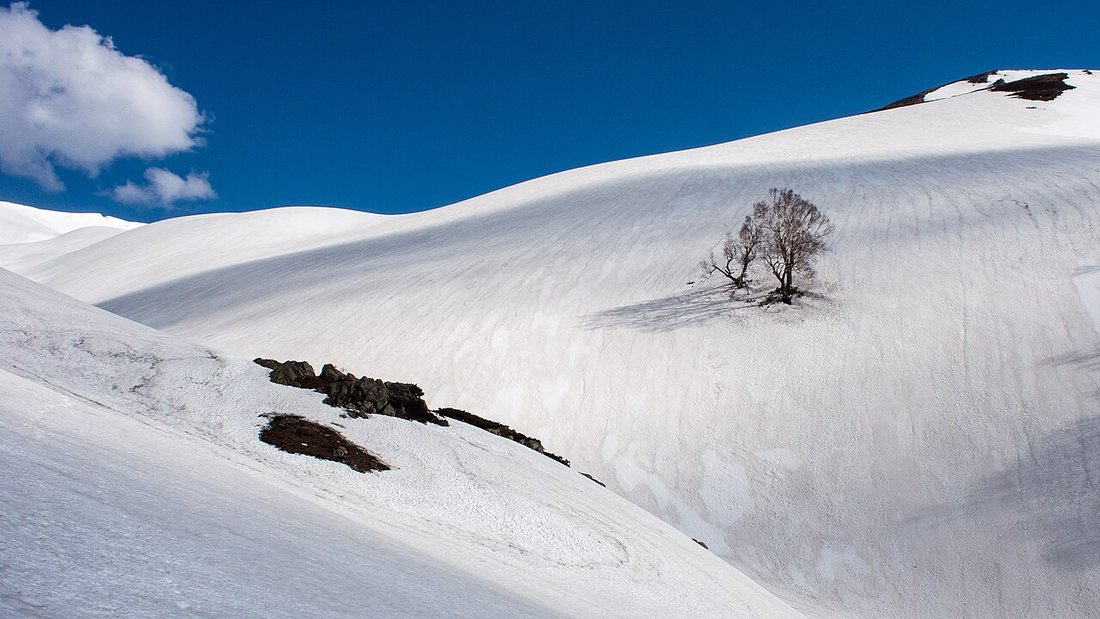
Kishtwar — Land of Saffron & Sapphire, Chowgan Ground & Sinthan Pass
Jammu Region →