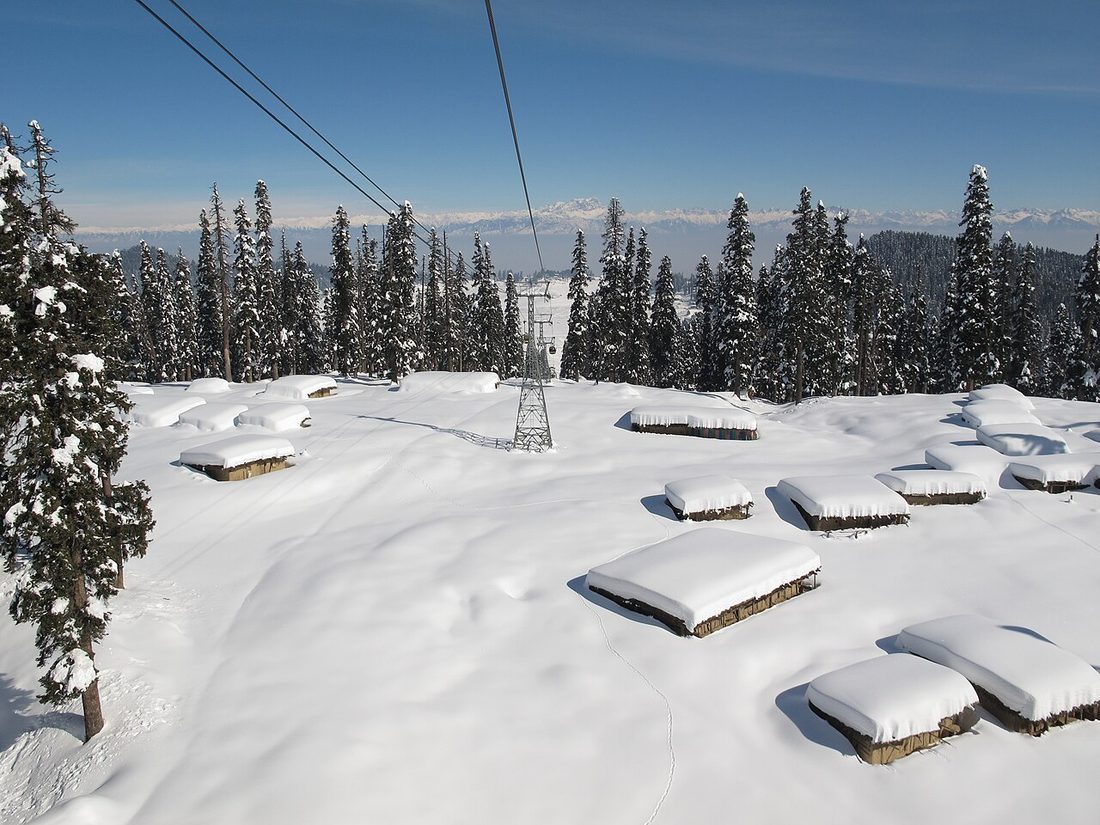
Leave the Hyderpora roundabout in Srinagar by seven in the morning, and within forty minutes the city’s horn-heavy boulevards dissolve into willow-lined irrigation canals, saffron-tinted clay slopes, and Chadoora’s sleepy apple orchards. Most travelers rush straight west toward Gulmarg or southeast down the highway to Pahalgam. The Budgam road heading southwest through Nagam and Charar-e-Sharief draws barely a fraction of that traffic, which is exactly why Yusmarg still smells of damp pine resin, woodsmoke, and wild mint rather than diesel exhaust.
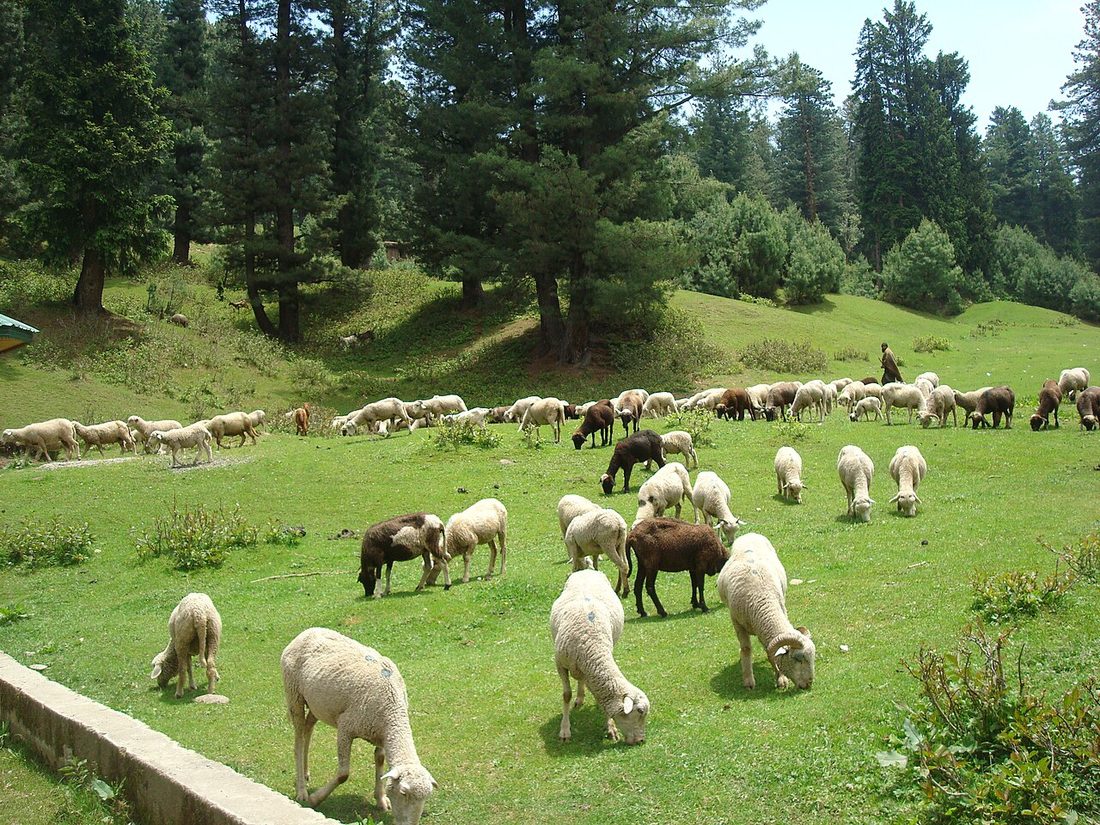
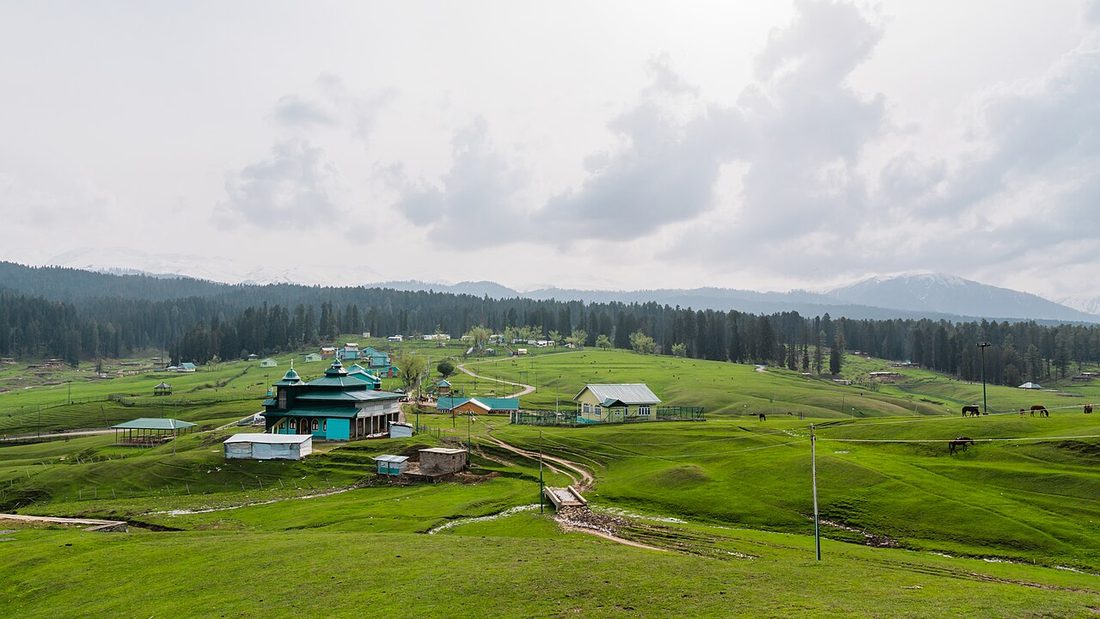
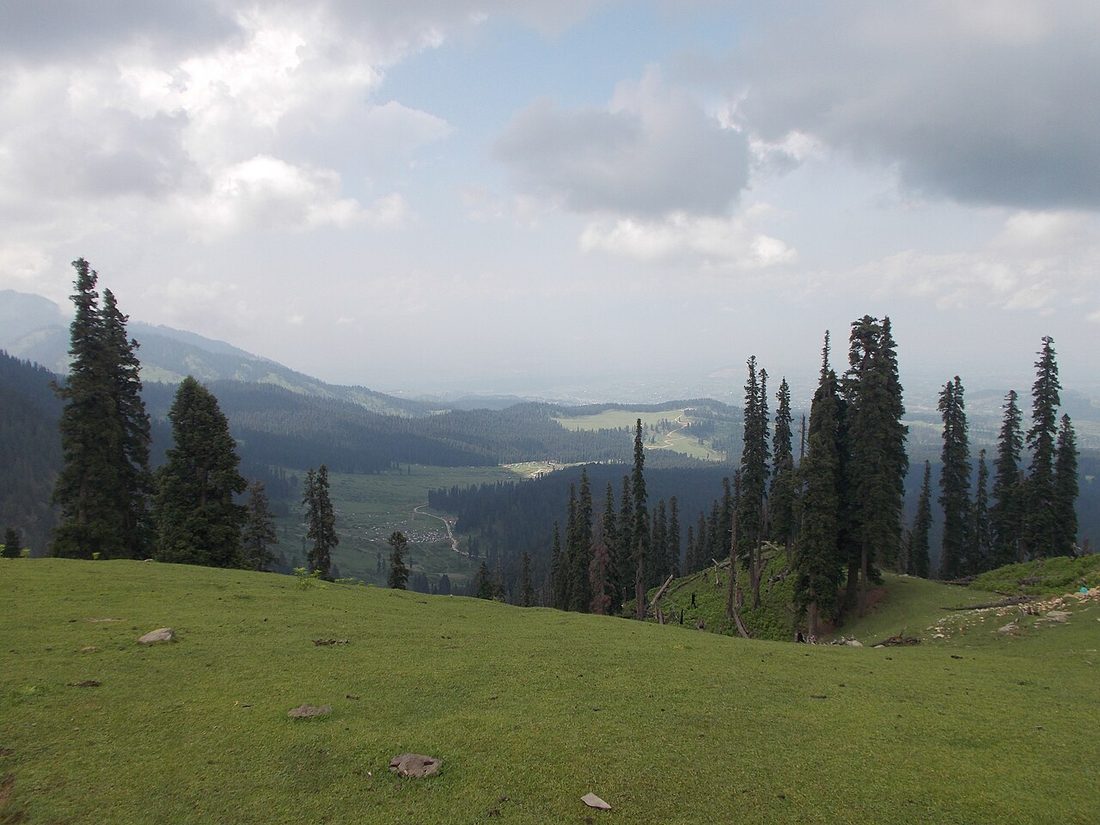
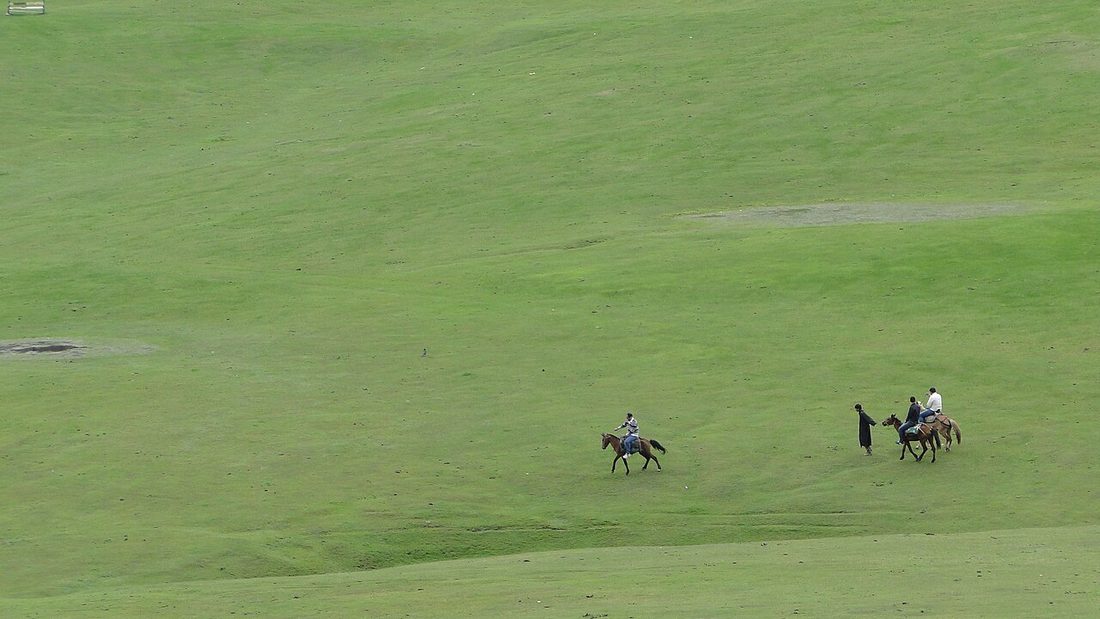
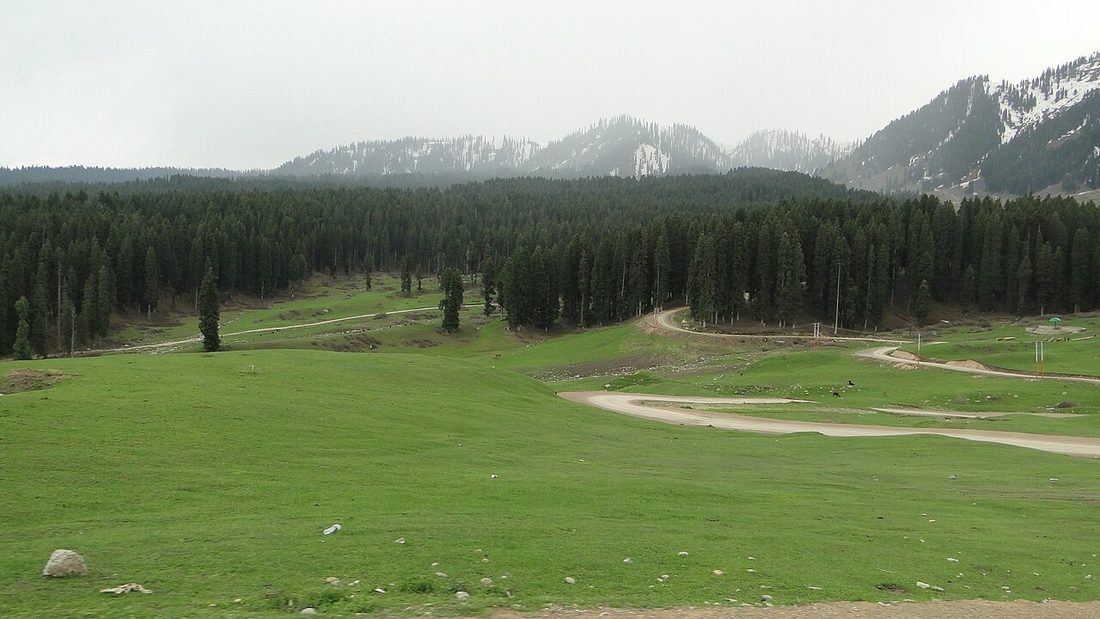
At 2,396 metres (7,861 feet) in the western Pir Panjal foothills, Yusmarg—spelled Yousmarg on older Survey of India maps and road signboards—covers a gently tilted bowl of grass walled by dark blue pine, Himalayan spruce, and silver fir. Behind that timberline rise the jagged snow crests of Sunset Peak (4,745 m) and Tatakooti Peak (4,725 m). There is no cable car overhead, no concrete mall blocking the horizon, and no loud speaker blasting announcements across the pasture. On a weekday morning in May or September, you can sit beside the wooden fence near the Yusmarg Development Authority (YDA) lawns with a glass of salted pink noon chai and watch Gujjar horses crop wet clover in near-complete silence.
Why Locals Call It the Meadow of Jesus
In Kashmiri, marg means high-altitude grazing meadow, and local oral tradition translates Yous as Jesus—giving Yusmarg its enduring nickname, the Meadow of Jesus. Folk tales passed down in Budgam claim that Jesus (remembered locally as Yuz Asaf) crossed these western mountain passes into Kashmir and paused beneath the Pir Panjal ridges. Historians treat the legend as folklore rather than recorded history, yet the story reflects the meditative stillness you actually feel standing under its spruce canopy.
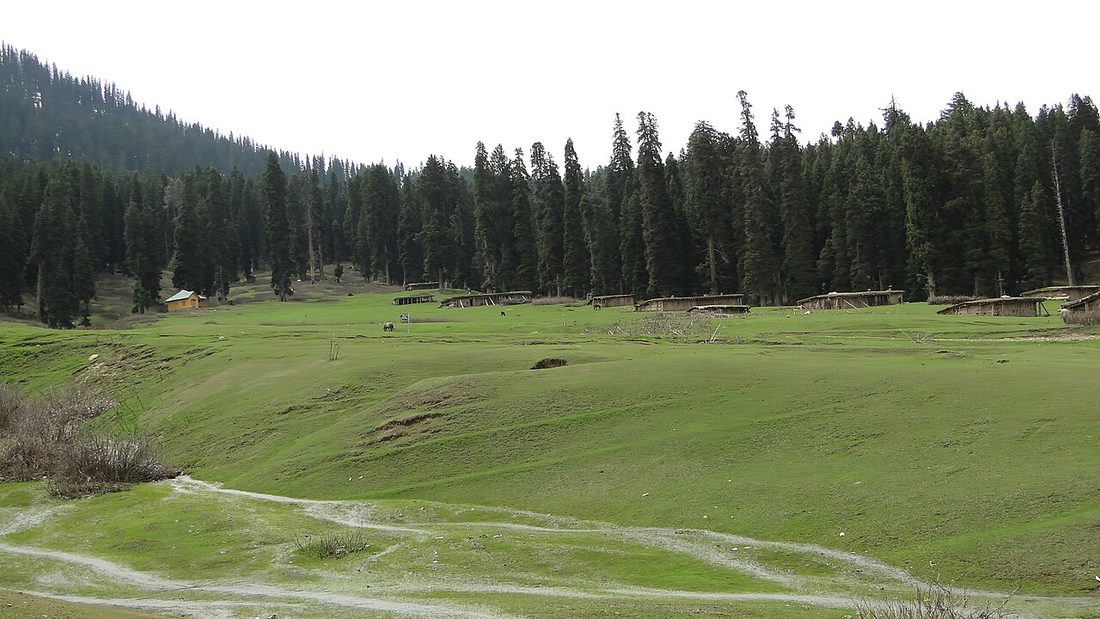
Historically, Yusmarg functioned as a seasonal shepherd artery linking Poonch pastures with Kashmir’s inner uplands. Between late May and early October, Gujjar and Bakarwal families still graze flocks across its clearings, brewing tea beside low mud-and-timber kothas.
The Drive from Srinagar & Stopping at Charar-e-Sharief
From Srinagar International Airport, Yusmarg lies just 47 kilometres southwest—usually a 90-to-110-minute drive via Humhama, Chadoora, and Nagam. If you are shaping a flexible valley circuit from our Kashmir tour packages hub, Yusmarg makes an effortless first or final day without long highway transfers.
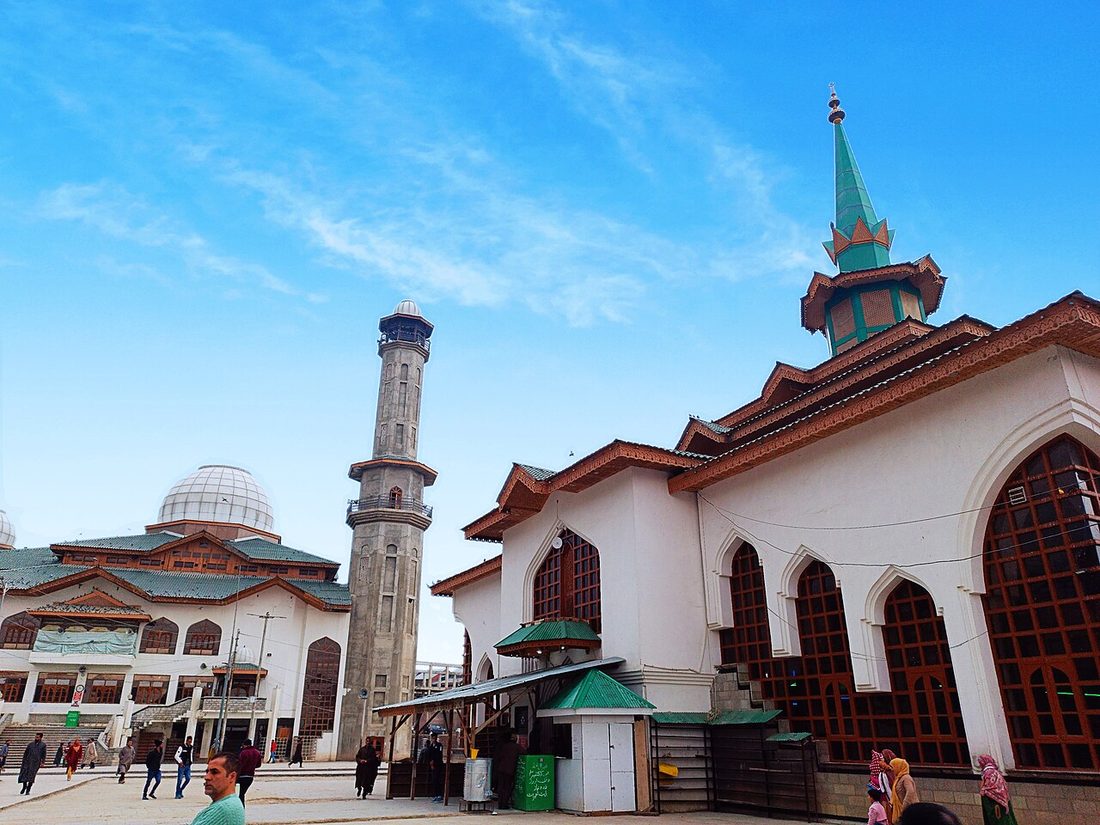
About 30 kilometres into the drive—and 17 kilometres before the Yusmarg entrance gate—the road climbs onto a breezy ridge crowned by Charar-e-Sharief (locally called Tsrar), one of Kashmir’s most revered Sufi sanctuaries. Built around the tomb of the 15th-century mystic poet Sheikh Noor-ud-din Noorani, affectionately remembered across communities as Nund Rishi or Alamdar-e-Kashmir, the shrine anchors Kashmiri Rishi spirituality. Even after its wooden hall was rebuilt following the 1995 fire, the tiered pagoda-style spire and intricately lattice-worked deodar balconies carry the unmistakable craft of traditional valley carpentry.
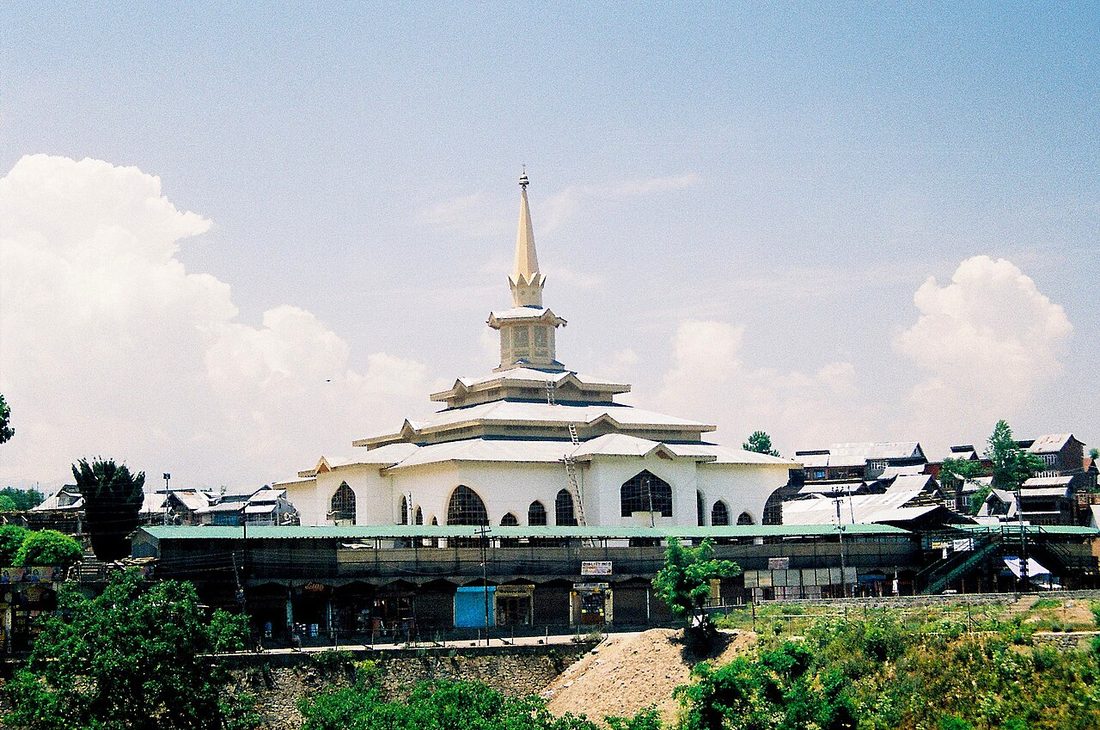
Plan your Charar-e-Sharief stop for the morning outbound leg rather than late afternoon. On Fridays between 12:30 PM and 2:30 PM, congregational prayers pack the narrow town street, adding twenty to thirty minutes of bumper-to-bumper crawling. Dress modestly with covered shoulders and knees, leave shoes at the attendant counter outside the courtyard, and pick up a paper bag of crisp sesame-crusted Kashmiri kulchas and cracked Budgam walnuts from the tea stalls below the steps before driving the final winding 17 kilometres into the conifer forest.
Walking Down to the Doodhganga River
Most first-time visitors walk straight out onto Yusmarg’s main meadow, snap ten photos beside the painted signboard, and assume they have seen the whole valley. Do not stop at the lawn. The soul of Yusmarg lies down in the ravine and up in the forest rings surrounding it.
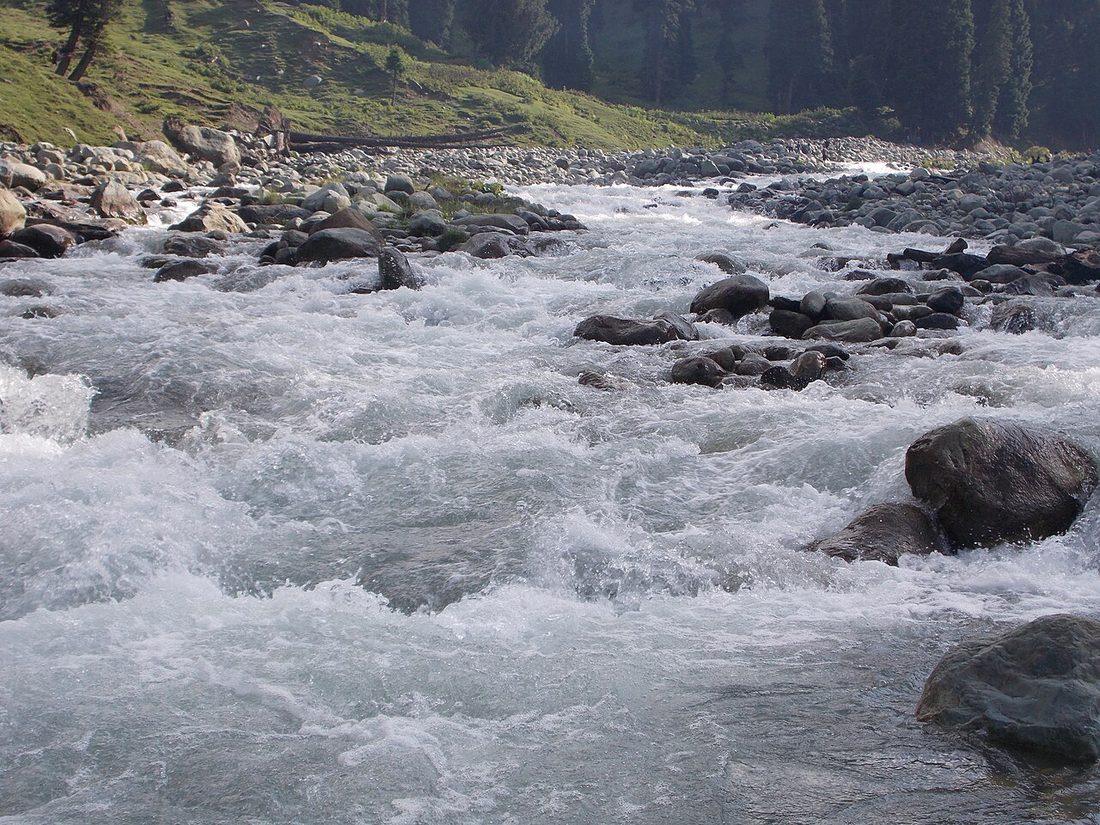
Start with the descent to the Doodhganga River—roughly 1.5 to 2 kilometres down a cobbled-and-dirt forestry track starting near the far edge of the main parking meadow. The trail drops steadily beneath dense silver fir canopy where shafts of midday sunlight barely brush the ferns. Long before you see water, you hear it: a low, echoing thunder rising out of the gorge. Meltwater from the Pir Panjal snowfields slams against smooth grey granite boulders and whips itself into white froth, earning the stream its name, the River of Milk.
At the river’s edge, flat sun-warmed stones invite you to kick off hiking boots—though testing the current quickly reminds you it just left glacial ice a few kilometres upstream; ten seconds is enough to turn toes bright red even in mid-July. A wooden footbridge crosses to a quiet clearing on the far bank where shepherd boys sometimes sell boiled sweet corn rubbed with lemon and chili salt. Allow 90 minutes round-trip if walking at an easy pace, remembering that the walk back up to the meadow climbs roughly 180 metres of elevation and feels steeper than it looked coming down.
The Forest Trail to Nilnag Lake
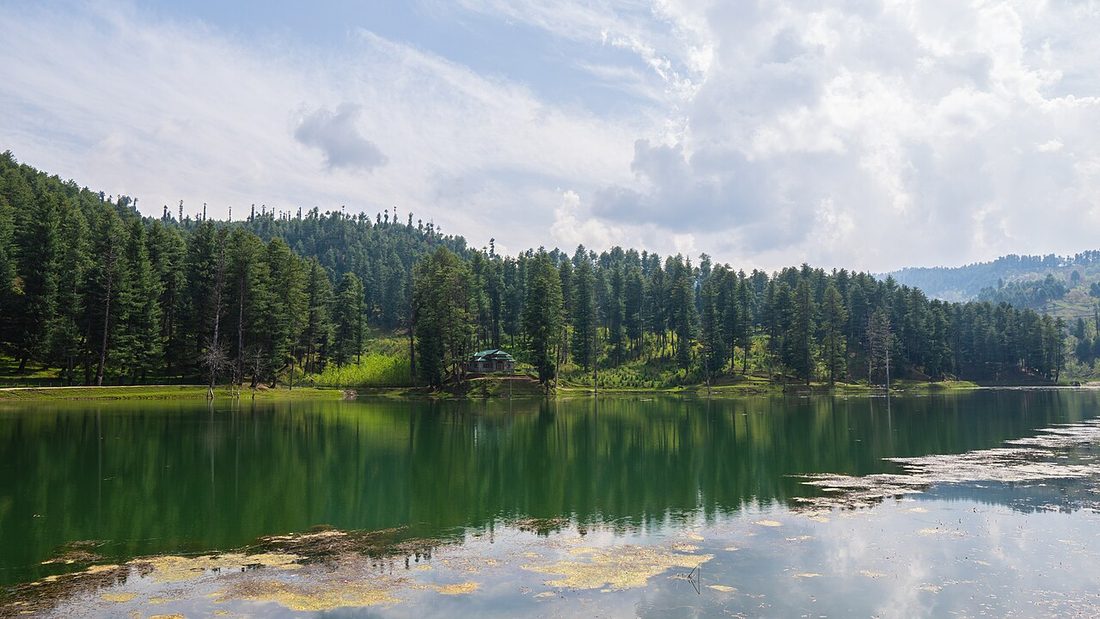
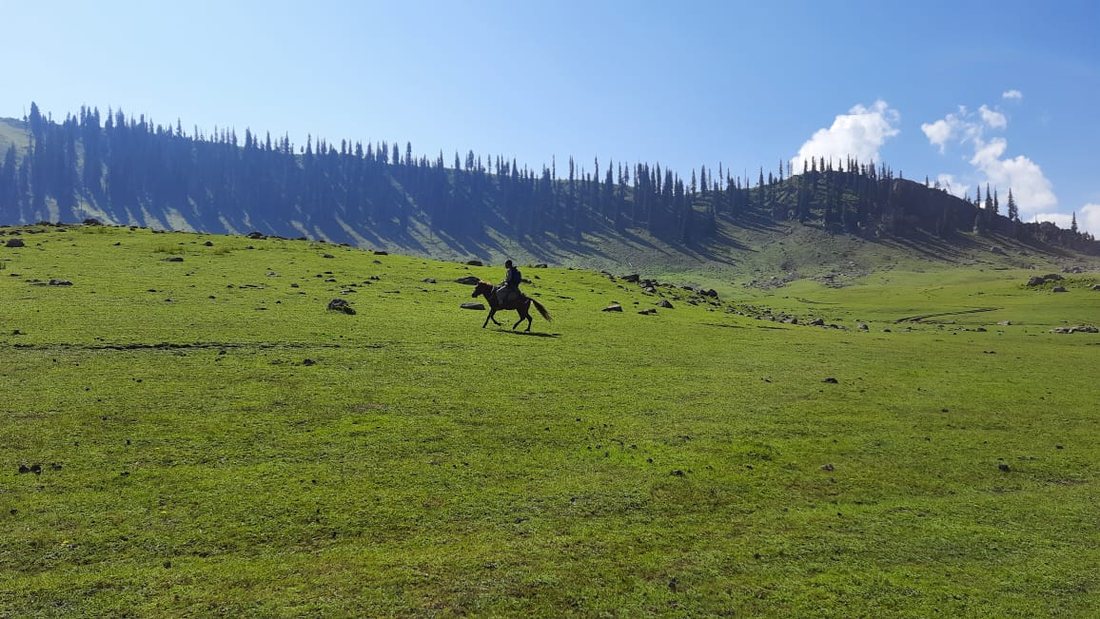
Four kilometres northwest of the Yusmarg tourist complex sits Nilnag Lake, a blue-green mountain tarn cupped inside a bowl of dark pine trees and terraced maize fields belonging to the tiny hamlet of Nilnag. The walk takes roughly 75 to 90 minutes each way on foot, or 45 minutes perched on a local mountain pony. Between the two, walking wins every time if your knees are healthy and the soil is dry: the narrow bridle trail weaves through damp moss banks, wild strawberries in June, and small wooden log bridges over icy trickles where horses kick up wet clay.
Be honest with yourself about weather conditions before starting. After an overnight thunderstorm, the lower section of the Nilnag path turns ankle-deep in slick red mud; sturdy lug-soled trekking shoes with decent ankle grip beat white sneakers by a mile. Also know what Nilnag actually looks like across seasons so expectations stay grounded. On crisp autumn mornings or rain-free June days, the water mirrors the conifers in deep cobalt and spruce green. Right after heavy summer cloudbursts, hillside runoff washes silt into the tarn, turning it a cloudy jade until sediments settle again.
There are no permanent cafes or resorts along Nilnag’s bank—just one or two seasonal tarpaulin tea shacks in peak summer serving Maggie noodles, boiled eggs, and sweet tea. Pack at least a litre of drinking water per person, dry fruit or bakery bread from Charar-e-Sharief, and a lightweight windcheater, because afternoon drafts pouring off the ridge chill sweaty backs within minutes.
Unlike the high-pressure scenes near Gulmarg’s base or Pahalgam’s pony gates, Yusmarg’s horsemen are noticeably calmer—yet verbal quotes still start 40–60% above the official Yusmarg Development Authority rate board posted near the main parking barrier. Always inspect the printed board before agreeing on a loop (Doodhganga + Nilnag + Sang-e-Safed). Clarify whether the quoted figure is per horse for the full round-trip including waiting time at the lake, and agree never to pay extra “guide tips” mid-trail unless you genuinely want to extend into the upper pastures.
Sang-e-Safed Valley, Frozen Snow Bridges & High Shepherd Passes
If you have strong legs, an early 8:30 AM start, and dry skies, push past the usual picnic perimeter toward Sang-e-Safed—literally “White Stones” in Persian. Located roughly 10 kilometres from Yusmarg along a broad undulating shepherd track that hugs the upper Doodhganga gorge, Sang-e-Safed is a broad oval meadow bordered by birch thickets and snow-streaked scree slopes at roughly 3,150 metres.
Even in late June and July, thick snow bridges and compacted winter avalanche tongues linger over parts of the glacial stream here, creating what local pony guides casually call the “Frozen Lake” stretch. You will not find an endless sheet of polar ice in August, so take exuberant brochures with a grain of salt—what you do get is raw high-Himalayan scale: sheer rock ribs climbing directly toward Tatakooti Peak, marmots whistling from boulder piles, and the rare thrill of watching golden eagles ride midday thermals over a meadow with zero mobile reception.
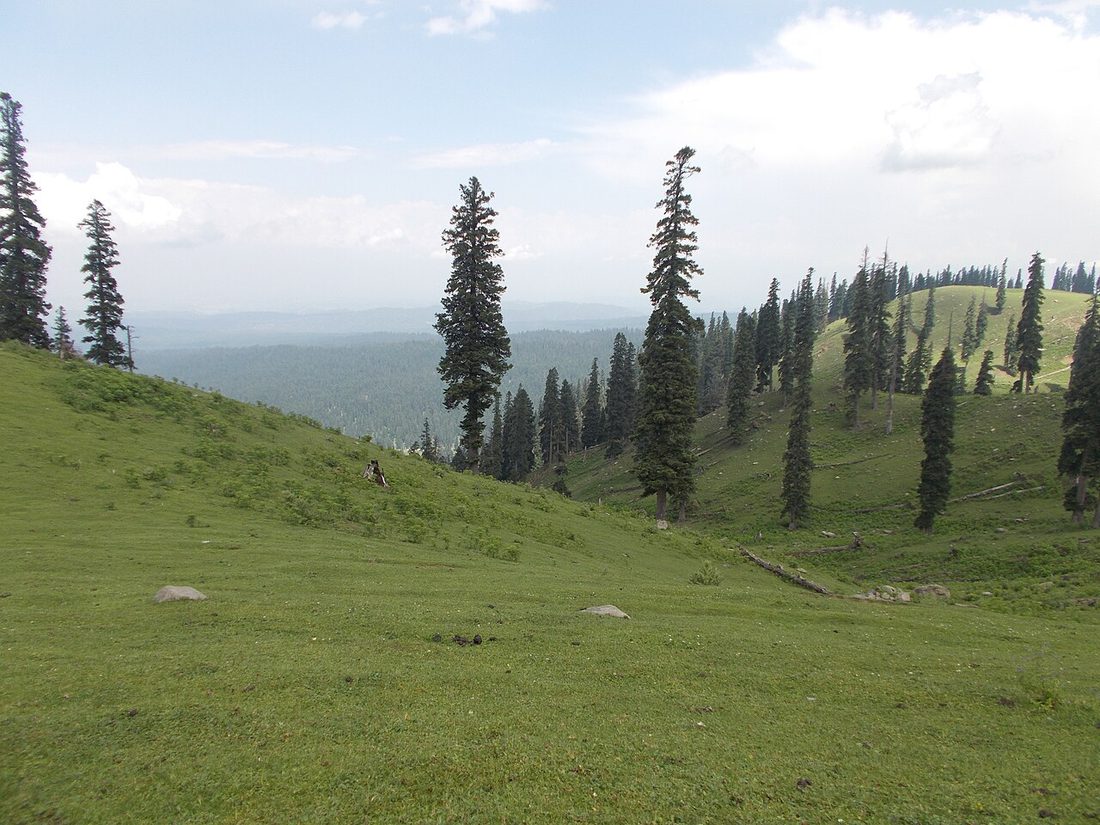
Serious trekkers use Yusmarg as the southern launchpad for multi-day crossings across the western Pir Panjal—linking Bargah and Liddermar pastures north toward Tosamaidan, west across the Chor Panjal Pass into Poonch, or northwest through dense timber belts toward Doodhpathri and eventually Tangmarg and Gulmarg. Along those shepherd bridleways, locals point out cold iron-and-sulphur hillside springs believed for generations to soothe skin and stomach ailments. Never attempt the Tosamaidan or Tatakooti basecamp crossings solo without a registered local trekking guide and proper forest-department checkpost registration—sudden afternoon fog banks erase landmarks in under ten minutes.
Yusmarg Trail & Excursion Planner (2026 Field Reference)
To help you choose between a relaxed half-day walk and a full mountain immersion, here is how Yusmarg’s key spots break down by distance, terrain, realistic time, and indicative pony hire ranges:
| Excursion / Trailhead | Distance from Main Gate | Walking Time (Round-Trip) | Indicative Pony Rate (INR) | Best Window & Terrain Notes |
|---|---|---|---|---|
| Doodhganga River Gorge | ~2 km one-way | 1.5 – 2 hrs | ₹600 – ₹900 | Apr – Nov; steep earthen forest descent, slippery boulders by water |
| Nilnag Forest Lake | ~4 km one-way | 3 – 3.5 hrs | ₹1,000 – ₹1,400 | May – Oct; pine canopy trail, muddy after rain, scenic quiet shore |
| Sang-e-Safed Valley | ~10 km one-way | 6 – 7 hrs | ₹1,800 – ₹2,400 | Late May – Sep; gradual valley ascent, summer snow patches, carry lunch |
| Bargah & Liddermar Ridge | ~6–8 km one-way | 4.5 – 5.5 hrs | ₹1,400 – ₹1,800 | Jun – Sep; wide shepherd pastures, panoramic Tatakooti views |
| Charar-e-Sharief Shrine Halt | 17 km by road (en route) | 45 mins stop | Included in cab | Year-round; avoid Friday 12:30–2:30 PM prayer rush on narrow street |
Yusmarg vs. Doodhpathri vs. Gulmarg: Honest Comparison
Travelers browsing all Kashmir, Jammu & Ladakh destinations often ask whether they should squeeze both Yusmarg and Doodhpathri into a single 5-day holiday. Both lie in Budgam district, separated by forested hills—yet by road you must loop down toward Chadoora and back up via Khansahib, roughly a 2-hour-15-minute scenic drive between the two meadows.
Here is the candid trade-off. Choose Gulmarg if you want the Phase 2 Gondola to 3,980 m, chairlift powder skiing, and five-star heated resorts. Choose Doodhpathri if you are traveling with young kids or elderly parents who want flat riverside lawns right beside the car park and minimal uphill walking. Choose Yusmarg if you crave quiet forested trails, an unhurried walk to a mountain tarn like Nilnag, dramatic snow peaks framing a small meadow, and the option to sleep overnight in a creaking cedar cabin without hearing traffic all night. If your schedule runs seven days—such as our 7-Day Kashmir Family Holiday Itinerary—you can easily dedicate one relaxed day to Yusmarg and another to southern springs like Kokernag.
Seasons at Yusmarg: From Spring Melt to Silent Snow
Because Yusmarg sits nearly 800 metres higher than Srinagar’s Dal Lake floor, its weather swings sharply ahead of the city. Consult our month-by-month Kashmir weather guide when locking flight dates, and keep these local ground conditions in mind:
- April to June (Spring & Early Summer): Snow pulls back from the main lawn by early April, revealing yellow buttercups and fresh clover while Sang-e-Safed stays white above. Daytime highs hover between 15°C and 22°C; evenings drop to 6°C–9°C. This is prime season for combining Yusmarg with valley circuits like the Discover Kashmir 5-Day Express Itinerary.
- July to August (Lush Monsoon Fringe): While Jammu and the Indian plains bake or flood, Budgam catches intermittent afternoon showers that turn the firs emerald and swell the Doodhganga into a white torrent. Pack waterproof shells and extra socks; mornings are usually crystal clear before clouds gather after 2 PM.
- September to Early November (Golden Autumn): Arguably Yusmarg’s finest photographic window. Skies turn deep cobalt, summer day-picnickers disappear once schools reopen, poplars and walnut trees along the Chadoora approach flare gold and rust, and trail soil stays bone-dry for the Sang-e-Safed hike.
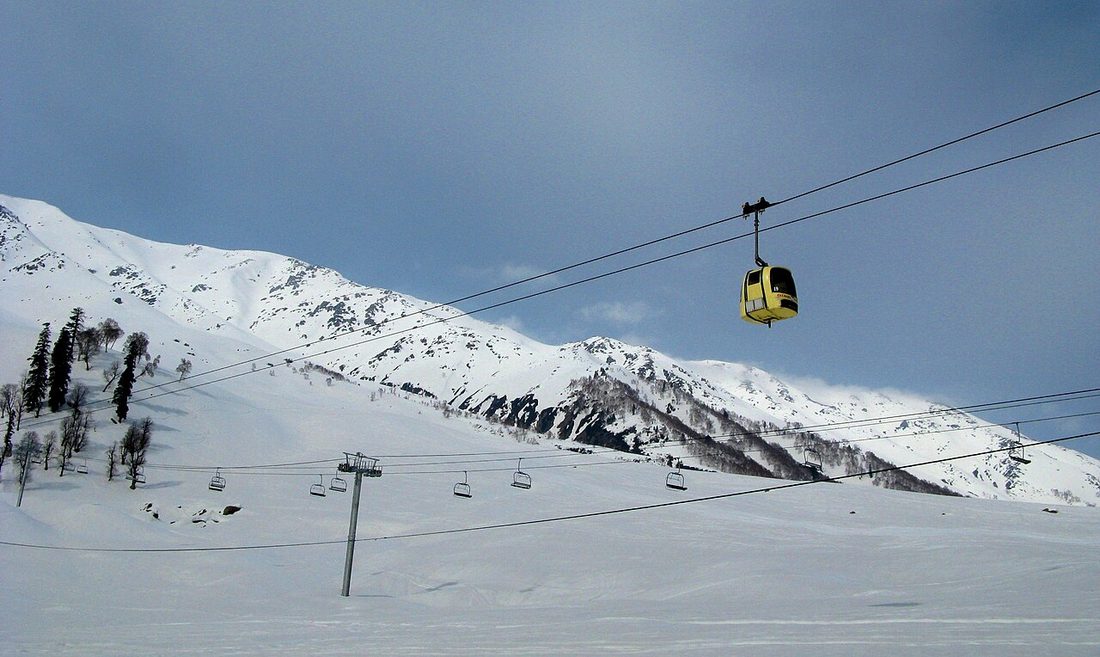
- December to February (Winter Snow & Basic Skiing): Heavy western disturbances bury Yusmarg under two to four feet of dry powder. Unlike Gulmarg, there are no groomed ski pistes or ropeways—local YDA instructors and village boys rent basic wooden sledges and beginner downhill skis on the gentle nursery incline right beside the tourist bungalows. It feels blissfully empty compared to Gulmarg’s winter bottlenecks, provided your transport is equipped for black ice.
Between late December and February, standard 2WD sedans from Srinagar often lose traction on the shaded switchbacks above Charar-e-Sharief. Hire a 4×4 Sumo, Bolero, or chained Tempo Traveller through our Srinagar local route desk if snowfall occurred in the preceding 48 hours. Also remember that Yusmarg’s power grid experiences winter voltage drops—if staying overnight in December–February, confirm in advance that your cottage offers functioning bukhari wood stoves or diesel-backed room heating rather than relying solely on electric blowers.
Where to Stay & Eat Without Getting Caught Short
Accommodation at Yusmarg stays deliberately small-scale, which preserves the valley’s atmosphere but means rooms sell out fast on long summer weekends and Eid holidays. The prized beds are the timber cottages and tourist huts managed by Jammu & Kashmir Tourism Development Corporation (JKTDC) and the Yusmarg Development Authority right on the meadow perimeter. Their balconies face straight into the pines, though interior furnishings are practical government-rest-house style rather than boutique luxury.
A handful of private wooden lodges and modest resorts have opened along the ridge road just before the YDA barrier, offering cleaner bathrooms, hot-water geysers, and lawns for evening bonfires. Still, if you prefer reliable central heating, plush bedding, or a broader dinner spread, stay on a heritage houseboat or boutique hotel from our curated verified Srinagar hotels and houseboats collection and visit Yusmarg as an unhurried 8 AM–5 PM day excursion.
Dining here is wonderfully unpretentious. Around the main parking yard and JKTDC dining hall, family-run dhabas turn out steaming plates of local rajma chawal with walnut chutney, slow-simmered Kashmiri mutton rogan josh, crisp nadru fritters when stocked, and thick noon chai poured beside buttery lavasa flatbread. Order packed parathas and boiled eggs at breakfast before trekking toward Nilnag or Sang-e-Safed, because once you pass the wooden footbridge, mountain stalls are scarce. Anglers combining western Budgam waters with southern streams often link this stretch into our Kashmir Trout Angling & Himalayan River Fishing Expedition.
Pair Yusmarg with Khilanmarg & Offbeat Valley Trails
Combine quiet Budgam meadows, Charar-e-Sharief, Nilnag forest walks, and high-altitude Pir Panjal viewpoints in one seamless private cab itinerary from Srinagar.
Practical Logistics & Responsible Meadow Etiquette
Postpaid Jio and Airtel SIM cards catch patchy 4G around the main YDA complex and Charar-e-Sharief, then drop out inside the Doodhganga gorge and along the Nilnag ridge. Prepaid SIMs registered outside Jammu & Kashmir do not work anywhere in the valley. Keep ₹2,000–₹4,000 in cash on hand, since UPI scans stall when cell towers fade and the nearest dependable ATM sits back in Charar-e-Sharief.
Finally, leave the turf cleaner than you found it by packing wrappers and bottles back to your vehicle. Before locking dates, cabs, and seasonal pricing across Kashmir, review our complete 2026 Kashmir tour packages booking guide to see how smoothly this silent Budgam bowl fits alongside the valley’s classic circuits.
Frequently Asked Questions about Yusmarg — Meadow of Jesus, Doodhganga Trails & Nilnag Lake
Recommended Itineraries Including Yusmarg — Meadow of Jesus, Doodhganga Trails & Nilnag Lake
Every route below can be customized from Srinagar, Jammu, or Leh with private cabs and verified local stays.
Kashmir Adventure & Khilanmarg Trekking Itinerary (5N/6D)
6 Days • 5 Nights • ₹24,500
Discover Kashmir 5-Day Express Itinerary (4N/5D Srinagar, Gulmarg & Pahalgam)
5 Days • 4 Nights • ₹16,999
Kashmir Trout Angling & Himalayan River Fishing Expedition (5N/6D)
6 Days • 5 Nights • ₹32,500
Charismatic Kashmir Heritage & Valley Itinerary (5N/6D)
6 Days • 5 Nights • ₹22,999
7-Day Kashmir Family Holiday Itinerary (6N/7D Comfort Valley Circuit)
7 Days • 6 Nights • ₹28,999Explore Nearby & Connected Destinations
Doodhpathri — The Valley of Milk, Shaliganga Stream & Untouched Pastures
Kashmir Valley →
Srinagar — The City of Lakes, Mughal Gardens & Old City Heritage
Kashmir Valley →
Pahalgam — Valley of Shepherds, Lidder River & Pine Trails
Kashmir Valley →
Kokernag — Kashmir’s Largest Freshwater Springs, Botanical Gardens & Trout Streams
Kashmir Valley →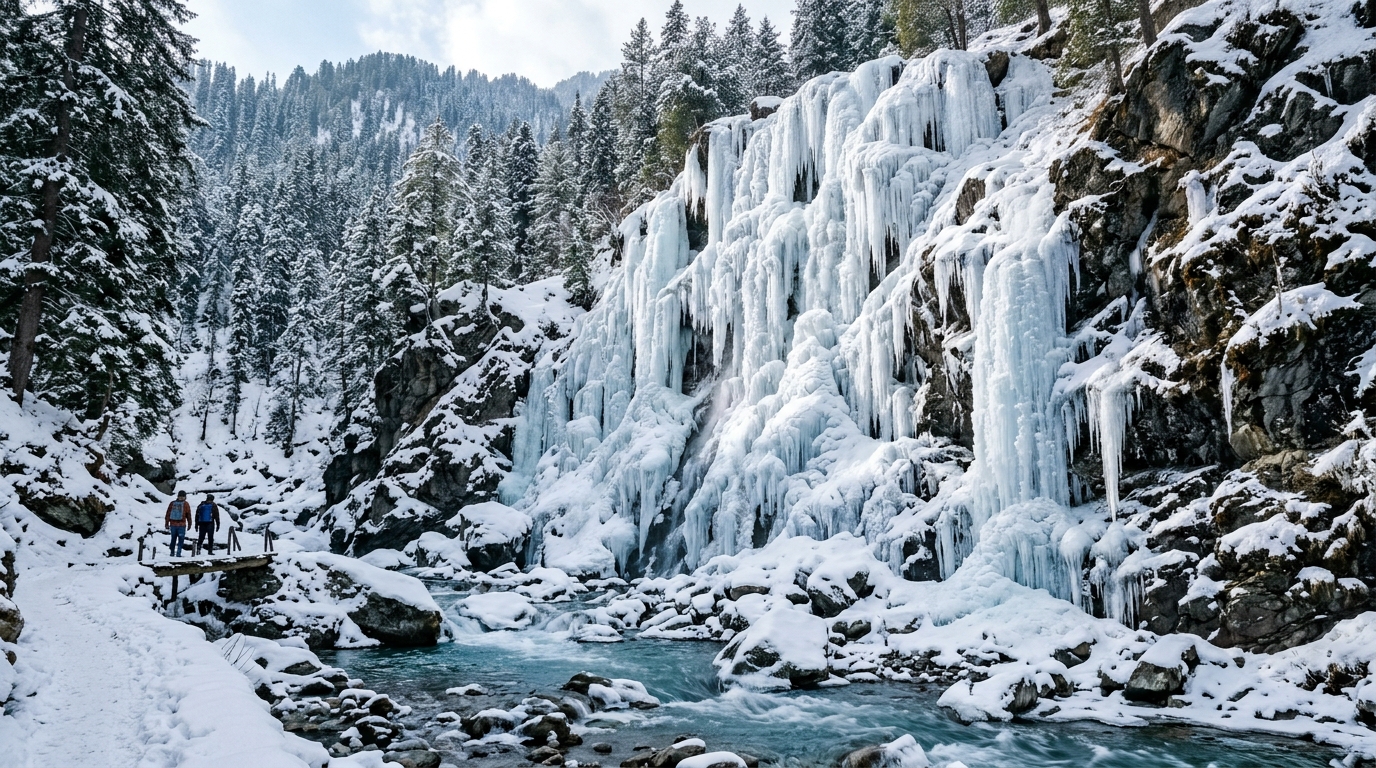
Tangmarg — Pine Forest Gateway to Gulmarg & Frozen Drung Waterfall
Kashmir Valley →