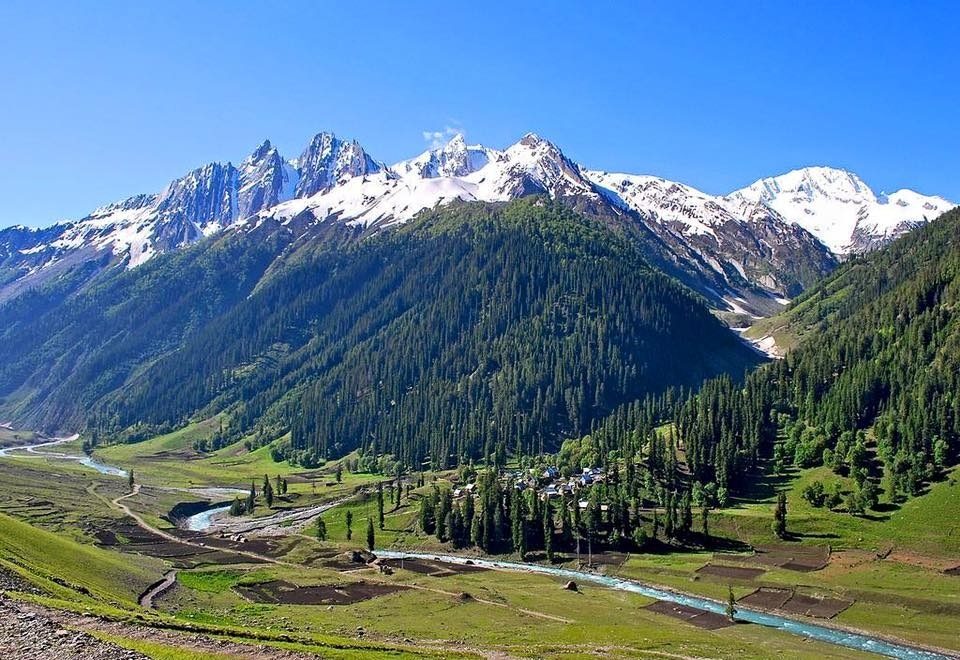
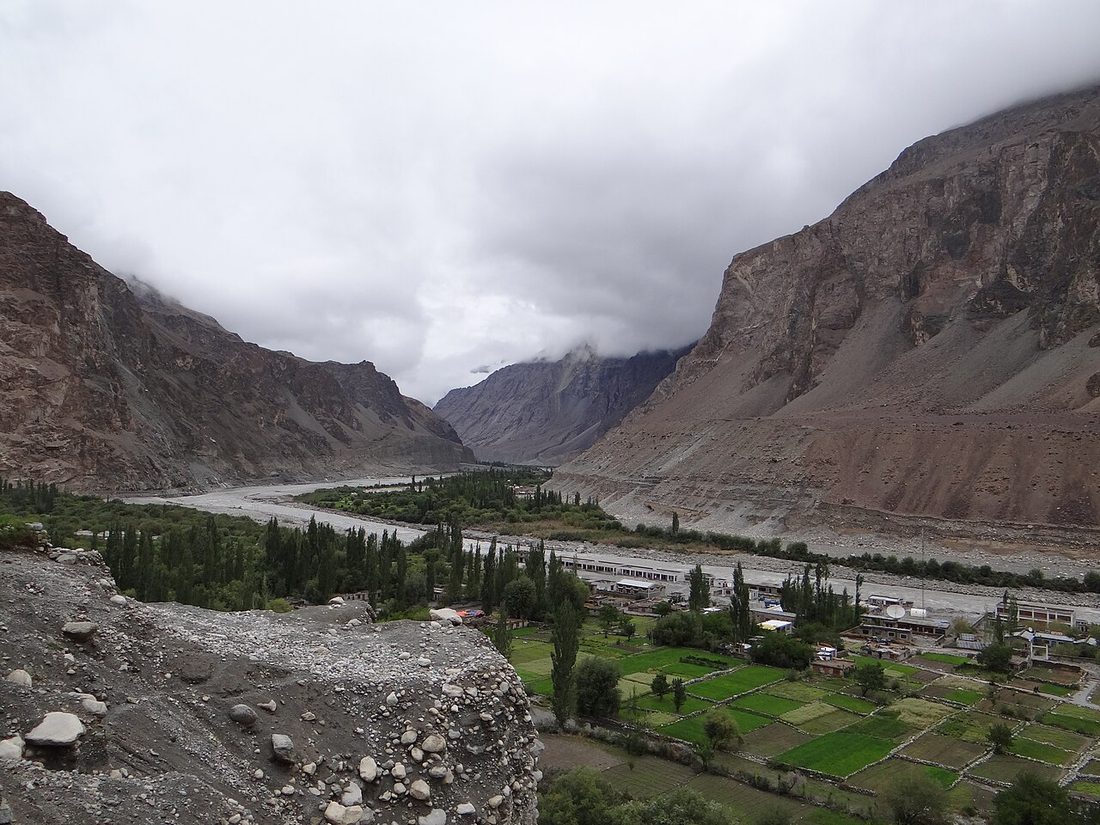
For two tight hours climbing north out of Leh, the road up Khardung La feels like a moonwalk—barren granite rubble, melting snowbanks, and thin wind slicing through open windows. Then you crest the ridge, plunge down the northern switchbacks into the broad braided bed of the Shyok River, and everything changes. Suddenly there are tall silver poplars rustling in warm valley drafts, wild thorny bushes heavy with bright orange sea-buckthorn berries, snow-capped Karakoram giants looming behind rolling sand dunes, and—most welcome of all—dense, oxygen-rich air that lets your lungs relax completely.
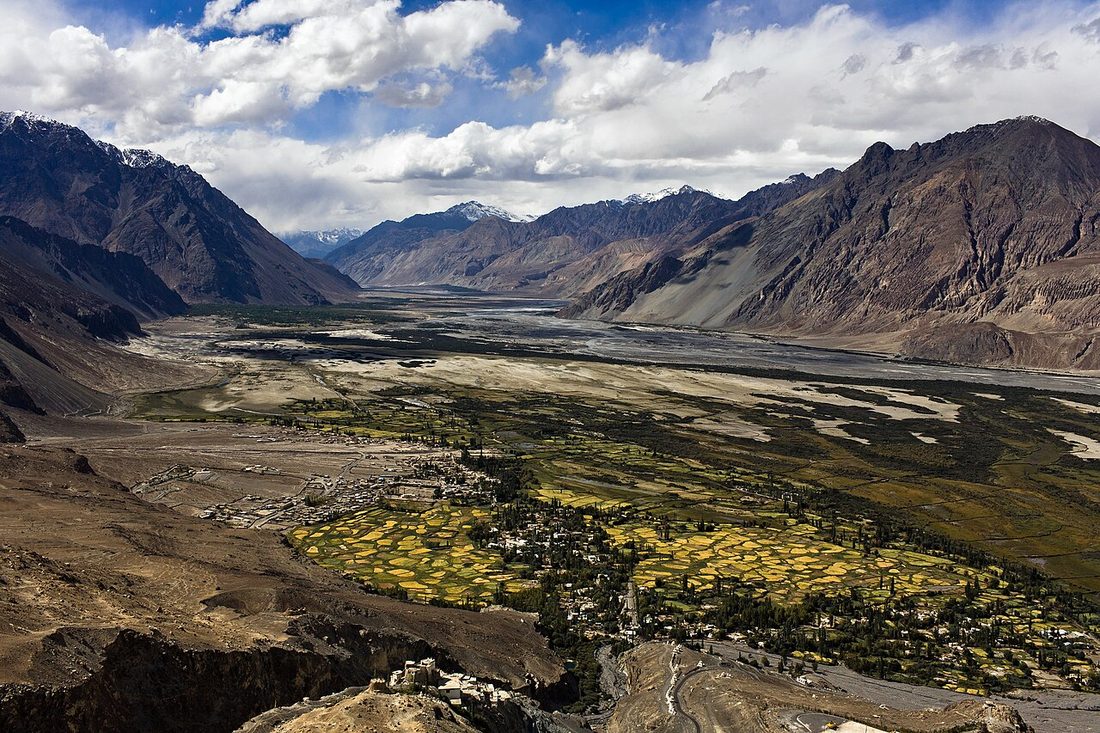
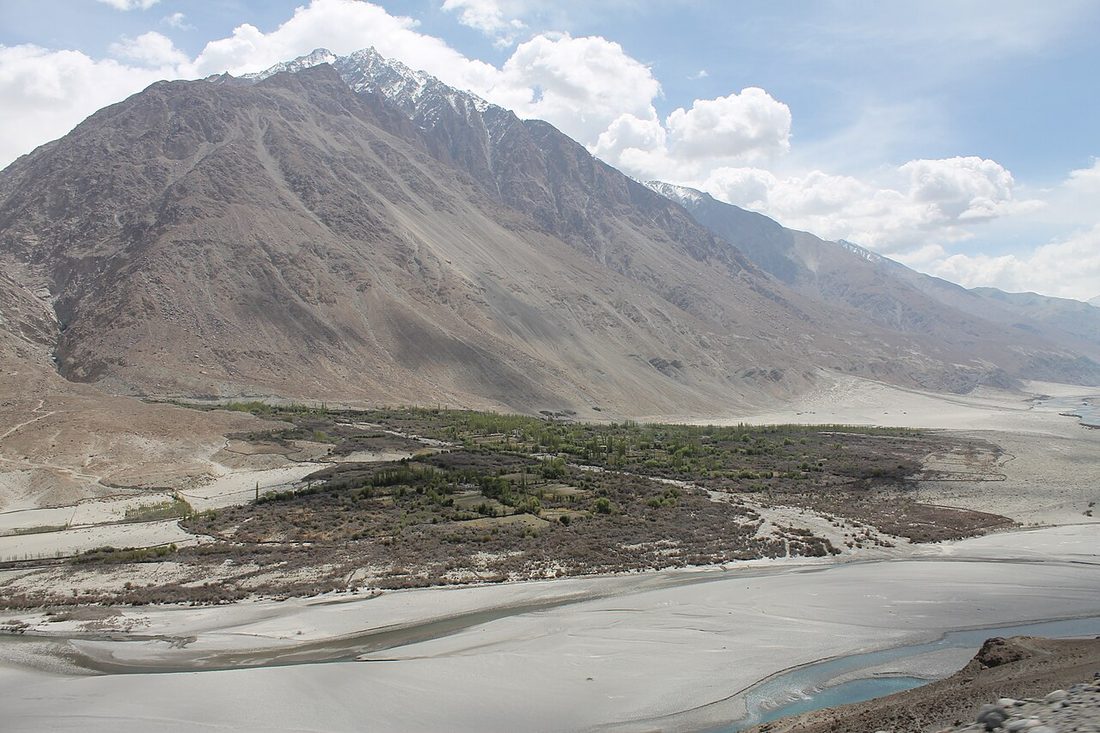
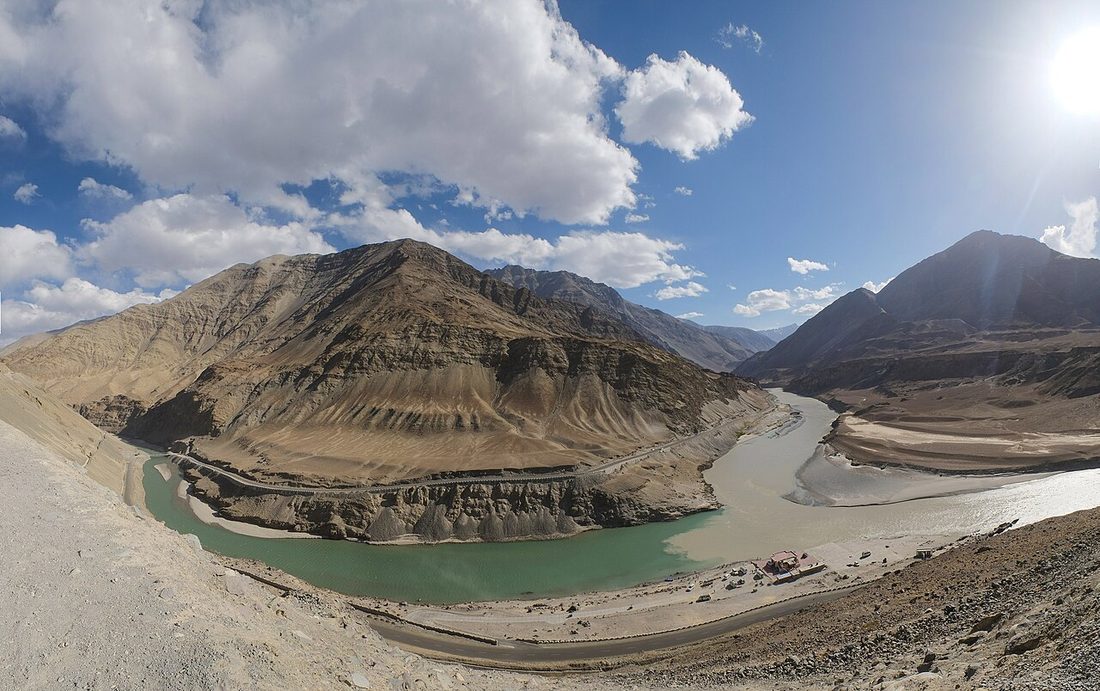
Historically called Ldumra—literally “the Valley of Flowers”—Nubra Valley sits at an average floor elevation of just 3,048 meters (10,000 feet), nearly 450 meters lower than Leh town itself. Shaped like a vast Y-junction carved by the confluence of the glacial Shyok River and the Nubra (Siachen) River, this tri-armed cold-desert oasis once served as India’s primary overland trade artery across the Sasser and Karakoram passes toward Yarkand and Kashgar in Xinjiang. Today, it remains Ladakh’s most rewarding two-night stay—combining Tibetan Buddhist monastery ridges, endangered Silk Road camels, bubbling thermal pools, and the unforgettable stone-walled Balti villages of Turtuk.
Crossing Khardung La: The Pass That Opens Nubra
Reaching Nubra from Leh covers roughly 125 kilometers to Diskit and Hunder (4.5 to 5 hours including breaks), climbing straight across iconic Khardung La. Leave Leh by 7:30 AM to beat the slow line of military supply trucks and rented motorcycle convoys. At 24 km sits South Pullu checkpost, where traffic police verify Inner Line Permits and log every vehicle number plate. Fifteen kilometers higher lies the windswept summit—famously painted 18,380 feet on vintage BRO boards, though modern GPS surveys measure its true elevation at 5,359 meters (17,582 feet). Whatever the plaque claims, thin air bites hard up here: grab your summit photograph, sip a hot cup of army-canteen masala tea, and roll down within fifteen minutes.
Beyond North Pullu checkpost, glacial streams feed tiny terraced barley plots around Khardung village before the descent opens onto Khalsar bridge—the grand fork where the road splits left (west) down the Shyok Valley toward Diskit, Hunder, and Turtuk, and right (north) up the Nubra River arm toward Sumur, Ensa, and Panamik. Pause ten minutes at Khardung village for hot buttered toast and sweet ginger tea from tiny family-run hillside dhabas while your car brakes cool down after the steep northern hairpins.
Six Centuries of Nubra History & Culture
Long before hikers and photographers discovered Hunder’s dunes, Nubra was a prized medieval borderland linking Tibetan Ladakh with Baltistan and Central Asia. Chronicles trace organized royal administration here back to the fourteenth and fifteenth centuries under Ladakhi monarchs including King Grags-pa-‘bum-lde (1400–1440) and King Blogros-Chog-ldan (1440–1470), before King Tashi Namgyal (Bkra-shis-rnam-rgyal) consolidated Nubra firmly beneath the Leh crown around 1500. During that era, trade ties and cross-mountain migrations also deepened the presence of Shia Muslim Balti communities alongside Nubra’s Tibetan Buddhist majority—creating a calm cultural coexistence still visible today across shared irrigation channels, village bazaars, and winter wool markets.
Diskit Monastery & the Towering 33-Meter Maitreya Buddha
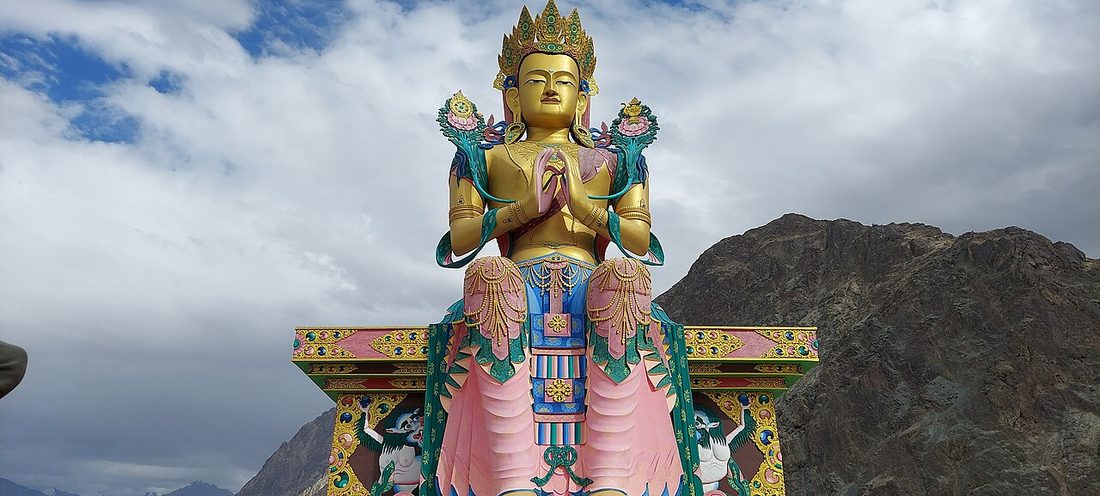
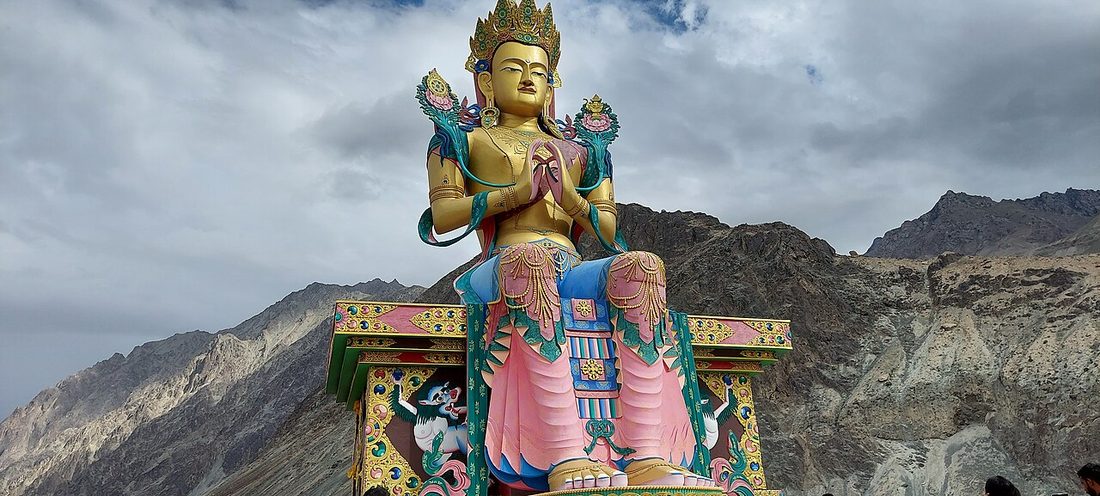
Driving west from Khalsar, your eyes lock instantly onto a dazzling gold, crimson, and turquoise silhouette gleaming high above the valley floor: the 33-meter Maitreya (Future Buddha) statue erected below fourteenth-century Diskit Gompa and consecrated by His Holiness the Dalai Lama in 2010. Built deliberately facing down the Shyok River toward Pakistan as an emblem of peace and protection, the statue platform offers arguably the finest sunset vantage anywhere in Nubra, looking straight out across emerald patchwork fields and sandy river islands.
Do not stop only at the Maitreya terrace—drive or walk up the stone lanes into old Diskit Monastery itself, founded in the 14th century under the Gelugpa order. Inside its dim, butter-lamp-lit prayer halls rest ancient guardian murals, silk thangkas, and centuries-old Tibetan manuscripts. If you happen to be in Ladakh in February, Diskit hosts the dramatic Dosmoche (“Festival of the Scapegoat”), where monks perform whirring masked dances to cast away winter misfortune before carrying symbolic effigies outside village boundaries.
Hunder Silver Dunes & Double-Humped Bactrian Camels
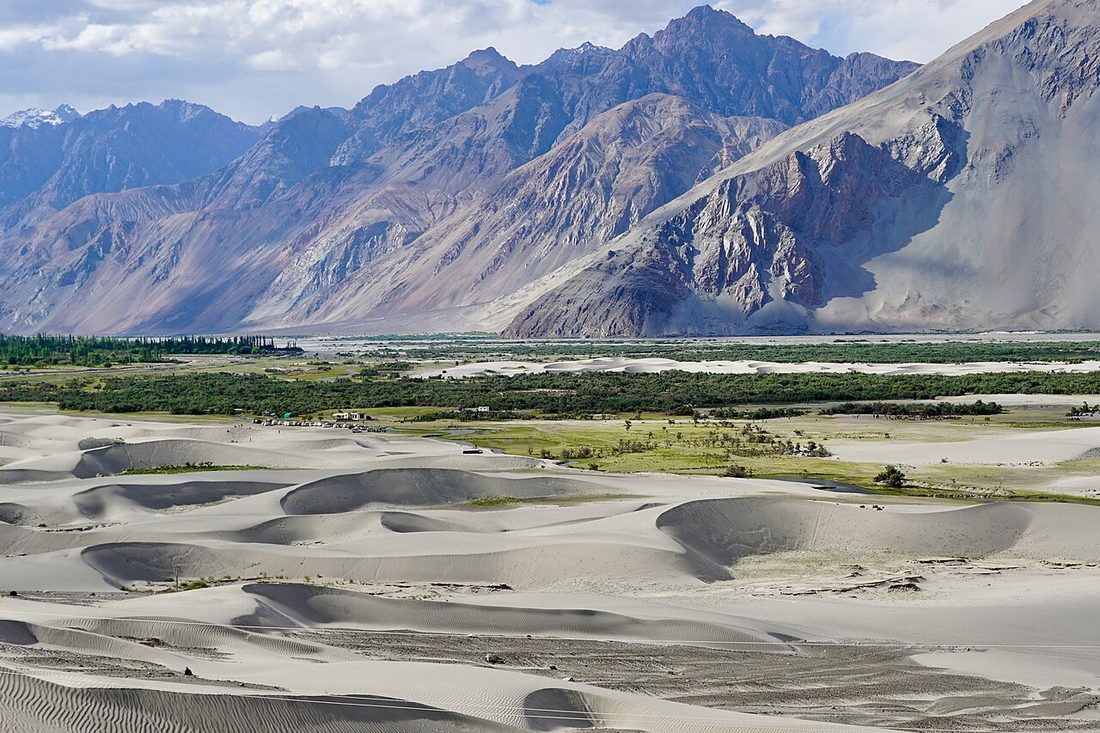
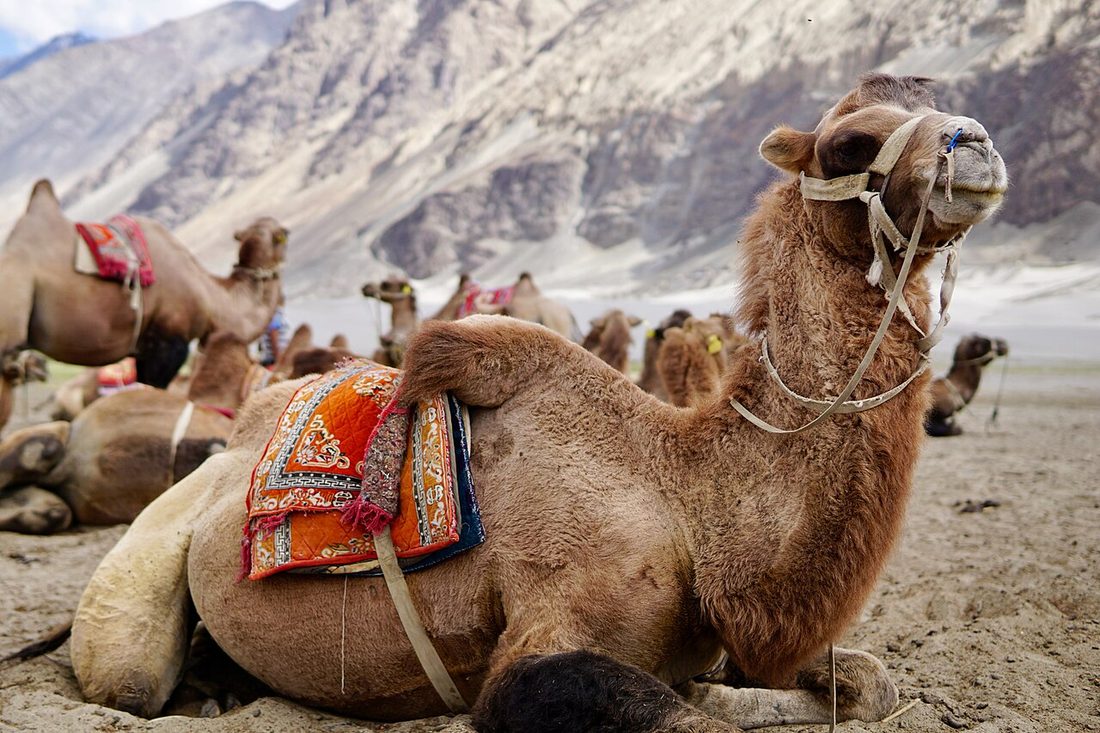
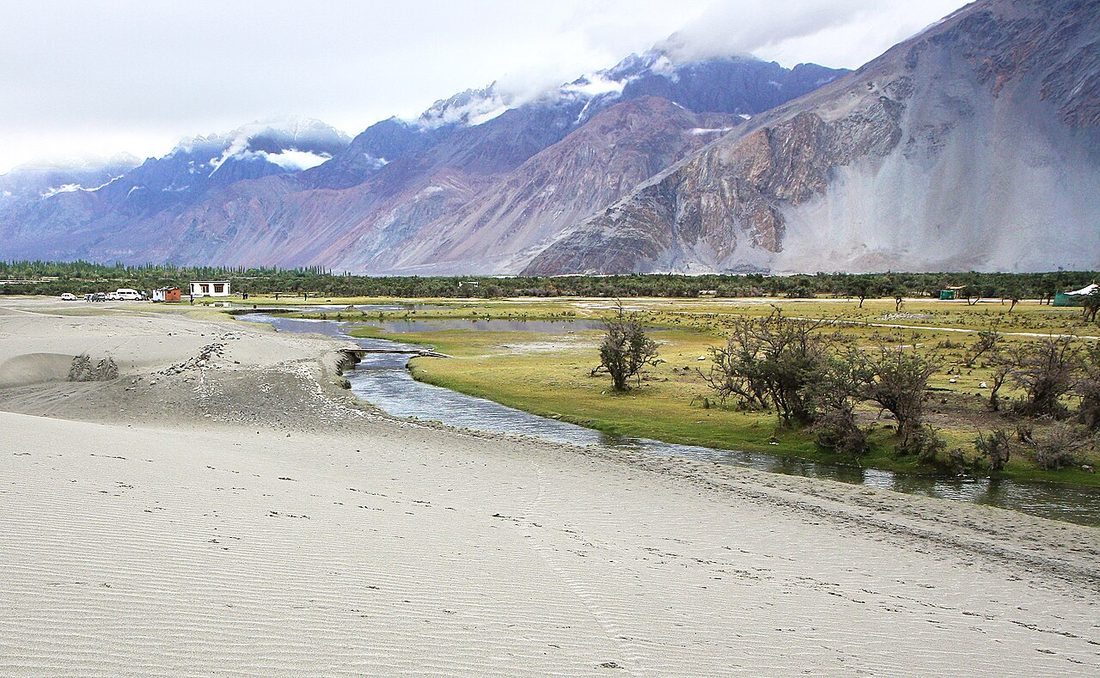
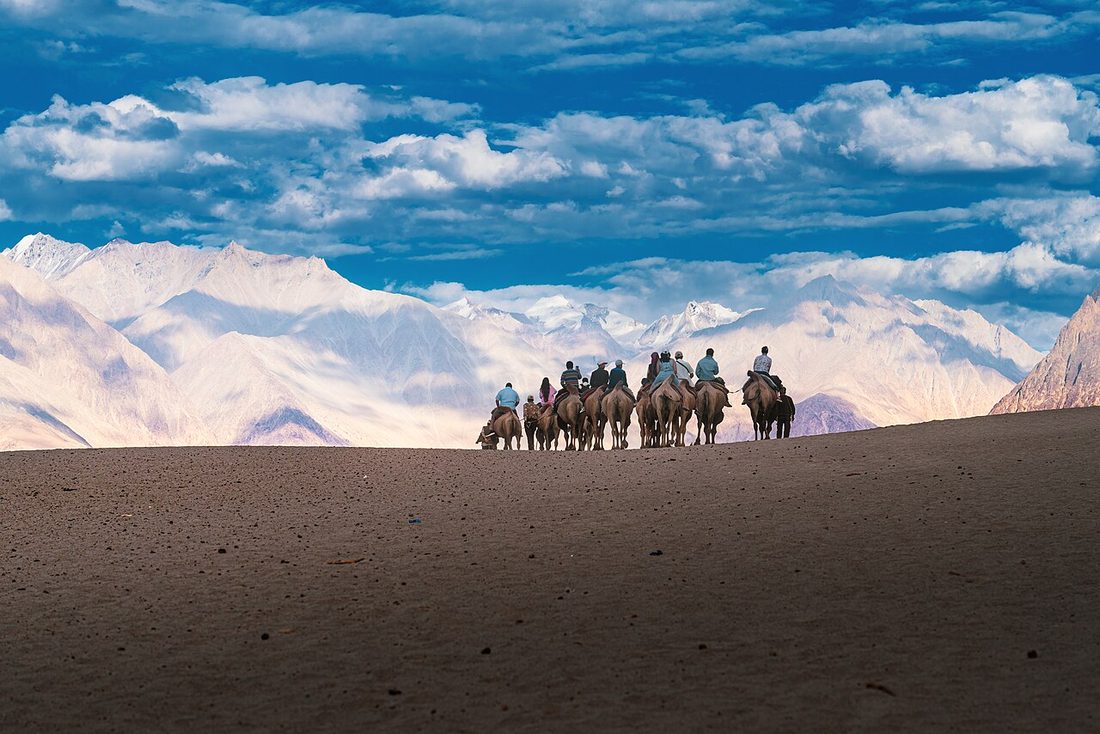
Seven kilometers west of Diskit lies Hunder, where glacial silt blown down the Shyok corridor has piled into sweeping ripples of silver-grey sand dunes backed by snow-dusted peaks and green willow groves. Grazing calmly among thorny sea-buckthorn scrub are India’s only living herds of endangered double-humped Bactrian camels—shaggy, docile descendants of pack animals left behind when the Yarkand–Leh Silk Road caravans halted permanently after 1949.
A candid local tip on visiting Hunder dunes: skip the main parking strip between 1:00 PM and 4:00 PM, when swirling afternoon dust, ATV quad-bike exhaust, and bus groups drain the magic out of the landscape. Instead, walk out onto the western edge of the dunes at 7:00 AM or after 5:00 PM. Low slanting sunlight carves sharp violet shadows across untouched wind ripples while the camels—sporting thick double coats that turn patchy during warm summer shedding—trot slowly homeward along shallow meltwater streams. Standard 15-minute camel rides are strictly regulated by the local Hunder Camel Safari Association (roughly ₹300–₹400 per person); check that your chosen animal looks well-fed, avoid riding during peak midday heat, and consider walking the quieter back dunes barefoot instead.
Turtuk & Thang: India’s Last Balti Apricot Oasis
If your itinerary only grants Nubra a single frantic overnight in Hunder, you miss the crown jewel of the valley. Add a second night so you can drive 85 kilometers northwest from Hunder along a tight, thunderous granite canyon of the Shyok River to Turtuk—a fairytale Balti village perched at just 2,800 meters that sat across the border in Baltistan until December 1971 and only opened to civilian travelers in 2010.
The minute you park below the footbridge and climb Turtuk’s flagstone alleys, Ladakh shifts seamlessly into Balti culture. Every stone house sits cushioned inside terraced orchards of sweet halman apricots, walnuts, almonds, mulberries, and crimson blood apples, watered by ingenious gravity-fed glacial stone canals called kuhls. Walk through the village to see ancient natural stone cold-storage chambers (nangchung)—clever rock-lined hollows built over icy underground glacier streams that keep fresh butter, buttermilk, and meat chilled year-round without a single watt of electricity.
Visit the small wooden museum at the Yabgo Royal House (home to descendants of the former royal clan of Chorbat-Yabgo), watch women drying bright-orange apricot halves across flat mud rooftops in August, and sit inside a garden cafe for warm buckwheat pancakes (kisir) served with roasted walnut chutney, spicy local potato curry, and tart homemade apricot jam. Seven kilometers past Turtuk lies Thang, India’s northernmost border village—where an army-assisted viewing terrace lets you peer directly down the Shyok valley at the Line of Control and the first green villages of Baltistan beyond.
Trying to drive Leh → Khardung La → Hunder → Turtuk → Hunder inside a single overnight means spending ten straight hours trapped inside a car seat. Book Night 1 in Hunder or Sumur and Night 2 in a Turtuk orchard homestay—or spend two calm nights in Hunder with an unhurried full-day Turtuk excursion—just like our top-rated 6N/7D Ladakh with Turtuk Balti Border Village Tour.
Sumur, Ensa Gompa & Panamik’s Steaming Sulfur Springs
Travelers wanting quiet orchards, birdwatching, and thermal waters away from Hunder’s tourist camps should follow the eastern fork up the Nubra River toward Siachen Base Camp road:
- Sumur & Samstanling Monastery: Surrounded by golden sea-buckthorn thickets and quiet boutique eco-resorts, Sumur hosts the 19th-century Samstanling Gompa—a serene yellow-hat monastery far less visited than Diskit.
- Yarab Tso (Hidden Sacred Lake): Just past Sumur near Panamik road, a crisp 20-minute rocky ridge walk unveils a startling mirror-flat emerald lake cradled inside bare desert boulders—sacred to locals, so skip loud music and keep hands out of the water.
- Panamik Hot Springs & Birding: Fifty-four kilometers north of Diskit (the last civilian-accessible village before the restricted Siachen glacier corridor), naturally heated sulfurous water steams right out of the hillside into stone bathing enclosures reputed to soothe sore joints after high-altitude travel. Along Panamik’s willow hedges and riverine scrub, keen birders regularly spot vibrant Himalayan species including the elusive white-browed tit warbler, redstarts, and rosefinches.
- Ensa Monastery: Perched dramatically across the Nubra River on a steep rock face housing around a hundred monks in historic chronicles, Ensa preserves venerable Buddhist wall murals and peaceful solitude overlooking glacial valleys.
Nubra Valley Village-by-Village Planning Table
| Nubra Hub | Distance from Leh | Altitude | Signature Highlights | Stay & Dining Style |
|---|---|---|---|---|
| Diskit | 118 km (4.5 hrs) | 3,144 m | 33m Maitreya Buddha, 14th-century Gompa, Dosmoche festival | Main market town, fuel pump, ATM (intermittent), guesthouses |
| Hunder | 125 km (4.75 hrs) | 3,048 m | Silver sand dunes, Bactrian camels, glacial brook walks | Largest spread of luxury glamping tents, wooden cottages & resorts |
| Sumur & Panamik | 120–145 km | 3,180 m | Samstanling Gompa, Yarab Tso lake, sulfur hot springs, birding | Quiet luxury orchard resorts & rustic village guesthouses |
| Turtuk & Thang | 205–212 km (7 hrs) | 2,800 m | Balti stone alleys, apricot orchards, Yabgo Palace, LOC viewpoint | Authentic Balti orchard homestays, stone cottages & organic cafes |
Nubra Valley, Turtuk Apricot Villages & Pangong Tso in One Loop
Skip backtracking over Khardung La—our private SUV and Royal Enfield itineraries roll Leh → Nubra → Turtuk → Shyok Canyon → Pangong Lake seamlessly with all permits handled.
Weather, Local Cuisine & Essential Field Logistics
Because Nubra sits lower and sheltered by tall canyon walls, summers here feel markedly warmer than Leh or Pangong. Daytime highs in June, July, and August comfortably touch 24°C to 30°C inside Turtuk’s sunlit orchards, yet clear desert skies allow temperatures to tumble swiftly after sundown to 4°C–10°C. Winters (December to February) drop well below freezing (-4°C to -15°C at night) with sporadic snow dustings, though Khardung La remains open year-round barring brief heavy blizzard clearances.
Plan around two seasonal spectacles: mid-April to early May wraps Hunder, Diskit, and Turtuk in clouds of soft pink and white apricot blossoms, while August through mid-September brings sweet fresh harvest fruit straight off the branches (try freshly pressed apricot juice, crunchy local walnuts, buckwheat momos, and wheat-barley Ladakhi flatbreads). Keep in mind that petrol and diesel pumps exist at Diskit (and Karu back near Leh)—motorcyclists heading all the way to Turtuk and then straight across Shyok toward Pangong Tso Lake must top up their tanks completely in Diskit and carry a 5-liter backup jerrycan.
Choosing Your Nubra Stay: Orchard Eco-Camps vs. Balti Homestays
Accommodation across Nubra has matured dramatically over the last five years, yet picking the right village base shapes your whole mood. In Hunder, rows of deluxe canvas glamping tents and insulated timber cottages sit tucked beneath willow hedges and sandy brook channels; the finest camps offer heated mattress pads, private sit-outs facing Karakoram crags, piping-hot solar showers, and evening folk dances performed by local Ladakhi women in turquoise-studded perak headpieces. Travelers craving deeper hush away from tour groups often book boutique stone-and-mud eco-resorts in Sumur or Kyagar across the river, where sprawling apple and apricot gardens open directly onto untouched desert walls.
Over in Turtuk, skip generic highway rooms completely and book a family-run Balti orchard homestay or hillside stone cottage overlooking the terraced barley steps. Waking up to water rushing through backyard glacial stone channels while your host sets down freshly baked sourdough khambir, organic apricot marmalade, and piping-hot salted tea feels worlds removed from commercial hotel chains. Before leaving Nubra, support local village women’s self-help groups rather than roadside souvenir brokers: cold-pressed apricot kernel oil (prized across Ladakh as a natural moisturizer against windburn and dry high-desert skin), pure dried halman apricots, roasted barley tsampa, and hand-loomed wool socks make authentic, lightweight keepsakes that funnel income straight back into remote Shyok households.
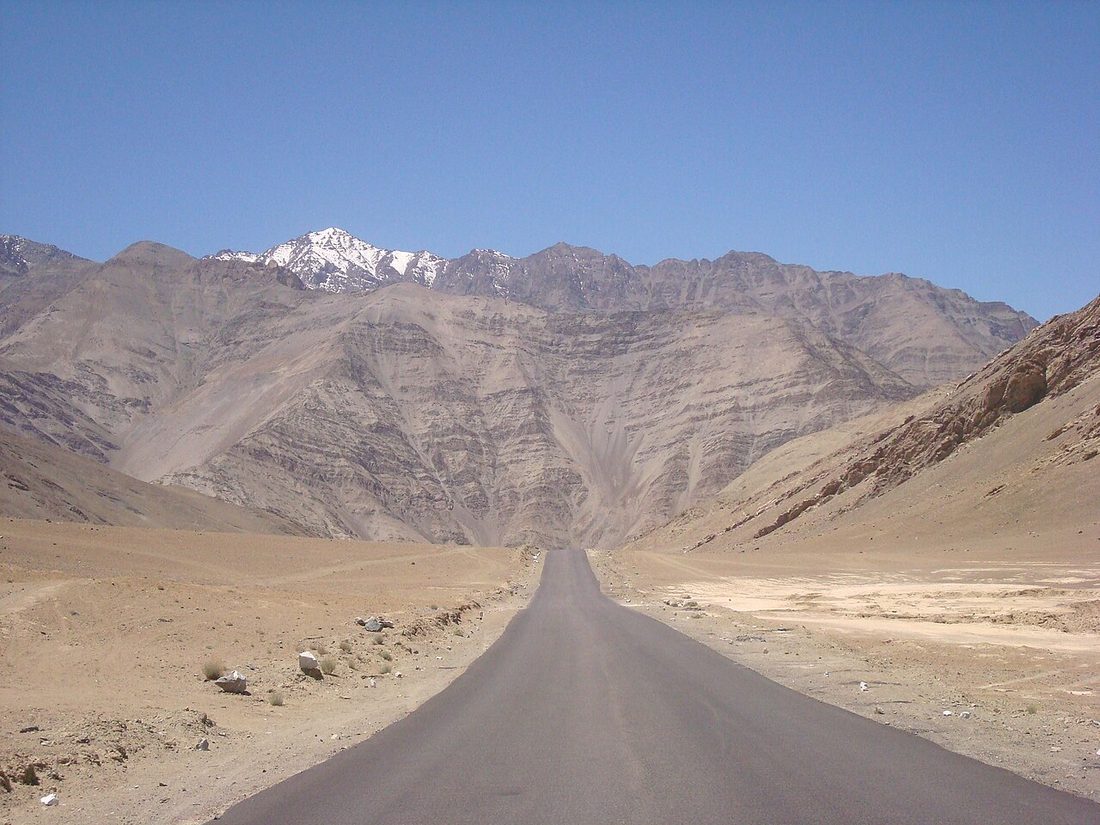
Inner Line Permits (Environmental Fee slips for Indian citizens; PAP for foreign visitors) are checked strictly at South Pullu and again at Turtuk checkpost—carry multiple printed copies plus original photo ID. Postpaid Airtel and Jio deliver reliable 4G across Diskit, Hunder, and Sumur, while Turtuk relies mostly on patchy Jio/BSNL towers. Never depend on Diskit’s single ATM; carry full cash out of Leh.
Connecting Nubra Across Your Wider Ladakh Journey
After waking to birdsong in Hunder or Turtuk, avoid driving back over Khardung La—take the breathtaking Shyok River road straight across to Pangong Tso to complete Ladakh’s signature loop! Our 5N/6D Leh, Nubra & Pangong Tour, Leh Ladakh Honeymoon Glamping Package, and Guided Royal Enfield Motorbike Expedition all run this classic loop seamlessly. Travelers stretching beyond Leh can also pair Nubra with Alchi and Rizong Monasteries, Kargil’s Suru Valley, or Zanskar’s high canyons. Begin planning from the Kashmir i Tour homepage, browse all regional field guides in our complete destinations directory, compare every route on our official packages page, or write to our local Srinagar and Leh desk for custom orchard homestay bookings and Leh union cab quotes.
Frequently Asked Questions about Nubra Valley — Khardung La, Hunder Silver Dunes, Diskit Maitreya & Turtuk
Recommended Itineraries Including Nubra Valley — Khardung La, Hunder Silver Dunes, Diskit Maitreya & Turtuk
Every route below can be customized from Srinagar, Jammu, or Leh with private cabs and verified local stays.
Amazing Ladakh with Turtuk Balti Border Village Tour (6N/7D)
7 Days • 6 Nights • ₹29,500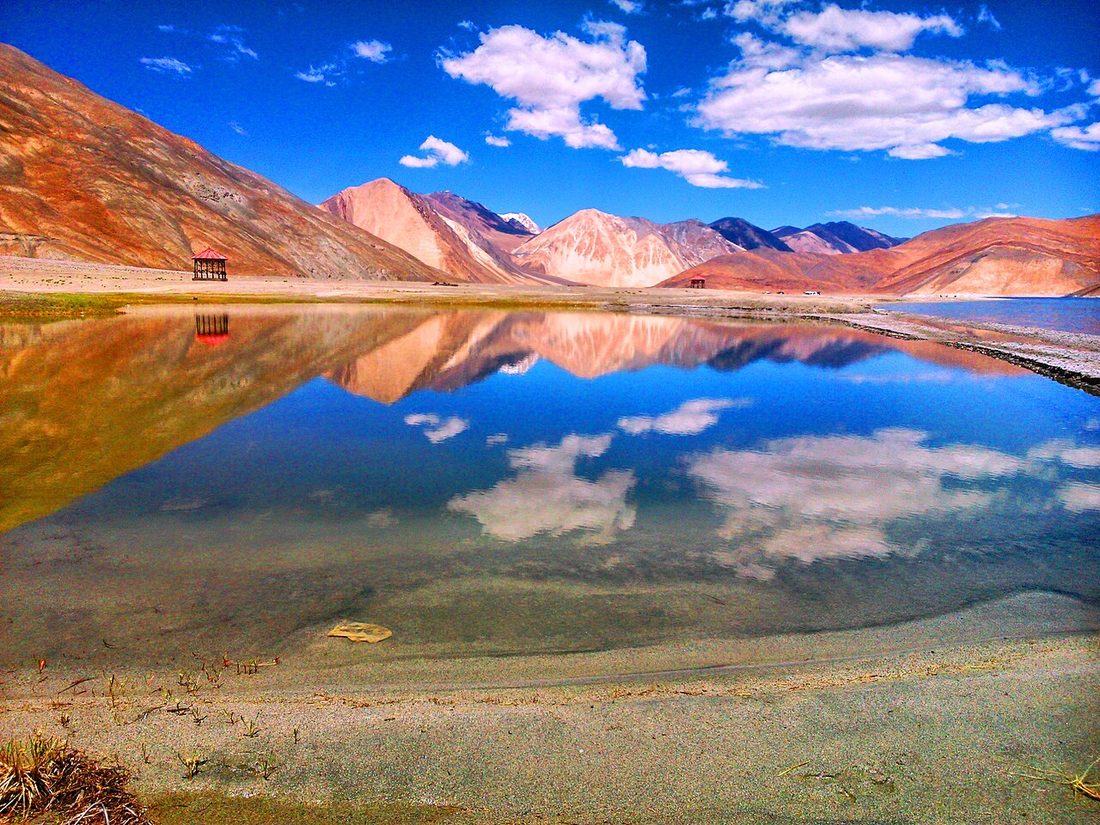
Amazing Leh Ladakh Tour Itinerary (6N/7D: Leh, Sham Valley, Nubra & Pangong)
7 Days • 6 Nights • ₹27,999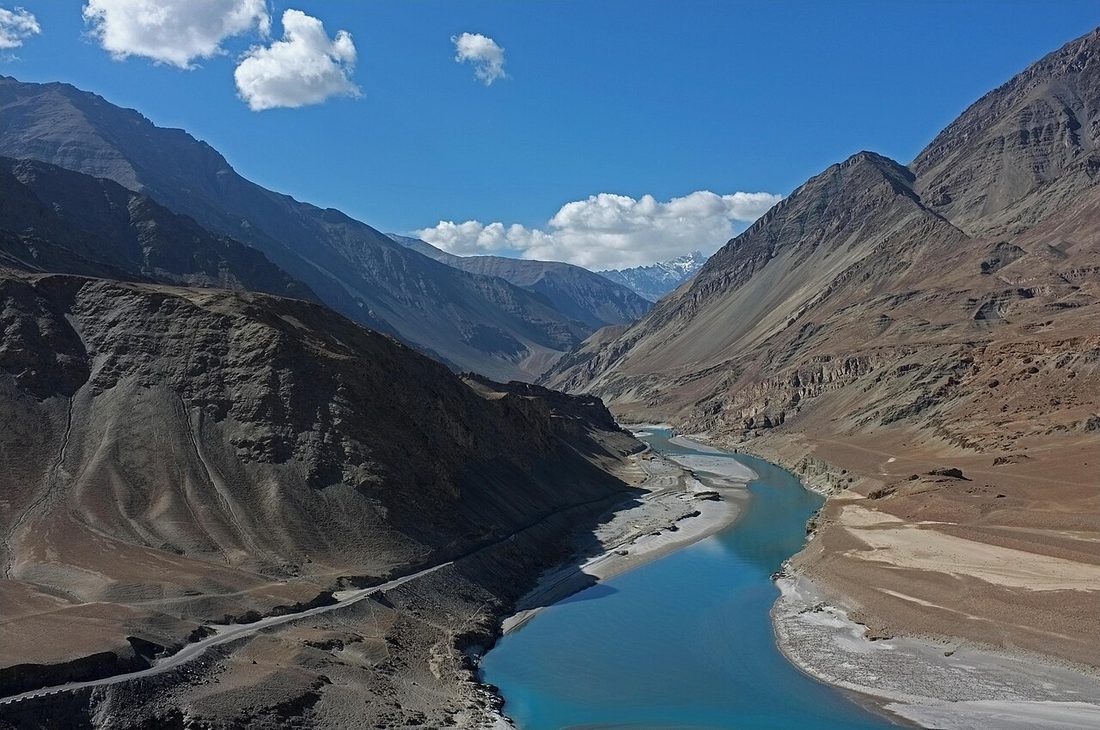
Explore Leh, Nubra Valley & Pangong Lake Tour (5N/6D)
6 Days • 5 Nights • ₹24,999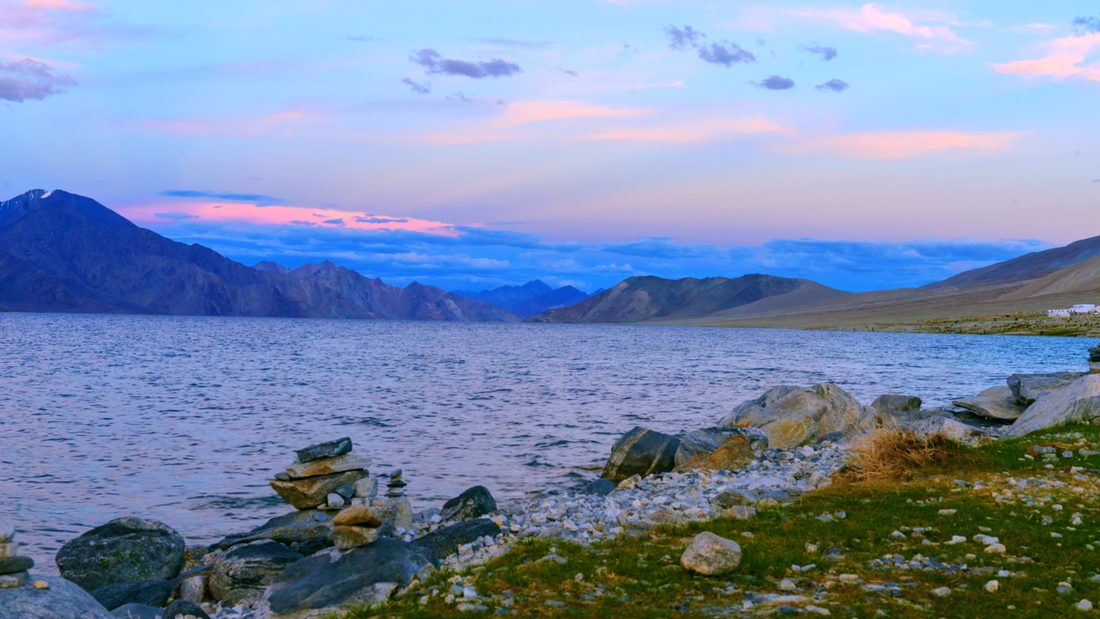
Romantic Leh Ladakh Honeymoon Itinerary (6N/7D Luxury Camps & Stargazing)
7 Days • 6 Nights • ₹34,999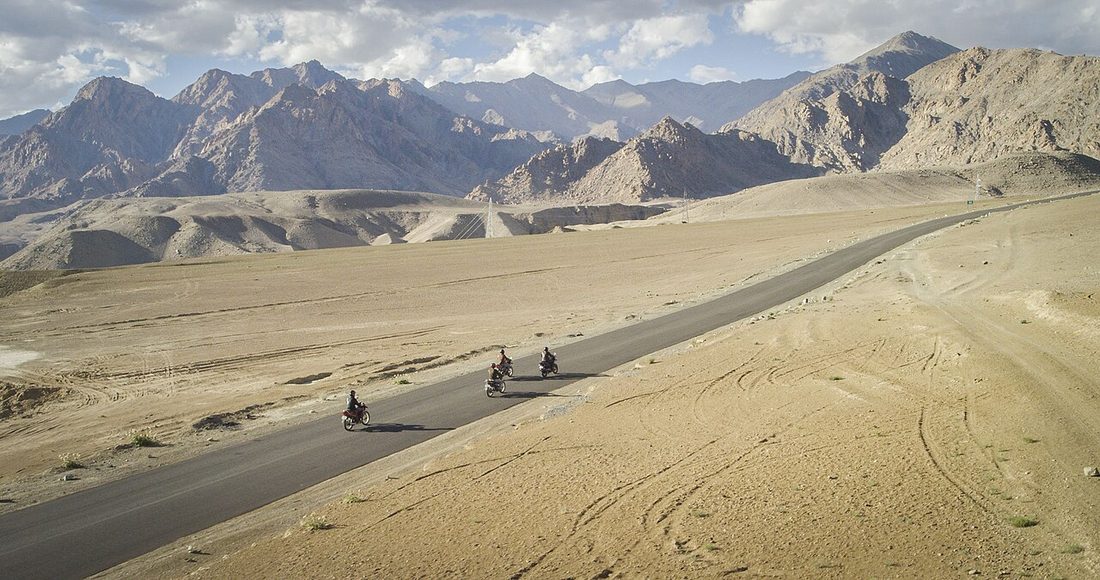
6-Day Leh Ladakh Himalayan Motorbike Expedition (5N/6D Royal Enfield)
6 Days • 5 Nights • ₹25,999Explore Nearby & Connected Destinations
Leh Ladakh — High-Altitude Passes, Ancient Gompas & Trans-Himalayan Deserts
Leh-Ladakh →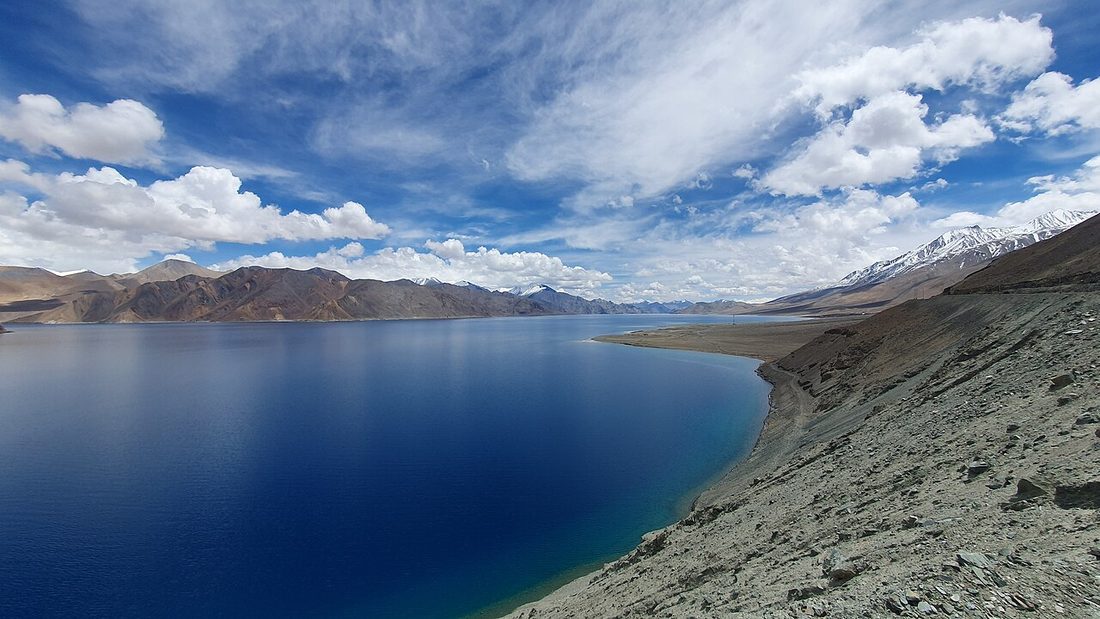
Pangong Tso Lake — Shifting Cobalt Waters, Chang La Pass & Spangmik Stargazing
Leh-Ladakh →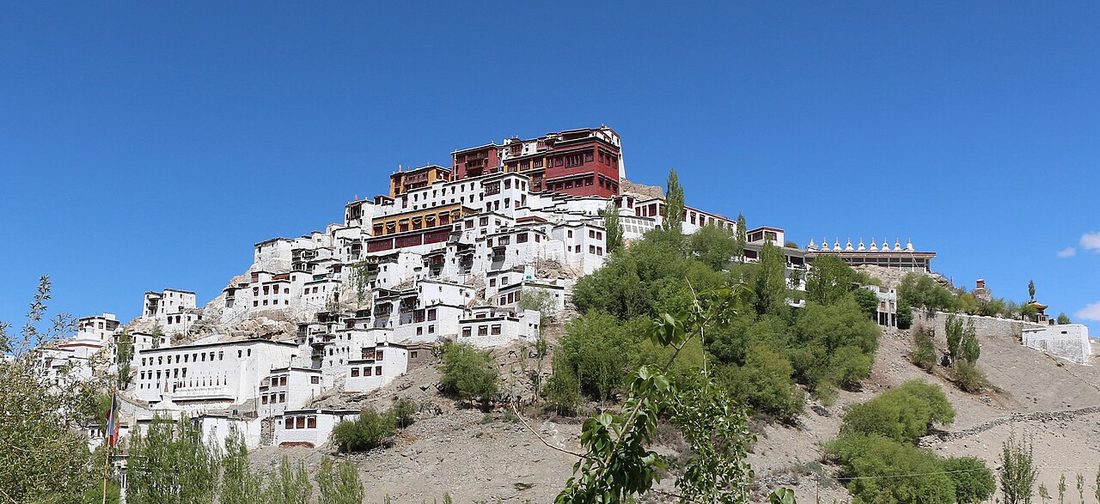
Rizong Gompa & Alchi Monastery — 1,000-Year-Old Kashmiri Murals & Sham Valley Heritage
Leh-Ladakh →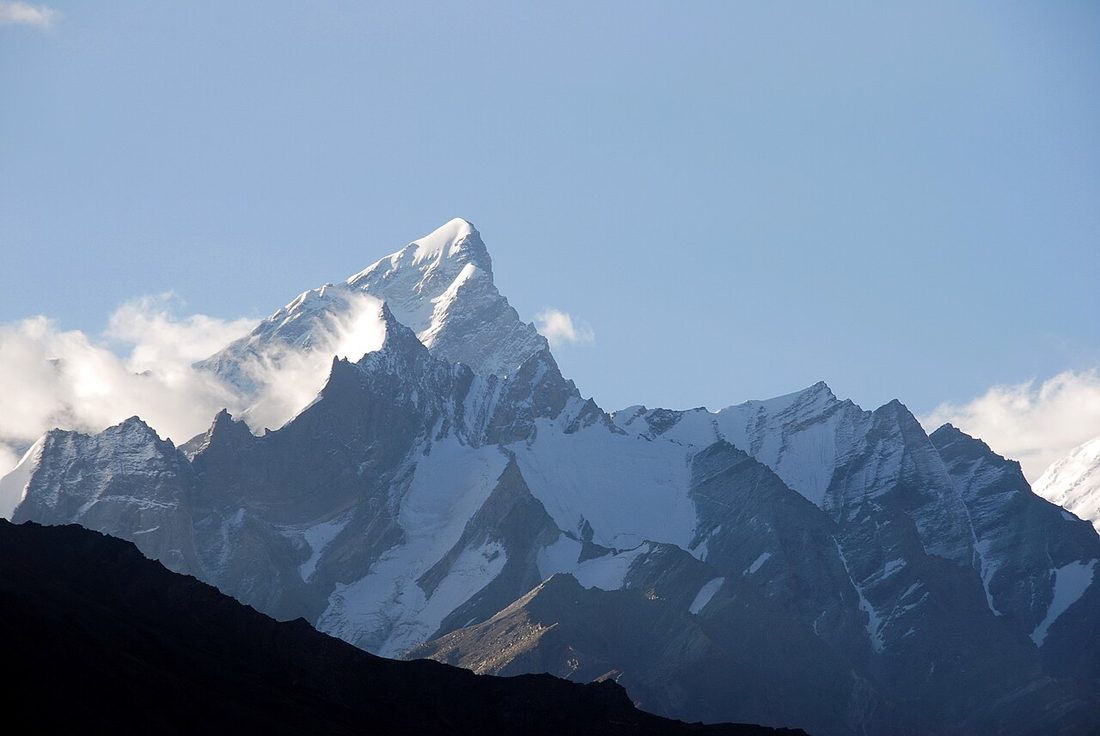
Kargil — Suru Valley, Nun Kun Peaks, Dras War Memorial & Mulbekh Maitreya
Leh-Ladakh →
Zanskar Valley — Padum, Phugtal Cliff Monastery, Drang Drung Glacier & Pensi La
Leh-Ladakh →