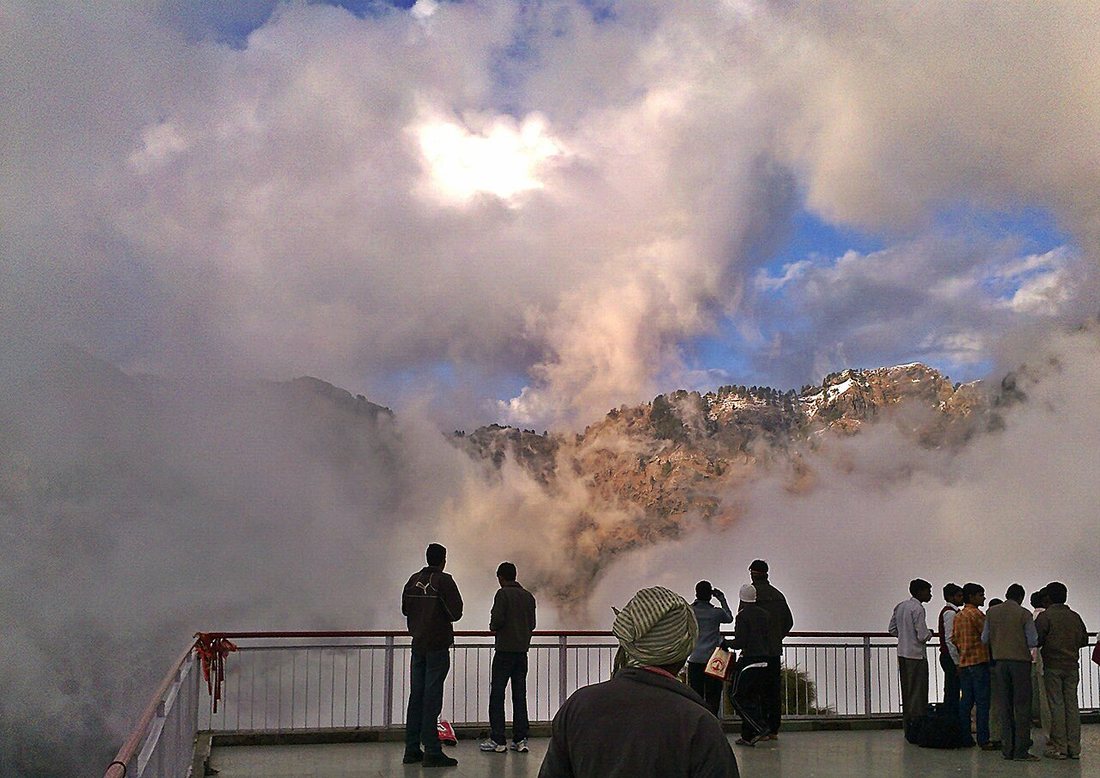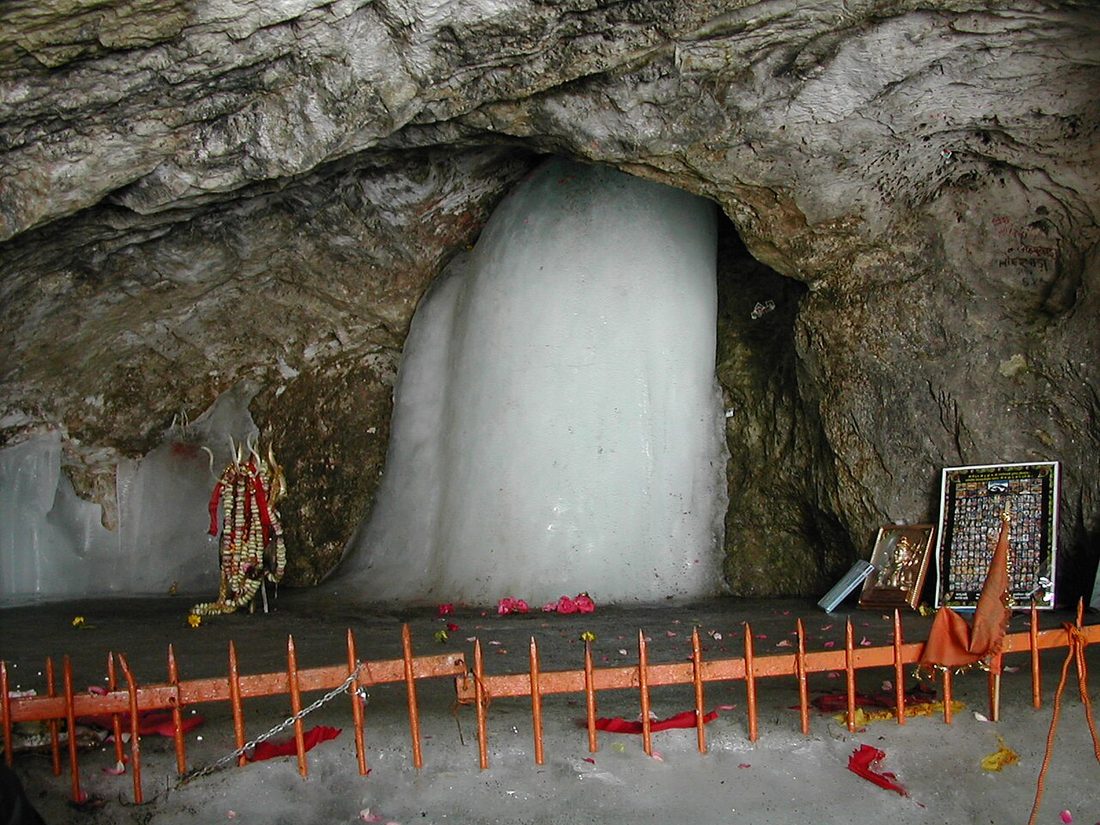
At 4:30 AM inside the tent city of Panchtarni, the mountain air bites near freezing and every headlamp beam cuts through drifting woodsmoke and glacier mist. Along the dirt lane, tireless bhandara volunteers ladle scalding cardamom tea and hot poha into steel tumblers while mountain ponies stamp frost off wooden tether posts. Then the first chorus of Bam Bam Bhole! bounces off towering grey rock faces, and thousands of pilgrims step onto the final six-kilometre climb along the narrow Amravati gorge toward the yawning 40-metre-high limestone vault of Shri Amarnath Holy Cave at 3,888 metres (12,756 feet).
Few pilgrimages anywhere on earth test body, logistics, and devotion as directly as Amarnath. Buried under deep avalanche snow for nearly ten months a year, the shrine opens only during a tight 45-to-60-day summer window spanning early July to late August—culminating on the full moon of Shravan (Raksha Bandhan). Whether you plan to walk the gradual 46-kilometre classic march out of Pahalgam, push up the steep 14-kilometre ridge from Baltal near Sonamarg, or fly into Panchtarni by chopper, success on this mountain depends on understanding paperwork rules, thin air, and real trail pacing long before booking flights into Srinagar.
Sacred Lore, Baba Barfani & the Living Kashmiri Yatra Tradition
Honored across Hindu scriptures—including references in the Puranas and Kashmir’s medieval chronicle, Kalhana’s Rajatarangini—Amarnath is revered both as an eternal abode of Lord Shiva and, in regional Shakta traditions, alongside India’s sacred Maha Shakti Peeths. According to the Amar Katha (the discourse on immortality), Goddess Parvati asked Shiva to explain the secret behind his necklace of beads and deathless existence. Seeking absolute solitude so no mortal creature could overhear, Shiva left behind each companion along the Lidder approach: Nandi the bull at Pahalgam (Bail Gaon), the crescent moon at Chandanwari, his serpent at Sheshnag Lake, Lord Ganesha at Mahagunas Top, and the five elemental forces (earth, water, fire, air, and ether) at Panchtarni.
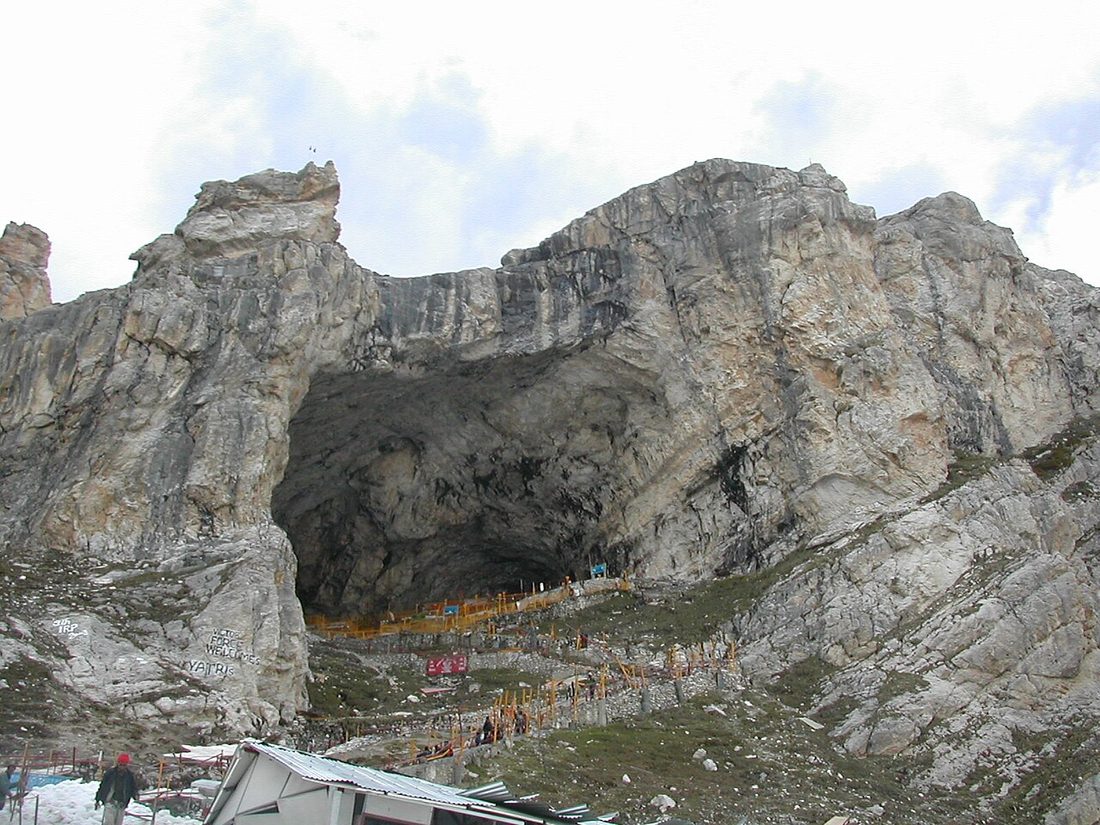
Inside the high cavern, groundwater drips steadily through vertical cracks in the limestone ceiling and freezes into an upright ice stalagmite—revered as the self-manifested (Swayambhu) Ice Lingam, flanked by smaller ice formations honoring Parvati and Ganesha. Traditional observers note how the pillar shifts subtly with summer temperatures and lunar cycles during the Shravan window. Legend adds that a pair of doves hidden inside the rock ledges heard the Amar Katha and attained immortality; pilgrims still look upward into the rafters hoping to spot a pair of mountain pigeons fluttering out of the cave mouth.
Equally moving is the shared Kashmiri heritage sustaining the yatra for generations. Traditional valley devotees frequently precede Amarnath with prayers at Mata Kheer Bhawani in Tulmulla and ancient Mattan (Mach Bhawan) along the Lidder road, while Kashmiri Muslim shepherds—descendants of the historic Malik clan of Batakote credited in folk memory with rediscovering the cave—alongside thousands of local pony handlers, pithu porters, and palki bearers shoulder pilgrims safely over sleet-swept passes every summer.
2026 Registration, Compulsory Health Certificate (CHC) & RFID Rules
Do not book hotels or airfares assuming you can simply turn up at Pahalgam or Baltal and start walking. Security checkpoints along the Jammu–Srinagar highway and at Nunwan/Domel gates enforce Shri Amarnathji Shrine Board (SASB) compliance strictly without exception:
- 2026 Yatra Window: Traditionally opens in early July (around 3 July 2026, subject to final annual SASB notification on
jksasb.nic.in) and concludes on Shravan Purnima / Raksha Bandhan in late August (around 28 August 2026). - Strict Age & Health Cut-Offs: Pilgrims below 13 years and above 70 years are strictly not permitted on either route, regardless of personal fitness. Pregnant women beyond six weeks of gestation are likewise barred for high-altitude safety.
- Compulsory Health Certificate (CHC): Every single devotee—walking, pony-riding, or flying by helicopter—must obtain an official SASB-format CHC signed exclusively by a State/UT-authorized government doctor or designated medical institution published on the Shrine Board website. Certificates from unauthorized private clinics are rejected at verification counters.
- Yatra Permit vs. Helicopter Exemption: Overland trekkers need a date-and-route-specific Yatra Permit obtained online through SASB or designated bank branches (PNB, SBI, J&K Bank, Yes Bank) using valid Government Photo ID (Aadhaar, Passport, Driving License, or Voter ID). Travelers holding confirmed official SASB helicopter tickets do not need a separate walking Yatra Permit—but they still must present their valid CHC and original Photo ID.
- Mandatory RFID Yatra Card: Before entering either basecamp, every pilgrim must complete in-person biometric/e-KYC verification at official facilitation centers (Jammu, Ramban, Srinagar TRC, Nunwan-Pahalgam, or Baltal) to collect a free RFID lanyard tag. Security gates scan this chip at every camp to monitor your ascent and rapid-response safety.
Pahalgam vs. Baltal vs. Helicopter: Choosing Your Route Honestly
The single biggest decision shaping your Amarnath experience is route selection. Never let someone tell you Baltal is “easier” simply because it measures 14 kilometres instead of 46—gradient and oxygen adaptation tell a completely different story.
| Route Option | Total Trek Distance | Typical Duration | Highest Point & Gradient | Acclimatization & Best Suited For |
|---|---|---|---|---|
| Traditional Pahalgam Route (Chandanwari → Sheshnag → Panchtarni) |
~32 km from Chandanwari (~46–48 km from Pahalgam) | 3 – 4 Days up + 1–2 Days down | Mahagunas Top (4,276 m); gradual rolling climbs + Pissu Top pitch | Safest altitude curve; best for first-time Himalayan walkers, elders (up to 70), and scenic immersion |
| Steep Baltal Route (Domel → Bararimarg → Sangam) |
14 km one-way (28 km round-trip) | 1 Long Day (12–16 hrs) or 1 Night at Cave/Sangam | Steep 1,150 m continuous climb from 2,743 m to 3,888 m | High AMS & knee strain; strictly for fit, brisk hikers or pony/palki riders short on days |
| Helicopter via Neelgrath (Baltal) (Chopper to Panchtarni + 6 km leg) |
6 km each way (Panchtarni ↔ Cave) | 1 – 2 Days (+1 weather buffer day) | Rapid jump from ~2,740 m straight to 3,657 m | Shortest flight (~8 mins) & frequent sorties; still demands 6 km walk/pony/palki and weather patience |
| Helicopter via Pahalgam (Chopper to Panchtarni + 6 km leg) |
6 km each way (Panchtarni ↔ Cave) | 1 – 2 Days (+1 weather buffer day) | Scenic ~18 min flight over Lidder & Sheshnag to 3,657 m | Comfortable Lidder hotel base; slightly higher chopper fare and faster weather holds than Baltal |
Walking the Classic Pahalgam Trail: Stage by Stage
Leaving Srinagar early morning, drive 92 kilometres (2.5–3 hours) southeast through Pampore and Anantnag to Nunwan basecamp in Pahalgam, pausing briefly past the emerald deodar gorge of Betaab Valley on the 16-kilometre local cab ride up to Chandanwari (2,895 m)—the actual foot-and-pony trailhead where thick snow bridges often span the rushing Lidder stream right into mid-July.
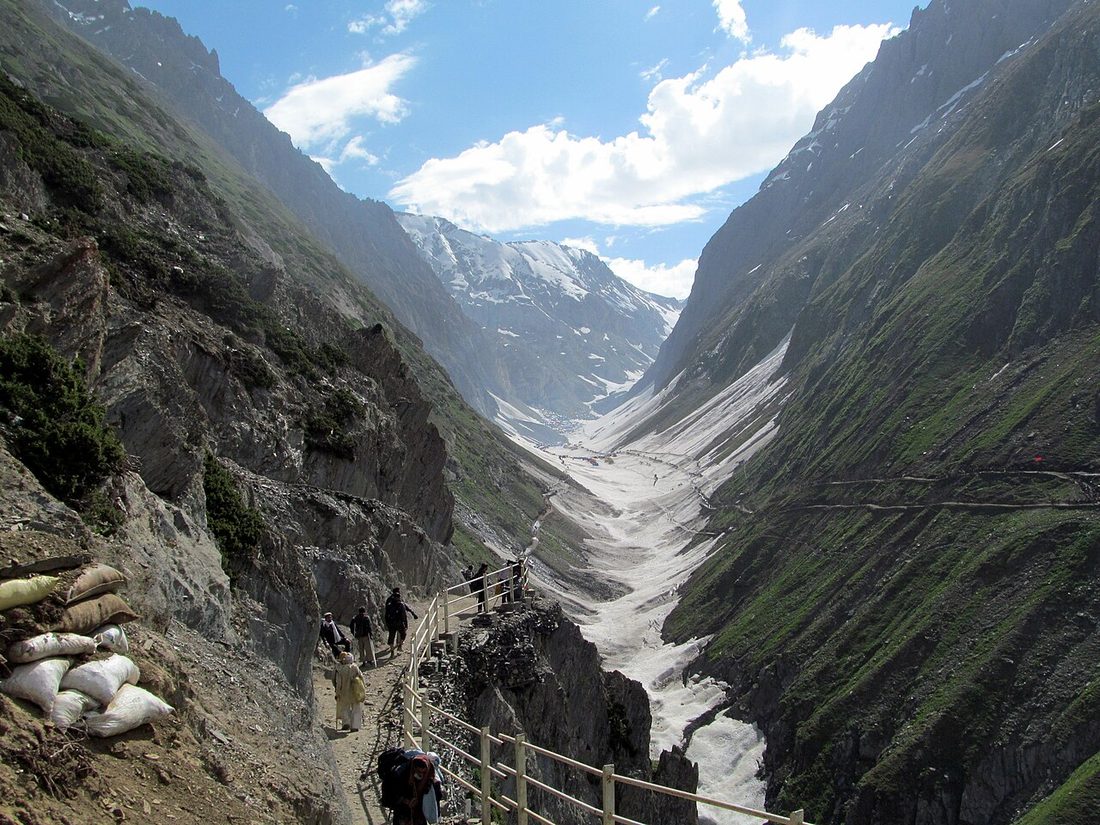
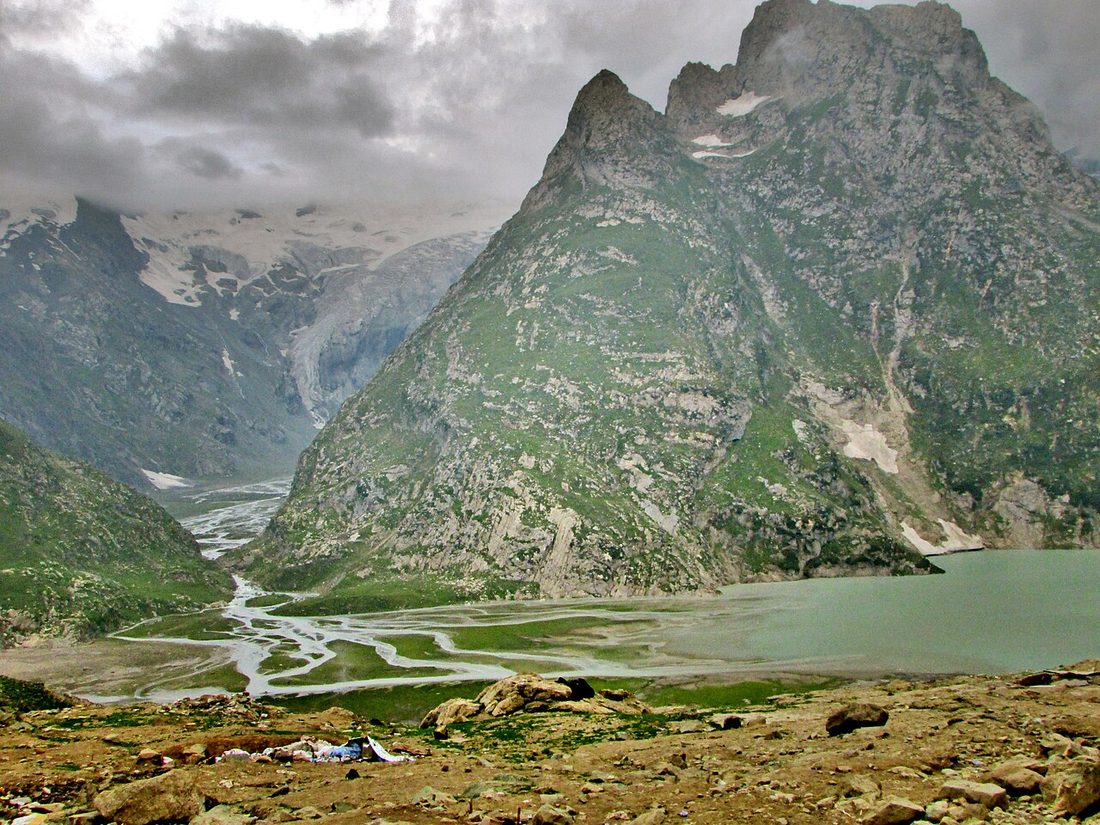
From Chandanwari, the path climbs sharply for 3 kilometres up the infamous switchbacks of Pissu Top (3,377 m) before rolling through wildflower meadows past Zojibal and Nagakoti to Sheshnag (3,574 m; ~11.3 km from Chandanwari). Spending your first trail night beside Sheshnag’s milky turquoise basin—ringed by seven snowy ridges representing the mythical serpent’s hoods—is the single best favor you can do for your body’s oxygen curve.
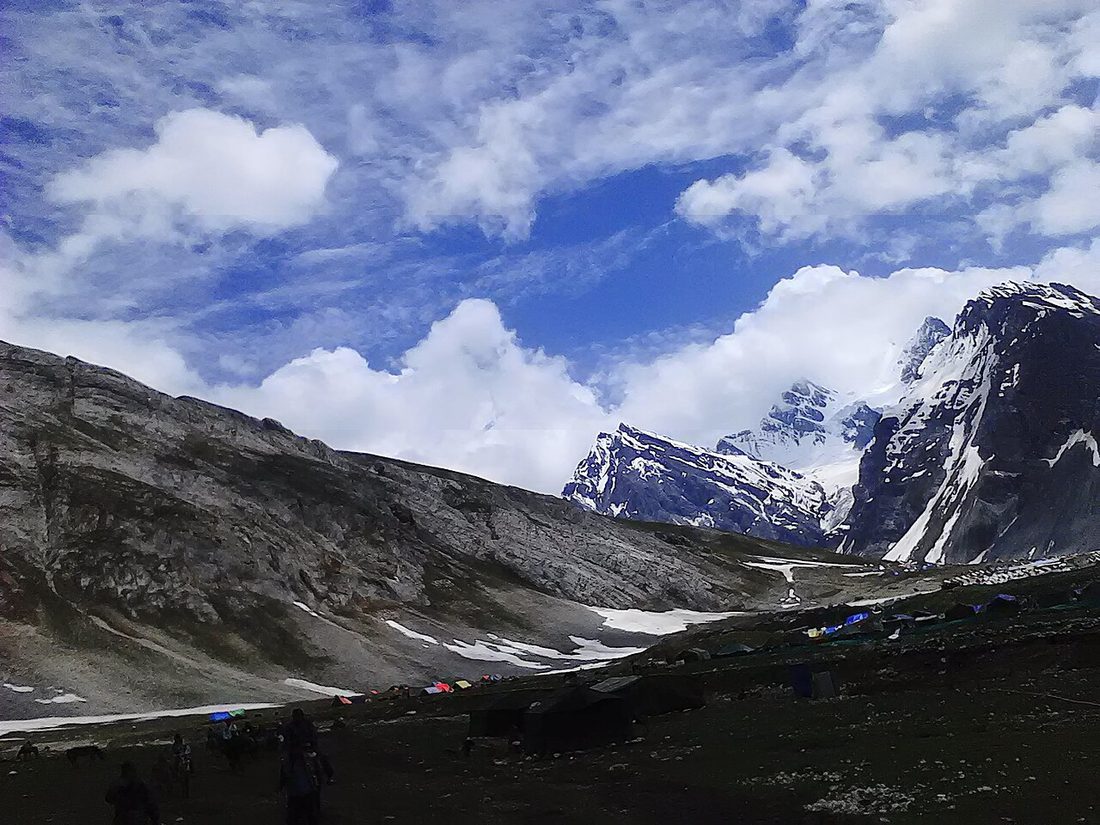
Day 2 climbs 4.5 kilometres up barren glacial scree over Mahagunas Top (Ganesh Top) at 4,276 metres—the highest pass of the entire pilgrimage, where winds howl even under noon sunshine—before dropping steadily past Poshpathri into the flat five-stream expanse of Panchtarni (3,657 m; ~13 km from Sheshnag). On Day 3 before dawn, you cover the final 6.4 kilometres past Sangam up to the Holy Cave for morning darshan, often descending via the Baltal side to save two full days of backtracking if your logistics are arranged through our Amarnath Yatra via Pahalgam & Panchtarni Itinerary.
The Baltal Corridor, Sonamarg Valley & Zoji La Backdrop
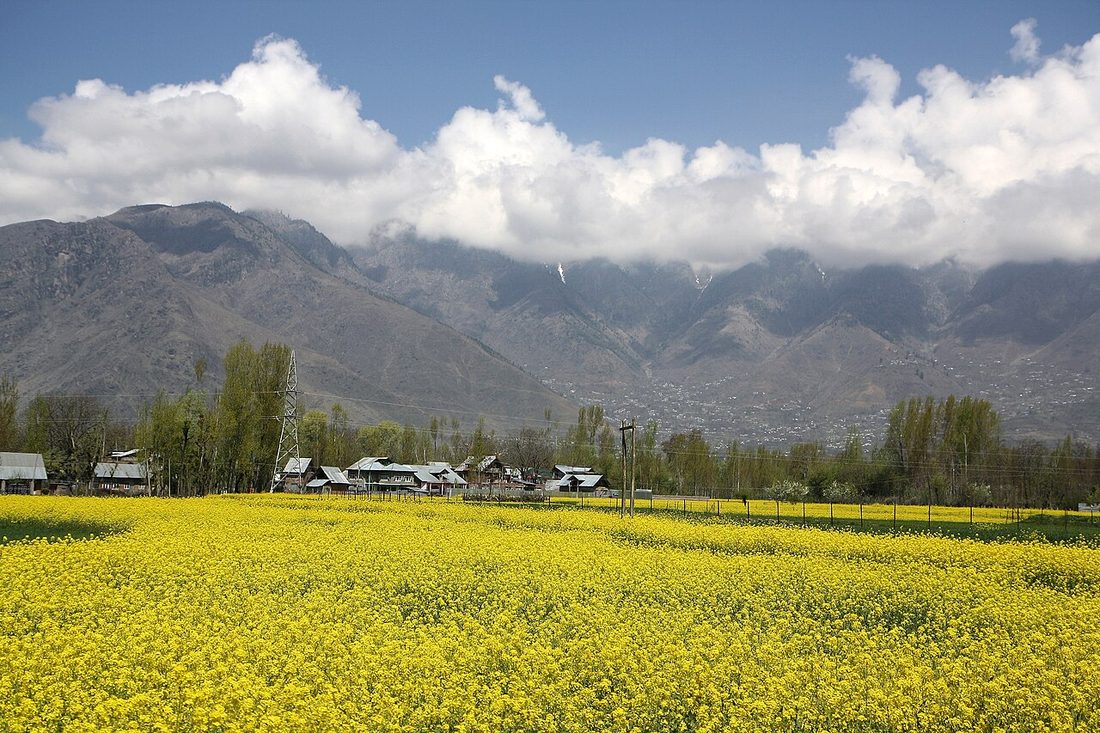
Roughly 95 kilometres northeast of Srinagar via Kangan, Mammer, and Sonamarg lies Baltal (2,743 m)—a stark, dramatic tented valley floor wedged right beneath the towering rock ramparts of Zoji La Pass. The entire road up National Highway 1D traces the turquoise Nallah Sindh—whose headwaters literally begin near the Amarnath massif—past mustard benches, forested ridges around Thajiwas Glacier, and quiet eco-cottages where savvy pilgrims sleep peacefully at lower altitude the evening before.
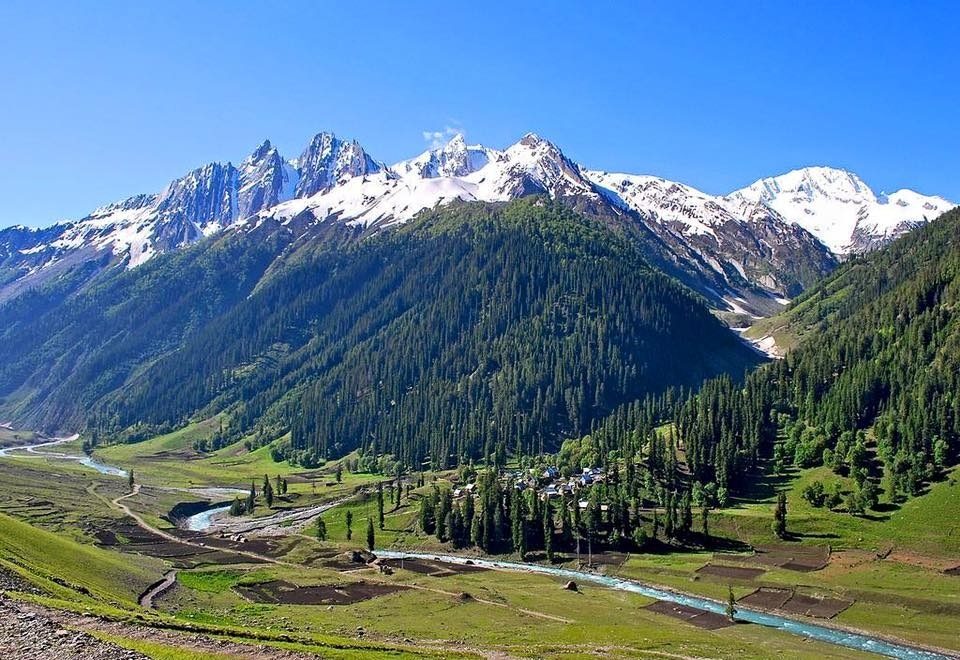
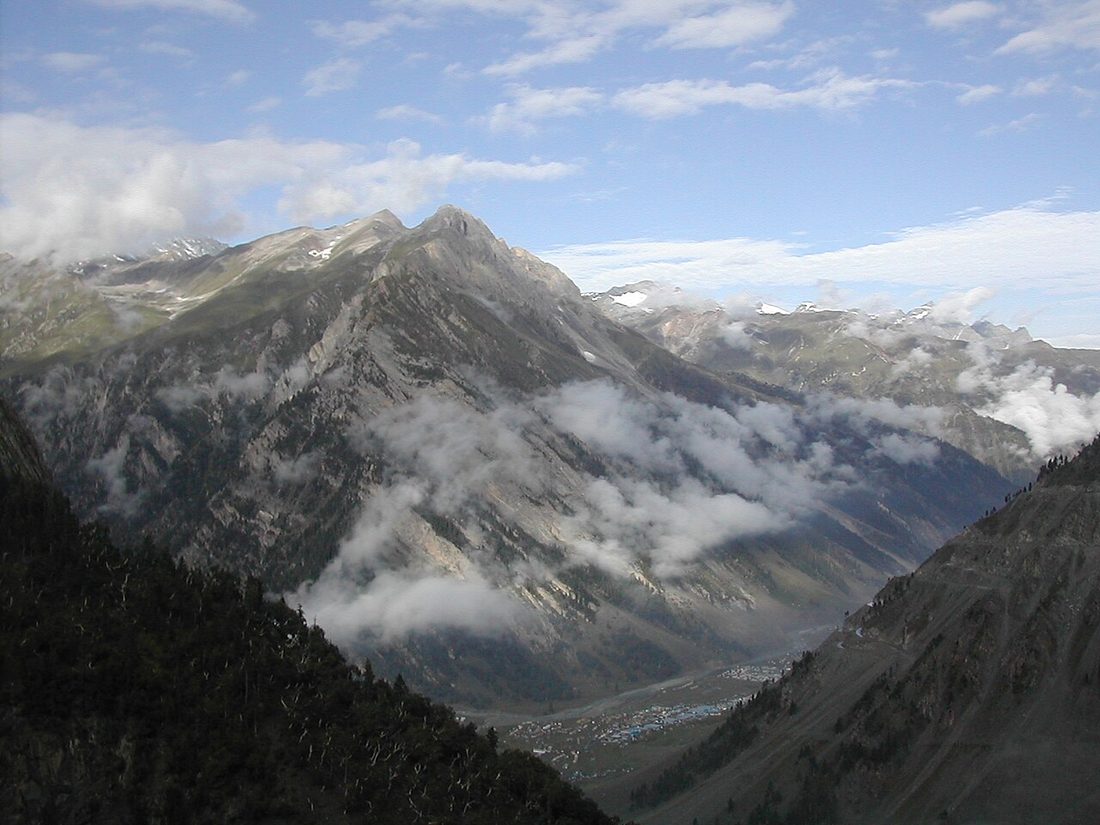
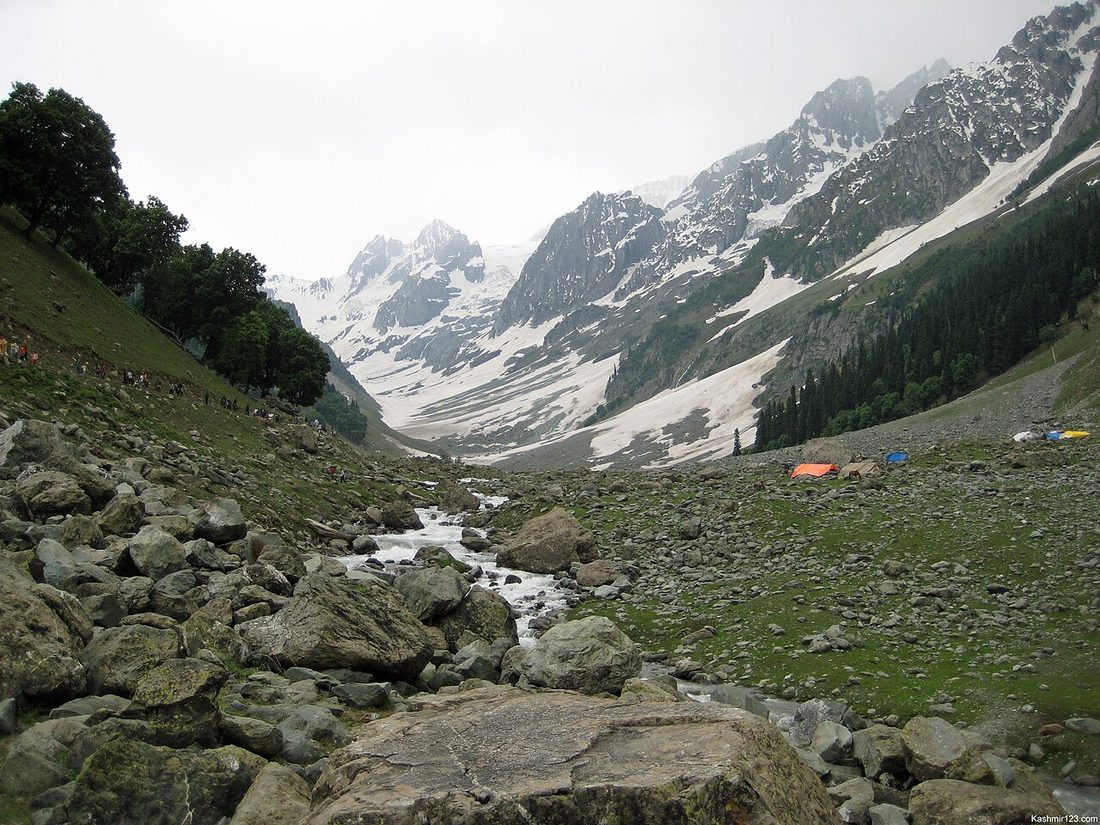
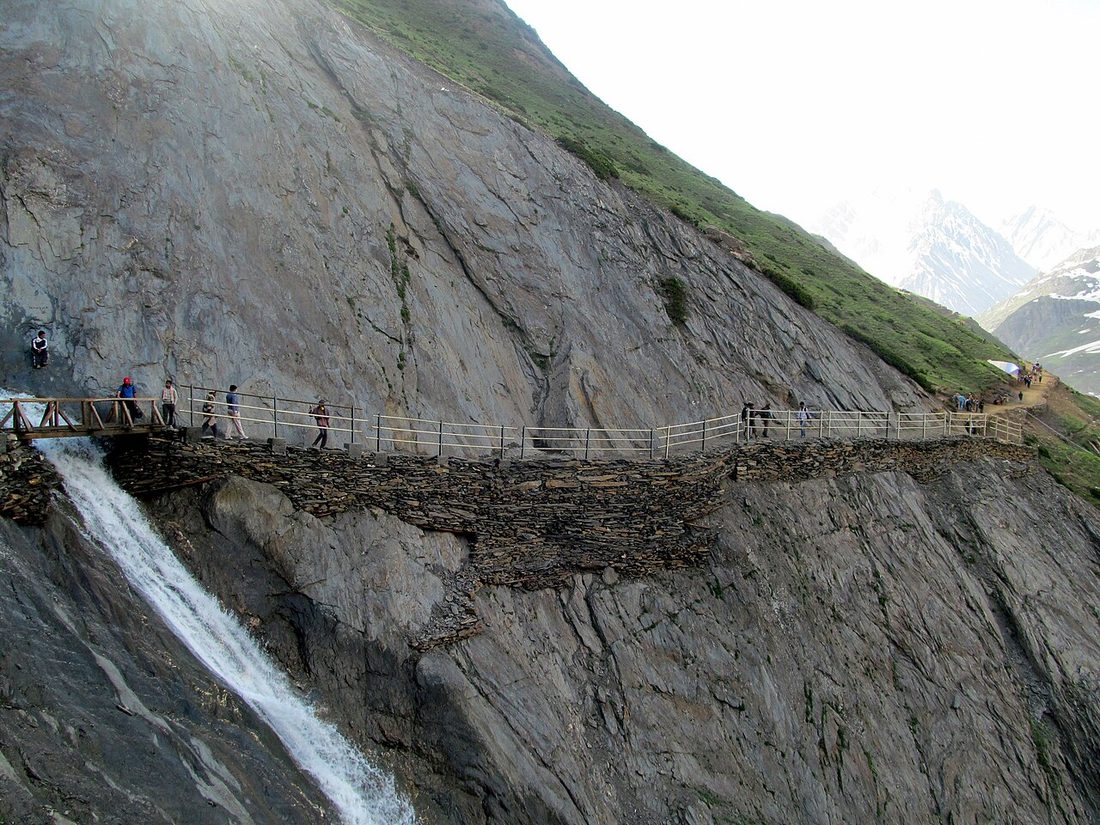
From Baltal, a 2-kilometre flat walk reaches Domel checkpost, after which the 12-kilometre mountain track climbs relentlessly through Bararimarg and Railpathri to Sangam (where the Pahalgam trail joins) and onward to the cave. Narrow cliffs, loose gravel, and passing mule trains demand sturdy ankle-support boots and trekking poles. Fit trekkers departing Domel at 4:30 AM can complete darshan and descend back to Baltal by dusk—yet if rain turns Bararimarg clay slick, that descent wrecks untrained knees fast.
Many first-time pilgrims buy an Amarnath helicopter ticket believing the chopper lands right outside the cave stairs. It does not—every helicopter from Neelgrath (Baltal) and Pahalgam lands at Panchtarni helipad (3,657 m), leaving a mandatory 6-kilometre trail each way to the Holy Cave! Budget 2 to 3 hours on foot each way, or pre-arrange cash for SASB-fixed pony or four-man palki rates at Panchtarni stand. Equally critical: valley cloud decks regularly suspend chopper sorties for half a day. Always build at least one spare buffer night in Sonamarg, Mammer, or Srinagar before your return flight home.
AMS Prevention, Packing & Life Inside Yatra Camps
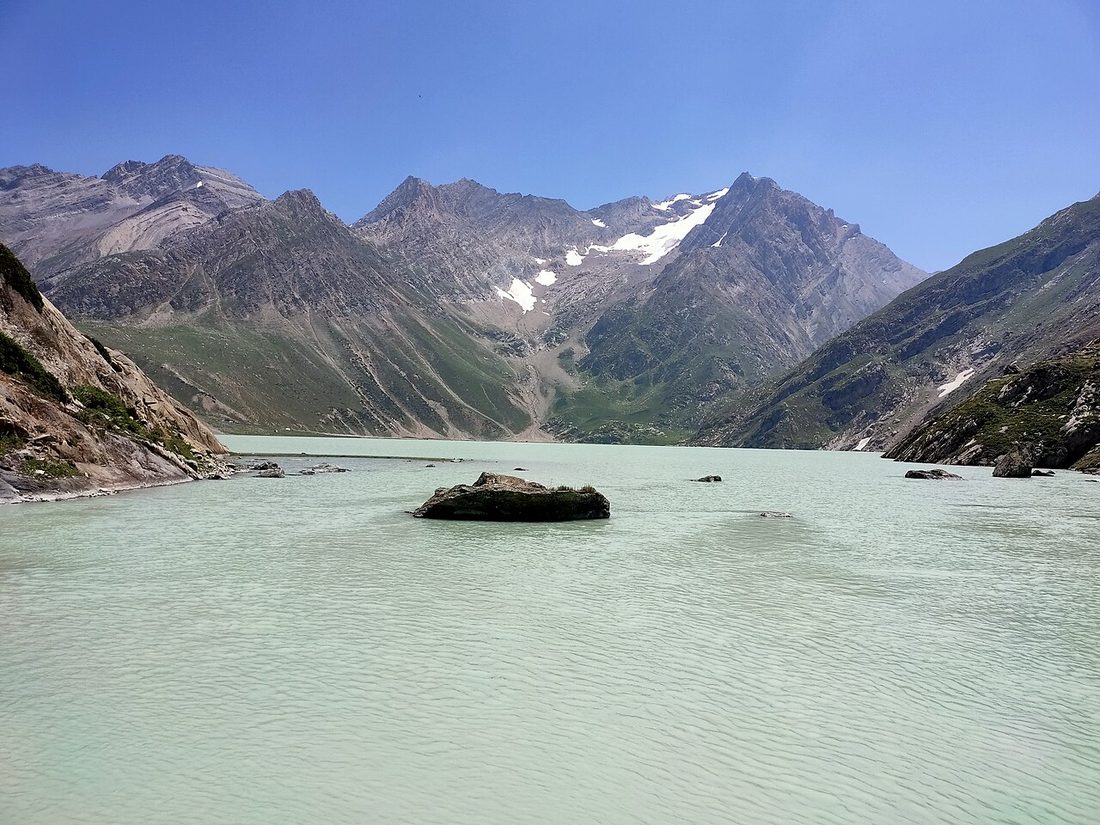
High-altitude mountain lakes like nearby Vishansar share the exact same thin-air physics that catches flatland visitors off-guard at Amarnath: at 3,888 metres, every breath delivers roughly 35 percent less oxygen than at sea level. Most medical evacuations on the Yatra stem from rushing straight out of Delhi or Mumbai onto the steep Baltal ascent or helicopter flight without pacing.
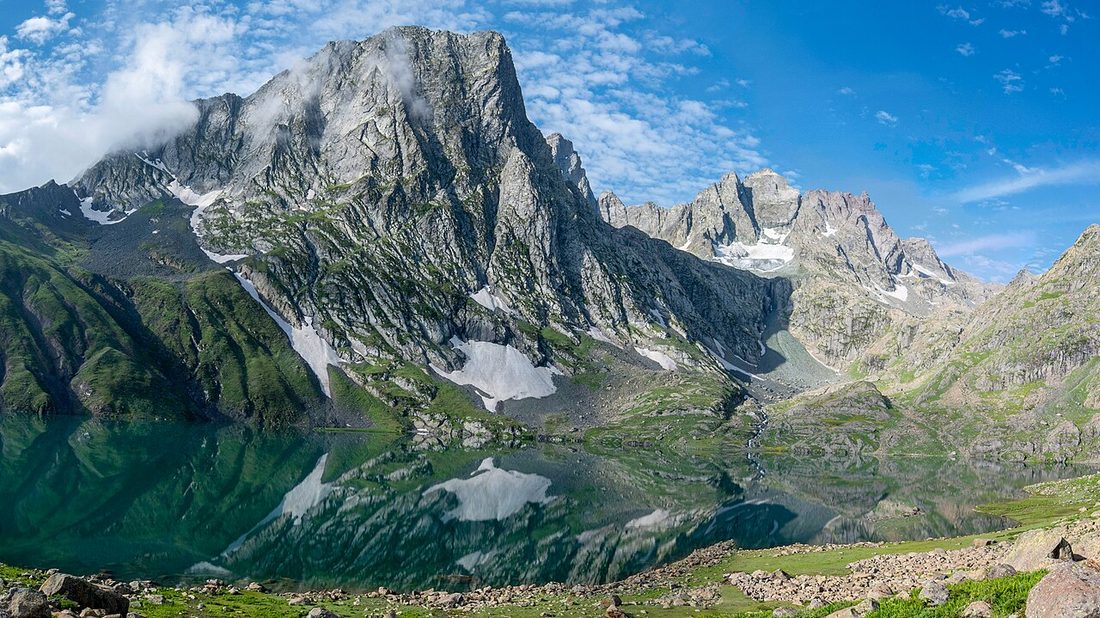
Start brisk 4-to-5-kilometre daily walks plus deep-breathing exercises at least six weeks before departure. On the trail, walk slowly enough to speak full sentences without gasping, sip 3 to 4 litres of warm water or ORS daily, skip heavy oily snacks before climbing, and carry dry apricots, dates, and jaggery in your pocket. Should anyone in your group develop a throbbing headache, persistent vomiting, confusion, or unusual shortness of breath at rest, stop ascending immediately and step into the nearest ITBP, Army, or Health Department medical camp—free oxygen cylinders and mountain doctors sit spaced every 2 to 3 kilometres along both tracks.
Pony, Pithu, Palki Rates & Sanctum Cloakroom Discipline
Whether you need a luggage porter (pithu) for your rucksack, a mountain horse for uphill pitches, or a four-bearer palanquin (palki) for an older family member, hire exclusively through the official Jammu & Kashmir Government prepaid registration booths located at Nunwan, Chandanwari, Baltal, and Panchtarni. Every licensed ponywala and porter carries a laminated government-issued photo ID badge with a tracking number—snap a quick phone photo of that badge before setting out, confirm whether the printed tariff covers one-way or round-trip waiting time at the Holy Cave, and settle the final half of payment only upon safe completion.
Just below the steel staircases leading up to the cave mouth stand regulated footwear racks and cloakroom counters. Security personnel strictly prohibit mobile phones, cameras, smartwatches, video equipment, leather belts, and large backpacks inside the inner darshan barricades. Leave electronics locked safely with your travel companion or in the numbered cloakroom, step bare-footed or in clean wool socks across the chilled rubber matting, and soak in those hushed seconds before Baba Barfani without rushing for a forbidden photograph.
Although SASB enforces no religious dress code, never wear sarees, loose dhotis, or smooth-soled canvas sneakers on the track—wet limestone steps and mule dung trigger painful slips daily. Wear breathable thermal base layers, loose waterproof trekking trousers or warm salwar-kameez, high-grip broken-in hiking boots, fleece mid-layer, woolen cap, waterproof gloves, and a full-length rain poncho that covers your backpack. Skip packing heavy food tins: dozens of free charitable langars (bhandaras) operate continuously from Nunwan and Baltal right up to the Holy Cave, serving hot hygienic vegetarian meals, khichdi, milk, and ginger tea around the clock.
Complete Amarnath Darshan Comfortably by Helicopter
Seamless Srinagar airport transfers, verified Sindh Valley stays, Neelgrath-Baltal or Pahalgam chopper coordination, and local ground support.
Combining Amarnath with Mata Vaishno Devi & Valley Rest Days
Because pilgrims often travel from distant parts of India just once in a decade for Baba Barfani’s darshan, many families pair Amarnath with a serene houseboat recovery night from our verified Srinagar hotels and houseboats or turn the trip into Jammu & Kashmir’s ultimate dual pilgrimage by visiting Mata Vaishno Devi in Katra. Our curated Grand Kashmir Valley & Mata Vaishno Devi Combined Tour links both sacred regions smoothly via Jammu and Srinagar, while heritage seekers extend northward via our Sharda Peeth Temple Yatra.
Remember one final operational detail before boarding your flight: only postpaid Airtel, Jio, and BSNL SIMs register signal in Jammu & Kashmir (local temporary Yatra SIMs are also issued at basecamps upon showing your RFID slip and ID), and carrying ₹5,000–₹8,000 in cash covers pony, pithu, cloakroom, and tent mattress charges whenever mountain data towers drop offline. Review summer weather patterns in our month-by-month Kashmir guide, check seasonal logistics inside our 2026 Kashmir booking guide, and reach out to our Srinagar local yatra desk via Kashmir i Tour for verified CHC guidance, buffer planning, and private transport.
Frequently Asked Questions about Shri Amarnath Holy Cave — Pahalgam & Baltal Yatra Routes, Registration & Helicopter Guide
Recommended Itineraries Including Shri Amarnath Holy Cave — Pahalgam & Baltal Yatra Routes, Registration & Helicopter Guide
Every route below can be customized from Srinagar, Jammu, or Leh with private cabs and verified local stays.
Amarnath Yatra via Pahalgam & Panchtarni Itinerary (3N/4D)
4 Days • 3 Nights • ₹26,500
Amarnath Yatra by Helicopter via Pahalgam or Neelgrath-Baltal (2N/3D)
3 Days • 2 Nights • ₹34,999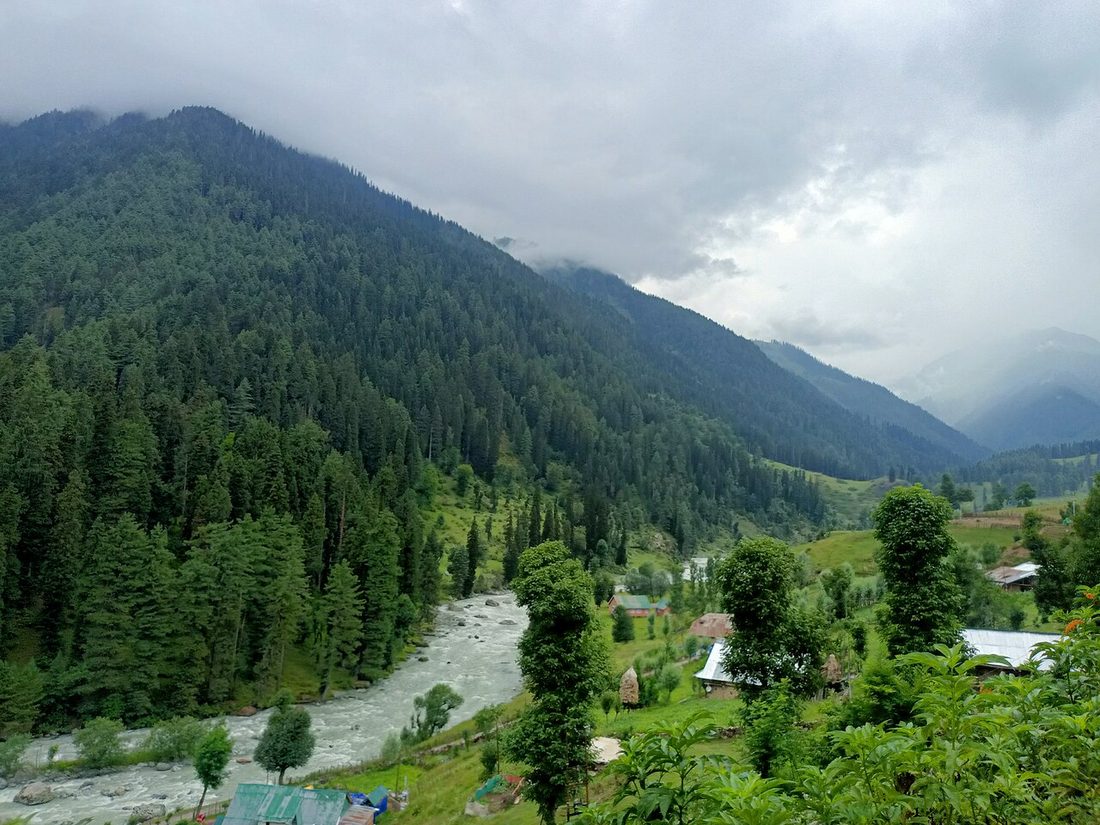
Grand Kashmir Valley & Mata Vaishno Devi Combined Tour (8N/9D)
9 Days • 8 Nights • ₹33,500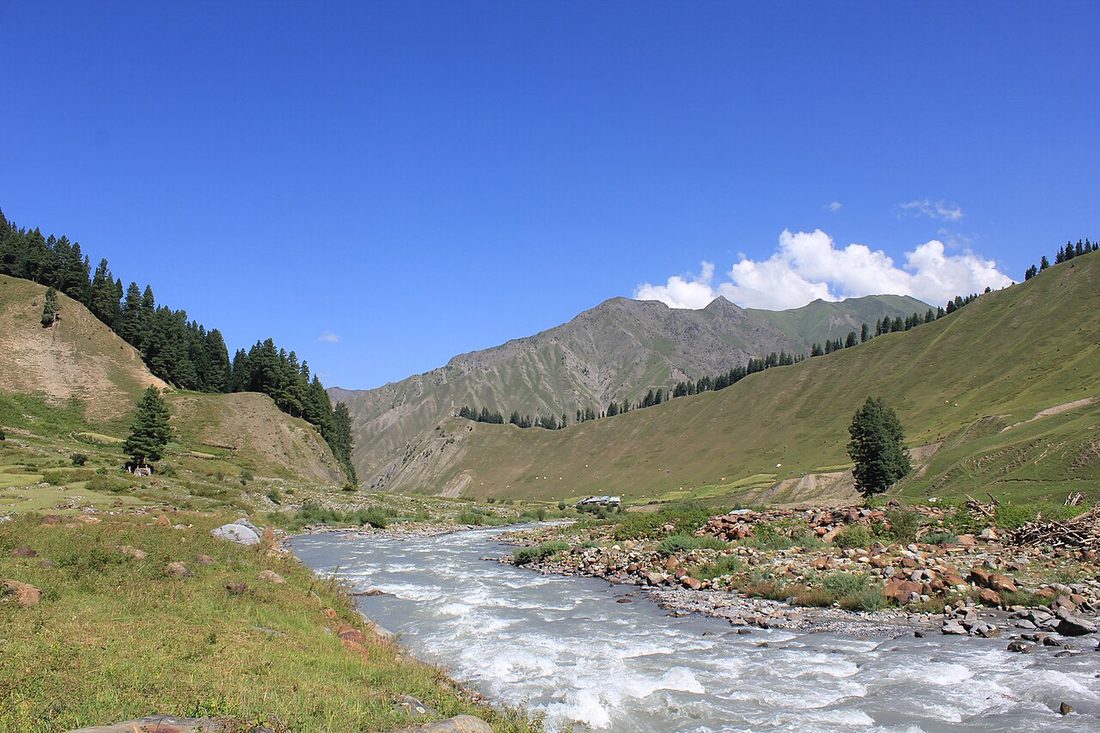
Sharda Peeth Temple (Teetwal LoC) & North Kashmir Heritage Yatra (4N/5D)
5 Days • 4 Nights • ₹22,500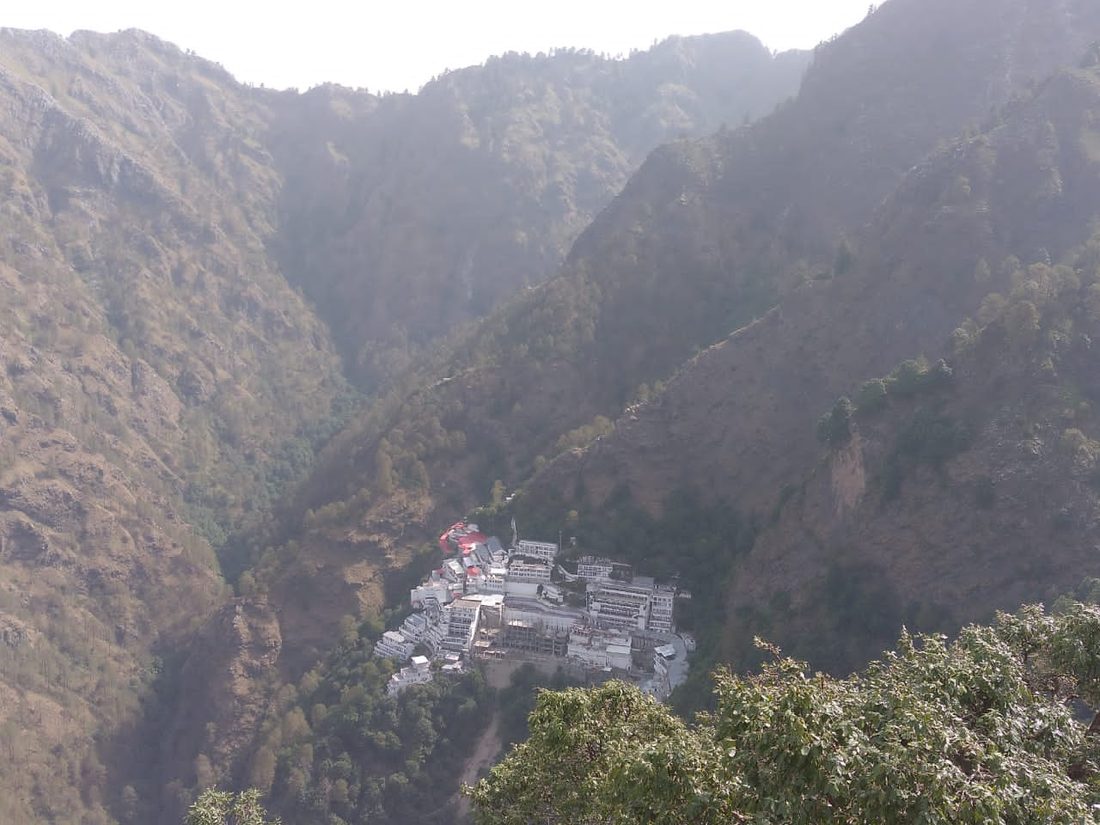
Mata Vaishno Devi Yatra & Katra Pilgrimage Package (3N/4D)
4 Days • 3 Nights • ₹12,500Explore Nearby & Connected Destinations
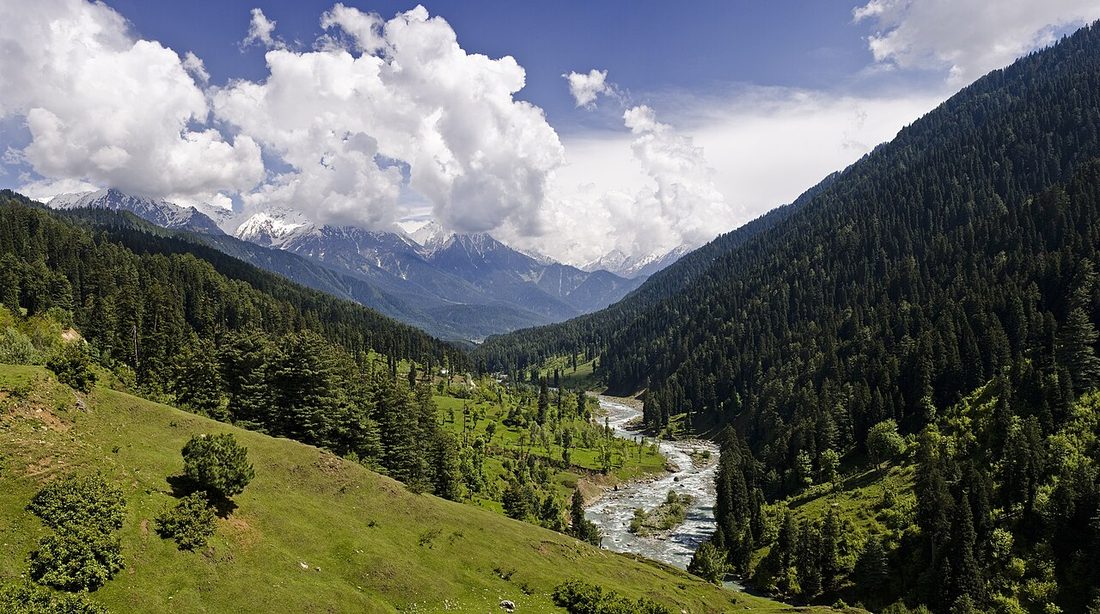
Pahalgam — Valley of Shepherds, Lidder River & Pine Trails
Kashmir Valley →
Sonamarg — The Meadow of Gold, Thajiwas Glacier & Zoji La Gateway
Kashmir Valley →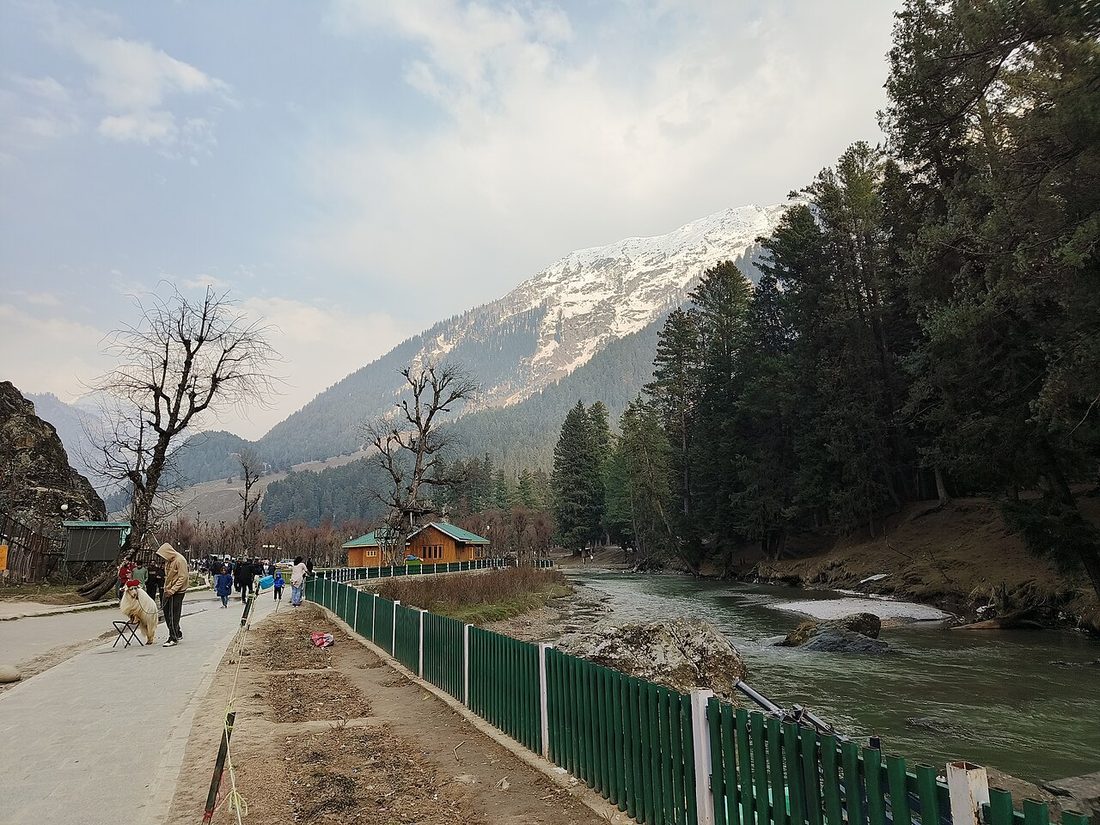
Betaab Valley — Glacial Streams, Deodar Meadows & Lidder Gorge
Kashmir Valley →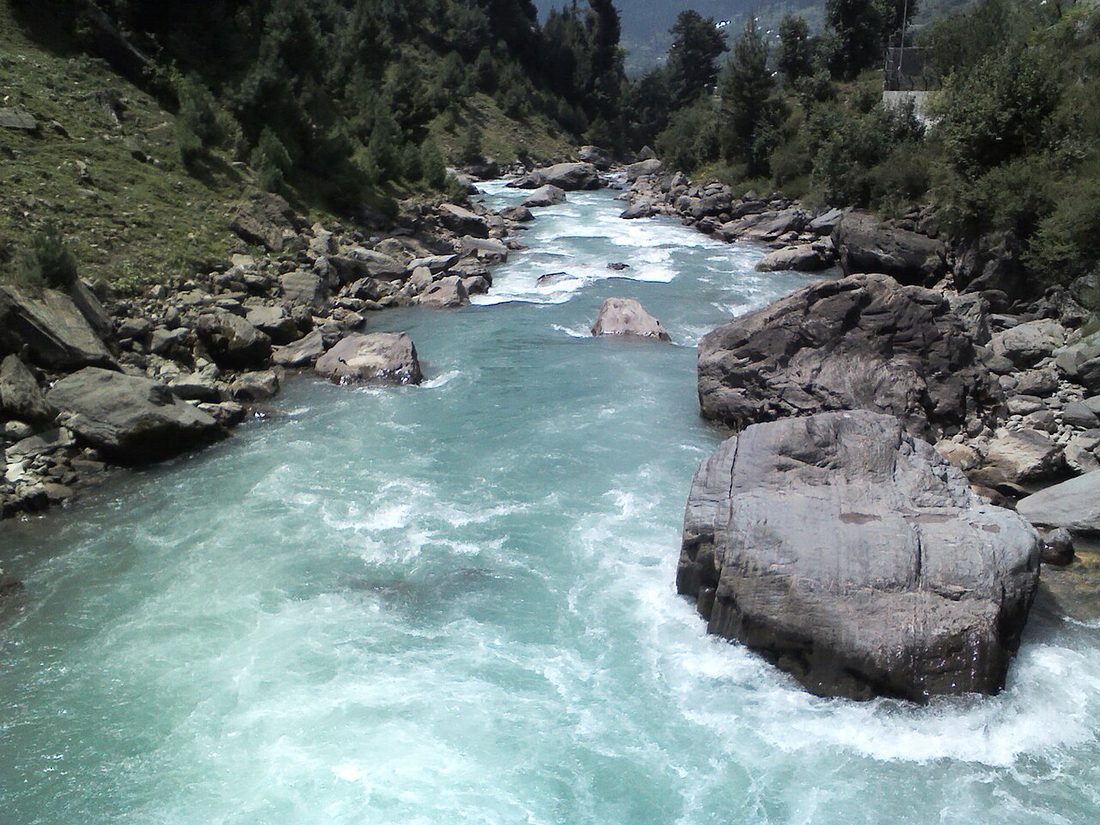
Mammer (Ganderbal) — Sindh River Village, Trout Waters & Meadow Gateway to Sonamarg
Kashmir Valley →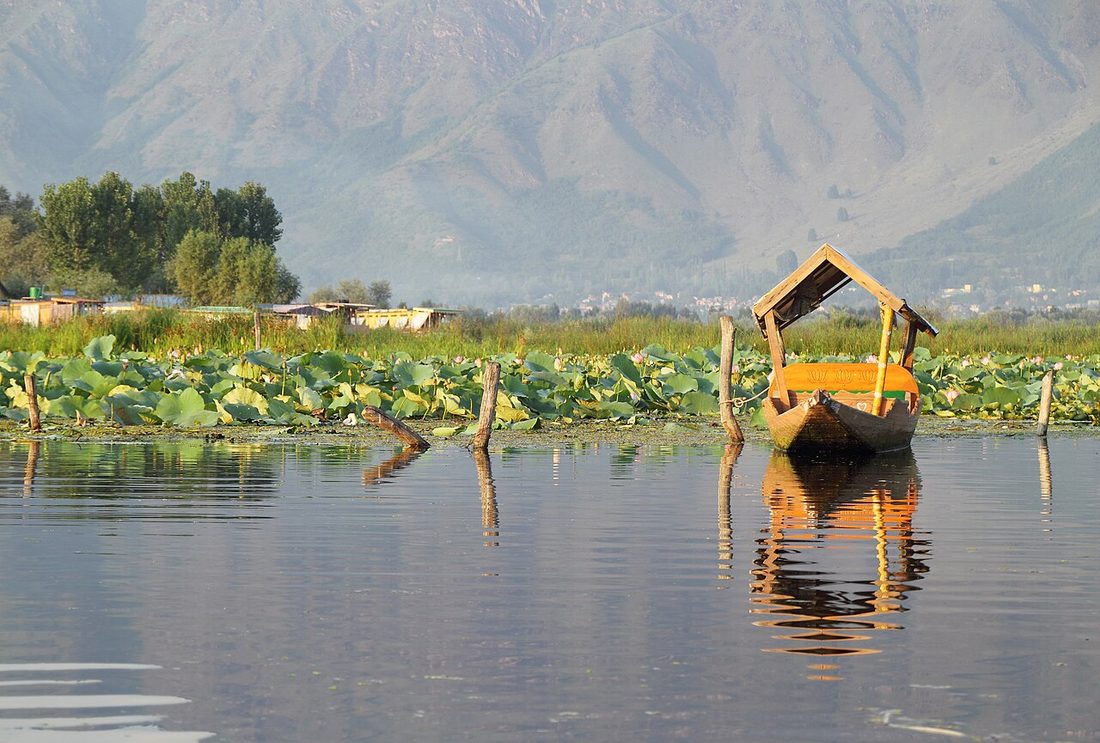
Srinagar — The City of Lakes, Mughal Gardens & Old City Heritage
Kashmir Valley →