
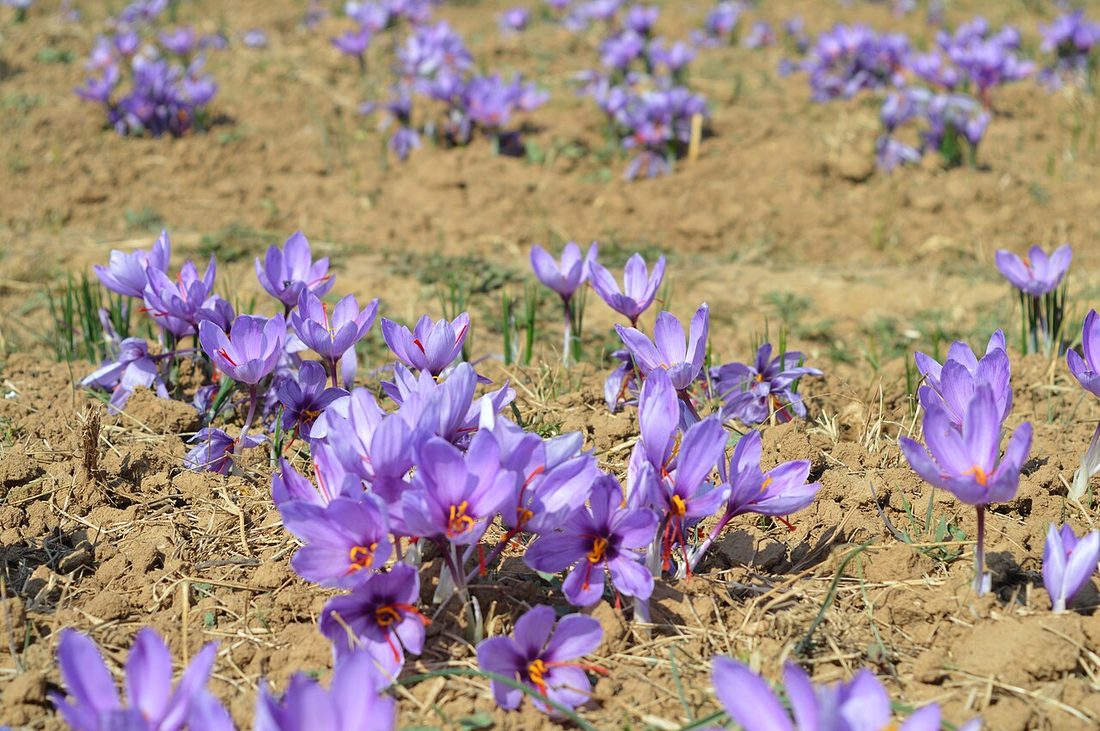
Roll down your car window fourteen kilometers south of Srinagar along National Highway 44 toward Pahalgam in late December, and the violet autumn blossoms are already gone. The flat clay-silt karewa plateaus of Pampore look deceptively dormant beneath winter frost. Yet inside every stone-walled grower’s house in Lethpora, Konibal, and Dusoo, this is the single most exciting week of the entire agricultural calendar.
Here is what summer tourists never realize: the purple Crocus sativus flowers picked in late October and early November cannot be sold properly the next afternoon. Freshly separated crimson stigmas must undergo controlled low-temperature hot-air dehydration, moisture equilibration below 12%, strict grading, and spectrophotometric ISO 3632 laboratory testing before official Geographical Indication (GI) sealing. By Christmas and New Year’s week, the brand-new harvest is finally cured, fragrant, lab-certified, and resting in airtight glass vaults—making New Year’s Kashmir Tours the cleanest sourcing window of the year for American home cooks, specialty spice importers, and Michelin-level chefs.
Alongside Pampore’s deep-red Mongra saffron, winter also unlocks peak availability for newly harvested Pulwama Mamra almonds and dried Himalayan Guchhi morel mushrooms (*Morchella esculenta*) stored down from spring forest foraging runs. Getting these high-value Kashmiri foods smoothly through US Customs and Border Protection (CBP) and the US Food and Drug Administration (FDA), however, demands knowing where personal passenger allowances end and federal FDA Prior Notice and FSVP rules begin.
Inside IIKSTC Dusoo: ISO 3632 Science & Pampore Saffron Grades
Walk past any highway stall outside Lethpora, and a smooth-talking salesman will flip open a velvet tin promising “100% Pure Kashmiri Kesar” at ₹250 per gram. Do not buy it. Highway shops routinely cut cheap imported Iranian or Afghan threads—or worse, dyed safflower petals, shredded corn silk, and glycerin-weighted husks—into decorative plastic boxes aimed at hurried tour buses.
Authentic Pampore saffron earns its Geographical Indication tag (GI No. 635) specifically because Kashmir’s 1,600-meter altitude, iron-rich glacial-lake karewa soil, and autumn chill produce exceptionally thick, dark-maroon stigmas packed with natural carotenoids. Rather than guessing by sight, serious buyers verify lots graded through the India International Kashmir Saffron Trading Centre (IIKSTC) at Dusoo, Pampore—a government-built processing and e-auction hub housing Kashmir’s official NABL-accredited saffron testing lab.
Under the international ISO 3632-2 laboratory protocol, every legitimate export batch is measured on a UV-Vis spectrophotometer across three chemical markers:
- Crocin (Coloring Power, absorbance at 440 nm): ISO 3632 Category I requires a minimum reading of 200. Top-tier Pampore Mongra routinely tests between 230 and 270+, turning warm milk or broth luminous saffron-gold using just four or five strands.
- Picrocrocin (Bitterness & Flavor Strength, 257 nm): Category I threshold is 70; true Kashmiri Mongra regularly clears 85–100, delivering honeyed earthiness without harsh metallic bite.
- Safranal (Volatile Aroma, 330 nm): Ideal Category I range sits between 20 and 50—capturing that unmistakable dried-hay and floral-spice perfume that lingers inside a glass jar for two years when stored cool and dark.

Mongra vs Lacha vs Zarda: Which Grade Belongs in Your Cart?
| Kashmiri Saffron Grade | Botanical Composition | Typical ISO 3632 Crocin | Verified Winter Farm/GI Price (USD/gram) | Best Culinary / US Market Use |
|---|---|---|---|---|
| Mongra (GI Grade I) | 100% detached deep-crimson stigmas, zero yellow style | 230 – 270+ | $4.80 – $7.20 / g | Luxury US retail jars, Michelin kitchens, gift tins |
| Lacha | Crimson stigmas still attached to golden-yellow floral style | 180 – 215 | $3.40 – $4.90 / g | Daily Kashmiri kahwa, biryanis, infusion teas |
| Zarda / Style | Yellow floral styles separated during Mongra trimming | < 60 | $0.60 – $1.10 / g | Fragrant tea blending only (low pigment) |
| Roadside Counterfeit | Dyed safflower, corn silk, or repacked old low-grade stock | Fails lab / artificial dye | $1.50 – $3.00 / g (scam) | Avoid completely; fails FDA color-additive checks |
Want a rapid field check when buying real saffron in Kashmir? Drop three strands into a clear glass of lukewarm water. Genuine Mongra threads float near the surface, slowly unfurling a bright yellow-gold halo over ten to fifteen minutes while keeping their deep burgundy structure intact. Artificially dyed fakes bleed instant crimson-orange ink within ten seconds and dissolve into pale colorless filaments. Even better: insist on tamper-sealed IIKSTC GI jars bearing a scannable holographic QR code linked directly to the lot’s lab moisture and crocin certificate.
Pulwama Mamra Almonds & Wild Himalayan Guchhi Morels
Saffron grabs the headlines, yet two lesser-known South and North Kashmir delicacies consistently blow American foodies away once they taste them beside a winter fireplace: Kashmiri Mamra almonds and wild-foraged Guchhi morels.
Why Kashmiri Mamra Almonds Beat Commodity California Kernels
Travel twenty minutes off the Pampore plateau into Pulwama and neighboring Budgam orchards, and you find gnarled rain-fed heirloom almond trees producing small, concave, slightly wrinkled kernels called Mamra (alongside ultra-thin paper-shelled Kagzi varieties). Unlike irrigated industrial California Nonpareil almonds—which average 20–25% oil content—Kashmiri Mamra almonds naturally carry 42% to 50% monounsaturated almond oil. Bite into one raw kernel in December, and it snaps crisp, sweet, and butter-rich without tasting greasy.
In US specialty wellness markets and Ayurvedic grocers across New Jersey, California, and Texas, genuine Kashmiri Mamra sells for $38 to $65 per pound—nearly quadruple conventional almonds. Beware of Afghan or Iranian Mamra kernels mixed into Kashmiri bulk sacks in Srinagar wholesale bazaars: authentic Kashmiri Mamra tends to be slightly smaller, darker cinnamon-brown, asymmetrical, and noticeably sweeter than larger uniform Iranian lots. Expect to pay $19–$26 per kilogram locally for freshly shelled autumn-crop Grade A kernels vacuum-sealed in nitrogen-flushed food-grade pouches.
Guchhi Morels (*Morchella esculenta*): Wild Spring Gold Sold in Winter
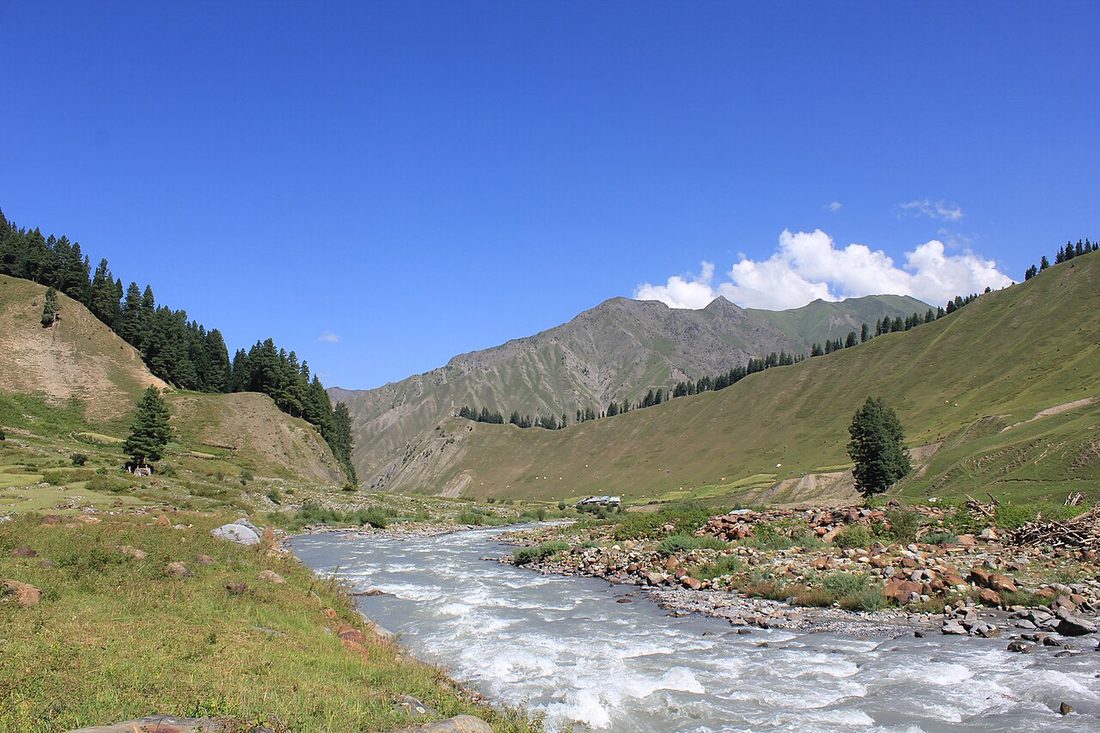
Unlike button or shiitake mushrooms, true Himalayan Guchhi cannot be commercially farmed anywhere on Earth. Every April and May, after winter snowmelt warms the pine-needle floors between 1,800 and 3,000 meters across Kupwara’s Betaab Valley upper ridges, Lolab Valley, Gurez, and Kishtwar, local mountain families forage honeycomb-capped wild morels by hand. They thread each mushroom onto cotton twine and slowly air- and hearth-dry them so they keep safely through winter.
By late December, dried Guchhi commands $320 to $520 per kilogram (roughly $35–$55 per 100-gram pack) in Srinagar’s reputable spice houses around Maharaj Ganj and Residency Road. Always inspect dried caps carefully before buying: stems should be trimmed short (unscrupulous vendors leave long sandy stems to inflate weight), caps should feel bone-dry and rattle crisply without musty mold smell, and zero dark grit or forest debris should shake out into the bag.
Pair Pampore Sourcing with Snow Views: Kashmir Paradise Tour
Drive directly along the Pampore saffron corridor into Pahalgam’s snowbound Lidder River valley, paired with heated Srinagar houseboats and Gulmarg day access.
US CBP Personal Baggage vs Commercial US FDA Prior Notice & FSVP
Nothing ruins a gourmet sourcing trip faster than watching a CBP Agriculture Specialist toss $600 of wild Guchhi and Mamra almonds into an airport incinerator at JFK—or receiving an FDA Detention Without Physical Examination (DWPE) notice on a commercial DHL spice pallet. Separate your compliance checklist cleanly into two lanes:
Lane A: Returning US Travellers (Personal Baggage Rules)
Can you fly home to America from your December or New Year Kashmir holiday with 10 grams of Mongra saffron, two kilograms of vacuum-sealed shelled Mamra almonds, and 200 grams of dried Guchhi in your suitcase? Yes—if you follow three non-negotiable CBP and USDA APHIS rules:
- Declare Every Single Food Item on CBP Form 6059B / Mobile Passport Control: Check “YES” on Question 11 (food, spices, nuts, plants). Telling the agriculture officer upfront “I have commercially sealed dried saffron, vacuum-packed shelled almonds, and clean dried mushrooms from India” takes ninety seconds at the agriculture x-ray lane and almost always clears effortlessly. Hiding spices or nuts triggers automatic $300–$1,000 fines and permanent Global Entry loss.
- Commercially Sealed, Clean & Shelled Only: CBP Agriculture generally admits dried commercial spices (saffron), roasted or raw shelled dried tree nuts (Mamra almonds completely free of green hulls, soil, or insects), and commercially packed clean dried mushrooms (Guchhi). Never carry raw green almonds in outer husks, loose uncleaned forest mushrooms with pine needles or dirt attached, or fresh saffron corms/bulbs (live planting bulbs require USDA APHIS import permits and will be confiscated immediately).
- Pack Liquids & Powders Properly for SXR Security: Place sealed glass saffron jars padded inside socks in checked luggage or securely inside your clear quart bag if carrying miniature vials; remember Srinagar Airport (SXR) enforces tight security screening on bulky dry-fruit tins in cabin luggage, so vacuum-packed pouches inside checked bags clear smoother.
Lane B: Commercial Exports to the USA (US FDA Prior Notice, FSVP & Spices Board)
Shipping commercial stock—or even having an Indian merchant courier a “business sample” or retail gift order via DHL/FedEx to a US doorstep—places your parcel squarely under the US Food and Drug Administration (FDA) and the Food Safety Modernization Act (FSMA). Here is the exact compliance chain required for lawful Kashmiri saffron export USA and gourmet nut shipments:
- Indian Exporter Credentials: Your Srinagar/Pampore supplier must hold an active IEC (Importer-Exporter Code), central FSSAI Export License, Spices Board of India (CRES) registration for saffron, APEDA registration for nuts/dried mushrooms, and an active US FDA Food Facility Registration (renewed biennially in even-numbered years with a unique DUNS/UFI identifier).
- Mandatory US FDA Prior Notice (PN): Under the Bioterrorism Act (21 CFR Part 1 Subpart I), FDA must receive electronic Prior Notice via PNSI or your customs broker’s ABI interface before the food arrives at the US port—at least 4 hours prior by air (2 hours by road, 8 hours by sea). Without a valid Prior Notice Confirmation Number printed on the airwaybill, CBP refuses entry automatically. Important trap: commercial retailers in Srinagar shipping a 50-gram saffron order to your home in Chicago via DHL still trigger FDA Prior Notice—only non-commercial food sent strictly individual-to-individual as a personal gift is exempt.
- Foreign Supplier Verification Program (FSVP — 21 CFR Part 1 Subpart L): Every commercial US food importer must designate a US-based FSVP Importer (with a DUNS number) responsible for verifying that the Indian supplier controls biological and chemical hazards. For Kashmiri gourmet exports, smart importers keep current NABL lab Certificates of Analysis (COAs) on file showing: (a) Saffron: ISO 3632 purity, absence of illegal artificial dyes (Sudan red, tartrazine, ponceau 4R), heavy metals (lead chromate check!), and Salmonella negative; (b) Mamra Almonds: aflatoxin testing (<20 ppb FDA action limit) and moisture control; (c) Dried Guchhi: filth/insect-fragment inspection, heavy metals, and species confirmation (Morchella esculenta).
- FDA Retail Labeling (21 CFR Part 101): Commercial consumer packs must display English ingredient lists, net weight in both US customary ounces/pounds and metric grams, US distributor name/address, lot code, and bold FALCPA allergen declaration on almond packs: “CONTAINS: TREE NUTS (ALMONDS).”
- HTSUS Tariff Codes to Verify with Your Broker: Saffron enters under HTSUS 0910.20.0000 (historically Duty-Free MFN, though always confirm current Indian-origin tariff notices with your broker); Shelled Almonds under 0802.12.0015 (specific duty per kg); Dried Morel Mushrooms under 0712.39.4000.
Designing a South Kashmir Culinary & Winter Snow Loop
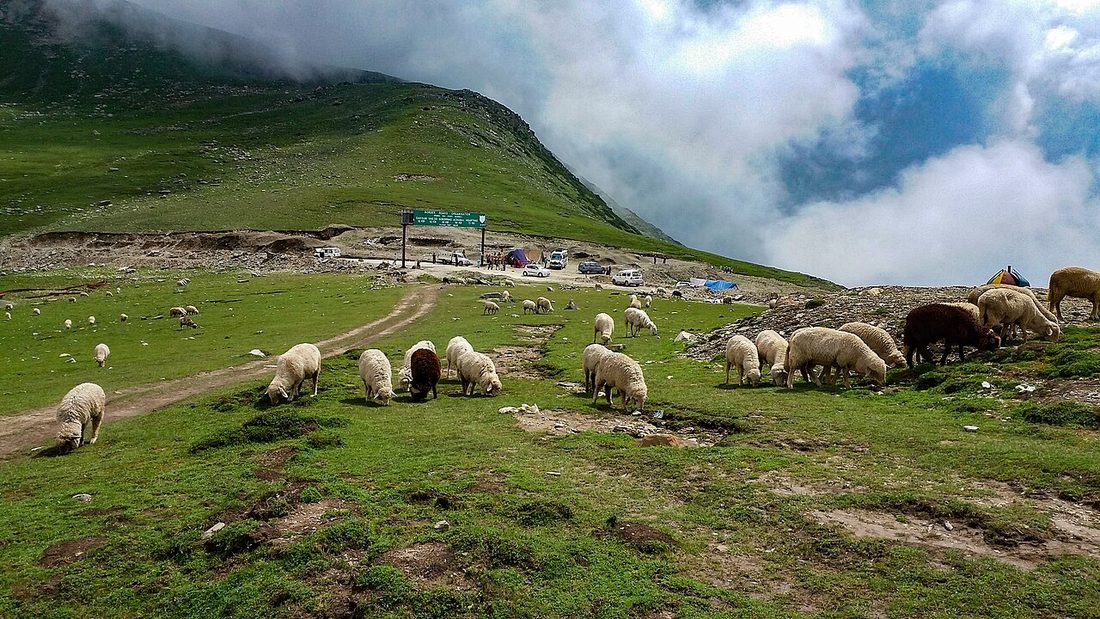
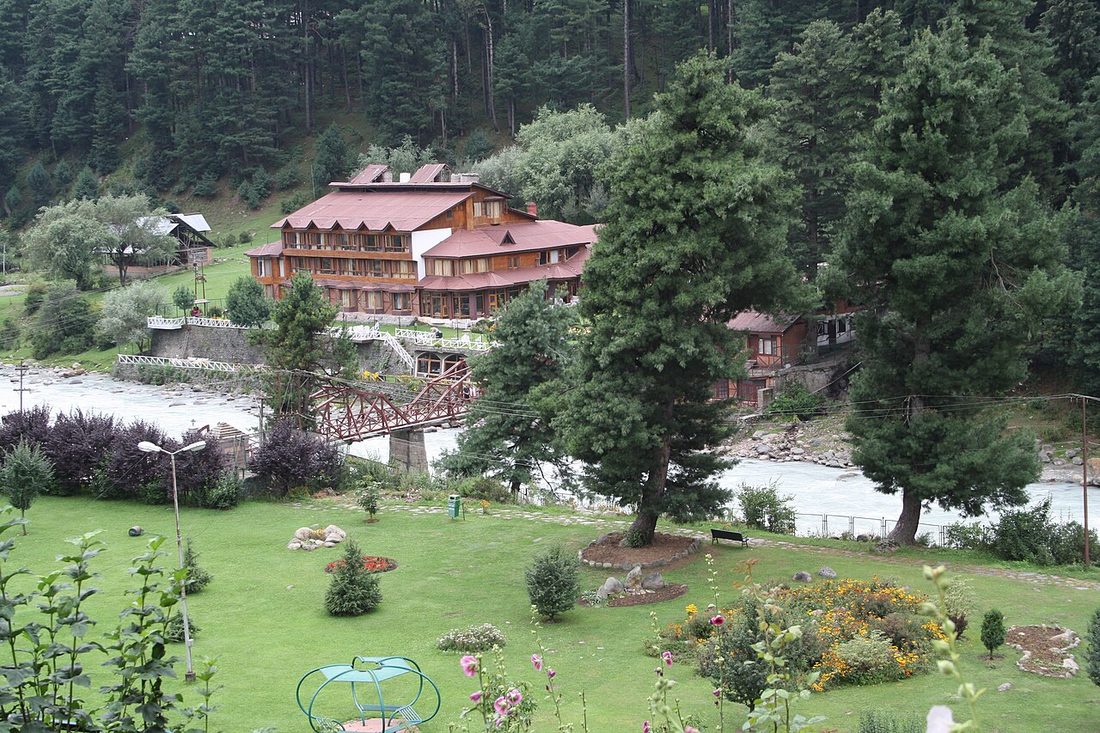
One reason American gastronomy travellers love pairing Pampore with New Year’s Kashmir Tours like Charismatic Kashmir Tours or the wider Complete Kashmir Explorer Tour Package is how effortlessly food provenance fits into the valley’s classic scenic triangle. You never waste a day chasing sterile industrial parks—every tasting happens right along the highway linking Srinagar’s lakes to Kashmir’s alpine valleys.
Start with two winter mornings in Srinagar enjoying floating produce markets along Dal Lake and visiting historic Old City spice merchants before driving south on Day 3. Pause at IIKSTC Dusoo in Pampore between 10:30 AM and 1:00 PM to review GI Mongra test reports and sample farm-direct Pulwama Mamra almonds, grab traditional Kashmiri saffron kahwa and baked kulcha bread near Awantipora, and roll into Pahalgam by late afternoon. Spend Days 4 and 5 exploring quiet snow trails across Betaab Valley and Aru before looping north toward Gulmarg—either adding scenic waterfall stops on our 6N/7D Kashmir & Drung Waterfall winter package or riding high into snowfields using our Gulmarg Gondola ticket guide.

If your US sourcing itinerary spans textiles and home décor alongside gourmet pantry exports, tie this culinary stop directly into our companion field manuals: verify Changthangi shawls with our GI Kashmiri Pashmina and Kani shawl US CBP guide, commission heirloom furnishings using our hand-knotted Kashmiri silk carpet and walnut woodcraft export guide, or extend your winter journey to Agra and Jaipur via our 12-to-14 day Golden Triangle and New Year’s Kashmir blueprint. For broader trip logistics, explore our Kashmir destination profiles, centrally heated Srinagar and Pahalgam hotels, full Kashmir Tour Packages catalog, and latest seasonal advisories on the Kashmir i Tour blog.
Add Vetted Pampore GI Saffron & South Kashmir Stops to Your Winter Trip
Skip commission-heavy highway traps. Our South Kashmir local team connects travellers on New Year’s Kashmir Tours directly with IIKSTC-verified growers and licensed export packers.
Frequently Asked Questions
Is saffron really fresher in Pampore during New Year’s week than in October?
Yes for buying sealed export-ready jars. While flowers bloom from late October through mid-November, freshly picked stigmas require careful dehydration, grading, and ISO 3632 laboratory testing at IIKSTC Dusoo before packaging. Late December and January represent the very first weeks when newly certified autumn Mongra hits the shelves at peak crocin potency and aroma.
Can I legally bring Pampore saffron and Kashmiri Mamra almonds home to the US in my suitcase?
Yes, provided they are commercially packaged, clean, bone-dry, shelled (for almonds—no green outer hulls or soil), and honestly declared to US Customs and Border Protection on your arrival declaration. Never bring live saffron bulbs/corms or dirty uncleaned forest mushrooms, as USDA APHIS officers will seize them immediately.
Does a small commercial DHL saffron order from Srinagar to New York still require US FDA Prior Notice?
Yes. Whenever a commercial business or spice exporter ships food internationally into the United States via courier or air freight—even a small 50-gram specialty box—US FDA Prior Notice must be filed electronically prior to arrival, and the Indian facility should hold valid FDA facility registration. Ask your exporter or courier broker for the Prior Notice Confirmation Number before dispatch.
Why are Kashmiri Guchhi morels so expensive compared to dried European or Pacific Northwest morels?
Himalayan Morchella esculenta grows strictly wild across steep, roadless conifer ridges between 1,800 and 3,000 meters during a brief six-week spring snowmelt window. Every cap is hand-foraged, cleaned, strung, and dried individually by mountain households—and roughly nine to ten kilograms of fresh forest morels shrink down to yield just one kilogram of finished dried Guchhi.
How should I store Pampore Mongra saffron once back in the United States?
Light, heat, and humidity destroy crocin pigments fast. Keep GI Mongra strands inside an airtight amber-glass jar tucked inside a cool dark kitchen cupboard—never on a sunny stove shelf and never in the freezer (condensation clumps threads every time you open the lid). Stored properly, fresh December-harvest Kashmiri Mongra retains vivid coloring power and fragrance for 24 to 30 months.