
Every winter in Srinagar, an American traveller walks onto my family’s cedar houseboat holding a tissue-wrapped shawl bought an hour earlier in a slick Boulevard Road showroom. The tag claims “100% Royal Ring Pashmina.” The price was $140. Within ten seconds—simply pinching a corner between thumb and forefinger and glancing at the selvedge edge under daylight—I have to break the bad news: it is power-loom semi-viscose blended with coarse Australian wool, manufactured two hundred miles south in Amritsar or Ludhiana, and worth maybe twenty-five dollars.
The tragedy is not the wasted cash. It is that genuine Kashmiri Pashmina—hand-combed from high-altitude Himalayan goats, spun by hand on a wooden yender wheel, and woven slowly on pit looms in Downtown Srinagar and Kanihama—really is one of the finest textiles humanity has ever engineered. Yet American boutique owners, museum collectors, and discerning travellers booking New Year’s Kashmir Tours face a double minefield: rampant local counterfeit traps on one side, and strict US Customs and Border Protection (CBP), Federal Trade Commission (FTC), and US Fish & Wildlife Service (USFWS) enforcement on the other.
Winter is, quietly, the finest season to source directly from authentic studios. During Chillai Kalan (late December through January), tourist buses vanish, wholesale dealers slow down, and master weavers work long unhurried mornings in sunlit upper rooms across Zadibal, Hawal, and Kanihama. This guide walks you step by step from the Changthang pastures where the raw fleece begins, straight through Srinagar’s laboratory QR certification desk, to lawful duty-compliant entry at JFK, Newark, Chicago O’Hare, or LAX.
What Legally Qualifies as GI Kashmir Pashmina (12–16 Microns)
In Western retail, “pashmina” got diluted in the late 1990s into a meaningless marketing buzzword slapped onto $15 street-corner acrylic wraps. Under Indian Geographical Indication (GI) Law (GI Registration No. 46), however, Kashmir Pashmina carries a rigid three-part legal definition that leaves zero wiggle room:
- Biological Fibre Origin: The raw fleece (pashm) must be the fine winter undercoat combed in spring from the Capra hircus Changthangi goat herded by nomadic Changpa pastoralists at 4,200 to 4,800 meters across the Changthang plateau of Leh-Ladakh. Surviving -35°C winters forces these goats to grow a microscopic insulating down averaging 12 to 16 microns in diameter—roughly one-sixth the width of a human hair.
- Hand-Spinning on the Yender: True GI-certified Pashmina cannot be spun on high-speed industrial mill frames. Women artisans across Srinagar, Budgam, and Bandipora clean the raw fleece with rice flour paste (krish), comb out coarse outer guard hairs (phamb), and spin hair-thin yarn entirely by hand on traditional wooden spinning wheels.
- Handloom Weaving in Kashmir: The spun warp and weft must be woven manually on wooden handlooms inside the Kashmir Valley. Hand-spun yarn lacks the mechanical tensile uniformity required by automated power looms—which is why power-loom “pashminas” are almost always machine-spun Chinese or Mongolian cashmere blended with silk, modal, or nylon.


Understanding that upstream Ladakh-to-Srinagar supply chain explains why travellers planning multi-season return journeys often pair our winter sourcing weeks with a summer Kashmir and Ladakh overland package once Zoji La Pass opens in May. Even in winter, seeing the raw uncleaned pashm bundles arriving in Srinagar from Ladakh cooperatives immediately resets your eye for texture and fair artisan pricing.
Spotting Authentic Changthangi Pashmina: CDI Lab Micron Testing & SFAL QR Verification
Forget parlor tricks like pulling a shawl through a wedding ring—a synthetic chiffon or thin silk-viscose scarf slips through a ring far easier than a dense, warm hand-woven Pashmina. Equally unreliable is the street-side burn test unless you know how to distinguish goat keratin from sheep merino, which smells virtually identical when singed.
Instead, rely on science and Srinagar’s official government verification infrastructure: the Pashmina Testing & Quality Certification Centre (PTQCC) operated by the Craft Development Institute (CDI) at Baghi Ali Mardan Khan in Downtown Srinagar. Every authentic GI-registered shawl undergoes non-destructive microscopic fibre-diameter analysis (confirming pure Capra hircus scale patterns and mean micron thickness below 16 microns) plus hand-spun/handloom weave inspection.
Once a shawl passes laboratory inspection, CDI permanently fuses a tamper-evident Secure Fusion Authentication Label (SFAL) onto the corner of the weave. Unlike removable paper hang-tags that crooked shopkeepers tie onto factory scarves, a genuine SFAL micro-label carries encrypted holographic markers and a scannable GI Pashmina QR tag verification code. Scan it with your smartphone right inside the workshop: the official CDI/J&K Handicrafts database displays the exact artisan or cooperative ID, weave type (plain twill, Chashme Bulbul diamond eye, Sozni needlework, or Kani), fibre authenticity, and verification serial number.
Inside Kanihama & Old City Karkhanas: The Winter Kani Shawl Tour
Plain hand-woven Pashmina stoles start around $180–$350 USD directly from verified cooperatives. The true apex of Kashmiri textile art—and the category most coveted by New York, San Francisco, and Palm Beach collectors—is the Kani shawl. Rather than embroidering motifs onto finished cloth with a needle (Sozni), Kani weavers construct interlocking paisley, floral, and Mughal chinar designs directly into the fabric structure using dozens of slender wooden bobbins called tojis (or kanis), crafted from posh (wild forest twig wood).
The spiritual heart of this craft sits in Kanihama, a quiet artisan village in Budgam district roughly 22 kilometers west of Srinagar—conveniently situated right along the highway leading out to Gulmarg. That geography makes designing a combined Kani shawl Srinagar artisan tour and winter snow holiday remarkably effortless: leave your Dal Lake houseboat at 9:00 AM, spend two unhurried hours inside a family-run Kanihama weaving karkhana sipping salted pink noon chai, and still reach your heated mountain lodge in Gulmarg well before sunset.
Watching two Kani weavers seated shoulder-to-shoulder at a single loom explains the price tag better than any sales pitch ever could. Before them hangs a coded calligraphic pattern sheet called a talim, written in specialized shorthand symbols by a master naqqash designer. One weaver chants the color-count symbols rhythmically—three crimson, two pistachio, one saffron, four ivory—while both hands slip wooden bobbins across tiny groups of warp threads, pressing each weft pick tight with a heavy comb. On an intricate all-over Jamawar Kani shawl, two skilled masters weave barely half an inch per day. Completing a full 2-meter-by-1-meter heirloom takes anywhere from 14 months to three full years on the loom.
Because genuine hand-woven Jamawar Kanis command $2,800 to $12,000+ USD even at workshop level, power-loom Jacquard copies flood tourist bazaars at $250–$600. Flip any prospective Kani shawl over to its reverse side: an authentic hand-woven Kani displays neat, tiny interlocking colour joins along the back where individual bobbins loop cleanly around each other with zero long loose floating threads. Machine-made Jacquard imitations reveal long horizontal float threads chopped off cleanly along the back edges, uniform synthetic tension, and lifeless flat edges.
Realistic Srinagar Workshop Pricing Guide (USD, Verified GI Stock)
| Kashmiri Textile Category | Weave / Craft Time | Authentic Srinagar Workshop Price (USD) | Typical US Luxury Boutique Retail (USD) | CDI GI Verification Essential? |
|---|---|---|---|---|
| Plain Hand-Spun Pashmina Stole (70×200 cm) | 2–3 weeks handloom | $175 – $340 | $550 – $950 | Yes — SFAL QR tag |
| Full Pashmina Shawl with Border Sozni | 3–8 months needlework | $450 – $1,250 | $1,400 – $3,200 | Yes — SFAL QR + invoice |
| Palla-dar Kani Shawl (Kani woven borders) | 4–8 months on loom | $950 – $2,200 | $2,800 – $5,800 | Yes — check reverse interlocks |
| Full Jamawar All-Over Kani Shawl | 14–36 months (2 weavers) | $2,800 – $11,500+ | $7,500 – $26,000+ | Mandatory + lab micron cert |
| Kalamkari Hand-Painted + Sozni Pashmina | 8–18 months | $1,400 – $3,800 | $3,900 – $9,500 | Yes — confirm hand-spun base |
Curated Winter Base: 3-Day Heritage Houseboat & Old City Craft Escape
Stay aboard a centrally heated cedar houseboat on Dal or Nigeen Lake with vetted private transfers to Kanihama looms, CDI lab verification, and Downtown Sozni master workshops.
US CBP Customs, HTSUS 6214.20 & FTC Cashmere Textile Labeling Rules
Buying an extraordinary heirloom is only half the mission; bringing it cleanly into the United States without confiscation, surprise holds, or FTC compliance violations requires following two completely separate legal lanes depending on whether you are a personal traveller or a commercial US importer/boutique.
Lane 1: Personal Travellers Returning to the USA (Checked or Carry-On Baggage)
If you bought one Kani shawl for yourself and two plain GI Pashmina stoles as gifts during your December or New Year Kashmir holiday, you clear US Customs and Border Protection at your first US port of entry (JFK, EWR, IAD, ORD, SFO, DFW, etc.) under standard returning-resident passenger rules:
- Always Carry High-Value Shawls in Cabin Luggage: Never put a $4,000 Kani shawl inside checked baggage transiting Delhi IGI. Keep shawls folded in breathable cotton muslin bags inside your overhead carry-on alongside original GST tax invoices and printed CDI micron test certificates.
- Duty-Free Allowance & Honest Declaration: US residents abroad more than 48 hours qualify for an $800 personal duty-free exemption per traveller (family members residing in the same household may pool exemptions on one CBP declaration). On the next $1,000 above your allowance, CBP applies a flat 3% duty rate; value exceeding $1,800 is assessed at the harmonized tariff rate for textiles. Declare the full honest USD invoice price on Mobile Passport Control (MPC) or verbally to the CBP officer. Trying to hide a $3,500 Kani shawl risks permanent forfeiture, heavy fines, and immediate revocation of your Global Entry membership.
- No FTC Sewn Retail Labels Required for Personal Use: Personal-use garments brought back in accompanied baggage are exempt from commercial US retail labeling rules—provided you genuinely are not importing them for resale.
Lane 2: Commercial Boutique Imports & Insured Courier Shipments (Kashmiri Pashmina Export USA)
If you own a Manhattan atelier, Aspen resort boutique, Chicago interior studio, or direct-to-consumer US label sourcing wholesale or bespoke consignments from Srinagar, US CBP and Federal Trade Commission regulations apply strictly—whether shipped via DHL Express, FedEx International Priority, or consolidated air freight through Delhi.
- HTSUS Classification & Duty Reality: Hand-woven Kashmiri Pashmina shawls and scarves enter the United States under HTSUS 6214.20.0000 (Shawls, scarves, mufflers, mantillas, veils and the like: Of wool or fine animal hair). The standard Column 1 general MFN duty rate has historically sat at 6.7% ad valorem, plus Merchandise Processing Fee (MPF, 0.3464% subject to statutory min/max) on formal entries over $2,500. Critical Trade Advisory: US reciprocal tariff schedules and Section 321 de minimis rules have undergone rapid policy revisions—always verify live duty totals and Indian-origin tariff add-ons with a licensed US customs broker before finalizing landed wholesale margins.
- FTC Wool Products Labeling Act (16 CFR Part 300): Here is the legal nuance that catches first-time US textile buyers off guard. Under FTC regulations, the legally required generic fibre name on US retail tags for fine Capra hircus goat hair (average diameter <=19 microns) is “Cashmere” (or “Wool”), NOT solely “Pashmina.” Every piece imported for commercial US resale must carry a securely attached permanent or neck/hem tag stating: (a) 100% Cashmere (you may add “Hand-Woven Kashmiri Pashmina” as a descriptive sub-line!), (b) Country of Origin: Made in India, and (c) the US importer’s FTC Registered Identification Number (RN Number) or full company name.
- FTC Care Labeling Rule (16 CFR Part 423): Attach a permanent care label stating “Dry Clean Only” (or approved gentle cold hand-wash instructions if validated for pure plain weaves—for Sozni/Kani pieces, always specify Dry Clean Only to protect natural/azo-free dyes).
- Indian Export Paperwork & Formal Entry Requirements: Your Srinagar exporter must hold an active IEC (Importer-Exporter Code), AD Code registered at Delhi/Srinagar air cargo ports, GST export LUT/invoice, and—where applicable for handloom concessions or boutique traceability—registration with India’s Handloom Export Promotion Council (HEPC) plus a Chamber of Commerce Certificate of Origin. Commercial shipments valued above $2,500 require a formal CBP entry backed by a customs bond, your US business EIN (CBP Form 5106), and an itemized packing list detailing exact fibre species (Capra hircus), weave type, dimensions in cm, and piece count.
Zero-Tolerance Red Line: Never Touch Shahtoosh (CITES & US Endangered Species Act)
Every honest Kashmiri craft specialist has a duty to put this warning in bold letters: never buy, accept as a gift, carry, or ship Shahtoosh. Occasionally, a shady dealer in a backroom will lower his voice, pull out an impossibly fine, feather-light shawl, and whisper the word “toosh,” “real ring shawl,” or “heritage antique shawl.” Walk out immediately.
Shahtoosh is woven from the down of the Tibetan antelope (Pantholops hodgsonii / Chiru), a protected species slaughtered to harvest its fleece. Trade, possession, and transport are completely illegal in India under the Wildlife (Protection) Act, strictly banned internationally under CITES Appendix I, and aggressively prosecuted at US ports of entry under the US Endangered Species Act (ESA) and the Lacey Act. US Fish & Wildlife Service (USFWS) officers routinely pull ultra-fine shawls arriving from Delhi for forensic microscopic cuticle-scale analysis. Even owning a supposedly “antique” piece without impossible pre-1975 CITES documentation leads to confiscation, civil penalties exceeding $25,000–$100,000, and federal criminal charges.
By contrast, authentic GI-tagged Changthangi Pashmina comes from domesticated Capra hircus goats that are gently combed alive each spring by Ladakhi nomads—100% cruelty-free, 100% legal, and explicitly differentiated from Shahtoosh when your commercial invoice clearly states “100% Domestic Cashmere Goat Hair (Capra hircus) — Non-Endangered” backed by CDI Srinagar laboratory documentation.

Structuring a Winter Craft & Mountain Itinerary Around New Year’s Week
Smart American collectors never treat Srinagar as a rushed single-day shopping spree. Good textiles take quiet light, unhurried conversation, and time for lab certification. Here is the five-to-seven-day rhythm that works beautifully for boutique owners building New Year’s Kashmir Tours around craft provenance, couples on a Luxury Kashmir Honeymoon, or cultural travellers booking our flagship Complete Kashmir Explorer Tour Package:
- Days 1–2 (Srinagar Houseboat & Old City Craft Walk): Settle into a heated heritage houseboat on Nigeen Lake (quieter than central Dal Lake and ten minutes from the weaving quarters). Spend morning hours visiting women hand-spinners and Downtown Sozni embroidery workshops around Zadibal and Zaina Kadal, reserving midday for a private CDI lab drop-off if sourcing wholesale pieces.
- Day 3 (Kanihama Looms + Ascent to Gulmarg): Depart Srinagar at 9:00 AM, pause for two hours in Kanihama to meet GI-registered Kani master families, then continue straight up past Tangmarg into alpine snow at Gulmarg—riding the cable car via our Gulmarg Gondola booking guide. If anyone in your group wants full backcountry powder laps while you review studio commissions, check our American skiers’ guide to Apharwat backcountry skiing.
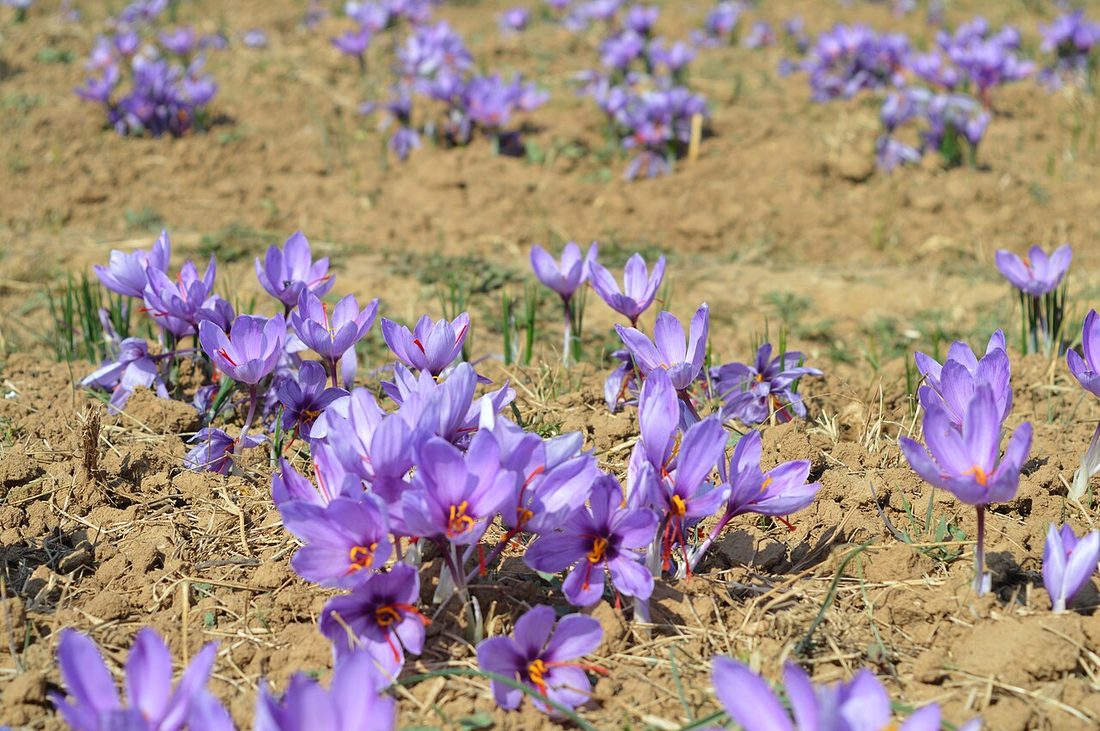
- Days 4–5 (South Kashmir Sourcing Loop — Pampore & Pahalgam): Drive south along NH44 past Pampore’s saffron fields to scenic snow-rimmed Pahalgam. Along the way, pair your textile exports with certified culinary treasures using our US FDA & ISO 3632 Pampore saffron and Mamra almond guide, or explore interior heirlooms with our hand-knotted Kashmiri silk carpets and walnut woodcraft US export guide.
- Day 6 (Final Verification, DHL/FedEx Dispatch & Departure Prep): Collect final CDI certificates, verify stitched FTC “100% Cashmere / Made in India” labels on commercial parcels before sealing moisture-proof courier cartons, and enjoy one last slow saffron kahwa on deck.
Before finalizing your winter dates, browse our vetted Srinagar heritage houseboats and centrally heated hotels, review regional winter routes across our Kashmir destinations index, read additional planning notes on our Kashmir travel blog, or compare all curated seasonal routes on our main Kashmir Tour Packages page.
Plan a Vetted Srinagar Artisan Tour & GI Sourcing Itinerary
We arrange private, zero-commission introductions to GI-certified Kanihama weavers, CDI Srinagar lab verification, and heated Dal Lake stays as part of bespoke New Year’s Kashmir Tours.
Frequently Asked Questions
Can I buy authentic GI Pashmina in Srinagar during late December and January?
Yes—winter is arguably the best time of year for buying Pashmina in Srinagar. With summer crowds absent, family-owned workshops in Kanihama and Downtown Srinagar have freshly completed autumn-to-winter loom runs on hand, master weavers are available to demonstrate talim coding in person, and the CDI PTQCC testing lab at Baghi Ali Mardan Khan operates standard winter weekday hours (typically Monday through Saturday, 10:30 AM to 4:00 PM; verify winter holiday closures around January 1).
Why do US customs brokers insist on labeling Pashmina as “100% Cashmere” for retail import?
Under the US Federal Trade Commission’s Wool Products Labeling Act (16 CFR Part 300), “Pashmina” is not an officially recognized standalone fibre term, whereas “Cashmere” specifically defines the fine dehaired undercoat of the Capra hircus goat measuring 19 microns or finer. Labeling commercial exports “100% Cashmere (Hand-Woven Kashmiri Pashmina) — Made in India” keeps your shipment 100% compliant with both FTC labeling audits and CBP textile inspectors.
How can I tell if a CDI Pashmina QR code tag is real or counterfeited?
First, inspect how the label is attached: a real Secure Fusion Authentication Label (SFAL) is micro-fused directly into the weave corner rather than dangled on a knotted cotton string. Second, scan the QR code with your own phone camera and confirm the browser redirects specifically to the official Craft Development Institute / Kashmir Pashmina GI portal displaying matching weave details and serial data—never a generic third-party shop webpage.
Is it safer to carry Kani shawls in my plane carry-on or ship them via DHL Express to the USA?
For 1 to 4 personal shawls, carrying them in breathable muslin wraps inside your cabin luggage is fastest, avoids brokerage fees, and keeps priceless textiles in your direct sight—simply declare their full invoice value cleanly upon US arrival. For commercial wholesale stock (5+ pieces or formal entries exceeding $2,500), insured air courier dispatch via DHL Express or FedEx International Priority with pre-attached FTC labels, IEC commercial invoice, and your US customs broker’s bond clears far cleaner than airport passenger lanes.
Will US Fish & Wildlife Service hold my Pashmina shipment thinking it might be Shahtoosh?
Random textile inspections can happen at major US air cargo hubs, especially when vague paperwork simply reads “handcrafted Indian shawl” without species data. Prevent costly lab holds by ensuring every commercial invoice explicitly states “100% Domestic Cashmere Goat Hair (Capra hircus) — Hand-woven GI Kashmir Pashmina, Non-CITES” and attaching copies of the CDI Srinagar PTQCC micron certification reports inside the airwaybill pouch.