
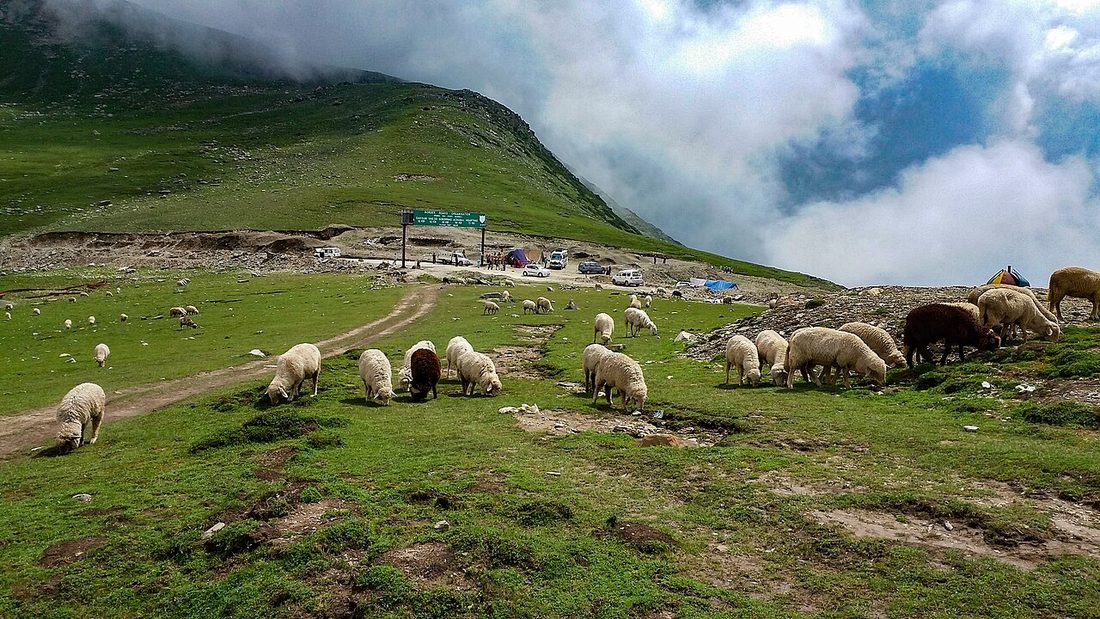
Step onto the trading floor of the India International Kashmir Saffron Trading Centre (IIKSTC) at Dusoo in Pampore on a crisp late-December morning, and the fragrance hits you before the tea arrives: dry autumn hay, warm honey, and razor-sharp floral notes from freshly cured crocus stigmas. Outside, frost glitters along the Srinagar–Anantnag highway. Inside, buyers from Dubai luxury food houses, Riyadh date boutiques, and Muscat hotel groups inspect sealed crimson lots under daylight lamps—not waiting for spring brokers, because by mid-January the finest single-estate harvests are already spoken for.
There is a sharp calendar logic behind this winter procurement rush. Across the Hijri calendar, Ramadan shifts eleven days earlier every solar year—meaning Ramadan 2027 opens in early February. For Gulf luxury hampers, corporate majlis gifts, and five-star iftar menus, late December and early January sit right inside the final air-freight sourcing window. That is why an increasing number of GCC food directors and gourmet founders pair supplier audits with New Year’s Kashmir Tours: two crisp working days verifying South Kashmir lots in person, followed by four snow-filled holiday days with their families in heated lakeside suites.
Moving high-value Kashmiri agricultural products across Arabian Gulf borders, however, is no casual suitcase exercise. Between Saudi Arabia’s strict SFDA residue screening, Dubai Municipality’s FIRS portal, UAE MoIAT (formerly ESMA) Halal and labelling standards, and India’s mandatory Spices Board and APEDA clearances, one missing laboratory parameter can freeze a $40,000 consignment inside Jebel Ali or King Khalid Airport customs for weeks. Below is a field-tested regulatory and sourcing manual built directly from South Kashmir’s export belt.
Why Late December & January Deliver the Peak Harvest Window
Understanding Kashmir’s agricultural calendar protects Gulf importers from buying stale, previous-season stock pushed off by middlemen in Mumbai or Delhi. Every flagship gourmet export from the valley hits peak freshness right between November and January:
- Pampore GI-Tagged Kashmiri Saffron (HS 0910.20.10): Crocus sativus blossoms along the elevated Karewa clay-loam plateaus of Pampore, Lethpora, Konibal, and Balhama for barely three weeks between late October and mid-November. By mid-December, stigmas have been meticulously separated into pure dark-crimson Mongra (top-grade red stigma tips only) and Lacha (full stigma with yellow style attached), hot-air dried at IIKSTC to hold moisture under 12%, and tagged with traceable Geographical Indication (GI) QR certificates. Compared against mass-market Iranian Negin or Sargol sold across Deira spice markets, authentic Pampore Mongra boasts markedly higher natural crocin colouring strength (commonly 220–260+ under ISO 3632) and thick, long threads prized by Gulf royalty and Michelin-starred Dubai kitchens.
- Single-Origin Kashmiri White Acacia (Solai) Honey (HS 0409.00.00): Harvested from pristine Robinia pseudoacacia forest blossoms across Pulwama, Shopian, Kokernag, Verinag, and North Kashmir’s Kupwara foothills, Kashmiri White Acacia honey pours almost water-clear with a delicate vanilla-blossom finish. Because acacia nectar carries a naturally high fructose-to-glucose ratio, authentic Solai honey resists rapid crystallization—and cold-extracted winter batches show minimal Hydroxymethylfurfural (HMF), making Kashmiri white acacia honey Middle East buyers’ favourite Himalayan counterpoint to Yemeni Sidr honey.
- Kashmiri Mamra Almonds (HS 0802.12.00) & Royal Kahwa Blends (HS 0902.10 / 0902.20): Winter-shelled paper-thin Kagzi and oil-rich sweet Mamra almond kernels from Pulwama and Budgam contain nearly twice the natural volatile oils of mechanized Californian almonds. Paired with whole-leaf Kashmiri green tea, green Malabar cardamom, Ceylon cinnamon bark, crushed rose petals, and Pampore saffron strands, Kashmiri Kahwa Mamra almonds Ramadan gifting hampers command AED 220–550 retail margins across Dubai, Doha, and Riyadh luxury boutiques.
Regulatory Roadmap: UAE ESMA/MoIAT, Saudi SFDA & Oman Food Clearance
Successfully clearing SFDA ESMA food import Kashmir saffron and honey consignments requires synchronized documentation on both the Indian dispatch side and the GCC importer side. Never cut an airway bill before your Gulf consignee’s portal pre-registration is active.
1. Mandatory Indian Export Credentials (Before Cargo Leaves Srinagar/Delhi)
- IEC, FSSAI Central Export License & Commodity Boards: Your Kashmiri supplier or merchant exporter must hold a valid DGFT Import-Export Code (IEC), FSSAI Central License endorsed for exports, a Spices Board India CRES certificate (for saffron, cardamom, and spiced Kahwa), and APEDA registration (for honey, walnuts, and Mamra almonds).
- GI Certificate & Phytosanitary Clearance: For genuine Pampore GI saffron wholesale Gulf trade, insist on an Authorized User GI certificate and IIKSTC lot seal. Plant-origin exports (saffron, almonds, loose Kahwa herbs) require an electronic Phytosanitary Certificate issued through India’s PQIS (Directorate of Plant Protection, Quarantine & Storage) confirming pest-free, soil-free status.
- Preferential Certificate of Origin (India–UAE CEPA): Under the India–UAE Comprehensive Economic Partnership Agreement (CEPA), qualifying Indian-origin agricultural and gourmet goods shipped directly to the UAE enjoy preferential reduced or zero customs tariffs compared with standard 5% GCC MFN duty—provided the exporter issues an electronic CEPA Certificate of Origin through the DGFT e-CoO platform matching invoice HS codes precisely.
- EIC / EIA Health Certificate for Honey: India’s Export Inspection Council (EIC) and Export Inspection Agencies mandate Residue Monitoring Plan (RMP) lab clearance for commercial honey exports to certify zero banned antibiotics and genuine botanical origin.
2. UAE Entry: Dubai Municipality FIRS, FoodWatch & MoIAT (ESMA)
In the UAE, standards formerly managed by ESMA now operate under the Ministry of Industry and Advanced Technology (MoIAT), while municipal port clearance runs through Dubai Municipality’s FIRS (Food Import & Re-Export System) and Abu Dhabi’s ADAFSA portal. Before your saffron tins or honey jars board an Emirates SkyCargo flight, your UAE trading licensee must register each SKU barcode, ingredient list, bilingual Arabic–English artwork, and ISO 17025 lab test report inside FIRS. Although pure saffron, raw acacia honey, and herbal Kahwa contain zero animal slaughter inputs, premium Emirati retail chains and hotel procurement desks routinely request an accredited MoIAT-recognized Halal compliance certificate—especially for blended Kahwa mixes or honey-nut infusions—to prevent warehouse rejection.
3. Saudi Arabia Entry: SFDA Ghad/Fasah & SASO Saber Rules
Saudi Arabia runs the strictest food customs screening in the Middle East. Every Saudi consignee must register both the Indian exporting facility and individual food SKUs inside the Saudi Food & Drug Authority (SFDA) electronic clearance portal integrated with ZATCA’s Fasah customs platform. Pay special attention to two frequent SFDA detention triggers:
- Honey Adulteration & Antibiotic Testing: SFDA rigorously tests imported honey batches against C4 sugar syrup adulteration, NMR authenticity markers, diastase activity, HMF limits (≤40 mg/kg), and strict zero-tolerance bans on nitrofurans, chloramphenicol, and sulfonamide residues. Always attach a batch-linked NABL/ISO 17025 lab report issued within 90 days of shipment.
- Packaging & Saber Conformity: While food itself clears under SFDA, luxury reusable gift hardware—such as engraved copper Kahwa samovars or decorative brass caddies bundled inside a Ramadan hamper—falls under SASO Saber product conformity (PCoC/SCoC). Ship decorative giftware under separate HS lines so a Saber hiccup never delays perishable gourmet stock.
4. Oman, Qatar, Kuwait & Bahrain (Unified GSO Labelling Standards)
Entry into Oman (via Muscat’s Food Safety & Quality Center / Bayan customs portal), Qatar (MoPH Watheq), Kuwait (PAFN), and Bahrain (MoH) harmonizes around Gulf Standardization Organization directives—chiefly GSO 9 for prepackaged food labelling and GSO 147 for natural honey. Every retail tin or jar must carry non-removable (printed directly on label, never hand-stickered over expiry dates) Arabic and English text stating: product name, full ingredients in descending weight order, exact net weight in grams/ml, country of origin (“Product of India – Kashmir”), production and expiry dates in DD/MM/YYYY format (note saffron generally holds 24 months shelf life; raw honey 24–36 months per GSO 150), storage instructions (“Store in a cool, dry place away from direct sunlight below 25°C”), and batch/lot code.
Mandatory Quality & Lab Testing Benchmarks for GCC Customs
Use this laboratory specification matrix when drafting purchase contracts with Srinagar and Pampore suppliers. Every lot shipped commercially should carry an original NABL-accredited (ISO/IEC 17025) Certificate of Analysis tied directly to the printed batch number on your export cartons.
| Kashmiri Gourmet Line & HS Code | Core International / GSO Standard | Target Acceptance Benchmarks | Required Export & GCC Papers |
|---|---|---|---|
| Pampore GI Saffron (Mongra / Lacha) HS 0910.20.10 |
ISO 3632-2 (Category I) & GSO Spice Norms | Crocin (colour) ≥200 (ISO Cat I min 190); Picrocrocin ≥70; Safranal 20–50; Moisture ≤12%; Floral waste ≤0.5%; Zero synthetic dyes (Tartrazine/Rhodamine B). | Spices Board CRES, IIKSTC GI Tag/Report, ISO 3632 Lab CoA, Phytosanitary Cert, DGFT CoO (CEPA for UAE), FIRS/SFDA SKU approval. |
| White Acacia (Solai) Honey HS 0409.00.00 |
GSO 147 / Codex CXS 12 & SFDA Honey Specs | Moisture ≤20%; Reducing sugars ≥60%; Sucrose ≤5%; HMF ≤40 mg/kg (aim <20 for raw artisan lots); Diastase ≥8 Schade; C4 sugar negative; Zero banned antibiotics. | APEDA Registration, EIC/EIA Health & Residue Cert, NABL/NMR Purity Report, GSO 9 Bilingual Labels, SFDA Establishment + Fasah Entry. |
| Royal Kashmiri Kahwa Blend HS 0902.10 / 0902.20 |
GSO 9 / Tea & Herbal Infusion MRL Rules | Moisture ≤8%; Pesticide residues within Codex/GSO MRLs; Heavy metals (Pb, As, Cd) within limits; Microbiological yeast/mould compliance; Allergen callout for almond slivers. | Tea Board / Spices Board Reg, FSSAI Export License, Allergen & Nutrition Panel (Arabic/English), Phytosanitary Cert, Halal Compliance Letter. |
| Kashmiri Mamra Almonds (Shelled) HS 0802.12.00 |
GSO Nuts & Aflatoxin Safety Standards | Total Aflatoxins (B1+B2+G1+G2) ≤10–15 ppb (strict B1 limits per SFDA/GSO); Moisture ≤6%; Free of rancidity, live pests, and foreign shell fragments. | APEDA Registration, Aflatoxin & Peroxide Lab CoA, PQIS Phytosanitary Cert, Vacuum/Nitrogen-Flushed Barrier Pouches, CEPA/Non-Pref CoO. |

Cold-Chain Air Freight vs Reefer Sea Cargo: Protecting Potency & Margins
Heat is the silent enemy of Kashmiri agro-exports once cargo crosses into Arabian Gulf ports. Exposing raw White Acacia honey to a 45°C warehouse tarmac spikes its HMF chemical marker within days—potentially turning a clean raw batch into a rejected SFDA lab fail! Likewise, UV light and humidity bleach saffron crocin rapidly.
For Kashmiri saffron export Dubai UAE, Riyadh, and Muscat orders (typically 5 kg to 50 kg commercial lots valued anywhere from $12,000 to $150,000+), air cargo is the only logical channel. Pack Mongra saffron inside opaque amber glass vials or nitrogen-flushed food-grade matte tins, double-sealed inside foil barrier liners, and ship temperature-controlled air freight (15–20°C) via Delhi (DEL) or Mumbai (BOM) straight into Dubai (DXB/DWC), Riyadh (RUH), or Muscat (MCT) using Emirates SkyCargo, Saudia Cargo, Air India Cargo, or commercial courier clearances (DHL Express / Aramex Priority with formal customs entries). Transit from Srinagar consolidation hub to Dubai cold-storage warehouse averages just 48 to 72 hours.
For heavier retail consignments—say 600 kg to 3 tonnes of jarred White Acacia honey, vacuum-packed Mamra almonds, and luxury Kahwa tins—importers split strategy: air-freight a fast 200 kg launch lot in early January to hit pre-Ramadan shelf displays on time, while routing bulk replenishment inside a temperature-monitored 20°C reefer LCL container out of Nhava Sheva (JNPT Mumbai) to Jebel Ali (UAE), King Abdulaziz Port (Dammam), or Sohar (Oman) in 10 to 14 days at roughly a fifth of air-freight per-kilo cost. Always insert a USB temperature data logger inside every honey pallet so you hold objective proof if transit temperatures ever spike.
Bundling a 5-Day Winter Agro-Tourism & Supplier Audit with Family Snow Travel
Remote WhatsApp sampling only gets a serious buyer halfway. Seeing the curing facility, checking moisture meters in person, tasting raw unfiltered comb honey directly beside Pulwama hives, and shaking hands with family-run estates cuts sourcing risk to near zero—and winter gives you a rare bonus: your spouse and children enjoy snow adventures while you lock down next year’s GCC supply chain! This is the exact niche behind rising Srinagar agro-tourism winter executive trips.
Here is how visiting UAE, Saudi, and Omani buyers structure a focused five-day sourcing-and-leisure itinerary—often customized on top of our Kashmir Paradise Tour or quick executive 3-Day Kashmir Houseboat Escape:
- Day 1 (Srinagar Base & Lake Hospitality): Land midday at Srinagar, check into a centrally heated 5-star hotel or private Nigeen Lake cedarwood houseboat vetted through our Kashmir executive hotels directory, and hold an evening tasting briefing with pre-vetted saffron and Kahwa exporters over sunset views near Nishat and Shalimar Bagh.
- Day 2 (Pampore IIKSTC & Pulwama Honey/Almond Audits): Drive 30 minutes south to Dusoo, Pampore to inspect GI auction procedures, witness ISO 3632 spectrophotometry grading, and audit licensed packaging rooms. Continue into Pulwama and Budgam to inspect winter Mamra almond cracking units and taste single-origin White Acacia drums straight from temperature-controlled vaults.
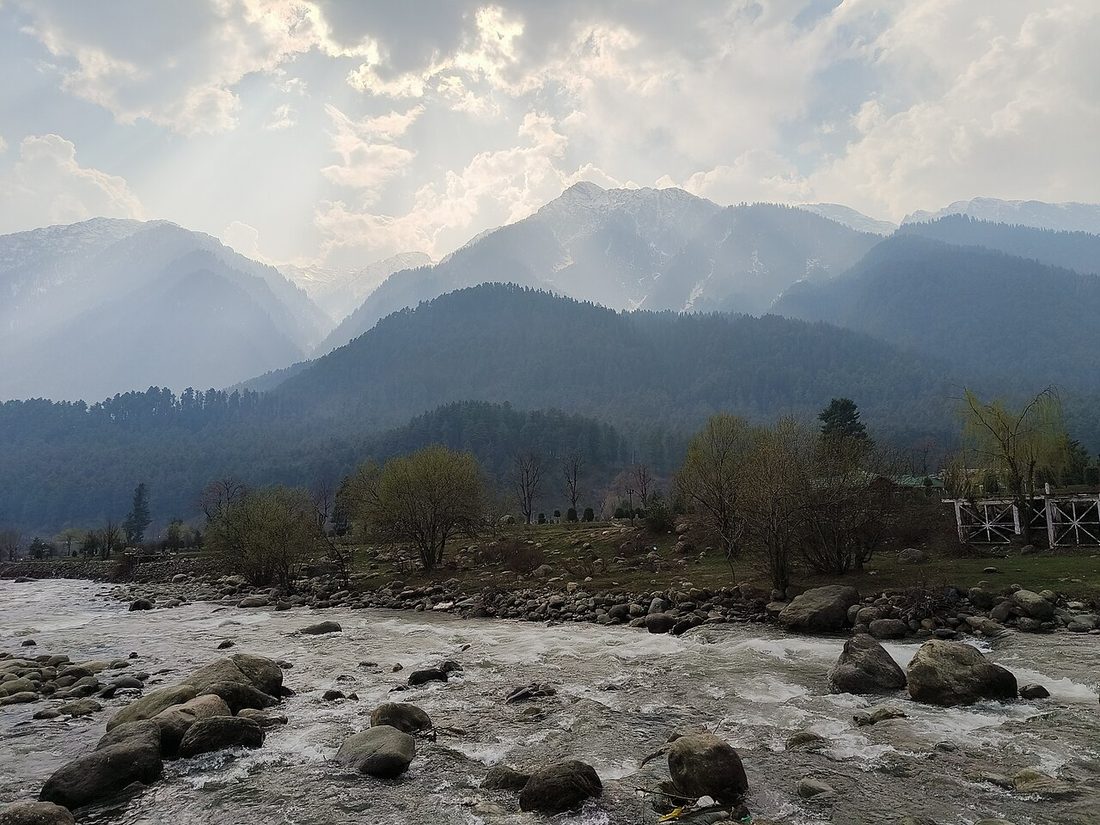
- Day 3 (South Kashmir Heartland — Kokernag, Verinag & Pahalgam Snow): Morning field visit past Kokernag and Verinag to meet cooperative apiary directors, then pivot effortlessly into winter holiday mode along the snowy Lidder Valley in Pahalgam—exploring frosted pine ridges below the winter Tulian trail while your family relaxes beside riverside fires.
- Days 4–5 (Family Snow Finale or North Kashmir Extension): Spend Day 4 gliding up Gulmarg’s snow peaks for family skiing, or—for buyers expanding into Kupwara walnuts and Lolab forest honeys—loop past serene Wular Lake before returning to Srinagar to finalize sample pouches and courier documentation. Buyers seeking a fuller valley sweep combine this seamlessly with our Charismatic Kashmir Tours or Complete Kashmir Explorer Package.


Five Supplier Red Flags Every Gulf Food Importer Must Spot
- Suspiciously Cheap “Pampore Saffron” Quotes: If a broker quotes Mongra Kashmiri saffron below global Iranian wholesale pricing, walk away. Blending Iranian threads with 20% Kashmiri strands—or spraying spent floral styles with synthetic red dye—remains the oldest street trick in the spice trade. Drop two threads in lukewarm water: real Pampore Mongra releases bright golden-yellow pigment slowly over 10–15 minutes while threads keep their deep red integrity; dyed fakes bleed instant harsh crimson instantly.
- Unsealed Bulk Honey Without C4 / Antibiotic Lab Reports: Roadside stalls sell delicious breakfast honey, not SFDA-compliant export cargo. Commercial Middle East shipments must originate from FSSAI/APEDA facilities with batch-numbered NMR or C4 isotope testing and antibiotic clearance.
- Missing Allergen Declarations on Kahwa Tins: Traditional Kashmiri Kahwa contains crushed Mamra almonds—a mandatory tree-nut allergen callout under GSO 9. Omitting bold Arabic allergen warnings stops Dubai and Riyadh supermarket onboarding cold.
- Using Uninsured Passenger Baggage for Commercial Stock: Carrying 2 kg of saffron inside checked suitcases without an IEC Shipping Bill invites airport customs seizure in Delhi or Dubai and leaves your UAE/Saudi company unable to issue legal tax invoices or retail barcode entries.
- Overlooking Moisture Control in Mamra Almonds: Always demand vacuum-sealed or nitrogen-flushed foil inner liners with oxygen absorbers; humid coastal storage in Jeddah or Dubai turns poorly sealed Mamra nuts soft within three weeks.
Combine Your GCC Procurement Audit with a Winter Family Escape
Let our Srinagar desk coordinate vetted Pampore GI saffron visits, South Kashmir apiary briefings, centrally heated Nigeen houseboats, and family snow days on tailored New Year’s Kashmir Tours and custom Kashmir Tour Packages.
Related Middle East Sourcing & GCC Winter Travel Guides
Expanding your Gulf luxury catalog beyond gourmet food into bespoke palace interiors? Read our companion trade guide on commissioning Kashmiri Pashmina, hand-knotted silk carpets & engraved copperware for Middle East majlis interiors. For complete December family travel logistics alongside your business schedule, browse our flagship New Year’s Kashmir Tours 2026–2027 Complete Guide, our Oman, Qatar, Kuwait & Bahrain GCC travel planner, and our regional archives covering Dubai & UAE Kashmir tours and Saudi Arabia Kashmir tours. Explore every regional zone on our Kashmir destinations hub, follow seasonal field dispatches on our Kashmir travel blog, or message our Srinagar coordinator directly via our Kashmir i Tour contact page to arrange verified Pampore and South Kashmir buyer introductions.
Frequently Asked Questions
Does the India–UAE CEPA lower customs duty on Kashmiri saffron and white honey shipped to Dubai?
Yes. Qualifying Indian-origin agricultural goods—including Pampore GI saffron, Kashmiri honey, and nuts—shipped directly to the UAE benefit from preferential CEPA tariff reductions compared to standard GCC MFN rates, provided your exporter issues an electronic CEPA Certificate of Origin through India’s DGFT e-CoO system with accurate HS classification and direct consignment documentation.
What are the strictest Saudi SFDA rules when importing Kashmiri White Acacia honey?
SFDA enforces GSO 147 honey purity norms strictly: moisture at or below 20%, sucrose at or below 5%, HMF not exceeding 40 mg/kg, negative C4/sugar-syrup adulteration verification, and zero detectable banned veterinary antibiotics (nitrofurans, chloramphenicol, sulfonamides). Both the Indian exporting establishment and individual retail SKUs must be registered in SFDA’s portal before Fasah customs clearance.
How much Kashmiri saffron can a GCC traveller legally carry in personal luggage versus air cargo?
Personal-use gift quantities (typically 20–50 grams in sealed retail tins with purchase invoices) clear passenger arrivals smoothly across UAE, Saudi, and Omani airports. Anything intended for commercial resale—or bulk quantities exceeding personal consumption—must travel as documented air cargo under an Indian IEC Shipping Bill, Phytosanitary Certificate, and formal GCC customs declaration.
Why do Middle East Ramadan buyers visit Srinagar specifically during New Year’s Kashmir Tours?
Pampore saffron finishes curing, ISO 3632 grading, and GI certification between late November and December, just as winter Mamra almonds are shelled and single-origin acacia honey stocks are lab-tested. Visiting during late December or early January lets Gulf buyers inspect fresh top-grade lots face-to-face right ahead of Ramadan and Eid luxury hamper assembly while their families enjoy Himalayan snow.
What is the difference between Pampore Mongra and Lacha saffron for Gulf wholesale buyers?
Mongra consists exclusively of the deep burgundy upper stigma tips with zero yellow style attached, delivering peak crocin colour intensity and maximum aroma per gram—making it the gold standard for luxury Dubai, Riyadh, and Doha gift jars. Lacha retains the golden-yellow floral style attached to the red tip, offering strong fragrance at a slightly more accessible wholesale price per kilogram.
Can Kashmir i Tour arrange both verified supplier visits and heated family stays in one trip?
Yes. Our Srinagar operations team routinely builds split executive-and-family itineraries: pairing licensed chauffeur transport for Pampore IIKSTC, Pulwama, and Kokernag sourcing meetings with private Nigeen Lake cedarwood houseboats, 100% Halal dining, and Gulmarg or Pahalgam snow excursions for accompanying spouses and children.