
Most guidebooks will tell you flatly that four days is impossible in Ladakh. They are wrong—provided you stop trying to imitate a ten-day overland circuit and start treating elevation like an equation rather than a checklist. I have guided software engineers from Bengaluru, doctors from Mumbai, and solo photographers flying Friday-to-Monday out of Delhi on this exact 96-hour loop. When a short trip fails in Leh Ladakh, it almost never fails because of mileage. It fails because someone landed at 7:40 AM, skipped their afternoon nap, drank two cups of strong black coffee, bolted up 500 concrete steps before sunset, and woke up at 2 AM clutching their temples with splitting Acute Mountain Sickness.
This 3-night, 4-day express escape strips away dead highway hours while protecting the single non-negotiable biology rule of the Trans-Himalaya: climb high during daylight if your body feels steady, but sleep low every single night. By anchoring all three nights inside Leh at 3,500 meters instead of attempting an aggressive sleepover beside Pangong Tso Lake at 4,225 meters on Day 2 or Day 3, you dodge the worst nocturnal oxygen drop while still standing ankle-deep by those hypnotic blue waters after crossing Chang La Pass. Travelers comparing all Himalayan options across Kashmir Tour Packages consistently choose this blueprint when corporate calendars leave exactly one extended weekend free between May and October.
Step off the morning flight at Kushok Bakula Rimpochee Airport and the air smells faintly of jet fuel, cold dust, and dry poplar bark. Leh sits roughly at the altitude of base camps in the Alps, yet commercial jets drop passengers straight from sea-level humidity into 35 percent less atmospheric oxygen in seventy-five minutes. Your red blood cell count cannot react that fast. What your lungs can do, however, is adjust smoothly over twenty-four quiet hours of horizontal rest, warm garlic soup, and steady hydration.
On a traditional week-long route like our Amazing Leh Ladakh Tour Itinerary, you earn two full valley nights before moving sleeping altitude. On a 4-day run, sleeping at Spangmik beside Pangong pushes an unacclimatized body up another 725 vertical meters right when respiration slows during REM sleep. Even healthy marathoners frequently suffer Cheyne-Stokes periodic breathing and nausea overnight at Pangong if they rush there on Day 3. Driving to Pangong as a disciplined dawn-to-dusk round trip lets you enjoy three unhurried hours on the shoreline, eat hot buttered momos at a lakeside dhaba, photograph the water turning from slate to cobalt, and descend back to Leh’s milder evening air before bedtime.
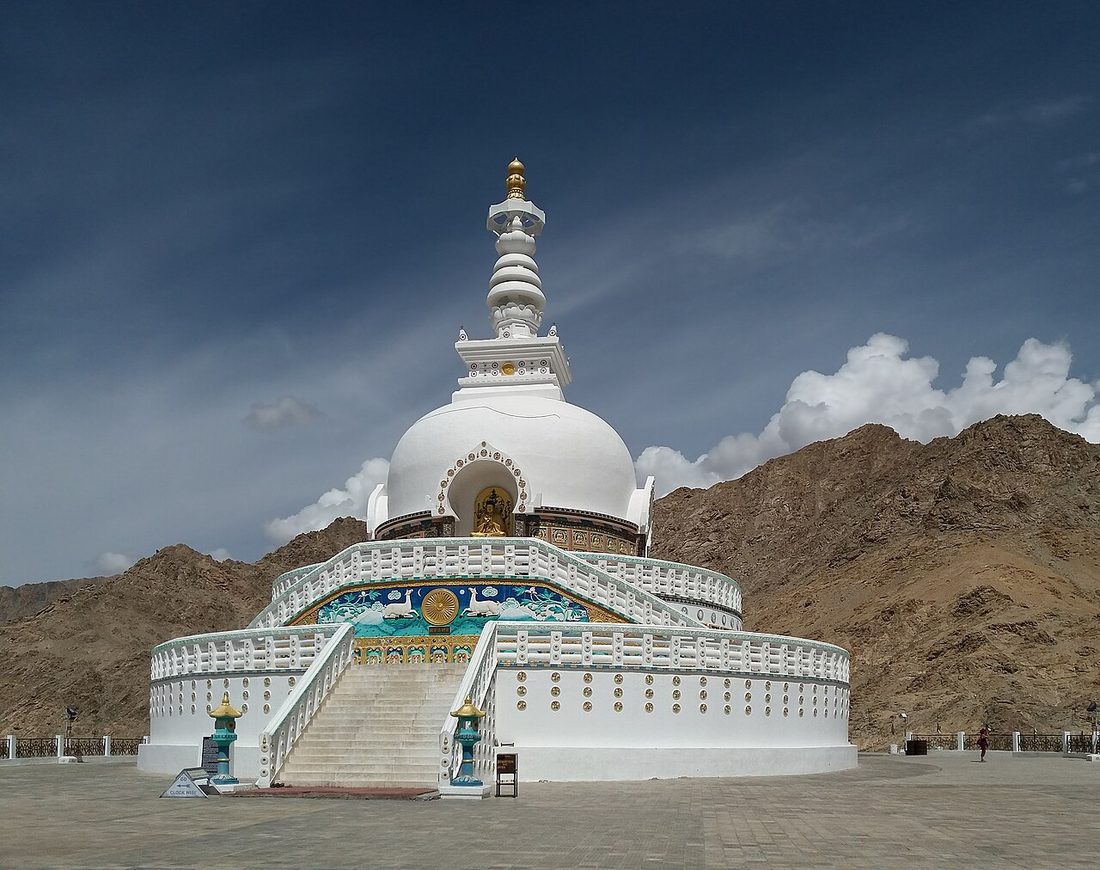
Do not book a midday sightseeing cab on Day 1. Check in, drink two liters of plain water or warm electrolyte salts before 3 PM, skip alcohol completely, and avoid scalding hot showers (sudden vasodilation triggers dizziness at 3,500 meters). Only around 4:30 PM, once the harsh UV glare softens, take a slow taxi up the back tarmac road to Shanti Stupa rather than climbing the steep Changspa staircase. Save your quads and lungs for Day 2.
Every kilometer in Ladakh feels roughly double its map distance because roads cling to scree slopes, cross military convoy zones, and narrow around glacial meltwater channels. Before locking flights, study how this express itinerary paces vertical gain against actual road hours. If you prefer checking every route option across our Kashmir and Ladakh tour packages, notice how each day below keeps departure windows crisp without sacrificing afternoon breathing room.
| Trip Day | Route & Core Stops | Road Distance | Peak / Sleep Altitude | Acclimatization Purpose |
|---|---|---|---|---|
| Day 1 | Leh Airport (IXL) → Hotel Rest → Shanti Stupa & Main Bazaar | 16 km local | 3,500m / 3,500m | Zero exertion before 4 PM; gentle sunset walk only |
| Day 2 | Hall of Fame → Spituk → Pathar Sahib → Magnetic Hill → Sangam | 95 km round trip | 3,650m / 3,500m | Valley-floor highway sightseeing; drops to 3,100m at Nimmu |
| Day 3 | Leh → Karu → Chang La Pass → Tangtse → Pangong Tso → Leh | 295 km round trip | 5,360m / 3,500m | High-pass crossing in daylight; sleep safely back at 3,500m |
| Day 4 | Leh Hotel → Kushok Bakula Rimpochee Airport Departure | 6 km transfer | 3,500m / Home | Early morning departure before valley winds close IXL runway |
By the second morning, most travelers wake up surprised at how crisp their appetite feels. Start breakfast early—Ladakhi khambir flatbread smeared with local apricot jam and a flask of ginger-lemon-honey tea beats heavy fried parathas at altitude—and roll westward along NH-1 toward the Kargil corridor. Just four kilometers outside town sits the Indian Army Hall of Fame. Do not rush through its quiet timber galleries. Reading handwritten letters home from Siachen Glacier and Kargil’s 1999 peaks grounds the entire landscape around you; the snow boots, kerosene stoves, and oxygen masks displayed inside explain why Ladakh’s roads remain engineering miracles.
Just beyond the runway perimeter rises Spituk Gompa, its whitewashed walls stacked vertically on a conical rock outcrop above the Indus floodplain. Pause ten minutes on the upper courtyard ledge. From here you look straight across runway tarmac to the jagged teeth of the Stok Kangri massif, watching morning flights bank steeply through the valley slot. Continuing west, the asphalt ribbons past Gurudwara Pathar Sahib, maintained immaculately by Army jawans who serve piping-hot kadah prasad and salty chai to every driver and passenger who steps inside. Twenty minutes further sits Magnetic Hill, an optical gravity illusion where the surrounding ridgeline tricks the human horizon into thinking a mild downhill slope climbs upward. Put the SUV in neutral inside the yellow painted box, laugh as it rolls smoothly, and move on before the midday tour buses crowd the shoulder.
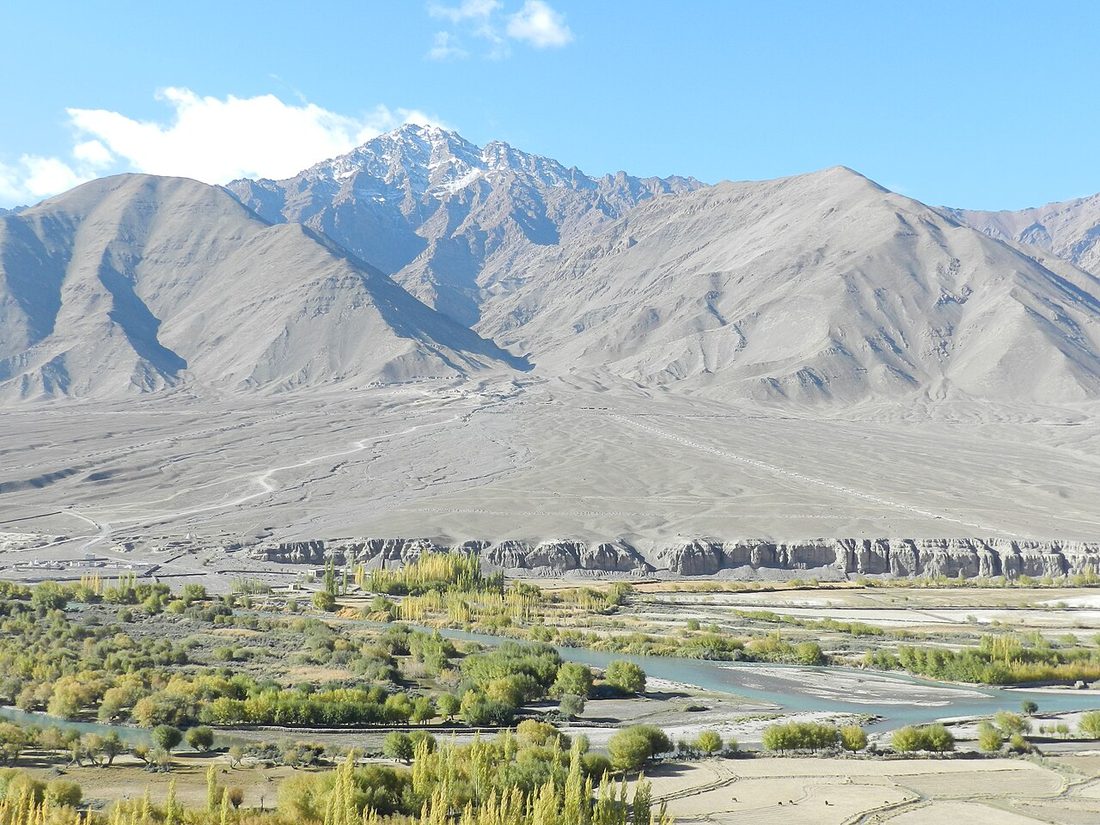
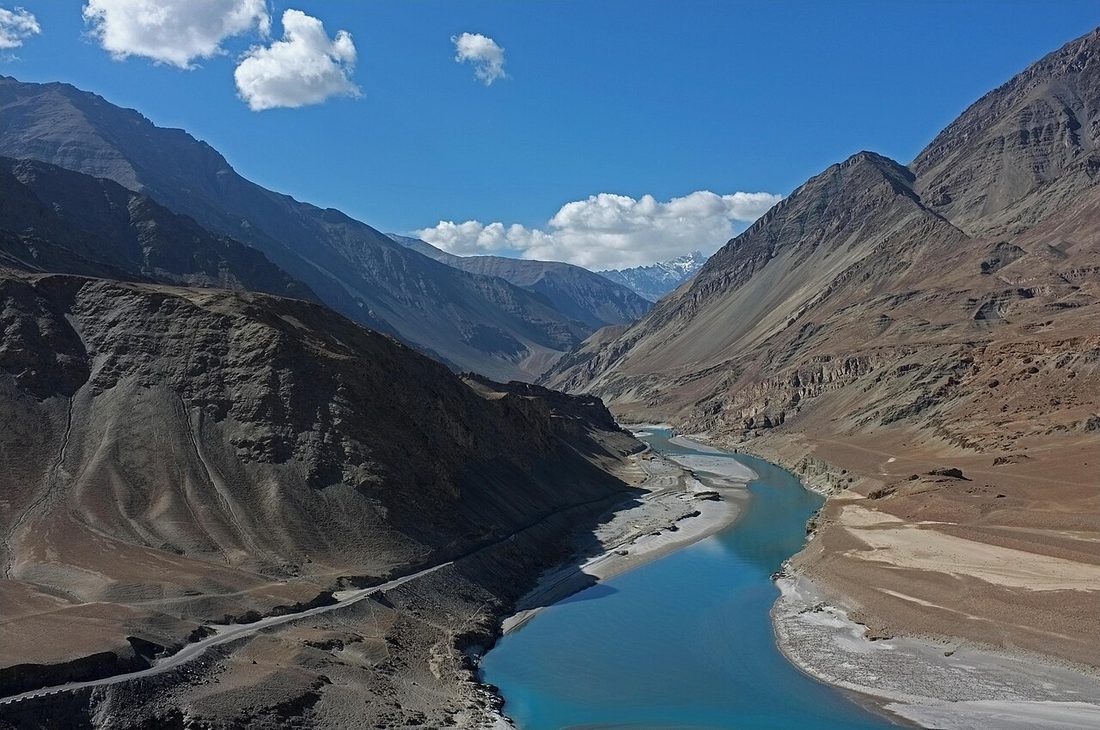
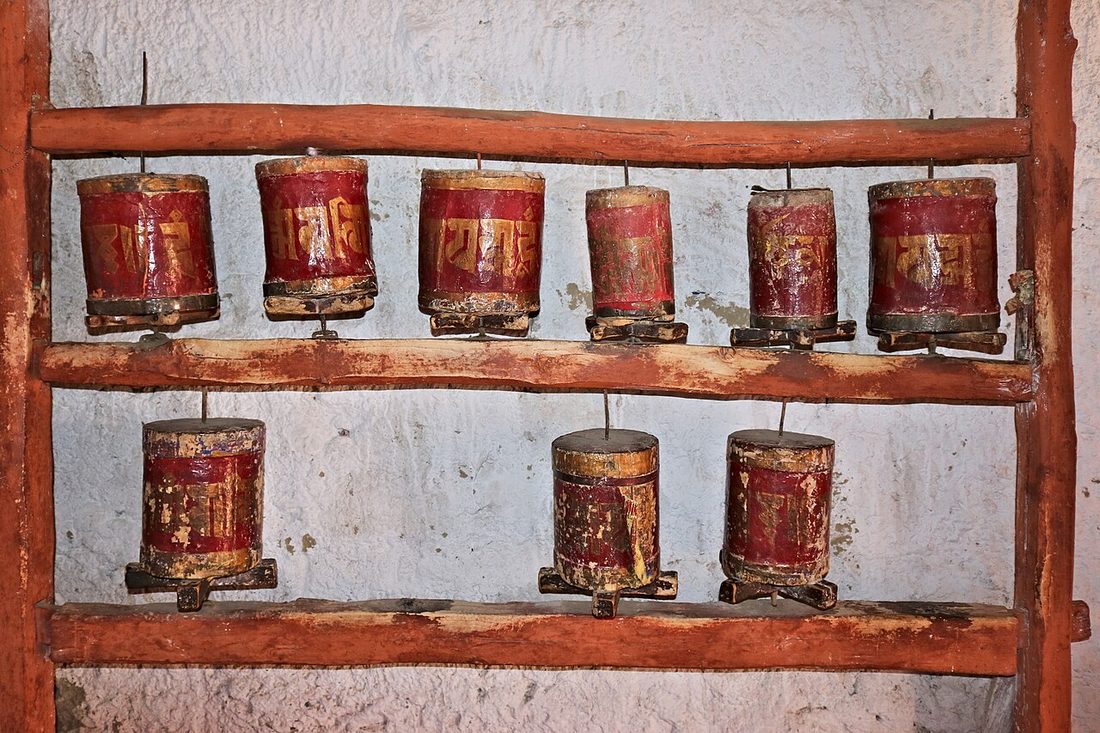
The geographical climax of Day 2 arrives at Nimmu Sangam, 35 kilometers west of Leh, where the Zanskar River pours out of its deep ochre gorge to merge with the broader Indus. Depending on snowmelt between May and September, one stream runs icy bottle-green while the other carries slate-grey glacial silt, leaving a razor-sharp ribbon of two colors traveling side by side for several hundred yards downstream. Between mid-June and September, certified local rafters launch Grade II–III runs right from Chilling or Scorpoche down to this confluence. If you skip rafting and leave Leh by 8:30 AM, your driver can easily add twenty-five quiet minutes onward toward Likir or point you toward the ancient murals detailed in our Rizong and Alchi Monastery guide before looping back to Leh for lunch.
On your return into town, swing briefly past Kali Mandir perched above Spituk’s shrine complex, then claim a shaded rooftop table along Changspa Road. Order steamed mutton or vegetable mokthuk (dumplings floating in rich clear bone or herb broth) at Bon Appetit or The Tibetan Kitchen. Keeping Day 2 relaxed ensures you hit your pillow by 9:30 PM, completely charged for the long Changthang push at sunrise.
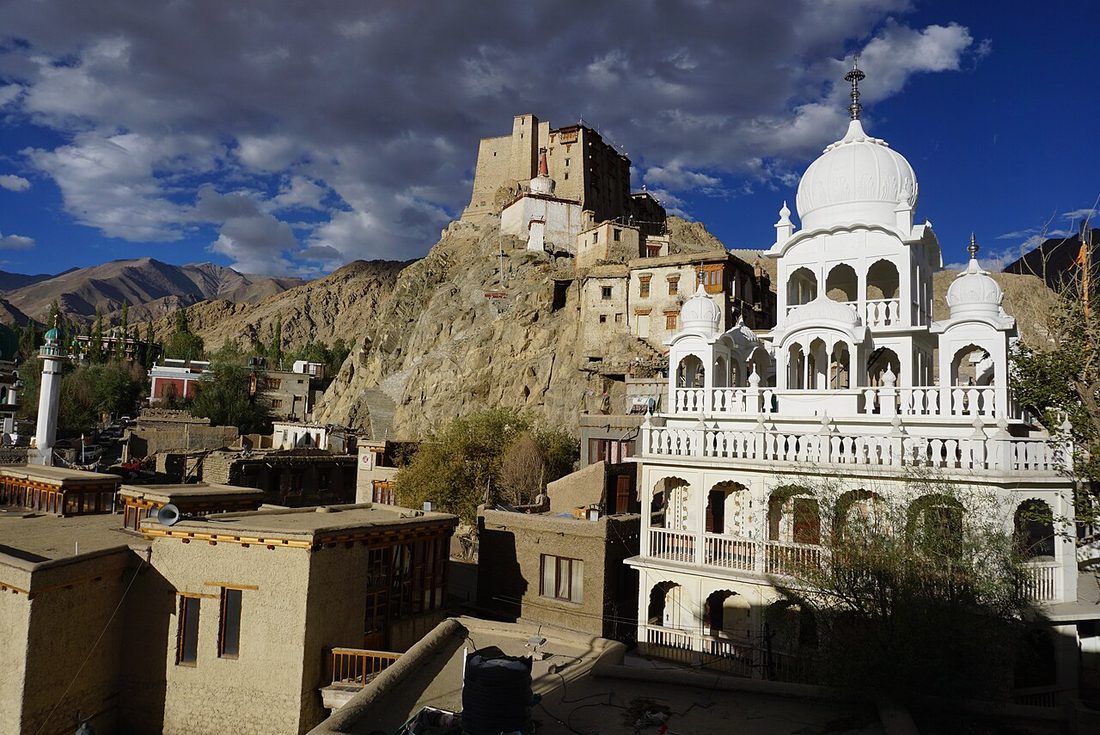
Set your alarm for 5:15 AM on Day 3. Leaving Leh by 6:00 AM is the secret hack veteran local drivers swear by, because you beat both heavy Army supply convoys and the late-morning meltwater surge along Zingral’s narrow ledges. As your private Innova or Scorpio glides east down the broad Indus valley toward Karu, morning light paints the whitewashed terraces of Shey Palace and the distant valley mouth guarding Hemis. While dedicated heritage circuits such as our Spiritual Ladakh Buddhist Monasteries Circuit spend entire mornings inside those prayer halls, passing their golden rooftops at dawn gives even a 4-day visitor a clean sense of the Indus kingdom’s historic spine.
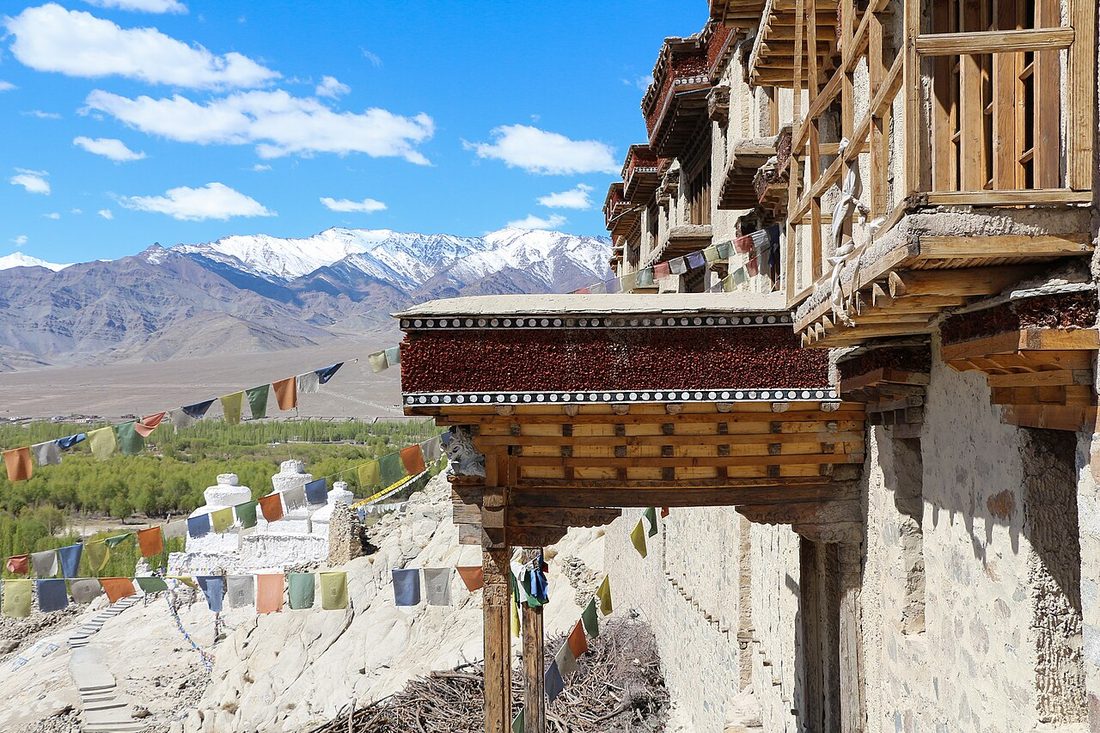
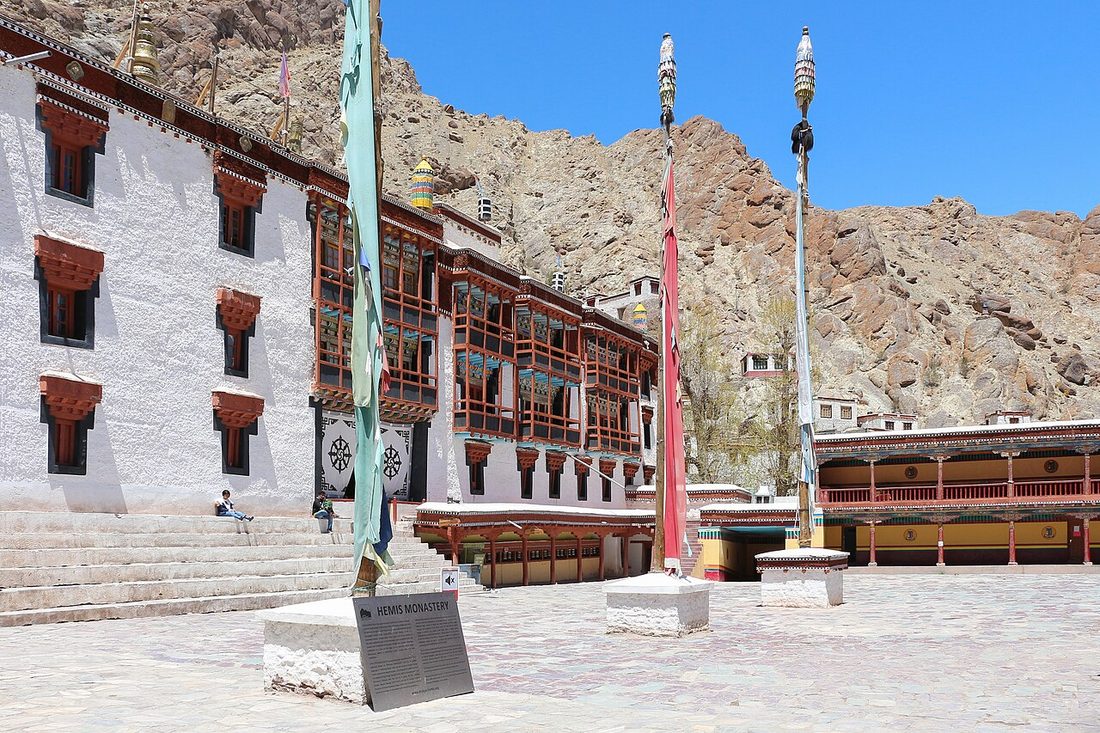
At Karu, you fill the fuel tank to the neck (there are no reliable petrol stations past Tangtse) and swing left through Sakti’s green terraced barley fields. Almost immediately, the engine drops into second gear and the switchbacks begin climbing relentlessly toward Chang La Pass at 5,360 meters (17,586 feet). Prayer flags crisscross the frozen saddle around the small Changla Baba shrine, and the air turns biting enough in July to freeze spilled tea on stone steps. Limit your photo stop at the summit to fifteen minutes—standing longer in ultra-thin air invites a dull forehead throb that lingers all afternoon.
Descending the eastern flank drops you into the Changthang plateau’s stark alpine meadows. Near Durbuk and Tangtse, watch the stony flats beside glacial streams: plump Himalayan marmots frequently stand upright on their hind legs whistling warning chirps as SUVs rumble past. Tangtse village is your last hub with a small military-assisted medical post, decent washrooms, and roadside tea stalls selling steaming plates of Maggi and hot salted butter tea. Thirty kilometers past Tangtse, the valley walls pinch tightly around a sandy gorge, and then—without warning—a razor-thin sliver of electric turquoise flashes between two rust-brown hills.
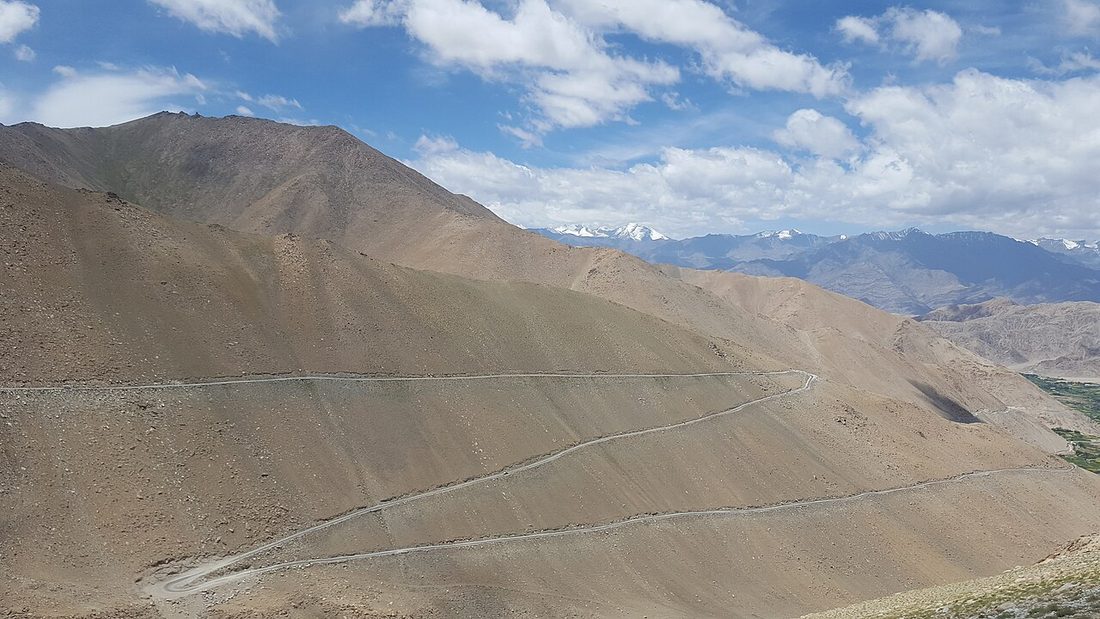
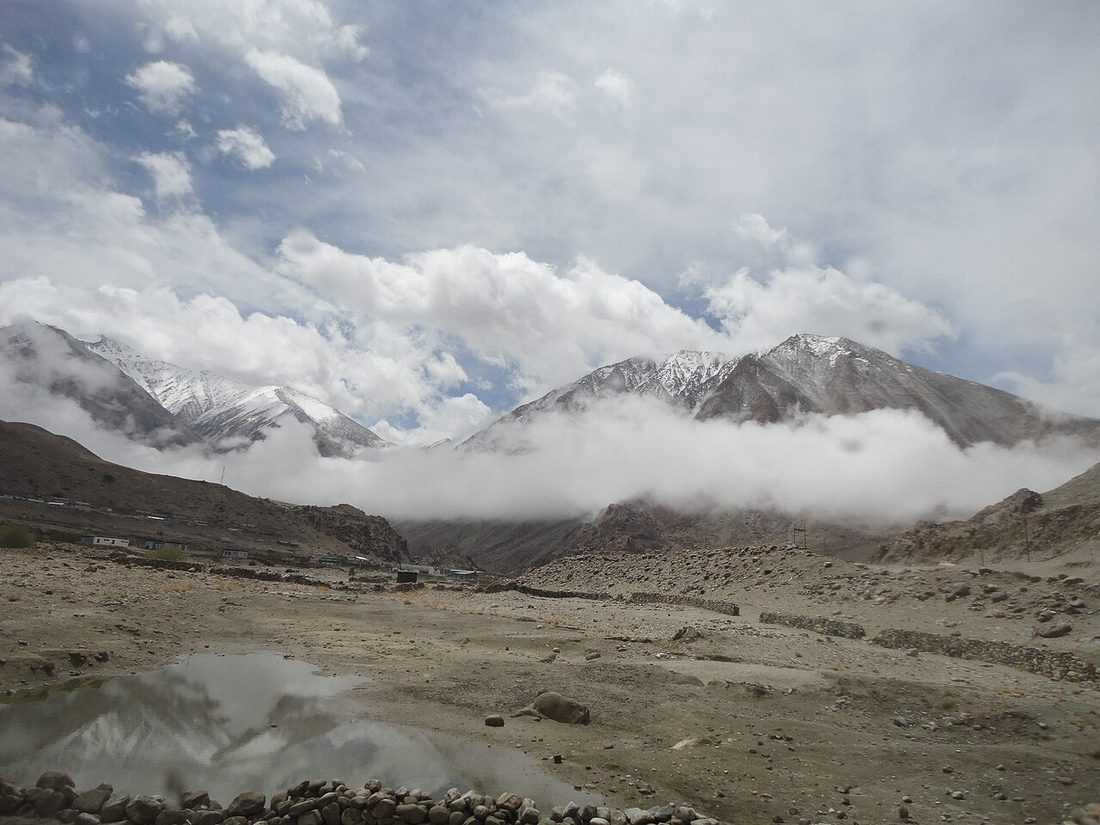
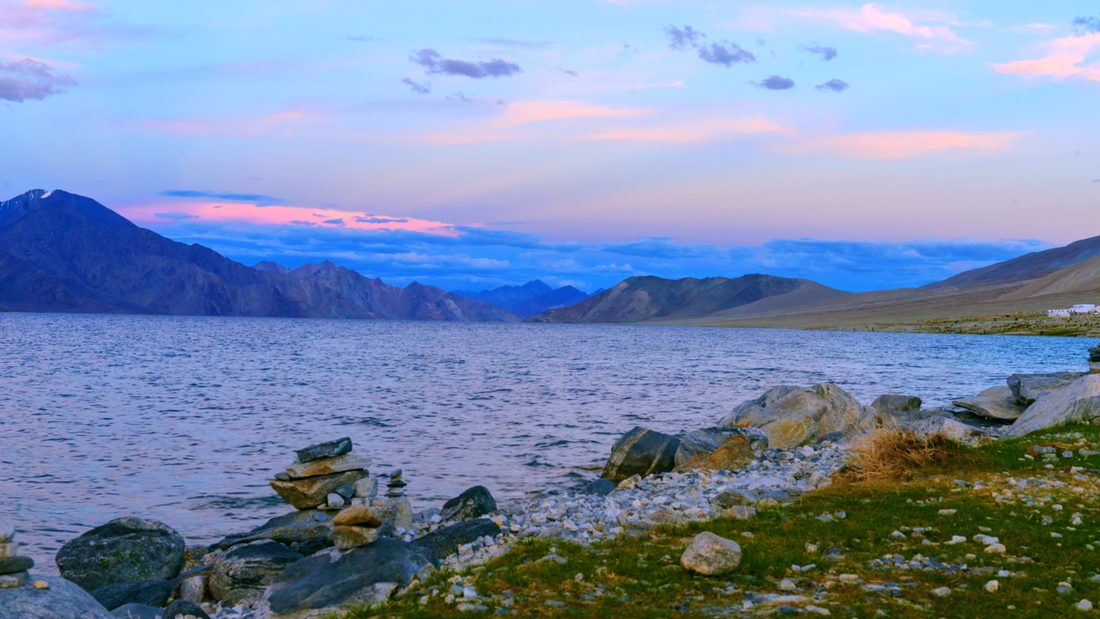
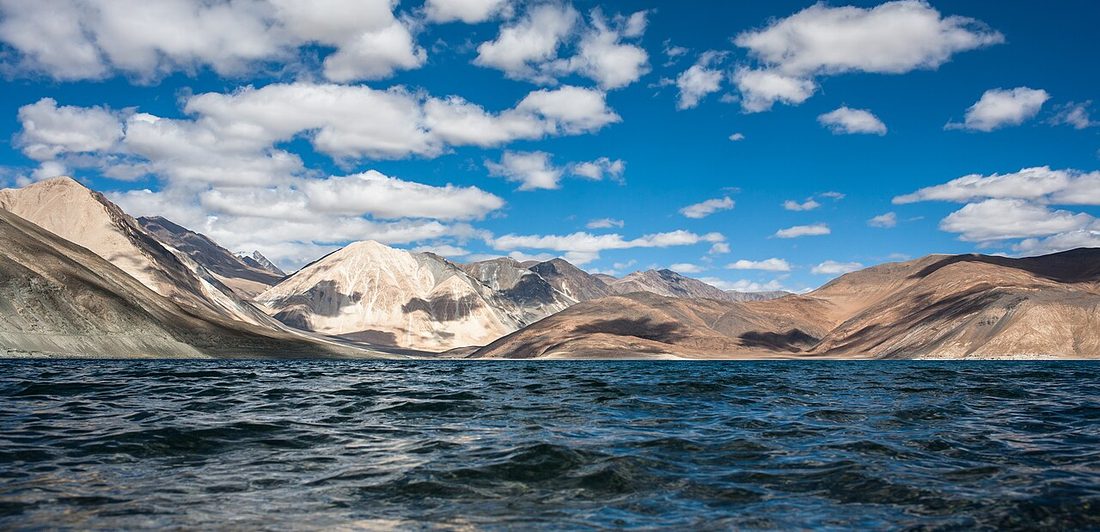
Nothing in a brochure prepares your eyes for the sheer optical punch of Pangong Tso at 11:00 AM. Stretching 134 kilometers across the Indo-Tibetan border with roughly one-third inside Indian territory, the endorheic salt lake behaves like a giant liquid prism. Shallow gravel bars near Lukung glow pale aquamarine; half a mile out, the water deepens into sapphire, then bruised indigo wherever high clouds drift overhead. Skip the crowded movie-prop photo queues right at Lukung beach and ask your driver to roll ten minutes further along the shoreline toward Spangmik. Here, the wind whistles clean off the waves, brown-headed gulls wheel over stony coves, and you can eat warm rajma-chawal or thukpa in near silence facing barren Tibetan mountains across the water.
What if early-May snowdrifts or an October storm temporarily shuts Chang La on Day 3? Having a responsive local Leh desk saves short trips from collapsing. Whenever Chang La closes for Border Roads Organisation snow-clearing, we seamlessly pivot Day 3 into a dramatic climb over Khardung La Pass (5,359 meters) with an afternoon descent toward the upper Nubra Valley viewpoint at North Pullu and Khardung village, paired with Thiksey and Hemis Monasteries on your return into Leh. You still stand above 17,500 feet in swirling alpine snow, sip kahwa at the summit canteen, and keep your evening flight schedule intact.
Outside-registered taxis from Delhi, Manali, or even Srinagar cannot legally run sightseeing loops inside Leh, Pangong, or Nubra under Ladakh Taxi Union norms—which is why this package runs strictly on verified Leh-registered commercial SUVs driven by local Ladakhi drivers who know every black-ice curve. Only postpaid SIM cards (Jio, Airtel, BSNL) work across Leh; prepaid SIMs from outside Jammu & Kashmir lose signal the instant your aircraft doors open. Carry ₹3,000–₹4,000 in crisp cash notes for Tangtse dhabas, monastery donations, and Sangam rafting since UPI fails outside Leh town.
Planning to stretch this weekend run by a day or two? Adding just 24 hours unlocks our 5-Day Leh, Alchi Monastery, Nubra & Pangong Itinerary, while six days lets you sleep among Hunder’s silver dunes on the Explore Leh, Nubra Valley & Pangong Lake Tour. Families seeking a slower 7-day pace often compare our Magical Leh, Sham Valley, Nubra & Pangong Circuit, and overland road-trippers driving in from Srinagar should study our Srinagar to Leh Trans-Himalayan Road Trip Guide before picking highway dates. Browse our curated verified hotels in Leh and Srinagar, compare every valley in our regional destination guides, or ping our Customize Your Trip Desk to adjust hotel tiers and flight timings.
Upgrade from 3N/4D to our 4N/5D power circuit to cross both Khardung La and Chang La, walk Hunder’s dunes, and witness Alchi’s 1,000-year-old murals.
We offer special tiered group tariffs for couples, families, and ski/travel groups from 02 Pax up to 14+ Pax with Deluxe centrally heated hotels & houseboats:
| PACKAGES | 02 PAX | 04 PAX | 06 PAX | 08 PAX | 10 PAX | 12 PAX | 14 PAX | EXTRA BED |
|---|---|---|---|---|---|---|---|---|
| DELUXE / BUDGET PACKAGE |
What's covered in your package
What's not included
Senior Kashmir Tour Consultant • +91- 9103232574 | Srinagar Office
Tailored Winter & Year-Round Departures from the United States (USD), Europe/UK (EUR/GBP) & Middle East / GCC (AED/SAR/OMR/QAR): Every itinerary on our New Year's Kashmir Tours & Kashmir Tour Packages portal can be customized with centrally heated Gulmarg & Pahalgam resorts, heritage Nigeen & Dal Lake houseboats, 4x4 snow-chain transfers during Chillai Kalan, 100% Zabiha Halal Kashmiri Wazwan alongside pure vegetarian/Jain kitchens, and private Toyota Innova Crysta / Force Urbania chauffeurs.
Direct GI-Tagged Kashmiri Export Assistance (USA CBP/FDA, EU REX/UK DCTS & GCC SFDA/ESMA): Travellers and boutique buyers can pair their holiday with verified Srinagar artisan studio visits for Pampore Mongra Saffron (ISO 3632), Changthangi Pashmina & Kani Shawls (CDI QR SFAL), Hand-Knotted Qaleen Silk Carpets, White Acacia Solai Honey, and Kiln-Seasoned Walnut Woodcraft shipped with insured air freight to New York, San Francisco, London, Frankfurt, Paris, Zurich, Dubai, Riyadh, Muscat & Doha. Read our 2026–2027 New Year's Kashmir Tours Complete Guide or browse all 139 Travel & Export Guides.
Read our local field guides for every stop on this itinerary before you pack:
Well-organized trip with comfortable centrally heated hotels, friendly local driver, and smooth sightseeing across Srinagar, Gulmarg & Pahalgam.
Rahul Sharma — New DelhiThe luxury houseboat stay, sunset Shikara ride, and Gulmarg Gondola & skiing arrangements were seamless. Highly recommended!
Priya Verma — AhmedabadClean hotels, heated rooms, and 24/7 trip support from Ms. Hina Beigh and the Kashmir i Tour team throughout our vacation.
Arjun Patel — PuneGet a customized itinerary & best hotel/houseboat rates from our Srinagar travel team.